
Maximizing Discus Color & Shape: Techniques for Show Perfection

Welcome to Aquarium Mastery!
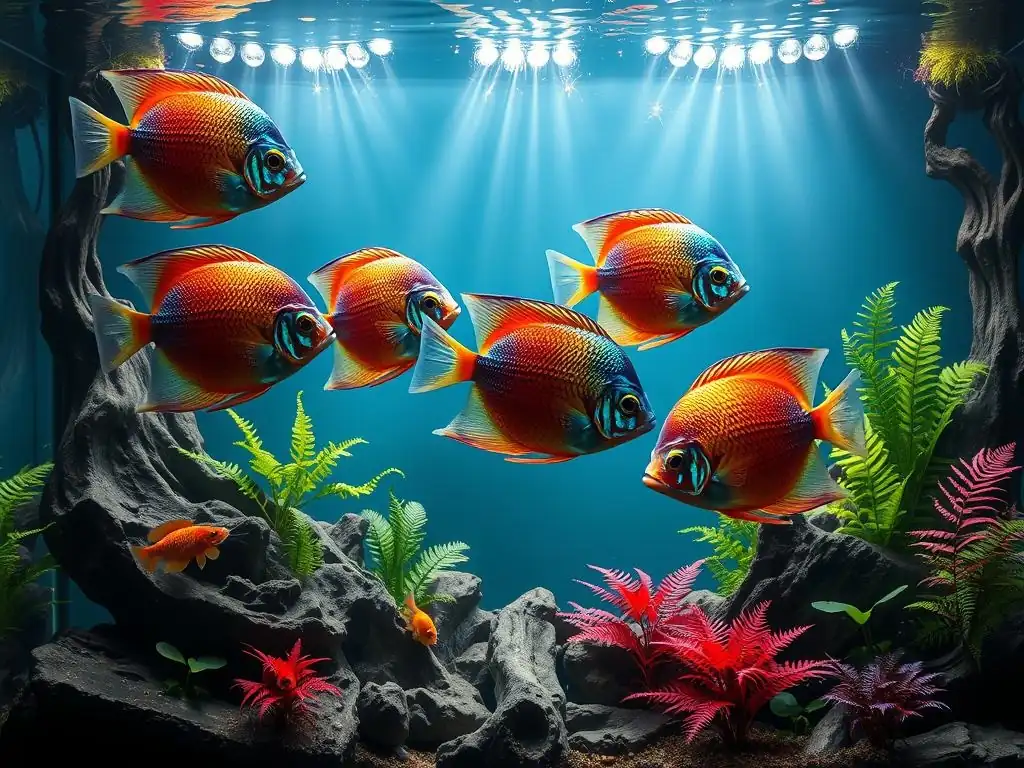
Ever wondered how to unlock the true vibrant potential and perfect shape of your Discus fish? You're in the right place! Dive into our comprehensive guide on Discus fish color shaping and discover the secrets to achieving show-stopping results. Prepare to be amazed at what's possible – let's begin your journey to Discus perfection!
- Understanding the Importance of Discus Fish Color Shaping for Show Quality
- Optimizing Water Quality for Vibrant Discus Colors
- Nutrition Strategies for Enhancing Discus Fish Color Shaping
- Lighting Techniques to Showcase Discus Colors
- Tank Setup and Design for Discus Color Display
- Managing Stress to Promote Vibrant Discus Colors
- Selective Breeding for Improved Discus Color and Shape
- Maintaining Discus Health for Long-Term Color Retention
- Documenting Your Discus Color Shaping Journey
-
Frequently Asked Questions
- How important is water quality for Discus fish color shaping?
- What role does diet play in maximizing Discus fish color shaping?
- What impact does tank environment and lighting have on Discus fish color shaping?
- How does selective breeding contribute to Discus fish color shaping?
- What common diseases can negatively impact Discus fish color shaping?
- Final Reflection: The Art of Aquatic Aesthetics
- Unleash Your Discus's True Potential!
Understanding the Importance of Discus Fish Color Shaping for Show Quality
The Role of Genetics in Discus Color and Body Conformation
The intrinsic beauty of Discus fish, particularly their vibrant coloration and distinctive round shape, is largely predetermined by their genetic makeup. Each strain, from the fiery Red Melon to the iridescent Blue Diamond, carries specific genes that dictate its base color, pattern, and overall body conformation. For instance, the "Pigeon Blood" gene, a dominant trait, is responsible for the characteristic pepper spots and intense red-orange hues seen in many popular varieties. Breeders meticulously select parent fish based on desired traits, understanding that superior genetics lay the foundation for exceptional Discus fish color shaping and structure.
However, genetics are not the sole determinant. While a fish might inherit the potential for brilliant colors and a perfectly round body, environmental factors play a crucial role in whether this potential is fully realized. A Discus with excellent genetic lineage for a high-bodied form and vibrant blue coloration may never achieve its full splendor if subjected to suboptimal conditions. The intricate interplay between inherited traits and the environment underscores the complexity of truly maximizing Discus fish color shaping for show quality.
Environmental Factors Influencing Discus Appearance
Beyond genetics, a multitude of environmental factors profoundly influence the visual appeal and health of Discus fish, directly impacting their color and shape. Water quality stands paramount; parameters such as temperature, pH, and hardness, when maintained within ideal ranges, reduce stress and allow colors to intensify. Conversely, fluctuating or poor water conditions can lead to faded coloration, stress bars, and even stunted growth, compromising the characteristic round shape of the Discus.
Diet is another critical environmental factor. A balanced, nutrient-rich diet provides the necessary pigments and building blocks for robust growth and vibrant coloration. For example, foods rich in carotenoids can significantly enhance red and orange tones in strains like the Red Turquoise. Lighting, tank setup, and the presence of compatible tank mates also contribute to the overall well-being and visual presentation of these magnificent fish. Managing these environmental elements effectively is key to successful Discus fish color shaping.
Optimizing Water Quality for Vibrant Discus Colors
Maintaining Ideal Water Parameters for Discus Color Enhancement
Temperature, pH, and Water Hardness Considerations
Maintaining precise and stable water parameters is fundamental for enhancing Discus fish coloration and ensuring their overall health. Discus thrive in warmer water, with an ideal temperature range typically between 82-86°F (28-30°C). Consistent temperatures prevent thermal stress, which can lead to dull colors and increased susceptibility to disease. Sudden fluctuations, even by a few degrees, can visibly stress the fish, causing them to darken and hide.
The pH level is equally crucial; Discus prefer slightly acidic to neutral water, generally within a pH range of 6.0 to 7.0. While a specific pH within this range is less critical than its stability, consistent parameters prevent osmotic shock and allow the fish's metabolic processes to function optimally, directly supporting vibrant Discus fish color shaping. Water hardness should be soft, typically 1-5 dGH (degrees of General Hardness) and 1-3 dKH (degrees of Carbonate Hardness). Hard water can stress Discus by making it difficult for them to osmoregulate, leading to faded colors and a compromised immune system.
The Impact of Water Changes on Discus Health and Coloration
Regular Water Change Schedules and Best Practices
Regular and substantial water changes are arguably the single most impactful practice for maintaining Discus health and promoting intense coloration. Accumulated nitrates, phosphates, and other dissolved organic compounds can suppress color development and lead to stress. Frequent water changes dilute these pollutants, replenishing essential trace minerals that Discus utilize for metabolic functions, including pigment synthesis. For young, growing Discus, daily water changes of 50% or more are common among breeders to stimulate rapid growth and maximize Discus fish color shaping.
For adult Discus, a schedule of 30-50% water changes two to three times per week is often sufficient, depending on stocking density and feeding regimen. When performing water changes, it is vital to match the temperature of the new water to the tank water precisely to avoid thermal shock. Additionally, always use a high-quality water conditioner to neutralize chlorine and chloramines, which are highly toxic to fish. A consistent routine of large, frequent water changes dramatically improves water clarity and quality, allowing the true brilliance of Discus colors to shine through.
Filtration Systems for Pristine Water and Discus Color Development
Choosing the Right Filter for Discus Tanks
Effective filtration is indispensable for maintaining the pristine water quality that Discus fish require for optimal health and vibrant coloration. A robust filtration system works to remove physical debris, break down harmful nitrogenous compounds, and absorb chemical impurities. For Discus tanks, a combination of mechanical, biological, and chemical filtration is often recommended. Mechanical filtration, typically sponges or filter floss, removes particulate matter, preventing cloudy water that can obscure Discus fish color shaping.
Biological filtration, facilitated by porous media like ceramic rings or bio-balls, is crucial for converting toxic ammonia and nitrite into less harmful nitrate through the nitrification cycle. Canister filters are a popular choice for Discus tanks due to their large media capacity and ability to provide all three types of filtration. Many experienced aquarists also utilize large sponge filters, especially for breeding tanks or fry grow-out tanks, as they provide excellent biological filtration and are gentle on young fish. Over-filtration is generally beneficial for Discus, ensuring that water parameters remain stable and conducive to brilliant colors.
Nutrition Strategies for Enhancing Discus Fish Color Shaping
The Importance of a Balanced Discus Diet
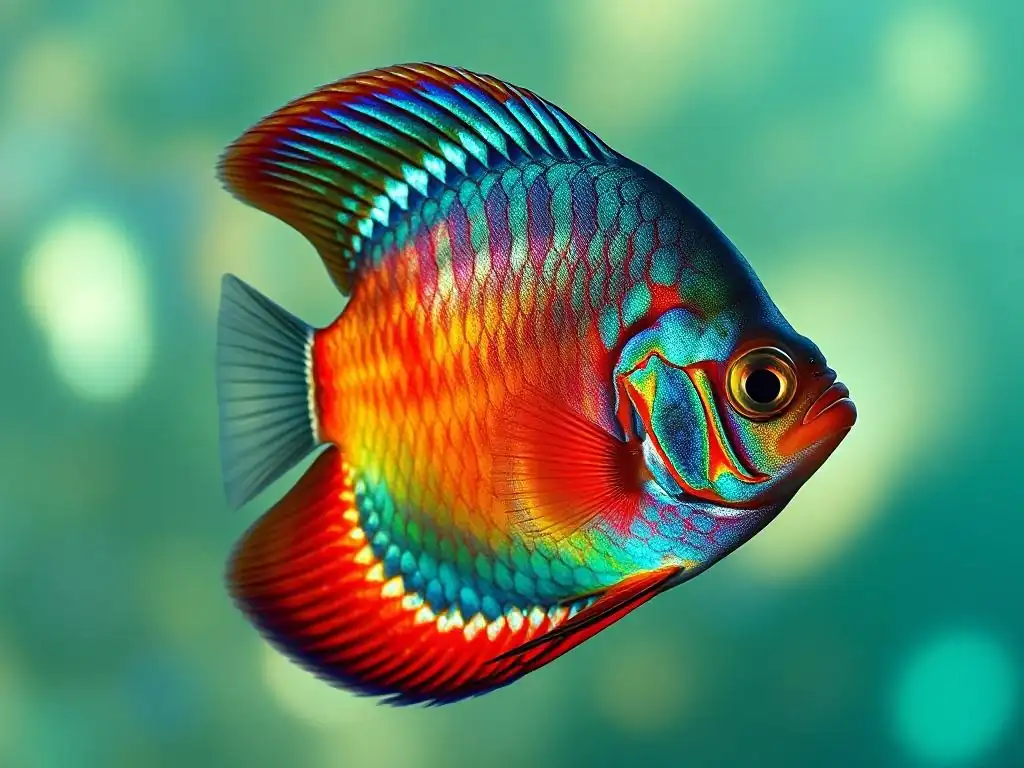
A comprehensive and balanced diet is paramount for the robust health, optimal growth, and vivid coloration of Discus fish. Like all living organisms, Discus require a diverse array of nutrients, including high-quality proteins, essential fats, carbohydrates, vitamins, and minerals. A diet lacking in any of these components can lead to stunted growth, weakened immune systems, and most noticeably, dull or faded coloration. For instance, without sufficient protein, Discus cannot develop their full body mass or repair tissues, directly impacting their characteristic round shape.
Moreover, specific nutrients directly contribute to pigment development. Carotenoids, for example, are essential for the expression of red, orange, and yellow hues. Therefore, a varied diet is not just about survival but about providing the building blocks for the spectacular Discus fish color shaping that makes them so prized. Relying on a single type of food, even a high-quality one, can lead to nutritional deficiencies over time, preventing the fish from reaching their full chromatic potential.
Live Foods and Their Impact on Discus Color Vibrancy
Live foods are highly beneficial for Discus fish, not only for their nutritional value but also for their palatability and ability to stimulate natural hunting behaviors. Foods such as bloodworms, blackworms, and especially newly hatched brine shrimp are packed with protein and essential fats.
Brine shrimp, in particular, are rich in carotenoids like astaxanthin, which are powerful pigments that can significantly intensify red, orange, and even yellow coloration in Discus. For example, consistent feeding of live brine shrimp, which obtain astaxanthin from their diet of microalgae, has been observed to deepen the red tones in strains like Red Melon Discus within a matter of weeks.
However, while live foods offer immense benefits for Discus fish color shaping, they also carry a risk of introducing parasites or diseases into the aquarium. To mitigate this risk, it is crucial to source live foods from reputable suppliers or to culture them yourself under controlled conditions. Quarantining newly acquired live foods, if feasible, can also provide an additional layer of protection, ensuring that the nutritional benefits are gained without compromising the health of your valuable Discus.
High-Quality Commercial Foods for Discus Color Enhancement
While live foods are excellent supplements, high-quality commercial foods form the backbone of a Discus's diet for convenience and balanced nutrition. These foods, available in various forms such as flakes, pellets, and frozen cubes, are specifically formulated to meet the dietary needs of Discus. When selecting commercial foods, look for products with high protein content, typically ranging from 45-55%, derived from sources like fish meal, krill, and spirulina.
Many premium commercial Discus foods are fortified with color-enhancing ingredients like astaxanthin, spirulina, and other carotenoids. For instance, a frozen beef heart mix enriched with spirulina and vitamins can provide both the necessary protein for growth and the pigments required for vibrant blue and green tones. These specialized formulations are designed to optimize Discus fish color shaping by providing concentrated amounts of the nutrients that contribute directly to pigment development and deposition in the skin cells.
Supplementing Discus Diets for Optimal Color and Shape
Beyond primary food sources, strategic supplementation can further enhance the color and shape of Discus fish, particularly for show-quality specimens. Vitamins, especially Vitamin C, play a crucial role in immune system health and can indirectly support vibrant coloration by reducing stress and disease susceptibility. Some aquarists add liquid vitamin supplements to their fish food or directly to the water during water changes.
Specific color-enhancing additives, such as pure astaxanthin or spirulina powder, can be dusted onto prepared foods or incorporated into homemade beef heart mixes. Astaxanthin, a powerful antioxidant and red pigment, is particularly effective for intensifying red, orange, and yellow hues.
For example, including a small percentage (e.g., 2-5% by weight) of spirulina powder in a DIY Discus food blend can noticeably deepen blue and green shades in strains like Blue Diamond or Cobalt Blue Discus within a few months. These supplements work by ensuring that the fish has an ample supply of the necessary precursors for pigment synthesis, leading to more intense and stable Discus fish color shaping.
Lighting Techniques to Showcase Discus Colors
The Role of Lighting Spectrum in Discus Appearance
The spectrum of light used in a Discus aquarium significantly influences how their colors are perceived and, to some extent, how they develop. Different light temperatures, measured in Kelvin (K), emphasize specific color ranges. A warmer light spectrum (e.g., 2700K-4000K) tends to bring out and enhance red, orange, and yellow hues, making strains like Red Melon or Pigeon Blood Discus appear even more vivid. Conversely, a cooler, bluer light spectrum (e.g., 8000K-10000K) will make blue and green Discus, such as Blue Diamond or Cobalt Blue, appear more intense and brilliant.
For overall Discus fish color shaping and a balanced display, a full-spectrum light with a color temperature around 6500K is often recommended. This mimics natural daylight and provides a balanced rendition of all colors, while also supporting live plant growth if the tank is planted. Understanding the impact of light spectrum allows aquarists to strategically select lighting that not only supports the fish's well-being but also visually optimizes their stunning coloration.
Choosing the Right Lighting for Discus Tank
Selecting the appropriate lighting fixture is crucial for both the aesthetic display of Discus and their overall comfort. LED lighting has become the preferred choice for many Discus keepers due to its energy efficiency, longevity, and versatility. Modern LED fixtures often allow for customizable spectrums and dimming capabilities, giving aquarists precise control over how their Discus colors are presented. For example, a dimmable LED unit can be set to a lower intensity during morning and evening hours, mimicking natural dawn and dusk cycles, which can reduce stress for the fish.
Fluorescent lighting (T5 or T8) is also a viable option, though it offers less control over spectrum and intensity. When choosing lighting, consider the tank's depth and whether live plants are present, as plant growth requires specific light intensity and spectrum (PAR). However, avoid overly bright lighting, as Discus are naturally found in shaded, slow-moving waters and can become stressed by intense illumination, potentially leading to faded colors or increased hiding behavior. A well-chosen lighting system contributes significantly to the visual appeal of Discus fish color shaping.
Avoiding Algae Growth with Proper Lighting Control
While lighting is essential for showcasing Discus colors, improper lighting can lead to rampant algae growth, detracting from the tank's aesthetics and potentially indicating an imbalance in the ecosystem. Algae thrives on excessive light duration and intensity, combined with available nutrients (nitrates, phosphates). To prevent this, it's crucial to establish a consistent lighting schedule, typically 8-10 hours per day. Exceeding this duration often provides no additional benefit to fish or plants and primarily fuels algae.
Furthermore, ensure that the light intensity is appropriate for the tank's needs, especially if it's not heavily planted. If algae becomes an issue, reducing the light duration or intensity can be an effective first step. Maintaining low nitrate and phosphate levels through regular water changes and efficient filtration also starves algae, allowing the vibrant Discus fish color shaping to be the focal point, rather than green fuzzy tank walls. A balanced approach to lighting, considering both the fish's needs and algae control, is key for a visually appealing Discus tank.
Tank Setup and Design for Discus Color Display
Optimizing Tank Size and Layout for Discus
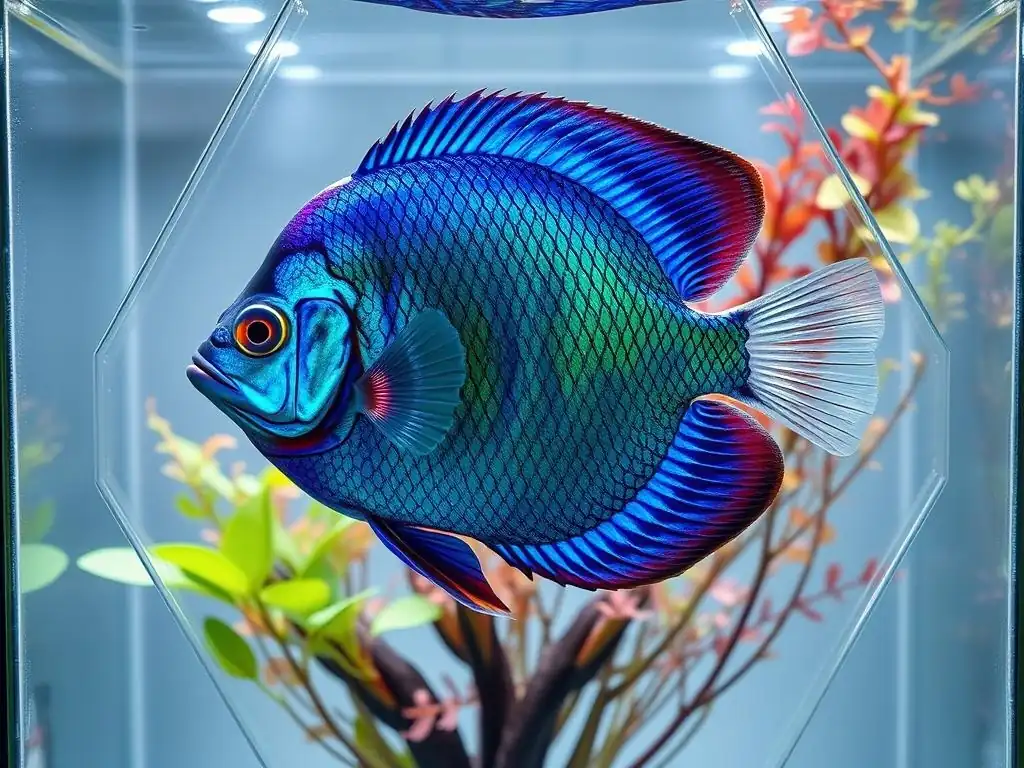
The tank size and its internal layout are critical for the well-being of Discus fish, which directly translates into their vibrant colors and healthy shape. Discus are schooling fish and thrive when kept in groups of at least 5-6 individuals.
For a group of adult Discus, a minimum tank size of 75 gallons (approximately 48x18x21 inches) is highly recommended, providing ample swimming space and helping to dilute waste products more effectively. Larger tanks, such as 125 gallons or more, are even better, as they offer greater stability in water parameters and reduce territorial aggression, which can cause stress and dull coloration.
The tank layout should include open swimming areas in the front and middle, allowing the fish to display their full Discus fish color shaping and interact. However, it's equally important to provide sufficient hiding spots, such as large pieces of driftwood or tall, broad-leafed plants. These retreats offer security and reduce stress, especially for new or submissive fish, allowing them to feel safe and exhibit their most brilliant hues.
Substrate and Decoration Choices for Discus Color Enhancement
The choice of substrate and decorations can significantly influence the perceived vibrancy of Discus fish colors. Discus, particularly those with strong red or blue pigments, tend to display more intense coloration when kept over a dark substrate. A dark background, such as black sand or fine, dark gravel, creates a stark contrast that makes the fish's colors appear to pop more vividly. For example, a Red Melon Discus placed against a black substrate will often exhibit a deeper, richer red than the same fish over a light-colored substrate.
When selecting decorations, prioritize smooth, non-abrasive materials to prevent injury to the Discus's delicate slime coat. Natural driftwood (like Mopani or Malaysian wood) and smooth river rocks are excellent choices. Driftwood not only provides natural hiding spots but also releases tannins, which can slightly lower pH and tint the water a tea color, mimicking their natural Amazonian environment. This slight tint can further enhance the appearance of certain colors and reduce light reflection, creating a more comfortable environment for Discus fish color shaping.
Creating a Stress-Free Environment for Discus Fish
A truly stress-free environment is paramount for maximizing Discus fish color shaping and maintaining their overall health. Stress is one of the primary reasons for faded colors, disease susceptibility, and stunted growth in these sensitive fish. Stability in the aquarium environment is key. This includes consistent water parameters (temperature, pH, GH, KH), regular maintenance routines without sudden drastic changes, and a peaceful tank community.
Avoid keeping Discus with aggressive or overly boisterous tank mates that might nip their fins or outcompete them for food. Ideal companions include peaceful schooling fish like Rummy-nose Tetras or Cardinal Tetras, which also serve as good dither fish, encouraging the Discus to be more active and less shy. Minimizing external disturbances, such as loud noises, sudden movements near the tank, or erratic lighting changes, also contributes to a calm atmosphere. A calm, secure Discus is a vibrant Discus, showcasing its full genetic potential.
Managing Stress to Promote Vibrant Discus Colors
Identifying and Addressing Common Discus Stressors
Stress is a significant deterrent to vibrant Discus fish color shaping and overall health. Recognizing the signs of stress early is crucial for intervention. Common indicators include darkening of the body (often referred to as "stress bars"), hiding persistently, clamped fins, rapid gill movement, refusal to eat, and erratic swimming. The most common stressors for Discus are poor water quality (high nitrates, ammonia, nitrites), incorrect water parameters (temperature, pH, hardness), aggressive tank mates, overcrowding, and sudden environmental changes.
For instance, if a Discus exhibits dark stress bars and hides in a corner, testing water parameters immediately for elevated ammonia or nitrite levels is the first step. A 50% water change, ensuring temperature matching, can often alleviate acute water quality stress. Addressing the root cause—whether it's an incompatible tank mate that needs rehoming or an insufficient filtration system—is essential for long-term well-being and allows the Discus to regain its natural, brilliant coloration.
Quarantine Procedures for New Discus Fish
Implementing a strict quarantine procedure for all new Discus fish before introducing them to the main display tank is a non-negotiable practice for serious aquarists. This critical step minimizes the risk of introducing diseases and parasites that can devastate an established Discus population and cause significant stress, leading to faded colors and even death. A dedicated quarantine tank, equipped with its own heater and filtration, should be set up with water parameters matching the main tank.
New fish should be quarantined for a minimum of 4-6 weeks. During this period, observe them closely for any signs of illness, such as white spots (Ich), clamped fins, abnormal breathing, or unusual lesions. Many experienced aquarists also perform preventative treatments for common parasites during quarantine. For example, a prophylactic treatment with a medication like Metronidazole for internal parasites is common. This proactive approach ensures that only healthy, stress-free fish enter the main aquarium, safeguarding the investment in Discus fish color shaping and the health of the existing inhabitants.
Selective Breeding for Improved Discus Color and Shape
Understanding Discus Genetics for Breeding Programs
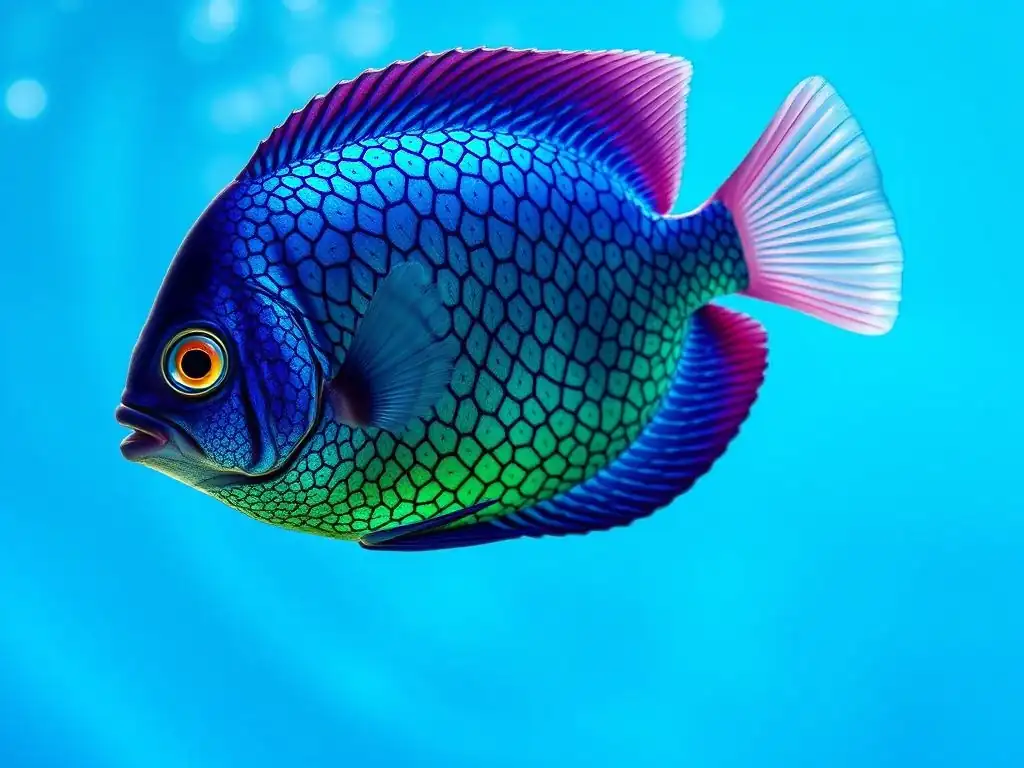
Selective breeding is the cornerstone of developing and refining desired traits in Discus fish, including their spectacular colors and perfect round shapes. A thorough understanding of basic genetics is essential for any serious breeding program. Traits like solid coloration (e.g., Blue Diamond), pattern (e.g., Leopard), and body conformation (e.g., high-bodied) are all genetically inherited. Breeders often focus on line breeding, which involves breeding closely related individuals with desirable traits to intensify those characteristics over generations.
For example, to achieve a more intense red in a Red Melon strain, breeders might select the two most vibrant red individuals from a spawn and breed them. Conversely, outcrossing (breeding unrelated individuals) can introduce new genetic material to improve vigor and prevent issues associated with excessive inbreeding, while potentially diluting some specific color traits in the short term. The goal of a successful breeding program is to consistently produce offspring that exhibit superior Discus fish color shaping and robust health, surpassing their parents' quality.
Selecting Breeding Pairs for Desired Traits
The careful selection of breeding pairs is the most critical step in a Discus breeding program aimed at improving color and shape. Breeders meticulously evaluate individual fish based on several criteria: exceptional coloration that is vivid and evenly distributed, a perfectly round and high-bodied shape, strong health, good temperament, and size. For instance, if the goal is to produce show-quality Blue Diamond Discus, both parent fish should exhibit intense, uniform blue coloration without stress bars, and possess a well-defined, symmetrical body.
Beyond aesthetics, health and vigor are paramount. Only fish that are robust, active, and free from any signs of disease should be chosen, as these traits are also heritable. Compatibility between the chosen pair is also important, as Discus are pair-bond breeders. A pair that readily accepts each other and begins spawning behavior (e.g., cleaning a spawning cone) indicates a higher chance of successful reproduction. This diligent selection process directly contributes to the long-term success of Discus fish color shaping within a breeding line.
Raising Discus Fry for Show Quality
Raising Discus fry for show quality demands meticulous care and consistent attention, as the early stages of life are crucial for developing their full color potential and iconic shape. After hatching, Discus fry initially feed on their parents' slime coat, a unique aspect of Discus breeding. Once free-swimming, typically around 3-5 days post-hatch, they require frequent feedings of highly nutritious, small-particle foods. Newly hatched brine shrimp nauplii are the gold standard, providing essential proteins and fats. Fry often need to be fed 5-8 times a day to sustain their rapid growth.
Frequent, large water changes are even more critical for fry than for adults. Daily water changes of 50-75% are common to maintain pristine water quality, which directly impacts growth rates and prevents stunting. Stunted growth in fry can lead to permanent deformities and dull coloration later in life.
For example, fry that are fed inadequate diets or kept in poor water conditions often develop a "football" shape rather than the desired round disc, and their colors remain muted. The relentless dedication to water quality and nutrition during the fry stage is fundamental for achieving optimal Discus fish color shaping and body conformation in adulthood.
Maintaining Discus Health for Long-Term Color Retention
Recognizing Signs of Illness in Discus Fish
Maintaining the health of Discus fish is paramount for their long-term color retention and overall well-being. Illness or chronic stress can quickly lead to faded colors, darkening of the body, and a general decline in appearance. Recognizing the early signs of illness is crucial for prompt intervention. Common indicators include changes in behavior such as lethargy, hiding, rubbing against tank objects, gasping at the surface, or refusal to eat.
Physical symptoms might include clamped fins, white spots (Ich), cloudy eyes, bloated abdomen, stringy white feces (suggesting internal parasites), or lesions on the body. For example, a Discus suddenly developing small white spots resembling salt grains across its body and fins is a clear sign of Ich (Ichthyophthirius multifiliis), requiring immediate treatment. Early detection allows for more effective treatment and minimizes the stress on the fish, preserving its vibrant Discus fish color shaping.
Common Discus Diseases and Treatment Options
Discus fish, despite their hardiness when properly cared for, are susceptible to several common diseases that can severely impact their health and color. Ich (white spot disease) is one of the most prevalent, characterized by small white spots and often treated with elevated temperatures (to 86°F/30°C) combined with aquarium salt or commercial medications. Internal parasites, particularly Hexamita (often associated with "Hole-in-the-Head" disease), can cause weight loss, stringy white feces, and erosion of the head and lateral line. Metronidazole is a common treatment for Hexamita.
Bacterial infections, often manifesting as fin rot, body lesions, or cloudy eyes, usually require broad-spectrum antibiotics. Fungal infections appear as cotton-like growths. Accurate diagnosis is key before administering any medication, as incorrect treatments can be more harmful than the disease itself. Consulting with experienced Discus keepers or a specialized aquatic veterinarian can provide invaluable guidance for effective treatment, helping to restore the fish's health and vibrant Discus fish color shaping.
Proactive Health Management Strategies for Discus
Proactive health management is far more effective than reactive treatment when it comes to Discus fish. The cornerstone of preventing illness and maintaining long-term vibrant coloration is consistent, pristine water quality. This involves performing regular, substantial water changes, ensuring stable parameters (temperature, pH, hardness), and maintaining efficient filtration systems. For instance, a weekly 50% water change in an adult Discus tank significantly reduces nitrate accumulation, a common stressor that can compromise immunity.
A nutritious and varied diet, as previously discussed, also plays a vital role in bolstering the fish's immune system, making them more resilient to pathogens. Minimizing stress by providing a stable, peaceful environment, avoiding overcrowding, and selecting compatible tank mates are equally important. Regular observation of your Discus for subtle changes in behavior or appearance allows for early detection of potential issues. By adhering to these proactive strategies, aquarists can significantly reduce the incidence of disease, ensuring that their Discus fish consistently display their spectacular Discus fish color shaping.
Documenting Your Discus Color Shaping Journey
The Importance of Record Keeping for Discus Breeding
For any serious Discus enthusiast, especially those engaged in breeding or striving for show-quality fish, meticulous record keeping is an invaluable practice. Documenting various aspects of your Discus care journey provides critical data for analysis, helping to identify successful strategies and pinpoint areas for improvement. Records should include water parameters (temperature, pH, nitrates, GH, KH) over time, feeding schedules and specific diets used, growth rates of individual fish or spawns, and details of any breeding attempts (spawning dates, number of fry).
For example, tracking diet variations alongside observed changes in Discus fish color shaping can reveal direct correlations, such as how increased carotenoid intake led to a deeper red in a particular strain. Similarly, logging water change frequency and volume can be linked to overall fish health and vitality. These detailed records serve as a powerful tool for optimizing care routines, troubleshooting issues, and ultimately, refining your approach to achieving the best possible Discus coloration and shape.
Photography Techniques to Showcase Discus Colors
Capturing the true beauty of Discus fish color shaping through photography is an art form that requires patience and specific techniques. Good lighting is paramount; natural daylight or a balanced artificial light source (like a full-spectrum LED) can make colors pop. Avoid direct flash, which can create harsh reflections and stress the fish. Ensure the tank glass is impeccably clean, both inside and out, as smudges or algae will detract from the image.
Using a camera with manual settings (e.g., a DSLR or mirrorless camera) allows for greater control over exposure. A fast shutter speed (e.g., 1/125s or faster) is often necessary to freeze the fish's movement, while a moderate ISO (e.g., 400-800) helps with low light without introducing too much noise. A macro lens can capture intricate details of patterns and scales. Patience is key; wait for the fish to be in a natural, relaxed pose, showcasing its best colors and shape. High-quality photographs are essential for documenting progress and sharing your achievements.
Sharing your Discus fish color shaping journey and successes with the broader aquarium community is a rewarding aspect of the hobby. It not only allows you to celebrate your achievements but also contributes to the collective knowledge base and fosters camaraderie among enthusiasts. Online forums, such as SimplyDiscus or DiscusUSA, are excellent platforms for sharing photos, asking questions, and offering advice. Social media groups dedicated to Discus fish also provide a vibrant space for interaction and showcasing your beautiful specimens.
Participating in local aquarium clubs or fish shows offers another avenue for sharing. Presenting your Discus at a show allows judges and fellow hobbyists to appreciate the results of your dedication to color and shape optimization. By sharing your experiences, including challenges and triumphs, you inspire others, receive constructive feedback, and solidify your understanding of these magnificent fish. This exchange of knowledge is vital for the continued advancement and appreciation of Discus keeping.
Frequently Asked Questions
How important is water quality for Discus fish color shaping?
Water quality is absolutely critical. Poor water quality directly impacts Discus fish health and coloration, leading to muted colors and deformities. Consistent water changes and proper filtration are essential for vibrant colors and healthy growth.
What role does diet play in maximizing Discus fish color shaping?
A nutrient-rich diet is fundamental. High-quality food containing essential vitamins and pigments directly influences the intensity and development of Discus colors. Supplementing with color-enhancing foods can also be beneficial.
What impact does tank environment and lighting have on Discus fish color shaping?
The tank environment, including lighting, plays a significant role. A stress-free environment promotes natural coloration. Proper lighting can enhance the vibrancy of existing colors and reduce stress, which can dull coloration.
How does selective breeding contribute to Discus fish color shaping?
Selective breeding is the primary method to enhance specific traits. Breeders carefully choose Discus with desirable colors and shapes to propagate these characteristics in future generations. This process is key to developing new and unique color strains.
What common diseases can negatively impact Discus fish color shaping?
Several diseases can negatively impact coloration. Parasitic infections and bacterial illnesses can cause stress and dull the Discus's colors. Prompt treatment and preventative measures are crucial to maintaining vibrant colors and overall health.
Final Reflection: The Art of Aquatic Aesthetics
The journey to achieving peak discus fish color and shape is more than just a technical exercise; it's a testament to dedication and a deep understanding of these magnificent creatures. The techniques explored throughout this article, from meticulous water parameters to strategic feeding regimes, highlight the commitment required to unlock the full potential of Symphysodon.
The pursuit of show-quality discus has undeniably shaped the aquascaping world, pushing the boundaries of what's possible in home aquariums and inspiring countless hobbyists to strive for excellence. This dedication to perfection, to nurturing such vibrant beauty, resonates deeply with our innate desire to create and appreciate art in all its forms. The beauty of the natural world lies in the details, and the discus fish exemplifies this principle perfectly.
As we conclude this exploration of discus fish color shaping, I invite you to reflect on the power of patience, observation, and unwavering commitment. Consider how the principles discussed here – the importance of environment, nutrition, and careful attention – can be applied not only to the care of these aquatic gems, but also to other aspects of your life. Let the pursuit of discus perfection inspire you to cultivate beauty and excellence in all that you do.
Unleash Your Discus's True Potential!
Thank you for diving deep into the art of discus care! We hope you've gained valuable insights into achieving show-stopping color and shape in your discus. Now, it's time to put that knowledge into action and elevate your discus keeping to the next level.
Here are a few things you can do right now:
- Immediately implement one small change to your discus's diet or tank environment, based on what you learned. Even a subtle tweak can make a difference!
- Explore advanced filtration methods to further refine water quality and optimize the discus's environment.
- Share this article with fellow discus enthusiasts and spark a discussion about your favorite techniques.
What specific feeding strategy will you adopt this week to bring out the vibrant colors of your discus?