
Observing Discus Courtship & Spawning: A Fascinating Spectacle

Welcome to Aquarium Mastery!
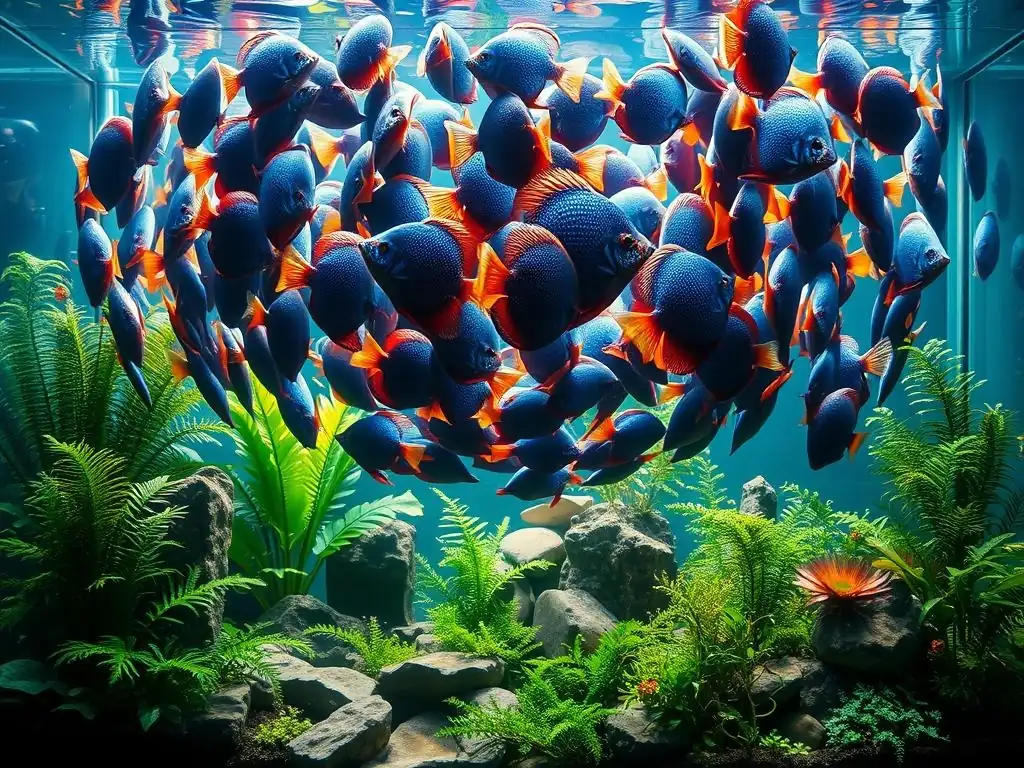
Ever wondered how to unlock the secrets of successful Discus breeding? Observing Discus courtship and spawning is a truly fascinating spectacle, and we're here to guide you through every step of the process. Dive in to discover essential Discus spawning behavior tips and unlock the potential for a thriving Discus family in your freshwater aquarium. What are the subtle signs to watch for, and what crucial steps can you take to ensure a successful spawn? Let's find out!
- Observing Angelfish Courtship & Spawning: A Captivating Experience
- Understanding Angelfish Spawning Behavior: An Introduction
- Preparing Your Aquarium for Angelfish Breeding: Essential Steps
- Recognizing Angelfish Courtship Rituals: What to Look For
- The Angelfish Spawning Process: A Detailed Observation Guide
- Caring for Angelfish Eggs and Fry: Post-Spawning Management
- Raising Angelfish Fry: From Wrigglers to Juveniles
- Troubleshooting Common Angelfish Spawning Problems
- Advanced Angelfish Breeding Techniques: Selective Breeding
- Conclusion: Enjoying the Rewards of Successful Angelfish Spawning
- Frequently Asked Questions
- Final Reflection: The Enduring Dance of Life
- Witness the Wonder: Ignite Your Discus Breeding Journey!
Observing Angelfish Courtship & Spawning: A Captivating Experience
Understanding Angelfish Spawning Behavior: An Introduction
Why Angelfish Spawning is a Rewarding Aquarium Event
Observing Angelfish spawning is one of the most rewarding experiences an aquarist can undertake, transforming a simple fish tank into a vibrant stage for natural life cycles. It offers a unique opportunity to witness the intricate behaviors of these graceful cichlids, from the delicate courtship rituals to the meticulous parental care.
Successfully breeding Angelfish provides immense satisfaction, knowing you've created an environment conducive to life, and it deepens your appreciation for aquatic biology. Many hobbyists find the process of raising fry from tiny wrigglers to elegant juveniles to be a truly fulfilling aspect of the hobby, akin to nurturing a garden from seed.
Beyond the personal satisfaction, Angelfish spawning contributes to the advancement of the hobby itself. Successful breeding allows aquarists to propagate specific color morphs and fin types, potentially developing new strains or preserving existing ones. For instance, the popular Koi Angelfish or Marble Angelfish strains were developed through dedicated breeding efforts. It also provides a sustainable source of fish for the hobby, reducing reliance on wild-caught specimens and promoting responsible aquaculture practices within the home aquarium setting.
The Significance of Observing Angelfish Breeding Behavior
Observing Angelfish breeding behavior offers profound insights into fish biology and their social dynamics. It allows aquarists to study firsthand the complex interactions between a breeding pair, their communication signals, and their innate drive to reproduce. Understanding these behaviors, such as territorial displays and synchronized movements, enhances an aquarist's knowledge of cichlid behavior in general, which can be applied to other species. It also highlights the importance of environmental triggers, demonstrating how specific water parameters and tank conditions can stimulate breeding.
Furthermore, documenting the Angelfish breeding process provides valuable data for the hobbyist community. By noting successful spawning conditions, egg counts, hatching rates, and fry survival, aquarists contribute to a collective understanding that benefits others seeking to breed these fish. For example, consistent observation might reveal that a slight increase in temperature to 80°F (26.7°C) or a shift to slightly acidic water (pH 6.5) significantly increases spawning frequency in a particular line of Angelfish. This educational aspect makes the observation of Angelfish breeding behavior not just a hobby, but a form of citizen science.
Preparing Your Aquarium for Angelfish Breeding: Essential Steps
Optimizing Water Parameters for Angelfish Spawning
The foundation of successful Angelfish spawning lies in providing precise and stable water parameters. Angelfish are sensitive to fluctuations, and optimal conditions significantly increase the likelihood of breeding success and egg viability. Before attempting to breed, it is crucial to establish and consistently maintain these parameters, often best achieved in a dedicated breeding tank to avoid competition and stress from other tank inhabitants.
Temperature and pH for Successful Spawning
For successful Angelfish spawning, a stable water temperature between 78-82°F (25.5-27.8°C) is generally recommended. This range encourages metabolic activity and reproductive readiness without stressing the fish. A slight increase from their usual maintenance temperature can sometimes trigger spawning. Regarding pH, Angelfish prefer slightly acidic to neutral water, typically in the range of 6.0-7.0. A pH of 6.5 is often considered ideal for egg hatching and fry development, as highly alkaline conditions can hinder egg fertilization and increase the risk of fungal growth. For instance, many successful Angelfish breeders report higher hatch rates when pH is maintained consistently around 6.5-6.8.
Water Hardness and Cleanliness: Key Factors
Water hardness is another critical factor. Angelfish eggs tend to develop better in soft to moderately soft water, with a general hardness (GH) between 3-8 dGH (50-140 ppm) and carbonate hardness (KH) between 1-4 dKH (18-70 ppm). Extremely hard water can prevent eggs from developing properly or reduce the viability of sperm. Beyond specific parameters, impeccable water cleanliness is paramount.
This means zero ammonia and nitrite, and very low nitrate levels (ideally below 10 ppm). Regular, small water changes (e.g., 25% twice a week) using dechlorinated and temperature-matched water are essential to maintain pristine conditions, remove waste products, and provide fresh minerals that stimulate spawning. Neglecting water quality is one of the most common reasons for failed Angelfish spawns or the development of infertile eggs.
Setting Up a Dedicated Angelfish Breeding Tank
While Angelfish may occasionally spawn in a community tank, setting up a dedicated breeding tank significantly increases the chances of successful spawning and, more importantly, the survival of the fry. A separate tank provides a controlled environment free from potential predators or stressors, allowing the breeding pair to focus solely on their reproductive duties. It also simplifies the management of water parameters specifically tailored for breeding and fry rearing.
Tank Size and Spawning Substrate Considerations
A dedicated Angelfish breeding tank should be at least 20 gallons (approximately 75 liters) for a single pair, though 29-30 gallons (110-115 liters) offers more space and stability. The tank should be relatively tall, as Angelfish prefer to spawn on vertical surfaces. Ideal spawning substrates include pieces of slate, PVC pipes (cut lengthwise), broad-leaf aquatic plants like Amazon Swords (Echinodorus amazonicus) or Anubias barteri, or specialized Angelfish spawning cones.
Many breeders report high success rates with slate pieces positioned vertically, as they are easy to clean and allow for observation. The chosen substrate should be thoroughly cleaned before introduction to prevent the transfer of pathogens.
Filtration and Aeration for Breeding Angelfish
For filtration in an Angelfish breeding tank, gentle options are crucial to avoid disturbing the eggs or newly hatched fry. Sponge filters are highly recommended as they provide excellent biological filtration with minimal current, and they are completely fry-safe. An air pump connected to the sponge filter or a separate air stone will provide essential aeration, ensuring adequate oxygen levels for the fish and, crucially, for the developing eggs.
Strong power filters or hang-on-back filters with powerful outflows should be avoided, as their currents can dislodge eggs or stress the breeding pair. Consistent and gentle water movement is key to maintaining oxygenation without causing turbulence.
Recognizing Angelfish Courtship Rituals: What to Look For
Identifying Potential Breeding Pairs: Signs of Compatibility
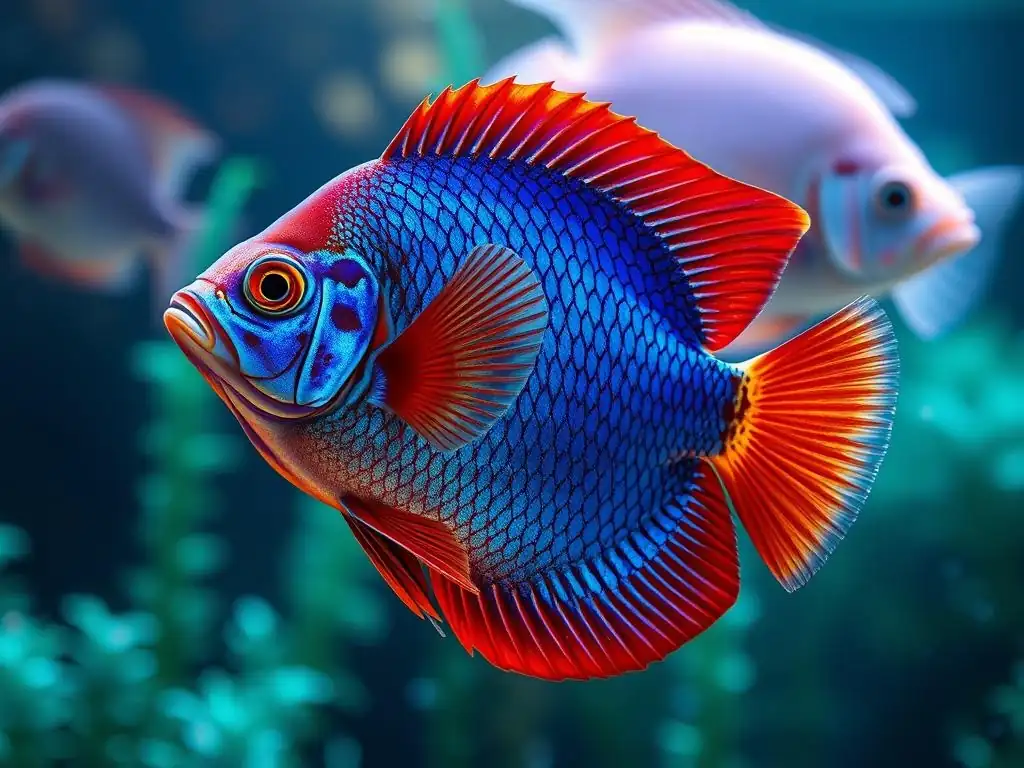
Identifying a potential breeding pair of Angelfish is the first step in observing their courtship rituals. Angelfish are known to pair off naturally, often from a group of juveniles. Signs of a compatible pair include two fish consistently staying together, often chasing away other tank inhabitants from a specific area. They will typically exhibit synchronized swimming patterns, moving in tandem throughout the tank.
While sexing Angelfish can be challenging outside of spawning, a mature female will usually have a blunter, rounder breeding tube (ovipositor), while the male's will be more pointed. Healthy, mature Angelfish, typically 8-12 months old and 4-6 inches in height, are most likely to form breeding pairs. Observation over several days will confirm a stable bond.
The Angelfish Mating Dance: Understanding Pre-Spawning Behaviors
Once a pair has formed, their "mating dance" begins, characterized by a series of distinct pre-spawning behaviors. This stage can last for several days before eggs are actually laid. The pair will become increasingly territorial over their chosen spawning site, aggressively warding off any fish that approach too closely. Their movements become more synchronized and deliberate, signaling their readiness to breed. This period is a fascinating display of their innate reproductive drive and social structure within the aquarium.
Gill Flaring and Body Quivering: Common Courtship Signals
Two prominent courtship signals in Angelfish are gill flaring and body quivering. The male Angelfish will often flare his gills and spread his fins to display his size and dominance, attempting to impress the female and intimidate rivals. Both sexes may engage in body quivering or shaking, a rapid vibration of their bodies, often performed side-by-side. This behavior indicates excitement and readiness to spawn. They might also engage in "lip-locking" or pushing each other around gently, which, while sometimes mistaken for aggression, is often a part of the pair-bonding ritual, establishing roles and strengthening their connection before spawning.
Cleaning Potential Spawning Sites: A Crucial Step
A definitive sign that Angelfish are preparing to spawn is their meticulous cleaning of a potential spawning site. Both the male and female will take turns meticulously rubbing and nibbling the chosen vertical surface – be it a piece of slate, a broad plant leaf, or a spawning cone. They use their mouths to remove any algae, debris, or microorganisms from the surface, ensuring a clean and adhesive area for the eggs.
This cleaning process can last for several hours, or even a full day, and is a clear indication that egg deposition is imminent, often within 24-48 hours. Observing this diligent preparation is a strong signal for the aquarist to ensure all breeding parameters are optimized.
The Angelfish Spawning Process: A Detailed Observation Guide
Egg Deposition: Observing the Female Angelfish
The actual egg deposition is a mesmerizing process that can last anywhere from 30 minutes to over an hour. The female Angelfish will make repeated passes over the meticulously cleaned spawning surface, typically moving in an upward motion. With each pass, she will carefully adhere a line of small, pearly white or light amber-colored eggs to the substrate.
Her ovipositor, which is normally retracted, becomes visible as a blunt, downward-pointing tube during this phase, guiding the eggs precisely into place. Depending on her size and age, a healthy female Angelfish can lay anywhere from 100 to over 1000 eggs in a single spawn, with larger, more mature females typically producing higher counts.
Fertilization: The Male Angelfish's Role
Immediately following the female's pass, the male Angelfish will follow suit, moving over the newly laid eggs. During his pass, he releases milt, a milky fluid containing sperm, which fertilizes the eggs. This synchronized dance of egg laying and fertilization is repeated numerous times until all eggs have been deposited.
The male's breeding tube, or papilla, is noticeably more pointed than the female's during this period. After each sequence, both parents may briefly fan the newly laid eggs with their fins, ensuring good water circulation around them, which is vital for oxygenation and preventing fungal growth. This diligent attention by the parents is a critical aspect of their post-spawning care.
Egg Placement Patterns: What They Indicate
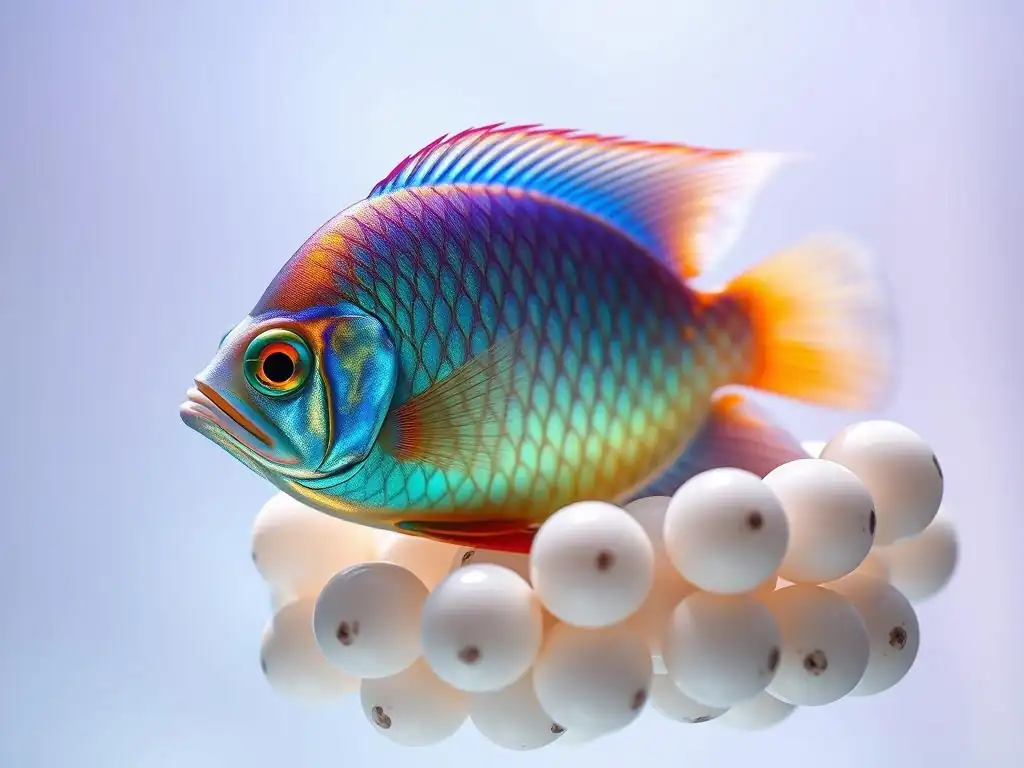
Angelfish typically lay their eggs in neat, organized rows or clusters on the vertical spawning surface. Healthy, fertile eggs will appear translucent and have a slight amber tint, often resembling tiny glass beads. They are adhesive and stick firmly to the substrate. Within 24-48 hours of spawning, any unfertilized eggs will turn opaque white and may develop a fuzzy fungal growth.
These white eggs should be carefully removed by the aquarist (or by the parents if they are diligent) to prevent the fungus from spreading to healthy eggs. The pattern and health of the egg clutch provide immediate feedback on the success of the fertilization process and the overall health of the breeding pair. A uniform, translucent clutch indicates a strong, compatible pair and optimal spawning conditions.
Caring for Angelfish Eggs and Fry: Post-Spawning Management
Maintaining Water Quality for Egg Hatching
Maintaining impeccable water quality is paramount for the successful hatching of Angelfish eggs. Even after a successful spawn, poor water conditions can lead to fungal outbreaks or prevent the delicate embryos from developing. The water must remain stable in terms of temperature (ideally 80°F / 26.7°C), pH (6.5-6.8), and free of ammonia and nitrite.
Small, frequent water changes are crucial – perhaps 10-15% daily or every other day, using aged, dechlorinated water that matches the tank's temperature and parameters. This helps remove any metabolic waste from the developing eggs and keeps the water fresh, providing optimal oxygen levels for the fragile embryos.
Preventing Fungus: Protecting Angelfish Eggs
Fungus is the primary threat to Angelfish eggs. Unfertilized eggs are particularly susceptible and, if left, can quickly spread fungal infections to the healthy, fertile eggs. To combat this, some aquarists opt to add a very dilute solution of methylene blue to the water, which acts as an antifungal agent.
Alternatively, natural antifungal properties can be introduced by adding Indian Almond Leaves (Terminalia catappa) to the tank, which also release beneficial tannins. Regardless of the method, it is vital to regularly inspect the egg clutch and carefully remove any white, fuzzy, fungused eggs using a pipette or fine tweezers. This meticulous removal prevents the spread of infection and improves the overall hatch rate.
The Hatching Process: Observing Newly Hatched Fry
Angelfish eggs typically hatch within 2-3 days at a temperature of 80°F (26.7°C). The newly hatched fry are tiny, translucent creatures often referred to as "wrigglers." At this stage, they still possess a visible yolk sac, which serves as their initial food source. They are not yet free-swimming but will remain attached to the spawning surface, wiggling their tails to circulate water and consume their yolk sac.
This wriggling behavior is essential for their development and indicates vitality. Observing this stage is fascinating, as you can see the minute details of their developing bodies. The yolk sac will be fully absorbed over the next 4-7 days, after which the fry will become free-swimming and ready for their first external food.
Raising Angelfish Fry: From Wrigglers to Juveniles
Feeding Angelfish Fry: Initial Food Sources
Once Angelfish fry become free-swimming, typically 4-7 days after hatching, their yolk sacs are depleted, and they require external food. This is a critical period, as proper nutrition during the first few weeks dictates their growth rate and survival. The food must be incredibly small, nutritious, and readily available in the water column for these tiny fish.
Vinegar Eels and Newly Hatched Brine Shrimp: First Foods
For the first few days of free-swimming, vinegar eels are an excellent initial food source for Angelfish fry. They are very small, remain suspended in the water column, and are easy for the fry to consume. However, the cornerstone of successful Angelfish fry rearing is newly hatched brine shrimp (Artemia nauplii). Brine shrimp are highly nutritious, stimulate a strong feeding response, and their jerky movements attract the fry.
It is crucial to feed newly hatched brine shrimp, as their nutritional value rapidly diminishes after 24 hours. Fry should be fed small amounts 2-3 times daily, ensuring they always have food available but avoiding overfeeding which can foul the water. For example, a 20-gallon tank with 200 fry might consume a quarter teaspoon of hatched brine shrimp cysts per feeding.
Transitioning to Flake Food and Small Worms
After approximately 2-3 weeks on brine shrimp, Angelfish fry will have grown significantly and can begin transitioning to larger, more varied foods. Finely crushed high-quality flake food, micro-pellets specifically designed for fry, or powdered spirulina are suitable next steps. These should be introduced gradually, mixed with brine shrimp, to ensure the fry accept them.
As they continue to grow, typically around 4-6 weeks, they can be introduced to larger foods like finely chopped bloodworms, daphnia, or small grindal worms. This varied diet ensures comprehensive nutrition and promotes robust growth, preparing them for the next stage of development into juvenile Angelfish.
Water Changes and Tank Maintenance for Growing Fry
Frequent and meticulous water changes are absolutely vital for raising Angelfish fry successfully. Fry produce a significant amount of waste relative to their size, and uneaten food can rapidly decompose, leading to dangerous ammonia and nitrite spikes. Daily water changes of 10-20% are often necessary for the first few weeks, gradually reducing to every other day as the fry grow. The replacement water must be dechlorinated, temperature-matched, and have parameters identical to the tank water to prevent shock.
In addition to water changes, diligent tank maintenance is crucial. Use a small air line tubing or a turkey baster to carefully siphon out any uneaten food and detritus from the bottom of the tank. This prevents the buildup of harmful bacteria and maintains pristine conditions. Maintaining consistent temperature and water parameters, along with a clean environment, minimizes stress and disease, allowing the fry to grow quickly and healthily into strong juveniles. Neglecting water quality during this critical growth phase is a leading cause of fry loss.
Troubleshooting Common Angelfish Spawning Problems
Addressing Infertile Eggs: Causes and Solutions
One of the most common issues encountered when breeding Angelfish is a spawn of infertile eggs. These eggs typically turn opaque white and often develop fungus within 24-48 hours. The causes can vary:
- Incompatible Pair: Sometimes, despite pairing off, the male is not effectively fertilizing the eggs. This might be due to immaturity (especially in younger males, who may be ready to spawn but not yet fertile), or simply a poor genetic match.
- Poor Water Quality: Suboptimal water parameters (e.g., too high pH, too hard water, or presence of ammonia/nitrite) can render sperm infertile or prevent proper egg development.
- Age: Very young or very old fish may produce infertile eggs. Angelfish are typically most fertile between 1-3 years of age.
- Diet: A lack of proper nutrition, especially protein and vitamins, can impact fertility.
- Solutions: Try a different male, ensure water parameters are perfectly dialed in for breeding, provide a high-quality, varied diet rich in live or frozen foods, and ensure the pair is well-rested between spawns. Patience is key; sometimes a pair needs several attempts to get it right.
Preventing Fry Predation: Protecting the Young
Even if eggs hatch, the biggest challenge is often preventing the adult Angelfish (or other tank mates) from eating the fry.
- Parental Inexperience/Stress: First-time parents, or those in a stressful environment (e.g., a busy community tank, too much light, or constant disturbances), may consume their eggs or fry. Some Angelfish simply never develop good parental instincts.
- Tank Mates: In a community aquarium, almost all other fish species, including other Angelfish, will view the fry as food.
- Solutions: The most effective solution is to set up a dedicated breeding tank where only the breeding pair resides. If parents consistently eat their eggs or fry, the eggs can be "stripped" (removed) shortly after spawning and placed in a separate, small hatching tank with an air stone and antifungal medication (like methylene blue) to be raised artificially. Providing a quiet, dimly lit environment for the parents can also reduce stress and encourage better parental care.
Managing Parental Care and Intervention
Angelfish are known for their parental care, but the level of devotion varies greatly among individual pairs.
- Good Parents: A good pair will diligently fan the eggs, remove infertile ones, and fiercely guard the wrigglers and free-swimming fry. They will often herd the fry around the tank, protecting them from perceived threats.
- Poor Parents: Some pairs may eat their eggs immediately, abandon them, or consume the fry shortly after hatching. This can be frustrating, but it's part of the natural variation.
- Intervention: If parents are consistently failing, or if you wish to maximize fry survival, intervention is necessary. This involves removing the eggs to a separate hatching tank as described above. If parents are showing some care but are stressed, providing ample hiding spots and reducing external disturbances can help. It's important to remember that not all Angelfish are destined to be great parents, and sometimes, artificial rearing is the most reliable path to success.
Advanced Angelfish Breeding Techniques: Selective Breeding
Selecting for Specific Traits: Fin Length and Coloration
Advanced Angelfish breeding moves beyond simply getting fish to spawn; it involves selective breeding to enhance or develop specific desirable traits. This requires careful observation, meticulous record-keeping, and a clear understanding of genetics. Aquarists often focus on traits such as fin length (e.g., veil or super veil fins), body shape, and particularly, coloration.
For example, a breeder might aim to intensify the vibrant orange and black patches of a Koi Angelfish, or to achieve a deeper, more uniform black in a Black Angelfish strain. This involves identifying individuals that best exemplify the desired trait and exclusively breeding them, while culling (removing) offspring that do not meet the standard. This process often takes multiple generations to see significant results, requiring patience and dedication.
Line Breeding and Outcrossing: Maintaining Genetic Diversity
Two key techniques in selective breeding are line breeding and outcrossing, both aimed at manipulating the genetic makeup of a strain while maintaining overall health.
- Line Breeding: This involves breeding closely related individuals (e.g., father-daughter, sibling-sibling) to fix desirable traits within a lineage. While effective for consolidating specific characteristics quickly, it carries the risk of inbreeding depression, which can manifest as reduced size, weakened immune systems, increased susceptibility to disease, or physical deformities. A common practice is to breed an F1 generation back to a parent that exhibits the strongest desired traits.
- Outcrossing: To combat inbreeding depression and introduce new genetic material, outcrossing is employed. This involves introducing an unrelated Angelfish of the same desired type (or a carefully chosen different type) into the breeding line. This influx of new genes can restore vigor, improve fertility, and introduce new alleles that might enhance the desired trait or provide resistance to disease. After the outcross, selective breeding is then used to bring the desired traits back to the forefront while retaining the improved genetic diversity. A balanced approach, alternating between periods of line breeding and periodic outcrossing, is often the most successful strategy for long-term strain development and health.
Conclusion: Enjoying the Rewards of Successful Angelfish Spawning
The Satisfaction of Observing and Contributing to the Angelfish Life Cycle
The journey of observing Angelfish courtship and spawning is an incredibly rewarding endeavor for any aquarist. From the initial delicate dance of a newly formed pair to the meticulous care of the eggs and the eventual emergence of free-swimming fry, each stage offers a unique glimpse into the profound beauty and complexity of aquatic life. Successfully raising a batch of Angelfish fry brings a deep sense of accomplishment, a tangible result of dedicated care and precise husbandry. It’s an experience that transcends mere pet ownership, transforming the aquarist into a participant in the intricate cycle of nature.
Beyond the personal satisfaction, contributing to the Angelfish life cycle enriches the hobby as a whole. By propagating healthy, vibrant fish, aquarists help ensure the availability of diverse strains for future enthusiasts, potentially reducing the demand for wild-caught specimens and promoting sustainable practices. The knowledge gained through direct observation—understanding water parameters, behavioral cues, and the challenges of fry rearing—equips the aquarist with invaluable skills and a deeper appreciation for these magnificent cichlids. It encourages continued learning, fostering a community of knowledgeable and passionate individuals dedicated to the art and science of aquarium keeping.
Frequently Asked Questions
What are the key signs that my Discus are ready to spawn?
Look for pair bonding behavior like mutual cleaning of a flat surface (like a spawning cone) and increased time spent together. Also watch for intensified coloration and displays of dominance towards other fish.
What water parameters are ideal to encourage Discus spawning?
Discus prefer soft, acidic water with a pH between 6.0 and 6.5 and a temperature between 82-86°F (28-30°C). Regular water changes with properly treated water are also crucial.
What type of spawning site should I provide for my Discus?
Discus prefer a smooth, vertical surface like a spawning cone, slate, or even a piece of PVC pipe. Ensure it's thoroughly cleaned and located in a relatively quiet area of the tank.
How long does the Discus spawning process typically take?
The actual spawning process can take several hours, with the female laying eggs in multiple passes and the male fertilizing them immediately. The entire process can last from one to three hours.
What should I do after the Discus have laid their eggs?
You can either leave the parents with the eggs or remove them to a separate tank. If leaving them, ensure the tank is calm and undisturbed. If removing, maintain identical water parameters in the new tank and add an air stone.
Final Reflection: The Enduring Dance of Life
The intricate details of discus spawning behavior, as we've explored, are not merely biological curiosities; they are a testament to the powerful drive for survival and continuation of life that resonates throughout the natural world. Understanding these nuances, as highlighted in the "Discus spawning behavior tips" we've discussed, allows us to appreciate the delicate balance and inherent beauty within even the smallest ecosystems, and to become better stewards of the aquatic environments we cherish.
The observation of discus courtship and spawning is more than just a hobby; it's a window into the profound connection between parent and offspring, a connection that mirrors our own human experiences. Witnessing this dedication firsthand fosters a deeper respect for the complexities of life and the responsibilities we share in protecting it. As the renowned naturalist David Attenborough eloquently stated, No one will protect what they don't care about; and no one will care about what they have never experienced.
Now, armed with a greater understanding of discus spawning behavior, I encourage you to reflect on the broader implications of our observations. Consider how the principles of patience, observation, and respect for natural processes can be applied to other aspects of your life. Let the dedication and intricate dance of the discus inspire you to cultivate deeper connections, nurture growth, and appreciate the beauty that surrounds us all.
Witness the Wonder: Ignite Your Discus Breeding Journey!
Thanks for diving into the captivating world of discus courtship and spawning! We hope you've gained valuable insights into these fascinating behaviors. Ready to turn knowledge into action?
Here’s how you can take your discus appreciation to the next level:
- Initiate your own Discus breeding project. Set up a dedicated breeding tank and carefully select your potential breeding pair to actively witness the spectacle firsthand.
- Delve deeper by documenting your discus' behavior, creating a personal log or video diary to share your unique observations with fellow enthusiasts.
- Join the Aquarium Mastery community forum and contribute to discussions about discus breeding, sharing tips, asking questions, and connecting with other experienced hobbyists.
What unique discus behavior are you most excited to observe in your own aquarium?