
Oscar Fish Filtration Explained: Why OverFiltration is Your Best Friend

Welcome to Aquarium Mastery!
Ever wondered if you're really giving your Oscar fish the best possible environment? Dive in and discover the secrets to achieving pristine water quality and thriving health for your Oscar. This article unravels the mystery of Oscar fish filtration needs, explaining why "good enough" just isn't good enough. Prepare to rethink your filtration strategy and unlock the potential of a truly vibrant aquarium. Ready to learn why overfiltration is your best friend?
- Oscar Fish Filtration: Ensuring a Healthy Aquarium
- Understanding Oscar Fish and Their Filtration Demands
- Defining Over-Filtration for Oscar Aquariums
- The Benefits of Over-Filtration for Oscar Fish
- Selecting the Right Filtration System for Your Oscar Tank
- Optimizing Your Oscar Tank Filtration
- Common Filtration Mistakes to Avoid
- Long-Term Benefits of Over-Filtration
- Troubleshooting Filtration Problems
- Advanced Filtration Techniques (Optional)
- Conclusion: Achieving Optimal Filtration for a Healthy Oscar Aquarium.
-
Frequently Asked Questions
- What level of filtration does an Oscar fish typically need?
- Why is overfiltration so important for Oscar fish tanks?
- What type of filter is best suited for an Oscar fish aquarium?
- Can I rely on undergravel filters for my Oscar fish tank?
- How often should I perform water changes with a strong filtration system for Oscars?
- Final Reflection: Clarity in Clarity - The Future of Oscar Fishkeeping
- Elevate Your Oscar's Oasis: Dive Deeper Now!
Oscar Fish Filtration: Ensuring a Healthy Aquarium
Understanding Oscar Fish and Their Filtration Demands
Why Oscar Fish Require Powerful Filtration Systems
Oscar fish (Astronotus ocellatus) are renowned for their striking appearance and engaging personalities, making them popular choices for large freshwater aquariums. However, their charm comes with a significant demand: powerful filtration. Adult Oscars can grow quite large, typically reaching 10 to 14 inches (25-35 cm) in length, and they are notoriously messy eaters. Their high metabolic rate means they produce a substantial amount of waste, including uneaten food particles and copious fish waste, which contribute significantly to the tank's bioload.
This high bioload translates directly into a rapid accumulation of ammonia, nitrite, and nitrate – the byproducts of the nitrogen cycle. Unlike many smaller, cleaner fish, Oscars actively disturb substrate as they dig and rearrange tank decor, further stirring up particulate matter that can clog filters and degrade water quality. Therefore, standard filtration systems designed for average community tanks are simply inadequate to meet the intensive Oscar fish filtration needs, necessitating a robust and often oversized filtration setup.
The Negative Effects of Inadequate Filtration on Oscar Health
Failing to provide sufficient Oscar fish filtration can have severe and often fatal consequences for your fish. Ammonia (NH3/NH4+) and nitrite (NO2-) are highly toxic compounds that, even in small concentrations, can burn a fish's gills, damage internal organs, and suppress the immune system. Symptoms of exposure include lethargy, gasping at the surface, clamped fins, loss of appetite, and eventually, death.
While nitrate (NO3-) is less toxic than ammonia or nitrite, chronic exposure to elevated levels leads to chronic stress, stunted growth, dull coloration, and increased susceptibility to diseases such as Hole-in-the-Head disease, fin rot, and various bacterial infections. Visibly cloudy water, often a sign of high particulate matter and bacterial blooms due to poor filtration, not only detracts from the aquarium's aesthetics but also creates a stressful environment for the Oscars, further compromising their well-being.
Defining Over-Filtration for Oscar Aquariums
What Over-Filtration Actually Means
Over-filtration, in the context of Oscar aquariums, refers to the practice of installing filtration capacity that significantly exceeds the minimum recommendations for a given tank size or bioload. For instance, if a 75-gallon Oscar tank typically requires a filter rated for 75-100 gallons, implementing over-filtration might involve using a filter rated for 200-300 gallons, or even combining multiple filters to achieve a cumulative rating far beyond the tank's volume.
The core principle behind over-filtration is not just about moving more water, but crucially, about maximizing the volume of filter media, particularly biological media. This approach ensures an expansive surface area for beneficial nitrifying bacteria to colonize, providing a robust biological filter capable of efficiently processing the substantial waste produced by Oscars. It’s about building a significant safety margin into your Oscar fish filtration system.
Addressing Misconceptions About Over-Filtration in Oscar Tanks
One common misconception is that excessive water flow from over-filtration will stress Oscar fish. In reality, Oscars are powerful, robust cichlids that thrive in strong currents and are not easily bothered by high flow rates, as long as there are also calmer areas in the tank for resting. The primary goal of over-filtration is not simply to create a powerful current, but to provide ample capacity for mechanical, biological, and chemical filtration.
Another misunderstanding is that over-filtration equates to "over-cleaning" and somehow harms the beneficial bacterial colony. On the contrary, a larger filter volume provides a more stable environment for these bacteria, making the system more resilient to fluctuations in bioload or minor maintenance disruptions. It is a proactive strategy to maintain pristine water quality and stability, rather than an extreme measure. The benefits of meeting Oscar fish filtration needs with such a robust setup far outweigh any perceived drawbacks.
The Benefits of Over-Filtration for Oscar Fish
Clear Water: Enhancing Aesthetics and Promoting Fish Well-being
One of the most immediate and visually striking benefits of robust Oscar fish filtration is crystal clear water. Over-filtration, especially with efficient mechanical filtration stages, effectively removes suspended particulate matter such as uneaten food, fish waste, and plant debris. This not only enhances the aesthetic appeal of your Oscar aquarium, allowing you to fully appreciate your fish's vibrant colors and natural behaviors, but also significantly contributes to their well-being.
Clear water means fewer suspended organics breaking down, which in turn leads to lower overall pollutant levels and reduced biological oxygen demand. This cleaner environment minimizes stress on the fish, as they are not constantly exposed to irritating particles or the byproducts of their decomposition. Moreover, clear visibility allows aquarists to easily monitor their Oscars for any signs of illness or distress, enabling prompt intervention.
Robust Biological Filtration: Maintaining Water Quality
The cornerstone of effective Oscar fish filtration is robust biological filtration, and over-filtration excels in this regard. By utilizing filters with significantly larger media volumes than typically recommended, you provide an expansive surface area for the colonization of beneficial nitrifying bacteria (Nitrosomonas and Nitrobacter). These bacteria are crucial for the nitrogen cycle, converting highly toxic ammonia into less toxic nitrite, and then nitrite into comparatively less harmful nitrate.
A larger, more established bacterial colony is not only more efficient at processing daily waste but also more resilient to sudden increases in bioload, such as overfeeding or the death of a tank mate. This robust biological capacity ensures that ammonia and nitrite levels remain at virtually zero, safeguarding your Oscars from acute poisoning and chronic stress, which is paramount for their long-term health.
Stable Water Parameters: Reducing Stress on Oscars
Consistent and efficient filtration, achieved through over-filtration, plays a critical role in maintaining stable water parameters. Rapid fluctuations in pH, ammonia, nitrite, and nitrate levels are major stressors for aquarium fish, including hardy Oscars. A powerful filtration system, particularly one with a large biological component, acts as a buffer, minimizing these swings and keeping parameters within a safe, consistent range.
When water parameters are stable, Oscars experience less physiological stress. This allows their immune systems to function optimally, making them more resistant to diseases. Chronic stress, often induced by unstable water quality, can lead to suppressed immunity, making fish vulnerable to common ailments like ich or bacterial infections. By ensuring a stable environment, over-filtration directly contributes to the overall health and longevity of your Oscar fish.
Optimal Oxygen Levels: Supporting Oscar Health
Proper Oscar fish filtration contributes significantly to maintaining optimal dissolved oxygen levels in the aquarium. Efficient water movement and surface agitation, often a byproduct of powerful filtration systems, facilitate vital gas exchange between the water and the air. This process removes carbon dioxide and replenishes oxygen, which is essential for the respiration of all aquatic life.
High dissolved oxygen levels are crucial for the metabolic processes of Oscars, supporting their growth, energy levels, and overall vitality. Furthermore, the beneficial nitrifying bacteria responsible for biological filtration are aerobic, meaning they require oxygen to thrive and efficiently perform their waste conversion tasks. Therefore, a well-oxygenated environment, supported by robust filtration, creates a healthier habitat for both your fish and the beneficial microorganisms that keep their water clean.
Selecting the Right Filtration System for Your Oscar Tank
Sizing Filters for Oscar Aquariums: Prioritizing Capacity
When addressing Oscar fish filtration needs, the rule of thumb for filter sizing is to aim for a flow rate that cycles the tank's volume at least 5 to 10 times per hour (GPH). For a 75-gallon Oscar tank, this means seeking a filter system with a combined GPH of 375 to 750. However, for Oscars, it is highly recommended to select filters rated for tanks significantly larger than your actual aquarium size. For example, for a 75-gallon tank, consider a filter rated for 150-200 gallons.
Beyond flow rate, prioritize filters with substantial media volume, especially for biological filtration. A filter that moves a lot of water but has minimal space for beneficial bacteria will be less effective than one with a slightly lower GPH but ample biological media capacity. This emphasis on robust capacity is crucial for managing the high bioload of an Oscar.
Suitable Filter Types for Oscar Fish
Canister Filters: High Capacity and Versatile
Canister filters are often considered the gold standard for Oscar fish filtration due to their exceptional capacity and versatility. These external filters sit below the tank, drawing water through an intake tube, pushing it through multiple media baskets, and returning purified water via an output. Their sealed design allows for a large volume of filter media, supporting robust mechanical, biological, and chemical filtration.
Canister filters are typically quiet, minimize evaporation, and allow for easy customization of media types to suit specific needs. Models like the Fluval FX series or Eheim Professional series are popular choices for large Oscar tanks, offering powerful flow rates and extensive media space, making them highly effective for managing heavy bioloads.
Hang-on-Back (HOB) Filters: Supplemental Filtration
While a single HOB filter is generally insufficient as the sole filtration for an Oscar tank, larger HOB models can serve as excellent supplemental filters. They are easy to install and maintain, sitting on the back of the aquarium and drawing water over the tank rim. HOB filters are particularly effective for mechanical filtration and providing strong surface agitation, which aids in oxygenation.
For Oscar tanks, consider using multiple HOB units, or a very large HOB in conjunction with a powerful canister or sump system. This combination can significantly boost overall filtration capacity, especially for mechanical debris removal, ensuring that the primary biological filter remains unclogged and efficient.
Sump Filters: Maximum Filtration and Customization
Sump filters represent the pinnacle of Oscar fish filtration, offering the largest possible media volume and unparalleled customization options. A sump is essentially a separate, often multi-chambered, reservoir typically located beneath the main display tank. Water overflows from the main tank into the sump, passes through various filtration stages (mechanical, biological, chemical), and is then pumped back into the display tank.
Sumps provide immense space for biological media, allowing for the establishment of an exceptionally stable and robust nitrifying bacteria colony. They also enable aquarists to hide heaters, protein skimmers (if used in freshwater, though rare), and other equipment out of sight, contributing to a cleaner tank aesthetic. While more complex to set up and requiring specific plumbing, a well-designed sump offers the ultimate solution for managing the demanding Oscar fish filtration needs of very large tanks or multiple Oscars.
Mechanical Filtration: Removing Debris
Pre-Filters: Protecting Biological Media
Pre-filters are an indispensable component of an effective Oscar fish filtration system. These are typically coarse sponges or filter socks placed directly over the intake tubes of canister filters or sumps. Their primary function is to trap large particulate matter, such as uneaten food, large pieces of fish waste, and plant debris, before it enters the main filter chambers.
By capturing larger debris upfront, pre-filters prevent the premature clogging of finer mechanical media and, more importantly, protect the delicate biological media from becoming fouled. This ensures that the biological media remains efficient and prevents anaerobic pockets from forming. Cleaning pre-filters is also significantly easier and less disruptive than opening the main filter, encouraging more frequent maintenance.
Filter Floss and Sponges: Capturing Particulate Matter
Filter floss and various densities of sponges are the workhorses of mechanical Oscar fish filtration. These materials are designed to physically trap suspended particles, ranging from coarse debris to fine cloudiness-causing particulates. Sponges come in different pore sizes, allowing for progressive filtration, where water passes through coarser sponges first, then finer ones.
Regular cleaning or replacement of filter floss and sponges is crucial. Once saturated with debris, they become less effective at trapping particles and can begin to decompose, contributing to nitrate levels. For Oscar tanks, due to the high waste production, these mechanical media may need rinsing or replacement weekly or bi-weekly to maintain optimal water clarity and prevent the filter from becoming a nitrate factory.
Biological Filtration: Establishing a Thriving Ecosystem
Selecting Effective Biological Filter Media
The success of Oscar fish filtration hinges on the quality and quantity of biological filter media. This media provides the vast surface area necessary for the colonization of beneficial nitrifying bacteria. Effective biological media is highly porous and inert, meaning it won't leach chemicals into the water. Common types include ceramic rings, bio-balls, sintered glass media (like Seachem Matrix or Eheim Substrat Pro), and even lava rock.
When selecting media, prioritize those with a high surface area per volume, as this directly correlates with the capacity for bacterial growth. For example, Seachem Matrix boasts an incredibly high porous surface area, making it highly efficient. Using a generous amount of high-quality biological media in your filter is paramount for processing the significant bioload produced by Oscars.
Maintaining a Stable Bacteria Colony
Establishing and maintaining a stable beneficial bacteria colony is critical for the nitrogen cycle and, consequently, for healthy Oscar fish filtration. When setting up a new tank, it's essential to properly "cycle" the aquarium, allowing these bacteria to establish themselves before introducing fish. Once established, avoid actions that could crash the colony, such as over-cleaning all filter media at once, using harsh chemicals, or allowing chlorine to enter the tank during water changes.
When cleaning biological media, always rinse it gently in old tank water that has been siphoned off during a water change, never in chlorinated tap water. This preserves the delicate bacterial film. Consistent water parameters, appropriate feeding, and regular maintenance practices all contribute to a thriving and resilient bacterial colony capable of handling the demanding Oscar bioload.
Chemical Filtration: Enhancing Water Quality
Activated Carbon: Removing Impurities
Activated carbon is a popular chemical filtration media used to remove dissolved organic compounds, odors, and water discoloration. It works by adsorption, where pollutants bind to its highly porous surface. In Oscar tanks, activated carbon can significantly improve water clarity and eliminate any lingering odors caused by organic waste.
However, activated carbon has a limited lifespan, typically becoming saturated and ineffective after 2 to 4 weeks, depending on the bioload. It should be replaced regularly to maintain its efficacy. It's also important to note that activated carbon will remove medications from the water, so it must be removed from the filter when treating fish for diseases. For general Oscar fish filtration, it's a valuable tool for maintaining pristine water quality.
Ammonia Neutralizers: Addressing Ammonia Spikes
Ammonia neutralizers, such as products containing AmQuel, Prime, or Ammo-Lock, are chemical filtration agents designed to temporarily detoxify ammonia and nitrite. They work by converting these toxic compounds into a less harmful form that the beneficial bacteria can still process. These products are typically used as an emergency measure to mitigate sudden ammonia spikes, often caused by overfeeding, filter crashes, or the introduction of a large bioload to an uncycled tank.
While useful for immediate relief, ammonia neutralizers are not a substitute for robust biological filtration. They provide a temporary band-aid, buying you time to identify and rectify the underlying issue with your Oscar fish filtration system. Relying solely on these products without addressing the root cause of high ammonia will lead to recurring problems and stress for your fish.
Optimizing Your Oscar Tank Filtration
Effective Filter Placement for Optimal Circulation
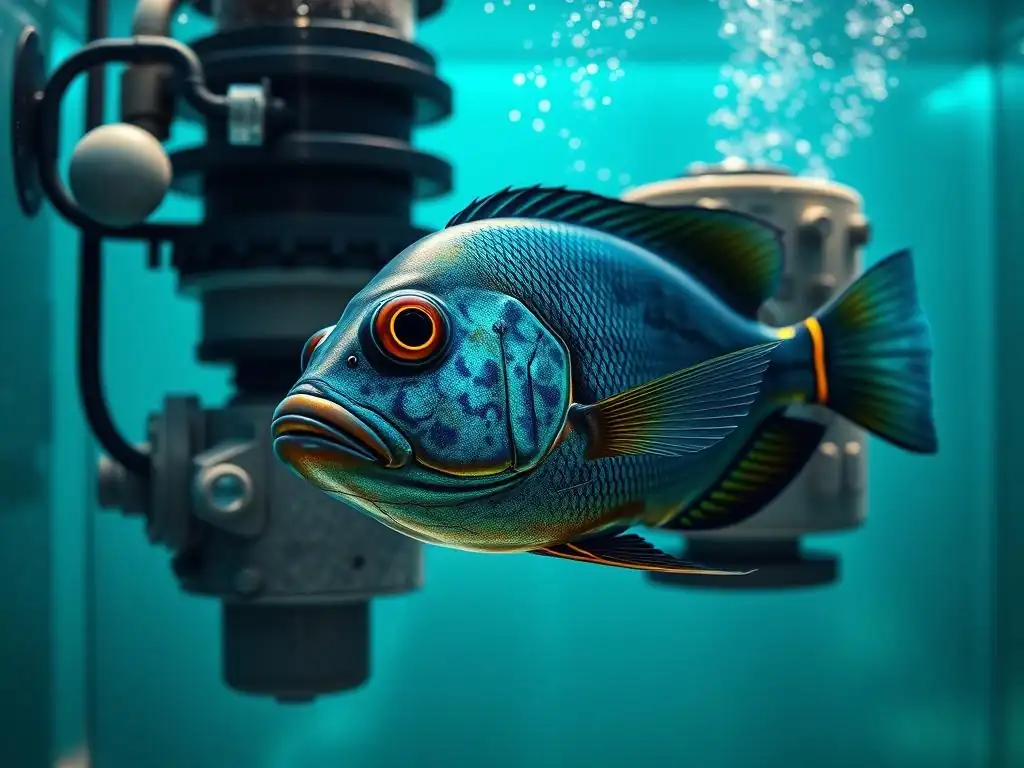
Optimizing Oscar fish filtration extends beyond selecting the right equipment; effective filter placement is crucial for ensuring optimal water circulation throughout the entire aquarium. Poor circulation can lead to "dead spots" where waste accumulates, decomposing and degrading water quality even with powerful filters. For canister filters, position the intake and output nozzles strategically to create a comprehensive flow pattern, ideally pushing water across the length of the tank.
If using multiple filters, stagger their placement to eliminate dead spots and ensure consistent water movement in all areas of the tank. For example, place one filter intake at one end and its output at the opposite, while a second filter's output can be directed to break the surface tension or target an area with less flow. This maximizes mechanical filtration efficiency and ensures that oxygenated water reaches all parts of the Oscar's habitat.
Maintaining Your Filtration System: Routine Cleaning and Media Replacement
Consistent maintenance is paramount for the longevity and efficiency of your Oscar fish filtration system. Mechanical media, such as pre-filters, sponges, and filter floss, should be cleaned or replaced frequently – typically weekly or bi-weekly for Oscar tanks, due to their high waste production. This prevents clogging, maintains flow rates, and stops trapped debris from breaking down and contributing to nitrate levels.
Chemical media, like activated carbon, has a limited lifespan and usually needs replacement every 2 to 4 weeks. Biological media, however, should be disturbed as little as possible. When cleaning is necessary (e.g., if flow is significantly impeded), gently rinse biological media in old tank water siphoned during a water change, never in chlorinated tap water, to preserve the beneficial bacteria. Regularly inspect impellers and hoses for blockages or wear to ensure consistent performance.
Water Changes: Supplementing Filtration
Even the most advanced Oscar fish filtration system is not a substitute for regular, substantial water changes. While filters efficiently process ammonia and nitrite, they primarily convert these toxins into nitrate. Over time, nitrate levels will accumulate, and while less toxic than ammonia or nitrite, high concentrations can still stress fish and suppress their immune systems.
For Oscar tanks, a weekly water change of 30% to 50% is highly recommended. This practice effectively dilutes accumulated nitrates, removes dissolved organic compounds that filters might miss, and replenishes essential minerals that fish use up. Combining robust filtration with consistent water changes creates the ideal environment for your Oscars, ensuring long-term health and vitality.
Common Filtration Mistakes to Avoid
Underestimating Oscar Fish Waste Production
One of the most common and detrimental mistakes aquarists make is underestimating the sheer volume of waste produced by Oscar fish. Oscars are large, carnivorous cichlids with high metabolic rates, and they are notoriously messy eaters. Many new Oscar owners attempt to use filtration systems designed for smaller, less demanding fish, leading to chronic water quality issues. This oversight directly impacts Oscar fish filtration needs, often resulting in persistently high nitrates, cloudy water, and stressed fish. Always assume your Oscars will produce significantly more waste than you anticipate and size your filtration accordingly, leaning heavily towards over-filtration.
Neglecting Filter Maintenance
A powerful filter is only as good as its maintenance. Neglecting filter maintenance is a critical error that can quickly undermine even the most robust Oscar fish filtration setup. When mechanical media becomes saturated with debris, flow rates plummet, and the filter itself can become a source of nitrates as trapped organic matter decomposes.
Impellers can become clogged, and hoses can accumulate biofilm, further reducing efficiency. A neglected filter not only fails to clean the water effectively but can also become a breeding ground for harmful bacteria. Regular cleaning of mechanical media, inspection of components, and timely replacement of chemical media are non-negotiable for maintaining optimal water quality.
Using Inadequate Filter Media
The type and quality of filter media used significantly impact the overall effectiveness of your Oscar fish filtration. A common mistake is relying solely on mechanical filtration (sponges, floss) without sufficient biological media, or using low-quality biological media with minimal surface area. While mechanical filtration removes visible debris, it's the biological media that handles the crucial conversion of toxic ammonia and nitrite.
Using inadequate biological media means your filter simply cannot process the heavy bioload of an Oscar, leading to dangerous chemical imbalances. Always invest in high-quality, high-surface-area biological media and ensure your filter has ample space to house it for a truly effective system.
Long-Term Benefits of Over-Filtration
Reducing Disease Risk
The most profound long-term benefit of robust Oscar fish filtration is a significant reduction in disease risk. A pristine, stable aquatic environment, maintained by over-filtration, dramatically lowers stress levels in Oscar fish. Chronic stress, often induced by fluctuating water parameters or exposure to toxins, is a primary factor in suppressing a fish's immune system, making it highly susceptible to various pathogens such as Ich, fin rot, and bacterial infections.
By consistently keeping ammonia and nitrite at zero and nitrates at manageable levels, over-filtration ensures that Oscars can allocate their energy to maintaining a strong immune response rather than fighting off environmental stressors. This proactive approach cultivates resilient fish that are naturally more resistant to common aquarium ailments, leading to fewer outbreaks and a healthier, more vibrant population.
Promoting Healthy Growth and Coloration
Optimal water quality, a direct result of effective Oscar fish filtration, is indispensable for promoting healthy growth and vibrant coloration in your Oscars. In a clean, stable environment, Oscars can dedicate their metabolic energy to growth and the development of their natural, vivid hues, rather than expending it on coping with pollutants or stress. Fish exposed to chronic low-level toxins, even if not immediately fatal, often exhibit stunted growth, dull coloration, and general listlessness.
Aquarists who prioritize robust filtration often observe their Oscars reaching their full genetic potential in terms of size and displaying strikingly intense colors. The absence of irritating particles and dissolved organic compounds also ensures that the fish's respiratory system functions optimally, leading to better nutrient absorption and overall physiological well-being, which directly translates into robust, beautiful specimens.
Creating a Thriving Oscar Ecosystem
Beyond the immediate benefits to the fish, over-filtration contributes to the creation of a truly thriving and balanced Oscar ecosystem. A highly efficient filtration system fosters a robust nitrogen cycle, which minimizes the accumulation of harmful byproducts and helps to keep nuisance algae in check by limiting nutrient availability. This creates a more self-sustaining environment where the biological processes are strong enough to handle the demands of the inhabitants.
A well-filtered tank requires less urgent intervention, making the hobby more enjoyable and less prone to crisis management. The stability provided by superior Oscar fish filtration reduces the likelihood of sudden parameter crashes, promotes the health of beneficial bacteria, and ultimately leads to a more harmonious and visually appealing aquarium that is a joy to observe and maintain.
Troubleshooting Filtration Problems
Cloudy Water: Identifying and Resolving the Cause
Cloudy water is a common issue that often points to filtration problems. It can manifest as a milky haze (bacterial bloom) or a particulate cloud (suspended debris). A bacterial bloom typically occurs in new tanks during cycling or when the biological filter crashes, leading to an ammonia or nitrite spike that feeds a rapid increase in bacteria. In this case, increasing water changes, reducing feeding, and ensuring proper biological media are key.
If the cloudiness is due to suspended particulate matter, it indicates insufficient mechanical Oscar fish filtration. Solutions include increasing the frequency of cleaning or replacing mechanical media (sponges, floss), adding finer mechanical media layers, or boosting the overall mechanical filtration capacity with an additional filter. Always ensure filter flow rates are not impeded by clogs.
Elevated Ammonia or Nitrite: Addressing Biological Filtration Issues
Elevated ammonia or nitrite levels are clear indicators of a compromised or insufficient biological filter, meaning the beneficial bacteria cannot process the waste effectively. This is a critical situation for Oscar fish. Immediate action is required: perform a large water change (50% or more) to dilute the toxins. Reduce or stop feeding temporarily to minimize further waste production.
Check your biological filter media; ensure it's not clogged or that it hasn't been over-cleaned with chlorinated water. Consider adding a beneficial bacteria supplement to jump-start the colony. If the problem persists, your Oscar fish filtration system may simply lack the necessary biological capacity for your tank's bioload, requiring an upgrade or additional biological filtration.
Filter Clogging: Prevention and Solutions
Filter clogging is a frequent problem, especially in Oscar tanks with their high waste production. It manifests as reduced filter output or even complete stoppage. The primary cause is the accumulation of excessive debris in mechanical filter media or within the filter's impeller and tubing. Prevention is key: regular cleaning of pre-filters and mechanical media (sponges, floss) is essential. For Oscar tanks, this might mean weekly or bi-weekly cleaning.
If clogging occurs, disassemble the filter, thoroughly clean all mechanical media, and clear any debris from the impeller and its housing. Rinse all hoses and pipes to remove biofilm buildup. To prevent future clogging, ensure your filter media is layered correctly, with coarser media preceding finer media, and consider adding a dedicated pre-filter to capture large debris before it enters the main filter chambers.
Advanced Filtration Techniques (Optional)
UV Sterilizers: Controlling Algae and Bacteria
Ultraviolet (UV) sterilizers are an advanced filtration tool that can significantly enhance water clarity and fish health, though they are not a primary component of the nitrogen cycle. A UV sterilizer works by passing aquarium water through a chamber containing a UV-C light bulb. The UV-C radiation disrupts the DNA of free-floating microorganisms, including single-celled algae, bacteria, viruses, and parasites, effectively sterilizing them.
While a UV sterilizer does not directly impact the beneficial bacteria in your filter or on tank surfaces (as these are not free-floating), it can dramatically reduce the incidence of bacterial blooms, control persistent cloudy water caused by algae, and help prevent the spread of waterborne diseases. For larger Oscar tanks, a properly sized UV sterilizer can be a valuable addition for maintaining exceptional water clarity and reducing pathogen load.
Protein Skimmers: Removing Organic Compounds
While primarily a staple in saltwater aquariums, protein skimmers are occasionally discussed for very specific, heavily stocked freshwater applications, though their effectiveness in freshwater is significantly limited compared to their saltwater counterparts. Protein skimmers work by using fine air bubbles to create foam that captures dissolved organic compounds (DOCs) before they break down into ammonia and other nitrogenous wastes. These DOCs adhere to the surface of the air bubbles and are then collected as a dark, foul-smelling "skimmate."
In freshwater, the lower salinity reduces the surface tension properties that make skimmers so effective in saltwater, meaning they typically remove far fewer DOCs. Therefore, for most freshwater Oscar tanks, a protein skimmer is not a necessary or highly effective component of the Oscar fish filtration system. Robust mechanical, biological, and chemical filtration, along with regular water changes, remain the far more critical and efficient methods for managing organic waste in freshwater Oscar setups.
Conclusion: Achieving Optimal Filtration for a Healthy Oscar Aquarium.
Successfully keeping Oscar fish hinges on one critical factor: providing superior filtration. These large, boisterous cichlids are prolific waste producers, demanding a filtration system that goes far beyond the standard recommendations for typical community tanks. Embracing the concept of "over-filtration" by installing filters with significantly higher capacity and ample biological media volume is not an extravagance, but an essential investment in their well-being.
Robust Oscar fish filtration ensures crystal clear water, stable water parameters, and optimal dissolved oxygen levels, all of which contribute to a low-stress environment where Oscars can thrive. By prioritizing strong mechanical filtration to remove physical debris, cultivating a massive biological filter to process toxic ammonia and nitrite, and performing regular, substantial water changes, you create a harmonious ecosystem.
This dedicated approach to Oscar fish filtration not only promotes healthy growth, vibrant coloration, and reduces disease risk for your beloved fish, but also translates into a more enjoyable and less demanding experience for the aquarist, allowing you to truly appreciate these magnificent creatures.
Frequently Asked Questions
What level of filtration does an Oscar fish typically need?
Oscar fish require heavy filtration due to their size and messy eating habits. Overfiltration is highly recommended, aiming for a filter turnover rate of at least 5-7 times the tank volume per hour.
Why is overfiltration so important for Oscar fish tanks?
Overfiltration helps maintain water quality by removing waste and uneaten food more efficiently. This prevents the buildup of harmful toxins like ammonia and nitrites, crucial for Oscar health.
What type of filter is best suited for an Oscar fish aquarium?
A powerful canister filter is often the best choice for Oscar tanks due to its large media capacity and ability to handle high water flow. Sump filters are also excellent options for larger aquariums.
Can I rely on undergravel filters for my Oscar fish tank?
Undergravel filters are generally not sufficient for Oscar fish. They lack the power and surface area to effectively remove the large amount of waste produced by these fish. Supplementation with a hang-on-back filter or other filtration system is highly recommended.
How often should I perform water changes with a strong filtration system for Oscars?
Even with strong filtration, regular water changes are essential. Aim for at least 25-50% water changes weekly to remove nitrates and maintain optimal water parameters for your Oscar fish.
Final Reflection: Clarity in Clarity - The Future of Oscar Fishkeeping
The journey through understanding Oscar fish filtration needs reveals more than just the mechanics of keeping water clean; it unveils a commitment to the well-being of these intelligent and captivating creatures. As we've explored the nuances of over-filtration and its profound benefits, it's clear that prioritizing water quality is not merely a suggestion, but a fundamental responsibility for any Oscar owner seeking to provide a thriving environment. This understanding is especially crucial today, as the popularity of Oscar fishkeeping continues to grow, demanding a higher standard of care and knowledge dissemination.
The principles of effective filtration extend beyond the technical specifications of pumps and media; they represent a deeper appreciation for the delicate balance of an aquatic ecosystem. My own experiences with Oscar fishkeeping have underscored the transformative power of proactive filtration, witnessing firsthand the vibrant health and playful behavior that result from pristine water conditions. The best aquarium is a stable aquarium.
This simple truth, often repeated in the aquascaping world, resonates deeply with the core message of this article: stability, achieved through robust filtration, is the cornerstone of a happy and healthy Oscar.
Now, as you close this article, consider the implications of these insights for your own Oscar fishkeeping journey. Are you truly providing the optimal environment for your fish to flourish? Take a moment to reflect on your current filtration setup and identify areas for improvement. Embrace the concept of over-filtration, not as an extravagance, but as an investment in the long-term health and happiness of your Oscar. By prioritizing clarity in clarity, you're not just keeping water clean; you're cultivating a thriving ecosystem and enriching the lives of these magnificent creatures.
Elevate Your Oscar's Oasis: Dive Deeper Now!
Thank you for exploring the world of Oscar fish filtration with us. We hope this guide has empowered you with the knowledge to create a thriving aquatic environment for your finned friend. Now, it's time to put that knowledge into action!
- Implement Overfiltration: Start immediately by assessing your current filtration system. Can you add another filter, or upgrade to a larger one? Your Oscar will thank you!
- Explore Alternative Media: Research different filter media beyond the basics. Consider adding peat moss for tannins or specialized resins to combat specific water chemistry issues.
- Share Your Setup: Snap a picture of your Oscar's tank and filtration system and share it with the Aquarium Mastery community on social media! Let's learn from each other.
What innovative filtration technique are you most excited to try in your Oscar's aquarium, and why?