
How Often to Feed Your Rams, Apistos, and Kribs for Peak Condition

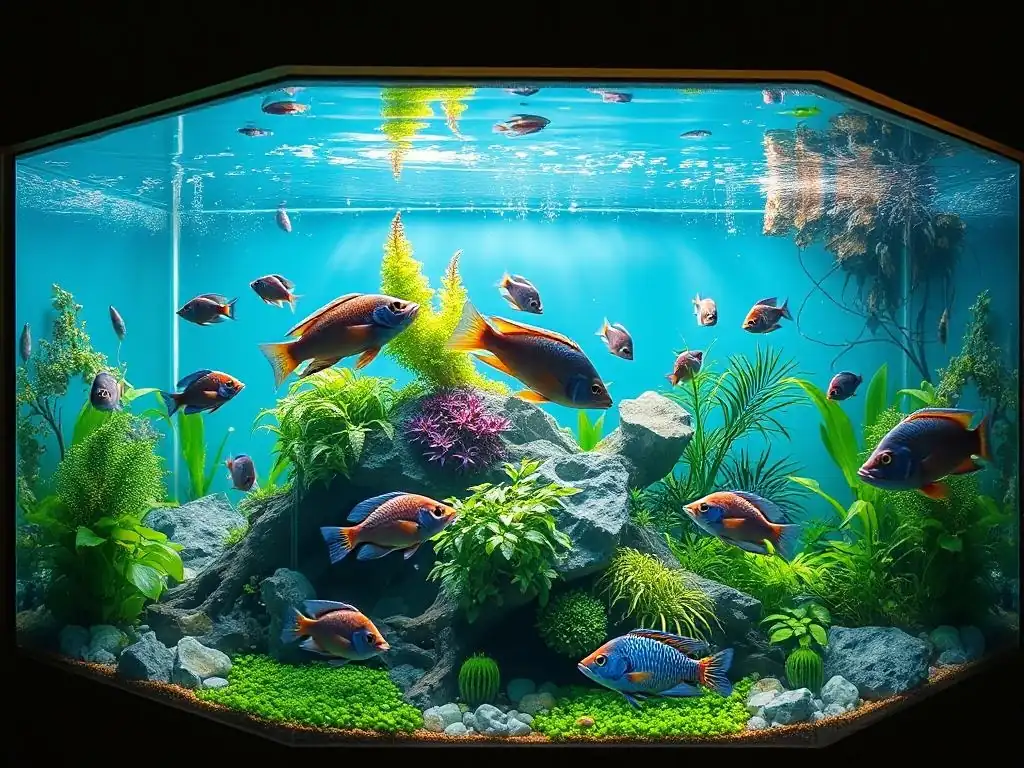
Welcome to Aquarium Mastery!
Ever wondered if you're really feeding your Rams, Apistos, and Kribs the right amount, at the right time? Discover the secrets to their vibrant health and colors with our in-depth guide to the Rams feeding schedule optimal diet. Unlock the key to a thriving freshwater aquarium and avoid common feeding pitfalls. Dive in and let's ensure your beloved fish are getting everything they need!
- Optimizing Dwarf Cichlid Feeding: Rams, Apistos, and Kribensis
- Understanding Dwarf Cichlid Nutritional Needs
- Rams Feeding Schedule for Optimal Health
- Apisto Feeding Guide: Achieving Peak Condition
- Kribensis Feeding Strategies: Health and Breeding
- Selecting the Right Food
- Recognizing Over/Underfeeding Signs
- Maintaining Water Quality Through Feeding
- Case Studies: Successful Feeding Strategies
-
Frequently Asked Questions
- How often should I feed my Ram Cichlids to ensure they stay in peak condition?
- What is the optimal diet for Apistogramma species in my aquarium?
- Can I use the same feeding schedule for both Ram Cichlids and Kribensis?
- What signs indicate I might be overfeeding my Rams, Apistos, or Kribs?
- What happens if I miss a feeding for my Ram Cichlids?
- Final Reflection: Nurturing Aquatic Harmony
- Ignite Your Fish's Vitality!
Optimizing Dwarf Cichlid Feeding: Rams, Apistos, and Kribensis
Understanding Dwarf Cichlid Nutritional Needs
Dietary Requirements: Rams, Apistos, and Kribensis
Dwarf cichlids, including Rams (like Mikrogeophagus ramirezi), Apistogrammas (e.g., Apistogramma cacatuoides, Apistogramma agassizii), and Kribensis ( Pelvicachromis pulcher), are primarily micro-predators and omnivores in their natural habitats. Their diet in the wild consists largely of small invertebrates, insect larvae, zooplankton, and some plant matter.
To replicate this, a high-quality aquarium diet for these species should reflect this balance, typically requiring a protein content between 40-50% for optimal growth and health, and a fat content around 8-12%. While Rams and Apistos tend to lean more towards carnivorous preferences, Kribensis are notably more omnivorous, benefiting from a slightly higher inclusion of vegetable matter in their diet.
Providing a diet that meets these specific requirements is crucial for the long-term well-being of these vibrant fish. For instance, a diet deficient in essential amino acids or fatty acids can lead to stunted growth, weakened immune systems, and dull coloration. Conversely, an appropriate Rams feeding schedule optimal diet will support robust health, vivid colors, and even encourage breeding behaviors. Understanding these nuances is the first step in developing an effective feeding strategy for your dwarf cichlids.
Varied Diet Importance for Health and Color
A varied diet is paramount for the health and vibrant coloration of Rams, Apistos, and Kribensis. Relying on a single type of food, even a high-quality one, can lead to nutritional deficiencies over time, as no single food source provides all necessary nutrients in perfect balance. For example, the rich blues and reds seen in German Blue Rams are often enhanced by carotenoids, such as astaxanthin, which are naturally found in foods like spirulina, krill, and certain crustaceans. Without these specific pigments in their diet, their colors may appear faded or muted.
Moreover, offering a variety of foods stimulates their natural foraging instincts, reducing stress and promoting more active behavior. Alternating between high-protein frozen foods (like bloodworms or Mysis shrimp), live foods (such as brine shrimp or Daphnia), and high-quality prepared flakes or pellets ensures a comprehensive nutrient profile. This approach not only prevents deficiencies but also strengthens their immune systems, making them more resilient to diseases. A diverse feeding regimen is a cornerstone of a successful Rams feeding schedule optimal diet plan, ensuring your dwarf cichlids thrive.
Rams Feeding Schedule for Optimal Health
Recommended Feeding Frequency: Balancing Nutrition and Water Quality
For adult Rams, an optimal feeding frequency typically ranges from one to two times per day. The key principle is to provide only as much food as they can consume within a short timeframe, ideally within 2-3 minutes. Overfeeding is a common pitfall that can rapidly degrade water quality, leading to elevated ammonia, nitrite, and nitrate levels, which are highly detrimental to sensitive dwarf cichlids. For instance, uneaten food can increase nitrate levels from a healthy 5-10 ppm to over 40 ppm within a few days in a moderately stocked 20-gallon tank, stressing the fish and promoting algae growth.
Juvenile Rams, actively growing and developing, benefit from more frequent feedings, typically 2-3 times daily, with smaller portions. This increased frequency supports their rapid metabolic rates and ensures consistent nutrient uptake for proper development. Regardless of age, observing your Rams' feeding behavior is crucial; if food remains after 3 minutes, you are likely overfeeding, and the portion size should be reduced. This careful balance between providing sufficient nutrition and maintaining pristine water quality is central to a successful Rams feeding schedule optimal diet.
Sample Feeding Schedule: Fry to Adult
Developing a tailored feeding schedule for Rams involves considering their life stage, as nutritional needs and feeding capacities change significantly from fry to adult.
- Fry (0-4 weeks): Ram fry are incredibly small and require microscopic foods. For the first week, infusoria or liquid fry food is essential. From week two onwards, newly hatched brine shrimp nauplii should be offered 3-5 times daily. Each feeding should be small, ensuring no excess food remains to foul the water. For example, a 10-gallon breeding tank might require just a few drops of liquid fry food or 1/4 teaspoon of brine shrimp nauplii per feeding.
- Juveniles (1-4 months): As they grow, juveniles can transition to finely crushed high-quality flakes, micro-pellets, and small frozen foods like cyclops or finely chopped bloodworms. Feeding 2-3 times daily is ideal to support their rapid growth, with portions consumed within 2 minutes.
- Adults (4+ months): Adult Rams thrive on 1-2 feedings per day. Their diet should consist of a mix of high-quality flakes/granules, frozen bloodworms, Mysis shrimp, brine shrimp, and occasional live foods like Daphnia. A common Rams feeding schedule optimal diet for adults might involve a morning feeding of quality flakes and an evening feeding of frozen bloodworms or Mysis shrimp.
This structured approach ensures that Rams receive the appropriate nutrition at each stage of their development, promoting robust health and vibrant coloration.
Adjusting Feeding Based on Tank Environment
The ideal feeding regimen for Rams is not a static plan but rather one that requires dynamic adjustment based on the specific tank environment and the fish's behavior. Factors such as water temperature, tank size, filtration efficiency, and the presence of other tank mates all influence how much and how often your Rams should be fed. For instance, in warmer water (e.g., 82°F / 28°C), Rams' metabolism increases, potentially requiring slightly larger or more frequent feedings than in cooler water (e.g., 78°F / 25.5°C).
A heavily planted aquarium, for example, might offer some natural food sources like infusoria or micro-organisms, potentially allowing for slightly reduced prepared food portions. Conversely, a sparsely decorated tank with high fish density will require more precise feeding to prevent water quality degradation.
If Rams are housed in a community tank with faster-eating species, it's crucial to ensure the Rams are actually getting enough food, perhaps by target feeding with a pipette or feeding sinking pellets. Observing their activity levels, coloration, and overall body condition provides the best feedback for fine-tuning the Rams feeding schedule optimal diet to your specific setup.
Apisto Feeding Guide: Achieving Peak Condition
Optimal Feeding Frequency: Species Considerations
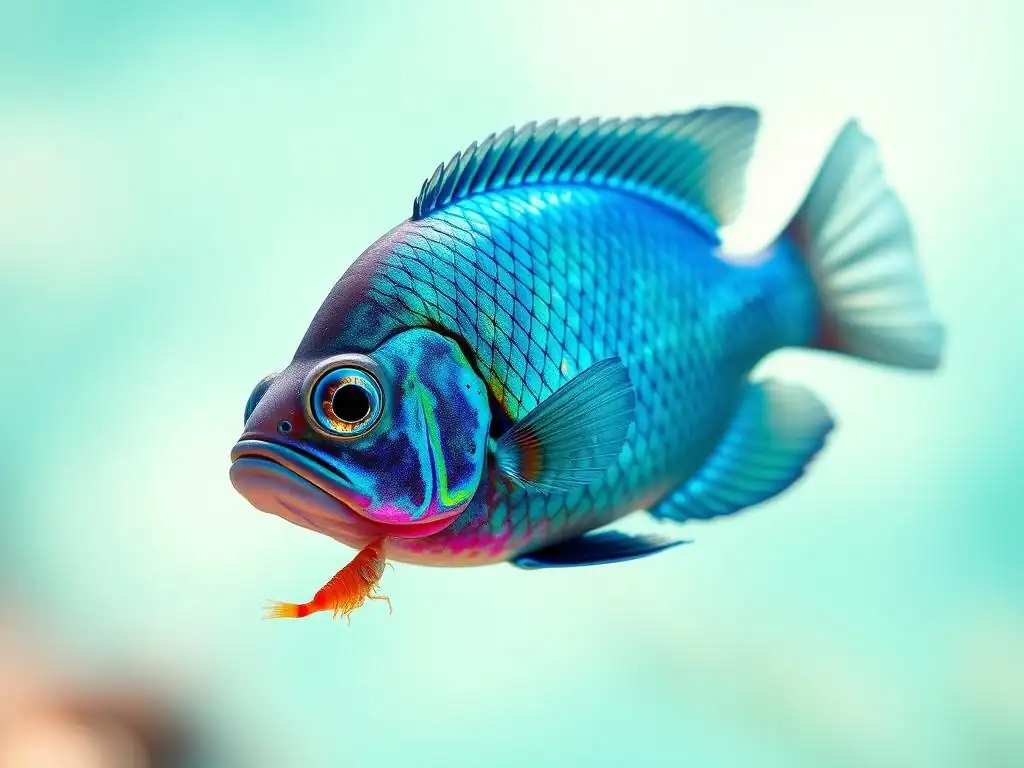
Apistogrammas, much like Rams, are generally micro-predators, and their optimal feeding frequency largely mirrors that of their cichlid cousins. For adult Apistos, feeding 1-2 times per day is usually sufficient. However, due to their often smaller size and more delicate nature compared to some Rams, smaller, more frequent meals can sometimes be beneficial, especially for newly acquired or stressed individuals. For example, Apistogramma cacatuoides and Apistogramma agassizii, being relatively robust, can handle the standard 1-2 daily feedings, while more sensitive species like Apistogramma borellii might benefit from three very small feedings.
Juvenile Apistogrammas, similar to Ram fry, require 2-3 small feedings daily to support their rapid growth. The key is to provide food in portions that can be entirely consumed within 2-3 minutes to prevent water quality issues. Observing the specific behavior of your Apisto species is vital; some are more shy feeders and may need food directed to their hiding spots, while others are more aggressive. This careful attention to frequency ensures they receive consistent nutrition without compromising water parameters.
Choosing Food: Live, Frozen, and Prepared
For Apistogrammas to achieve peak condition, a diverse diet incorporating live, frozen, and high-quality prepared foods is essential. Live foods are particularly beneficial as they stimulate natural hunting instincts and provide superior nutritional value. Excellent live options include newly hatched brine shrimp, Daphnia, micro-worms, and grindal worms. For example, a daily feeding of live baby brine shrimp for a week can significantly improve the health and readiness of an Apisto pair for breeding.
Frozen foods offer a convenient alternative to live foods while still providing excellent nutrition. Common choices include bloodworms, Mysis shrimp, brine shrimp, and cyclops. These should be thawed before feeding to avoid internal chilling of the fish. Prepared foods, such as high-quality flakes, granules, or small pellets, can serve as a staple, but should not be the sole food source. Look for brands specifically formulated for cichlids, with high protein content (e.g., >45%) and low fillers. A balanced approach ensures comprehensive nutrition for your Apistos.
Diet Plan: Step-by-Step Guide
Implementing a structured diet plan can significantly contribute to the health and vibrancy of your Apistogrammas. Here’s a sample weekly diet plan that can be adapted based on your specific species and their needs:
- Monday, Wednesday, Friday: Offer a high-quality frozen food, such as bloodworms or Mysis shrimp. Thaw a small cube and feed only what can be consumed in 2-3 minutes. For example, a 20-gallon tank with a pair of Apistogramma cacatuoides might receive one-quarter of a standard frozen cube.
- Tuesday, Thursday: Provide live food options like newly hatched brine shrimp, Daphnia, or grindal worms. These are excellent for conditioning and stimulating natural behaviors. A small culture of grindal worms can provide daily sustenance for several fish.
- Saturday, Sunday: Use a high-quality prepared food, such as a sinking pellet or granule designed for dwarf cichlids, as a staple. This helps ensure they receive a balanced diet even when live or frozen options are less accessible. Alternatively, on one of these days, you might offer a small amount of spirulina-enriched flake for added vegetable matter.
This varied approach not only meets their nutritional needs but also keeps them engaged and active, promoting overall well-being and peak condition.
Kribensis Feeding Strategies: Health and Breeding
Best Feeding Practices: Ensuring Optimal Growth
Kribensis ( Pelvicachromis pulcher) are generally more robust and omnivorous than Rams or Apistos, making their feeding somewhat more straightforward, yet still requiring attention to detail for optimal growth and health. For adult Kribensis, feeding 1-2 times daily is usually sufficient, with portions consumed within 3-5 minutes. Unlike the more carnivorous Rams and Apistos, Kribs benefit from a diet that incorporates both animal and plant matter. High-quality flake foods or small pellets designed for cichlids can form the staple of their diet, but these should be supplemented with a variety of other foods.
To ensure optimal growth, especially for juvenile Kribs, frequent small feedings (2-3 times daily) are crucial. This supports their faster metabolism and development. Including spirulina-based foods, blanched vegetables (like zucchini or spinach), alongside protein-rich options such as frozen bloodworms, brine shrimp, and daphnia, will provide a complete nutritional profile. For instance, a 3-month-old Kribensis can grow from 1 inch to nearly 2.5 inches with consistent, varied feeding. This balanced approach supports their overall vigor and vibrant coloration.
Breeding Diet: Preparing for Spawning
When preparing Kribensis for spawning, their diet should be significantly boosted in protein and fat content to condition the pair. This specialized breeding diet helps the female develop eggs and the male produce high-quality milt, increasing the likelihood of successful spawning and healthy fry. For approximately 1-2 weeks prior to intended spawning, increase feeding frequency to 2-3 times daily.
Focus on high-protein live and frozen foods. Excellent choices include blackworms, bloodworms, Mysis shrimp, and high-quality frozen brine shrimp. For example, offering a small portion of live blackworms once a day, in addition to their regular flake food, can noticeably enhance the conditioning of a Kribensis pair. Some breeders also incorporate high-quality spirulina flakes to ensure all essential vitamins are present. This enriched diet not only promotes egg development but also contributes to the overall health and vitality of the breeding pair, leading to more robust offspring.
Feeding Tips: Preventing Overfeeding
Kribensis are enthusiastic eaters and can easily be overfed, leading to significant water quality issues and potential health problems like bloat or fatty liver disease. Preventing overfeeding is paramount for maintaining a healthy Kribensis aquarium. The most crucial tip is to always feed small portions that can be consumed entirely within 3-5 minutes. If food remains after this timeframe, it indicates you have fed too much, and the excess should be promptly removed using a fine net or gravel vacuum.
Another effective strategy is to observe the fish's behavior. If they are still actively searching for food after a few minutes, a tiny additional portion can be offered. However, if they lose interest, stop feeding immediately. Varying feeding times can also help prevent them from associating your presence with large food dumps. For example, feeding at different intervals each day can make them less prone to begging behavior. Implementing these simple tips will not only keep your Kribensis healthy but also significantly contribute to stable water parameters in their tank.
Selecting the Right Food
Live Food Options: Benefits and Risks
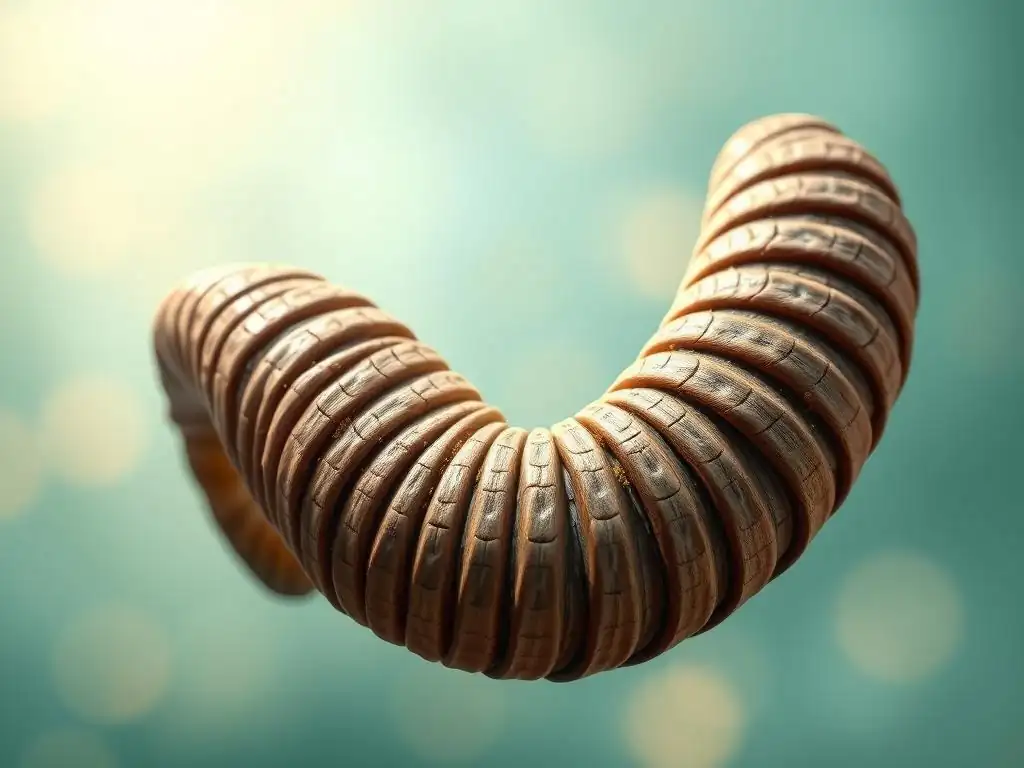
Live foods offer numerous benefits for dwarf cichlids, including stimulating natural hunting behaviors, providing superior nutritional value, and enhancing coloration. For Rams, Apistos, and Kribensis, popular live food options include newly hatched brine shrimp, Daphnia, bloodworms, blackworms, grindal worms, and micro-worms. For instance, feeding live Daphnia can provide essential carotenoids that enhance the red and orange pigments in Rams, while live blackworms are excellent for conditioning breeding pairs due to their high protein content (around 60%).
However, live foods also carry inherent risks. Wild-caught live foods can introduce parasites, bacteria, or diseases into your aquarium. For example, collecting Daphnia from outdoor ponds without proper sterilization can introduce hydra or other unwanted organisms. To mitigate these risks, it is highly recommended to source live foods from reputable aquacultural suppliers or, ideally, to culture them yourself. Culturing live foods at home, such as grindal worms or brine shrimp, gives you complete control over their purity and nutritional content, making them a safer and often more cost-effective option for maintaining a healthy and vibrant dwarf cichlid collection.
Frozen Food Choices: Essential Nutrients
Frozen foods are an excellent and convenient alternative to live foods, providing a wide array of essential nutrients without the risks associated with wild-caught live organisms. They are typically flash-frozen to preserve their nutritional integrity and come in convenient cube or blister packs. For dwarf cichlids, popular frozen food choices include bloodworms, Mysis shrimp, brine shrimp, cyclops, and daphnia. For example, frozen Mysis shrimp are rich in proteins (around 60%) and fatty acids, making them ideal for conditioning fish for breeding or enhancing overall vigor.
When using frozen foods, it's crucial to thaw them in a small amount of tank water before feeding. This prevents internal chilling of the fish, which can lead to digestive upset. For instance, a small portion of frozen bloodworms can be thawed in a shot glass of tank water for 5 minutes before being gently introduced to the aquarium.
Many frozen food brands also offer fortified options, such as spirulina-enriched brine shrimp, which provide additional vitamins and plant matter. Incorporating a variety of these frozen options into your feeding regimen ensures a comprehensive and balanced diet for your Rams, Apistos, and Kribensis.
Prepared Food: Flakes, Pellets, and Granules
Prepared foods, such as flakes, pellets, and granules, form the staple of many aquarium diets due to their convenience, shelf stability, and ability to provide a baseline of nutrition. When selecting prepared foods for Rams, Apistos, and Kribensis, it is essential to choose high-quality brands specifically formulated for cichlids or omnivorous tropical fish. Look for products with a high protein content (typically above 40-45%) and minimal fillers like cornmeal or wheat flour. Brands that list fish meal, krill, or spirulina as primary ingredients are generally preferred.
Flakes are suitable for surface feeders and younger fish, while sinking pellets or granules are often better for bottom-dwelling dwarf cichlids like Apistos or Kribensis, ensuring they receive their share without competition from faster surface feeders. For example, a high-quality sinking granule ensures that even shy Apistos foraging near the substrate get adequate nutrition.
It's advisable to rotate between different types of prepared foods or combine them with frozen and live options to provide a more complete and varied diet. Always store prepared foods in a cool, dry place and use them before their expiration date to maintain their nutritional value.
Recognizing Over/Underfeeding Signs
Identifying Overfeeding Symptoms: Algae Blooms
Overfeeding is one of the most common mistakes in aquarium keeping and can lead to a cascade of negative effects on both the fish and the tank environment. One of the most visible signs of overfeeding is the proliferation of algae blooms.
Excess nutrients, particularly phosphates and nitrates released from decomposing uneaten food, act as fertilizer for various types of algae, including green water, hair algae, or brown diatoms. For example, if your tank suddenly develops a green tint that wasn't there before, and your nitrate levels jump from 10 ppm to 50 ppm within a week, overfeeding is a strong suspect.
Beyond algae, other symptoms of overfeeding include cloudy or foul-smelling water, a buildup of uneaten food on the substrate, and elevated ammonia and nitrite levels, which are highly toxic to fish. Fish themselves may exhibit signs like lethargy, clamped fins, or, in severe cases, bloat or digestive issues. For instance, a Ram with a distended belly and reluctance to swim actively might be suffering from bloat due to overconsumption or poor digestion of excess food. Recognizing these indicators early allows for prompt adjustment of the feeding regimen, safeguarding your aquatic ecosystem.
Recognizing Underfeeding Symptoms: Decreased Activity
While overfeeding is a common concern, underfeeding can be equally detrimental to the health and vitality of your Rams, Apistos, and Kribensis. One of the primary indicators of underfeeding is a noticeable decrease in the fish's activity levels. Fish that are not receiving adequate nutrition may appear lethargic, swim less frequently, or spend more time hiding. Their natural curiosity and foraging behaviors diminish as their energy reserves deplete. For example, a normally active Kribensis that suddenly appears listless and remains stationary for long periods might be underfed.
Other clear signs of underfeeding include a sunken or concave belly, faded coloration, and stunted growth, particularly in juvenile fish. A young Apisto, for instance, should show steady growth over weeks, and a lack of visible growth or a noticeably thin body profile suggests insufficient food intake. In community tanks, underfed dwarf cichlids may also become more aggressive or competitive during feeding times, fighting for scarce resources. Observing these symptoms requires an immediate increase in the quantity or frequency of feeding, ensuring your fish receive the necessary nutrients to thrive.
Maintaining Water Quality Through Feeding
Feeding's Impact on Water Parameters
The quantity and type of food introduced into an aquarium have a profound and direct impact on its water parameters. Uneaten food, along with fish waste, rapidly decomposes, releasing ammonia into the water. This ammonia is then converted by beneficial bacteria into nitrite, and subsequently into nitrate, through the nitrogen cycle.
High levels of ammonia and nitrite are acutely toxic to fish, even in small concentrations (e.g., ammonia levels above 0.25 ppm can stress fish, while levels above 1 ppm can be lethal). While nitrate is less toxic, accumulation above 20-40 ppm can still stress fish, inhibit growth, and promote nuisance algae.
Beyond the nitrogen cycle, excessive feeding can also lead to an increase in phosphates, contributing to algae blooms, and can lower the pH over time as organic acids are produced during decomposition. For instance, consistent overfeeding in a 20-gallon tank can cause pH to drop from a stable 7.0 to 6.0 within a few weeks, especially if buffering capacity is low. Therefore, a judicious Rams feeding schedule optimal diet is not just about nourishing the fish but also about maintaining the delicate chemical balance of the aquatic environment.
Minimizing Waste and Maintaining a Healthy Environment
Minimizing waste from feeding is crucial for maintaining excellent water quality and a healthy environment for your Rams, Apistos, and Kribensis. The most effective strategy is to practice portion control: feed only what your fish can consume entirely within 2-5 minutes. This prevents uneaten food from sinking to the substrate and decomposing, which is a primary source of ammonia and nitrate buildup. For example, instead of dumping a large pinch of flakes, offer a small pinch, wait for it to be consumed, and then offer another tiny portion if needed.
Regular tank maintenance complements careful feeding practices. Performing routine water changes (e.g., 25-30% weekly for a moderately stocked tank) helps remove accumulated nitrates and other dissolved organic compounds that even perfect feeding cannot entirely prevent. Additionally, ensuring your filtration system is adequately sized and regularly maintained (e.g., rinsing filter media in old tank water every 2-4 weeks) will efficiently process waste. Using a gravel vacuum during water changes to remove any uneaten food or detritus from the substrate further contributes to a pristine environment, significantly reducing the impact of feeding on water parameters.
Case Studies: Successful Feeding Strategies
Case Study 1: Enhancing Ram Coloration Through Diet
A hobbyist with a 29-gallon tank noticed their German Blue Rams, while healthy, displayed somewhat muted blue and yellow hues. Their primary diet consisted of a generic tropical flake food fed once daily. After consulting with an experienced aquarist, they implemented a revised feeding strategy focused on a Rams feeding schedule optimal diet for color enhancement. The new regimen included:
- Morning: High-quality, color-enhancing cichlid pellet (e.g., rich in astaxanthin, such as those with spirulina and krill listed high in ingredients).
- Evening (3 times a week): Frozen spirulina-enriched brine shrimp or frozen Mysis shrimp.
- Evening (2 times a week): Live Daphnia or grindal worms.
- Weekend: A small portion of blanched spinach or zucchini.
Within approximately 3-4 weeks, the transformation was remarkable. The Rams' blue coloration deepened significantly, and their yellow and orange highlights became intensely vibrant. Their overall activity levels also increased, demonstrating the profound impact of a targeted, nutrient-rich diet on the aesthetic and physiological health of these sensitive cichlids.
Case Study 2: Promoting Apisto Breeding with Targeted Feeding
A pair of Apistogramma cacatuoides in a 15-gallon breeding tank had been together for several months without any signs of spawning, despite ideal water parameters (pH 6.5, GH 5, Temp 78°F). Their diet was primarily high-quality flakes and occasional frozen brine shrimp. To encourage breeding, a specialized conditioning diet was introduced for two weeks:
- Daily (2 times a day): Live baby brine shrimp, offered in small portions.
- Every other day (alternating with brine shrimp): Live grindal worms or frozen bloodworms.
- Once a week: A small amount of high-protein sinking pellet.
Within 10 days of implementing this intensified feeding schedule, the female Apistogramma cacatuoides began to show significant signs of egg development, her belly becoming noticeably distended. Four days later, the pair successfully spawned in a ceramic cave, producing a clutch of approximately 80 eggs. This case highlights how a targeted, protein-rich diet, particularly with live foods, can act as a crucial trigger for reproductive success in Apistogrammas.
Case Study 3: Maintaining Kribensis Health in a Community Tank
In a 29-gallon community tank housing a pair of Kribensis along with various tetras and corydoras, the Kribensis initially appeared somewhat lethargic and occasionally bloated. The primary feeding method was a general tropical flake food sprinkled once daily, which the faster-swimming tetras consumed quickly, leaving less for the bottom-dwelling Kribs. The hobbyist realized the Kribs were either underfed or consuming too much of the wrong type of food when it eventually sank. The feeding strategy was adjusted to ensure the Kribs received their optimal diet:
- Morning: A small amount of high-quality tropical flake for the surface dwellers.
- Evening (5 minutes after flake feeding): Sinking cichlid pellets or granules, specifically targeted to the Kribensis' territory.
- Twice a week: Small portions of frozen bloodworms or Mysis shrimp.
- Once a week: A small piece of blanched zucchini or spirulina wafer.
This revised feeding plan resulted in a noticeable improvement in the Kribensis' health within two weeks. Their bellies were no longer distended, their colors became more vibrant, and they exhibited increased activity and natural foraging behaviors. This case demonstrates the importance of considering the feeding habits and competitive dynamics within a community tank to ensure all inhabitants, especially bottom-dwelling dwarf cichlids, receive adequate and appropriate nutrition.
Frequently Asked Questions
How often should I feed my Ram Cichlids to ensure they stay in peak condition?
You should aim to feed your Ram Cichlids twice a day with small portions. This prevents overfeeding and helps them maintain a healthy weight and vibrant colors. A consistent schedule is crucial for their well-being.
What is the optimal diet for Apistogramma species in my aquarium?
The optimal diet consists of a variety of foods including high-quality flake food, frozen foods like bloodworms and daphnia, and live foods occasionally. This provides them with the necessary nutrients for growth and breeding. A balanced diet is key.
Can I use the same feeding schedule for both Ram Cichlids and Kribensis?
While both benefit from multiple small feedings, Kribensis are often more active and may require slightly larger portions. Monitor their body condition and adjust accordingly. Consider observing their individual feeding behaviors.
What signs indicate I might be overfeeding my Rams, Apistos, or Kribs?
Signs of overfeeding include excess uneaten food at the bottom of the tank, cloudy water, and obesity in your fish. Adjust the amount of food given accordingly to prevent health problems.
What happens if I miss a feeding for my Ram Cichlids?
Missing an occasional feeding isn't usually a major problem. However, consistent missed feedings can lead to stress and weaken their immune system. Try to maintain a regular feeding schedule for optimal health.
Final Reflection: Nurturing Aquatic Harmony
The principles of optimal feeding, as outlined for Rams, Apistos, and Kribs, aren't merely about maintaining vibrant colors and robust health in our aquariums; they represent a deeper understanding of the delicate ecosystems we recreate within glass walls. Just as a balanced diet fuels growth and vitality in these captivating fish, so too does mindful stewardship enrich our connection to the natural world.
This journey into the nuances of fish nutrition has underscored the profound impact of our choices. It's a reminder that responsible aquarium keeping extends beyond aesthetics, demanding a commitment to understanding and replicating the natural rhythms of life. The best way to observe a fish is to become the water.
– Jacques Cousteau. This quote resonates deeply, urging us to immerse ourselves in the needs of our aquatic companions, fostering an environment where they can truly thrive.
Now, armed with this knowledge of optimal feeding schedules and dietary needs, I invite you to reflect on your own practices. Consider how you can further refine your approach to create a more harmonious and enriching environment for your Rams, Apistos, and Kribs. By embracing a mindful and informed approach to their care, you're not just keeping fish; you're cultivating a vibrant microcosm of life, a testament to the beauty and interconnectedness of nature.
Ignite Your Fish's Vitality!
Thanks for diving into the feeding habits of your Rams, Apistos, and Kribs! We hope you've gained valuable insights to keep your fish thriving. Now, it's time to translate knowledge into action.
- Implement a consistent feeding schedule based on your fish's specific needs, observing their behavior to fine-tune portions.
- Explore offering a wider variety of high-quality foods to unlock their full color potential.
- Share your feeding successes (or challenges!) in the Aquarium Mastery community forum and learn from fellow enthusiasts.
What unique feeding strategy do you plan to try this week to enhance your fish's health and vibrancy?