
Pair Bonding in Dwarf Cichlids: A Tale of Tiny Love (and War)

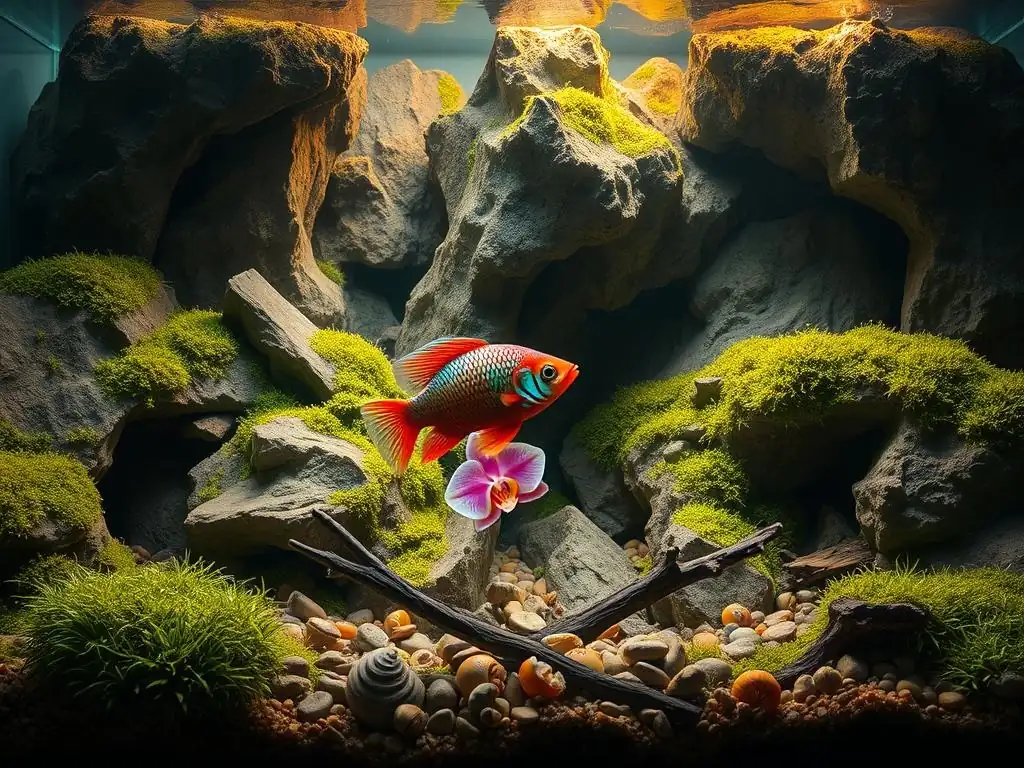
Welcome to Aquarium Mastery, where we dive deep into the fascinating world of aquatic life! Ever wondered about the intricate relationships formed beneath the surface? Then you're in the right place! Prepare to be captivated as we unravel the secrets of dwarf cichlid pair bonding. What does it really take for these tiny terrors to find lasting love (or at least tolerate each other)? Let's explore the delicate dance of courtship, aggression, and everything in between!
- Understanding Dwarf Cichlid Pair Bonds: An Introduction for Aquarium Keepers
- The Dynamics of Dwarf Cichlid Courtship and Mate Selection
- Establishing a Suitable Environment for Dwarf Cichlid Pairing
- Observing and Managing Dwarf Cichlid Pair Bonds
- Troubleshooting Common Pair Bonding Challenges
- Long-Term Care and Maintenance of Dwarf Cichlid Pairs
- Advanced Topics in Dwarf Cichlid Pair Bonding
-
Frequently Asked Questions
- What is pair bonding in the context of dwarf cichlids?
- How can I encourage pair bonding in my dwarf cichlid aquarium?
- What are some signs that a dwarf cichlid pair is successfully bonded?
- What should I do if my dwarf cichlid pair is constantly fighting?
- Is it possible to introduce a new mate to a dwarf cichlid who has lost their partner?
- Final Reflection: The Enduring Power of Tiny Bonds
- Ignite Your Cichlid Passion: Create a Thriving Pair Today!
Understanding Dwarf Cichlid Pair Bonds: An Introduction for Aquarium Keepers
What is Pair Bonding in the Context of Dwarf Cichlids?
Pair bonding in dwarf cichlids refers to the formation of a strong, often monogamous, relationship between a male and female, primarily for the purpose of reproduction and shared parental care. Unlike schooling fish that move in large groups, or solitary species, dwarf cichlids like Mikrogeophagus ramirezi (German Blue Rams) or Pelvicachromis pulcher (Kribensis) typically form a cohesive unit that cooperatively defends a territory, lays eggs, and raises fry. This bond is usually evident through synchronized swimming, shared feeding, and joint defense against perceived threats.
The intensity and duration of dwarf cichlid pair bonding can vary significantly between species. For instance, Apistogramma species often exhibit a more polygynous tendency, where a male may bond with multiple females within his territory, though he will still form a distinct bond with the female actively brooding eggs. Conversely, Kribensis cichlids are renowned for forming extremely strong and often long-lasting monogamous pair bonds, where both parents are highly involved in guarding their young, sometimes for several weeks post-hatching.
Why Dwarf Cichlid Pair Formation Matters in Your Aquarium
Successful dwarf cichlid pair formation is paramount for anyone aiming to breed these captivating fish. Without a stable bond, breeding attempts are often futile, leading to increased stress, aggression between potential mates, and ultimately, no viable offspring. A well-bonded pair will exhibit natural behaviors, such as joint exploration of the tank, cooperative feeding, and synchronized movements, which are indicative of their comfort and readiness to reproduce.
Beyond breeding, encouraging dwarf cichlid pair bonding contributes significantly to the overall well-being and natural behavior of the fish within the aquarium. A stable pair often exhibits less generalized aggression towards other tank inhabitants, as their territorial instincts are focused on defending their shared space and future brood. This focused territoriality can actually reduce overall stress in the tank by providing a clear social structure, making the aquarium a more harmonious environment for all its inhabitants.
Key Dwarf Cichlid Species Known for Strong Pair Bonds
Several dwarf cichlid species are celebrated for their strong pair bonding tendencies, making them popular choices for aquarists interested in breeding. Mikrogeophagus ramirezi, commonly known as German Blue Rams, are perhaps the most iconic example, forming monogamous pairs that share parental duties, with both male and female meticulously fanning eggs and guarding fry. Their vibrant coloration intensifies during breeding, signaling the strength of their dwarf cichlid pair bonding.
Another excellent example is Pelvicachromis pulcher, or Kribensis cichlids, which establish exceptionally strong and often enduring monogamous bonds. Both sexes participate actively in selecting a spawning site, typically a cave or flowerpot, and intensely guard their eggs and fry. They are known for their fierce parental dedication, often chasing away fish much larger than themselves to protect their brood. Apistogramma cacatuoides (Cockatoo Dwarf Cichlids) also form strong pair bonds, though the male might maintain a harem, the primary breeding female will receive dedicated protection and support from the male.
The Dynamics of Dwarf Cichlid Courtship and Mate Selection
Recognizing the Signs of Courtship Behavior in Dwarf Cichlids
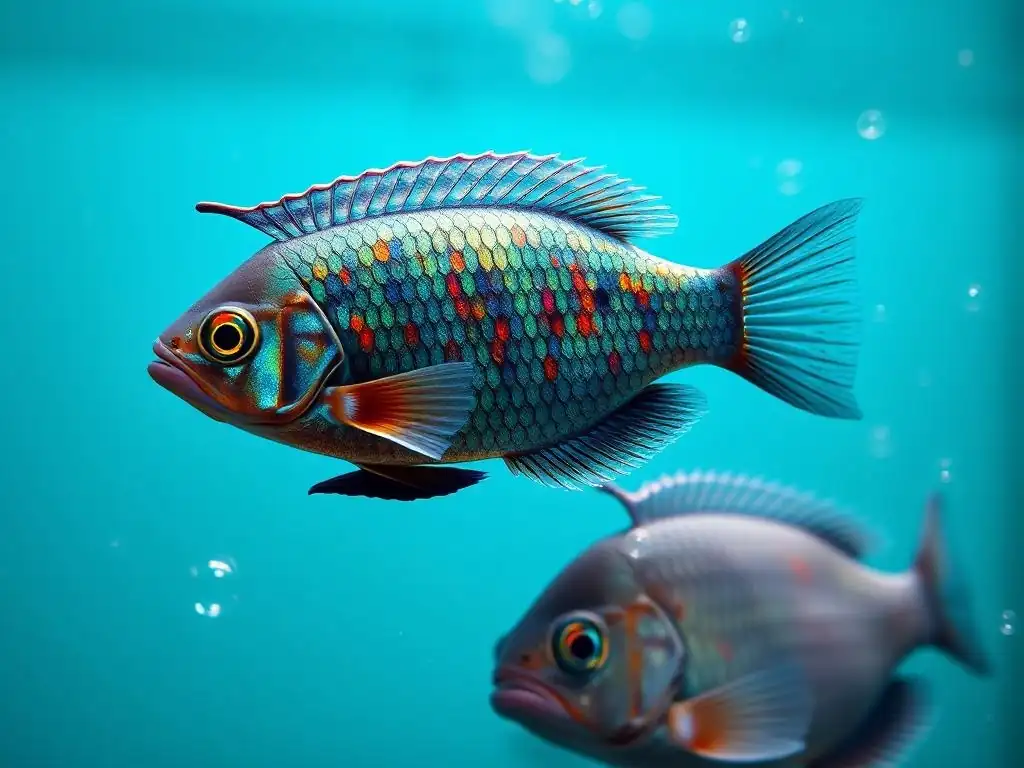
Observing the intricate courtship rituals of dwarf cichlids is a fascinating aspect of their care, providing clear indicators of potential dwarf cichlid pair bonding. Males typically initiate courtship by displaying intensified coloration, often becoming incredibly vibrant, and flaring their fins to showcase their size and health. They may engage in a "shimmy" or "shaking" dance, rapidly vibrating their bodies while approaching the female, attempting to entice her to a chosen spawning site, such as a flat rock or inside a cave.
Females, if receptive, will respond with their own subtle color changes, often displaying a yellow hue, particularly around their ventral fins, and may begin to follow the male or cautiously inspect the potential spawning site. Both sexes will often participate in "mouth-brooding" gestures, where they pick up and spit out substrate, possibly to clean the spawning area or demonstrate their readiness. Increased territorial aggression towards other tank inhabitants, as the pair begins to stake out their breeding grounds, is also a strong sign that dwarf cichlid pair bonding is progressing.
Factors Influencing Mate Choice in Small Cichlids: Water Chemistry, Tank Size, and More
Optimal water parameters play a critical role in encouraging dwarf cichlid pair bonding and subsequent spawning. For many popular species like Apistogramma and Rams, soft (GH 2-6 dGH) and acidic (pH 5.5-6.8) water, coupled with temperatures between 78-82°F (25.5-27.8°C), mimics their natural environment and signals breeding readiness. Inconsistent or unsuitable water conditions can stress the fish, inhibit natural behaviors, and prevent the formation of a stable pair bond, leading to aggression rather than courtship.
Tank size and appropriate aquascaping are also crucial factors. A tank that is too small (e.g., less than 20 gallons for a pair) or lacking sufficient hiding spots and visual barriers can lead to constant stress and aggression, making successful dwarf cichlid pair bonding nearly impossible. Conversely, a well-decorated tank with multiple caves, dense plant cover, and distinct territories allows the fish to feel secure, reduces inter-fish aggression, and provides ideal spawning locations, thus promoting natural courtship and pair formation.
The Role of Dominance and Submissiveness in Pair Formation
In the initial stages of dwarf cichlid pair bonding, a dynamic of dominance and submissiveness is often observed, particularly between the male and female. The male typically asserts dominance, establishing a territory and actively pursuing the female with displays of fin flaring and body shaking. If the female is receptive, she will eventually enter his territory and participate in the courtship, demonstrating her submissiveness and readiness to bond by allowing the male to lead her to a spawning site.
However, if the female is not receptive, or if the male's advances are too aggressive, this dynamic can quickly turn detrimental. An unreceptive female may remain hidden, or actively attempt to escape the male's territory, leading to persistent chasing and potential injury. Providing ample hiding spots and ensuring a proper male-to-female ratio (sometimes more females than males can diffuse aggression) is crucial to prevent harm and allow a natural dwarf cichlid pair bonding process to unfold without excessive stress or violence.
Establishing a Suitable Environment for Dwarf Cichlid Pairing
Tank Setup Essentials for Encouraging Pair Bonds
Substrate and Decor Considerations for Breeding Dwarf Cichlids
The choice of substrate and decor is fundamental to promoting successful dwarf cichlid pair bonding and spawning. A fine sand substrate, such as pool filter sand or specialized aquarium sand, is highly recommended. Many dwarf cichlids, including Apistogramma and Rams, sift through the sand for food and may dig small depressions or clean flat surfaces on the substrate for egg laying. A substrate depth of at least 2-3 inches allows for this natural behavior and supports live plant rooting.
Beyond substrate, providing ample hiding places and defined territories is crucial. Decor elements like coconut shells, small terracotta pots, driftwood with crevices, and flat stones offer ideal spawning sites and retreat options. Dense plantings of species like Java Fern, Anubias, and various Cryptocoryne can create visual barriers and shaded areas, reducing stress and allowing the potential dwarf cichlid pair to establish a secure breeding territory. For Kribensis, a half coconut shell or a ceramic cave is often a preferred spawning site.
Water Parameters: Achieving Optimal Conditions for Pair Formation
Maintaining stable and appropriate water parameters is paramount for encouraging dwarf cichlid pair bonding and subsequent breeding. While specific parameters vary by species, most popular dwarf cichlids like Apistogramma and Rams thrive and breed best in soft (GH 2-6 dGH) and acidic (pH 5.5-6.8) water. Kribensis, on the other hand, are more adaptable and can breed in a slightly wider range, typically pH 6.0-7.5 and moderate hardness. Consistency in these parameters is often more important than absolute exactness.
Temperature also plays a significant role; a range of 78-82°F (25.5-27.8°C) is generally optimal for stimulating breeding behavior in many dwarf cichlids. For instance, Mikrogeophagus ramirezi often require temperatures closer to the upper end of this range (80-82°F) to trigger spawning. Regular, small water changes (e.g., 20-25% weekly) are essential to maintain low nitrate levels and overall pristine water quality, which directly influences the health, vigor, and breeding readiness of potential dwarf cichlid pairs.
Minimizing Stress to Promote Successful Pairing
Choosing Compatible Tank Mates for Potential Cichlid Pairs
When attempting to encourage dwarf cichlid pair bonding, the selection of tank mates is critical to minimize stress and aggression. Opt for peaceful, non-aggressive species that occupy different levels of the water column and will not compete directly for food or territory. Good choices include small, schooling fish such as Neon Tetras, Cardinal Tetras, Ember Tetras, or various Rasbora species like Harlequin Rasboras. Peaceful bottom dwellers like Corydoras catfish can also be suitable.
Avoid any fin-nipping or overly boisterous species that could harass or stress the dwarf cichlids, such as Tiger Barbs or larger, more active gouramis. Overcrowding should also be strictly avoided, as it leads to increased competition for resources and higher stress levels, which can severely hinder dwarf cichlid pair bonding. A balanced bioload ensures that the environment remains stable and conducive to natural behaviors, allowing the pair to focus on courtship and breeding without constant external threats.
Reducing Aggression and Competition Within the Aquarium
Adequate space and strategic aquascaping are key to reducing aggression and competition within an aquarium housing dwarf cichlids. Ensure the tank size is appropriate for the species; a minimum of a 20-gallon long tank is often recommended for a single dwarf cichlid pair to establish a territory without excessive conflict. Providing numerous visual breaks, such as tall plants, driftwood branches, and rock formations, helps to delineate territories and allows submissive or non-paired individuals to escape aggression.
Strategic feeding can also mitigate competition. Distribute food widely across the tank to ensure all fish, especially the less dominant or newly forming dwarf cichlid pair, receive adequate nutrition without intense competition. Observe feeding behaviors closely to identify if one fish is consistently being bullied away from food, which could indicate excessive aggression. If aggression persists, consider adjusting the tank layout, adding more hiding spots, or, in extreme cases, temporarily separating the aggressive individual to allow the pair to solidify their bond.
Observing and Managing Dwarf Cichlid Pair Bonds
Identifying Established Pairs: Physical Proximity and Cooperative Behavior
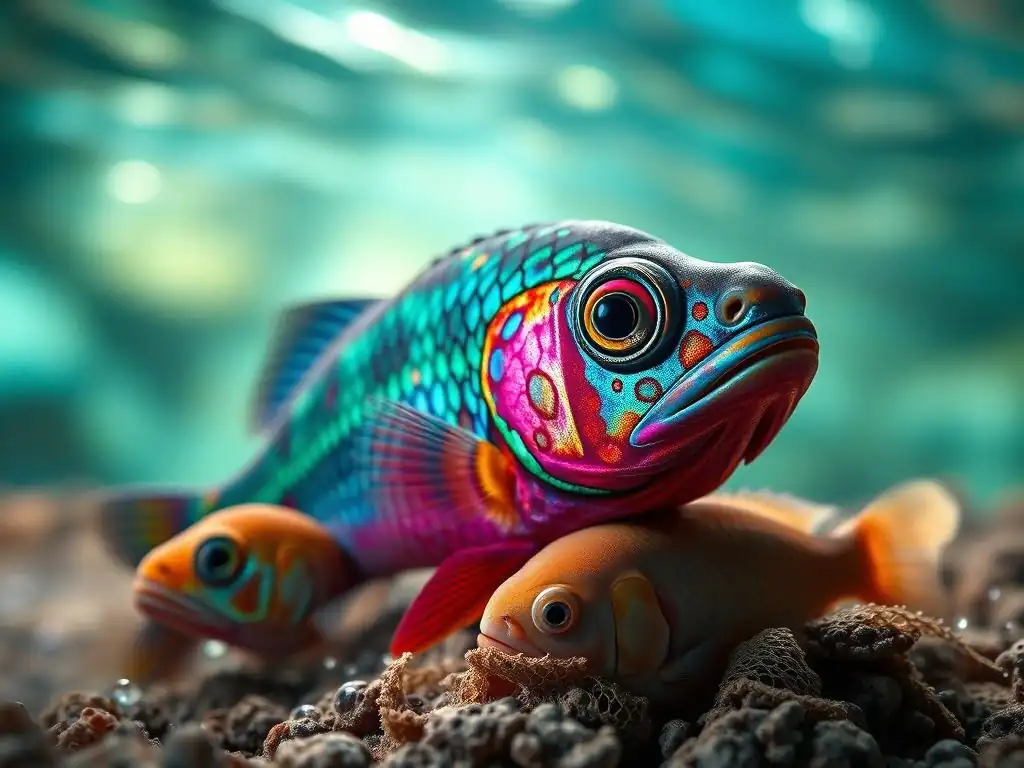
Identifying an established dwarf cichlid pair bond involves observing a combination of physical proximity and cooperative behaviors. A truly bonded pair will often be seen swimming together, exploring the tank as a unit, and spending significant time in close proximity, sometimes even touching fins or bodies. They will typically share a designated territory, which they will jointly defend against other fish, often chasing away intruders in a coordinated fashion.
Beyond mere proximity, cooperative behaviors are the strongest indicators of a stable pair bond. This includes joint efforts in cleaning a potential spawning site, such as a flat rock or the inside of a cave, by mouthing or fanning the surface. During spawning, the male will often guard the perimeter while the female tends to the eggs, or they may take turns fanning. After hatching, both parents will typically participate in guarding the fry, herding them around the tank and protecting them from perceived threats, showcasing their strong dwarf cichlid pair bonding.
Managing Aggression Between Paired and Unpaired Dwarf Cichlids
Separating Aggressive Individuals to Prevent Injury
Even with established dwarf cichlid pair bonding, aggression can arise, particularly if there are un-paired individuals or if the pair becomes overly territorial. If one fish, especially the male, becomes excessively aggressive towards the female or other tank mates, to the point of causing physical injury or severe stress, immediate intervention is necessary. Temporarily separating the aggressive individual, perhaps into a breeder net or a separate small tank, can provide a much-needed break for the stressed fish.
Alternatively, if the aggression is between a bonded pair, it might indicate a failed spawning attempt, or that the female is not receptive. In such cases, providing more hiding spots or even a temporary tank divider can allow the female to rest and recover without constant harassment. Continuous observation is key, as sustained aggression can lead to illness or even death for the harassed fish, undermining any potential for future dwarf cichlid pair bonding.
Providing Ample Hiding Places and Visual Barriers
A well-structured aquarium with ample hiding places and visual barriers is crucial for managing aggression, both within a potential dwarf cichlid pair and between the pair and other tank inhabitants. Caves (coconut shells, terracotta pots), driftwood, and dense plant thickets offer safe retreats for the submissive partner or other fish when the bonded pair becomes territorial, especially during breeding. These elements break up lines of sight, reducing the male's ability to constantly chase the female or other fish.
For species like Apistogramma, which can be polygynous, having multiple caves allows each female to establish her own territory within the male's larger domain, diffusing aggression among females. By strategically arranging decor, you can create distinct zones within the tank, allowing the dwarf cichlid pair to claim their breeding territory without constantly encroaching on the space of other fish. This reduces overall stress and promotes a more harmonious environment.
The Breeding Process: From Egg Laying to Fry Care
Recognizing Signs of Spawning Readiness
Recognizing the signs of spawning readiness in a dwarf cichlid pair is key to anticipating and supporting their breeding efforts. Beyond the heightened courtship behaviors, both male and female will typically intensify their coloration significantly, with females often displaying a deeper yellow or orange hue, particularly on their ventral fins. The female's belly may also appear slightly distended due to the presence of eggs.
The pair will also become highly territorial, aggressively defending a specific site they have chosen for spawning, which could be a flat rock, a leaf, or the inside of a cave. They will meticulously clean the chosen surface, mouthing and fanning it repeatedly. The female will make frequent passes over the site, testing it, and eventually begin to lay her eggs, often in neat rows or clusters, while the male follows closely behind to fertilize them, solidifying their dwarf cichlid pair bonding.
Parental Care Behaviors in Dwarf Cichlids
Dwarf cichlids are renowned for their exemplary parental care behaviors, which are a hallmark of their strong pair bonds. After egg laying, both parents typically participate in guarding the eggs, fanning them with their fins to ensure proper oxygenation and prevent fungal growth. They will meticulously remove any unfertilized or fungused eggs to protect the rest of the clutch. This shared duty is a clear manifestation of their dwarf cichlid pair bonding.
Once the eggs hatch, the fry, initially immobile, are often moved by the parents to various pre-dug pits or safer locations within their territory. Both parents will actively herd the free-swimming fry, guiding them to food sources and fiercely defending them from any perceived threat, even fish much larger than themselves. This dedicated parental care can last for several weeks until the fry are large enough to fend for themselves, showcasing the enduring nature of the dwarf cichlid pair bonding.
Troubleshooting Common Pair Bonding Challenges
Why Your Dwarf Cichlids Aren't Pairing: Potential Issues and Solutions
Incompatible Personalities or Sex Ratios
One of the most common reasons dwarf cichlids fail to form a pair bond is incompatible personalities or an incorrect sex ratio. Not every male and female will "click" and form a pair, even if they are of the same species. Sometimes, a male may be overly aggressive, or a female may be perpetually unreceptive. If a specific male and female consistently show aggression rather than courtship, despite optimal conditions, they may simply be incompatible.
To address this, consider introducing a small group of juveniles (e.g., 4-6 individuals) and allowing them to pair off naturally as they mature. This significantly increases the chances of successful dwarf cichlid pair bonding, as the fish can choose their own mates. If you already have adults, try swapping one of the individuals, for instance, introducing a new female to an existing male, or vice versa, to see if a more compatible match can be found.
Environmental Stressors Affecting Breeding
Environmental stressors are a major deterrent to dwarf cichlid pair bonding and breeding. Poor water quality, characterized by high nitrates, ammonia, or inconsistent pH and temperature, can stress fish, making them disinclined to breed. Overcrowding, lack of adequate hiding places, or incompatible tank mates can also create a stressful environment, leading to aggression and preventing the natural development of a pair bond.
To resolve this, ensure rigorous water quality maintenance, including regular water changes (e.g., 25% weekly) and proper filtration. Optimize the tank setup by providing plenty of caves, dense plant cover, and visual barriers to create secure territories. Review your tank mate selection to ensure all inhabitants are peaceful and non-competitive. A calm, stable environment is crucial for encouraging dwarf cichlid pair bonding and successful reproduction.
Dealing with Pair Dissolution and Re-Pairing
Dwarf cichlid pair bonds, while often strong, are not always permanent and can sometimes dissolve, especially after a breeding cycle or due to environmental changes. A common sign of dissolution is increased aggression between the once-bonded pair, with one fish relentlessly chasing or harassing the other. This can lead to injury, severe stress, or even death for the weaker individual.
When pair dissolution occurs, it's often best to separate the fish, at least temporarily, to prevent harm. You can place one in a separate tank or use a tank divider. After a period of separation (e.g., a few weeks), you might attempt to reintroduce them, but be prepared for continued aggression. Alternatively, you may need to find a new mate for each fish, or house them separately. Sometimes, introducing new decor or rearranging the tank can help reset territorial dynamics and encourage a new dwarf cichlid pair bonding attempt.
Preventing Hybridization Between Different Dwarf Cichlid Species
Hybridization, the breeding of two different species, is a significant concern when keeping multiple dwarf cichlid species in the same aquarium, as it can dilute genetic lines and produce infertile or less vigorous offspring. While many species are distinct enough to prevent interbreeding, some closely related species, particularly within the Apistogramma genus (e.g., A. cacatuoides and A. agassizii), may attempt to hybridize if suitable mates of their own species are unavailable or if environmental cues are confusing.
To prevent hybridization, the most effective strategy is to keep only one species of dwarf cichlid per aquarium if your goal is pure breeding. If you must keep multiple species, ensure they are genetically distinct and unlikely to interbreed. For example, keeping Mikrogeophagus ramirezi with Pelvicachromis pulcher is generally safe as they belong to different genera and have distinct breeding behaviors. Provide ample space and specific breeding sites for each species to encourage dwarf cichlid pair bonding within their own kind and reduce the likelihood of cross-species interest.
Long-Term Care and Maintenance of Dwarf Cichlid Pairs
Maintaining Optimal Water Quality for Breeding Success
Maintaining consistently optimal water quality is paramount for the long-term health and breeding success of dwarf cichlid pairs. Fluctuations in parameters like pH, hardness, temperature, or spikes in ammonia and nitrite can quickly stress fish, suppress breeding behaviors, and even lead to illness. Regular testing of water parameters (at least weekly) using reliable test kits is essential to monitor conditions and identify any issues promptly.
Routine water changes are the cornerstone of good water quality. Performing 20-25% water changes weekly helps to dilute nitrates, replenish essential minerals, and maintain stability. Ensure that the replacement water is dechlorinated and temperature-matched to avoid shocking the fish. A well-maintained filtration system (mechanical, chemical, and biological) is also crucial for removing waste products and maintaining a healthy biological cycle, which directly supports strong dwarf cichlid pair bonding and successful reproduction.
Nutritional Needs of Breeding Pairs and Fry
The nutritional needs of breeding dwarf cichlid pairs are elevated compared to non-breeding fish, as they require significant energy for courtship, spawning, and parental care. A varied and high-quality diet is crucial. Offer a mix of high-protein foods such as live or frozen bloodworms, brine shrimp, daphnia, and high-quality flake or pellet foods specifically designed for cichlids. Feeding small amounts multiple times a day is generally better than one large feeding, as it mimics their natural foraging behavior.
For the fry, once they become free-swimming, micro-foods are essential. Newly hatched brine shrimp nauplii are an excellent first food, providing high protein and stimulating their hunting instincts. As they grow, finely crushed flake food, micro-pellets, or specialized fry foods can be introduced. Ensuring the fry receive adequate nutrition is vital for their survival and healthy development, which in turn reflects the success of the dwarf cichlid pair bonding.
Promoting the Health and Longevity of Your Dwarf Cichlid Pair
Promoting the overall health and longevity of your dwarf cichlid pair involves a holistic approach to their care. Beyond optimal water quality and nutrition, minimizing stress is key. This includes providing a stable, peaceful environment free from overly aggressive tank mates or constant disturbances. A well-aquascaped tank with ample hiding spots and territories allows the pair to feel secure, reducing chronic stress that can weaken their immune system.
Regular observation of your dwarf cichlid pair's behavior and physical condition is also crucial. Look for any signs of illness, such as clamped fins, loss of appetite, unusual swimming patterns, or lesions. Early detection allows for prompt treatment, preventing minor issues from escalating. A healthy, well-cared-for dwarf cichlid pair will not only thrive but also continue to exhibit strong pair bonding and breeding behaviors for a longer period.
Advanced Topics in Dwarf Cichlid Pair Bonding
Genetic Considerations in Pair Formation and Breeding
Genetic considerations play a significant role in successful dwarf cichlid pair bonding and breeding outcomes, particularly for those aiming to selectively breed. Understanding the genetic lineage of your fish can help predict compatibility, color expression, and even susceptibility to certain diseases. For example, some highly line-bred strains of Mikrogeophagus ramirezi, such as Electric Blue Rams, may have slightly weaker immune systems or be more sensitive to water parameters due to reduced genetic diversity.
When selecting breeding stock, choosing unrelated individuals helps to maintain genetic diversity and prevent inbreeding depression, which can lead to reduced fertility, smaller broods, and increased deformities in fry. Reputable breeders often track their fish's lineage to ensure healthy genetic lines. For the serious hobbyist, understanding basic Mendelian genetics can also help in predicting the appearance of fry when crossing different color morphs, enhancing the purposeful nature of dwarf cichlid pair bonding for specific traits.
The Impact of Artificial Selection on Pair Bonding Behaviors
Artificial selection, driven by human preferences for specific traits like exaggerated finnage or intense coloration, can inadvertently impact the natural pair bonding behaviors of dwarf cichlids. In some highly domesticated strains, the focus on aesthetics over natural vigor might lead to reduced parental instincts or weaker pair bonds compared to their wild counterparts. For instance, some highly ornamental strains might struggle with parental care or exhibit less robust territorial defense.
This impact highlights the importance of balancing aesthetic goals with the natural welfare and behavioral needs of the fish. While stunning color morphs are appealing, breeders should also prioritize the health, vigor, and natural instincts of the fish. Observing whether a dwarf cichlid pair readily forms, spawns, and cares for its fry can be an indicator of robust genetic health, suggesting that their natural pair bonding behaviors have not been significantly compromised by selective breeding.
Ethical Considerations in Breeding and Trading Dwarf Cichlids
Ethical considerations are paramount in the breeding and trading of dwarf cichlids, particularly concerning the welfare of the fish and the sustainability of the hobby. Overbreeding without adequate space or resources can lead to stressed fish, poor growth, and increased susceptibility to disease. It is crucial for hobbyists to have a plan for the offspring, whether it's raising them to adulthood, selling them to reputable local fish stores, or sharing them with other hobbyists, to avoid overcrowding or neglect.
Furthermore, responsible trading involves ensuring that fish are healthy, properly acclimated, and transported humanely. Avoiding the sale of deformed or excessively weak individuals, even if they formed a dwarf cichlid pair bond, is essential. Promoting responsible ownership also includes educating buyers about the specific care requirements for different dwarf cichlid species, ensuring they can provide an appropriate environment that supports the fish's natural behaviors and longevity.
Frequently Asked Questions
What is pair bonding in the context of dwarf cichlids?
Pair bonding in dwarf cichlids refers to the formation of a stable, long-term relationship between a male and female, crucial for successful breeding. It often involves cooperative territory defense and fry care.
How can I encourage pair bonding in my dwarf cichlid aquarium?
To encourage pair bonding, provide a species-appropriate environment with ample hiding places and suitable water parameters. Introducing a group of young cichlids and allowing them to naturally pair off is often successful.
What are some signs that a dwarf cichlid pair is successfully bonded?
Signs of a successful bond include consistent close proximity, cooperative defense of territory, and synchronized behaviors like swimming together. Spawning is the ultimate confirmation.
What should I do if my dwarf cichlid pair is constantly fighting?
Constant fighting indicates a lack of compatibility or inadequate resources. Re-evaluate your tank setup, water parameters, and consider separating the pair if necessary to prevent injury.
Is it possible to introduce a new mate to a dwarf cichlid who has lost their partner?
Introducing a new mate can be tricky, as dwarf cichlids can be territorial and selective. Careful observation and a gradual introduction process are essential for success or to prevent aggression.
Final Reflection: The Enduring Power of Tiny Bonds
The intricate dance of dwarf cichlid pair bonding, as explored in this article, resonates far beyond the confines of the aquarium. The principles of commitment, communication, and territorial defense, so vividly displayed by these miniature fish, mirror the complexities of relationships in the human world. Their struggles and triumphs, though scaled down, offer a powerful microcosm of the challenges and rewards inherent in building lasting connections.
The study of dwarf cichlid pair bonding not only illuminates the fascinating world of animal behavior but also provides a lens through which we can examine our own social dynamics. Observing their dedication to offspring and their fierce protection of their shared space underscores the fundamental importance of partnership and mutual respect, values that transcend species. The best and most beautiful things in the world cannot be seen or even touched - they must be felt with the heart.
- Helen Keller, a sentiment perfectly embodied by the unseen bonds that unite these tiny creatures.
As you reflect on the lessons learned from the world of dwarf cichlids, consider how you can cultivate stronger, more resilient bonds in your own life. Embrace the commitment, nurture the communication, and fiercely protect the love you share. Let the enduring power of these tiny bonds inspire you to build relationships that are not only beautiful but also capable of weathering any storm.
Ignite Your Cichlid Passion: Create a Thriving Pair Today!
Thank you for exploring the fascinating world of dwarf cichlid pair bonds with us. We hope you've gained a deeper appreciation for these complex and captivating creatures. Now, let's transform that knowledge into action!
Here are a few ways to continue your journey:
- Prioritize pair formation: Consider your existing fish and carefully research compatible dwarf cichlid species known for strong pair bonds for your tank.
- Dive deeper into community forums: Share your experiences and ask questions about pairing success in your local aquarium groups.
- Surprise your cichlids: Introduce novel tank decorations or subtly adjust water parameters to mimic their natural breeding season and spark courtship behaviors.
What unique observation have you noticed about pair bonding behavior in your own cichlids that others could learn from?