
*Paracyprichromis nigripinnis* vs. *Cyprichromis*: Key Distinctions for Aquarists

Welcome to Aquarium Mastery!
Dive into the fascinating world of Paracyprichromis nigripinnis! Are you ready to unlock the secrets to thriving Paracyprichromis and understand their unique care needs compared to their Cyprichromis cousins? This article delves into the key distinctions that every aquarist should know. Get ready to elevate your aquarium game and ensure the health and happiness of these captivating freshwater fish. Curious to learn more? Let's get started!
- Understanding Paracyprichromis nigripinnis and Cyprichromis for Successful Aquarium Keeping
- Paracyprichromis nigripinnis: A Detailed Overview for Aquarists
- Cyprichromis: Exploring the Genus for Aquarium Enthusiasts
- Paracyprichromis nigripinnis vs. Cyprichromis: A Comparative Analysis for Aquarium Hobbyists
- Choosing Between Paracyprichromis nigripinnis and Cyprichromis for Your Aquarium
- Advanced Paracyprichromis care requirements aquarists Tips and Tricks
- Conclusion: Mastering the Care of Paracyprichromis nigripinnis and Cyprichromis
-
Frequently Asked Questions
- How do Paracyprichromis nigripinnis and Cyprichromis species differ in their aquarium size requirements?
- What are the key water parameter differences to consider when caring for Paracyprichromis nigripinnis versus Cyprichromis?
- What are the recommended dietary requirements for keeping Paracyprichromis nigripinnis and Cyprichromis healthy in an aquarium?
- How do the social behaviors of Paracyprichromis nigripinnis and Cyprichromis impact their suitability for different community tank setups?
- What are some common health problems that aquarists might encounter when keeping Paracyprichromis nigripinnis and Cyprichromis, and how can they be prevented?
- Final Reflection: Appreciating the Nuances of Tanganyikan Cichlids
- Dive Deeper into Tanganyikan Cichlids!
Understanding Paracyprichromis nigripinnis and Cyprichromis for Successful Aquarium Keeping
Lake Tanganyika, Africa's oldest and deepest freshwater lake, is home to an incredible diversity of cichlids, among them the graceful pelagic species of Paracyprichromis and Cyprichromis. These two genera, often grouped due to their open-water dwelling habits, offer aquarists a unique glimpse into the intricate social structures and behaviors of African cichlids. However, despite their superficial similarities, understanding the nuances between Paracyprichromis nigripinnis and various Cyprichromis species is crucial for their successful maintenance and breeding in a home aquarium.
Distinguishing between these fascinating fish involves appreciating their subtle differences in appearance, behavior, and specific environmental needs. While both thrive in pristine, hard, alkaline water, slight variations in their natural niches and social dynamics dictate distinct Paracyprichromis care requirements aquarists must consider, as well as specific considerations for Cyprichromis. This article will delve into the characteristics of each genus, culminating in a comparative analysis to guide hobbyists in making informed choices for their Tanganyikan setups.
Paracyprichromis nigripinnis: A Detailed Overview for Aquarists
Appearance and Coloration of Paracyprichromis nigripinnis
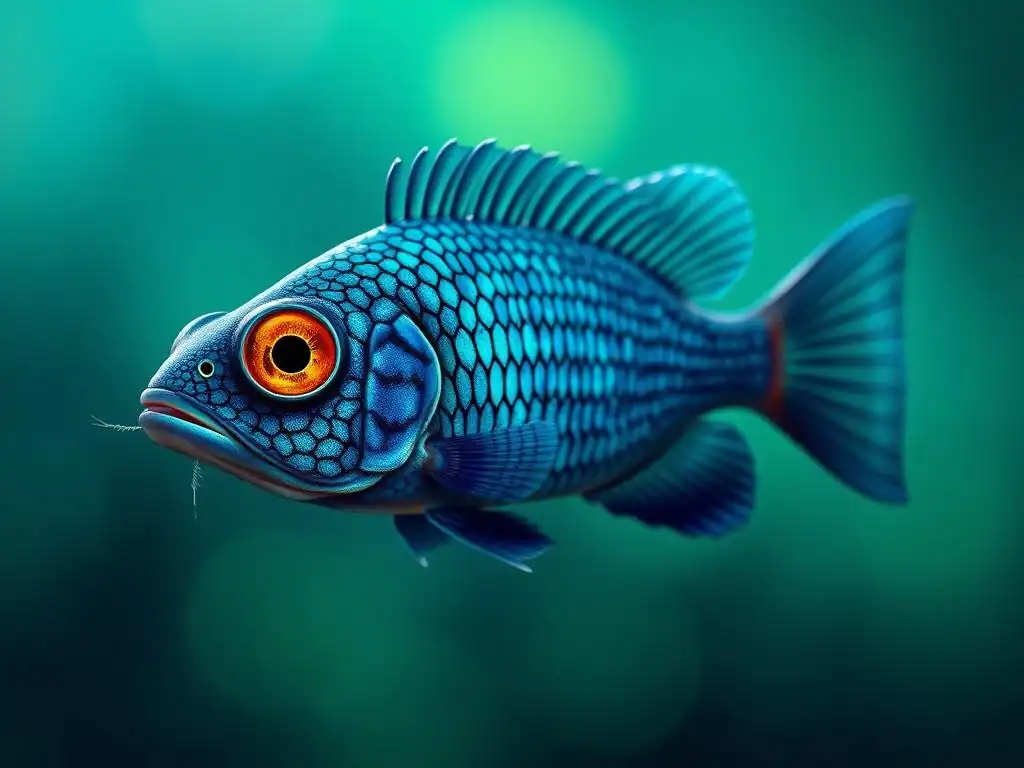
Paracyprichromis nigripinnis, often simply called "Black Fin Cyprichromis," is characterized by its slender, elongated body, typically reaching an adult size of about 3 to 4 inches (7.5 to 10 cm). The most defining feature, and the origin of its name, is the striking black coloration of its dorsal, anal, and caudal fins, which provides a stark contrast to its body color. This body coloration can vary significantly depending on the collection point in Lake Tanganyika, ranging from iridescent blues (e.g., "Blue Neon") and purples to yellows and even a more subdued silver.
Males are generally more vibrant and larger than females, especially when displaying during breeding, showcasing intense iridescence. Females tend to be more uniformly silver or light brown. The distinct black fins, however, remain a consistent and reliable identifier across all geographical variants, setting them apart visually from many Cyprichromis species where black fins are less universally prominent or entirely absent.
Natural Habitat and Behavior of Paracyprichromis nigripinnis
In their natural environment, Paracyprichromis nigripinnis inhabit the rocky, open-water zones of Lake Tanganyika, often found near vertical rock faces, caves, or overhangs. They are pelagic cichlids, meaning they primarily live in the open water column, feeding on zooplankton. Unlike many rock-dwelling cichlids, P. nigripinnis do not typically hide within rock crevices but instead use the structure for orientation and refuge from larger predators.
These fish are highly social and form large, loose shoals in the wild, sometimes numbering in the hundreds. This shoaling behavior is crucial for their well-being in the aquarium, providing security and reducing stress. While generally peaceful, males will establish small, temporary territories in the water column during breeding, defending them against rival males but typically ignoring other species unless highly stressed.
Paracyprichromis nigripinnis Care Requirements: A Comprehensive Guide
Optimal Tank Size for Paracyprichromis nigripinnis
Given their shoaling nature and need for open swimming space, Paracyprichromis nigripinnis require a spacious aquarium. A minimum tank size of 55 gallons (approximately 208 liters) is recommended for a small group of 6-8 individuals, allowing them sufficient room to school and establish a pecking order without excessive aggression. However, a 75-gallon (284-liter) or larger tank is ideal, especially for a larger shoal of 10 or more, providing ample length and depth for their characteristic open-water movement.
The tank dimensions should prioritize length and depth over height, offering more horizontal swimming room. While they appreciate tall tanks, they don't utilize the very top or bottom as much as mid-water. Providing some vertical rock structures or PVC pipes can offer visual breaks and a sense of security, mimicking their natural cliff-side habitats.
Water Parameters Crucial for Paracyprichromis nigripinnis Health
Maintaining stable and pristine water parameters is paramount for the health of Paracyprichromis nigripinnis. They thrive in conditions that closely mimic Lake Tanganyika:
- Temperature: 76-80°F (24-27°C)
- pH: 7.8-8.5
- General Hardness (GH): 10-20 dGH
- Carbonate Hardness (KH): 10-18 dKH
Excellent filtration, including mechanical, biological, and chemical media, is essential. Regular water changes of 20-30% weekly are crucial to keep nitrates low and maintain water purity, which is a key aspect of meeting Paracyprichromis care requirements aquarists should prioritize. These fish are sensitive to fluctuating parameters and accumulated pollutants, making consistency vital for their long-term well-being.
Diet and Feeding Strategies for Paracyprichromis nigripinnis
As planktivores, Paracyprichromis nigripinnis primarily feed on small organisms suspended in the water column. In the aquarium, their diet should consist of high-quality, finely crushed flake foods and small pellets formulated for cichlids, supplemented with a variety of frozen or live foods. Excellent choices include cyclops, daphnia, and enriched brine shrimp, all of which mimic their natural prey size.
It's advisable to feed them small amounts multiple times a day (2-3 times) rather than one large meal. This approach not only mimics their natural continuous feeding behavior but also helps prevent digestive issues and keeps the water cleaner. Overfeeding can quickly degrade water quality and lead to health problems like bloat, so moderation is important.
Tank Mates for Paracyprichromis nigripinnis: Compatibility Considerations
Choosing appropriate tank mates is vital for the tranquility and health of Paracyprichromis nigripinnis. They are generally peaceful cichlids that do best with other Tanganyikan species that are not overly aggressive or boisterous. Compatible tank mates include other pelagic species like Cyprichromis (if tank size is sufficient and species are carefully chosen to avoid hybridization if breeding is not desired), as well as rock-dwelling cichlids such as Julidochromis, Altolamprologus, and smaller Neolamprologus species (e.g., N. brichardi or N. pulcher).
Avoid housing them with highly aggressive or territorial cichlids that might outcompete them for food or stress them unnecessarily. Fish that occupy different water levels or niches in the tank are ideal, as this reduces competition for space and resources. Maintaining a healthy male-to-female ratio, ideally with more females than males (e.g., 1 male to 3-5 females), helps distribute aggression and reduce stress within the shoal.
Breeding Paracyprichromis nigripinnis: A Challenge for Dedicated Aquarists
Breeding Paracyprichromis nigripinnis in the aquarium can be a rewarding experience, though it often requires patience and specific conditions. They are maternal mouthbrooders, meaning the female carries the eggs and fry in her mouth until they are free-swimming. Males will display vibrant colors and attempt to entice females into their chosen spawning sites, which are typically open areas in the water column, often near vertical rockwork.
Successful breeding hinges on pristine water quality, a stable environment, and a healthy, well-fed group of fish, preferably with multiple females per male. Females typically hold broods for about 21-28 days, depending on temperature, and can release 10-30 fry. The fry are relatively large at birth and can be fed newly hatched brine shrimp or finely crushed flake food. Providing ample hiding spots for the holding female and eventually for the fry can increase their survival rate.
Cyprichromis: Exploring the Genus for Aquarium Enthusiasts
Diversity Within the Cyprichromis Genus: A Range of Species
The Cyprichromis genus encompasses a diverse group of pelagic cichlids from Lake Tanganyika, renowned for their graceful swimming and striking coloration. Popular species include Cyprichromis leptosoma, C. microlepidotus, C. sp. "leptosoma jumbo", and C. coloratus, among others. These species exhibit a range of sizes, from the smaller C. leptosoma which typically reaches 3-4 inches (7.5-10 cm), to the impressive "jumbo" varieties that can grow up to 6 inches (15 cm).
Coloration is highly variable, with numerous geographical variants showcasing brilliant blues, yellows, oranges, and purples. For instance, C. leptosoma "Utinta" is known for its yellow and blue hues, while C. microlepidotus "Kasai" might display more silver and black. Despite this diversity, all Cyprichromis share a characteristic elongated, torpedo-shaped body adapted for their open-water existence, often holding a unique vertical orientation in the water column.
Cyprichromis are quintessential shoaling fish, forming massive aggregations in their natural habitat, sometimes numbering in the thousands. This strong schooling instinct is vital for their security and well-being in the aquarium; they should always be kept in groups of at least 8-10, with larger numbers being preferable for a more natural display and reduced individual stress. They are active swimmers, constantly moving in the mid-to-upper levels of the tank.
Males of Cyprichromis species exhibit a unique breeding behavior known as "lekking," where they establish and defend temporary territories in the open water column. These leks are areas where males display their vibrant colors and attempt to attract females. While generally peaceful towards other species, male Cyprichromis can show territorial aggression towards rival males of their own kind, especially during breeding periods. Their characteristic vertical orientation, whether head-up or head-down, is a common sight and part of their natural behavior.
Essential Cyprichromis Care Guidelines for Aquarists
Setting Up the Ideal Cyprichromis Tank Environment
To replicate their natural environment, Cyprichromis require a tank with ample open swimming space. For a shoal of smaller Cyprichromis species like C. leptosoma, a 75-gallon (284-liter) tank is a good starting point. For larger "jumbo" varieties or a more extensive shoal, a 125-gallon (473-liter) or even 180-gallon (681-liter) tank is highly recommended. The tank should ideally be taller than it is wide to accommodate their vertical swimming habits and allow for the establishment of male territories.
While open water is key, providing some vertical rock structures or tall decor at the back or sides of the tank can offer visual breaks, a sense of security, and areas for females to retreat. Good water circulation is also beneficial, mimicking the gentle currents of their natural habitat.
Maintaining Water Quality for Cyprichromis Health
Like all Tanganyikan cichlids, Cyprichromis demand consistently high water quality. The ideal parameters are identical to those for Paracyprichromis nigripinnis:
- Temperature: 76-80°F (24-27°C)
- pH: 7.8-8.5
- General Hardness (GH): 10-20 dGH
- Carbonate Hardness (KH): 10-18 dKH
Powerful and efficient filtration is non-negotiable. Over-filtration using canister filters or a sump system is highly recommended. Regular and substantial water changes, typically 25-35% weekly, are crucial for diluting nitrates and maintaining the stable, clean conditions these fish require. Any fluctuations in water chemistry or buildup of pollutants can quickly lead to stress and disease, making diligent maintenance a cornerstone of Cyprichromis care.
Feeding Cyprichromis: Nutritional Needs and Preferences
Cyprichromis are primarily planktivorous, feeding on microscopic organisms in the water column. Their diet in the aquarium should reflect this, consisting of high-quality, small-particle foods. Good choices include finely crushed flake foods, small sinking pellets, and a variety of frozen foods such as cyclops, daphnia, Mysis shrimp, and enriched brine shrimp. Spirulina-based foods can also enhance their coloration and provide essential nutrients.
Feeding small amounts several times a day is the optimal strategy, mirroring their continuous feeding in the wild. This approach helps ensure all fish in the shoal get adequate nutrition and prevents overfeeding, which can lead to water quality issues. A varied diet is key to promoting vibrant coloration and overall health in Cyprichromis.
Cyprichromis Tank Mates: Choosing Compatible Species
Cyprichromis are generally peaceful inhabitants of a Tanganyikan community tank, provided their specific needs are met. Ideal tank mates are other Tanganyikan cichlids that are not overly aggressive and occupy different levels of the aquarium. This includes various Julidochromis species, Altolamprologus species, and some Neolamprologus species like N. leleupi or N. brichardi. Shell-dwelling cichlids like Neolamprologus multifasciatus can also be compatible as they inhabit the very bottom.
It's important to avoid highly territorial or aggressive cichlids that might harass or outcompete Cyprichromis. When mixing different Cyprichromis species, caution is advised, as hybridization can occur, and some species may exhibit inter-species aggression, especially in smaller tanks. Providing ample space and a good male-to-female ratio (e.g., 1 male to 3-5 females) within the shoal helps maintain peace.
Breeding Cyprichromis: Understanding Their Unique Reproductive Strategies
Breeding Cyprichromis in captivity is a common and rewarding endeavor for aquarists. They are maternal mouthbrooders, with the female carrying the eggs and fry in her buccal cavity. Their breeding ritual is fascinating: males establish and defend open-water territories, or "leks," where they display their vibrant colors to attract females. Spawning occurs in the open water, with the female depositing eggs and immediately picking them up before the male fertilizes them.
Females typically hold their brood for approximately 3-4 weeks, depending on water temperature, after which they release fully formed, free-swimming fry. A single female can produce a brood of 10-30 fry, which are large enough to immediately consume newly hatched brine shrimp or finely crushed flake food. Providing a calm, well-established tank with stable parameters and plenty of hiding spots for the holding female is crucial for successful brooding and fry survival.
Paracyprichromis nigripinnis vs. Cyprichromis: A Comparative Analysis for Aquarium Hobbyists
Key Differences in Appearance and Size Between Paracyprichromis nigripinnis and Cyprichromis
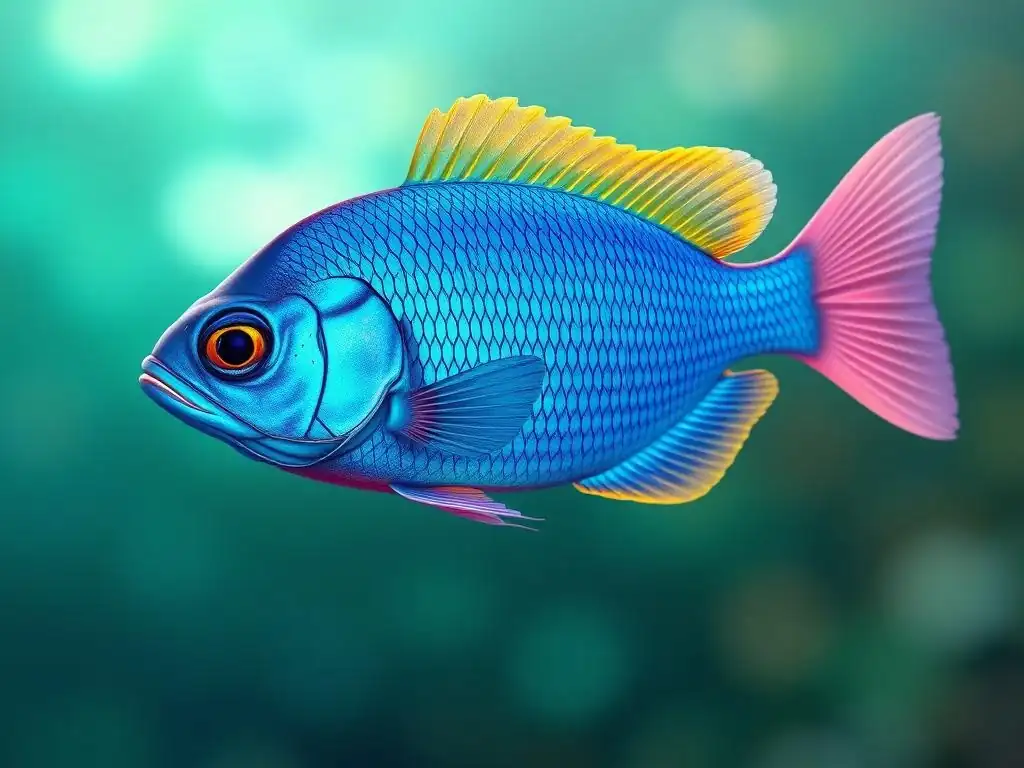
While both genera are slender, elongated, and often referred to as "featherfins," distinct visual cues differentiate them. Paracyprichromis nigripinnis is uniquely identified by its prominent, consistently black dorsal, anal, and caudal fins, regardless of its body coloration. This characteristic is so defining that "nigripinnis" literally means "black fin." They generally remain a more uniform size, typically 3-4 inches (7.5-10 cm) as adults.
In contrast, Cyprichromis species exhibit a broader range of fin colorations, with black fins being less universal or pronounced. Many Cyprichromis species display clear, yellow, or blue fins, often matching their body coloration. Cyprichromis also vary more significantly in adult size, from the smaller C. leptosoma (3-4 inches) to the larger "jumbo" variants like C. sp. "leptosoma jumbo", which can reach up to 6 inches (15 cm). Their body shape might also appear slightly more robust than the generally more delicate Paracyprichromis.
Behavioral Variations: Paracyprichromis nigripinnis vs. Cyprichromis
Behaviorally, both are shoaling pelagic cichlids, but Cyprichromis tend to be more active open-water swimmers. They are known for their distinct vertical orientation, often hovering head-up or head-down in the water column, and establishing more defined open-water "leks" for breeding. Their shoals are typically more tightly knit and constantly in motion within the mid-to-upper tank levels.
Paracyprichromis nigripinnis, while still shoaling, are generally shyer and often prefer to hover closer to vertical rock structures or tank decor, utilizing them for a sense of security. Their territorial displays during breeding are typically less elaborate and confined than the overt lekking behavior seen in many Cyprichromis species. They might not exhibit the strong vertical orientation as consistently as Cyprichromis do.
Comparing Paracyprichromis nigripinnis and Cyprichromis Care Requirements
Water Chemistry: Specific Needs of Each Genus
When it comes to water chemistry, the Paracyprichromis care requirements aquarists will face are virtually identical to those for Cyprichromis. Both genera originate from Lake Tanganyika and require hard, alkaline water with stable parameters. The ideal ranges for temperature (76-80°F), pH (7.8-8.5), GH (10-20 dGH), and KH (10-18 dKH) are consistent for both.
The critical factor for both is not specific differences in these ranges, but rather the stability and purity of the water. Both Paracyprichromis and Cyprichromis are highly sensitive to sudden changes in parameters and the accumulation of nitrates or other pollutants. Therefore, excellent filtration and regular, consistent water changes are equally paramount for both genera.
Tank Size and Setup: Tailoring Environments for Paracyprichromis and Cyprichromis
While both require ample open swimming space and benefit from taller tanks, there are subtle differences in optimal setup. For Paracyprichromis nigripinnis, a minimum of 55-75 gallons (208-284 liters) is generally sufficient for a small shoal, with a preference for tanks that offer vertical rock structures or pipes for a sense of security and occasional refuge. They will utilize the mid-to-upper water column.
Cyprichromis, especially the larger species or larger shoals, often benefit from even more generous tank sizes, with 75-125 gallons (284-473 liters) being a common recommendation for a thriving group. Due to their more pronounced vertical orientation and lekking behavior, a taller tank (e.g., 24 inches or more in height) can be particularly beneficial for Cyprichromis, allowing them to fully express their natural behaviors. Both appreciate clear, open water with minimal clutter in the central swimming areas.
Dietary Differences: Meeting the Nutritional Needs of Paracyprichromis and Cyprichromis
There are no significant dietary differences between Paracyprichromis nigripinnis and Cyprichromis. Both are planktivores and thrive on a diet of high-quality, small-particle foods. This includes finely crushed flakes, small pellets, and a variety of frozen foods like cyclops, daphnia, and enriched brine shrimp.
The key for both is providing a varied diet to ensure complete nutrition and enhance their natural coloration. Regular, small feedings multiple times a day are more effective and healthier than infrequent, large meals, mimicking their continuous grazing on zooplankton in the wild. Ensuring that the food is small enough for their relatively small mouths is also crucial.
Breeding Considerations: Contrasting Reproductive Behaviors
Both Paracyprichromis nigripinnis and Cyprichromis are maternal mouthbrooders, with the female carrying the eggs and fry in her mouth. However, their breeding behaviors differ slightly. Cyprichromis are well-known for their elaborate open-water lekking, where males establish and vigorously defend distinct vertical territories to attract females. Spawning occurs mid-water, and females typically hold broods of 10-30 fry.
Paracyprichromis nigripinnis also engage in open-water spawning, but their male display and territoriality tend to be less overt and more subtle than Cyprichromis. They may use vertical rock faces or specific areas within the water column as their spawning sites. Breeding Paracyprichromis can sometimes be slightly more challenging to initiate consistently in captivity due to their generally shyer nature, requiring a very stable and low-stress environment.
Choosing Between Paracyprichromis nigripinnis and Cyprichromis for Your Aquarium
Factors to Consider When Selecting Between Paracyprichromis and Cyprichromis
When deciding between Paracyprichromis nigripinnis and Cyprichromis for your Tanganyikan setup, several factors should guide your choice:
- Tank Size and Dimensions: If you have a very tall tank, Cyprichromis might be a better fit to fully appreciate their vertical swimming and lekking behavior. For tanks with more length than height, both can thrive, but Paracyprichromis might feel more at home with vertical rockwork.
- Desired Activity Level: Cyprichromis are generally more active and constantly in motion, providing a dynamic display. Paracyprichromis are typically a bit more reserved, though still active shoaling fish.
- Aesthetic Preference: Do you prefer the distinct black fins of P. nigripinnis or the wider variety of body and fin colorations found across the Cyprichromis genus? Consider the potential adult size of the species you choose, as "jumbo" Cyprichromis can be significantly larger.
- Breeding Goals: While both mouthbrood, Cyprichromis are often considered slightly easier to breed consistently in captivity due to their more overt lekking behavior.
Paracyprichromis nigripinnis and Cyprichromis: Suitability for Beginner vs. Experienced Aquarists
Neither Paracyprichromis nigripinnis nor Cyprichromis are typically recommended for absolute beginner aquarists. Both genera have specific Paracyprichromis care requirements aquarists need to master, including demanding pristine and stable water parameters, which can be challenging for newcomers. Their sensitivity to water quality fluctuations and stress makes them better suited for intermediate to experienced hobbyists.
Experienced aquarists who are diligent with maintenance, understand the nuances of Tanganyikan water chemistry, and can provide a spacious, stable environment will find both Paracyprichromis nigripinnis and Cyprichromis to be incredibly rewarding and captivating fish. While Paracyprichromis might be considered slightly more delicate due to their shyer nature, the overall care commitment for both genera is quite similar.
Advanced Paracyprichromis care requirements aquarists Tips and Tricks
Optimizing Water Flow and Filtration for Paracyprichromis nigripinnis Health
Optimizing water flow and filtration is a critical aspect of advanced Paracyprichromis care requirements aquarists should prioritize. While they don't require turbulent currents, a moderate to strong water flow, mimicking their open-water habitat, is beneficial. This can be achieved using appropriately sized powerheads or ensuring strong outflow from canister filters directed to create gentle circulation throughout the tank. Aim for a total turnover rate of 5-10 times the tank volume per hour to ensure adequate oxygenation and waste removal.
Over-filtration is highly recommended for Paracyprichromis nigripinnis. This means using filtration systems that exceed the manufacturer's recommended tank size, such as large canister filters, sumps, or multiple hang-on-back filters. Utilizing a variety of filter media – mechanical for particulate removal, biological for ammonia and nitrite conversion, and chemical (like activated carbon or Purigen) for organic waste and water clarity – will ensure the pristine water quality these fish demand.
Preventing and Treating Common Diseases in Paracyprichromis nigripinnis
Prevention is the cornerstone of disease management for Paracyprichromis nigripinnis. The most common health issues arise from poor water quality, improper diet, or stress. Maintaining consistently pristine water parameters, providing a varied and appropriate diet, and ensuring a low-stress environment (e.g., ample space, compatible tank mates, appropriate male-to-female ratios) will drastically reduce disease incidence. Always quarantine new fish for at least 2-4 weeks in a separate tank to prevent introducing pathogens.
Should disease occur, common ailments include bloat (often diet-related or due to poor water quality) and Ich (white spot disease), which can be triggered by stress or sudden temperature changes. Early detection is vital. For bloat, fasting the fish and treating with an appropriate antibiotic (e.g., Metronidazole) can be effective. Ich can often be treated by slowly raising the tank temperature to 82-84°F (28-29°C) and adding aquarium salt, though chemical treatments may be necessary for severe cases. Always research and use treatments specifically safe for cichlids and sensitive fish.
Enhancing Coloration in Paracyprichromis nigripinnis Through Diet and Environment
To bring out the most vibrant coloration in Paracyprichromis nigripinnis, a multi-faceted approach involving diet and environmental factors is essential. Nutritionally, feed a high-quality diet rich in natural color enhancers like astaxanthin, found in ingredients such as krill, spirulina, and various color-enhancing flake or pellet foods. Varying the diet with live or frozen foods like cyclops and enriched brine shrimp also contributes significantly to their health and brilliance.
Environmentally, a low-stress aquarium is paramount. This means providing adequate tank size, compatible tank mates, and stable, pristine water parameters. Substrate and background color can also play a role; a darker substrate (e.g., fine black sand) and a dark background can help the fish feel more secure and cause their colors to "pop" by providing a contrasting backdrop. Strong, full-spectrum lighting that mimics natural daylight cycles can also enhance their natural iridescence.
Conclusion: Mastering the Care of Paracyprichromis nigripinnis and Cyprichromis
The captivating Paracyprichromis nigripinnis and the diverse Cyprichromis genus represent some of Lake Tanganyika's most elegant and fascinating cichlids. While both share a common pelagic lifestyle and a preference for pristine, hard, alkaline water, understanding their subtle distinctions in appearance, behavior, and specific environmental needs is the hallmark of successful aquarists. From the distinctive black fins of P. nigripinnis to the varied hues and active lekking of Cyprichromis, each offers a unique window into the rich biodiversity of their natural home.
By meticulously addressing their Paracyprichromis care requirements aquarists and Cyprichromis needs – including providing ample space, maintaining impeccable water quality, offering a varied planktivorous diet, and selecting appropriate tank mates – hobbyists can ensure these graceful cichlids not only survive but truly thrive. Mastering these elements allows for the enjoyment of their intricate social dynamics and stunning beauty, making them a truly rewarding addition to any dedicated Tanganyikan aquarium.
Frequently Asked Questions
How do Paracyprichromis nigripinnis and Cyprichromis species differ in their aquarium size requirements?
Paracyprichromis nigripinnis typically require a smaller tank, around 30 gallons or more, while Cyprichromis species generally need a larger tank, often 48 inches or longer, due to their active swimming habits.
What are the key water parameter differences to consider when caring for Paracyprichromis nigripinnis versus Cyprichromis?
Both require stable Tanganyikan water parameters, but Paracyprichromis may be slightly more tolerant of minor fluctuations. Maintaining consistent pH (around 8.0-9.0) and hardness is crucial for both.
What are the recommended dietary requirements for keeping Paracyprichromis nigripinnis and Cyprichromis healthy in an aquarium?
Both thrive on a diet of high-quality flake food, supplemented with small live or frozen foods like daphnia and brine shrimp. Avoid overfeeding to prevent water quality issues.
Paracyprichromis nigripinnis are generally more peaceful and less boisterous than Cyprichromis, making them better suited for calmer community tanks. Cyprichromis need ample space and prefer larger groups to establish a hierarchy.
What are some common health problems that aquarists might encounter when keeping Paracyprichromis nigripinnis and Cyprichromis, and how can they be prevented?
Both are susceptible to Ich and Malawi bloat, often triggered by stress or poor water quality. Preventative measures include maintaining pristine water conditions, quarantine new arrivals, and providing a balanced diet.
Final Reflection: Appreciating the Nuances of Tanganyikan Cichlids
The intricate world of Tanganyikan cichlids, especially the Paracyprichromis nigripinnis and Cyprichromis, reveals that successful aquascaping isn't just about aesthetics, but also about understanding the subtle differences in their needs. Mastering the specific care requirements of these fish is crucial for their health and longevity, transforming a simple aquarium into a thriving ecosystem. Ignoring these distinctions can lead to stress, disease, and ultimately, a diminished appreciation for these magnificent creatures.
The enduring fascination with Paracyprichromis and Cyprichromis underscores the importance of responsible fishkeeping. Our dedication to providing optimal environments for these fish reflects a broader commitment to biodiversity and conservation. In the end, we will conserve only what we love; we will love only what we understand; and we will understand only what we are taught.
- Baba Dioum. This quote highlights the critical role aquarists play in fostering understanding and appreciation for these unique species.
As you consider the information presented, remember that the journey of an aquarist is one of continuous learning and refinement. Let the knowledge of Paracyprichromis nigripinnis care requirements empower you to create a truly exceptional aquarium, one that not only showcases the beauty of these fish but also contributes to their well-being. Embrace the challenge, and may your aquarium flourish as a testament to your dedication and understanding.
Dive Deeper into Tanganyikan Cichlids!
Thank you for exploring the fascinating world of Paracyprichromis nigripinnis and Cyprichromis! Now that you're equipped with key distinctions, let's translate that knowledge into action and enhance your aquarium experience.
Here are some ways to take your understanding further:
- Start a journal to meticulously document your Paracyprichromis or Cyprichromis behavior, noting any subtle differences you observe. This could become a valuable resource for other aquarists!
- Consider expanding your knowledge by researching the specific dietary needs of these species and experimenting with live food options to observe their natural feeding behaviors.
- Join the Aquarium Mastery community forum to share your experiences, ask questions, and connect with fellow Tanganyikan cichlid enthusiasts.
What surprising behavior have you witnessed in your Paracyprichromis or Cyprichromis that you'd love to share with other hobbyists?