
Pearl Gourami Tank Mates: Building a Peaceful MultiSpecies Haven

Welcome to Aquarium Mastery!
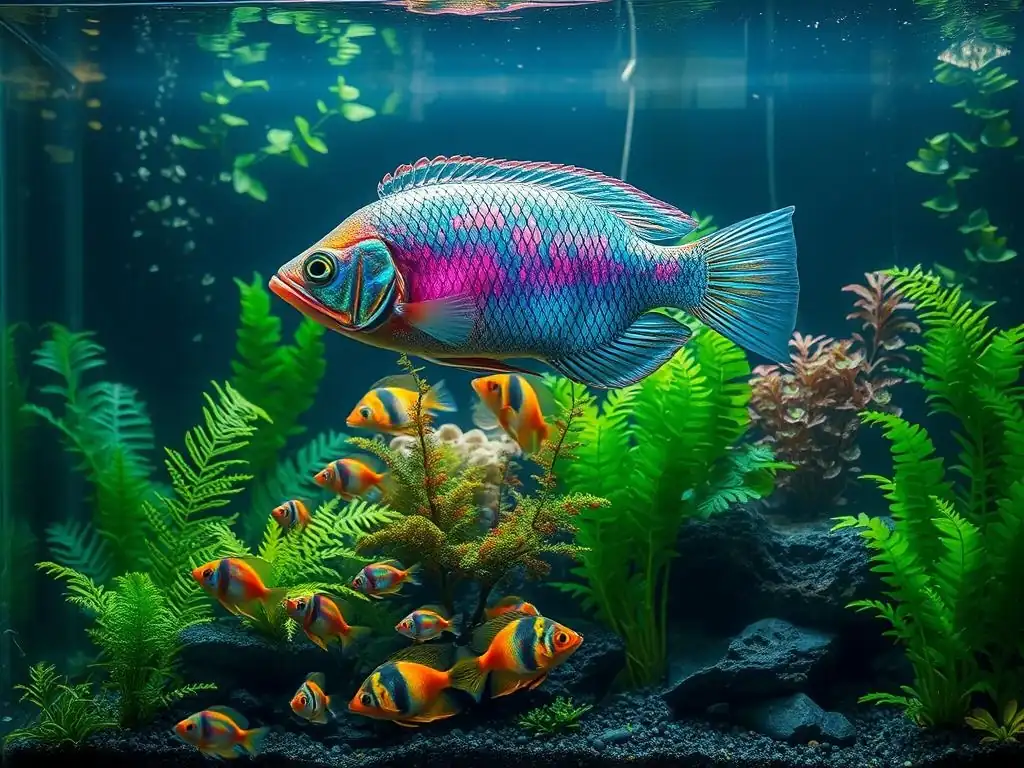
Dive into the fascinating world of peaceful coexistence! Are you captivated by the serene beauty of the Pearl Gourami and eager to create a thriving multi-species aquarium? This guide explores everything you need to know about Pearl Gourami compatible tank mates, helping you build a harmonious underwater haven. Curious which fish will thrive alongside your gourami? Let's explore the possibilities and unlock the secrets to a balanced and beautiful freshwater ecosystem!
- Understanding Pearl Gourami Temperament for Successful Tank Mates
- Best Pearl Gourami Compatible Tank Mates: A Comprehensive Guide
- Tank Mates to Avoid with Pearl Gouramis
- Creating the Ideal Environment for Pearl Gouramis and Their Tank Mates
- Feeding Your Pearl Gouramis and Their Tank Mates
- Maintaining a Peaceful and Healthy Pearl Gourami Community
- Troubleshooting Common Issues in Pearl Gourami Community Tanks
-
Frequently Asked Questions
- What are the key considerations when choosing Pearl Gourami compatible tank mates?
- What types of fish should not be kept with Pearl Gouramis?
- What are some good examples of peaceful fish that are compatible with Pearl Gouramis?
- How does tank size affect the selection of compatible tank mates for Pearl Gouramis?
- Are there any invertebrates that make good tank mates for Pearl Gouramis?
- Final Reflection: Cultivating Harmony in the Aquarium
- Dive Deeper: Design Your Dream Community Tank!
Understanding Pearl Gourami Temperament for Successful Tank Mates
Assessing Pearl Gourami Behavior: A Key to Peaceful Community Tanks
Pearl Gouramis ( Trichopodus leerii) are renowned for their remarkably peaceful and somewhat shy disposition, making them an excellent candidate for community aquariums. Unlike some of their more boisterous or territorial anabantoid relatives, these fish exhibit graceful, slow movements, often exploring their environment with their long, sensitive ventral fins, which act as sensory organs.
They are labyrinth fish, meaning they possess a specialized organ that allows them to breathe atmospheric air, so you will frequently observe them rising to the surface for a gulp of air. Adults typically reach a size of 4.5 to 5 inches (approximately 11-13 cm) and can live for 4 to 6 years with proper care, maintaining their calm demeanor throughout their lifespan.
Their gentle nature means they are easily intimidated by overly aggressive or fast-moving species. While male Pearl Gouramis might display mild territoriality towards each other, especially during breeding, this behavior is generally non-destructive in a sufficiently large and well-decorated tank. They thrive in environments with ample hiding spots and dense vegetation, which reduces stress and encourages their natural behaviors. Observing these inherent traits is crucial when selecting Pearl Gourami compatible tank mates, as their delicate fins and serene temperament require companions that will not harass or outcompete them.
Pearl Gourami Compatibility: What to Look for in Potential Tank Mates
Successful Pearl Gourami compatibility hinges on selecting fish that share similar requirements and temperaments. The ideal Pearl Gourami compatible tank mates should be peaceful, non-aggressive, and not prone to fin-nipping. Fish that are excessively boisterous or fast swimmers can easily stress Pearl Gouramis, leading to a suppressed immune system, reduced feeding, and increased susceptibility to common aquarium diseases like ich or fin rot. Therefore, avoiding species that are known for high activity levels or territorial disputes is paramount.
When considering Pearl Gourami compatible tank mates, look for species that occupy different levels of the water column to minimize competition for space and food. Calm, mid-water swimmers or peaceful bottom dwellers are often excellent choices. Additionally, ensuring that potential companions can thrive within the same water parameters (pH 6.0-7.5, GH 5-15 dGH, temperature 75-82°F or 24-28°C) as Pearl Gouramis is essential for the long-term health and stability of the entire community. This careful selection process ensures a harmonious environment where all inhabitants, especially your Pearl Gouramis, can flourish.
Best Pearl Gourami Compatible Tank Mates: A Comprehensive Guide
Peaceful Bottom Dwellers for Pearl Gourami Aquariums
Introducing peaceful bottom-dwelling fish is an excellent strategy for creating a balanced multi-species aquarium with Pearl Gouramis. These fish primarily inhabit the lower strata of the tank, effectively utilizing space that Pearl Gouramis typically don't frequent as much, thereby minimizing direct competition. They often act as natural clean-up crews, sifting through the substrate for uneaten food particles, which contributes to overall tank cleanliness.
The key characteristics of suitable bottom-dwelling Pearl Gourami compatible tank mates include a non-aggressive nature, a preference for soft substrates (to protect their delicate barbels), and a generally calm disposition that won't startle the more serene Pearl Gouramis. Providing ample hiding spots in the form of caves, driftwood, or dense low-lying plants will make these bottom dwellers feel secure and encourage their natural behaviors.
Corydoras Catfish: A Popular Choice for Pearl Gourami Tanks
Corydoras catfish, often simply called "Corys," are among the most popular and suitable Pearl Gourami compatible tank mates. These small, armored catfish are incredibly peaceful, social, and active bottom dwellers. They are schooling fish and should be kept in groups of at least six individuals to thrive and exhibit their natural behaviors, such as sifting through the substrate for food. Popular species like the Bronze Cory ( Corydoras aeneus), Peppered Cory ( Corydoras paleatus), and Panda Cory ( Corydoras panda) typically grow to about 2-3 inches (5-7.5 cm) and integrate seamlessly into a Pearl Gourami community.
Kuhli Loaches: Providing Activity and Interest without Aggression
Kuhli Loaches ( Pangio kuhlii) are unique, eel-like bottom dwellers that make excellent Pearl Gourami compatible tank mates. Known for their shy, nocturnal, and secretive nature, they spend much of their day hiding among plants, driftwood, or buried in a soft sand substrate. Despite their reclusive tendencies, they can be quite active and entertaining once comfortable, especially during feeding times or in the evening.
They are entirely peaceful, grow to about 3-4 inches (7.5-10 cm), and pose no threat to Pearl Gouramis or their delicate fins. Like Corys, they are social and should be kept in groups of at least three, though larger groups (6+) are preferable.
Mid-Level Tank Mates that Thrive with Pearl Gouramis
Mid-level tank mates are crucial for populating the central water column, where Pearl Gouramis also spend a significant amount of their time. The challenge is to select species that will not directly compete with or stress the gouramis. The goal is to find fish that are active enough to add interest to the tank but not so boisterous that they overwhelm the Pearl Gouramis.
Ideal mid-level Pearl Gourami compatible tank mates are typically schooling fish with a peaceful temperament. They should swim calmly and predictably, avoiding sudden darting movements that could startle the gouramis. Furthermore, ensuring they are not prone to fin-nipping is a critical consideration, as Pearl Gouramis have long, flowing ventral fins that are susceptible to damage.
Tetras: Adding Color and Movement to Your Pearl Gourami Tank
Tetras are a vast and diverse group of small, schooling fish, many of which are excellent Pearl Gourami compatible tank mates. Their vibrant colors and active schooling behaviors add dynamic visual appeal to the aquarium.
Cardinal Tetras: A Vibrant and Peaceful Option
Cardinal Tetras ( Paracheirodon axelrodi) are perhaps one of the most stunning and peaceful schooling fish available. Growing to about 1.5-2 inches (3.8-5 cm), their brilliant red and blue stripe makes them stand out. They are very peaceful and prefer to be in large schools of 6-10 or more individuals, which helps them feel secure and reduces any potential shyness. Their calm swimming style and non-aggressive nature make them perfect companions for Pearl Gouramis.
Ember Tetras: Small and Hardy Companions
Ember Tetras ( Hyphessobrycon amandae) are tiny, yet incredibly hardy and vibrant fish, reaching only about 0.8 inches (2 cm) in length. Their fiery orange coloration adds a warm glow to the mid-level of the tank. Like other tetras, they are schooling fish and should be kept in groups of 8-10 or more. Their diminutive size and peaceful disposition ensure they will not bother Pearl Gouramis, making them an excellent choice for adding movement and color without aggression.
Rasboras: Schooling Fish that Complement Pearl Gouramis
Rasboras are another excellent group of schooling fish known for their peaceful nature and suitability for community tanks. They share similar water parameter preferences with Pearl Gouramis, making them highly compatible.
Harlequin Rasboras: A Classic Community Fish
Harlequin Rasboras ( Trigonostigma heteromorpha) are a classic choice for community aquariums due to their distinctive triangular black patch and peaceful temperament. They grow up to 2 inches (5 cm) and are active, yet calm, schooling fish that should be kept in groups of at least 6. Their gentle nature and mid-water swimming habits make them ideal Pearl Gourami compatible tank mates, adding beauty and cohesion to the tank.
Espei Rasboras: A Smaller, Elegant Choice
Espei Rasboras ( Trigonostigma espei), sometimes called Lambchop Rasboras, are very similar to Harlequins but are smaller, typically reaching only about 1 inch (2.5 cm). They possess a similar copper-orange body with a distinct black mark. Their smaller size makes them suitable for slightly smaller community tanks or for those who prefer more diminutive schooling fish. They are equally peaceful and thrive in schools of 6 or more, providing elegant movement and color alongside Pearl Gouramis.
Top-Dwelling Tank Mates for a Balanced Pearl Gourami Aquarium
Incorporating top-dwelling fish can enhance the visual appeal and ecological balance of your aquarium by utilizing the upper water column. While Pearl Gouramis do visit the surface to breathe, they generally spend more time in the mid-water, allowing top dwellers to occupy their niche without significant overlap. This helps distribute the tank's bioload and activity across all levels.
When selecting top-dwelling Pearl Gourami compatible tank mates, it's crucial to ensure they are peaceful and not prone to jumping, or that your tank has a secure lid. Many surface-dwelling fish are naturally accustomed to living near the water's edge in the wild and can be prone to leaping if startled or if water quality is poor.
Hatchetfish: An Unusual and Peaceful Addition
Hatchetfish, such as the Marbled Hatchetfish, are fascinating top-dwelling fish known for their unique body shape, resembling a tiny hatchet. They spend virtually all their time at the water's surface, using their specialized pectoral fins to "fly" or glide above the water for short distances if startled or in pursuit of insects. They are peaceful and do not bother other fish, making them suitable Pearl Gourami compatible tank mates. However, a tightly fitting lid is absolutely essential to prevent them from jumping out of the tank.
Marbled Hatchetfish: A Unique Surface Dweller
The Marbled Hatchetfish ( Carnegiella strigata) is a particularly striking species of Hatchetfish, growing to about 1.5 inches (3.8 cm). Their intricate marbled pattern and silvery body make them a visually appealing addition to the very top layer of the tank. They are schooling fish and should be kept in groups of at least 6 to feel secure. Their diet consists primarily of small floating foods, and they will not compete with Pearl Gouramis for mid-water or bottom-dwelling food. Their calm surface presence ensures they are excellent, non-interfering Pearl Gourami compatible tank mates.
Tank Mates to Avoid with Pearl Gouramis
Aggressive Fish That Will Bully Pearl Gouramis
Introducing aggressive fish into a tank with Pearl Gouramis is a recipe for disaster. Pearl Gouramis are inherently peaceful and easily stressed by dominant or territorial species. Constant harassment can lead to fin damage, chronic stress, refusal to eat, and eventually, a weakened immune system that makes them highly susceptible to disease. Even seemingly minor aggression can have long-term detrimental effects on their health and lifespan.
The delicate nature of Pearl Gouramis means they cannot defend themselves effectively against persistent bullying. This stress can manifest as faded coloration, clamped fins, hiding constantly, or rapid breathing. It's imperative to avoid any fish known for their aggressive tendencies, as they will undoubtedly overwhelm the serene Pearl Gouramis and disrupt the peace of the entire community aquarium.
Cichlids: Why They're Generally Not Suitable
Many Cichlid species are highly territorial and aggressive, making them generally unsuitable Pearl Gourami compatible tank mates. While there are some exceptions (like certain Dwarf Cichlids in very large, well-structured tanks), the majority of Cichlids will view the peaceful Pearl Gouramis as targets for aggression, especially as the Cichlids grow. Their territorial instincts often lead to chasing, fin-nipping, and outright bullying, which is detrimental to the less assertive gouramis.
Jack Dempsey Cichlids: A Territorial Threat
The Jack Dempsey Cichlid ( Rocio octofasciata) is a prime example of a highly aggressive and territorial fish that should never be housed with Pearl Gouramis. Growing to a substantial size of 8-10 inches (20-25 cm), these Cichlids are known for their powerful jaws and combative nature. They will actively chase, injure, and potentially kill smaller, more peaceful fish like Pearl Gouramis. Their robust and assertive behavior is completely incompatible with the gentle disposition of Pearl Gouramis.
Fin-Nippers That Can Stress Pearl Gouramis
Fin-nipping fish pose a significant threat to Pearl Gouramis, particularly due to their long, flowing ventral fins, which can be mistaken for tempting targets. Constant nipping not only causes physical damage but also induces immense stress, making the gouramis vulnerable to secondary bacterial infections like fin rot, which can quickly become fatal if untreated.
Even if the nipping doesn't directly kill the Pearl Gourami, the chronic stress from constant harassment will severely impact its quality of life, leading to a dull appearance, reduced activity, and a compromised immune system. It's essential to identify and avoid species with a known reputation for fin-nipping when considering Pearl Gourami compatible tank mates.
Tiger Barbs: Known Fin-Nippers
Tiger Barbs ( Puntigrus tetrazona) are notorious fin-nippers and are unequivocally unsuitable as Pearl Gourami compatible tank mates. While their active schooling behavior can be attractive, their aggressive tendencies towards fish with long, flowing fins are well-documented. They will relentlessly nip at the Pearl Gourami's delicate ventral fins and even their caudal fins, causing severe stress and injury. Despite their vibrant appearance, their temperament makes them a poor choice for a peaceful community tank housing Pearl Gouramis.
Overly Active Fish That Can Outcompete Pearl Gouramis
Fish that are overly active or extremely fast swimmers can inadvertently stress Pearl Gouramis by constantly darting around the tank. While not aggressive, their high energy levels can make Pearl Gouramis feel insecure and overwhelmed. This constant movement can also lead to Pearl Gouramis being outcompeted for food, as the faster fish will consume most of the offerings before the slower-moving gouramis have a chance to feed.
Over time, this can lead to malnourishment and increased stress, impacting the gourami's overall health and vitality. It's important to select Pearl Gourami compatible tank mates that have a more moderate activity level, allowing the gouramis to swim and feed at their own pace without feeling constantly agitated.
Giant Danios: Too Active for Pearl Gouramis
Giant Danios ( Devario aequipinnatus) are a prime example of fish that are too active for a peaceful Pearl Gourami community. These robust and fast-swimming fish can reach up to 4 inches (10 cm) and are constantly on the move, darting across the tank. While generally peaceful towards fish of their own size, their ceaseless activity can be highly stressful for the more sedate Pearl Gouramis. Furthermore, their speed allows them to outcompete Pearl Gouramis for food, potentially leading to undernourishment for the gouramis.
Creating the Ideal Environment for Pearl Gouramis and Their Tank Mates
Tank Size Considerations for a Community Aquarium with Pearl Gouramis
The size of the aquarium is a critical factor for the well-being of Pearl Gouramis and their compatible tank mates. While a single Pearl Gourami can theoretically live in a 20-gallon long tank (approximately 24x12x16 inches or 60x30x40 cm), a pair or small group truly thrives in a minimum of 30-40 gallons.
For a diverse community of Pearl Gourami compatible tank mates, a 40-gallon breeder (36x18x16 inches) or a 55-gallon tank (48x13x21 inches) is often recommended. These larger volumes provide ample swimming space, allow for the establishment of territories, and dilute waste products more effectively, contributing to stable water parameters.
Adequate space is not just about gallons; it's about surface area and footprint. A longer tank offers more horizontal swimming room, which is beneficial for Pearl Gouramis and many schooling fish. Larger tanks also provide more visual barriers and hiding spots when properly aquascaped, which helps diffuse potential aggression among Pearl Gourami compatible tank mates and reduces overall stress levels for all inhabitants.
Water Parameters and Filtration for a Healthy Multi-Species Tank
Maintaining stable and appropriate water parameters is paramount for the health of Pearl Gouramis and their compatible tank mates. Ideal conditions for these fish include a temperature range of 75-82°F (24-28°C), a pH between 6.0 and 7.5, and moderate hardness (GH 5-15 dGH or 90-270 ppm). Consistency is more important than hitting exact numbers, as fluctuating parameters can cause significant stress.
A robust filtration system is essential to handle the bioload of a multi-species tank. A hang-on-back (HOB) filter or, for larger tanks, a canister filter rated for at least 2-3 times the tank volume per hour (e.g., a 55-gallon tank needing a filter rated for 110-165 GPH) is highly recommended.
Effective filtration ensures the efficient breakdown of ammonia and nitrites (which should always be at zero) and helps maintain nitrates below 20 ppm. Regular testing with a reliable liquid test kit, such as the API Freshwater Master Test Kit, is crucial for monitoring these parameters. A healthy nitrogen cycle, supported by adequate filtration and routine maintenance, creates a pristine environment where all Pearl Gourami compatible tank mates can thrive without health complications stemming from poor water quality.
Planted Aquariums: Providing Shelter and Security for All Fish
Heavily planted aquariums are exceptionally beneficial for Pearl Gouramis and their compatible tank mates. Plants offer numerous advantages: they provide essential hiding spots and visual barriers, which reduce stress and aggression among fish, especially for shy species like Pearl Gouramis. Live plants also contribute to water quality by absorbing nitrates and releasing oxygen during the day, creating a more natural and stable environment. Recommended plants include sturdy species like Java Fern ( Microsorum pteropus), Anubias ( Anubias barteri), and various Amazon Sword plants ( Echinodorus species), along with stem plants like Rotala for dense mid-ground and background cover.
Floating plants, such as Dwarf Water Lettuce ( Pistia stratiotes) or Frogbit ( Limnobium laevigatum), are particularly valuable for Pearl Gouramis. They diffuse light, creating shaded areas that mimic the gourami's natural habitat, making them feel more secure and less exposed. This sense of security encourages them to explore the tank more freely and display their natural behaviors, making a planted setup an integral part of successfully keeping Pearl Gourami compatible tank mates.
Feeding Your Pearl Gouramis and Their Tank Mates
Ensuring All Fish Get Adequate Nutrition
In a community tank with Pearl Gouramis and their compatible tank mates, providing a varied and balanced diet is crucial to meet the nutritional needs of all inhabitants. Pearl Gouramis are omnivores and readily accept high-quality flake foods, small pellets, frozen foods (like bloodworms and brine shrimp), and live foods. To ensure all fish, from bottom dwellers to top swimmers, receive adequate nutrition, it's beneficial to offer a mix of sinking pellets for Corydoras and Kuhli Loaches, mid-water flakes for Tetras and Rasboras, and floating flakes or small pellets for Pearl Gouramis and Hatchetfish.
Feeding small amounts multiple times a day (e.g., 2-3 times) rather than one large feeding helps ensure that all fish get their share and reduces the amount of uneaten food decaying in the tank. Incorporating spirulina-based flakes or blanched vegetables occasionally can also provide essential plant matter, supporting the digestive health of all Pearl Gourami compatible tank mates and enhancing their vibrant coloration.
Preventing Overfeeding in a Community Tank
Overfeeding is one of the most common pitfalls in community aquariums and can lead to a cascade of problems, including poor water quality, excessive algae growth, and health issues for the fish, such as swim bladder problems or fatty liver disease. In a tank with multiple species, it's tempting to keep adding food to ensure everyone gets enough, but this often results in more food than the fish can consume, which then decays and pollutes the water.
To prevent overfeeding, offer only what your Pearl Gouramis and their compatible tank mates can consume within 2-3 minutes. Observe their feeding habits closely; if food remains after this short period, you are likely feeding too much. Promptly remove any uneaten food to prevent it from fouling the water. Establishing a consistent feeding schedule and adhering to it, while also considering occasional fasting days (e.g., one day a week), can significantly contribute to maintaining pristine water conditions and the overall health of your Pearl Gourami community.
Maintaining a Peaceful and Healthy Pearl Gourami Community
Regular Water Changes and Tank Maintenance
Consistent and regular water changes are the cornerstone of a healthy and peaceful community aquarium for Pearl Gouramis and their compatible tank mates. A weekly or bi-weekly water change of 25-30% (depending on tank size and bioload) is generally recommended. This practice removes accumulated nitrates, replenishes essential minerals, and maintains water clarity, preventing the buildup of harmful substances. Stable water parameters, achieved through routine changes, significantly reduce stress on all fish, making them less susceptible to disease and promoting natural behaviors.
Beyond water changes, other maintenance tasks are crucial. Gravel vacuuming, especially in areas where food tends to accumulate or under decorations, removes trapped detritus and uneaten food. Filter media should be rinsed in old tank water (never tap water, which can kill beneficial bacteria) during water changes to prevent clogging without destroying the bacterial colony. Regularly wiping down the tank glass removes algae and allows for clear observation of your Pearl Gouramis and their compatible tank mates, contributing to a thriving and aesthetically pleasing environment.
Observing Fish Behavior for Signs of Stress or Aggression
Daily observation of your Pearl Gouramis and their compatible tank mates is vital for early detection of stress, aggression, or illness. Healthy Pearl Gouramis will exhibit vibrant coloration, be active yet calm, and readily explore their environment, extending their ventral feelers. Signs of stress or aggression include faded colors, clamped fins, rapid breathing, hiding excessively, erratic swimming, or physical damage like torn fins. Pay close attention to interactions between fish; look for constant chasing, nipping, or one fish consistently dominating feeding areas.
Identifying the instigator and the victim of bullying is the first step towards intervention. Sometimes, subtle behavioral changes can indicate underlying water quality issues or disease before physical symptoms appear. For instance, a sudden increase in hiding or loss of appetite among your Pearl Gouramis or their compatible tank mates warrants immediate investigation of water parameters and a closer look at the fish themselves for any signs of illness.
Quarantining New Fish Before Introducing Them to the Main Tank
Quarantining all new fish before introducing them to your main Pearl Gourami community tank is a non-negotiable best practice that protects your existing inhabitants from potential diseases and parasites. A separate, smaller "hospital" or quarantine tank (e.g., a 10-20 gallon tank) should be set up with a heater, filter, and minimal decor. New fish should be kept in this tank for a period of 2-4 weeks.
During the quarantine period, observe the new fish closely for any signs of illness, such as white spots (ich), clamped fins, labored breathing, lesions, or abnormal swimming. This time also allows the fish to acclimate to your water parameters without the added stress of integrating into an established social structure. If any disease manifests, it can be treated in the quarantine tank without exposing your healthy Pearl Gouramis and their compatible tank mates, thereby safeguarding the entire aquarium.
Troubleshooting Common Issues in Pearl Gourami Community Tanks
Dealing with Aggression or Bullying
Aggression or bullying in a Pearl Gourami community tank, though rare from the gouramis themselves, can arise from various factors: overcrowding, insufficient hiding spots, or the presence of incompatible tank mates. If you observe persistent chasing, fin-nipping, or one fish constantly harassing another, immediate intervention is necessary. First, verify the compatibility of all species in the tank. If an aggressive species has been inadvertently introduced, rehoming it might be the best long-term solution to protect your peaceful Pearl Gouramis.
For minor territorial disputes, especially between male Pearl Gouramis or during breeding, adding more plants, driftwood, or rock caves can help. These decorations break up lines of sight and create visual barriers, allowing weaker or bullied fish to escape and find refuge. Rearranging existing decor can also disrupt established territories, sometimes diffusing aggression. If aggression persists and is causing harm, temporarily separating the aggressive fish or the victim into a quarantine tank may be required before deciding on a permanent solution for your Pearl Gourami compatible tank mates.
Addressing Fin-Nipping Problems
Fin-nipping is a common issue in community tanks, particularly when Pearl Gouramis are housed with species known for this behavior, such as Tiger Barbs. The long, delicate ventral fins of Pearl Gouramis are particularly vulnerable to nipping, which can lead to stress, physical injury, and secondary infections like fin rot. If you observe fin-nipping, the first step is to identify the culprit. This often requires careful observation over several hours or days.
Once identified, the fin-nipping species should ideally be removed from the tank if they are consistently bothering your Pearl Gourami compatible tank mates. If removal is not an option, ensuring the nipping species are kept in a sufficiently large school (e.g., 8-10 individuals for Tiger Barbs) can sometimes diffuse their aggression among themselves, rather than directing it at other fish. Providing ample hiding spots for the Pearl Gouramis can also offer them refuge. Any Pearl Gouramis with damaged fins should be closely monitored and treated with appropriate medications if signs of infection (e.g., fuzziness, redness, disintegration) appear.
Managing Water Quality Issues in a Multi-Species Aquarium
Water quality issues, such as high levels of ammonia, nitrites, or nitrates, are common problems in multi-species aquariums due to the increased bioload. These issues often stem from overfeeding, insufficient filtration, or infrequent water changes. Elevated levels of these compounds can quickly stress and sicken Pearl Gouramis and their compatible tank mates, leading to disease outbreaks and even fatalities. Signs of poor water quality include cloudy water, strong odors, fish gasping at the surface, or lethargy.
Immediate action is required to rectify water quality problems. For ammonia or nitrite spikes, perform a large water change (e.g., 50% or more) immediately. Reduce feeding, and ensure your filtration system is functioning correctly, cleaning or replacing clogged media as necessary. Increasing the frequency of routine water changes and gravel vacuuming will help prevent future buildups. Regular testing with a liquid test kit is crucial for early detection and prevention, ensuring a stable, healthy environment where all your Pearl Gourami compatible tank mates can thrive.
Frequently Asked Questions
What are the key considerations when choosing Pearl Gourami compatible tank mates?
The most important factors are temperament, tank size, and water parameters. Avoid aggressive or fin-nipping fish, and ensure the tank is large enough to accommodate all species comfortably.
What types of fish should not be kept with Pearl Gouramis?
Avoid aggressive fish like large cichlids, tiger barbs, and certain types of tetras known for fin-nipping. These can stress or harm the Pearl Gourami.
What are some good examples of peaceful fish that are compatible with Pearl Gouramis?
Good choices include small, peaceful tetras like Ember Tetras or Neon Tetras, Corydoras catfish, and Rasboras. These are generally non-aggressive and won't bother your gouramis.
How does tank size affect the selection of compatible tank mates for Pearl Gouramis?
A larger tank is crucial. It provides enough space for each species to establish its own territory and reduces stress. A minimum of 20 gallons is generally recommended, but larger tanks are better.
Are there any invertebrates that make good tank mates for Pearl Gouramis?
Yes, Amano shrimp and Nerite snails are often compatible. They are peaceful and help keep the tank clean. Avoid larger, potentially aggressive invertebrates.
Final Reflection: Cultivating Harmony in the Aquarium
The exploration of Pearl Gourami compatibility transcends mere fishkeeping; it mirrors our own endeavors to build harmonious communities. Understanding the delicate balance required for a thriving multi-species aquarium reflects the broader need for empathy and informed decision-making in our interactions with the natural world and each other.
This journey into the world of Pearl Gouramis and their potential tank mates has profoundly underscored the importance of thoughtful planning and observation. Witnessing the peaceful coexistence of carefully selected species is a testament to the power of understanding individual needs and fostering an environment of mutual respect. The greatness of a nation and its moral progress can be judged by the way its animals are treated.
- Mahatma Gandhi. This quote resonates deeply, reminding us that our responsibility extends beyond our own species to encompass all living beings under our care.
As you consider the possibilities for your own aquarium, remember that creating a peaceful multi-species haven is an ongoing process of learning and adaptation. Take the knowledge you've gained here and apply it not only to your aquatic world, but also to the broader ecosystems you inhabit. Let the principles of compatibility, empathy, and mindful observation guide you in building a more harmonious and thriving world for all.
Dive Deeper: Design Your Dream Community Tank!
Thank you for exploring the fascinating world of Pearl Gourami tank mates! We hope this guide has empowered you with the knowledge to create a harmonious aquarium. Ready to put your newfound understanding into action?
- Critically assess your current setup: Evaluate your existing tank's size, filtration, and inhabitants to determine if a Pearl Gourami can thrive. This is your primary action!
- Research less common peaceful tank mates: Beyond the usual suspects, explore options like Kuhli Loaches or Otocinclus Catfish, ensuring compatibility with a Pearl Gourami's temperament and needs.
- Share your plans! Discuss your potential community tank setup on aquarium forums or social media, seeking feedback from experienced aquarists.
What unique combination of fish are you considering to complement your Pearl Gourami's elegant presence?