
Do Pearl Gouramis Eat Snails? An Unexpected Pest Control Benefit?

Welcome to Aquarium Mastery!
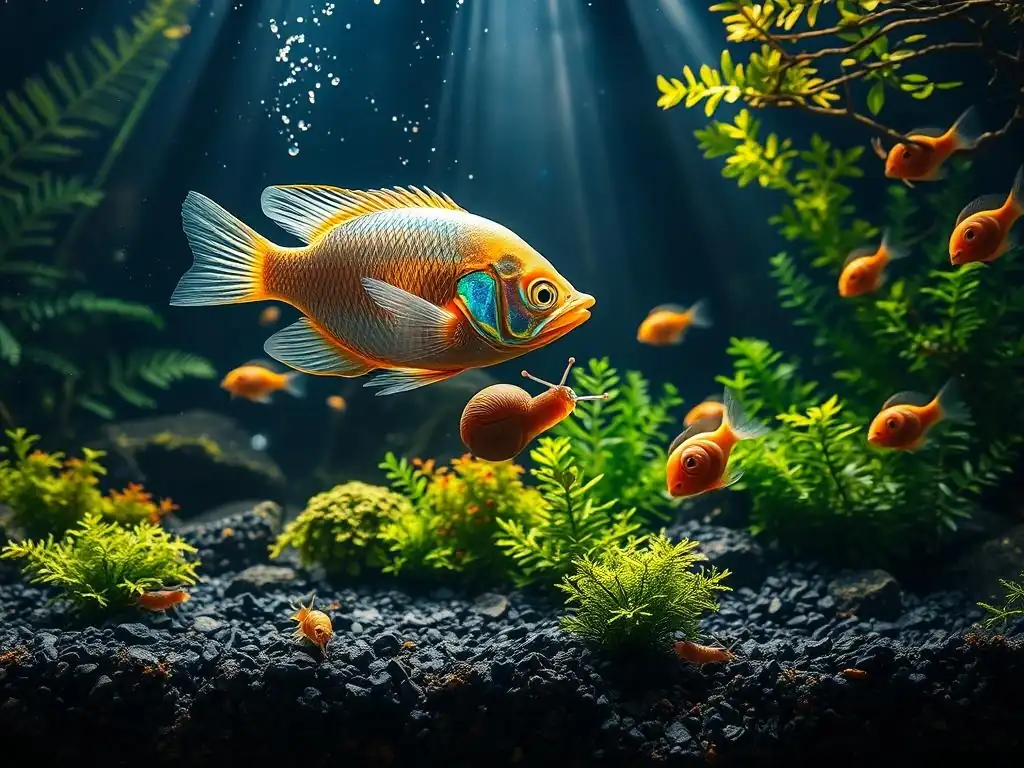
Ever wondered if your elegant Pearl Gourami could be more than just a pretty face in your freshwater tank? Dive in to discover the surprising truth about their potential snail predation habits! Could they be the secret weapon you've been looking for to control those pesky snail populations? Read on to uncover the unexpected benefits and considerations before introducing this natural pest control method to your aquarium.
- Introduction: The Pearl Gourami and Aquarium Pest Control
- Understanding Pearl Gourami Diet and Feeding Habits
- Pearl Gourami Snail Predation Habits: Fact or Fiction?
- The Role of Pearl Gouramis in Snail Population Control
- Choosing the Right Gourami for Snail Control
- Optimizing Tank Conditions to Encourage Natural Snail Predation
- Potential Risks and Considerations of Snail Predation by Pearl Gouramis
- Alternative Snail Control Methods for Aquariums
- Conclusion: Pearl Gouramis and the Snail Dilemma
- Frequently Asked Questions
- Final Reflection: The Unforeseen Harmony of Aquarium Life
- Unearth the Secrets of Your Pearl Gourami!
Introduction: The Pearl Gourami and Aquarium Pest Control
The serene and elegant pearl gourami ( Trichopodus leerii) is a popular choice among freshwater aquarists, known for its beautiful labyrinth pattern and peaceful demeanor. While often admired for its aesthetic appeal and relatively easy care, a lesser-known aspect that sometimes surfaces in aquarist discussions is their potential role in aquarium pest control, specifically concerning nuisance snails. Many aquarium enthusiasts grapple with snail infestations, and the idea of a beautiful fish naturally keeping these populations in check is certainly appealing.
This article delves into the intriguing question of whether pearl gouramis exhibit pearl gourami snail predation habits. We will explore their natural diet, typical feeding behaviors in captivity, and examine the anecdotal and observed evidence regarding their consumption of snails. Understanding the nuances of their diet is crucial for determining if these graceful fish can indeed offer an unexpected benefit in managing unwanted snail populations within a home aquarium, or if this notion is more fiction than fact.
Understanding Pearl Gourami Diet and Feeding Habits
Natural Diet of Pearl Gouramis in the Wild
In their native habitats of Southeast Asia, specifically in countries like Malaysia, Thailand, and Sumatra, pearl gouramis thrive in slow-moving or stagnant waters such as swamps, peat bogs, and canals. These environments are typically rich in decaying vegetation and offer a diverse array of small invertebrates. The natural diet of wild pearl gouramis primarily consists of zooplankton, insect larvae (like mosquito larvae), small crustaceans, and other tiny aquatic invertebrates. They are also known to consume some amount of plant matter, including algae and detritus, making them truly omnivorous.
Their specialized labyrinth organ allows them to breathe atmospheric oxygen, which is an adaptation to oxygen-poor waters. This unique physiological trait, however, does not directly influence their feeding habits but rather their ability to survive in various water conditions. Observations in their natural environment suggest an opportunistic feeding strategy, where they will consume whatever small, edible items are readily available within their foraging range.
Pearl Gouramis in Captivity: What Do They Typically Eat?
In a home aquarium setting, pearl gouramis readily adapt to a varied diet, which is essential for their health and vibrant coloration. A staple diet typically includes high-quality flake foods or small pellets, formulated for omnivorous fish. To supplement their diet and provide essential nutrients, aquarists often offer a variety of frozen foods such as bloodworms, brine shrimp, and daphnia. Live foods, when available, are also eagerly accepted and can provide excellent enrichment.
While their primary diet in captivity is commercially prepared foods and readily available frozen or live options, their innate omnivorous nature means they will investigate and occasionally consume other organic matter present in the aquarium. This adaptability to various food sources lays the groundwork for understanding their potential interaction with unexpected food items like small snails or their eggs.
The Omnivorous Nature of Pearl Gouramis: Plant and Animal Matter
The classification of pearl gouramis as omnivores means their digestive system is designed to process both animal and plant-based foods. This dietary flexibility is a key factor in their adaptability to different environments and food availability. While they predominantly favor protein-rich foods like small insects and crustaceans, they also graze on soft algae and decaying plant matter. This balanced diet is crucial for their overall health, immune system, and vibrant coloration.
When considering pearl gourami snail predation habits, their omnivorous nature suggests they could potentially consume snails or their eggs, particularly if other preferred food sources are scarce or if the snails are small enough to be considered a viable food item. However, it's important to distinguish between opportunistic grazing and active predation. Their mouth structure, while suitable for picking up small items, is not designed for crushing larger snail shells, which limits their effectiveness against mature snails.
Pearl Gourami Snail Predation Habits: Fact or Fiction?
Observing Pearl Gouramis Eating Snails: Anecdotal Evidence
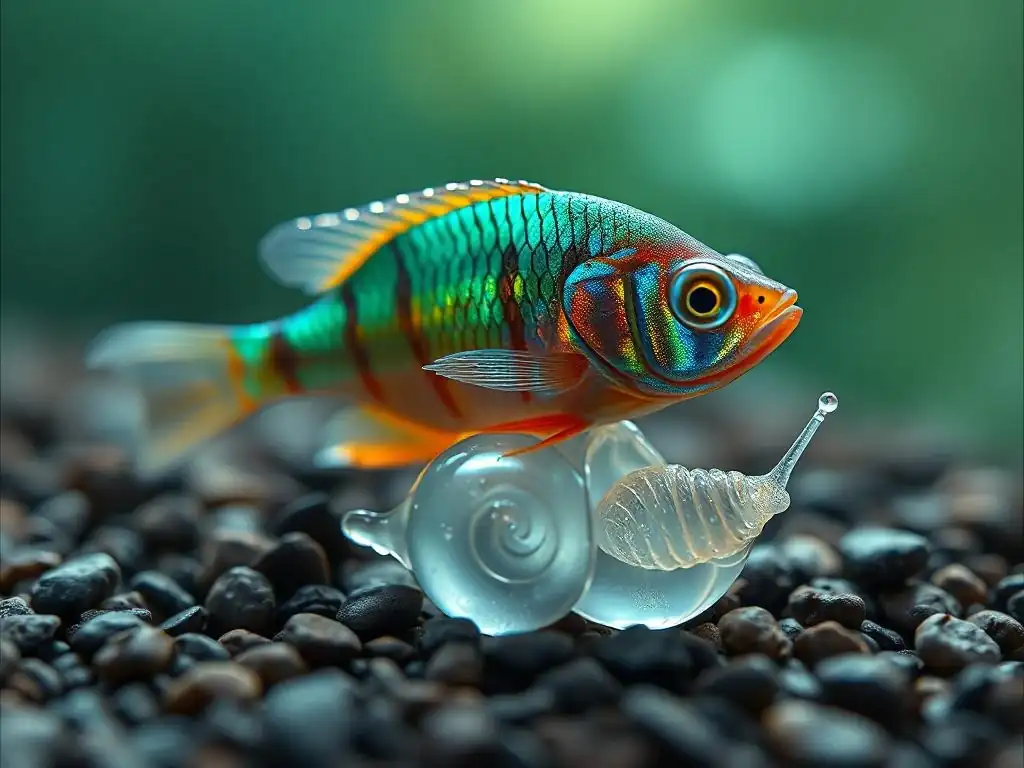
The topic of pearl gouramis eating snails often arises in online forums and discussions among aquarists, with a mix of experiences reported. Many hobbyists share anecdotal accounts of observing their pearl gouramis nipping at or consuming very small snails, particularly juvenile ramshorn or bladder snails. Some reports describe gouramis picking at snail eggs laid on tank decor or plant leaves. These observations suggest that, for some individual fish, snails can become an opportunistic food source, especially if the snails are tiny and easily consumed.
It's crucial to note that these are often isolated incidents or observations of specific fish, and not a universal behavior across all pearl gouramis. The extent of this pearl gourami snail predation habit can vary greatly depending on the individual fish's personality, its hunger levels, and the availability of other preferred foods. While not a definitive scientific study, the sheer volume of similar anecdotal reports lends some credibility to the idea that pearl gouramis can and do occasionally consume snails.
Do Pearl Gouramis Consume Snails in Aquariums?
Based on both anecdotal evidence and general understanding of their omnivorous diet, the answer is yes, pearl gouramis can and sometimes do consume snails in aquariums. However, this behavior is typically limited to very small snails, such as newly hatched juveniles or snail eggs. Adult snails, particularly species with hard shells like Malaysian Trumpet Snails or larger Ramshorn Snails, are generally too large and well-protected for a pearl gourami to effectively consume. Their mouth structure is designed for picking and grazing, not for crushing hard shells.
Therefore, while they might contribute to reducing a burgeoning population of tiny pest snails, they are not a primary solution for established snail infestations. The "pearl gourami snail predation habits" are more accurately described as opportunistic scavenging rather than active hunting. They are unlikely to actively seek out and eliminate a large number of snails, especially if their regular diet is sufficient.
The Size Factor: Which Snails Are Vulnerable to Pearl Gouramis?
The size of the snail is arguably the most critical factor determining its vulnerability to pearl gourami predation. Pearl gouramis typically grow to about 4-5 inches (approximately 10-12 cm) in length. Their mouths are relatively small, limiting them to consuming items that can be easily swallowed whole or torn into smaller pieces. This means that only the smallest of snails, typically less than 0.2 inches (0.5 cm) in diameter, are at risk.
Common pest snails like bladder snails ( Physa acuta) or pond snails ( Lymnaea stagnalis) in their juvenile stages, as well as the gelatinous egg clutches of these species, are the most likely targets. Larger snails, including adult ramshorns ( Planorbella spp.), trumpet snails ( Melanoides tuberculata), or nerite snails ( Neritina spp.), are generally safe from pearl gouramis due to their size and robust shells. Therefore, if you're hoping for significant snail control, the effectiveness of pearl gouramis is highly dependent on the snail species and its life stage.
The Role of Pearl Gouramis in Snail Population Control
Can Pearl Gouramis Help Control Snail Infestations?
While pearl gouramis do exhibit some pearl gourami snail predation habits, their capacity to control snail infestations is generally considered limited. They can contribute to keeping very small snail populations in check, primarily by consuming snail eggs and newly hatched juveniles. For instance, in an aquarium where snail eggs are frequently laid on plant leaves or glass, a pearl gourami might occasionally graze on these, thereby reducing the number of snails that mature. This can be a minor benefit in preventing a small snail problem from escalating rapidly.
However, they are not a "snail-eating fish" in the same vein as certain loaches or assassin snails. They will not clear an existing, large infestation. Their contribution is more about maintenance and prevention of a new population surge, rather than eradication of an established one. Therefore, relying solely on pearl gouramis for significant snail control is often an unrealistic expectation.
Limitations of Pearl Gouramis as a Snail Control Method
Despite their occasional pearl gourami snail predation habits, there are significant limitations to using them as a primary snail control method. Firstly, their effectiveness is highly variable; not all individual pearl gouramis will exhibit the same level of interest in snails. Some may ignore them entirely, preferring their regular diet. Secondly, as previously mentioned, they only target the smallest snails and eggs, leaving larger, breeding-age snails untouched. This means the reproductive cycle of the snails will likely continue unimpeded by the gouramis.
Furthermore, pearl gouramis are peaceful fish and should not be starved to encourage snail consumption, as this would compromise their health. Their primary dietary needs must be met with appropriate fish food. Over-relying on them for snail control can lead to inadequate nutrition for the gouramis, or conversely, if they are well-fed, their interest in snails diminishes significantly. This makes them an inconsistent and often unreliable solution for managing a pervasive snail problem.
Balancing Snail Populations: A Holistic Approach
Effective snail population control in an aquarium typically requires a holistic approach that goes beyond relying on a single fish species. The most common cause of snail explosions is overfeeding, which provides an abundant food source for snails to reproduce rapidly. Reducing the amount of food given to fish is often the first and most effective step. Ensuring all food is consumed within a few minutes prevents excess from settling and feeding snails.
Other methods include manual removal (picking snails out by hand or using a lettuce trap), reducing algae growth (another food source for snails), and, in some cases, introducing dedicated snail predators like assassin snails ( Clea helena) or certain loach species (though loaches often require larger tanks and specific care). A balanced approach, combining prevention with targeted interventions, is far more effective than hoping a pearl gourami will solve the problem single-handedly.
Choosing the Right Gourami for Snail Control
Pearl Gourami vs. Other Gourami Species: Snail Eating Comparison
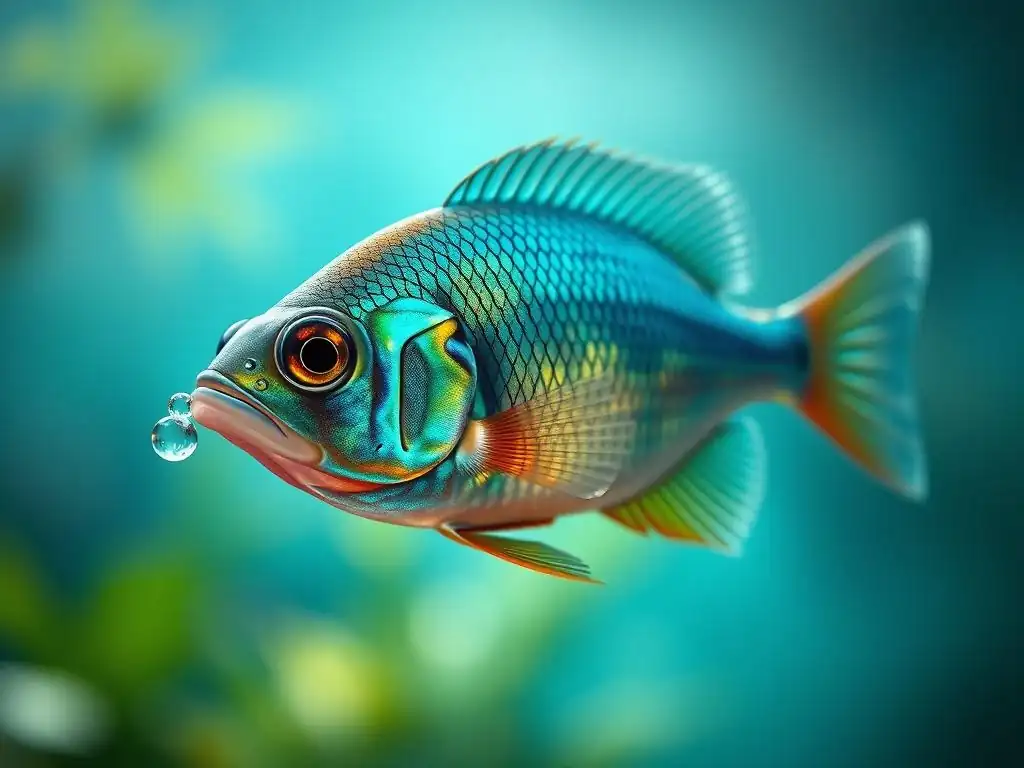
When considering gouramis for potential snail control, it's important to differentiate between species. While pearl gouramis exhibit some pearl gourami snail predation habits, other gourami species generally have varying or lesser degrees of interest in snails. Dwarf Gouramis ( Colisa lalia), for instance, are much smaller and have even smaller mouths, making them highly unlikely to consume anything but the absolute tiniest snail eggs. Their primary diet consists of small invertebrates and plant matter, but their physical limitations preclude them from being effective snail predators.
Larger gourami species like the Kissing Gourami ( Helostoma temminckii) are primarily herbivorous, using their specialized mouths to scrape algae. While they might accidentally ingest a very small snail, they are not known for active snail predation. Similarly, Moonlight Gouramis ( Trichopodus microlepis) and Blue Gouramis ( Trichopodus trichopterus) are generally not considered snail eaters. Therefore, if any gourami species shows a propensity for snail consumption, it is most consistently, albeit opportunistically, the pearl gourami, though still not a dedicated solution.
Factors to Consider When Introducing Pearl Gouramis for Snail Control: Tank Size and Tank Mates
Before considering a pearl gourami for any purpose, including potential snail control, several crucial factors must be assessed to ensure their well-being and the harmony of the aquarium. Pearl gouramis can grow to 4-5 inches and thrive in tanks of at least 20 gallons for a single fish, with larger tanks (30+ gallons) preferred for pairs or groups. Adequate space is essential to prevent stress and aggression, especially between males.
Their peaceful temperament makes them excellent community fish, but care must be taken with tank mates. They should not be housed with aggressive or fin-nipping species that could stress or harm them. Ideal tank mates include other peaceful community fish like tetras, rasboras, corydoras, and peaceful loaches. Introducing pearl gouramis solely for snail control without considering their primary needs for appropriate tank size, water parameters (pH 6.5-7.5, temperature 75-82°F), and suitable tank mates would be irresponsible and detrimental to the fish's health.
Optimizing Tank Conditions to Encourage Natural Snail Predation
Creating a Suitable Habitat for Pearl Gouramis and Snail Control
While pearl gouramis are not dedicated snail predators, creating an optimal habitat can subtly encourage their natural foraging behaviors, which might include opportunistic snail consumption. A well-planted aquarium provides ample surface area for algae growth and detritus accumulation, which are primary food sources for many pest snails. This also creates areas where snails and their eggs might be more accessible to gouramis during their natural foraging activities.
A tank with plenty of live plants and driftwood also offers hiding spots for the gouramis, reducing stress and allowing them to explore their environment more thoroughly. Stable water parameters, as previously mentioned (pH 6.5-7.5, temperature 75-82°F), are crucial for the overall health of the gouramis. A healthy, unstressed fish is more likely to exhibit natural foraging behaviors, including the occasional pearl gourami snail predation habit, than a fish under duress.
Feeding Strategies to Encourage Snail Consumption
If the goal is to encourage pearl gourami snail predation habits, subtle adjustments to feeding strategies can be considered, but with extreme caution. The most common advice is to slightly reduce the amount of prepared food given to the fish. If the gouramis are consistently well-fed with their primary diet, their motivation to seek out alternative food sources like snails will be minimal. By providing slightly less food, the fish might become more inclined to forage for other edible items in the tank, including small snails or snail eggs.
However, it is paramount not to starve the fish. Underfeeding can lead to malnutrition, weakened immune systems, and overall poor health. The reduction in food should be minor, perhaps a 10-15% decrease from their usual intake, ensuring they still receive adequate nutrition. This strategy should only be implemented if the gouramis appear healthy and are actively foraging. Observing the fish's condition and behavior is key to ensuring their well-being is not compromised in the pursuit of snail control.
Potential Risks and Considerations of Snail Predation by Pearl Gouramis
Overfeeding and Its Impact on Snail Predation
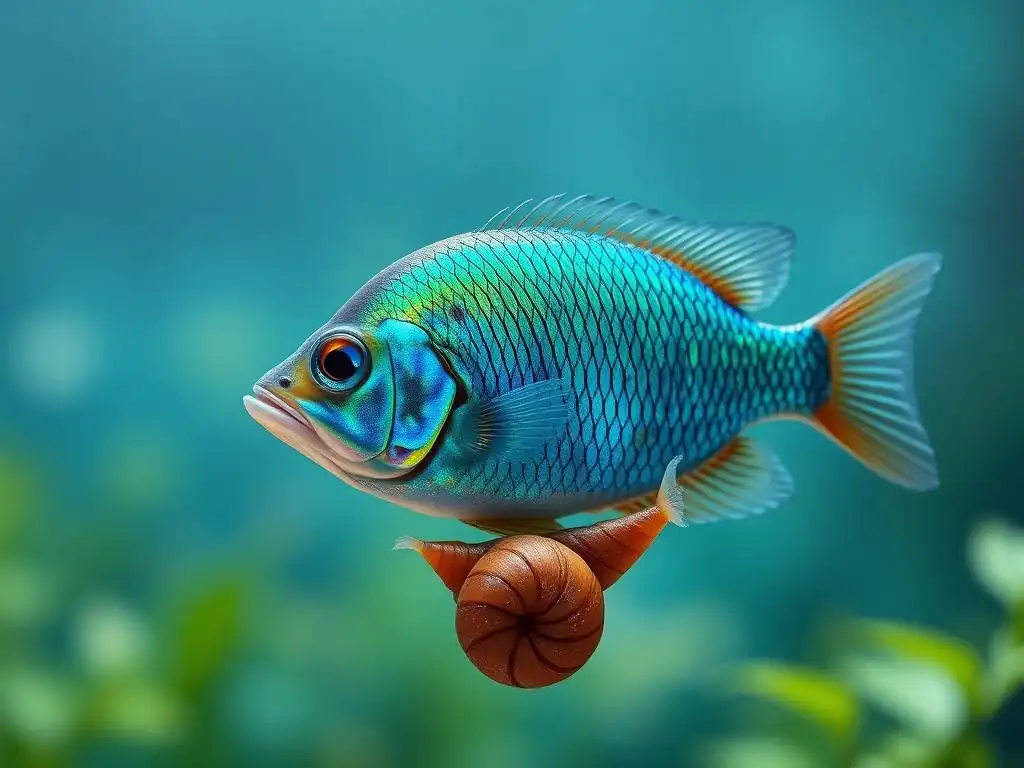
One of the most significant counterproductive factors when hoping for pearl gourami snail predation is overfeeding the aquarium. If fish are consistently fed more than they can consume within a few minutes, excess food sinks to the substrate. This uneaten food becomes a readily available and highly nutritious food source for snails, allowing their populations to boom. When snails have an abundant and easy food supply, their numbers multiply rapidly, often overwhelming any minor predation by gouramis.
Furthermore, overfed pearl gouramis will have little to no incentive to forage for snails. Their natural hunger drives them to seek food, but if their primary dietary needs are more than met by daily feedings, they will simply ignore the snails. This renders any potential pearl gourami snail predation habits null and void, and instead, the overfeeding exacerbates the snail problem, leading to poor water quality from decaying food and increased bioload.
The Ethical Considerations of Using Fish for Pest Control
Using any living creature, including fish, solely as a "pest control" tool raises ethical considerations. Introducing a pearl gourami into an aquarium with the primary intention of it eating snails, rather than providing it with a suitable environment for its own well-being and enjoying it as a pet, can be viewed as irresponsible. Fish are living beings with specific needs, and their welfare should always be the top priority for any aquarist.
A pearl gourami requires appropriate tank size, water parameters, tank mates, and a balanced diet regardless of its potential snail-eating habits. If a fish is introduced without meeting these fundamental requirements, or if it is intentionally underfed to encourage predation, it constitutes neglect. Responsible aquarium keeping emphasizes creating a healthy and thriving environment for all inhabitants, not just utilizing them for utilitarian purposes.
Ensuring the Well-being of Both Gouramis and Snails
Maintaining the well-being of all inhabitants, including the pearl gouramis and even the "pest" snails, is paramount in responsible aquarium keeping. For the gouramis, this means providing a stable, clean environment with appropriate water parameters, a varied and nutritious diet, and suitable tank mates. Their potential pearl gourami snail predation habits should be seen as a secondary, opportunistic behavior, not a primary dietary requirement or a guaranteed solution.
Even snails, often considered pests, play a role in the aquarium ecosystem by consuming algae and detritus. While their populations can become overwhelming, their complete eradication is not always necessary or desirable. If a snail population needs to be controlled, humane and effective methods should be prioritized over relying on fish that may or may not perform the task, and whose well-being could be compromised in the process. A balanced ecosystem approach benefits all inhabitants.
Alternative Snail Control Methods for Aquariums
Manual Snail Removal Techniques
For many aquarists, manual snail removal remains one of the most effective and safest methods for controlling snail populations without resorting to chemicals or relying on fish that may not cooperate. This involves physically picking snails out of the tank by hand, especially during feeding times when they become more active on the glass or substrate. Another popular manual technique is the "lettuce trap."
A blanched piece of lettuce or a slice of cucumber is placed in the tank overnight. Snails are attracted to it, and in the morning, the vegetable can be removed with a multitude of snails attached.
This method is highly effective for reducing numbers quickly and is completely safe for all other aquarium inhabitants, including plants and beneficial bacteria. For persistent infestations, this might need to be done daily for a week or two, significantly impacting the snail population without introducing any risks.
Chemical Snail Control Treatments: Risks and Benefits
Chemical snail control treatments are available in the market, often containing copper or other molluscicides. These treatments can be highly effective at eliminating snails quickly. However, they come with significant risks and should be used with extreme caution. Copper, for instance, is highly toxic to many invertebrates, including shrimp, crabs, and even beneficial snails like nerites or assassin snails that you might wish to keep. It can also be harmful to certain sensitive fish species.
Furthermore, dead snails can cause massive ammonia spikes as they decompose, potentially leading to dangerous water quality issues and harming fish. Chemical treatments can also negatively impact the beneficial bacterial colonies in the filter, leading to a "mini-cycle" and unstable water parameters. Therefore, while offering a quick solution, the potential benefits of chemical treatments often outweigh the risks, and they are generally not recommended for established community tanks.
Natural Predators: Other Fish and Invertebrates That Eat Snails
Beyond the limited pearl gourami snail predation habits, several other natural predators are much more effective at controlling snail populations. The Assassin Snail ( Clea helena) is perhaps the most popular and effective biological control. These snails actively hunt and consume other snails, including pest species, without harming fish or plants. They are relatively small, easy to care for, and reproduce slowly, preventing them from becoming a pest themselves.
Certain fish species are also known snail eaters. Loaches, particularly Clown Loaches ( Chromobotia macracanthus) and Yo-Yo Loaches ( Botia almorhae), are well-known for their voracious appetite for snails. However, these fish require specific care: Clown Loaches grow very large (up to 12 inches) and need vast tanks (100+ gallons) and group living, making them unsuitable for most home aquariums. Yo-Yo Loaches are smaller but still need at least 30 gallons and should be kept in groups of 5-6. Other options include certain pufferfish, but these are often aggressive and require species-specific tanks.
Conclusion: Pearl Gouramis and the Snail Dilemma
Pearl Gouramis: A Potential, but Limited, Solution for Snail Control
The question of whether pearl gouramis eat snails is nuanced. While anecdotal evidence and their omnivorous diet suggest that pearl gourami snail predation habits do exist, this behavior is typically opportunistic and limited to very small juvenile snails or snail eggs. They are not dedicated snail predators like assassin snails or certain loach species, and they will not clear a significant snail infestation. Their contribution to snail control, if any, is more about minor population management and prevention of rapid surges rather than eradication.
Relying solely on a pearl gourami for snail control is generally an ineffective strategy. Their primary role in the aquarium is as a peaceful, beautiful community fish, and their dietary needs should be met with appropriate, high-quality fish food. Any consumption of snails should be viewed as an incidental bonus rather than a guaranteed pest control service.
Responsible Aquarium Keeping: A Balanced Approach to Pest Management
Ultimately, responsible aquarium keeping dictates a balanced and humane approach to managing pest issues like snail overpopulation. Prevention is always the best strategy, primarily achieved by avoiding overfeeding and maintaining excellent water quality. If snail numbers become problematic, manual removal techniques are often the safest and most effective first line of defense. For persistent issues, dedicated biological controls like assassin snails offer a reliable and safe solution.
While the pearl gourami's occasional interest in snails is an intriguing aspect of their behavior, it is crucial not to misinterpret this as a comprehensive solution for snail control. Prioritizing the health and well-being of all aquarium inhabitants, including the pearl gourami itself, through proper care and a holistic approach to tank management, remains the cornerstone of successful and ethical aquarism.
Frequently Asked Questions
Do Pearl Gouramis Eat Snails?
Pearl Gouramis can eat small snails, especially when other food sources are limited. However, they are not primarily snail eaters, and their effectiveness as snail control is variable. They'll likely only target very small snails.
What size snails are Pearl Gouramis likely to eat?
Pearl Gouramis typically only prey on small snails, such as bladder snails or newly hatched snails. Larger snails like nerite snails are usually too big for them to handle.
Is a Pearl Gourami a good solution for a major snail infestation?
No, a Pearl Gourami is not a reliable solution for a major snail infestation. While they might eat a few snails, they won't eradicate the problem. Consider other methods like manual removal or snail-eating fish.
Are there risks to my Pearl Gourami if it eats too many snails?
Overconsumption of snails could lead to digestive issues in your Pearl Gourami. The snail shells can be hard to digest. Offer a varied diet to ensure their health.
Besides eating snails, what else do Pearl Gouramis eat?
Pearl Gouramis are omnivores and primarily eat flakes, pellets, and live or frozen foods like bloodworms and daphnia. A balanced diet is essential for their well-being.
Final Reflection: The Unforeseen Harmony of Aquarium Life
The exploration of pearl gourami snail predation habits reveals a fascinating intersection of nature and nurture within our aquariums. This unexpected pest control benefit highlights the intricate ecological balance that can exist even in controlled environments, demonstrating how a seemingly simple question can unlock a deeper understanding of interspecies relationships and responsible aquarium management.
The discovery that pearl gouramis might contribute to snail control underscores the importance of careful observation and continuous learning in the aquascaping hobby. This realization has profoundly shifted my perspective, reminding me that even the smallest creatures can play a significant role in maintaining a healthy ecosystem. Look deep into nature, and then you will understand everything better.
- Albert Einstein. This quote resonates deeply, urging us to appreciate the hidden complexities and interconnectedness of life, even within the confines of a glass tank.
Now, consider your own aquarium, or even your own life. Are there unexpected benefits waiting to be discovered? Are you overlooking the subtle interactions that shape your environment? Let this exploration of pearl gourami snail predation habits inspire you to look closer, to question assumptions, and to appreciate the unforeseen harmony that can arise when we embrace observation and understanding.
Unearth the Secrets of Your Pearl Gourami!
Thank you for diving into the fascinating world of Pearl Gouramis! We hope you've discovered some surprising insights into their behavior and potential benefits for your aquarium. Now it's time to take what you've learned and put it into action.
Here are some ways you can further explore the relationship between Pearl Gouramis and snails:
- Carefully observe your own Pearl Gourami's behavior in your aquarium to see if they show any interest in snails. Document your observations for a week.
- Research alternative, natural snail control methods and share your findings with fellow aquarists on forums or social media.
- Consider cultivating a small snail colony in a separate container to provide a supplemental food source for your Pearl Gourami (if you confirm they eat snails! ), ensuring a balanced diet.
What surprising behaviors have you witnessed from your Pearl Gouramis? Share your experiences in the comments below!