
Are Pearl Gouramis Hardy? Assessing Their Suitability for Your Tank

Welcome to Aquarium Mastery!
Ever wondered if the shimmering Pearl Gourami is the right fit for your freshwater aquarium? This guide dives deep into the question of Pearl Gourami care difficulty, offering a balanced assessment of their hardiness and needs. Curious to see if you're ready to unlock the secrets to keeping these beauties thriving? Let's explore what it takes to truly master Pearl Gourami care!
- Pearl Gourami Care: A Comprehensive Guide for a Thriving Aquarium
- Understanding Pearl Gourami Needs: A Comprehensive Overview
- Introducing the Pearl Gourami: Trichopodus leerii
- Essential Care Factors for Pearl Gourami Health
- Maintaining Pearl Gourami Health: Prevention and Treatment
- Breeding Pearl Gouramis: A Challenging but Rewarding Experience
- Is a Pearl Gourami Right for You? Assessing Your Readiness
- Conclusion: Ensuring a Healthy and Happy Pearl Gourami
-
Frequently Asked Questions
- How difficult is Pearl Gourami care difficulty compared to other common aquarium fish?
- What are the most crucial water parameters to maintain for healthy Pearl Gouramis?
- What type of aquarium setup is best suited for Pearl Gouramis?
- What are some common health issues that Pearl Gouramis are susceptible to, and how can I prevent them?
- What is the ideal diet for Pearl Gouramis to ensure their health and vibrant colors?
- Final Reflection: Embracing the Delicate Beauty
- Dive Deeper & Nurture Your Pearl Gourami Journey!
Pearl Gourami Care: A Comprehensive Guide for a Thriving Aquarium
Understanding Pearl Gourami Needs: A Comprehensive Overview
Pearl gouramis, scientifically known as Trichopodus leerii, are frequently lauded for their striking beauty and generally peaceful demeanor, making them a popular choice among freshwater aquarists. However, assessing the actual Pearl gourami care difficulty requires a deeper understanding of their specific environmental, dietary, and social needs. While not as demanding as some advanced species, they are also not as forgiving as common beginner fish, necessitating consistent attention to water quality and tank setup.
The perceived Pearl gourami care difficulty often stems from underestimating their requirements for stable water parameters, a well-planted environment, and appropriate tank mates. This guide aims to demystify their care, providing comprehensive information to help both novice and experienced aquarists ensure a healthy and thriving life for these elegant fish. By addressing each critical aspect of their husbandry, from water chemistry to feeding and health, we can determine their true suitability for your aquarium.
Introducing the Pearl Gourami: Trichopodus leerii
Appearance, Behavior, and Temperament
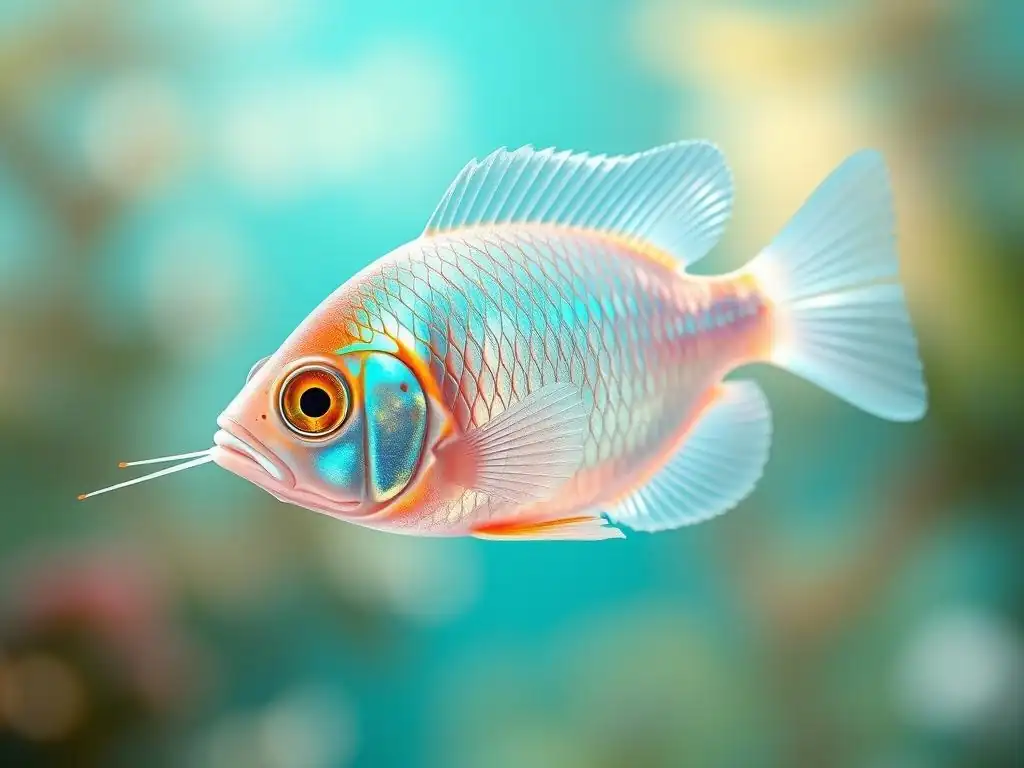
The Pearl Gourami is renowned for its captivating appearance, characterized by a shimmering, iridescent body adorned with a mosaic of pearl-like spots that extend into its fins. A distinct black line often runs from its snout to the base of its tail, contrasting beautifully with its reddish-orange ventral fins, which are modified into long, thread-like feelers used for exploring their environment. These fish typically grow to an adult size of about 4 to 5 inches (10-12.5 cm), making them a moderately sized addition to a community tank.
In terms of behavior, Pearl Gouramis are generally peaceful and somewhat shy, often preferring to spend their time gracefully navigating through dense vegetation or hovering near the water's surface. They possess a labyrinth organ, allowing them to breathe atmospheric oxygen, which is why they will occasionally dart to the surface for a gulp of air. While typically placid, males can exhibit territorial behavior during breeding or if housed in overly small tanks, which can contribute to the Pearl gourami care difficulty for beginners who might not recognize subtle signs of stress or aggression.
Natural Habitat and Replicating Their Environment
Pearl Gouramis originate from the slow-moving, heavily vegetated waters of Southeast Asia, specifically found in countries like Thailand, Malaysia, Sumatra, and Borneo. Their natural habitats include swamps, peat bogs, and forest streams, which are often characterized by soft, acidic water, dim lighting due to dense overhead canopy, and an abundance of aquatic plants, submerged roots, and leaf litter. These conditions provide ample hiding spots, foraging areas, and a sense of security for these somewhat timid fish.
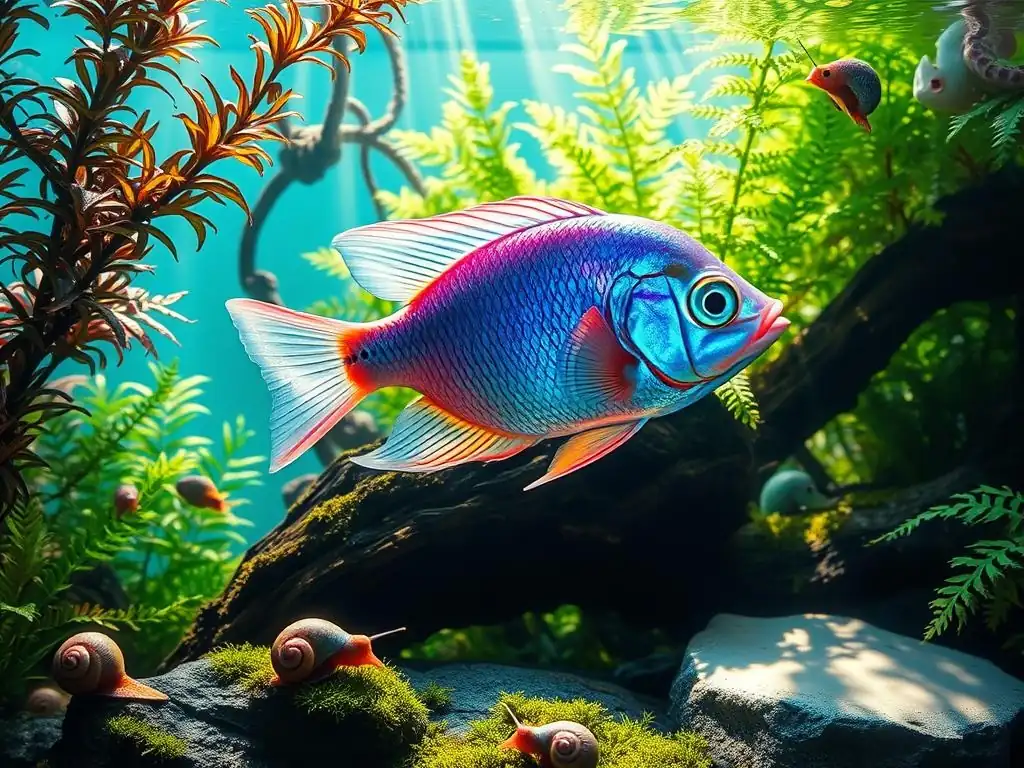
Replicating this natural environment is crucial to minimizing Pearl gourami care difficulty and promoting their well-being in an aquarium. A successful setup should include subdued lighting, achieved through floating plants or strategically placed aquarium lights. Heavy planting with a variety of live plants such as Java Fern ( Microsorum pteropus), Anubias species, and Amazon Swords ( Echinodorus amazonicus) provides the necessary cover and visual barriers. Incorporating driftwood and smooth rocks can further enhance the natural feel, offering additional hiding spots and contributing to water chemistry stability by slowly releasing tannins, mimicking the blackwater conditions they are accustomed to.
Essential Care Factors for Pearl Gourami Health
Water Parameters: Achieving and Maintaining Stability
Maintaining stable and appropriate water parameters is arguably the most critical aspect of Pearl gourami care difficulty, as fluctuations can quickly lead to stress and disease. Regular water testing with reliable kits is indispensable for monitoring pH, hardness, temperature, ammonia, nitrite, and nitrate levels. Consistency is key, as sudden changes are far more detrimental than slightly off-target but stable parameters.
A good maintenance routine, including weekly or bi-weekly water changes of 25-30%, is vital for diluting accumulated nitrates and replenishing essential minerals. For a 30-gallon tank, this would mean changing approximately 7.5 to 9 gallons of water every week. Using a gravel vacuum during water changes helps remove detritus from the substrate, further contributing to better water quality.
Ideal Temperature Range
The ideal temperature range for Pearl Gouramis is between 75-82°F (24-28°C). Maintaining a consistent temperature within this range is crucial, as significant or rapid fluctuations can severely stress the fish, weakening their immune system and making them susceptible to common aquarium diseases like Ich. A reliable submersible heater, appropriately sized for your tank volume, is essential for temperature regulation.
For example, a 30-gallon tank typically requires a 100-watt heater to maintain stable temperatures. Pairing this with a high-quality aquarium thermometer allows for accurate monitoring. During cooler months, ensuring the aquarium is not near drafty windows or air conditioning vents can also help prevent temperature drops, directly impacting the Pearl gourami care difficulty by reducing environmental stressors.
pH and Water Hardness Preferences
Pearl Gouramis thrive in a pH range of 6.0-8.0, with an ideal target between 6.5-7.5, and prefer soft to moderately hard water, typically 5-15 dGH (degrees of General Hardness). While they are somewhat adaptable, extreme deviations or rapid changes in pH and hardness can be detrimental. For instance, a sudden drop from pH 7.5 to 6.0 can cause severe osmotic shock.
If your tap water falls outside this range, methods such as using reverse osmosis (RO) water mixed with tap water can help achieve the desired softness, while adding small amounts of crushed coral or aragonite can gently raise pH and hardness if needed. Conversely, driftwood or peat can help lower pH and soften water. Regular testing, ideally weekly, allows for proactive adjustments, significantly reducing the Pearl gourami care difficulty associated with water chemistry management.
Tank Size and Setup: Creating a Suitable Habitat
The physical environment of the aquarium plays a significant role in the overall Pearl gourami care difficulty and the well-being of the fish. An appropriately sized tank with suitable furnishings provides the necessary space for swimming, exploring, and establishing territories, while also contributing to stable water parameters.
Overcrowding is a common mistake that exacerbates Pearl gourami care difficulty, leading to increased aggression, poor water quality, and heightened stress levels for all inhabitants. Thoughtful planning of the tank layout, incorporating both open swimming areas and ample hiding spots, ensures a comfortable and stimulating home for your Pearl Gouramis.
Minimum Tank Size Requirements
For a single Pearl Gourami, a minimum tank size of 20 gallons (approximately 75 liters) is recommended. However, to house a pair or a small trio (one male with two females), a tank of 30 gallons (approximately 113 liters) or larger is much more suitable. This larger volume provides ample swimming space, helps maintain more stable water parameters, and reduces potential territorial disputes, especially among males.
For instance, in a 20-gallon long tank (30 inches x 12 inches x 12 inches), a single Pearl Gourami would have sufficient horizontal swimming space, which they prefer. A 30-gallon breeder tank (36 inches x 18 inches x 12 inches) offers even more surface area and depth, which is ideal for a small group, making the Pearl gourami care difficulty more manageable by providing a less stressful environment.
The Importance of Plants and Decorations
Heavy planting is paramount for a thriving Pearl Gourami aquarium. Live plants, such as Java Fern, Anubias species, Cryptocoryne species, and particularly floating plants like Water Lettuce ( Pistia stratiotes) or Amazon Frogbit ( Limnobium laevigatum), provide vital cover, security, and break up lines of sight, which is crucial for these somewhat timid fish. For example, a 30-gallon tank might benefit from 5-7 medium-sized rooted plants and a generous covering of floating plants over 30-40% of the surface.
Beyond live plants, incorporating other decorations like driftwood, smooth rocks, and ceramic caves offers additional hiding spots and visual enrichment. Driftwood, in particular, can slowly release beneficial tannins, which mimic their natural blackwater habitats and can slightly lower pH. These elements not only enhance the aesthetic appeal of the aquarium but critically reduce stress levels, thereby lowering the Pearl gourami care difficulty associated with their overall health and temperament.
Diet and Feeding: Providing Optimal Nutrition
Proper nutrition is fundamental to the long-term health and vibrant coloration of Pearl Gouramis, and understanding their dietary needs helps mitigate Pearl gourami care difficulty related to nutritional deficiencies. As omnivores, they require a varied diet that includes both plant and animal matter to thrive.
Overfeeding is a common pitfall that can lead to various problems, including poor water quality, digestive issues, and obesity in fish. Establishing a consistent and appropriate feeding schedule is as important as the types of food offered, ensuring they receive adequate nutrients without compromising their environment.
Recommended Food Types: Flakes, Frozen, and Live Foods
Pearl Gouramis readily accept a variety of foods. A high-quality flake or small pellet food specifically formulated for omnivorous community fish should form the staple of their diet, fed daily. Look for brands that list fish meal, spirulina, and various vitamins as primary ingredients. Supplementing this with frozen foods 2-3 times per week is highly beneficial; excellent choices include bloodworms, brine shrimp, and daphnia. For example, a small cube of frozen bloodworms can be thawed and fed to a small group of gouramis.
Live foods, though not strictly necessary, offer exceptional nutritional value and enrichment, especially when conditioning fish for breeding. Options such as small insect larvae, Grindal worms, or newly hatched brine shrimp can be offered once or twice a week. Pearl Gouramis tend to prefer feeding from the water surface or mid-water column, so flakes and slow-sinking pellets are ideal. A varied diet ensures they receive all necessary vitamins and minerals, significantly reducing Pearl gourami care difficulty related to their health and longevity.
Feeding Schedule and Preventing Overfeeding
A consistent feeding schedule is crucial for the health of Pearl Gouramis. It is generally recommended to feed them 1-2 times daily, offering only small amounts that can be consumed within 2-3 minutes. For instance, for a trio of Pearl Gouramis, a pinch of high-quality flake food in the morning and another in the evening would suffice. It is always better to underfeed slightly than to overfeed.
Overfeeding is a significant contributor to poor water quality, as uneaten food decomposes, releasing ammonia and nitrites, which are highly toxic to fish. It can also lead to obesity and digestive problems in the fish themselves. Regularly observe your gouramis during feeding to gauge how much they consume. If any food remains after 3-5 minutes, reduce the portion size for the next feeding. Promptly removing any uneaten food after the feeding period helps maintain pristine water conditions, which is a critical aspect of managing Pearl gourami care difficulty.
Selecting Compatible Tank Mates
Choosing appropriate tank mates is a pivotal factor in the Pearl gourami care difficulty equation. While Pearl Gouramis are generally peaceful, their shy nature and long, delicate ventral fins make them vulnerable to bullying or fin-nipping from more aggressive or boisterous species. A harmonious community tank reduces stress for all inhabitants and promotes the long-term health of your gouramis.
Careful consideration of temperament, size, and water parameter requirements for all potential tank mates is essential. Introducing incompatible species can lead to chronic stress, injuries, and even death, significantly increasing the perceived Pearl gourami care difficulty.
Peaceful Tank Mates for Pearl Gouramis
Pearl Gouramis thrive alongside other peaceful, similarly sized community fish that do not exhibit aggressive or fin-nipping tendencies. Excellent choices include various species of peaceful tetras, such as Neon Tetras ( Paracheirodon innesi), Cardinal Tetras ( Paracheirodon axelrodi), or Harlequin Rasboras ( Trigonostigma heteromorpha), which typically grow to 1.5-2 inches and prefer similar water conditions. A school of 6-10 of these small fish can add vibrancy without stressing the gouramis.
Other suitable companions include bottom-dwelling species like Corydoras catfish ( Corydoras aeneus, Corydoras paleatus), which are peaceful scavengers, or Otocinclus catfish ( Otocinclus affinis), known for their algae-eating habits. Peaceful loaches, such as Kuhli Loaches ( Pangio kuhlii), also make good additions. The key is to select fish that are not overly boisterous and share similar water parameter preferences, ensuring a calm and stable environment that minimizes Pearl gourami care difficulty.
Fish to Avoid Housing with Pearl Gouramis
Certain fish species are entirely unsuitable as tank mates for Pearl Gouramis due to their aggressive nature or tendency to nip fins. Highly aggressive cichlids, such as Convict Cichlids ( Amatitlania nigrofasciata) or many larger African Cichlids, will undoubtedly harass and injure Pearl Gouramis, leading to severe stress and likely death. Even some dwarf cichlids, like certain Apistogramma species, can be overly territorial if not given enough space or if housed with particularly timid gouramis.
Similarly, notorious fin-nippers like Tiger Barbs ( Puntius tetrazona) should generally be avoided, despite some aquarists reporting success in very large schools where the barbs focus their nipping on each other. However, the risk to the Pearl Gourami's long, delicate ventral fins is significant. Large, fast-swimming species that require high flow or are prone to startling smaller, more placid fish can also cause undue stress. Avoiding these incompatible species is a crucial step in managing Pearl gourami care difficulty and ensuring a tranquil environment.
Maintaining Pearl Gourami Health: Prevention and Treatment
Proactive health management is a cornerstone of responsible fishkeeping and directly influences the Pearl gourami care difficulty. Recognizing the early signs of illness, understanding common diseases, and implementing preventive measures like quarantine are essential for ensuring the longevity and vitality of your Pearl Gouramis.
Poor water quality and stress are the leading causes of illness in aquarium fish, including gouramis. Consistent maintenance and a keen eye for behavioral changes can prevent many health issues from escalating into serious problems, making treatment more effective and less challenging.
Recognizing Early Signs of Illness
Daily observation of your Pearl Gouramis is key to recognizing the early signs of illness, which can often be subtle. Healthy gouramis are typically active, gracefully swimming through the tank, displaying vibrant coloration, and having a good appetite. Early indicators of distress or disease might include lethargy, spending unusual amounts of time hiding, or hovering listlessly at the bottom or surface.
Other red flags include clamped fins (fins held close to the body), abnormal swimming patterns (e.g., darting, spiraling, or difficulty maintaining buoyancy), loss of appetite, and changes in coloration (e.g., fading or darkening). Visible physical signs such as white spots, fuzzy growths, ulcers, red streaks, or frayed fins also demand immediate attention. Prompt identification and intervention significantly reduce the Pearl gourami care difficulty associated with disease management.
Common Diseases and Effective Treatments
Despite best efforts, fish can still fall ill. Understanding common diseases and their treatments is crucial. Maintaining high water quality is often the first and most effective step in recovery, as it reduces stress on the fish's immune system. Always remove activated carbon from your filter before adding medications, as carbon will absorb them.
Following medication instructions precisely is vital, including completing the full course of treatment even if symptoms disappear. For instance, a 30-gallon tank receiving treatment would require careful calculation of dosage to ensure effectiveness without overdosing, which underscores the importance of precise measurements in managing Pearl gourami care difficulty during health crises.
Treating Ich (White Spot Disease)
Ich, or White Spot Disease ( Ichthyophthirius multifiliis), is one of the most common and recognizable parasitic infections, appearing as small, white spots resembling grains of salt scattered across the fish's body and fins. It is often triggered by sudden temperature fluctuations or stress. The parasite has a complex life cycle, with free-swimming stages that are vulnerable to treatment.
Effective treatment involves gradually raising the tank temperature to 82-86°F (28-30°C) over 24 hours, if all tank inhabitants can tolerate it, and maintaining it for 7-10 days. This speeds up the parasite's life cycle, making it more susceptible to medication. Concurrently, adding aquarium salt (1 tablespoon per 5 gallons, dissolved first) or using commercial Ich medications containing malachite green or formalin (e.g., API Super Ick Cure, Seachem Paraguard) can be highly effective. Daily gravel vacuuming helps remove dormant cysts from the substrate, which is a critical part of reducing the Pearl gourami care difficulty associated with Ich eradication.
Addressing Fin Rot and Bacterial Infections
Fin Rot is a common bacterial infection characterized by the fraying, disintegration, or discoloration (redness, black edges) of a fish's fins. It is often a secondary infection, meaning it occurs when a fish is already stressed by poor water quality, bullying, or injury. Other bacterial infections may manifest as red streaks on the body, ulcers, or cloudy eyes.
Treatment primarily involves addressing the root cause: performing immediate, large water changes (e.g., 50% daily for several days) to drastically improve water quality and reduce bacterial load. For a 30-gallon tank, this would mean changing 15 gallons of water daily. If the condition doesn't improve, broad-spectrum antibacterial medications containing ingredients like erythromycin, Furan-2, or Maracyn can be used according to product instructions. Maintaining consistently clean water and a stable environment is the best preventive measure, significantly reducing the Pearl gourami care difficulty associated with these bacterial ailments.
The Importance of Quarantine for New Arrivals
Quarantining new fish before introducing them to your main display tank is a non-negotiable practice for experienced aquarists and is crucial for minimizing Pearl gourami care difficulty related to disease outbreaks. A quarantine tank is a separate, smaller aquarium (e.g., a 10-20 gallon tank) with its own filter and heater, but no substrate or elaborate decorations, making it easy to clean and medicate.
New fish should be held in quarantine for a minimum of 2-4 weeks. During this period, you can observe them for any signs of illness, treat them if necessary, and ensure they are eating well and adapting to aquarium life. This practice prevents the introduction of pathogens like Ich, Velvet, or bacterial infections into your established display tank, protecting your existing fish population and saving you the significant Pearl gourami care difficulty and cost of treating an entire tank for a widespread disease.
Breeding Pearl Gouramis: A Challenging but Rewarding Experience
Breeding Pearl Gouramis can be a fascinating and rewarding endeavor, offering a deeper insight into their natural behaviors. While it adds a layer to the Pearl gourami care difficulty, it is certainly achievable for dedicated aquarists with some experience. Pearl Gouramis are bubble nest builders, with the male taking primary responsibility for guarding the eggs and fry.
Success in breeding hinges on providing optimal environmental conditions and a high-protein diet to condition the breeding pair. Patience and meticulous attention to detail during the spawning and fry-rearing stages are essential for a successful outcome.
Creating Optimal Breeding Conditions
To encourage Pearl Gouramis to breed, a dedicated breeding tank of 15-20 gallons is highly recommended. The water should be soft (4-8 dGH) and slightly acidic (pH 6.5-7.0), with the temperature elevated to the higher end of their range, around 80-82°F (27-28°C). A sponge filter is ideal for filtration as it provides gentle flow and won't suck up delicate fry.
Crucially, the tank should have plenty of floating plants, such as Water Sprite ( Ceratopteris thalictroides) or Java Moss ( Taxiphyllum barbieri), as these provide structural support for the male's bubble nest. Conditioning the breeding pair with a rich diet of live and frozen foods, such as bloodworms, brine shrimp, and daphnia, for several weeks prior to introduction helps ensure they are in peak breeding condition. The male will then begin constructing a bubble nest at the surface, often anchored to the floating plants.
Spawning Behavior and Fry Care Techniques
Once the male has completed his bubble nest, he will begin to court the female. Spawning involves a characteristic "embrace" where the male wraps around the female, gently squeezing eggs and milt into the bubble nest. This process can last for several hours, with hundreds of tiny, buoyant eggs being released. After spawning is complete, the female should be carefully removed from the breeding tank, as the male may become aggressive while guarding the nest.
The male will meticulously tend to the eggs, placing any stray eggs back into the nest. The eggs typically hatch within 24-36 hours. Once the fry are free-swimming (usually 2-3 days after hatching), the male should also be removed, as he may consume them.
Pearl Gourami fry are tiny and require infusoria or liquid fry food for the first few days, followed by newly hatched brine shrimp or microworms as they grow. Performing very small, frequent water changes (e.g., 10% daily) is vital to maintain pristine water quality for the delicate fry, which is the most challenging aspect of Pearl gourami care difficulty during breeding.
Is a Pearl Gourami Right for You? Assessing Your Readiness
Deciding whether a Pearl Gourami is the right addition to your aquarium involves a realistic assessment of your current experience level, tank setup, and commitment to maintenance. While they are often recommended for intermediate aquarists, a dedicated beginner with proper preparation can certainly succeed. Understanding the nuances of Pearl gourami care difficulty will help you make an informed decision.
They are not as demanding as sensitive species like Discus but require more attention than highly robust fish like many livebearers. Your ability to provide a stable, well-maintained environment is the primary determinant of success.
Comparing Pearl Gourami Care to Other Beginner Fish
When evaluating Pearl gourami care difficulty, it's helpful to compare them to other commonly kept freshwater species. They are generally considered to be of moderate difficulty, a step up from true beginner fish such as Guppies ( Poecilia reticulata), Platies ( Xiphophorus maculatus), or Zebra Danios ( Danio rerio). These "beginner" fish are often highly tolerant of fluctuating water parameters and less-than-perfect conditions.
Pearl Gouramis, by contrast, are more sensitive to unstable water chemistry, particularly ammonia and nitrite spikes, and prefer a well-established, planted tank. While they are peaceful, their shy nature means they can become stressed in overly boisterous environments, a factor that contributes to their slightly higher Pearl gourami care difficulty. However, they are significantly easier to care for than highly sensitive or aggressive species like many Central American Cichlids or wild-caught Discus ( Symphysodon spp. ), which demand extremely precise parameters and often specialized diets.
Evaluating Your Experience Level and Tank Setup
Before acquiring Pearl Gouramis, honestly evaluate your experience level and the suitability of your current tank setup. Do you have a fully cycled aquarium? A cycled tank, meaning one where the nitrogen cycle is established, is non-negotiable for Pearl Gouramis and significantly reduces Pearl gourami care difficulty. Do you regularly test your water parameters (ammonia, nitrite, nitrate, pH, temperature) and understand how to interpret the results?
Your tank size must meet the minimum recommendations of 20 gallons for a single fish or 30+ gallons for a pair/trio, and it should be adequately planted with live vegetation and offer sufficient hiding spots. If you are diligent about weekly water changes (25-30%), provide a varied and high-quality diet, and are committed to daily observation, then the Pearl gourami care difficulty is well within reach for you. These fish can live for 4-6 years or even longer with proper care, making them a rewarding long-term inhabitant.
Conclusion: Ensuring a Healthy and Happy Pearl Gourami
The question "Are Pearl Gouramis hardy?" can be answered with a nuanced understanding: they are resilient when their specific needs are met, but sensitive to neglect. The Pearl gourami care difficulty is moderate, placing them beyond the absolute beginner level but well within the capabilities of a dedicated aquarist. Their longevity, often reaching 4 to 6 years in captivity, is a testament to their potential hardiness when provided with optimal conditions.
Success hinges on a commitment to consistent water quality, a thoughtfully designed and heavily planted aquarium, a varied and nutritious diet, and the careful selection of peaceful tank mates. By understanding and addressing their environmental preferences and behavioral traits, the perceived Pearl gourami care difficulty transforms into a manageable and rewarding experience. With proper planning and diligent care, Pearl Gouramis will not only survive but truly thrive, showcasing their stunning beauty and peaceful demeanor for years to come in your freshwater aquarium.
Frequently Asked Questions
How difficult is Pearl Gourami care difficulty compared to other common aquarium fish?
Pearl Gouramis are generally considered to be of moderate care difficulty. While not as demanding as some delicate species, they require stable water parameters and a well-established tank.
What are the most crucial water parameters to maintain for healthy Pearl Gouramis?
The most critical parameters are a stable temperature (77-82°F), pH between 6.0 and 7.5, and zero ammonia or nitrite. Regular water changes are essential for maintaining these conditions.
What type of aquarium setup is best suited for Pearl Gouramis?
A well-planted tank with plenty of hiding places and open swimming areas is ideal. They prefer a dimly lit environment and benefit from floating plants.
What are some common health issues that Pearl Gouramis are susceptible to, and how can I prevent them?
They are prone to diseases like ich and dropsy. Prevention involves maintaining excellent water quality, quarantining new fish, and providing a varied diet.
What is the ideal diet for Pearl Gouramis to ensure their health and vibrant colors?
A varied diet consisting of high-quality flake food, frozen foods like bloodworms and brine shrimp, and occasional vegetable matter is recommended. Overfeeding should be avoided.
Final Reflection: Embracing the Delicate Beauty
The journey through understanding the Pearl Gourami's care requirements reveals a crucial truth: responsible aquascaping is about more than just aesthetics; it's about creating a thriving ecosystem. While these fish aren't the hardiest, their sensitivity underscores the importance of diligent research and preparation before introducing any creature to our aquatic worlds.
The Pearl Gourami's delicate nature serves as a constant reminder of our responsibility as caretakers. This delicate balance between providing the right environment and respecting the needs of a living being resonates far beyond the aquarium. The greatness of a nation and its moral progress can be judged by the way its animals are treated.
- Mahatma Gandhi. This quote, though broad, perfectly encapsulates the spirit of mindful fishkeeping. It's about empathy and understanding, not just possession.
Now, as you consider adding a Pearl Gourami to your tank, or perhaps reflect on your current aquatic companions, I invite you to consider the depth of your commitment. Are you prepared to provide the consistent care and attention these magnificent creatures deserve? Let us all strive to be more than just hobbyists, but true stewards of the aquatic world, ensuring a vibrant and healthy future for all its inhabitants.
Dive Deeper & Nurture Your Pearl Gourami Journey!
Thanks for exploring the fascinating world of Pearl Gouramis! We hope this article has empowered you with the knowledge to determine if these beauties are the right fit for your aquarium. Now, let's put that knowledge into action.
Here are a few ways to continue your Pearl Gourami adventure:
- Begin your research by identifying your aquarium's specific parameters and comparing them to the ideal conditions for Pearl Gouramis. Use a reliable test kit to get accurate readings.
- Join the Aquarium Mastery community! Share your questions, experiences, and photos of your Pearl Gouramis (or other aquarium inhabitants) on our forum. Let's learn and grow together!
- Consider planting some floating plants in your aquarium. They provide shade and security, creating a more natural and stress-free environment for Pearl Gouramis.
What is the first thing you will do to prepare your aquarium to welcome a Pearl Gourami, and how will you ensure their long-term happiness?