
Keeping Pearl Gouramis in Groups: Social Dynamics and Tank Size

Welcome to Aquarium Mastery!
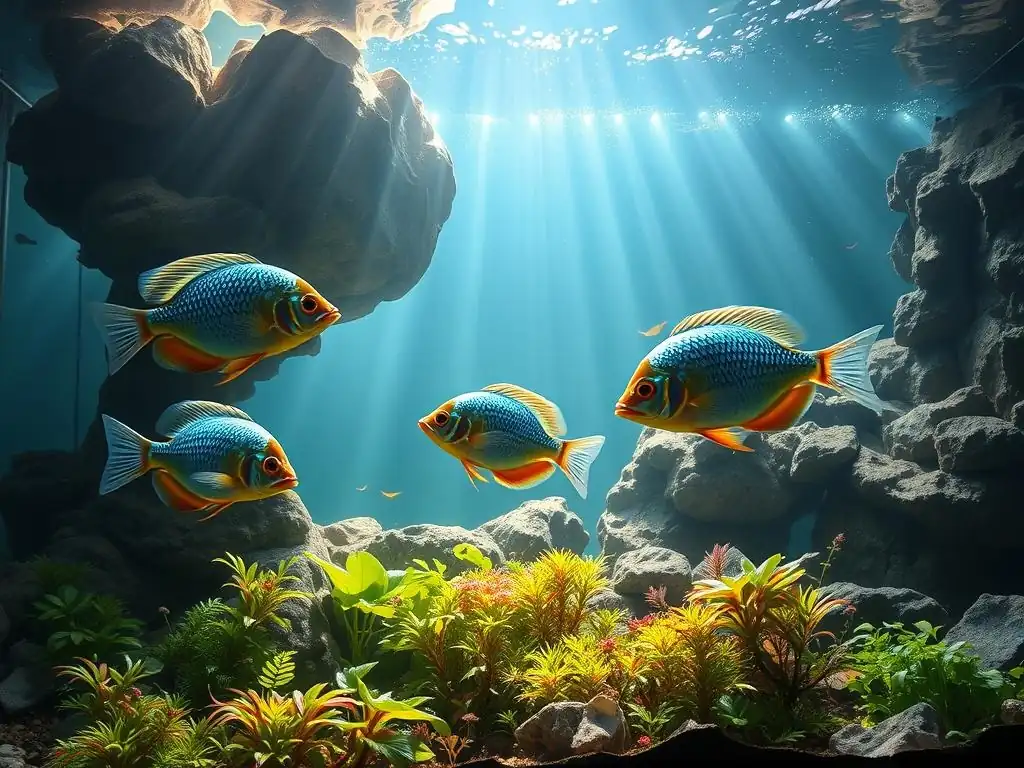
Ever wondered if you can really keep multiple Pearl Gouramis together without a fin-nipping frenzy? Dive into our comprehensive guide on " Pearl gourami group tank size" and unlock the secrets to harmonious community tanks. Discover the ideal social dynamics, tank dimensions, and crucial care tips to ensure your Pearl Gouramis thrive. Ready to create a peaceful underwater paradise? Let's explore!
- Understanding Pearl Gourami Social Behavior
- Benefits of Keeping Pearl Gouramis in a Group
- Challenges of Keeping Pearl Gouramis in Groups
- Pearl Gourami Group Tank Size: Determining the Right Dimensions
- Selecting Tank Mates for a Pearl Gourami Community
- Setting Up the Ideal Pearl Gourami Group Tank Environment
- Feeding a Group of Pearl Gouramis
- Observing and Managing Pearl Gourami Social Dynamics
- Pearl Gourami Group Tank Maintenance: A Comprehensive Guide
- Breeding Pearl Gouramis in a Group Setting
- Troubleshooting Common Issues in Pearl Gourami Group Tanks
- Conclusion: Creating a Thriving Pearl Gourami Community
-
Frequently Asked Questions
- How many Pearl Gouramis can I keep in a group tank?
- What is the minimum tank size recommended for a Pearl Gourami group?
- Are Pearl Gouramis peaceful fish, and will they get along in a group?
- What is the best male-to-female ratio for a Pearl Gourami group?
- What other fish species are compatible with Pearl Gouramis in a community tank?
- Final Reflection: Harmony in the Aquarium
- Dive Deeper: Transform Your Pearl Gourami's World!
Pearl gouramis (Trichopodus leerii) originate from the slow-moving, heavily vegetated waters of Southeast Asia, including regions in Thailand, Malaysia, Sumatra, and Borneo. In their natural habitats, these fish are often found among dense aquatic plants, submerged roots, and leaf litter, which provide ample cover and break up lines of sight. They tend to live in loose aggregations rather than strict, tightly-knit schools, navigating through their environment with a calm, deliberate grace.
While not schooling fish in the traditional sense, pearl gouramis do benefit from the presence of conspecifics. Males, particularly, can be territorial during breeding, establishing small domains around their bubble nests. However, within a sufficiently large and well-structured environment, these territorial disputes are typically low-intensity and rarely result in serious harm, allowing for a harmonious co-existence among individuals.
Pearl gouramis are not strictly solitary creatures, nor are they schooling fish that require large numbers to feel secure, like many tetra species. Instead, they fall into a category of fish that are considered "social" or "shoaling," meaning they enjoy the company of their own kind but do not necessarily move in synchronized groups. They benefit from the presence of other pearl gouramis, which can help reduce shyness and encourage more natural behaviors.
Keeping a single pearl gourami often results in a fish that is more reclusive, spending much of its time hiding or exhibiting less active swimming patterns. Conversely, a group allows for the observation of their subtle social interactions, including gentle fin nipping (usually non-damaging), mild chasing, and the establishment of a loose hierarchy, all of which contribute to a more enriching display for the aquarist and a more stimulating environment for the fish.
The presence of other pearl gouramis plays a crucial role in the overall well-being of these fish. In a group setting, pearl gouramis tend to be more active, exhibit brighter coloration, and display a wider range of natural behaviors. This social stimulation can significantly reduce stress levels, which are often manifest in isolated individuals as faded colors, clamped fins, or lethargy.
Furthermore, social interaction helps to reinforce their natural instincts and behaviors, such as exploring their environment, foraging for food, and even engaging in courtship rituals. When kept alone, pearl gouramis may become listless and less responsive to their surroundings, potentially leading to a shorter lifespan or increased susceptibility to disease due to chronic stress. A well-managed pearl gourami group tank size ensures they have the space to interact positively without undue aggression.
Benefits of Keeping Pearl Gouramis in a Group
Reduced Stress and Increased Activity Levels in Group Settings
Keeping pearl gouramis in a group, particularly a ratio of one male to two or three females, can significantly reduce stress. In a solitary setting, a pearl gourami might feel exposed and vulnerable, leading to excessive hiding or a general lack of activity. The presence of conspecifics provides a sense of security, encouraging them to explore the entire aquarium, including open spaces. This increased activity is a strong indicator of a healthy and comfortable fish.
Moreover, the subtle interactions within a group, such as gentle nudges or short chases, provide mental stimulation, preventing boredom. This can lead to more vibrant coloration and a more robust immune system, as chronic stress is a known factor in weakening fish health. The right pearl gourami group tank size directly supports this benefit by providing adequate individual space within the communal environment.
Enhanced Breeding Potential with Multiple Pearl Gouramis
For aquarists interested in breeding, keeping a group of pearl gouramis significantly enhances the potential for successful reproduction. Instead of attempting to pair a single male and female, a group allows the fish to naturally select compatible mates. This natural selection process often leads to stronger bonds and more successful spawning attempts. Males are more likely to build elaborate bubble nests when females are present and receptive, and females are more likely to be in optimal condition for breeding when interacting within a healthy social structure.
Observing the courtship rituals, the male's dedication to his bubble nest, and the eventual spawning embrace is a highlight for many hobbyists. While a dedicated breeding tank is often recommended for fry survival, initiating the breeding process in a community setting with a suitable pearl gourami group tank size can be a rewarding experience in itself, offering a glimpse into their intricate reproductive behaviors.
Observing Natural Behaviors in a Pearl Gourami Community Tank
A pearl gourami community tank provides a unique opportunity to observe the full spectrum of their natural behaviors that might otherwise remain hidden in a solitary setup. These behaviors include the intricate bubble nest building by males, the subtle courtship dances, and the often-overlooked communication through their ventral fins, which are used as sensory organs to explore their surroundings and interact with other fish.
In a group, you can witness the establishment of a loose hierarchy, with dominant males displaying their best colors, and subordinate individuals finding their place within the social structure. This dynamic interaction makes the aquarium more engaging and educational, offering insights into the complex lives of these beautiful fish. A well-planned pearl gourami group tank size ensures these behaviors can unfold without excessive conflict.
Challenges of Keeping Pearl Gouramis in Groups
Aggression and Hierarchy in Pearl Gourami Groups
While generally peaceful, pearl gouramis can exhibit aggression, particularly among males, or if the tank environment is too small or lacks adequate hiding spots. Male pearl gouramis establish a pecking order, with the dominant male often harassing subordinates, especially other males. This aggression typically manifests as chasing, nipping fins, or blocking access to food or prime territories. In a small pearl gourami group tank size, this can quickly escalate to severe stress or injury for the bullied fish.
Even females can display mild aggression towards each other, though this is far less common and usually less intense than male-on-male disputes. It is crucial to maintain a proper male-to-female ratio, ideally one male to two or three females, to diffuse male aggression and prevent a single female from being relentlessly pursued. Overcrowding is a primary catalyst for heightened aggression, transforming naturally mild interactions into harmful confrontations.
Monitoring for Bullying and Stress in the Aquarium
Constant vigilance is required when keeping pearl gouramis in groups to monitor for signs of bullying and stress. Stressed fish may display clamped fins, faded coloration, rapid gill movement, or excessive hiding. Bullied fish might show torn fins, wounds, or refuse to eat, becoming emaciated over time. Observing these signs early is critical to prevent long-term health issues or even death.
It's important to regularly observe feeding times to ensure all fish are getting enough food and that no individual is being constantly chased away. Pay attention to the overall activity levels and interactions within the group. If a particular fish is consistently hiding, exhibiting stress colors, or showing physical signs of damage, immediate intervention may be necessary, such as adding more hiding spots or, in severe cases, separating the fish.
Disease Transmission Risks in Larger Pearl Gourami Populations
Keeping a larger group of pearl gouramis, or any fish, increases the risk of disease transmission. If one fish introduces a pathogen into the tank, whether from a new addition or a latent infection, it can rapidly spread throughout the entire population. This risk is compounded by the increased bioload that a larger group imposes on the filtration system, potentially leading to compromised water quality if not managed properly.
Poor water quality, even subtle fluctuations in parameters, can weaken fish immune systems, making them more susceptible to common ailments like Ich (white spot disease), fin rot, or bacterial infections. Therefore, rigorous quarantine procedures for all new fish additions, meticulous tank maintenance, and consistent monitoring of water parameters are paramount to mitigate these risks and maintain a healthy pearl gourami group tank.
Pearl Gourami Group Tank Size: Determining the Right Dimensions
Minimum Tank Size for a Small Group of Pearl Gouramis (3-5 Fish)
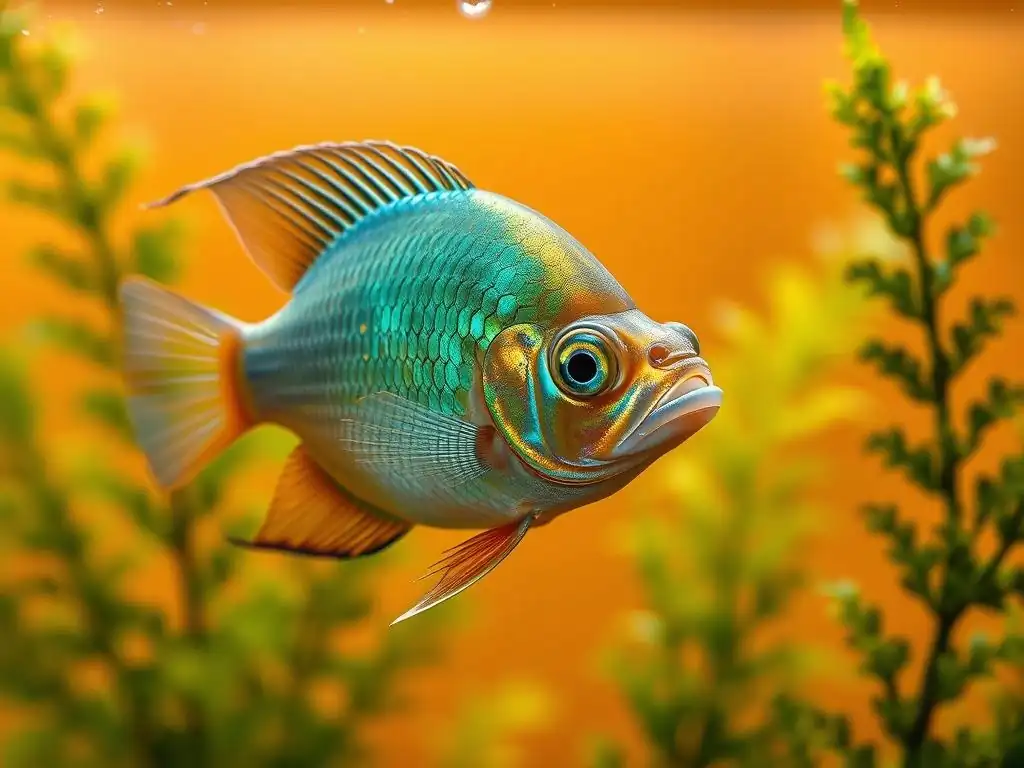
When considering a pearl gourami group tank size, a minimum of 30 gallons (approximately 113 liters) is generally recommended for a small group of 3-5 fish, ideally with a ratio of one male to two or three females. This size provides sufficient swimming space and allows for the establishment of territories without excessive conflict. A tank with a longer footprint, such as a 30-gallon breeder (36 inches long), is preferable over a taller, narrower tank, as pearl gouramis utilize horizontal swimming space more effectively.
For a trio (one male, two females), a 30-gallon tank can work, but a 40-gallon breeder tank (48 inches long) offers significantly more room and is highly recommended. This extra length helps to diffuse aggression by providing more territory and visual barriers. The key is not just volume but the dimensions that allow for adequate exploration and escape routes.
Calculating Tank Size Based on the Number of Pearl Gouramis
To calculate the appropriate pearl gourami group tank size for a larger number of fish, a general rule of thumb is to add at least 10 gallons (38 liters) for each additional pearl gourami beyond the initial minimum grouping. For example, if a 30-gallon tank is for 3-4 fish, a group of 5-6 pearl gouramis would ideally require a 40-50 gallon tank, and a group of 7-8 would benefit from a 60-75 gallon tank.
It's crucial to remember that these are minimums, and bigger is almost always better, especially for a pearl gourami group tank where social dynamics are at play. A larger volume of water also provides greater stability for water parameters, making it easier to maintain a healthy environment. Prioritizing tank length and width over height will always be beneficial for these surface-dwelling fish.
Considering Territorial Needs and Swimming Space
Pearl gouramis, particularly males, can be territorial, especially when they are preparing to breed. They will establish small territories, often around dense plant growth or a favorite piece of decor. Adequate swimming space is essential not only for exercise but also to allow subordinate fish to retreat and avoid conflict with more dominant individuals. A crowded tank, regardless of overall volume, can lead to constant stress and aggression.
Therefore, when planning your pearl gourami group tank size, focus on tanks that offer generous horizontal dimensions. A 48-inch long tank (common for 55-gallon or 75-gallon tanks) provides ample linear space for multiple individuals to coexist peacefully. Incorporating plenty of plants and decor to break up lines of sight further enhances the available "territories" and reduces direct confrontation, making the environment more secure for all fish.
Selecting Tank Mates for a Pearl Gourami Community
Compatible Fish Species for a Pearl Gourami Group Tank
Selecting appropriate tank mates is crucial for a thriving pearl gourami group tank. Peaceful, mid-sized community fish that prefer similar water parameters are ideal. Excellent choices include various species of peaceful tetras such as Neon Tetras, Cardinal Tetras, Rummy-nose Tetras, and Lemon Tetras, which typically occupy the mid-to-lower levels of the tank and are too fast for gouramis to bother.
Other suitable companions include various Rasboras (Harlequin, Chili, Phoenix), Corydoras catfish, Otocinclus catfish, and peaceful livebearers like Platies or Mollies (provided the tank is large enough for Mollies). These species are generally not fin-nippers, are not overly aggressive, and won't compete excessively for the same swimming levels or food sources, contributing to a balanced and harmonious pearl gourami group tank.
Avoiding Aggressive or Fin-Nipping Tank Mates
To ensure the well-being of your pearl gouramis, it is paramount to avoid aggressive or fin-nipping fish species. Pearl gouramis have long, delicate ventral fins that are highly susceptible to nipping. Species like Tiger Barbs, Serpae Tetras, and some larger, more aggressive barb species are notorious fin-nippers and should be avoided. Similarly, larger, boisterous cichlids or semi-aggressive fish can intimidate or injure the more placid gouramis.
Other anabantoids, such as Betta fish or even other gourami species (especially Dwarf Gouramis or Honey Gouramis), should be introduced with caution or avoided entirely in a pearl gourami group tank unless the tank is exceptionally large and heavily planted. This is because gouramis can perceive other gourami species as rivals, leading to inter-species aggression, particularly if their body shapes or behaviors are similar.
Maintaining a Balanced Ecosystem with Appropriate Tank Mates
A balanced ecosystem in a pearl gourami group tank relies on selecting tank mates that not only are peaceful but also contribute to the overall health and stability of the aquarium. This means choosing species that occupy different levels of the water column, preventing overcrowding in any single area. For instance, bottom-dwellers like Corydoras catfish help clean up uneaten food from the substrate, while mid-water schooling fish add activity without directly competing with the gouramis for top-level space.
Furthermore, ensure all chosen tank mates share similar water parameter requirements (temperature, pH, hardness) to avoid stressing any inhabitants. A well-chosen diverse community helps distribute the bioload, enhances the visual appeal, and allows each species to exhibit its natural behaviors without constant stress or conflict, creating a truly thriving pearl gourami group tank environment.
Setting Up the Ideal Pearl Gourami Group Tank Environment
Water Parameters for a Healthy Pearl Gourami Group
Maintaining stable and appropriate water parameters is fundamental for the health and vitality of a pearl gourami group. These fish thrive in soft to moderately hard water with a slightly acidic to neutral pH. Ideal temperature ranges from 75-82°F (24-28°C), with a pH between 6.0-7.5. The general hardness (GH) should be in the range of 5-15 dGH, and carbonate hardness (KH) between 3-8 dKH.
Consistency in these parameters is more critical than hitting exact numbers. Sudden fluctuations can cause significant stress to fish, making them susceptible to disease. Regular testing with a reliable liquid test kit for ammonia, nitrite, nitrate, pH, and temperature is essential to monitor water quality and make timely adjustments, ensuring the pearl gourami group tank remains a stable habitat.
Planted Aquariums: Providing Cover and Security for Gouramis
A heavily planted aquarium is not just aesthetically pleasing but also vital for the well-being of pearl gouramis in a group setting. Dense planting provides essential cover and security, allowing individual fish to retreat and hide if feeling stressed or to escape from dominant tank mates. Plants like Amazon Swords, Java Fern, Anubias, and various stem plants create natural visual barriers that help diffuse aggression by breaking up lines of sight.
Floating plants, such as Water Lettuce, Dwarf Water Hyacinth, or Frogbit, are particularly beneficial. They provide shaded areas at the surface, which pearl gouramis appreciate, and also offer excellent anchor points for males to build their bubble nests during breeding. The lush environment simulates their natural habitat, encouraging natural behaviors and reducing overall stress within the pearl gourami group tank.
Filtration and Water Changes for a Pearl Gourami Community Tank
Effective filtration and consistent water changes are paramount for maintaining pristine water quality in a pearl gourami group tank, especially with a higher bioload. A good quality hang-on-back (HOB) filter or a canister filter, rated for the specific pearl gourami group tank size, is recommended to provide mechanical, biological, and chemical filtration. Biological filtration, provided by beneficial bacteria in the filter media, is crucial for breaking down harmful ammonia and nitrite.
Regular partial water changes are equally important. A weekly water change of 25-30% is a good general guideline, but this might need to be adjusted based on the specific bioload and nitrate levels. Using a gravel vacuum during water changes helps remove accumulated detritus and uneaten food from the substrate, preventing the build-up of nitrates and maintaining optimal water parameters for the entire pearl gourami group.
Feeding a Group of Pearl Gouramis
Nutritional Needs of Pearl Gouramis in a Community Setting
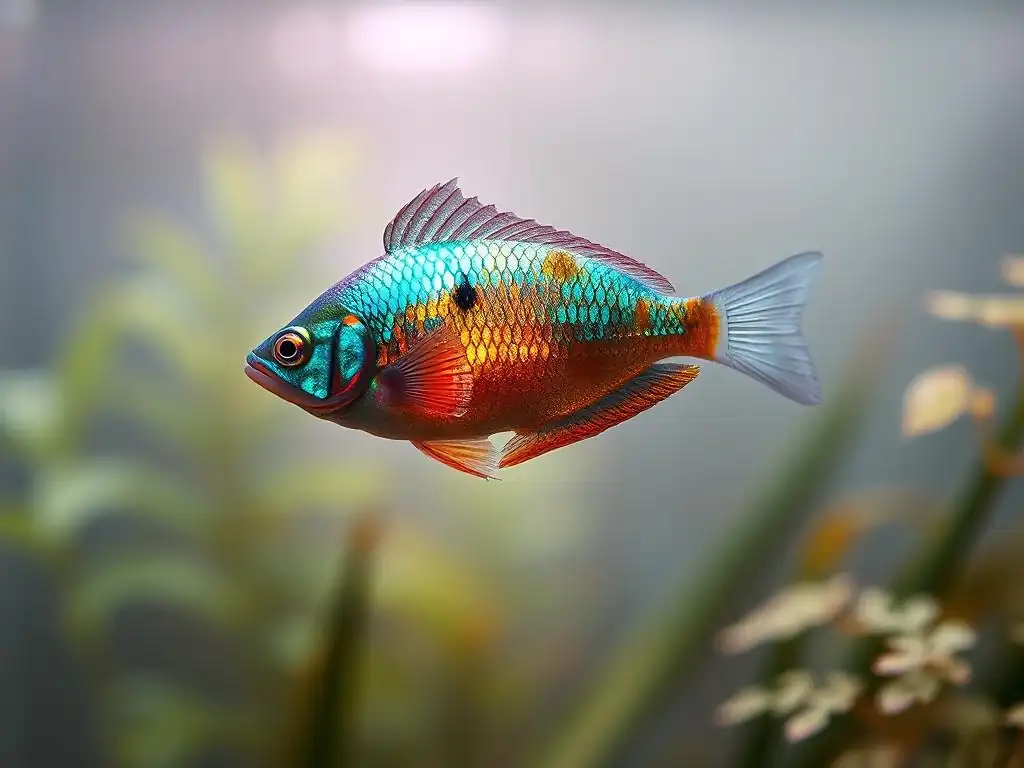
Pearl gouramis are omnivorous and require a varied and balanced diet to thrive in a community setting. Their staple diet should consist of high-quality flake or pellet food formulated for omnivorous tropical fish. Look for foods that list fish meal, spirulina, and other plant-based ingredients among the first few ingredients. Providing a staple food ensures they receive essential vitamins and minerals for daily health.
To supplement their staple diet and provide necessary protein and roughage, offer a variety of live or frozen foods. This includes bloodworms, brine shrimp, daphnia, and mosquito larvae. These foods mimic their natural diet and are excellent for conditioning fish for breeding, enhancing their colors, and boosting their overall vitality. Feeding small amounts multiple times a day is generally better than one large feeding to ensure all fish in the pearl gourami group tank get their share.
Preventing Overfeeding and Maintaining Water Quality
Overfeeding is a common mistake that can quickly degrade water quality in a pearl gourami group tank. Excess food breaks down, releasing ammonia and nitrites, which are highly toxic to fish. It can also lead to an increase in nitrates, algae blooms, and an overall imbalanced ecosystem. To prevent this, feed only what your pearl gouramis and other tank mates can consume within 2-3 minutes. Observe their eating habits closely and adjust the quantity accordingly.
If you notice food settling on the bottom after feeding time, you are likely overfeeding. Remove any uneaten food promptly to prevent decomposition. Implementing a feeding schedule, such as two small feedings per day, can help manage food intake. This practice, combined with regular water changes and robust filtration, is crucial for maintaining excellent water quality and preventing health issues in your pearl gourami group.
Supplementing Diet for Optimal Health and Breeding
Beyond the staple and frozen foods, supplementing the diet of your pearl gouramis with vegetable matter can significantly contribute to their optimal health and readiness for breeding. Spirulina flakes or pellets are an excellent source of plant-based nutrients. You can also offer blanched vegetables like zucchini, cucumber slices, or spinach leaves occasionally, though these should be removed after a few hours to prevent water fouling.
A varied diet not only ensures comprehensive nutrition but also stimulates the fish's appetite and natural foraging behaviors. For breeding, conditioning the fish with a protein-rich diet (like bloodworms and brine shrimp) for a week or two can encourage spawning. A well-fed and healthy pearl gourami group will display vibrant colors, active behavior, and a greater likelihood of successful reproduction.
Identifying Signs of Stress or Aggression in the Group
Careful observation is key to managing the social dynamics within your pearl gourami group tank. Signs of stress or aggression often include:
- Faded Colors: A stressed pearl gourami may lose its vibrant coloration, appearing dull or pale.
- Clamped Fins: Fins held close to the body, especially the dorsal and caudal fins, indicate discomfort or illness.
- Hiding Constantly: An otherwise active fish that spends most of its time hidden suggests it's being bullied or feels insecure.
- Rapid Gill Movement: Indicates difficulty breathing, often due to poor water quality or severe stress.
- Torn Fins or Body Wounds: Direct evidence of physical altercations.
- Constant Chasing: One fish relentlessly pursuing another.
- Loss of Appetite: A bullied fish may be too stressed to eat, leading to emaciation.
Regularly spending time watching your pearl gourami group will help you notice subtle changes in behavior that could indicate underlying issues.
Implementing Strategies to Reduce Aggression (e.g., Adding More Plants)
If signs of aggression are observed, several strategies can be implemented to mitigate conflict in your pearl gourami group tank:
- Increase Visual Barriers: Adding more dense live plants, driftwood, or rock formations helps break up lines of sight, allowing subordinate fish to escape and hide. Floating plants are particularly effective.
- Adjust Male-to-Female Ratio: If you have multiple males, ensure there are at least two or three females per male to diffuse aggression. A single male with multiple females is often the most stable setup.
- Increase Tank Size: If your pearl gourami group tank size is at the minimum, upgrading to a larger tank can significantly reduce territorial disputes by providing more space.
- Rearrange Decor: Sometimes, simply moving around the existing decor can disrupt established territories and reduce aggression.
- Ensure Adequate Feeding: Underfed fish can become more aggressive, especially during feeding times. Ensure all fish are getting enough food.
These proactive measures can often restore peace to the community.
Separating Individuals if Necessary for Their Well-being
In severe cases, despite implementing various strategies, aggression within a pearl gourami group tank may persist to the point where an individual's well-being is severely compromised. If a fish is constantly being bullied, showing severe fin damage, refusing to eat, or appears on the verge of death due to stress, temporary or permanent separation may be necessary.
This can involve moving the aggressor to a separate tank for a "time-out" period (a few days to a week) to disrupt its dominance, or permanently rehoming the bullied fish to a different tank. A dedicated quarantine or hospital tank can serve this purpose. While separating fish is a last resort, it prioritizes the health and survival of the affected individual and can prevent further escalation of conflict within the pearl gourami group.
Pearl Gourami Group Tank Maintenance: A Comprehensive Guide
Regular Water Testing and Adjustments
Consistent monitoring of water parameters is the cornerstone of maintaining a healthy pearl gourami group tank. At a minimum, weekly testing for ammonia, nitrite, and nitrate levels is recommended. Ammonia and nitrite should always read zero, while nitrates should be kept below 20 ppm (parts per million). Testing pH and temperature regularly ensures they remain within the ideal ranges for pearl gouramis (pH 6.0-7.5, Temp 75-82°F).
If tests reveal elevated ammonia or nitrite, immediate action is required, usually a large water change (50% or more) and investigation into the cause (e.g., overfeeding, insufficient filtration, tank not fully cycled). High nitrates indicate the need for more frequent or larger water changes. Adjustments to pH or hardness should be done gradually over several days to avoid shocking the fish.
Plant Trimming and Substrate Cleaning
Regular plant trimming is essential in a heavily planted pearl gourami group tank. Trimming prevents plants from overgrowing and blocking light to other plants, ensures good water circulation, and maintains open swimming lanes for the fish. Remove any decaying leaves promptly, as they can contribute to ammonia spikes. A good rule of thumb is to trim plants every 2-4 weeks, depending on their growth rate.
Substrate cleaning, typically done with a gravel vacuum during water changes, is crucial for removing uneaten food, fish waste, and other detritus that accumulate at the bottom of the tank. This organic matter decomposes, releasing nitrates and phosphates, which can fuel algae growth and degrade water quality. Aim to vacuum about one-third to half of the substrate surface during each weekly water change, paying particular attention to areas where food tends to settle.
Monitoring for Diseases and Parasites
Daily observation of your pearl gourami group is the best defense against diseases and parasites. Look for any changes in behavior, appearance, or appetite. Signs of illness can include:
- Behavioral changes: Lethargy, hiding, erratic swimming, flashing (rubbing against objects).
- Physical signs: White spots (Ich), fuzzy growths (fungus), red streaks (bacterial infection), frayed fins (fin rot), bloating, sunken bellies, pop-eye.
- Respiratory issues: Rapid gill movement, gasping at the surface.
- Appetite changes: Refusal to eat or spitting out food.
Early detection allows for prompt treatment, which significantly increases the chances of recovery and prevents the spread of illness throughout your pearl gourami group tank. Always quarantine new fish for at least 2-4 weeks before introducing them to the main tank to prevent importing diseases.
Breeding Pearl Gouramis in a Group Setting
Creating Breeding Conditions in the Community Tank
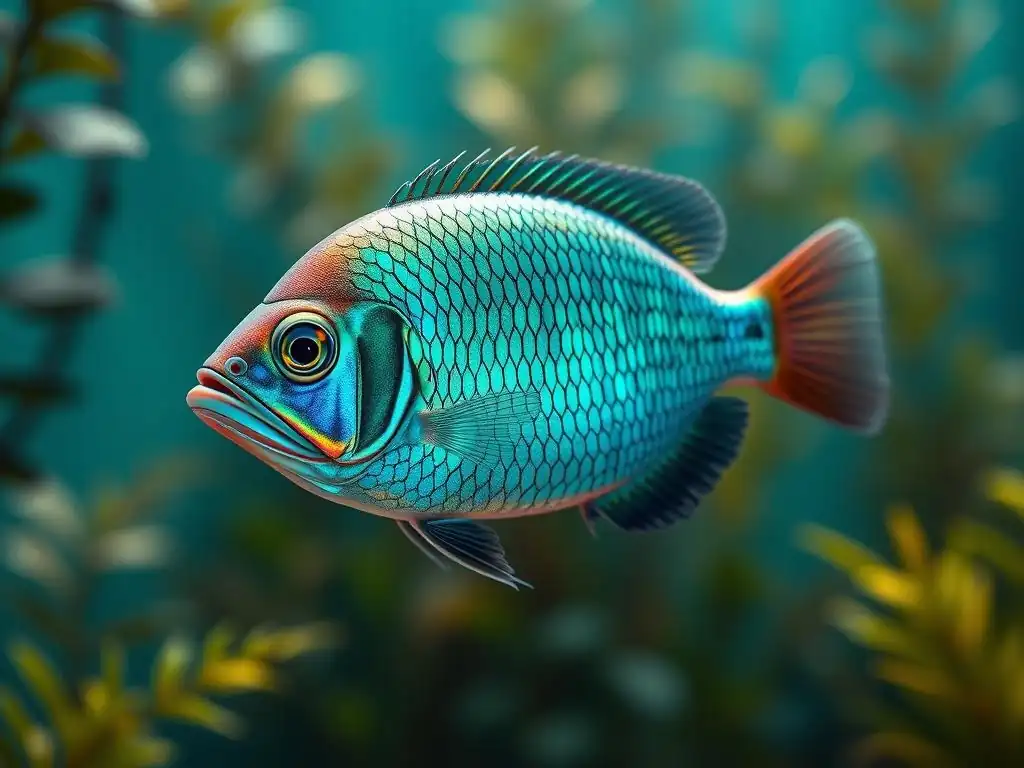
While less controlled than a dedicated breeding tank, it is possible for pearl gouramis to breed in a well-maintained community setting. To encourage breeding in your pearl gourami group tank, ensure optimal water parameters (temperature slightly elevated to 78-80°F or 25-27°C, pH around 6.5-7.0), and provide a rich, varied diet including plenty of live or frozen foods (like bloodworms and blackworms) for conditioning.
Crucially, provide ample floating plants (e.g., Water Lettuce, Duckweed, Frogbit) or large-leafed plants that reach the surface, as males require these to build their bubble nests. The presence of multiple females in the pearl gourami group tank increases the likelihood of a male finding a receptive mate. Reduced water flow at the surface is also beneficial for nest stability.
Identifying Breeding Pairs within the Group
In a pearl gourami group, identifying a breeding pair involves observing specific courtship behaviors. The male will typically become more vibrant in color, particularly his orange throat and belly, and will begin constructing a bubble nest at the water's surface, often anchored to floating plants or leaves. He will then display to a female, flaring his fins and gently nudging her towards the nest.
A receptive female will respond by approaching the nest, and the pair will engage in a spawning embrace beneath it. The male wraps his body around the female, gently squeezing eggs and milt. The eggs, which are lighter than water, float up into the bubble nest. This process can repeat several times, with hundreds of eggs potentially being laid. The male will then guard the nest, collecting any stray eggs and tending to the nest.
Protecting Fry from Predation
Protecting pearl gourami fry from predation in a community pearl gourami group tank is extremely challenging, as both parents (especially the female after spawning, as the male becomes the sole guardian) and other tank mates will readily consume the tiny fry. Survival rates in a community setting are typically very low, often near zero.
For any significant fry survival, it is highly recommended to move the breeding pair to a separate, dedicated breeding tank once the male begins building his nest, or to remove the female after spawning and the male after the fry become free-swimming. If fry hatch in the community tank, providing extremely dense floating plants and fine-leafed plants can offer minimal cover, but it is rarely sufficient. Feeding micro-foods like infusoria or liquid fry food is also necessary for the tiny fry.
Troubleshooting Common Issues in Pearl Gourami Group Tanks
Dealing with Aggression and Bullying
Aggression and bullying are common issues in pearl gourami group tanks, often stemming from insufficient space or an imbalanced male-to-female ratio. If you observe persistent chasing, fin-nipping, or one fish constantly hiding, first assess your pearl gourami group tank size. If it's at the minimum, consider upgrading. Ensure there are plenty of visual barriers, such as dense live plants (especially floating plants and tall background plants) and decor, to break up lines of sight and provide hiding spots.
Adjusting the male-to-female ratio is crucial; aim for one male to two or three females to diffuse male aggression. If you have multiple males and a smaller tank, it might be necessary to remove one. Rearranging the tank decor can also reset territories. In severe, persistent cases where a fish is being relentlessly targeted or injured, temporary removal of the aggressor to a "time-out" tank or permanent rehoming of the bullied fish might be the only viable solution for their well-being.
Addressing Disease Outbreaks
Disease outbreaks in a pearl gourami group tank can spread rapidly due to the close proximity of fish. The best approach is prevention: rigorous quarantine of all new fish for 2-4 weeks, maintaining pristine water quality through regular water changes and effective filtration, and providing a balanced diet. If a disease does appear, prompt identification and treatment are crucial.
Common diseases include Ich (white spots), fin rot, and bacterial infections. Isolate affected fish in a hospital tank if possible to treat them without exposing the entire community to medication or stressing healthy fish. If treating the main tank, always follow medication instructions carefully and remove carbon from filters, as it absorbs medication. After treatment, perform a large water change and add fresh carbon to remove residual medication. Address any underlying stressors, such as poor water quality, that may have contributed to the outbreak.
Maintaining Optimal Water Quality
Maintaining optimal water quality is the most critical factor in preventing the majority of issues in a pearl gourami group tank. Poor water quality is a leading cause of stress, disease, and aggression. This involves:
- Regular Water Changes: Perform weekly 25-30% partial water changes to dilute nitrates and replenish essential minerals.
- Effective Filtration: Ensure your filter is adequately sized for your pearl gourami group tank and provides robust mechanical, biological, and chemical filtration. Clean filter media regularly but avoid sterilizing beneficial bacteria.
- Avoid Overfeeding: Feed small amounts that can be consumed quickly to prevent uneaten food from decomposing and fouling the water.
- Substrate Cleaning: Use a gravel vacuum during water changes to remove detritus from the substrate.
- Consistent Water Parameter Monitoring: Test for ammonia, nitrite, nitrate, pH, and temperature weekly to catch issues before they become severe.
By diligently adhering to these practices, you can create a stable, healthy environment that allows your pearl gourami group to thrive and minimizes the occurrence of common problems.
Conclusion: Creating a Thriving Pearl Gourami Community
The Rewards of Keeping Pearl Gouramis in a Well-Maintained Group Tank
Keeping pearl gouramis in a well-maintained group tank offers an incredibly rewarding experience for any aquarist. Beyond their striking beauty and serene demeanor, observing their natural social dynamics, subtle interactions, and even their intricate breeding behaviors provides a deeper appreciation for these fascinating fish. A thriving pearl gourami group tank, with its vibrant colors, active swimming, and peaceful coexistence, becomes a living piece of art that brings tranquility and interest to any space.
The satisfaction derived from providing an environment where these fish can exhibit their full range of behaviors, from the male's diligent bubble nest building to the gentle exploration of their planted habitat, is immense. By understanding their needs, particularly regarding pearl gourami group tank size and social structure, hobbyists can ensure these elegant fish not only survive but truly flourish, showcasing their unique charm and contributing to the overall beauty and health of the aquarium ecosystem.
Further Resources for Pearl Gourami Care and Tank Mates
For those looking to delve deeper into the specifics of pearl gourami care, including detailed profiles, advanced breeding techniques, and comprehensive lists of compatible tank mates, AquariumMastery.com offers a wealth of information. Our extensive guides cover everything from water chemistry and plant selection to troubleshooting common tank issues, ensuring you have all the resources needed to create and maintain a successful and vibrant pearl gourami group tank.
Frequently Asked Questions
How many Pearl Gouramis can I keep in a group tank?
The ideal number depends on the tank size, but generally, aim for a group of at least 5-6 Pearl Gouramis in a sufficiently large aquarium. This allows for natural social behaviors and reduces aggression.
What is the minimum tank size recommended for a Pearl Gourami group?
For a group of 5-6 Pearl Gouramis, a tank size of at least 40 gallons is recommended. Larger tanks are always preferable as they provide more space and better water stability.
Are Pearl Gouramis peaceful fish, and will they get along in a group?
Pearl Gouramis are generally peaceful, but social dynamics can still be present. Providing ample space, hiding places, and a balanced ratio of males to females is crucial for minimizing aggression.
What is the best male-to-female ratio for a Pearl Gourami group?
It's recommended to keep more females than males in a Pearl Gourami group. A ratio of 1 male to 2-3 females helps to diffuse potential aggression from the males.
What other fish species are compatible with Pearl Gouramis in a community tank?
Pearl Gouramis are compatible with other peaceful community fish that prefer similar water parameters. Good tank mates include small tetras, corydoras catfish, and rasboras. Avoid aggressive or fin-nipping species.
Final Reflection: Harmony in the Aquarium
The exploration of Pearl Gourami social dynamics and the crucial role of adequate tank size underscores a fundamental principle applicable far beyond the glass walls of an aquarium. Understanding the needs of these delicate creatures, and providing them with the space and social structure they require, mirrors our own responsibility to foster healthy environments, both physical and social, for all living beings. The success of a Pearl Gourami group tank is a microcosm of the larger world, demanding careful consideration and proactive planning.
This journey into the world of Trichogaster leerii has highlighted the profound impact of environment on behavior and well-being. Observing these fish thrive in a well-maintained, appropriately sized group tank underscores the importance of empathy and understanding in all our interactions. As we strive to create harmonious ecosystems within our aquariums, we are reminded of the interconnectedness of life and the responsibility we bear to cultivate positive relationships. The greatness of a nation and its moral progress can be judged by the way its animals are treated.
- Mahatma Gandhi. This quote resonates deeply, reminding us that our compassion extends to all creatures, great and small.
Now, consider the lessons learned from the Pearl Gourami's world. What small changes can you make in your own life to foster greater harmony and understanding? Perhaps it's creating more space for meaningful connections, or simply taking the time to observe and appreciate the delicate balance of the ecosystems around you. Let the principles of responsible aquarium keeping inspire you to cultivate a more compassionate and enriching world, one thoughtful action at a time.
Dive Deeper: Transform Your Pearl Gourami's World!
Thank you for exploring the fascinating social dynamics of Pearl Gouramis with us. We hope you’ve gained valuable insights into creating the best possible environment for these beautiful fish. Now, let's turn that knowledge into action and elevate your aquarium!
Here are a few things you can do to enhance your Pearl Gourami's life:
- Critically evaluate your current setup: Is your tank spacious enough to comfortably house a group of Pearl Gouramis? Remember, a larger group size can significantly improve their well-being.
- Observe your Gouramis closely for the next week. Document any signs of aggression or stress, noting specific behaviors and individuals involved. This information will be invaluable in making informed decisions about tank mates and setup adjustments.
- Share this article with other aquarium enthusiasts! Help spread awareness about the importance of social dynamics in Pearl Gouramis and inspire others to create thriving aquarium communities.
What specific adjustments are you planning to make to your Pearl Gourami's environment based on what you've learned today? Let us know in the comments below!