
Plants for Oscar Tanks: Unveiling the Truth – Myth or Reality?

Welcome to Aquarium Mastery!
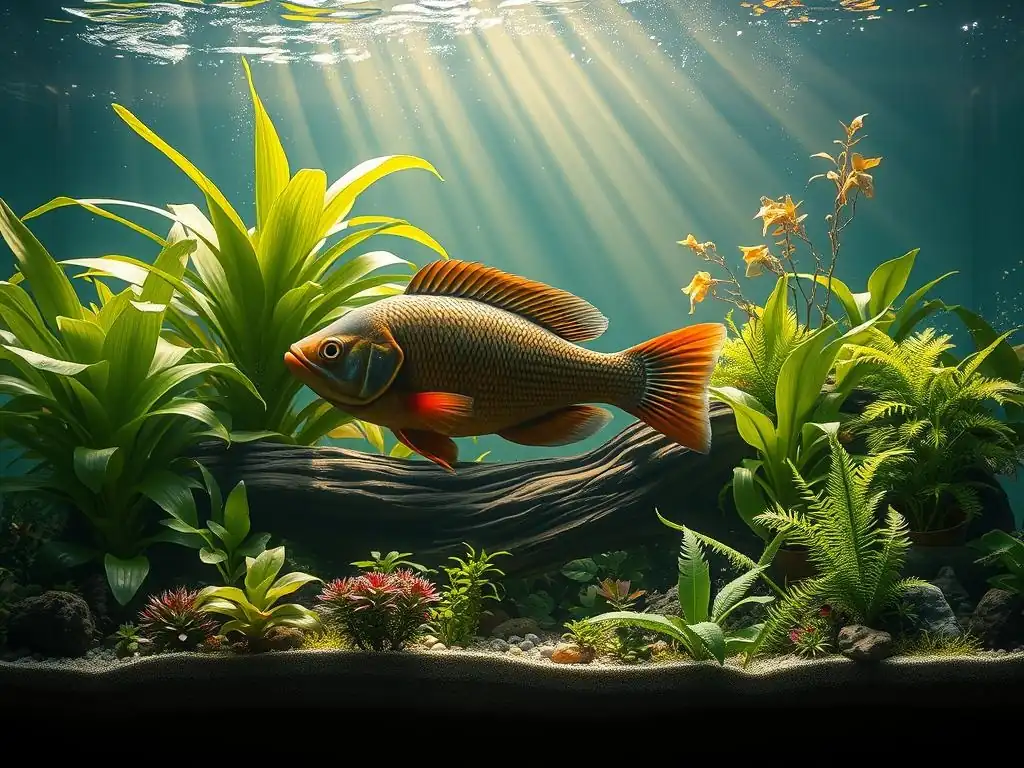
Ever wondered if you can actually have lush, thriving plants in an Oscar tank? We're diving deep into the truth behind Oscar tank plant compatibility! Prepare to unravel the myths and discover which aquatic flora can actually survive (and even thrive!) alongside these fascinating, yet notoriously destructive, fish. Get ready to transform your Oscar tank from barren to beautiful – let's explore!
- Plants for Oscar Tanks: A Practical Guide
- Understanding Oscar Tank Plant Compatibility
- The Challenges of Keeping Plants with Oscars
- Plant Selection for Oscar Tanks
- Recommended Plants for Oscar Tanks
- Planting Strategies for Oscar Tanks
- Water Parameters and Plant Health in Oscar Tanks
- Aquascaping Options for Oscar Tanks
- Conclusion: Balancing Aesthetics and Oscar Needs
-
Frequently Asked Questions
- What are the biggest challenges when keeping plants with Oscars in a tank?
- Are there any types of plants that are known to be Oscar-proof?
- How can I protect plants from being uprooted by my Oscar?
- What water parameters are important to consider when choosing plants for an Oscar tank?
- Besides choosing hardy plants, what other strategies can help ensure success with plants in an Oscar tank?
- Final Reflection: Cultivating Harmony in the Oscar's Realm
- Unleash Your Oscar's Dreamscape!
Plants for Oscar Tanks: A Practical Guide
Understanding Oscar Tank Plant Compatibility
The idea of combining the boisterous and often destructive Oscar fish with live aquarium plants can seem contradictory to many aquarists. Oscars (Astronotus ocellatus) are known for their large size, active digging behaviors, and tendency to rearrange their environment, leading many to believe that live plants are simply incompatible. However, the truth is more nuanced than a simple "myth or reality" dichotomy; while challenging, achieving Oscar tank plant compatibility is indeed possible with careful planning and the right plant selection.
Successfully integrating plants into an Oscar tank requires a deep understanding of the fish's natural behaviors and the specific needs of resilient aquatic flora. It's not about forcing delicate plants into a hostile environment, but rather selecting species that can withstand the Oscar's playful, yet powerful, interactions. This approach transforms the challenge from an impossibility into an exciting aquascaping endeavor, allowing aquarists to create a more natural and enriching environment for their New World cichlids.
The Challenges of Keeping Plants with Oscars
Oscar Fish Behavior: Digging and Up-Rooting
Oscar fish are inherently curious and territorial, exhibiting a strong natural instinct to dig and rearrange their substrate. This behavior is often linked to their natural foraging habits, searching for food, or preparing potential breeding sites. A mature Oscar, which can reach lengths of 10-14 inches (25-35 cm) and weigh over 1.5 pounds (0.7 kg), possesses significant strength, allowing them to easily uproot plants, dislodge decorations, and even move small rocks within the aquarium. This constant substrate disturbance makes it incredibly difficult for plants with traditional root systems to establish themselves firmly.
Beyond mere digging, Oscars may also nip at plant leaves out of curiosity or boredom, or simply because the plant interferes with their chosen territory. This can lead to torn leaves, stunted growth, and ultimately, the demise of less robust plant species. Their powerful tail fin movements during swimming or startled reactions can also create strong currents that dislodge weakly anchored plants, further complicating Oscar tank plant compatibility.
Common Concerns About Water Quality and Plant Waste
Introducing live plants into an Oscar tank also brings considerations regarding water quality, particularly due to the fish's high bioload. Oscars are notoriously messy eaters and produce a substantial amount of waste, which significantly contributes to the nitrogen cycle. When plants are uprooted or damaged by Oscar activity, their decaying leaves and stems can rapidly decompose, releasing ammonia and nitrite into the water. This adds to the existing bioload from the fish, potentially leading to dangerous spikes in toxic compounds if not managed properly.
Moreover, the added organic matter from decaying plants requires an even more robust filtration system than typical for an Oscar tank. While a healthy plant can absorb nitrates, a dying or damaged plant will release them, along with other harmful substances. This necessitates diligent maintenance, including frequent water changes (e.g., 25-30% weekly or bi-weekly for a well-stocked 75-gallon Oscar tank) and powerful filtration, often requiring systems rated for 2-3 times the actual tank volume to maintain pristine water parameters and ensure optimal Oscar tank plant compatibility.
Plant Selection for Oscar Tanks
Key Characteristics of Oscar-Proof Plants
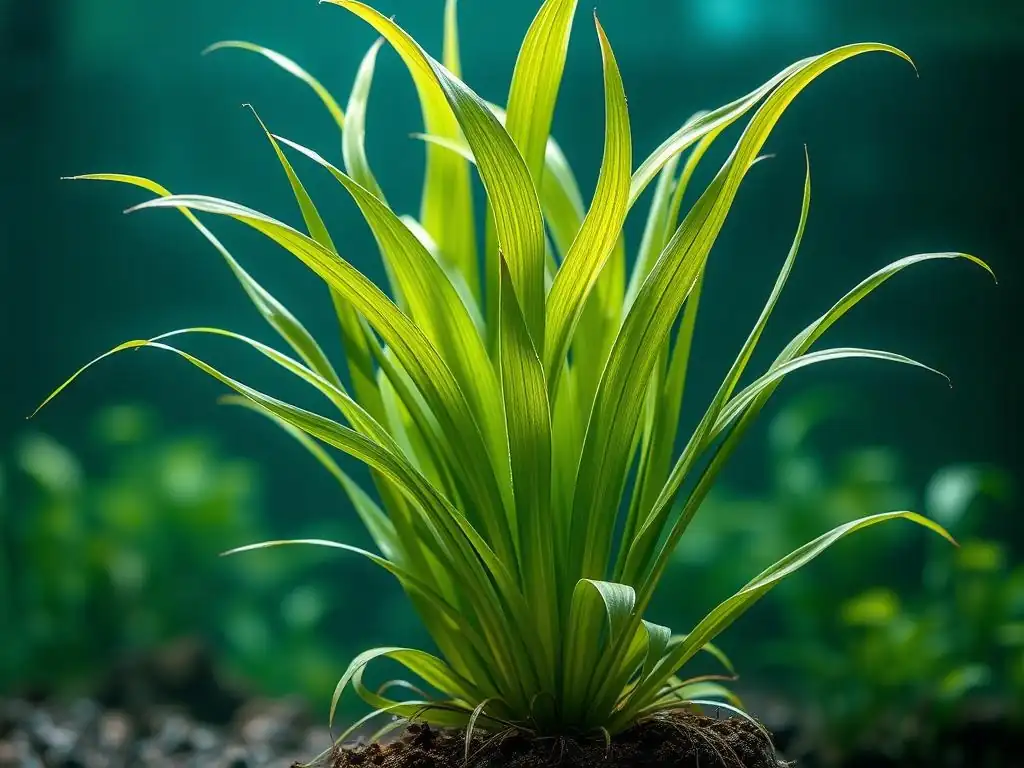
When aiming for Oscar tank plant compatibility, the selection of plants is paramount. Ideal plants must possess several key characteristics to withstand the boisterous nature of Oscar fish. Firstly, they need to be exceptionally hardy, capable of tolerating a wide range of water parameters and resilient enough to withstand occasional physical interaction. Their leaves should be tough and leathery, making them less appealing or easily damaged by curious nibbles or strong currents generated by the Oscars.
Secondly, plants that do not rely on a delicate root system buried in the substrate are highly advantageous. Species that can attach to hard surfaces like driftwood or rocks, or those that are free-floating, circumvent the Oscar's digging habits. Furthermore, plants with robust, deep root systems are preferable if they are to be planted in the substrate, as they offer better anchorage. Opting for fast-growing plants can also be beneficial, as they can recover more quickly from any damage inflicted by the fish.
Understanding Oscar Fish Temperament: Choosing Appropriate Species
Beyond general hardiness, understanding the individual temperament of your Oscar fish is crucial for successful Oscar tank plant compatibility. While all Oscars share common behaviors, some individuals may be more destructive or curious than others. Choosing plants that are not easily perceived as a food source or a territorial threat is important. Plants with very fine, soft, or delicate leaves are often mistaken for food or are too fragile to endure the Oscar's playful interactions.
For instance, plants that have a somewhat bitter taste or a very fibrous texture are less likely to be consumed. The goal is to select species that are robust enough to be ignored or simply tolerated by the Oscar, rather than becoming a target for digging or nipping. Successful Oscar tank plant compatibility often involves a degree of trial and error, but starting with known resilient species significantly increases the chances of creating a harmonious aquascape.
Recommended Plants for Oscar Tanks
Hardy and Resilient Plants
Integrating live plants with Oscar fish requires selecting species renowned for their toughness and ability to withstand challenging conditions. These plants are often characterized by their robust structures and adaptability, making them far more suitable for Oscar tank plant compatibility than delicate varieties.
Java Fern: Low-Maintenance and Tolerant
Java Fern (Microsorum pteropus) is an excellent choice for Oscar tanks due to its unique growth habit and extreme hardiness. Unlike most aquatic plants, Java Fern does not derive nutrients primarily from the substrate; instead, it absorbs them directly from the water column through its rhizome. This rhizome should not be buried in the substrate, but rather attached to driftwood or rocks using fishing line or plant-safe glue.
Its tough, leathery leaves are not easily damaged by Oscars, and its ability to thrive in low-to-moderate light conditions makes it very forgiving. Java Fern is highly adaptable to a wide range of water parameters, including temperatures between 72-82°F (22-28°C) and a pH range of 6.0-7.5, which aligns perfectly with Oscar requirements.
Anubias: Slow-Growing and Attaches to Surfaces
Anubias species, such as Anubias Barteri and Anubias Nana, are another top contender for Oscar tank plant compatibility. These plants are celebrated for their incredibly thick, leathery leaves and slow growth rate, making them highly resistant to nibbling and physical damage from large cichlids. Similar to Java Fern, Anubias is a rhizome plant that should be attached to hardscape elements like driftwood or rocks, preventing Oscars from uprooting them.
They are undemanding in terms of light requirements and water parameters, flourishing in temperatures from 72-82°F (22-28°C) and a pH range of 6.0-8.0. Their robust nature and minimal care needs make them a reliable choice for adding natural greenery to an Oscar setup.
Amazon Sword: Large and Provides Cover
The Amazon Sword (Echinodorus amazonicus) is a classic aquarium plant that, with proper anchoring, can achieve Oscar tank plant compatibility. Its large, broad leaves and extensive root system provide excellent cover and a naturalistic feel in a spacious Oscar tank. For Amazon Swords to thrive and resist uprooting, they require a deep substrate of at least 3-4 inches (7-10 cm) to accommodate their robust root network.
They benefit from a nutrient-rich substrate and moderate lighting to reach their full potential, often growing over 20 inches (50 cm) tall. While their roots can be exposed by determined digging, their sheer size and strong anchoring ability make them a more viable option than smaller, more delicate rooted plants, especially when combined with strategic planting methods.
Plants to Avoid in Oscar Tanks: Delicate and Easily Damaged
To ensure successful Oscar tank plant compatibility, it is equally important to know which plants are highly unsuitable for these energetic fish. Delicate stem plants, such as Cabomba, Rotala, and Ludwigia, are almost guaranteed to fail. Their fine stems and soft leaves are easily broken, uprooted, or completely consumed by curious Oscars. Similarly, plants with very fine foliage, like Hornwort or Guppy Grass, would quickly be shredded or become a messy floating mass within hours or a few days.
Aquarists should also avoid plants with fragile root systems or those that require very specific, undisturbed substrate conditions, such as many carpeting plants (e.g., Dwarf Hairgrass, Monte Carlo). These plants simply cannot withstand the constant digging and rearrangement that define Oscar behavior. Investing in such plants for an Oscar tank would likely result in frustration and wasted resources, as they are not designed to endure the robust environment an Oscar creates.
Planting Strategies for Oscar Tanks
Anchoring Plants Securely: Using Rocks and Substrate
Effective planting strategies are crucial for achieving Oscar tank plant compatibility, particularly for plants that don't naturally attach to surfaces. For species like Anubias and Java Fern, the most effective method is to tie or glue them securely to heavy pieces of driftwood or large, smooth rocks. Use cotton thread, fishing line, or cyanoacrylate-based plant glue to ensure they are firmly attached. This prevents Oscars from dislodging them, as these plants do not rely on substrate for nutrients and will thrive once anchored.
For rooted plants like Amazon Swords, a deep and heavy substrate is essential. Aim for at least 4 inches (10 cm) of dense gravel or a mix of sand and gravel. Some aquarists even plant rooted species in small, heavy terracotta pots filled with substrate, then bury the entire pot within the main tank substrate. This provides an additional layer of protection against the Oscar's digging habits, making it significantly harder for them to unearth the plant.
Creating Barriers: Protecting Plants with Decorations
Another effective strategy for Oscar tank plant compatibility involves creating physical barriers around more vulnerable plants. Large, stable pieces of rockwork or driftwood can be strategically placed to encircle or partially shield plants from direct access by the Oscars. For instance, a cluster of heavy river stones can form a protective ring around an Amazon Sword, making it more difficult for the fish to dig around its base.
Similarly, arranging robust decorations to create "no-dig" zones or areas where plants are less accessible can significantly improve their survival rate. Ensure that all decorative elements used as barriers are heavy, stable, and have no sharp edges that could injure the fish. The goal is to make it inconvenient for the Oscar to reach the plant's roots or delicate parts, thereby increasing the chances of successful establishment.
Utilizing Floating Plants: Providing Shade and Hiding Spots
Floating plants offer a unique and highly effective solution for Oscar tank plant compatibility, as they are completely immune to digging. Species like Water Lettuce (Pistia stratiotes), Frogbit (Limnobium laevigatum), and Dwarf Water Hyacinth (Eichhornia diversifolia) can thrive on the water's surface. These plants provide valuable benefits, including natural shade for the fish, which can reduce stress, and excellent nitrate absorption, helping to maintain water quality.
While some Oscars might occasionally nip at their roots, floating plants generally remain unharmed by the fish themselves. They also offer a natural filtering mechanism, absorbing excess nutrients from the water column. However, it's important to manage their growth, as an excessive cover of floating plants (which can reduce light penetration by 30-50%) can block light from reaching submerged plants and may require periodic thinning to ensure adequate gas exchange at the surface.
Water Parameters and Plant Health in Oscar Tanks
Maintaining Water Quality: Balancing Plant and Fish Needs
Maintaining pristine water quality is paramount for both Oscar fish and live plants, especially when aiming for Oscar tank plant compatibility. Oscars produce a significant bioload, necessitating robust filtration (e.g., a canister filter rated for a tank 2-3 times its actual volume) and consistent water changes. A weekly water change of 25-30% is often recommended to keep nitrate levels in check, which benefits both the fish and the plants. While plants absorb nitrates, the high waste output of Oscars means that relying solely on plants for nitrate reduction is insufficient.
Hardy plants suitable for Oscar tanks, such as Anubias and Java Fern, generally tolerate the water parameters preferred by Oscars: a pH range of 6.5-7.5 and temperatures between 74-81°F (23-27°C). Monitoring water parameters regularly (ammonia, nitrite, nitrate, pH) is crucial. Any sudden fluctuations can stress both fish and plants, potentially leading to plant melt or increased susceptibility to disease for the fish. A stable environment is key to long-term Oscar tank plant compatibility.
Fertilization: Providing Essential Nutrients
Even with the high bioload of Oscar fish, plants require specific macronutrients (nitrogen, phosphorus, potassium) and micronutrients (iron, magnesium, manganese, etc.) for healthy growth. While fish waste provides some nitrogen and phosphorus, it often lacks other essential elements. For rooted plants like Amazon Swords, root tabs inserted into the substrate every 3-6 months are highly beneficial, providing a slow release of nutrients directly to their extensive root systems.
For water column feeders like Anubias and Java Fern, a comprehensive liquid fertilizer dosed weekly can ensure they receive all necessary trace elements. However, caution must be exercised with fertilization in Oscar tanks. Over-fertilization, especially with iron or phosphates, can contribute to unsightly algae blooms, which are already a potential concern given the high nutrient load from fish waste. A balanced approach, starting with half the recommended dose and observing plant health, is advisable for optimal Oscar tank plant compatibility.
Lighting: Ensuring Adequate Light for Plant Growth
Adequate lighting is a critical factor for plant health, even for low-light tolerant species chosen for Oscar tank plant compatibility. While Oscars don't require specific lighting, plants do. Most hardy plants suitable for Oscar tanks thrive under low to moderate light intensity. An LED light fixture designed for planted aquariums, providing a full spectrum, is ideal. For a 75-gallon tank, a 30-48 watt LED light is often sufficient for low-light plants.
The duration of lighting is also important; generally, an 8-10 hour photoperiod per day is recommended. This provides sufficient time for photosynthesis without encouraging excessive algae growth. Too much light can stress plants and promote algae, while too little light will cause plants to wither and die. A timer can help maintain a consistent lighting schedule, contributing to both plant vigor and the overall stability of the Oscar tank environment.
Aquascaping Options for Oscar Tanks
Rockwork and Driftwood: Creating Natural Environments
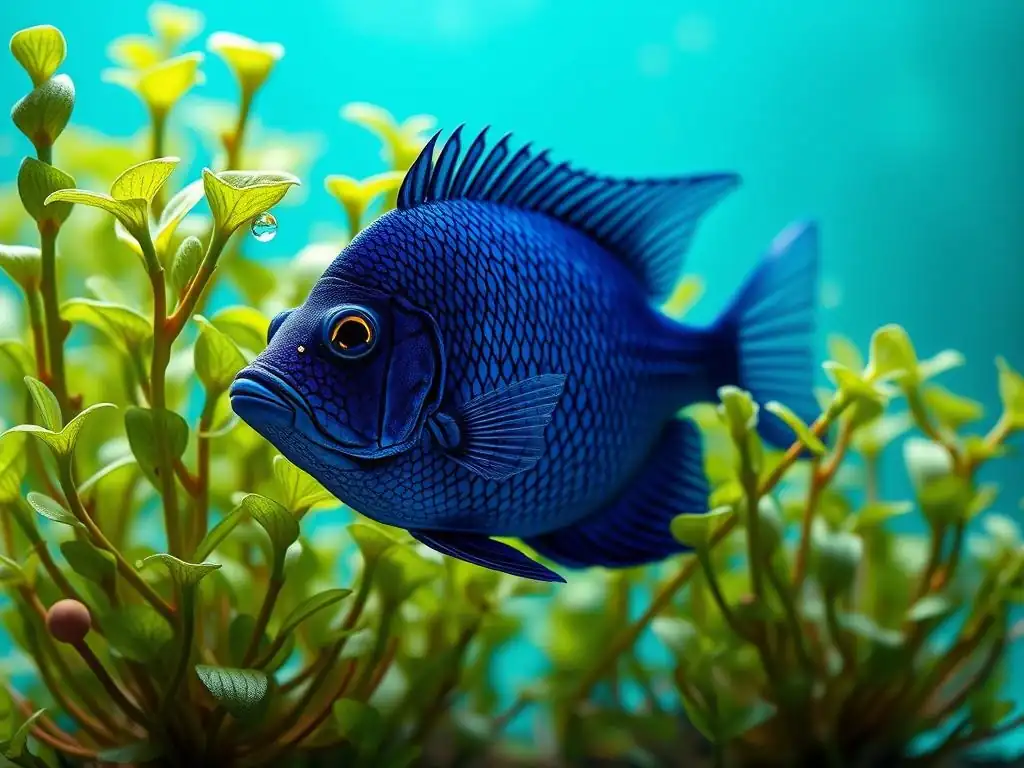
For successful Oscar tank plant compatibility, integrating substantial rockwork and driftwood is not only aesthetically pleasing but also highly functional. Large, smooth river stones, slate, or basalt rocks can be arranged to create caves, territories, and natural barriers for the Oscars. These heavy elements are less likely to be moved by the fish and provide excellent anchor points for plants like Anubias and Java Fern, which can be tied or glued directly onto their surfaces.
Driftwood, particularly sturdy pieces like Malaysian or Mopani wood, adds a naturalistic touch and releases beneficial tannins, which can slightly lower pH and provide a more natural environment. Like rocks, driftwood serves as an ideal substrate for epiphytic plants, keeping them out of the reach of digging Oscars. Ensure all rockwork and driftwood are thoroughly cleaned and inert to avoid altering water chemistry negatively, contributing to a stable environment for Oscar tank plant compatibility.
Artificial Plants: Durable and Easy to Maintain
While live plants offer numerous benefits, achieving consistent Oscar tank plant compatibility can be a significant challenge for some aquarists. In such cases, high-quality artificial plants provide an excellent, maintenance-free alternative. Modern artificial plants, particularly those made from silk or soft plastic, can mimic the appearance of live plants very convincingly, offering a lush green backdrop without any of the associated difficulties.
The primary advantage of artificial plants is their complete immunity to Oscar damage; they cannot be uprooted, eaten, or shredded. They require no specific lighting, fertilization, or water parameters, simplifying tank maintenance. When selecting artificial plants, always opt for those made from non-toxic materials with soft edges to prevent any potential injury to the fish. They offer a durable and visually appealing solution for aquarists who prioritize the Oscar's robust nature over the complexities of live plant care.
Conclusion: Balancing Aesthetics and Oscar Needs
Creating a Thriving Ecosystem in Your Oscar Tank
Achieving Oscar tank plant compatibility is indeed a reality, not a myth, though it demands a strategic and informed approach. It involves a delicate balance between the aesthetic desires of the aquarist and the inherent, powerful behaviors of Oscar fish. By carefully selecting hardy, resilient plant species like Anubias, Java Fern, and robust Amazon Swords, and employing secure planting strategies such as anchoring to hardscape or utilizing deep, heavy substrates, aquarists can create a more natural and enriching environment for their large cichlids.
Ultimately, a thriving Oscar tank with live plants is a testament to the aquarist's dedication and understanding of their fish's needs. It requires consistent water quality management, appropriate fertilization, and adequate lighting to ensure both plant and fish health. While challenges will undoubtedly arise, the reward of a dynamic, visually appealing, and biologically balanced ecosystem where Oscars can thrive alongside living greenery makes the effort worthwhile. Successful Oscar tank plant compatibility enhances the well-being of the fish and provides a captivating display for the observer.
Frequently Asked Questions
What are the biggest challenges when keeping plants with Oscars in a tank?
Oscars are notorious for being destructive diggers and plant eaters. This makes it challenging to maintain a planted tank with them, as they often uproot or consume the vegetation.
Are there any types of plants that are known to be Oscar-proof?
While no plant is truly "Oscar-proof," some robust species like Anubias and Java Fern attached to driftwood or rocks are more likely to survive. These are generally less palatable and more difficult to uproot.
How can I protect plants from being uprooted by my Oscar?
Secure plants by attaching them to hardscape such as rocks or driftwood. You can also use plant weights or bury the roots deeply, protecting them with rocks or mesh.
What water parameters are important to consider when choosing plants for an Oscar tank?
Oscars prefer a slightly acidic to neutral pH (around 6.0-7.5) and a water temperature between 72-78°F. Choose plants that can tolerate these conditions for optimal growth.
Besides choosing hardy plants, what other strategies can help ensure success with plants in an Oscar tank?
Overfeeding can lead to increased algae growth, competing with plants for nutrients. Providing adequate lighting and using plant fertilizers sparingly can also help plants thrive despite the challenges.
Final Reflection: Cultivating Harmony in the Oscar's Realm
The exploration of Oscar tank plant compatibility, as we've seen, isn't just about aesthetics; it's about creating a thriving and balanced ecosystem for these magnificent fish. The myths surrounding plant survival in Oscar tanks are persistent, but understanding the realities allows aquarists to move beyond mere survival and towards genuine enrichment for their aquatic companions.
This journey into the world of Oscar-friendly flora has underscored the importance of informed decision-making in aquascaping. My own experience observing the positive impact of carefully selected plants on Oscar behavior and water quality has been profoundly rewarding. It highlights the fact that responsible fishkeeping extends beyond basic needs and into the realm of environmental enrichment. The best aquarium is not just a display case, but a miniature ecosystem.
This quote perfectly encapsulates the shift in perspective needed to truly appreciate the symbiotic potential of plants and fish.
Now, as you consider your own Oscar tank, I invite you to reflect on the possibilities. Don't be deterred by the myths; instead, embrace the challenge of creating a vibrant and harmonious environment. Plant a seed of curiosity, nurture your knowledge, and watch as your Oscar's world blossoms into a truly captivating underwater landscape.
Unleash Your Oscar's Dreamscape!
Thank you for diving into the world of Oscar tanks and plant compatibility! We hope you found clarity and inspiration to create a vibrant habitat for your finned friend. Now, let's turn that knowledge into action!
Here are some steps you can take right now:
- Start small! Introduce one hardy plant species like Anubias or Java Fern, securely attached to rocks or driftwood, and observe your Oscar's interaction.
- Share your newfound wisdom! Tell fellow Oscar enthusiasts in online forums about the surprising plant options you've discovered.
- Document your journey! Take before-and-after photos of your tank to track plant growth and Oscar behavior.
What's the first plant you're daring enough to introduce to your Oscar's kingdom?