
Are Platies Good Community Fish? Building a Harmonious Tank

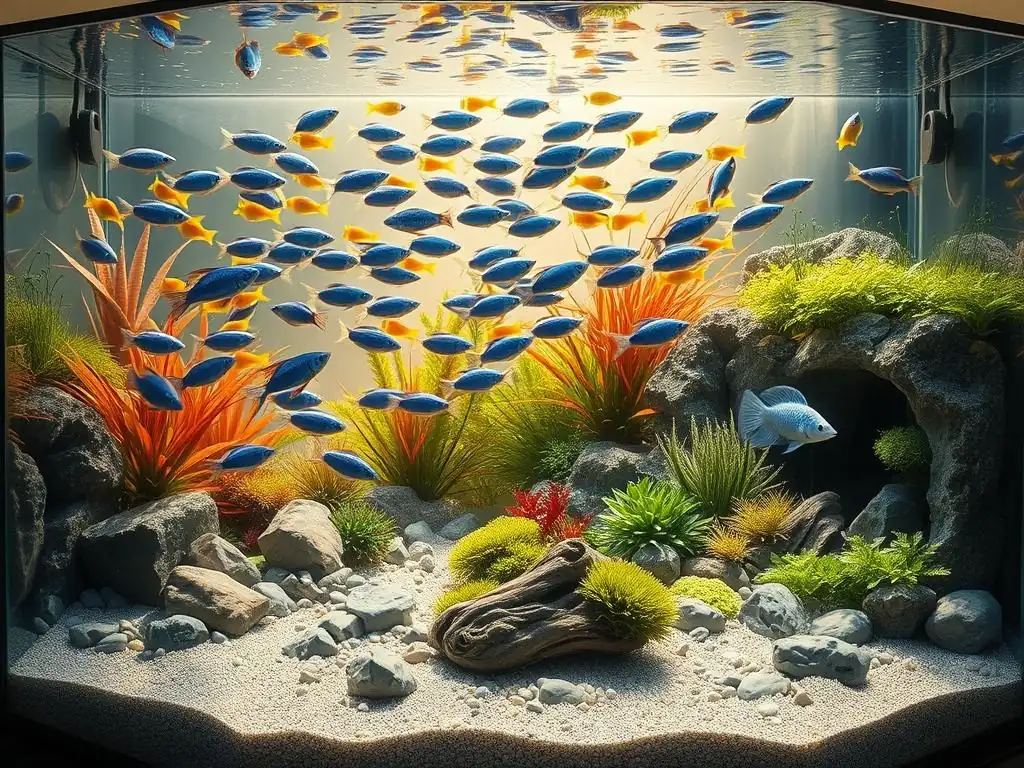
Welcome to Aquarium Mastery!
Ever wondered if those vibrant Platies you admire would thrive in a community tank? Dive into our latest guide and unlock the secrets to creating a harmonious ecosystem! Discover everything you need to know about Platies community tank compatibility, from choosing the right tank mates to maintaining optimal water conditions. Prepare to build a thriving aquatic paradise!
- Platies Community Tank Compatibility Guide: Introduction
- Assessing Platy Temperament for Community Tank Setups
- Ideal Platy Tank Mates: Creating a Balanced Ecosystem
- Essential Platy Tank Requirements for Community Success
- Feeding Platies in a Community Aquarium
- Breeding Platies in a Community Tank: Challenges and Solutions
- Monitoring Platy Health in a Community Environment
- Troubleshooting Common Issues in Platy Community Tanks
- Conclusion: Building a Thriving and Harmonious Platy Community Tank
-
Frequently Asked Questions
- Are Platies truly good community fish, or are there specific tank setups where they thrive best?
- What are the most crucial factors to consider when determining the compatibility of platies with other fish species in a community tank?
- Can you elaborate on the ideal tank size and water parameters for a successful platies community tank?
- What are some common signs that platies are not compatible with their tank mates in a community aquarium, and how can these issues be addressed?
- How important is plant selection in a platies community tank, and what types of plants are most beneficial for their well-being and the overall ecosystem?
- Final Reflection: Cultivating Harmony in the Aquarium
- Ignite Your Aquarium Dreams!
Platies Community Tank Compatibility Guide: Introduction
Understanding Platy Fish: A Brief Overview for Community Tanks
Platy fish, primarily Xiphophorus maculatus and Xiphophorus variatus, are small, vibrant livebearers originating from the freshwater systems of Central America and Mexico. Renowned for their hardiness and diverse array of color morphs, such as the popular Mickey Mouse Platy or Sunburst Platy, they have become a staple for both novice and experienced aquarists. Their active swimming patterns and generally docile nature make them an excellent choice for a wide range of freshwater setups, serving as a cornerstone for many community tank discussions.
These charming fish typically grow to an adult size of 1.5 to 2.5 inches (approximately 4 to 6 cm), making them suitable for tanks of various dimensions without imposing an excessive bioload. Their adaptability to a spectrum of water conditions, combined with their engaging behavior, contributes significantly to their appeal. When considering a Platies community tank, their small stature and peaceful disposition are key factors that often place them at the top of an aquarist's list.
Benefits of Including Platies in a Freshwater Community Aquarium
The inclusion of Platies in a freshwater community aquarium brings numerous advantages beyond their aesthetic appeal. Their continuous activity and schooling behavior add dynamic movement and visual interest, transforming a static tank into a lively aquatic ecosystem. Platies are also known to graze on algae and consume small amounts of uneaten food, subtly contributing to the overall cleanliness and maintenance of the aquarium environment.
Furthermore, their generally peaceful temperament helps to foster a calm and stable environment within the tank, reducing stress for other compatible species. This makes them ideal candidates for a comprehensive Platies community tank compatibility guide, as they rarely initiate conflict and often coexist harmoniously with a variety of other non-aggressive fish. Their relatively low maintenance requirements for their size also mean they integrate smoothly into established care routines.
Assessing Platy Temperament for Community Tank Setups
Platy Behavior in a Community Setting: Peaceful or Problematic?
Platy fish are widely celebrated for their peaceful and sociable nature, making them excellent candidates for a bustling community tank. They thrive when kept in groups of three or more, ideally with a recommended male-to-female ratio of 1 male for every 2-3 females. This specific ratio helps to disperse the males' natural breeding urges, preventing any single female from being overly harassed, thus promoting a more tranquil environment for all inhabitants of the Platies community tank.
While generally docile, isolated instances of chasing or minor fin-nipping can occur, though these are typically not severe or persistent. Such behaviors are often symptomatic of underlying issues such as overcrowding, insufficient hiding spots, or an imbalanced sex ratio. Understanding these nuances is crucial for maintaining a harmonious ecosystem and ensures that Platies remain a beneficial addition rather than a source of stress.
Potential Issues: Recognizing and Mitigating Aggression
Recognizing the subtle signs of aggression in Platies is vital for timely intervention. These signs may include persistent chasing, nipped fins, a fish constantly hiding, or a noticeable fading of colors due to stress. Male platies, in particular, can exhibit excessive pursuit of females for breeding purposes, which, while natural, can become stressful if not managed correctly within the Platies community tank.
To mitigate such issues, several strategies can be employed. Firstly, ensuring the correct male-to-female ratio (e.g., 1 male to 2-3 females) is paramount. Providing ample hiding spots and visual barriers through dense live plants (like Java Moss or Anubias) and varied aquarium decor can help break up lines of sight and establish individual territories. Additionally, ensuring the tank is adequately sized for its inhabitants prevents overcrowding, a common trigger for stress and aggression. Avoiding known aggressive or fin-nipping tank mates is also a critical preventative measure.
Ideal Platy Tank Mates: Creating a Balanced Ecosystem
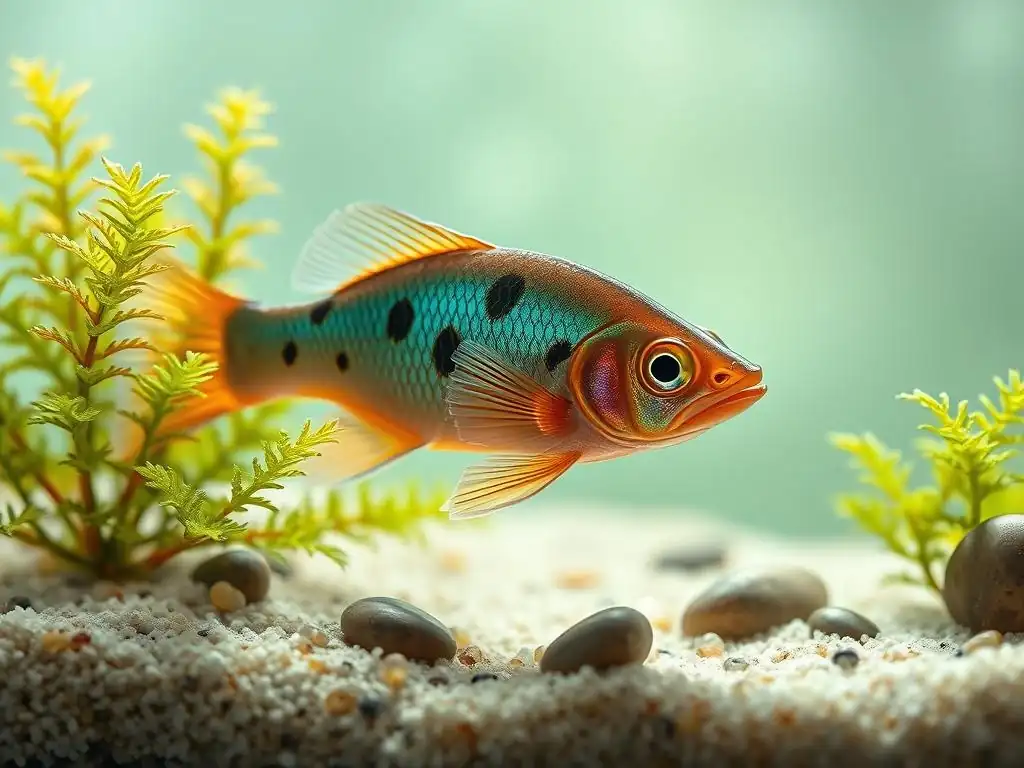
Compatible Fish for Platies: A Guide to Peaceful Coexistence
Creating a thriving Platies community tank hinges on selecting compatible tank mates that share similar water parameter requirements and a peaceful disposition. Excellent choices include other small, non-aggressive livebearers such as Guppies and peaceful Mollies (though Mollies often prefer slightly harder water). Small schooling fish like Neon Tetras, Cardinal Tetras, Ember Tetras, and Rummy Nose Tetras are also ideal, adding complementary color and activity without posing a threat.
Bottom-dwelling species such as Corydoras catfish (e.g., Panda Corydoras or Bronze Corydoras) and Otocinclus catfish are also highly compatible, occupying different tank levels and thus reducing competition for space. Peaceful Rasboras, like Harlequin Rasboras or Chili Rasboras, and smaller, placid Gouramis, such as Dwarf Gouramis, can also make excellent additions. The key is to choose species that reach a similar adult size (typically under 3 inches or 7.5 cm) and have calm temperaments, ensuring a balanced and stress-free environment for all inhabitants.
Fish to Avoid Housing with Platies: Preventing Conflict and Stress
To prevent conflict and stress in a Platies community tank, it is equally important to identify and avoid incompatible fish species. Any fish that are significantly larger, overly aggressive, or known fin-nippers should be excluded. This includes most Cichlids, such as African Cichlids or larger South American species like Oscars, which are predatory and will view Platies as food.
Similarly, notorious fin-nippers like Tiger Barbs, despite their size, can cause significant stress and injury to Platies due to their aggressive schooling behavior. Larger, more boisterous Gouramis, such as Kissing Gouramis, can also be problematic. Furthermore, avoid species with vastly different water parameter requirements; for example, fish that demand very soft, acidic water (like some Discus strains) would not thrive in the harder, more alkaline water preferred by Platies. Housing incompatible species inevitably leads to chronic stress, disease, and potential fatalities within the community.
Essential Platy Tank Requirements for Community Success
Tank Size: Ensuring Adequate Space for Platies and Tank Mates
The cornerstone of a successful Platies community tank is providing adequate space. While a small group of 3-5 Platies can technically survive in a 10-gallon (approximately 38 liters) aquarium, this size offers minimal room for additional tank mates and can quickly lead to overcrowding, stress, and aggression. For a thriving community setup, a minimum tank size of 20-gallon long (approximately 76 liters) or preferably a 29-gallon (approximately 110 liters) is highly recommended.
Larger tanks provide more stable water parameters, reduce territorial disputes, and offer ample swimming space for Platies and their tank mates. For every additional inch of fish (beyond the initial stock), consider adding at least 1 gallon of water volume. This general guideline helps ensure that all inhabitants have sufficient room to explore, hide, and establish their own territories, leading to a much healthier and more harmonious environment.
Water Parameters: Maintaining Optimal Conditions for a Healthy Community
Maintaining stable and optimal water parameters is critical for the health and longevity of Platies and their tank mates. Platies thrive in slightly alkaline to neutral water with moderate hardness, mimicking their natural habitats. The ideal pH range is between 7.0 and 8.0. Water hardness, measured as General Hardness (GH), should be between 10 and 25 dGH (approximately 180-450 ppm), and Carbonate Hardness (KH) between 10 and 15 dKH (approximately 180-270 ppm).
The optimal temperature range for a Platies community tank is 72-78°F (22-26°C). Consistency in these parameters is far more important than hitting exact numbers, as sudden fluctuations can cause significant stress. Regular water testing (e.g., weekly or bi-weekly) for ammonia, nitrite, and nitrate is essential. Ammonia and nitrite levels should always be 0 ppm, while nitrates should be kept below 20 ppm through consistent partial water changes and proper filtration.
Tank Setup: Plants, Decorations, and Substrate for a Platy Community Tank
The physical setup of a Platies community tank plays a crucial role in the well-being and behavior of its inhabitants. For substrate, fine gravel or sand is suitable, offering a natural aesthetic and being easy to clean. Decorations should be strategically placed to provide ample hiding spots and visual barriers, which are particularly important for reducing stress and aggression among Platies and their tank mates. Driftwood, smooth rocks (ensure they don't significantly alter water chemistry if aiming for specific parameters), and artificial decor can all serve this purpose effectively.
Live plants are highly recommended for a Platies community tank. They not only enhance the aesthetic appeal but also contribute significantly to water quality by absorbing nitrates and providing oxygen. More importantly, dense planting, especially with species like Java Moss, Anubias, Amazon Sword, or Cryptocoryne, offers crucial hiding spots for fry and less dominant fish. Floating plants such as Dwarf Water Lettuce or Frogbit can also provide shade and security, further enriching the environment.
Feeding Platies in a Community Aquarium
Nutritional Needs: Providing a Balanced Diet for Platies and Tank Mates
Platies are omnivores with a diverse diet requirement, and meeting these needs is essential for their health and vibrant coloration within a community tank. A high-quality flake or pellet food specifically formulated for tropical fish should form the staple of their diet, accounting for approximately 60-70% of their daily intake. This ensures they receive essential vitamins and minerals.
To supplement their diet and provide crucial protein, offer live or frozen foods such as brine shrimp, daphnia, or bloodworms a few times a week, making up about 10-20% of their food. Additionally, Platies are known to graze on algae and vegetable matter; therefore, incorporating spirulina flakes, blanched zucchini, or shelled peas (10-20% of their diet) is beneficial. A varied diet not only caters to the Platies' needs but also often benefits many compatible tank mates, ensuring comprehensive nutrition for the entire community.
Feeding Strategies: Preventing Overfeeding and Ensuring Fair Distribution
Effective feeding strategies are crucial in a Platies community tank to prevent overfeeding and ensure all inhabitants receive their fair share. It is recommended to feed small amounts 2-3 times a day, only providing what the fish can consume within 2-3 minutes. Overfeeding is a common mistake that leads to deteriorated water quality due to uneaten food decaying, contributing to spikes in ammonia and nitrite, and promoting algae growth.
In a community setting with various species, competitive eating can be an issue. If some tank mates are particularly aggressive eaters, consider distributing food in multiple locations across the tank to ensure that shyer or slower-eating fish, including your Platies, get access. For bottom-dwelling tank mates like Corydoras, supplementing with sinking pellets or wafers after the initial feeding ensures they also receive adequate nutrition, maintaining a balanced and healthy ecosystem.
Breeding Platies in a Community Tank: Challenges and Solutions
Fry Survival: Protecting Platy Fry in a Community Aquarium
Platies are famously prolific livebearers, meaning they give birth to live, free-swimming fry rather than laying eggs. While this makes breeding them relatively straightforward, ensuring fry survival in a community tank presents a significant challenge. In most community setups, the vast majority of platy fry will be consumed by adult fish, including their own parents, as well as other tank mates, due to natural predatory instincts.
To increase the chances of fry survival, strategic tank setup is essential. Providing dense, bushy plant cover, such as ample Java Moss, guppy grass, or floating plants like Water Sprite, offers crucial hiding spots where the tiny fry can seek refuge from predators. While this improves survival odds, for a high survival rate, isolating pregnant females into a separate breeding box or a dedicated "fry tank" before birth is often necessary, allowing the fry to grow large enough to safely reintroduce to the main Platies community tank.
Population Control: Managing Platy Reproduction in a Community Tank
Given their prolific breeding habits, managing platy reproduction in a community tank is a key aspect of a comprehensive Platies community tank compatibility guide. A single female platy can give birth to anywhere from 20 to 80 fry approximately every 20-30 days, and they can store sperm for several months, meaning a female can continue to produce multiple batches of fry even without a male present. Without intervention, a platy population can quickly overwhelm a tank, leading to overcrowding and poor water quality.
Natural predation by other fish in the community tank often serves as an effective, albeit sometimes difficult to witness, method of population control. If overpopulation becomes a concern, and natural predation isn't sufficient, options include rehoming excess fish to other aquarists or local fish stores. While some aquarists consider introducing mildly predatory but compatible fish to control fry, this method is not always reliable and carries risks to the fry, so it's generally recommended to manage population through rehoming or by carefully controlling the male-to-female ratio to reduce breeding frequency.
Monitoring Platy Health in a Community Environment
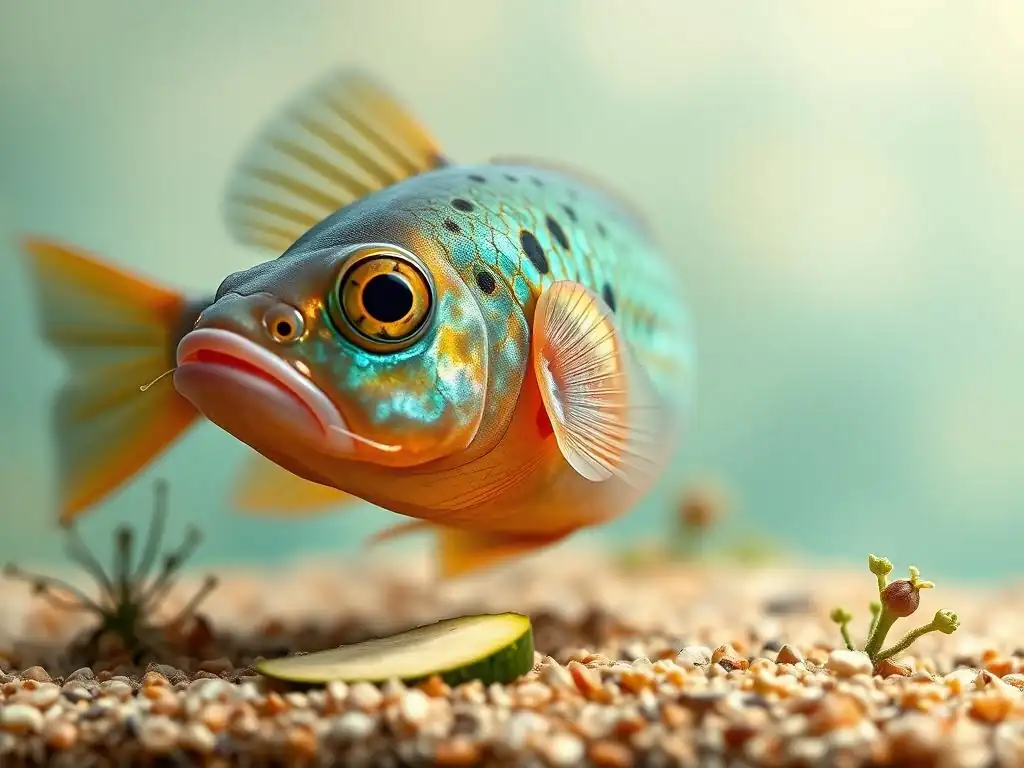
Recognizing Illness: Early Detection and Treatment in Platies
Vigilant monitoring of your Platies' health is paramount, especially in a community tank where diseases can spread rapidly. Common signs of illness in Platies include clamped fins (held close to the body), lethargy or unusual inactivity, loss of appetite, abnormal swimming patterns (e.g., darting, rubbing against decor, struggling to stay upright), and noticeable changes in appearance such as faded colors, white spots (Ich), fungal growths (cotton-like patches), or open sores. Daily observation during feeding times is an excellent opportunity for early detection.
Upon noticing any of these symptoms, prompt action is crucial. If possible, isolate the affected Platy in a separate quarantine tank to prevent the potential spread of disease to other inhabitants of the Platies community tank and to administer targeted treatment without affecting the main display. Early detection and swift treatment significantly increase the chances of recovery and safeguard the health of the entire aquarium.
Disease Prevention: Maintaining a Healthy Community Aquarium
The most effective approach to managing fish health in a Platies community tank is proactive disease prevention. Consistent and regular partial water changes, typically 25-30% weekly, are fundamental for removing accumulated nitrates and other waste products that can stress fish and compromise their immune systems. Ensuring the aquarium has adequate filtration for its size and bioload, along with regular filter maintenance, is also vital for maintaining pristine water quality.
Avoiding overfeeding is another critical preventative measure, as uneaten food quickly degrades and fouls the water. Furthermore, quarantining all new fish for a period of 2-4 weeks in a separate tank before introducing them to the main Platies community tank is highly recommended. This practice helps to prevent the introduction of new pathogens or parasites that could decimate an otherwise healthy established community. Maintaining stable water parameters and avoiding sudden temperature or pH swings also significantly reduces stress, making fish less susceptible to illness.
Troubleshooting Common Issues in Platy Community Tanks
Addressing Aggression: Solutions for Conflict Resolution
Even in a well-planned Platies community tank, occasional aggression or bullying can arise. If you observe persistent chasing, fin nipping, or a particular fish being constantly harassed, the first step is to assess the tank's environment. Often, aggression stems from overcrowding or an imbalanced male-to-female ratio. Ensure you have at least 2-3 females per male platy to diffuse male attention.
Adding more live plants or decor to create additional hiding spots and visual breaks can effectively reduce conflict by breaking up lines of sight and providing refuge for targeted fish. If a specific aggressor is identified, temporarily removing and then reintroducing it (or the bullied fish) might sometimes reset territories. In severe cases, or if the tank size is genuinely insufficient for its inhabitants, rehoming certain fish may be the only long-term solution to restore harmony.
Maintaining Water Quality: Ensuring a Healthy Environment
Poor water quality is arguably the most common and detrimental issue in any aquarium, including a Platies community tank. Elevated levels of ammonia and nitrite (which should always be 0 ppm) or high nitrates (above 20 ppm) are direct indicators of compromised water quality. These conditions cause severe stress, weaken fish immune systems, and can lead to widespread disease outbreaks.
Immediate action is required if water parameters are off: perform a significant partial water change (e.g., 50%) to dilute toxins. Review your feeding habits to ensure you are not overfeeding, and regularly vacuum the gravel to remove decaying organic matter. Confirm your filter is adequately sized for your tank's bioload and that it's functioning optimally, performing routine maintenance on filter media. Consistent weekly water changes (25-30%) and regular testing are the pillars of maintaining a healthy and stable aquatic environment for your Platies and their tank mates.
Conclusion: Building a Thriving and Harmonious Platy Community Tank
Advantages of a Well-Planned Platy Community Aquarium
A well-planned Platies community aquarium offers a multitude of advantages that make it a rewarding endeavor for aquarists. Platies, with their vibrant colors, active demeanor, and generally peaceful nature, serve as excellent focal points, adding dynamic beauty to any freshwater setup. Their relatively straightforward care requirements, combined with their hardiness, make them accessible even for those new to the hobby.
When integrated into a thoughtfully designed environment with compatible tank mates and appropriate tank parameters, a Platies community tank becomes a vibrant, self-sustaining ecosystem. It provides a constant source of visual enjoyment and offers aquarists the satisfaction of nurturing a diverse and harmonious aquatic world. This comprehensive Platies community tank compatibility guide aims to empower aquarists to unlock the full potential of these delightful fish.
Further Resources: Expanding Your Knowledge of Platy Care
To further enhance your mastery of aquarium keeping and ensure the continued success of your Platies community tank, it is beneficial to delve deeper into specific areas of aquatic knowledge. Exploring detailed profiles of various platy varieties, such as the Wagtail Platy or Pineapple Platy, can offer insights into their unique needs and characteristics.
Additionally, expanding your understanding of freshwater plant care, including nutrient dosing and CO2 supplementation, can significantly improve the health and aesthetic appeal of your planted tank, benefiting all inhabitants. Delving into advanced water chemistry topics, such as the nitrogen cycle and the role of various minerals, will provide a deeper appreciation for maintaining optimal water quality and preventing common issues. Continuous learning is key to cultivating a truly thriving and harmonious aquatic environment.
Frequently Asked Questions
Are Platies truly good community fish, or are there specific tank setups where they thrive best?
Platies are generally good community fish due to their peaceful nature. They thrive best in tanks with other non-aggressive species and plenty of space. Avoid pairing them with fin-nippers or overly boisterous fish.
What are the most crucial factors to consider when determining the compatibility of platies with other fish species in a community tank?
The most crucial factors are the other fish's temperament, size, and environmental needs. Ensure all species are peaceful, similar in size, and require comparable water parameters.
Can you elaborate on the ideal tank size and water parameters for a successful platies community tank?
A minimum of 10 gallons is recommended for a small group of platies. Ideal water parameters include a temperature of 72-78°F, a pH of 6.8-7.8, and regular water changes to maintain water quality.
What are some common signs that platies are not compatible with their tank mates in a community aquarium, and how can these issues be addressed?
Signs of incompatibility include fin-nipping, stress, or hiding. Address these issues by separating aggressive fish, adding more hiding places, or adjusting the tank's stocking levels.
How important is plant selection in a platies community tank, and what types of plants are most beneficial for their well-being and the overall ecosystem?
Plant selection is very important. Plants provide hiding places, oxygenation, and natural filtration. Beneficial plants include Java moss, Anubias, and Amazon swords.
Final Reflection: Cultivating Harmony in the Aquarium
The exploration of platy compatibility, as detailed throughout this guide, isn't just about fish; it's about understanding the delicate balance of ecosystems, both natural and artificial. The principles of responsible fishkeeping, focusing on compatibility and creating a thriving environment, resonate far beyond the glass walls of an aquarium. They speak to the broader need for mindful interaction and harmonious coexistence in all aspects of life.
This journey into the world of platies and their potential tankmates has underscored the importance of careful planning and informed decision-making. Understanding the nuances of behavior and environmental needs is crucial, not only for the well-being of our aquatic companions but also for fostering a deeper appreciation for the interconnectedness of life. The greatness of a nation and its moral progress can be judged by the way its animals are treated.
- Mahatma Gandhi. This quote, though often applied to larger animals, holds equal weight when considering the lives of even the smallest creatures in our care.
Now, consider the lessons learned. Think about the patience and observation required to build a successful community tank. Reflect on how these principles of compatibility and mindful interaction can be applied to your own life, fostering more harmonious relationships and a deeper understanding of the world around you. Let the vibrant colors and peaceful interactions within your platy community tank serve as a constant reminder of the beauty and potential that arises from thoughtful coexistence.
Ignite Your Aquarium Dreams!
Thank you for diving into the fascinating world of platy compatibility! We hope this article has equipped you with the knowledge to create a thriving and peaceful community aquarium. Now, let's turn that knowledge into action.
- Boldly introduce platies to your community tank, following a slow and careful acclimation process! Ensure your water parameters are stable and consistently monitored for a smooth transition.
- Share your experiences and tank setups with other aquarium enthusiasts in online forums or social media groups. Your insights can help others build successful community tanks.
- Explore breeding platies with safe tankmates: Consider the fun and challenge of breeding platies with other peaceful fish like corydoras catfish and ember tetras in a separate breeding tank!
What surprising tank mate combination have you discovered works well with platies in your aquarium community? Share your tips in the comments below!