
Green Laser Corydoras: The Shimmering Enigma of the Corydoras World

Welcome to Aquarium Mastery!
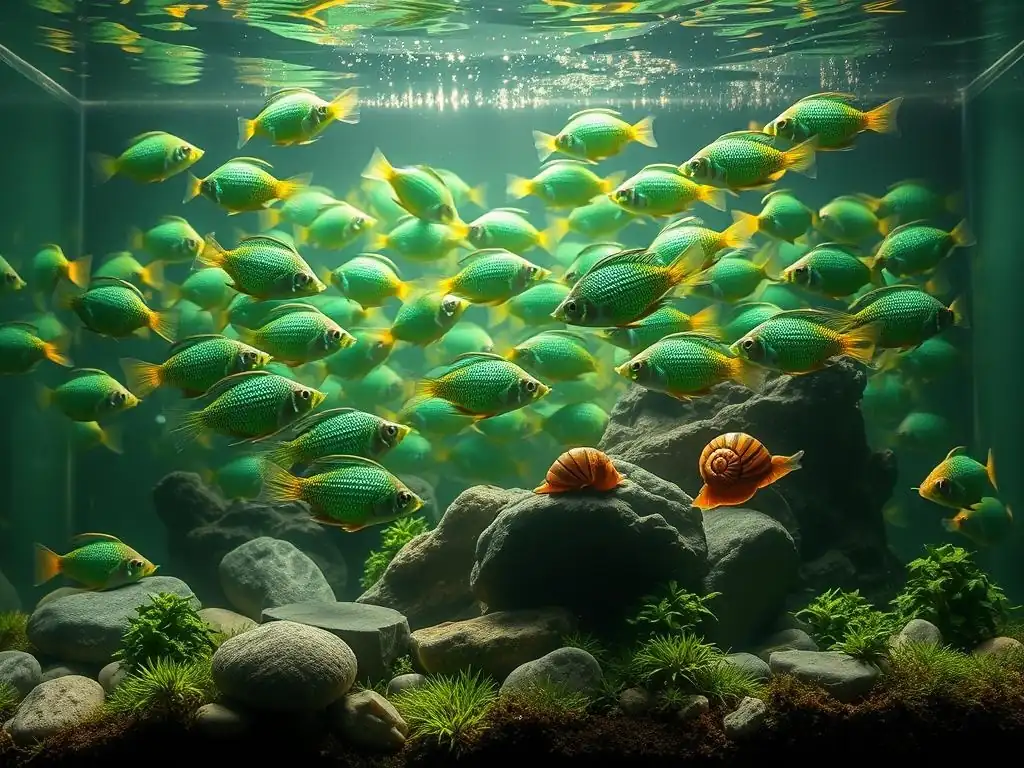
Intrigued by the shimmering emerald scales and captivating personality of the Green Laser Corydoras? Dive in and unlock the secrets to successfully keeping these miniature marvels! This guide provides essential Green Laser Corydoras care tips, unraveling the mysteries behind their vibrant health and happiness. Discover everything you need to know about creating the perfect environment, from ideal tank mates to optimal water parameters. Ready to bring the magic of the Amazon into your aquarium? Let's begin!
- Unveiling the Green Laser Corydoras: An Introduction to Corydoras aeneus 'Green Laser'
- Green Laser Corydoras Care Tips: Creating the Ideal Habitat
- Feeding Your Green Laser Corydoras: A Nutritional Guide
- Green Laser Corydoras Tank Mates: Compatibility and Community Tank Setup
- Green Laser Corydoras Behavior and Social Needs
- Green Laser Corydoras Breeding: A Detailed Guide
- Common Health Issues in Green Laser Corydoras and Their Treatment
- Green Laser Corydoras vs. Other Corydoras Species
- Purchasing Green Laser Corydoras: Selecting Healthy Specimens
- The Allure of Green Laser Corydoras: Why They're a Popular Choice
- Conclusion: Mastering Green Laser Corydoras Care
-
Frequently Asked Questions
- What are the most important water parameters for Green Laser Corydoras?
- What is the ideal tank size for a group of Green Laser Corydoras?
- What type of substrate is best suited for Green Laser Corydoras?
- What kind of tank mates are compatible with Green Laser Corydoras?
- What are some common health issues that affect Green Laser Corydoras, and how can I prevent them?
- Final Reflection: Unveiling the Emerald Spark
- Unveil the Secrets: Become a Corydoras Connoisseur!
Unveiling the Green Laser Corydoras: An Introduction to Corydoras aeneus 'Green Laser'
The Green Laser Corydoras, scientifically known as Corydoras aeneus 'Green Laser' or often Corydoras aeneus 'Green Stripe', is a captivating variant of the popular Bronze Corydoras. Originating from the Amazon basin, particularly from tributaries in Peru, this specific morph is highly prized for its distinctive iridescent, emerald-green to golden-yellow stripe that runs along its lateral line, creating a "laser" effect under proper lighting. Growing to an average adult size of 2 to 2.5 inches (approximately 5-6 cm), these peaceful bottom dwellers add a unique shimmer to any freshwater aquarium.
Their popularity in the aquarium hobby stems not only from their stunning appearance but also from their docile nature and active foraging behavior. Unlike many other fish, Green Laser Corydoras are constantly sifting through the substrate, making them efficient tank cleaners and fascinating to observe. Their robust nature, combined with their gentle temperament, makes them an excellent choice for community tanks, appealing to both novice and experienced aquarists seeking a unique and hardy species.
Green Laser Corydoras Care Tips: Creating the Ideal Habitat
Tank Size Requirements for Green Laser Corydoras
When considering Green Laser Corydoras care tips, tank size is a primary factor. For a healthy school of at least six individuals, a minimum tank size of 20 gallons (approximately 75 liters) is recommended. While these fish are small, they are highly active and require ample floor space for foraging and social interaction, making a 20-gallon long aquarium often preferable to a standard 20-gallon high due to its greater footprint.
For a thriving group of 10-12 Green Laser Cories, a larger tank of 30 gallons (around 113 liters) or even a 40-gallon breeder (approximately 150 liters) is ideal. This increased volume provides more stable water parameters, reduces competition for food and space, and allows for more complex aquascaping that supports their natural behaviors. Adequate horizontal swimming and foraging space significantly contributes to their overall well-being and longevity.
Water Parameters: Maintaining Optimal Conditions for Green Laser Cories
Maintaining pristine and stable water parameters is crucial for successful Green Laser Corydoras care. These fish thrive in temperatures ranging from 72-78°F (22-26°C), with a slightly acidic to neutral pH between 6.0 and 7.5. Water hardness should ideally be kept soft to medium, typically within 2-15 dGH (approximately 35-268 ppm), mimicking their natural softwater habitats.
Consistency in these parameters is more important than hitting exact numbers at the extremes. Regular partial water changes, typically 25-30% weekly, are essential to remove nitrates and replenish trace minerals. A well-maintained filtration system that provides gentle flow, such as a sponge filter or a hang-on-back filter with a baffle, is highly recommended to ensure excellent water quality without creating strong currents that can stress these bottom-dwelling fish.
Substrate and Decor: Replicating Their Natural Environment
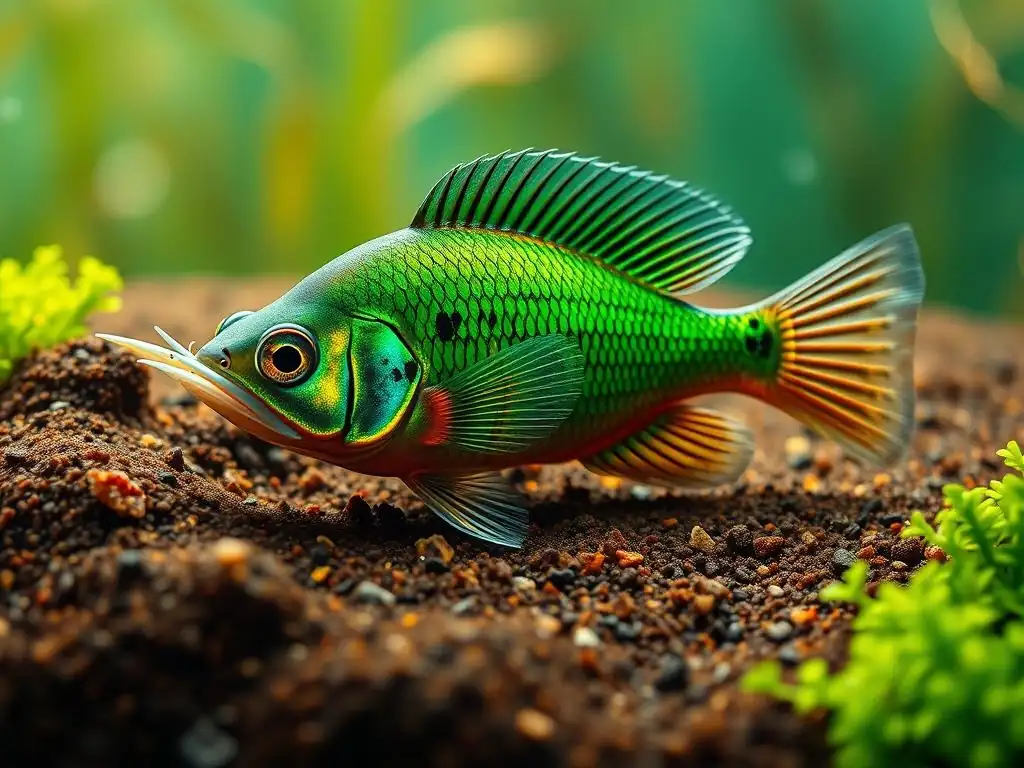
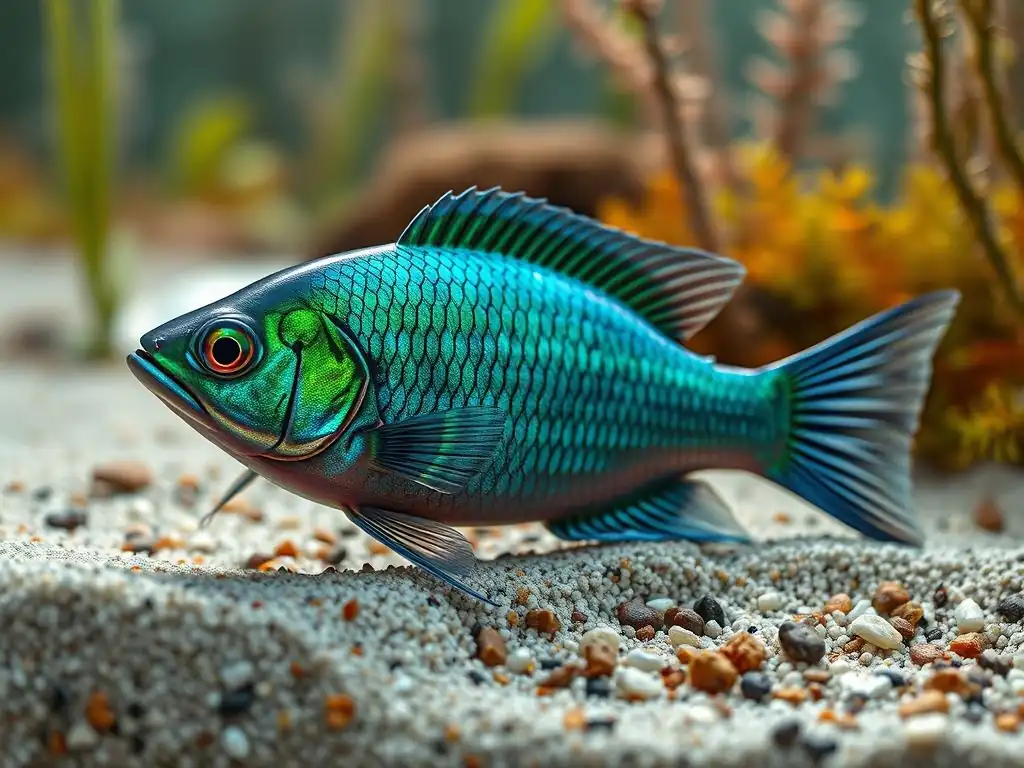
The choice of substrate is paramount for Green Laser Corydoras care tips. As bottom-feeders that constantly sift through the substrate with their delicate barbels, fine, soft sand is the only truly suitable option. Coarse or sharp gravel can abrade their barbels, leading to infection and permanent damage, which can severely impact their ability to forage and their overall health. A layer of at least 1-2 inches (2.5-5 cm) of sand allows them to exhibit natural digging behaviors.
Beyond substrate, replicating their natural environment with appropriate decor enhances their comfort and encourages natural behaviors. Provide plenty of hiding spots and shaded areas using smooth rocks, driftwood, and live plants. Densely planted areas with broad-leafed plants like Anubias, Java Fern, or various Cryptocoryne species offer excellent cover. Adding Indian almond leaves or other natural leaf litter can also be beneficial, releasing tannins that slightly lower pH and provide additional foraging surfaces, contributing to a more natural and enriching habitat.
Feeding Your Green Laser Corydoras: A Nutritional Guide
Optimal Diet for Green Laser Corydoras: What to Feed
A balanced and varied diet is fundamental to the health and vibrancy of your Green Laser Corydoras. As omnivores with a preference for meaty foods, their primary diet should consist of high-quality sinking foods designed for bottom dwellers. This includes sinking pellets, wafers, and granules that ensure the food reaches them before being consumed by mid-water or surface dwellers. Look for products specifically formulated for Corydoras or omnivorous bottom feeders, which typically contain a good blend of protein and plant matter.
Supplementing their staple diet with frozen and live foods is crucial for optimal nutrition and to stimulate their natural foraging instincts. Excellent choices include frozen bloodworms, brine shrimp, daphnia, and blackworms. Live foods such as grindal worms, micro-worms, or even small earthworms provide essential proteins and fats, significantly boosting their health and encouraging spawning behaviors. Aim to offer a variety of these foods throughout the week to ensure a complete nutritional profile.
Feeding Frequency and Portion Sizes for Healthy Cories
For adult Green Laser Corydoras, feeding once or twice daily is generally sufficient. The key is to provide small portions that can be entirely consumed within 5 to 10 minutes. Overfeeding can quickly lead to uneaten food decaying in the substrate, which in turn degrades water quality and can cause health issues for all tank inhabitants. It's often better to underfeed slightly than to overfeed.
Monitor the condition of your Green Laser Cories to adjust portion sizes. Healthy individuals should have a slightly rounded belly, indicating they are well-fed without being bloated. If you notice food remaining on the substrate after a short period, reduce the amount provided. Conversely, if your fish appear thin or are constantly scavenging, a slight increase in portion size or frequency might be necessary. Observing their feeding behavior will help you fine-tune their diet.
Supplementing Their Diet: Ensuring Complete Nutrition
While commercial foods provide a good base, supplementing their diet with a diverse range of items ensures they receive all necessary vitamins and minerals. Beyond the frozen and live options, occasionally offering blanched vegetables can be beneficial, though less critical than for herbivorous fish. Small pieces of blanched zucchini, cucumber, or shelled peas can be offered, though they may not be as readily consumed as meaty options.
The most effective way to ensure complete nutrition for Green Laser Corydoras is through a consistent rotation of different high-quality sinking pellets, various frozen foods, and live foods. For instance, offering sinking pellets in the morning and a small portion of frozen bloodworms in the evening, or rotating between different frozen and live options throughout the week, will provide the comprehensive diet needed for vibrant coloration, strong immune systems, and active behavior.
Green Laser Corydoras Tank Mates: Compatibility and Community Tank Setup
Best Tank Mates for Green Laser Corydoras: Peaceful Companions
Selecting appropriate Green Laser Corydoras tank mates is vital for a harmonious community aquarium. Given their peaceful and shy nature, they thrive alongside other small, non-aggressive fish that occupy different levels of the water column. Ideal companions include various small tetras such as Neon Tetras, Cardinal Tetras, Ember Tetras, or Rummy-Nose Tetras, which are active swimmers and add vibrant color without bothering the Cories.
Other excellent choices include peaceful rasboras like Harlequin Rasboras or Chili Rasboras, as well as small, docile gouramis such as Dwarf Gouramis. Small, non-aggressive species of rainbowfish can also be good tank mates. For other bottom dwellers, consider Otocinclus catfish or small, peaceful plecos like the Bristlenose Pleco, ensuring there is enough foraging space and food for all bottom inhabitants.
Fish to Avoid: Incompatible Tank Mates for Green Laser Cories
Certain fish species are incompatible with Green Laser Corydoras and should be avoided. Any large, aggressive, or predatory fish will stress out or potentially prey upon these small, peaceful Cories. This includes most cichlids (with the exception of very small, peaceful dwarf species), large or semi-aggressive barbs like Tiger Barbs, and larger gouramis that can become territorial.
Additionally, avoid very fast-moving or boisterous fish that might outcompete the Green Laser Cories for food, especially during feeding times when sinking foods are introduced. Fish known for nipping fins, such as certain types of tetras or barbs, should also be excluded, as they can cause stress and injury to the delicate fins of Corydoras. Prioritizing calm and similarly sized tank mates is a key Green Laser Corydoras care tip.
Creating a Harmonious Community Aquarium
To create a truly harmonious community aquarium with Green Laser Corydoras, planning and observation are key. Ensure the tank is adequately sized to accommodate all inhabitants without overstocking, providing ample space for swimming, hiding, and foraging. A well-planted tank with plenty of decor offers visual barriers and safe zones for all fish, reducing potential conflicts.
Introduce new fish slowly and observe interactions closely for the first few days or weeks. Maintain stable water parameters that are suitable for all species housed together, as fluctuations can cause stress and lead to aggression or disease. A balanced ecosystem with compatible tank mates will allow your Green Laser Cories to display their natural behaviors and thrive.
Green Laser Corydoras are highly social fish that exhibit strong shoaling behaviors. They are not solitary creatures and absolutely thrive when kept in groups. A minimum group size of six individuals is recommended, but a larger school of 10 or more will allow them to feel more secure, reduce stress, and display their most natural and fascinating behaviors, such as synchronized foraging and resting together.
Within their shoal, Green Laser Cories communicate and interact, often observed "chasing" each other playfully or resting in a tight cluster. Keeping them in insufficient numbers (e.g., fewer than six) can lead to extreme shyness, stress, and even a decline in health, as they lose the security and confidence that comes with being part of a larger group. Their iridescent stripe becomes even more pronounced when they are comfortable and actively shoaling.
Signs of a Happy and Healthy Green Laser Corydoras
Observing the behavior of your Green Laser Corydoras can provide valuable insights into their health and happiness. A healthy Green Laser Corydora is typically active, constantly sifting through the substrate with its barbels, displaying bright and vibrant coloration, and exhibiting clear eyes. Their "laser" stripe should be prominent and shimmering under the light, indicating good condition.
Other positive signs include regular schooling behavior, a good appetite, and responsive but not overly skittish reactions to movement outside the tank. They should have intact, healthy barbels and fins, without any signs of fraying or damage. A consistently active and well-colored group indicates that your Green Laser Corydoras care tips are being successfully implemented, leading to a thriving environment.
Common Behavioral Issues and Solutions
Behavioral issues in Green Laser Corydoras often stem from environmental stress or inadequate social conditions. Excessive hiding, lethargy, or a complete lack of activity are common signs of stress, which can be caused by poor water quality, unsuitable tank mates, or an insufficient group size. If your Cories are constantly hiding, check your water parameters immediately for ammonia, nitrite, and nitrate spikes, and consider increasing their group size.
Another common issue is rapid, erratic swimming or gasping at the surface. This typically indicates low oxygen levels or high levels of toxins (ammonia/nitrite) in the water. Immediate large water changes (e.g., 50%) and increased aeration are necessary to address these critical conditions. Ensuring stable water parameters and providing a secure, appropriately sized shoal are the best ways to prevent most behavioral problems and maintain robust Green Laser Corydoras health.
Green Laser Corydoras Breeding: A Detailed Guide
Setting Up a Breeding Tank for Green Laser Corydoras
Breeding Green Laser Corydoras can be a rewarding experience, and a dedicated breeding tank significantly increases success rates. A 10-gallon (approximately 38-liter) aquarium is generally sufficient for a breeding group. The tank should be equipped with a gentle sponge filter to prevent fry from being sucked in and ensure adequate biological filtration. The water should be soft (2-6 dGH) and slightly acidic (pH 6.0-6.8), with a temperature around 72-75°F (22-24°C).
Provide ample spawning surfaces within the tank. Broad-leafed live plants like Anubias or Cryptocoryne species, Java Moss, or artificial spawning mops are excellent choices for egg deposition. Conditioning the breeding group, typically 2 females to 3-4 males, with a high-protein diet of live and frozen foods (such as bloodworms, brine shrimp, and grindal worms) for 1-2 weeks prior to attempting breeding will maximize their readiness.
Spawning Behavior and Egg Care
Spawning in Green Laser Corydoras is often triggered by large, cool water changes (e.g., 50% change with water 5-10°F cooler than tank temperature) mimicking the onset of the rainy season, combined with a significant increase in high-protein live food. Males will chase females excitedly, and the characteristic "T-position" embrace will occur, where the male clasps the female's barbels with his pectoral fin.
The female will typically carry 1-4 eggs between her clasped pelvic fins and then deposit them onto a chosen surface – tank glass, plants, or decor. This process can repeat multiple times over several hours, with a single female laying anywhere from 20 to over 100 sticky eggs. Once spawning is complete, it is crucial to remove the adult fish from the breeding tank to prevent them from consuming the eggs. Adding a small amount of methylene blue or a few Indian almond leaves can help prevent fungal growth on the eggs.
Raising Green Laser Corydoras Fry: From Hatching to Juvenile
Green Laser Corydoras eggs typically hatch within 3 to 5 days, depending on temperature. The newly hatched fry are tiny and will absorb their yolk sac for the first 2-3 days, during which they do not require external feeding. After their yolk sacs are absorbed, it's critical to provide them with appropriate first foods.
Initial foods for Green Laser Corydoras fry include infusoria, very finely crushed fry food, or liquid fry food. Within a few days, they can progress to micro-worms and freshly hatched baby brine shrimp, which are excellent for rapid growth. Maintain pristine water quality with daily small water changes (10-20%) using temperature-matched, dechlorinated water. Consistent feeding and water quality are essential for raising the delicate fry to the juvenile stage.
Common Health Issues in Green Laser Corydoras and Their Treatment
Identifying Common Corydoras Diseases
Like all aquarium fish, Green Laser Corydoras can be susceptible to various health issues, with poor water quality being the leading cause of most ailments. Common diseases include Ich (Ichthyophthirius multifiliis), characterized by small white spots resembling salt grains on the body and fins. They can also suffer from bacterial infections, which may manifest as fin rot (frayed or decaying fins), ulcers, or red streaks on the body, and fungal infections, appearing as cotton-like growths.
Watch for behavioral changes such as lethargy, loss of appetite, clamped fins, rapid breathing, or unusual swimming patterns. Physical signs like discolored patches, bloating, or damaged barbels (often due to unsuitable substrate) are also indicators of potential health problems. Early detection is a vital Green Laser Corydoras care tip, as prompt treatment significantly improves prognosis.
Treating Bacterial and Fungal Infections
Upon identifying signs of bacterial or fungal infections, it's often best to isolate the affected Green Laser Corydora in a separate hospital tank. This prevents the spread of disease to other tank mates and allows for more targeted treatment without affecting the main display tank's biological filter or plants. Treat with appropriate broad-spectrum antibacterial or antifungal medications available at reputable fish stores, following the manufacturer's instructions precisely.
For Ich, gradual temperature increases (if compatible with other tank inhabitants, typically to 82-84°F or 28-29°C) combined with Ich-specific medications are usually effective. Always ensure excellent aeration during treatment, as some medications can reduce oxygen levels. Continue to perform small, regular water changes in the hospital tank to maintain water quality, which aids in the recovery process.
Preventing Health Problems in Your Green Laser Corydoras
Prevention is always better than cure, especially concerning Green Laser Corydoras health. The cornerstone of disease prevention is consistent, high-quality Green Laser Corydoras care. This includes performing regular partial water changes (e.g., 25-30% weekly), providing a balanced and varied diet, ensuring appropriate tank size and substrate, and selecting compatible tank mates to minimize stress.
Quarantining all new fish for at least 2-4 weeks in a separate tank before introducing them to your main display aquarium is a critical preventive measure. This practice helps to ensure that no diseases or parasites are introduced into your established community. Maintaining stable water parameters, avoiding overstocking, and providing a clean, stress-free environment are the most effective ways to keep your Green Laser Corydoras robust and healthy.
Green Laser Corydoras vs. Other Corydoras Species
Comparing Green Laser Corydoras to Bronze Corydoras
The Green Laser Corydoras is, in fact, a cultivated color morph of the common Bronze Corydoras ( Corydoras aeneus). The primary distinguishing feature is the unique iridescent green-to-gold stripe running along the lateral line of the Green Laser, which gives it its name and highly sought-after appearance. In contrast, the standard Bronze Corydoras typically exhibits a more uniform bronze, pinkish, or duller metallic sheen across its entire body, lacking the distinct "laser" stripe.
While their aesthetic differs significantly, their care requirements are almost identical. Both are peaceful, shoaling bottom dwellers that thrive in similar water parameters, tank setups, and diets. The Green Laser Cories' striking coloration makes them a more visually appealing choice for many aquarists, often commanding a higher price due to their specialized breeding and unique beauty compared to their more common Bronze relatives.
Distinguishing Green Laser Cories from Other Similar Species
Distinguishing Green Laser Cories from other Corydoras species with lateral markings requires close observation. For instance, the Panda Corydoras ( Corydoras panda) has distinct black patches around its eyes, on its dorsal fin, and at the base of its tail, lacking any iridescent stripe. The Bandit Corydoras ( Corydoras metae) features a prominent black mask across its eyes and a dark stripe on its dorsal fin, but again, no shimmering green or gold line.
The Green Laser Corydoras stands out due to its solid, continuous, and highly reflective metallic stripe. This iridescent line differentiates it from other Corydoras aeneus morphs that might have a slightly darker or lighter body but lack the intense, almost glowing lateral line. Always look for this distinct shimmering stripe to correctly identify a Green Laser Corydora.
Choosing the Right Corydoras for Your Aquarium
When selecting a Corydoras species for your aquarium, consider your tank's size, existing inhabitants, and your aesthetic preferences. Green Laser Corydoras are an excellent choice for beginners and experienced aquarists alike due to their hardiness and stunning appearance, provided their specific Green Laser Corydoras care tips regarding substrate and water quality are met.
If you are looking for a fish that provides a unique visual highlight and contributes to the cleanliness of your tank, the Green Laser Corydora is an ideal candidate. However, research the adult size, specific water parameter preferences, and temperament of any Corydoras species to ensure it will thrive in your particular aquarium setup and be compatible with your existing community fish.
Purchasing Green Laser Corydoras: Selecting Healthy Specimens
Where to Buy Green Laser Corydoras
When looking to add Green Laser Corydoras to your aquarium, reputable sources are key. Local fish stores (LFS) are often a good starting point, as you can visually inspect the fish and the store's overall conditions. Look for stores with clean tanks, active fish, and knowledgeable staff who can answer your questions about Green Laser Corydoras care.
Online retailers also offer Green Laser Cories, often providing a wider selection or specialized strains. If purchasing online, thoroughly research the seller's reputation, read customer reviews, and understand their shipping and live arrival guarantee policies. Ensure they use proper packing methods to minimize stress during transit. Avoid impulse buys from unkempt or questionable establishments, as this often leads to introducing unhealthy fish into your home aquarium.
Identifying Healthy Green Laser Corydoras at the Store
Identifying healthy Green Laser Corydoras at the point of purchase is crucial for their long-term well-being. Look for fish that are active and constantly sifting through the substrate, a clear sign of their natural behavior. Their eyes should be clear and bright, and their barbels should be intact and healthy, not eroded or damaged.
The "laser" stripe should be vibrant and well-defined, indicating good health and coloration. Avoid fish that are isolated, clamped-finned, gasping at the surface, or exhibiting any visible lesions, white spots, or fungal growths. A healthy Green Laser Corydora will have a slightly rounded belly and appear alert and responsive, not lethargic or emaciated.
Acclimation and Quarantine Procedures
Proper acclimation and quarantine are non-negotiable Green Laser Corydoras care tips for introducing new fish to your aquarium. Upon bringing them home, float the sealed bag in your tank for 15-20 minutes to equalize temperature. Then, use the drip acclimation method: slowly add tank water to the bag over 30-60 minutes until the water volume has doubled or tripled. This gradual process minimizes stress from changes in water parameters.
After acclimation, transfer the fish (but not the bag water) into a separate quarantine tank. This dedicated tank, usually 10-20 gallons, allows you to observe new Green Laser Cories for at least 2-4 weeks for any signs of disease without risking your main display tank's inhabitants. During quarantine, maintain pristine water quality and offer a good diet, treating any observed illnesses before introducing them to their permanent home.
The Allure of Green Laser Corydoras: Why They're a Popular Choice
The Green Laser Corydoras has captivated aquarists worldwide, solidifying its status as a popular choice for freshwater setups. Their most striking feature, the brilliant iridescent green or gold stripe that shimmers under aquarium lighting, provides an unparalleled visual spectacle. This unique "laser" effect adds a dynamic and captivating element to the lower strata of any tank, drawing the eye and enriching the overall aesthetic.
Beyond their mesmerizing beauty, Green Laser Cories are highly valued for their peaceful temperament, making them ideal inhabitants for diverse community aquariums. Their constant, inquisitive foraging behavior is not only entertaining to watch but also contributes to the cleanliness of the substrate by sifting through uneaten food and detritus. Relatively hardy and long-lived when provided with proper Green Laser Corydoras care tips, these shimmering enigmas offer a rewarding and beautiful addition to any aquarist's collection.
Conclusion: Mastering Green Laser Corydoras Care
Mastering Green Laser Corydoras care is an achievable and highly rewarding endeavor for any aquarist. These shimmering enigmas, with their captivating iridescent stripe and peaceful demeanor, bring a unique vibrancy to the freshwater aquarium. The key to their thriving lies in understanding and diligently applying specific Green Laser Corydoras care tips: providing ample space in a soft-sanded tank, maintaining pristine and stable water parameters, and offering a diverse, high-quality diet.
By ensuring they are kept in appropriate-sized shoals of six or more, selecting compatible tank mates, and adhering to strict quarantine protocols for new additions, you can minimize stress and prevent common health issues. With attention to these details, your Green Laser Corydoras will not only survive but truly flourish, displaying their full beauty and engaging behaviors for years to come, making them a truly enchanting addition to the world of Corydoras.
Frequently Asked Questions
What are the most important water parameters for Green Laser Corydoras?
Green Laser Corydoras thrive in slightly acidic to neutral water, with a pH of 6.0-7.0. Maintain a temperature between 72-78°F (22-26°C) and ensure excellent water quality with regular water changes to minimize nitrates.
What is the ideal tank size for a group of Green Laser Corydoras?
A minimum tank size of 20 gallons is recommended for a small group (6-8) of Green Laser Corydoras. This provides enough space for them to school and forage, reducing stress and promoting natural behaviors.
What type of substrate is best suited for Green Laser Corydoras?
Fine sand or smooth gravel are ideal substrates. These prevent damage to their delicate barbels while allowing them to sift through the substrate for food. Avoid sharp or coarse substrates.
What kind of tank mates are compatible with Green Laser Corydoras?
Green Laser Corydoras are peaceful and get along well with other peaceful community fish, such as tetras, rasboras, and other small, non-aggressive species. Avoid large or boisterous fish that may outcompete them for food.
What are some common health issues that affect Green Laser Corydoras, and how can I prevent them?
Common issues include bacterial infections and parasitic infestations. Prevent these by maintaining pristine water quality, quarantining new fish, and providing a varied diet. Observing your fish regularly for any signs of illness is crucial.
Final Reflection: Unveiling the Emerald Spark
The journey into understanding the Green Laser Corydoras, as we’ve explored, is more than just mastering Green Laser Corydoras care tips; it’s about appreciating the delicate balance within our aquariums and, by extension, the natural world. The vibrant shimmer of these fish serves as a constant reminder of the beauty and complexity hidden beneath the surface, urging us to become more responsible and informed aquarists.
This exploration has deeply resonated with me, highlighting the importance of responsible fishkeeping and the interconnectedness of our actions with the well-being of these captivating creatures. It’s a reminder that our choices, from tank setup to feeding habits, directly impact their lives. In the end, we will conserve only what we love; we will love only what we understand; and we will understand only what we are taught.
- Baba Dioum. This quote perfectly encapsulates the need for continuous learning and mindful engagement with the natural world, starting right in our own homes.
Now, I invite you to reflect on your own role in this delicate ecosystem. Consider how you can further enhance the lives of your Green Laser Corydoras, or any aquatic creatures under your care. Let the shimmering enigma of these fish inspire you to delve deeper into the art of responsible aquascaping, to advocate for sustainable practices, and to share your knowledge with others. By embracing this commitment, you become not just a fishkeeper, but a guardian of underwater beauty, ensuring that the emerald spark of the Green Laser Corydoras continues to illuminate our aquariums for generations to come.
Unveil the Secrets: Become a Corydoras Connoisseur!
Thanks for diving deep into the mesmerizing world of Green Laser Corydoras with us. We hope you found new appreciation for these shimmering gems of the aquarium! Now, let’s turn that appreciation into action:
- Embark on your journey! Research reputable breeders or local fish stores specializing in sustainably bred Green Laser Corydoras to ensure you're supporting ethical practices.
- Dive deeper into the Corydoras community! Share your newfound knowledge with fellow aquarium enthusiasts. Discuss your favourite Corydoras species on social media or forums.
- Consider documenting your journey! Start an aquarium journal to track the behavior and health of your Corydoras, contributing to the knowledge base of this fascinating species.
What's the first thing you'll do to bring a little Green Laser sparkle into your aquarium world?