
Advanced Biosecurity Measures for Your Tetra Breeding Room with Aquarium Mastery

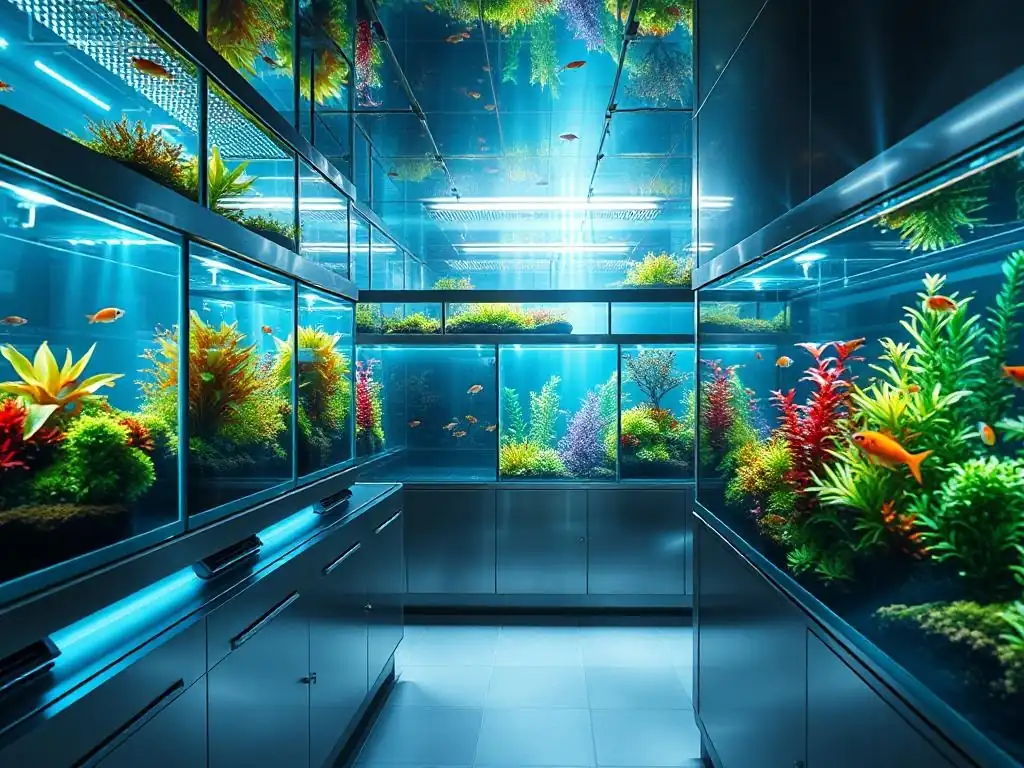
Welcome to Aquarium Mastery, your ultimate guide to thriving aquatic ecosystems!
Dive in and discover the secrets to a flourishing aquarium, whether freshwater or saltwater. Ever wondered how to safeguard your Tetra breeding room against unseen threats? Our latest article, "Advanced Biosecurity Measures for Your Tetra Breeding Room," unlocks the key to a healthy and productive environment. Ready to protect your precious Tetras and maximize your breeding success? Let's explore the often-overlooked world of biosecurity, and ensure your aquarium is a haven, not a hazard!
- Advanced Biosecurity Measures for Discus Breeding Room
- Introduction: Why Discus Breeding Room Biosecurity Matters
- Setting Up a Biosecure Discus Breeding Room: Key Considerations
- Core Biosecurity Protocols for Discus Breeding
- Controlling Entry into the Discus Breeding Room: Limiting Exposure
- Feeding Practices: Minimizing the Risk of Introducing Pathogens
- Waste Management: Maintaining a Clean and Healthy Environment
- Monitoring and Early Detection: Identifying Problems Early
- Record Keeping: Tracking Health and Biosecurity Measures
- Advanced Biosecurity Techniques for Sensitive Discus Species
- Training and Education: Ensuring Consistent Biosecurity Practices
- Conclusion: Mastering Biosecurity for Discus Breeding Success
-
Frequently Asked Questions
- How important is biosecurity for a Tetra breeding room?
- What are the primary sources of contamination in a Tetra breeding room?
- What specific cleaning agents are recommended for disinfecting Tetra breeding tanks?
- How often should I quarantine new Tetras before introducing them to the breeding room?
- What are some simple daily biosecurity practices I can implement in my Tetra breeding room?
- Final Reflection: Safeguarding the Future of Tetra Breeding
- Ignite Your Tetra Breeding Success Now!
Advanced Biosecurity Measures for Discus Breeding Room
Introduction: Why Discus Breeding Room Biosecurity Matters
Understanding the Risks: Disease Prevention in Discus Breeding
Discus, often hailed as the "King of the Aquarium," are highly sensitive cichlids that thrive in pristine water conditions and are particularly susceptible to a range of pathogens. In a dedicated discus breeding room, the concentration of fish in a confined space significantly elevates the risk of disease outbreaks.
For instance, a single infected fish introduced into a breeding setup can rapidly spread parasites like Hexamita (causing Hole-in-the-Head disease) or bacterial infections such as Columnaris, leading to devastating losses in fry and adult populations. A study on ornamental fish diseases indicated that bacterial infections account for approximately 40% of reported disease cases in aquaculture settings, underscoring the constant threat these pathogens pose to a delicate discus ecosystem.
Moreover, the stress associated with breeding, frequent water changes, and the sheer volume of biological activity can compromise the immune systems of discus, making them even more vulnerable. Without stringent biosecurity measures, even seemingly minor stress factors can trigger opportunistic infections.
For example, fluctuations in water parameters outside their ideal range (e.g., pH dropping below 6.0 or rising above 7.0, or temperatures deviating from 82-86°F/28-30°C) can weaken discus resilience. This highlights that disease prevention in a discus breeding room isn't just about avoiding external pathogens but also about maintaining optimal internal conditions that support robust fish health, thereby safeguarding the significant investment in time and resources dedicated to successful discus propagation.
The Importance of Biosecurity Protocols for Successful Discus Breeding
Implementing robust biosecurity protocols is not merely a recommendation but a fundamental pillar for achieving consistent success and profitability in discus breeding. These protocols act as a comprehensive defense system, minimizing the introduction and spread of diseases, which can decimate an entire breeding stock in a matter of days.
For commercial breeders, a major disease outbreak can result in a complete loss of fry batches, potentially hundreds or thousands of young discus, representing a financial setback of thousands of dollars, depending on the strain and age. Beyond monetary losses, the reputation of a breeder hinges on the health and quality of their fish, making biosecurity an essential component of brand integrity.
Furthermore, effective biosecurity ensures the long-term viability and genetic integrity of breeding lines. By preventing the constant battle against illness, breeders can focus on selective breeding for desirable traits such as color, finnage, and growth rate, rather than constantly treating sick fish.
For instance, a well-executed quarantine protocol can reduce the incidence of new disease introductions by over 90%, safeguarding existing healthy populations. This proactive approach not only reduces the need for costly and often stressful treatments but also allows for a more stable and predictable breeding cycle, crucial for meeting market demands and fostering a sustainable discus breeding operation, sharing many principles with successful tetra breeding room biosecurity practices.
Setting Up a Biosecure Discus Breeding Room: Key Considerations
Location, Location, Location: Choosing the Right Space for Discus Breeding
The selection of a dedicated space for a discus breeding room is the foundational step in establishing effective biosecurity. Ideally, this room should be isolated from general household traffic and other non-aquatic activities to minimize external contamination.
A basement or a separate outbuilding is often preferred, as it offers stable temperatures and reduced exposure to airborne contaminants like dust, pet dander, or household chemicals. For instance, an ideal location might be a room with minimal windows to control light cycles and prevent algal blooms, and a floor that is easily cleanable, such as sealed concrete or tiled surfaces, which can be disinfected routinely.
Crucially, the chosen location should allow for dedicated plumbing for water changes, separate from domestic water lines, to ensure consistent water quality and prevent cross-contamination. Proximity to a drain is also vital for efficient waste removal, reducing the time organic matter sits in the room. Some professional discus breeders utilize dedicated air handling systems to maintain consistent temperature and humidity while filtering out airborne pathogens and dust, demonstrating a commitment to creating an optimal, isolated environment. This meticulous selection of location is a primary step in ensuring a high level of tetra breeding room biosecurity, even for discus.
Designing for Cleanliness: Materials and Layout for Optimal Biosecurity
The physical design and material choices within a discus breeding room significantly impact its biosecurity. Surfaces should be non-porous, smooth, and easily sanitized to prevent the harborage of bacteria, viruses, and parasites. Materials like PVC piping for water lines, epoxy-coated concrete floors, and FRP (Fiberglass Reinforced Plastic) wall panels are excellent choices due to their resistance to water, chemicals, and ease of cleaning. Avoid porous materials like wood or unsealed concrete, which can absorb water and become breeding grounds for mold and bacteria.
An efficient layout is equally important, promoting a unidirectional flow of work from clean to dirty areas to prevent cross-contamination. For example, a designated area for preparing food should be separate from areas used for tank maintenance or sick fish treatment. Aisles should be wide enough (e.g., 3-4 feet) to allow for easy movement of equipment and cleaning without bumping into tanks or splashing water.
Adequate lighting, both natural and artificial, is essential for daily observation of fish health and for thorough cleaning. Incorporating sloped floors towards a central drain can greatly simplify the process of flushing out waste and disinfectant, a design principle that benefits any intensive aquatic operation, including advanced tetra breeding room biosecurity setups.
Quarantine Tanks: The First Line of Defense Against Discus Diseases
Quarantine tanks are indispensable in any discus breeding room, serving as the critical first line of defense against the introduction of pathogens. Every new fish, regardless of its source (even from a trusted breeder), must undergo a strict quarantine period of at least 4-6 weeks.
During this time, the fish are observed for signs of disease, and prophylactic treatments for common ailments like internal parasites or external flukes might be administered. For example, a typical quarantine protocol might involve daily observation, feeding, and small daily water changes, with specific treatments like Praziquantel for flukes or Metronidazole for internal flagellates if symptoms appear or as a precautionary measure.
These tanks should be entirely separate from the main breeding systems, utilizing dedicated equipment (nets, siphons, buckets) that never enter the main breeding room. The water from quarantine tanks should never be allowed to mix with the main system water, emphasizing the need for separate drains or careful disposal.
Even a seemingly healthy fish can be a carrier of dormant pathogens that manifest under stress or when introduced to a new environment. A well-managed quarantine system, mirroring best practices for tetra breeding room biosecurity, can prevent up to 95% of new disease introductions, protecting the valuable genetic lines and overall health of the established discus population.
Core Biosecurity Protocols for Discus Breeding
Hand Hygiene: Protecting Your Discus from External Contamination
Rigorous hand hygiene is a cornerstone of biosecurity in a discus breeding room, often overlooked but critically important. Hands can easily transmit pathogens from one tank to another, or from the outside environment into the breeding facility.
Before handling any fish or equipment, or reaching into a tank, hands must be thoroughly washed with soap and water for at least 20 seconds, followed by drying with a clean, dedicated towel or air dryer. Some breeders even employ surgical scrubs or use a 70% isopropyl alcohol solution as a secondary measure, particularly when moving between different breeding lines or sensitive fry tanks.
Furthermore, it is advisable to wear disposable gloves, especially when handling sick fish or performing tasks that involve direct contact with tank water. These gloves should be changed between tanks to prevent cross-contamination. For instance, if you are treating a tank for a bacterial infection, using fresh gloves for each step and for each subsequent tank interaction is paramount. Neglecting hand hygiene can swiftly turn a minor localized issue into a widespread epidemic across multiple tanks, potentially impacting the entire discus breeding operation, much like the precision required for maintaining tetra breeding room biosecurity.
Equipment Sterilization: Preventing Cross-Contamination in Discus Tanks
Proper sterilization of all equipment is non-negotiable in a discus breeding room to prevent the insidious spread of pathogens between tanks. Any item that comes into contact with tank water or fish, from nets and siphons to buckets and heaters, must be meticulously cleaned and disinfected before being used in another tank. Reusing unsterilized equipment is a primary vector for transmitting bacteria, viruses, and parasites, leading to widespread infections. For example, a net used to remove a sick fish from one tank, if not properly disinfected, can introduce the same pathogen to a healthy tank just moments later.
A systematic approach to equipment sterilization involves designated sets of equipment for each tank or, more practically, a robust disinfection protocol after each use. This protocol often includes physical cleaning to remove organic matter, followed by immersion in a disinfectant solution. The investment in multiple sets of common tools (like nets) can also reduce the immediate need for sterilization between quick tasks, allowing a batch sterilization at the end of a work session. This diligent practice is fundamental to maintaining a high level of biosecurity and protecting the health of your valuable discus stock.
Choosing the Right Sterilization Methods for Aquarium Equipment
Selecting appropriate sterilization methods is crucial for effectively neutralizing a wide spectrum of aquatic pathogens without harming equipment or leaving harmful residues. Common and effective disinfectants include bleach (sodium hypochlorite), hydrogen peroxide, and quaternary ammonium compounds (quats), each with specific applications and safety considerations.
For example, a 10% bleach solution (1 part bleach to 9 parts water) is highly effective against most bacteria, viruses, and fungi, requiring a soak time of at least 10-15 minutes, followed by thorough rinsing and dechlorination. Hydrogen peroxide, typically used at concentrations of 3% to 6%, offers a less corrosive alternative that breaks down into water and oxygen, making it safer for some materials, though it may require longer contact times.
Quaternary ammonium compounds, often found in hospital-grade disinfectants, are excellent for surface disinfection and have good residual activity, but require careful rinsing. It's vital to choose disinfectants that are safe for use around aquatic life and to ensure complete removal of residues before equipment re-enters a tank.
For instance, after bleaching, equipment should be rinsed extensively under running water, then soaked in a dechlorinator solution (like sodium thiosulfate) for 30 minutes, and finally air-dried completely. Understanding the pathogen you're targeting can also influence the choice; some protozoans or resistant bacterial spores may require stronger solutions or longer contact times, emphasizing the need for an informed approach to protecting your discus breeding room.
Sterilizing Nets, Siphons, and Other Tools Used in Discus Breeding
The sterilization of frequently used tools such as nets, siphons, and buckets is a continuous process in a discus breeding room. After each use, especially when moving between different tanks or handling fish, these tools should be thoroughly cleaned of any visible debris. For nets, this often means rinsing under hot water to remove slime coat or food particles.
Following physical cleaning, immersion in a disinfectant solution is necessary. For example, nets can be soaked in a 10% bleach solution for 15 minutes, then rinsed extensively and air-dried. Many breeders maintain dedicated buckets for each tank or group of tanks, or similarly sterilize buckets with a bleach solution after each use.
Siphons, being more complex with internal surfaces, require particular attention. After use, they should be flushed with clean water, then drawn through a disinfectant solution, ensuring the solution contacts all internal surfaces. A 3% hydrogen peroxide solution can be effective for siphons, as it effervesces, helping to dislodge organic matter.
After disinfection, thorough rinsing with dechlorinated water is non-negotiable to prevent any chemical residues from entering the discus tanks. Some high-volume breeders even invest in small autoclaves for heat sterilization of certain non-plastic tools, though chemical disinfection remains the most common and practical method for ensuring tetra breeding room biosecurity, applied here to discus.
Water Quality Management: Maintaining a Healthy Environment for Discus Fry
Optimal water quality is paramount for the health and successful development of discus fry, as their delicate systems are highly sensitive to environmental fluctuations and pollutants. Discus require very specific water parameters: typically soft water with a pH between 6.0 and 7.0, and temperatures consistently around 82-86°F (28-30°C).
Deviations from these parameters can cause severe stress, suppress the immune system, and make fry highly susceptible to diseases like "discus plague" or bacterial gill disease. For instance, ammonia and nitrite levels must be zero, and nitrates kept below 10-20 ppm through frequent, large water changes (often 50-100% daily for fry tanks).
Maintaining stable parameters requires a proactive approach, including diligent filtration and regular testing. Overfeeding, insufficient filtration, or infrequent water changes can rapidly degrade water quality, leading to a buildup of organic waste and harmful compounds. A breeding room might employ multiple large sponge filters per tank, supplemented by external canister filters or sumps for biological and mechanical filtration. The precise control over water quality is a continuous battle, but it is the single most important factor in preventing stress-induced diseases and fostering robust growth in discus fry, a critical aspect of any advanced tetra breeding room biosecurity strategy.
Water Source Considerations: Ensuring Pure Water for Discus Breeding
The quality of the source water is foundational to successful discus breeding, as these fish are highly intolerant of impurities found in typical tap water. Most tap water contains chlorine or chloramines, heavy metals, and varying levels of hardness and pH, all of which can be detrimental to discus, especially fry. Therefore, reverse osmosis (RO) water is almost universally recommended for discus breeding.
An RO unit effectively removes up to 99% of total dissolved solids (TDS), chlorine, chloramines, and heavy metals, providing a blank slate of pure water. This pure water is then remineralized with specific salts (e.g., RO Right, Seachem Equilibrium) to achieve the ideal hardness (typically 50-150 µS/cm conductivity) and buffer capacity desired for discus.
For example, a typical setup might involve a large RO system producing several hundred gallons per day, feeding into large storage containers (e.g., 200-500 gallon food-grade plastic tanks) where it is remineralized and heated to tank temperature before use. This allows for immediate, on-demand large water changes without shocking the fish.
Relying on untreated or inadequately treated tap water can introduce a host of problems, from immediate chlorine poisoning to long-term heavy metal accumulation, leading to compromised health and reproductive failure. Ensuring a consistently pure water source is a non-negotiable aspect of advanced discus breeding and contributes significantly to overall tetra breeding room biosecurity principles.
Regular Water Testing: Monitoring Key Parameters for Discus Health
Consistent and accurate water testing is an indispensable biosecurity measure, providing real-time data on the health of the aquatic environment in a discus breeding room. Key parameters to monitor daily or every other day include ammonia, nitrite, nitrate, pH, temperature, and conductivity (or GH/KH).
For instance, even trace amounts of ammonia (above 0 ppm) or nitrite (above 0 ppm) are highly toxic to discus, especially fry, and indicate a problem with the biological filter or overfeeding. Nitrate levels, while less acutely toxic, should be kept below 10-20 ppm for optimal health, signaling the need for water changes if consistently high.
pH stability is also critical; rapid fluctuations can be more detrimental than a slightly off but stable pH. Discus typically thrive in slightly acidic to neutral water (pH 6.0-7.0), and regular testing ensures this range is maintained. Conductivity (TDS) is important for monitoring mineral content and osmotic balance, often kept between 100-200 µS/cm for breeding.
Maintaining a detailed log of these parameters allows breeders to identify trends, anticipate problems before they become critical, and make informed decisions on water changes or other interventions. This proactive monitoring is a cornerstone of preventative health in any high-density aquatic system, including a tetra breeding room biosecurity plan.
Controlling Entry into the Discus Breeding Room: Limiting Exposure
Foot Baths and Dedicated Footwear: Preventing Contamination from Outside
To prevent the unwitting introduction of pathogens from the outside environment, strict control over what enters the discus breeding room is essential. Foot baths filled with a disinfectant solution are a highly effective barrier. These baths, typically shallow trays or mats, should contain a broad-spectrum disinfectant such as Virkon S, diluted according to manufacturer instructions. Anyone entering the breeding room, including the primary caretaker, should step into the foot bath, ensuring their footwear is thoroughly saturated. The solution should be changed daily or more frequently depending on traffic, to maintain its efficacy.
In conjunction with foot baths, dedicated footwear for exclusive use within the breeding room significantly enhances biosecurity. This means having a pair of clean, easily washable shoes or boots that never leave the breeding room. This prevents tracking in dirt, bacteria, viruses, or even parasites from other areas of the house, garden, or external environments.
For instance, a breeder might have a designated pair of waterproof rubber boots kept just inside the breeding room door, used only after stepping through the foot bath. This simple yet effective measure dramatically reduces the risk of external contamination, a principle equally vital for maintaining tetra breeding room biosecurity.
Limiting Access: Controlling Who Enters the Discus Breeding Area
Controlling access to the discus breeding room is a fundamental biosecurity measure designed to minimize the introduction of pathogens from external sources. Ideally, only the primary caretaker(s) directly involved in the daily management of the discus should be allowed entry. Unnecessary visitors, even those with good intentions, can inadvertently bring in contaminants on their clothing, skin, or shoes. For commercial operations, a strict "no unauthorized entry" policy should be enforced, perhaps with signage clearly indicating the biosecurity zone.
If visitors or additional personnel must enter, they should undergo the same rigorous biosecurity protocols as the primary caretaker, including foot baths, dedicated footwear, and potentially disposable protective clothing (e.g., lab coats or scrubs). For example, a professional discus facility might require all visitors to sign a logbook, wear full protective gear, and undergo a brief orientation on biosecurity rules.
Limiting access not only reduces the physical transfer of pathogens but also minimizes stress on the fish, as discus can be sensitive to unfamiliar faces and movements. This disciplined approach is a cornerstone of protecting any sensitive aquatic breeding operation, including a high-standard tetra breeding room biosecurity setup.
Air Filtration: Reducing Airborne Pathogens in the Discus Breeding Room
While often overlooked, air quality plays a role in discus breeding room biosecurity, particularly in preventing the spread of airborne pathogens and allergens. Dust, mold spores, and even certain bacterial and viral particles can become airborne and settle into open tanks, potentially introducing contaminants. Implementing a robust air filtration system can significantly mitigate this risk. High-Efficiency Particulate Air (HEPA) filters, capable of trapping 99.97% of airborne particles 0.3 microns or larger, are an excellent choice for a dedicated breeding facility.
For instance, a standalone HEPA air purifier or an integrated HVAC system with HEPA filters can continuously circulate and clean the air within the room. This is especially beneficial in areas prone to high dust levels or where outdoor air quality is a concern.
Beyond pathogens, air filtration also helps control humidity and odors, creating a more stable and healthier environment for both fish and caretaker. While not as critical as water quality or direct contact measures, advanced air filtration contributes to an overall pristine environment, enhancing the robustness of biosecurity for sensitive species like discus, mirroring considerations for a state-of-the-art tetra breeding room biosecurity plan.
Feeding Practices: Minimizing the Risk of Introducing Pathogens
Sourcing High-Quality Discus Food: Avoiding Contaminated Sources
The food introduced into a discus breeding room is a potential vector for pathogens, making the sourcing of high-quality, reputable feeds a critical biosecurity measure. Cheap or unknown brands of fish food, especially flake or pellet varieties, can sometimes contain low-grade ingredients, contaminants, or even dormant pathogens if not processed and stored correctly. It is advisable to purchase food from well-established manufacturers known for their quality control and sterile production processes. For example, some premium discus pellet brands undergo heat sterilization or specific processing to eliminate potential bacterial loads.
When considering frozen foods, ensure they come from a reliable source that adheres to strict hygiene standards during processing. Frozen bloodworms or brine shrimp, while excellent food sources, can carry parasites or bacteria if harvested from contaminated waters or handled improperly. Reputable suppliers often provide certificates of analysis or guarantee pathogen-free products. Always inspect frozen foods for signs of thawing and refreezing, which can indicate spoilage and increased bacterial growth. Prioritizing high-quality, pathogen-free food significantly reduces the risk of introducing diseases into your valuable discus breeding stock, a practice equally vital for maintaining tetra breeding room biosecurity.
Live Food Considerations: Safe Handling and Culturing Techniques
While live foods like brine shrimp, blackworms, or daphnia are excellent for conditioning discus breeders and feeding fry, they pose a higher biosecurity risk due to their potential to carry pathogens. If live foods are sourced externally, they must undergo a rigorous disinfection process before being introduced into the discus tanks.
For example, live blackworms can be rinsed thoroughly under running water for several minutes and then soaked in a dilute solution of potassium permanganate (e.g., a light pink solution) for 10-15 minutes, followed by extensive rinsing. Some breeders even quarantine live foods in a separate container for a few days to observe for any signs of illness or parasites.
The safest approach for live food is to culture it in-house, under controlled, sterile conditions. Culturing your own brine shrimp, daphnia, or microworms allows complete control over their environment and ensures they are free from external pathogens. For instance, brine shrimp nauplii (freshly hatched) are generally considered safe as they hatch from dormant cysts.
However, adult brine shrimp or other live foods cultured in non-sterile conditions could potentially carry parasites or bacteria. Implementing strict hygiene when culturing and handling live foods dramatically reduces the risk of introducing diseases, a key component of a comprehensive discus breeding room biosecurity plan, applicable to tetra breeding room biosecurity.
Proper Food Storage: Preventing Spoilage and Contamination of Discus Food
Even high-quality discus food can become a source of contamination if not stored properly. Improper storage can lead to spoilage, mold growth, and an increase in bacterial load, which can then be introduced into the tanks. Dry foods like flakes and pellets should be stored in airtight containers in a cool, dry, dark place to prevent oxidation and moisture absorption.
Exposure to light and air can degrade vitamins and fats, reducing nutritional value and increasing susceptibility to spoilage. For example, buying food in smaller quantities that can be consumed within 2-3 months is often better than large bulk purchases that sit for extended periods, even if sealed.
Frozen foods require strict adherence to freezing temperatures. They should be stored in a dedicated freezer used only for fish food, separate from human food, to prevent cross-contamination. Any signs of freezer burn or thawing and refreezing indicate compromised quality and increased risk of bacterial growth; such food should be discarded.
Always use clean, dedicated utensils (e.g., a small spoon or scoop) to dispense food from containers, avoiding direct hand contact to prevent the transfer of oils or bacteria. Maintaining meticulous food storage practices is a simple yet effective biosecurity measure that protects your discus from common foodborne pathogens, a practice that mirrors best practices for tetra breeding room biosecurity.
Waste Management: Maintaining a Clean and Healthy Environment
Regular Tank Cleaning: Removing Organic Waste and Debris
Regular and thorough tank cleaning is a non-negotiable biosecurity measure in a discus breeding room, directly impacting water quality and disease prevention. Organic waste, such as uneaten food, fish feces, and decaying plant matter, rapidly decomposes, producing ammonia and nitrites, and serving as a breeding ground for harmful bacteria and parasites. Daily vacuuming of the substrate (or bare bottom tanks) is essential to remove these accumulating wastes. For example, in a bare-bottom fry tank, daily siphoning of all solid waste is common, often removing up to 50% of the water volume, which is then replenished with fresh, conditioned water.
The frequency and intensity of cleaning depend on stocking density, feeding regimen, and filtration efficiency. In high-density breeding setups, multiple cleanings per day might be necessary, especially for fry tanks where feeding is frequent. Algae growth on tank walls should be removed regularly to prevent it from dying off and adding to the organic load.
Dedicated cleaning tools, sterilized between tanks, should be used. This diligent removal of organic debris is paramount to maintaining a pristine environment, reducing pathogen loads, and minimizing stress on discus, thereby enhancing their natural resistance to disease, a vital aspect of comprehensive tetra breeding room biosecurity.
Disposing of Dead Discus: Preventing the Spread of Disease
The proper and immediate disposal of dead discus is a critical biosecurity measure to prevent the rapid spread of potential pathogens within the breeding room. A deceased fish, especially one that succumbed to an infectious disease, can quickly become a source of contamination for the remaining healthy fish if left in the tank. Pathogens can leach into the water, and other fish might pick at the carcass, directly ingesting infectious agents. Therefore, dead fish should be removed from the tank as soon as they are observed.
Once removed, the dead discus should be handled with disposable gloves and placed into a sealed plastic bag. It should then be disposed of in a manner that prevents further contamination, such as incineration, burial away from water sources, or double-bagging and placing in a secured outdoor waste bin. Never flush dead fish down the toilet or dispose of them in a way that could introduce pathogens into public water systems or local ecosystems.
For instance, some commercial breeders have dedicated biohazard disposal protocols, including specific waste containers and pick-up services, to ensure proper and safe disposal. This strict protocol is essential for preventing secondary infections and maintaining the overall health of the discus breeding room, a principle applicable to tetra breeding room biosecurity.
Proper Disposal of Contaminated Materials: Biohazard Protocols for Aquariums
Beyond dead fish, all materials that have come into contact with sick fish or contaminated water must be treated as biohazards and disposed of properly to prevent the spread of disease. This includes disposable gloves, paper towels, filter media from sick tanks, and any single-use items. These materials can harbor bacteria, viruses, and parasites, posing a risk to other tanks and potentially to the caretaker. A dedicated biohazard waste bin, lined with a strong, leak-proof bag, should be maintained in the discus breeding room.
After use, contaminated materials should be immediately placed into this bin, which should be clearly labeled. The bag should be sealed tightly before removal from the breeding room and disposed of according to local waste regulations for biohazardous materials, or double-bagged and placed in regular trash if specific biohazard disposal is unavailable. For instance, filter floss or sponges from a tank treating a bacterial outbreak should be immediately discarded, not rinsed and reused.
Thorough cleaning and disinfection of the waste bin itself are also necessary after each emptying. Establishing and adhering to these biohazard protocols is fundamental to maintaining a sterile and healthy environment within a discus breeding room, a practice that directly enhances overall tetra breeding room biosecurity.
Monitoring and Early Detection: Identifying Problems Early
Daily Observation: Recognizing Signs of Disease in Discus
Daily observation of discus is arguably the most crucial biosecurity measure for early disease detection, allowing for swift intervention before an outbreak escalates. Breeders should dedicate time each day, preferably during feeding, to meticulously inspect every fish in every tank. Key indicators of potential illness include changes in swimming behavior (e.g., clamped fins, erratic swimming, shimmying, listlessness), alterations in appetite (refusal to eat, spitting out food), and physical signs like fin erosion, cloudy eyes, white spots (Ich), velvet coating, discolored patches, or excessive slime coat.
For example, a discus that hides in a corner, breathes rapidly, or shows darkening of its body color (stress bar prominence) is likely experiencing stress or illness. Fry, being even more delicate, might show signs like rapid gill movements, shrunken bellies, or failure to school properly. Maintaining a consistent feeding schedule helps in observing appetite.
Experienced breeders can often detect subtle changes that signal an impending problem days before overt symptoms appear. This proactive, attentive observation is the first line of defense, enabling prompt isolation and treatment, thereby preventing widespread issues in a discus breeding room and supporting robust tetra breeding room biosecurity.
Regular Health Checks: Proactive Monitoring of Discus Health
Beyond daily observation, implementing a schedule for more detailed health checks provides a proactive layer of biosecurity in a discus breeding room. This involves periodically examining individual fish more closely, perhaps during water changes or when moving fish between tanks. A quick visual inspection for external parasites, fin health, and overall body condition can reveal issues not apparent during casual daily viewing. For instance, gently netting a fish for a few seconds allows for a closer look at its gills, which can be indicative of gill flukes or bacterial infections if inflamed or pale.
Some advanced breeders might conduct periodic microscopic examinations of gill or skin scrapes from a representative sample of fish, especially before breeding or after a new fish introduction, even if no overt symptoms are present. This can detect subclinical infections of common parasites like Dactylogyrus (gill flukes) or Chilodonella before they become a full-blown problem.
Regular weight monitoring, if feasible, can also indicate underlying health issues. These proactive health checks complement daily observation by catching latent or early-stage infections, significantly reducing the risk of a major disease outbreak and strengthening the overall biosecurity of the discus breeding operation, a practice that aligns with high-level tetra breeding room biosecurity.
Implementing a Quarantine Protocol for Sick Discus: Isolating Potential Threats
Once a sick discus is identified, immediate isolation in a dedicated quarantine tank is a non-negotiable biosecurity protocol. This prevents the potential spread of the illness to other healthy fish in the breeding room. The quarantine tank should be set up with minimal decor, a reliable heater, and an air stone or sponge filter, making it easy to observe and clean.
It should also have its own set of dedicated equipment (nets, siphons, buckets) that are never used in the main breeding tanks. For instance, if a discus shows signs of white poop, indicative of internal parasites, it should be immediately moved to a hospital tank for treatment with medications like Metronidazole, preventing contamination of the main system.
The water from the isolation tank must never be allowed to mix with the main system water, and waste water should be disposed of carefully. The isolated fish should be observed closely, and treatment initiated based on diagnosis. Even after recovery, a fish should remain in quarantine for a period (e.g., 2-4 weeks) to ensure it is completely free of pathogens before considering reintroduction to the main breeding population, if at all. This strict isolation protocol is paramount for containing diseases and protecting the entire discus breeding stock, a critical element of effective tetra breeding room biosecurity.
Record Keeping: Tracking Health and Biosecurity Measures
Maintaining Detailed Records of Water Parameters
Detailed record keeping of water parameters is an indispensable tool for proactive biosecurity and problem-solving in a discus breeding room. By consistently logging daily or weekly readings for ammonia, nitrite, nitrate, pH, temperature, and conductivity (TDS/GH/KH) for each tank, breeders can identify trends, detect subtle deviations, and correlate water quality issues with fish health problems. For example, a gradual increase in nitrates might indicate that water changes are insufficient for the current bioload, while a sudden pH drop could signal a buffering capacity issue.
These records provide a historical reference point, invaluable for diagnosing issues. If a tank experiences an outbreak, reviewing past water parameter logs can help pinpoint environmental stressors that might have contributed to the problem. Digital spreadsheets or dedicated aquaculture software can streamline this process, allowing for easy data visualization and analysis. This systematic approach to monitoring environmental conditions is not only a best practice for discus health but also provides tangible data to optimize breeding protocols and maintain consistent biosecurity standards, a practice equally beneficial for tetra breeding room biosecurity.
Tracking Discus Health and Treatment History
Maintaining comprehensive records of individual discus health and treatment history is crucial for effective disease management and informed breeding decisions. Each breeding pair or key individual fish should have a dedicated record sheet or digital entry. This record should include details such as the fish's identification (e.g., unique tag, photo), date of acquisition, lineage, and most importantly, any health issues encountered, symptoms observed, diagnosis, treatments administered (medication, dosage, duration), and outcome. For instance, if a specific breeding female repeatedly develops bacterial infections, her health record would highlight this susceptibility, potentially informing decisions about her future breeding suitability.
These records help identify recurring problems, assess the efficacy of treatments, and prevent the overuse or misuse of medications. They also provide valuable insights into genetic predispositions to certain diseases within a breeding line. Beyond individual fish, a log of general disease outbreaks across the facility, including dates, affected tanks, and resolution, offers a broader picture of the overall biosecurity status. This meticulous tracking allows breeders to learn from past experiences, refine their biosecurity protocols, and ensure the long-term health and productivity of their discus breeding stock, mirroring the precision needed for tetra breeding room biosecurity.
Documenting Biosecurity Protocols and Any Deviations
Formal documentation of all established biosecurity protocols, along with any deviations or incidents, is a critical component of a robust biosecurity plan for a discus breeding room. This written record serves as a clear guide for all personnel, ensures consistency in practices, and provides an audit trail for continuous improvement. The documentation should detail procedures for hand hygiene, equipment sterilization, quarantine protocols, waste disposal, and visitor access. For example, a protocol might specify "all nets to be soaked in 10% bleach for 15 minutes after each use, then rinsed and dechlorinated."
Any instance where a protocol was not followed, or an unexpected event occurred (e.g., a new fish introduced without full quarantine, a power outage affecting temperature), should be logged. This includes the date, nature of the deviation, affected tanks, and any remedial actions taken. This level of detail allows for post-incident analysis to identify weaknesses in the system and implement corrective measures. It also provides valuable data for training new staff and reinforces the importance of adherence to established biosecurity standards, a practice that underpins effective tetra breeding room biosecurity.
Advanced Biosecurity Techniques for Sensitive Discus Species
UV Sterilization: Utilizing Ultraviolet Light for Water Disinfection
Ultraviolet (UV) sterilization is an advanced biosecurity technique highly effective in reducing the pathogen load in the water column of a discus breeding room. A UV sterilizer works by passing water through a chamber where it is exposed to germicidal UV-C light. This light damages the DNA of bacteria, viruses, algae, and free-floating parasites (e.g., Ich, Oodinium, protozoans), rendering them unable to reproduce and infect fish. For instance, a properly sized UV sterilizer can eliminate over 99% of free-floating bacteria and viruses in a single pass, significantly reducing the risk of waterborne disease transmission.
UV sterilizers are particularly beneficial in multi-tank systems or sumped setups where water is circulated, as they continuously purify the water without adding chemicals. They must be correctly sized to the flow rate and tank volume to be effective; an under-sized unit or excessive flow will not provide sufficient contact time for pathogen inactivation.
Regular maintenance, including bulb replacement every 6-12 months (as UV output diminishes over time) and quartz sleeve cleaning, is essential for optimal performance. While UV does not kill pathogens attached to fish or surfaces, it is a powerful tool for preventing the spread of waterborne diseases, enhancing the overall biosecurity of a discus breeding room and complementing strategies for tetra breeding room biosecurity.
Ozone Treatment: An Advanced Method for Water Purification [Considerations and Risks]
Ozone (O3) treatment is a powerful advanced method for water purification, offering superior oxidation and disinfection capabilities for a discus breeding room. Ozone is a highly reactive gas that effectively breaks down organic pollutants, nitrites, and a wide range of pathogens (bacteria, viruses, parasites) in the water. It works by oxidizing organic matter into harmless compounds and sterilizing the water. For example, ozone can significantly improve water clarity, reduce biological oxygen demand, and reduce the need for frequent water changes by effectively breaking down dissolved organic compounds that contribute to yellowing and nutrient buildup.
However, ozone is also highly toxic to fish and humans in direct contact, requiring careful and precise application. It must be injected into the water via an ozone generator and then passed through an ozone reactor or protein skimmer for maximum contact time.
Crucially, the ozonated water must then be passed through an activated carbon filter to remove residual ozone before returning to the display or breeding tanks. An ORP (Oxidation-Reduction Potential) controller is essential for safely monitoring and regulating ozone levels, typically maintaining an ORP between 300-450 mV for optimal disinfection without harming fish.
The risks associated with ozone include potential gill damage to fish from residual ozone and ozone gas exposure to humans if not properly ventilated. Due to its complexity and potential dangers, ozone treatment is typically reserved for large-scale commercial discus breeding operations with experienced personnel, though its principles of advanced water purification are relevant to discussions of advanced tetra breeding room biosecurity.
Probiotic Use: Promoting a Healthy Microbiome in Discus Tanks [Research and Application]
The application of probiotics in discus tanks is an emerging advanced biosecurity technique focused on promoting a healthy microbial environment, thereby enhancing fish immunity and disease resistance. Probiotics are beneficial bacteria that, when introduced into the aquarium, can outcompete pathogenic bacteria for resources and attachment sites, produce antimicrobial compounds, and stimulate the fish's immune system. Research in aquaculture has shown that the strategic use of specific bacterial strains, such as Bacillus subtilis or Lactobacillus species, can reduce the incidence of bacterial infections and improve growth rates in various fish species.
For discus, probiotics can be dosed directly into the water column or incorporated into food. For instance, some commercial probiotic products are designed to be added to the water daily or weekly, helping to establish a dominant population of beneficial bacteria in the filter and substrate. When mixed with food, they can colonize the fish's gut, improving digestion and nutrient absorption, and bolstering internal defenses.
While not a standalone solution for disease prevention, integrating probiotics can create a more resilient aquatic ecosystem, making discus less susceptible to opportunistic infections. Ongoing research continues to identify optimal probiotic strains and application methods for specific fish species, offering a promising complementary approach to traditional biosecurity in a discus breeding room, and potentially for tetra breeding room biosecurity.
Training and Education: Ensuring Consistent Biosecurity Practices
Educating Staff or Family Members on Biosecurity Protocols
Effective biosecurity in a discus breeding room relies heavily on the consistent adherence of everyone who enters or interacts with the system. This makes comprehensive training and ongoing education for all staff members, or even family members who assist, absolutely essential. Training should cover the "why" behind each protocol – explaining the risks of disease transmission and the benefits of strict biosecurity – not just the "how." For instance, simply telling someone to use a foot bath is less effective than explaining how pathogens are tracked in and how the foot bath neutralizes them.
Training should be hands-on where possible, demonstrating proper handwashing, equipment sterilization techniques, and the correct way to handle sick fish. Regular refreshers are also vital to reinforce practices and introduce any updates to protocols. Providing written manuals or quick-reference guides can serve as a constant reminder. For example, a detailed checklist for daily tasks, including biosecurity steps, can ensure consistency. A well-informed and disciplined team is the strongest defense against disease outbreaks, as human error is often a significant vulnerability in biosecurity systems, a principle paramount for tetra breeding room biosecurity.
Regular Review and Updates to Biosecurity Procedures
The field of aquaculture and fish health is constantly evolving, and so too should the biosecurity procedures in a discus breeding room. Regular review and updating of established protocols are crucial to ensure they remain effective against emerging threats and incorporate new best practices. At least annually, or more frequently if a disease outbreak occurs, all biosecurity procedures should be critically assessed. This review should consider new scientific findings, changes in available disinfectants or equipment, and any lessons learned from past health challenges.
For instance, if a specific strain of bacteria becomes resistant to a commonly used disinfectant, the protocol for equipment sterilization would need to be updated. Feedback from staff members who perform daily tasks can also provide invaluable insights into the practicality and effectiveness of existing procedures. Any updates should be clearly communicated to all personnel and new training provided if necessary. This dynamic approach to biosecurity ensures that the discus breeding room remains protected by the most current and effective measures, a proactive stance vital for maintaining cutting-edge tetra breeding room biosecurity.
The Importance of Continuous Learning in Discus Breeding Biosecurity
The landscape of fish health and disease management is dynamic, making continuous learning a cornerstone of advanced biosecurity in a discus breeding room. Breeders and caretakers should actively seek out new information, attend webinars, read scientific journals or reputable online resources, and engage with professional aquarist communities. Staying informed about new pathogens, diagnostic techniques, and treatment options is paramount for effective disease prevention and response. For example, understanding the life cycle of a newly identified parasite can inform specific preventative measures or treatment protocols.
This commitment to ongoing education extends beyond just disease; it includes advancements in water chemistry, nutrition, and breeding techniques, all of which indirectly contribute to fish health and resilience. Subscribing to industry newsletters, participating in online forums, or even consulting with aquatic veterinarians can provide invaluable insights. A breeder who continuously learns is better equipped to anticipate and mitigate risks, adapt to challenges, and ultimately achieve greater success in maintaining a healthy and productive discus breeding operation, a mindset that perfectly aligns with achieving superior tetra breeding room biosecurity.
Conclusion: Mastering Biosecurity for Discus Breeding Success
The Long-Term Benefits of Implementing Strong Biosecurity Measures
Implementing strong biosecurity measures in a discus breeding room yields significant long-term benefits that extend far beyond immediate disease prevention. Firstly, it leads to healthier fish with stronger immune systems, reducing stress-related illnesses and the need for costly and potentially harmful chemical treatments. This translates directly into higher survival rates for fry and juvenile discus, maximizing the return on investment in breeding efforts. For example, a well-managed biosecure facility can consistently achieve 80-90% survival rates from free-swimming fry to juvenile stage, compared to much lower rates in facilities with lax biosecurity.
Secondly, robust biosecurity protects the genetic integrity and value of your breeding stock. By preventing the introduction and spread of diseases, you safeguard valuable bloodlines, allowing for selective breeding programs to flourish without constant setbacks. This enhances the reputation of the breeder, attracting more discerning buyers willing to pay premium prices for healthy, high-quality discus. Furthermore, it creates a stable and predictable breeding environment, reducing the emotional and financial toll of recurrent disease outbreaks. Ultimately, mastering biosecurity ensures sustainable and profitable discus breeding, a goal that resonates strongly with the pursuit of excellence in tetra breeding room biosecurity.
Resources for Further Learning on Discus Health and Disease Prevention
For those committed to mastering discus health and disease prevention, a wealth of resources is available. Reputable online forums and communities dedicated to discus keeping (e.g., SimplyDiscus.com, DiscusFish.com) offer a platform for learning from experienced breeders and sharing insights. Academic institutions and professional organizations, such as the American Fisheries Society or universities with aquaculture programs, often publish research papers and extension articles on fish health and disease management. For instance, Purdue University's Extension publications on ornamental fish diseases provide excellent, scientifically sound information.
Specialized books on discus care and breeding, written by renowned aquarists, offer in-depth knowledge on their specific requirements and common ailments. Consulting with an aquatic veterinarian or a fish pathology laboratory is invaluable for accurate diagnosis and tailored treatment plans for complex health issues. Many veterinary schools offer diagnostic services for ornamental fish. Continuously engaging with these resources ensures that breeders stay informed about the latest advancements in fish health, allowing them to refine their biosecurity protocols and achieve unparalleled success in their discus breeding endeavors, much like the commitment required for advanced tetra breeding room biosecurity.
Frequently Asked Questions
How important is biosecurity for a Tetra breeding room?
Biosecurity is crucial for Tetra breeding. It helps prevent the spread of diseases and parasites, ensuring the health and success of your breeding program. A healthy environment leads to a higher survival rate for fry.
What are the primary sources of contamination in a Tetra breeding room?
Common contamination sources include new fish introductions, contaminated equipment, and even the aquarist themselves. Implementing strict protocols can significantly reduce the risk of introducing pathogens into the breeding environment.
What specific cleaning agents are recommended for disinfecting Tetra breeding tanks?
While specific products might vary, look for aquarium-safe disinfectants that are effective against a broad spectrum of pathogens. Always follow the manufacturer's instructions and ensure thorough rinsing to avoid harming your delicate Tetra fry.
How often should I quarantine new Tetras before introducing them to the breeding room?
Quarantine all new Tetras for a minimum of 4-6 weeks. This allows you to observe them for any signs of illness and treat them before they can potentially infect your established breeding stock.
What are some simple daily biosecurity practices I can implement in my Tetra breeding room?
Simple practices include using dedicated equipment for each tank, washing hands thoroughly before and after working with the tanks, and regularly monitoring water parameters to maintain a stable and healthy environment.
Okay, here's a final reflection tailored for your article "Advanced Biosecurity Measures for Your Tetra Breeding Room with Aquarium Mastery," optimized for the keyword "Tetra breeding room biosecurity":
Final Reflection: Safeguarding the Future of Tetra Breeding
The intricacies of tetra breeding, as we've explored, hinge on meticulous biosecurity. Today, the increasing prevalence of aquatic diseases and the growing demand for healthy, vibrant tetras make these advanced biosecurity measures not just best practices, but absolute necessities for successful and sustainable breeding programs. Ignoring these protocols risks not only individual breeding efforts but also the long-term health and genetic diversity of these beloved fish.
The journey to mastering tetra breeding is a continuous learning process, one deeply intertwined with respecting the delicate balance of the aquatic ecosystem. My own experiences have underscored the profound impact even minor lapses in biosecurity can have, highlighting the critical need for unwavering vigilance. The best time to plant a tree was 20 years ago. The second best time is now.
This ancient proverb resonates deeply with the urgency of implementing robust biosecurity measures; the sooner we act, the greater the reward for our efforts and the health of our tetra populations.
Now, armed with this knowledge, I invite you to reflect on your own tetra breeding practices. Consider how you can elevate your biosecurity protocols, not just for the sake of your current breeding room, but for the future of these captivating creatures. Embrace these advanced measures, share your knowledge with fellow breeders, and together, let's cultivate a thriving and secure environment for the next generation of tetras.
Ignite Your Tetra Breeding Success Now!
Thank you for diving deep into the world of advanced biosecurity for tetra breeding. Now that you're armed with knowledge to protect your precious fish, it's time to put that expertise into action.
Here are a few crucial next steps to elevate your tetra breeding room:
- Implement a rigorous quarantine protocol for all new additions, going beyond the basics with specific medications tailored to tetra diseases.
- Share your newfound biosecurity knowledge! Help other tetra enthusiasts by sharing this article and sparking crucial conversations within the aquarium community.
- Experiment with a surprisingly simple biosecurity boost: Incorporate a dedicated UV sterilizer to combat waterborne pathogens in your tetra breeding tanks.
What specific biosecurity challenge are you tackling in your tetra breeding room, and how do you plan to apply what you've learned here to conquer it?