
Compatible Tank Mates for Tanganyikan Featherfins: Building a Harmonious Community

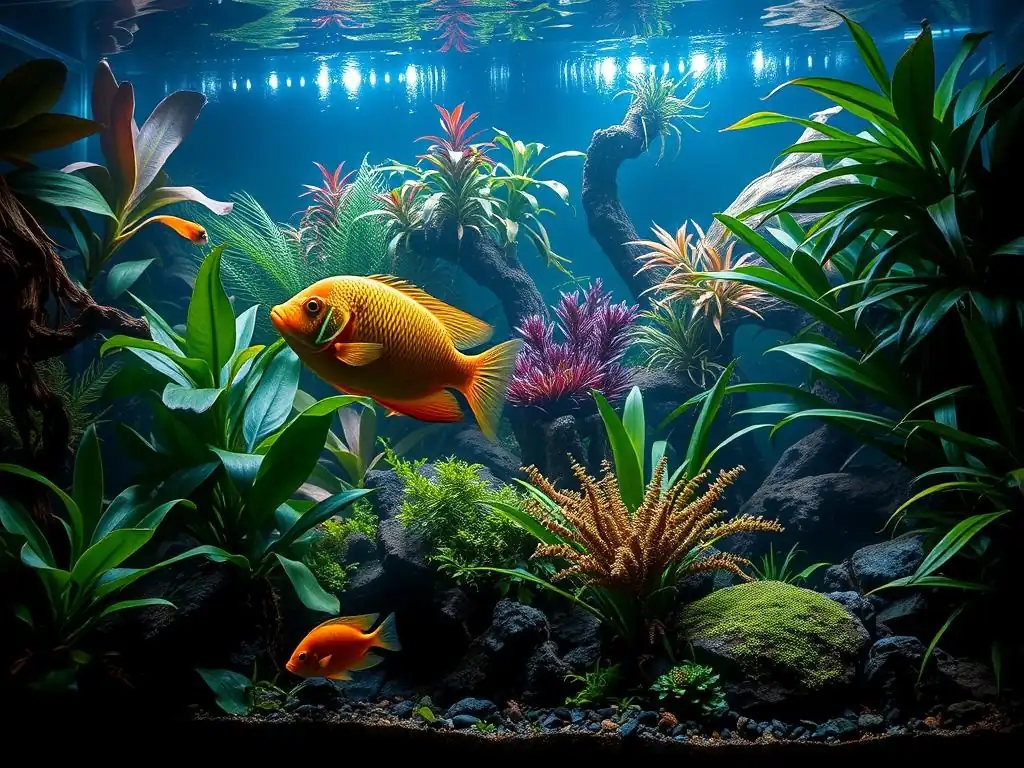
Welcome to Aquarium Mastery, where your aquatic dreams come to life!
Ever wondered which fish can truly thrive alongside your beautiful Tanganyikan Featherfins? Dive into our guide to discover the secrets of creating a harmonious community in your freshwater aquarium. Prepare to unlock the key to successful Tanganyika featherfin tank mates and build a thriving ecosystem that will captivate and inspire!
- Understanding Tanganyikan Featherfin Cichlids (Cyathopharynx furcifer) and Their Needs
- Selecting the Right Tank Mates for Your Featherfins
- Recommended Tank Mates for Tanganyikan Featherfins
- Tank Setup and Management for a Harmonious Community
- Troubleshooting Common Tank Mate Issues
- Conclusion: Creating a Thriving Tanganyikan Featherfin Community Aquarium
-
Frequently Asked Questions
- What are the key considerations when selecting Tanganyika featherfin tank mates?
- Can I keep Tanganyika featherfins with other types of catfish?
- What are some good Tanganyika featherfin tank mate options for a medium-sized tank (around 55 gallons)?
- Are there any Tanganyika featherfin tank mates I should absolutely avoid?
- How can I ensure a peaceful environment for my Tanganyika featherfins and their tank mates?
- Final Reflection: Cultivating Harmony in the Aquarium
- Unveil Your Ideal Featherfin Community!
Understanding Tanganyikan Featherfin Cichlids (Cyathopharynx furcifer) and Their Needs
Introduction to Cyathopharynx furcifer: The Tanganyikan Featherfin
Cyathopharynx furcifer, commonly known as the Tanganyikan Featherfin, is a captivating cichlid native to the deep, clear waters of Lake Tanganyika in East Africa. Renowned for its elegant, flowing fins, especially in mature males, this species brings a unique grace and presence to any aquarium. Unlike many aggressive cichlids, the Featherfin possesses a relatively peaceful disposition, making it an attractive choice for aquarists aiming to create a harmonious community tank.
These cichlids are specialized planktivores in their natural habitat, filtering microscopic organisms from the water column. This unique feeding strategy, combined with their preference for open water, dictates specific considerations when selecting suitable Tanganyika featherfin tank mates and designing their aquatic environment. Their beauty and intriguing behavior make them a centerpiece species, around which a thriving Tanganyikan biotope can be built.
Key Characteristics of Featherfins: Size, Temperament, and Habitat
Male Cyathopharynx furcifer can reach an impressive size of 7-8 inches (18-20 cm) in captivity, displaying vibrant iridescent colors, particularly blues and purples, and elongated dorsal and caudal fins. Females are typically smaller, growing to about 5-6 inches (13-15 cm), and possess more subdued coloration. Their torpedo-shaped bodies are adapted for efficient swimming in open water, where they primarily reside.
Regarding temperament, Featherfins are generally peaceful for cichlids, though males can exhibit territorial behavior, especially during breeding. They prefer to swim in the middle to upper water columns, often forming loose schools. In the wild, they inhabit sandy areas with sparse rock formations, preferring the open water above the substrate where plankton is abundant. This preference for open space is a crucial factor when considering Tanganyika featherfin tank mates, as they require ample room to swim freely without feeling confined or threatened.
Essential Water Parameters for Featherfin Cichlids: Replicating Lake Tanganyika
Replicating the stable and specific water chemistry of Lake Tanganyika is paramount for the health and longevity of Cyathopharynx furcifer. The ideal temperature range for Featherfins is between 76-80°F (24-27°C). More critically, they thrive in highly alkaline and hard water, with a pH range of 7.8-9.0, ideally maintained between 8.2-8.6. The general hardness (GH) should be 10-20 dGH, and carbonate hardness (KH) 10-18 dKH.
Maintaining these precise parameters consistently is vital. Sudden fluctuations in pH or temperature can cause significant stress, weakening their immune system and making them susceptible to diseases. Excellent filtration is necessary to keep nitrates below 20 ppm, and regular water changes are essential to replenish minerals and remove accumulated toxins, ensuring the pristine, oxygen-rich conditions akin to their natural environment.
Selecting the Right Tank Mates for Your Featherfins
Compatibility Considerations: Temperament, Size, and Dietary Needs
When choosing Tanganyika featherfin tank mates, the primary consideration is temperament. Featherfins are relatively peaceful, so highly aggressive or overly boisterous cichlids should be avoided, as they can stress or injure your Cyathopharynx furcifer. Look for species that are similarly calm or exhibit territoriality only within their specific niches.
Size compatibility is also crucial. While Featherfins are not predatory, very small fish might be perceived as food, and much larger, more aggressive species could intimidate or harass them. Dietary needs should align; Cyathopharynx furcifer are planktivores, so tank mates that thrive on a similar diet of small, high-quality pellets, flakes, or frozen foods like cyclops and spirulina will simplify feeding and prevent competition over specific food types.
Avoiding Aggressive Species: Fish to Exclude from a Featherfin Tank
To ensure the well-being of your Cyathopharynx furcifer, certain highly aggressive or overly territorial cichlid species should be excluded from their tank. For instance, species like Tropheus cichlids are known for their extreme territoriality and specialized herbivorous diets, which clash significantly with the Featherfin's needs and temperament. Similarly, some larger Lamprologus or Neolamprologus species, such as Neolamprologus brichardi (Fairy Cichlid) or Lamprologus callipterus (Snail Cichlid), can be excessively territorial, especially when breeding, leading to constant harassment of the more docile Featherfins.
Introducing such incompatible species can lead to chronic stress for the Featherfins, resulting in clamped fins, faded coloration, refusal to eat, and increased susceptibility to diseases like Malawi Bloat or Ich. In severe cases, persistent aggression can lead to physical injury, fin nipping, or even the death of the less dominant fish. It is far better to err on the side of caution and prioritize peace over diversity when selecting Tanganyika featherfin tank mates.
Minimizing Competition: Strategies for a Balanced Ecosystem
Minimizing competition among Tanganyika featherfin tank mates is key to a balanced and thriving ecosystem. This involves selecting species that occupy different ecological niches within the aquarium. For example, since Cyathopharynx furcifer primarily inhabits the open water column, avoid introducing too many other large, open-water pelagic cichlids that would directly compete for swimming space and planktonic food sources.
Effective strategies include providing ample tank size, ideally 75 gallons (approximately 284 liters) or more, to accommodate all inhabitants without overcrowding. Strategic aquascaping that creates distinct zones—open sand, rock piles, and shell beds—allows different species to establish territories without infringing upon others. Feeding small amounts multiple times a day instead of one large meal can also ensure that all fish, regardless of their position in the pecking order, receive adequate nutrition, reducing food-related aggression.
Recommended Tank Mates for Tanganyikan Featherfins
Peaceful Shell Dwellers as Tank Mates: Neolamprologus multifasciatus and Similar Species
Peaceful shell dwellers are among the most ideal Tanganyika featherfin tank mates, offering a unique dynamic without conflict. Species like Neolamprologus multifasciatus (Multis), Lamprologus ocellatus (Ocellatus), and Telmatochromis brichardi are excellent choices. These small cichlids rarely exceed 2-3 inches (5-7.5 cm) and exhibit fascinating behaviors centered around their chosen shells, making them captivating inhabitants for the bottom of the tank.
Their preference for the substrate and their reliance on empty snail shells for shelter and breeding means they occupy a completely different ecological niche than the mid-to-upper water column dwelling Featherfins. This natural separation prevents direct competition for space and resources, allowing both species to thrive. Shell dwellers are generally peaceful towards other species that do not threaten their shells, focusing their territoriality inward towards their colony.
Benefits of Shell Dweller Companionship for Featherfins
The primary benefit of including shell dwellers as Tanganyika featherfin tank mates is their spatial separation. Shell dwellers confine their activities almost entirely to the tank bottom, leaving the vast open water column for the elegant Cyathopharynx furcifer to swim unimpeded. This creates a multi-layered aquascape where different species can exhibit their natural behaviors without interfering with each other.
Furthermore, shell dwellers add significant visual interest to the lower regions of the tank. Their constant sifting of sand, digging, and intricate social interactions around their shells provide a lively contrast to the more graceful, schooling movements of the Featherfins above. Despite their territorial nature within their shell colonies, their aggression rarely extends beyond their immediate vicinity and virtually never impacts larger, free-swimming cichlids like Featherfins.
Considerations for Shell Dweller Tank Setup with Featherfins
To successfully house shell dwellers alongside Featherfins, specific aquascaping elements are crucial. The most important requirement is a generous supply of empty snail shells, such as escargot shells or marine snail shells, which serve as their homes and breeding sites. Providing at least 3-5 shells per shell dweller is recommended to ensure ample options and reduce competition among themselves.
The substrate for a shell dweller setup must be fine sand, with a grain size typically between 0.5-1.0 mm. This fine sand allows shell dwellers to dig, bury, and arrange their shells as they do in their natural habitat in Lake Tanganyika. Without proper substrate and shells, shell dwellers will become stressed and unable to exhibit their natural behaviors, potentially leading to health issues and increased aggression towards other tank inhabitants.
Mid-Water Swimmers: Cyprichromis leptosoma and Other Suitable Options
Cyprichromis leptosoma, commonly known as Leptosomas or Sardine Cichlids, are another excellent choice for Tanganyika featherfin tank mates. Like Cyathopharynx furcifer, Cyprichromis species are open-water planktivores, but they typically occupy slightly different vertical strata within the water column or form separate, distinct schools. Other suitable Cyprichromis species include Cyprichromis microlepidotus or Cyprichromis sp. "Jumbo".
These slender, elegant cichlids are known for their schooling behavior and vibrant coloration, particularly in males. A group of 6-10 Cyprichromis can add dynamic movement and a splash of color to the middle and upper levels of the aquarium, complementing the Featherfins without direct competition. Their similar dietary needs simplify feeding routines, as both species thrive on small, high-quality prepared foods and frozen plankton.
Adding Movement and Color with Cyprichromis
The inclusion of Cyprichromis species significantly enhances the visual appeal and activity of a Tanganyikan community tank. Their rapid, darting movements and shimmering scales create a lively contrast to the more deliberate, gliding motions of the Featherfins. Observing a tightly knit school of Cyprichromis undulating in the mid-water is a captivating sight that truly brings the biotope to life.
Beyond aesthetics, Cyprichromis are generally peaceful towards other cichlids that are not their own species, especially those occupying different niches. Their social structure is primarily focused on interactions within their school, and they rarely display aggression towards Cyathopharynx furcifer. This harmonious coexistence makes them ideal companions, enriching the tank's biodiversity without introducing conflict.
Maintaining a Balanced School of Cyprichromis
To ensure the well-being and natural behavior of Cyprichromis when kept as Tanganyika featherfin tank mates, it is crucial to maintain them in appropriate group sizes. A minimum school of 6 individuals, ideally 10 or more, is recommended to disperse any internal aggression among males and encourage natural schooling. A male-to-female ratio of 1:3 or 1:4 is often preferred to reduce stress on individual females from constant male attention.
Adequate open swimming space is paramount for both Cyprichromis and Cyathopharynx furcifer. A tank of 75 gallons (284 liters) or larger, with a longer footprint (e.g., 48 inches long), provides sufficient room for both species to school and navigate without feeling cramped. While they appreciate some vertical structure like tall rocks, large open areas are essential for their active, pelagic lifestyle.
Rock Dwellers: Julidochromis Species as Potential Tank Mates
Certain Julidochromis species, such as Julidochromis regani (Regan's Julie), J. transcriptus (Masked Julie), or J. marlieri (Checkered Julie), can be considered as Tanganyika featherfin tank mates. These small to medium-sized cichlids are classic rock dwellers, known for their preference for caves and crevices within rocky formations. They typically reach sizes between 3-5 inches (7.5-12.5 cm), depending on the species.
Their territoriality is generally confined to their chosen rock structure, and they usually ignore fish that do not venture into their immediate vicinity. This makes them compatible with open-water swimmers like Featherfins, as long as sufficient rockwork is provided to establish clear territories and maintain separation. Julidochromis are pair-bonding cichlids, and once a pair forms, they will defend their rocky home with vigor.
Understanding Julidochromis Temperament and Territory
Julidochromis are known for their unique temperament: fiercely territorial within their chosen rock dwelling, yet generally peaceful towards fish that do not share their specific niche. They form monogamous pairs that will establish and defend a specific cave or crevice as their breeding territory. This defense is usually directed at other Julidochromis or similar rock-dwelling cichlids, rather than free-swimming species like Cyathopharynx.
However, caution is advised when considering multiple Julidochromis pairs in a single tank. Without extensive rockwork providing numerous distinct territories, overlapping boundaries can lead to significant aggression among the Julidochromis themselves. For a mixed community with Featherfins, it is often best to keep only one pair of Julidochromis unless the tank is exceptionally large (100 gallons or more) and meticulously aquascaped to prevent conflict.
Creating a Rocky Habitat for Julidochromis and Featherfins
To successfully house Julidochromis with Cyathopharynx furcifer, the aquascape must cater to both their needs. For Julidochromis, large, stable rock formations are essential. These structures should create numerous caves, tunnels, and crevices that the Julidochromis can claim as their territory. Ensure that all rockwork is securely stacked to prevent collapses, which can injure or kill fish.
The challenge lies in balancing the rock dwellers' need for structure with the Featherfins' need for open swimming space. The aquascape should include significant open sand areas at the front and middle of the tank, allowing the Cyathopharynx to swim freely. Rocks can be concentrated at the back or sides, creating a natural divide. Inert rocks like Texas Holey Rock, lava rock, or slate are suitable, as they do not alter water chemistry significantly.
Synodontis Catfish: Bottom Dwellers for a Clean and Balanced Tank
Synodontis species, particularly those native to Lake Tanganyika like Synodontis multipunctatus (Cuckoo Catfish) or Synodontis petricola (Dwarf Petricola), are excellent bottom-dwelling Tanganyika featherfin tank mates. These charming, often nocturnal, catfish serve as valuable scavengers, consuming uneaten food and detritus, thereby contributing to a cleaner substrate and improved water quality.
They are generally peaceful towards cichlids of their size or larger, making them safe companions for Cyathopharynx furcifer. Their preference for the substrate and rocky hiding spots ensures they do not compete for space with the open-water Featherfins. Furthermore, their water parameter requirements align perfectly with those of Tanganyikan cichlids, making them a natural fit for this biotope.
The Role of Synodontis in a Tanganyikan Aquarium
Synodontis catfish play a crucial role in maintaining the cleanliness and balance of a Tanganyikan aquarium. As opportunistic scavengers, they tirelessly sift through the substrate and rocky crevices, consuming any leftover food that might otherwise decompose and foul the water. This natural "cleanup crew" helps reduce the organic load, contributing to lower nitrate levels and overall better water quality.
Beyond their practical utility, Synodontis species add an engaging dynamic to the tank, especially during their more active nocturnal hours. Species like Synodontis multipunctatus are particularly fascinating due to their brood parasitic behavior, where they lay their eggs among those of mouth-brooding cichlids, which then unwittingly raise the catfish fry. This unique adaptation provides a captivating glimpse into the complexities of aquatic life.
Choosing the Right Synodontis Species for Your Featherfins
When selecting Synodontis species as Tanganyika featherfin tank mates, it's important to choose those that remain a manageable size and exhibit a peaceful temperament. Synodontis petricola typically grows to about 4-5 inches (10-12.5 cm), while Synodontis multipunctatus can reach 8 inches (20 cm). Both are excellent choices for a community tank and are generally non-aggressive towards other fish that are too large to be considered prey.
It is advisable to keep Synodontis catfish in groups of at least 3-5 individuals, as they are social fish and thrive when kept with conspecifics. Providing them with plenty of caves, driftwood, or rock structures offers them secure hiding spots during the day when they are less active. Avoid larger, more predatory Synodontis species that might pose a threat to smaller tank mates or create undue competition.
Tank Setup and Management for a Harmonious Community
Tank Size and Dimensions: Providing Adequate Space for All Inhabitants
For a harmonious community including Cyathopharynx furcifer and its Tanganyika featherfin tank mates, tank size is not merely about volume but also dimensions. A minimum tank size of 75 gallons (approximately 284 liters) is recommended for a small group of Featherfins and a few compatible species like shell dwellers or a small school of Cyprichromis. However, for a more diverse and thriving community with multiple species, a 100-125 gallon (378-473 liters) or larger tank is highly preferred.
The length and width of the tank are more critical than its height for active swimmers like Cyathopharynx and Cyprichromis. A tank that is at least 48 inches (120 cm) long provides ample horizontal swimming space, allowing the Featherfins to school and display their natural behaviors without feeling confined. This generous footprint also allows for distinct zones to be created through aquascaping, reducing territorial disputes among different species.
Aquascaping for a Mixed Community: Rocks, Shells, and Open Swimming Areas
Creating an optimal aquascape for a mixed Tanganyikan community involves balancing the needs of various Tanganyika featherfin tank mates. The design should incorporate distinct areas: a large, open sand area (using fine sand) in the foreground and mid-ground is essential for Cyathopharynx to swim freely and for shell dwellers to dig and establish their shell colonies.
Towards the back or sides, stable rock structures should be built, providing numerous caves and crevices for Julidochromis species and Synodontis catfish to hide and establish territories. Ensure these rock formations are secure and cannot topple. The key is to provide enough hiding spots and visual breaks to minimize aggression, while still maintaining significant open water for the pelagic species, mimicking the natural diversity of Lake Tanganyika's various microhabitats.
Filtration and Water Changes: Maintaining Pristine Water Quality
Maintaining pristine water quality is non-negotiable for Tanganyikan cichlids, especially in a community setup with various Tanganyika featherfin tank mates. Robust filtration is paramount. A combination of powerful canister filters, sumps, or multiple large hang-on-back (HOB) filters that provide excellent mechanical, biological, and chemical filtration is highly recommended. Aim for a total turnover rate of at least 5-10 times the tank volume per hour to ensure adequate oxygenation and waste removal.
Regular water changes are equally critical. A weekly 25-30% water change routine is often necessary to dilute nitrates, replenish essential minerals, and maintain the stable, high pH and hardness levels that Tanganyikan cichlids require. Always use a high-quality water conditioner to neutralize chlorine and chloramines, and ensure the new water matches the tank's temperature and pH to prevent shock to the sensitive Featherfins and their companions.
Feeding Strategies: Ensuring All Tank Mates Receive Adequate Nutrition
A well-planned feeding strategy is essential to ensure all Tanganyika featherfin tank mates receive adequate nutrition without leading to overfeeding or competition. Cyathopharynx furcifer are primarily planktivores, so their diet should consist of small, high-quality pellets or flakes designed for cichlids, supplemented with spirulina-based foods or small frozen foods like cyclops or daphnia.
For a diverse community, consider feeding multiple types of food at different levels of the water column. Floating foods are ideal for Cyathopharynx and Cyprichromis. Sinking pellets or wafers can be provided for bottom dwellers like Synodontis and shell dwellers. Feeding 2-3 times a day in smaller amounts, rather than one large meal, allows all fish to get their share and prevents excess food from decomposing, which can degrade water quality.
Troubleshooting Common Tank Mate Issues
Addressing Aggression: Identifying and Resolving Territorial Disputes
Despite careful planning, aggression can occasionally arise among Tanganyika featherfin tank mates. Common signs include fin nipping, constant chasing, fish hiding excessively, or faded coloration due to stress. Aggression often stems from insufficient tank size, an imbalance in male-to-female ratios (especially among cichlids), or a lack of adequate hiding spots and territorial boundaries.
To resolve aggression, first, re-evaluate the tank's aquascape. Adding more caves, rocks, or visual barriers can help break line of sight and establish clearer territories. If space is limited, increasing tank size might be necessary. Sometimes, removing and reintroducing the most aggressive fish (or the target fish) after re-aquascaping can reset the pecking order. In severe or persistent cases, rehoming the aggressor or the targeted fish may be the only solution to ensure the well-being of the entire community.
Preventing Disease: Quarantine and Observation Protocols
Preventing the introduction and spread of diseases is paramount in a community aquarium, especially when adding new Tanganyika featherfin tank mates. The most effective preventative measure is a strict quarantine protocol. All new fish, regardless of their apparent health, should be quarantined in a separate tank for at least 4-6 weeks before being introduced to the main display. This quarantine tank should be fully cycled and have appropriate water parameters.
During the quarantine period, closely observe the new fish for any signs of illness, such as clamped fins, white spots (Ich), labored breathing, abnormal swimming, or unusual growths. Treat any detected diseases in the quarantine tank to avoid contaminating the established community. This diligent observation and treatment process significantly reduces the risk of introducing pathogens that could devastate your entire Tanganyikan setup.
Monitoring Water Parameters: Maintaining a Stable Environment
Consistent monitoring of water parameters is a fundamental aspect of maintaining a healthy environment for Cyathopharynx furcifer and its Tanganyika featherfin tank mates. Regular testing, ideally weekly or bi-weekly, for pH, ammonia, nitrite, and nitrate levels is crucial. High levels of ammonia or nitrite indicate an issue with the biological filter or overfeeding, while rising nitrates suggest the need for more frequent or larger water changes.
Maintaining stable water conditions is directly linked to the fish's health and stress levels. Tanganyikan cichlids are particularly sensitive to fluctuations in pH and temperature. Stress caused by unstable parameters weakens their immune systems, making them highly susceptible to various diseases, including bacterial infections and parasites. Utilizing reliable test kits and reacting promptly to any deviations from the ideal parameters ensures a stable and thriving environment.
Conclusion: Creating a Thriving Tanganyikan Featherfin Community Aquarium
Building a harmonious community around Cyathopharynx furcifer requires careful planning and consistent dedication. The success of a Tanganyikan Featherfin community aquarium hinges on selecting compatible Tanganyika featherfin tank mates that complement their temperament and occupy different ecological niches. Peaceful shell dwellers like Neolamprologus multifasciatus, mid-water swimmers such as Cyprichromis leptosoma, and specific rock dwellers like Julidochromis species, along with bottom-dwelling Synodontis catfish, offer excellent choices that enhance the tank's diversity without fostering conflict.
Beyond species selection, meticulous attention to tank setup and ongoing management is crucial. Providing ample tank size, strategically aquascaping with open sand areas, shells, and stable rock structures, and maintaining pristine water quality through robust filtration and regular water changes are all vital components. With proper planning, diligent care, and a commitment to understanding the unique needs of these magnificent fish, a thriving and visually stunning Tanganyikan Featherfin community aquarium can become a truly rewarding centerpiece for any aquarist.
Frequently Asked Questions
What are the key considerations when selecting Tanganyika featherfin tank mates?
When choosing Tanganyika featherfin tank mates, prioritize species with similar water parameter needs (pH, hardness, temperature) and a peaceful temperament. Avoid aggressive fish that may bully or outcompete the featherfins for food. Consider tank size to prevent overcrowding and territorial disputes.
Can I keep Tanganyika featherfins with other types of catfish?
While some catfish species might be compatible, it's crucial to research carefully. Select peaceful, similarly sized catfish that occupy different areas of the tank. Avoid bottom-dwelling catfish that may compete with the featherfins for space and resources.
What are some good Tanganyika featherfin tank mate options for a medium-sized tank (around 55 gallons)?
Some suitable tank mates include smaller Julidochromis species, Cyprichromis leptosoma (Sardine Cichlids), and Paracyprichromis nigripinnis (Blue Neon Cichlids). These fish occupy different niches in the tank and are generally peaceful. Ensure adequate rockwork for hiding and territory establishment.
Are there any Tanganyika featherfin tank mates I should absolutely avoid?
Avoid aggressive cichlids like Tropheus or Petrochromis, as they are highly territorial and will likely harass or kill the featherfins. Also, avoid any large or predatory fish that could potentially prey on the smaller featherfins. Never mix them with South American or other incompatible Cichlids.
How can I ensure a peaceful environment for my Tanganyika featherfins and their tank mates?
Provide ample hiding places and territories with rocks and caves. Maintain excellent water quality through regular water changes and filtration. Observe the fish closely for signs of aggression and be prepared to rehome any problematic individuals.
Final Reflection: Cultivating Harmony in the Aquarium
The delicate balance of an aquarium ecosystem, particularly one housing the unique Tanganyikan featherfins, mirrors the intricate relationships found in nature. Understanding and respecting the specific needs of each species is paramount to creating a thriving and harmonious community. This article has explored the nuances of selecting compatible tank mates, emphasizing the importance of research and careful observation to ensure the well-being of these fascinating fish.
The pursuit of a balanced aquarium reflects a broader desire for harmony and understanding in our own lives. The dedication required to create a suitable environment for Tanganyikan featherfins highlights the value of patience, empathy, and a commitment to responsible stewardship. The best way to find yourself is to lose yourself in the service of others.
- Mahatma Gandhi. This quote resonates deeply when considering the responsibility we undertake when caring for any living creature, especially those as captivating as the featherfins.
As you consider the information presented here, I encourage you to reflect on the principles of compatibility and harmony, not only within the confines of your aquarium but also in your interactions with the world around you. Strive to create environments, both literal and metaphorical, where diverse individuals can thrive together, fostering a sense of community and mutual respect. Your dedication to creating a balanced ecosystem, whether in a tank or in life, will undoubtedly contribute to a more vibrant and enriching world for all.
Unveil Your Ideal Featherfin Community!
Thank you for diving into the fascinating world of Tanganyikan Featherfins! We hope you've gained valuable insights into creating a thriving and balanced aquarium. Now, let's put that knowledge into action and watch your aquatic community flourish.
Here are some actionable steps you can take right away:
- Start planning your Featherfin tank expansion by researching specific compatible species. Consider not just temperament but also dietary needs and water parameter preferences.
- Share this article with fellow aquarium enthusiasts on your favorite forums or social media platforms. Help them create their own harmonious Tanganyikan biotope!
- Experiment with aquascaping techniques that provide ample hiding places and territories for each fish, reducing aggression and stress.
What surprising combination of tank mates are you considering for your Featherfins, and what challenges do you anticipate?