
Sailfin Molly Spectacle: Care Secrets for Their Impressive Fins

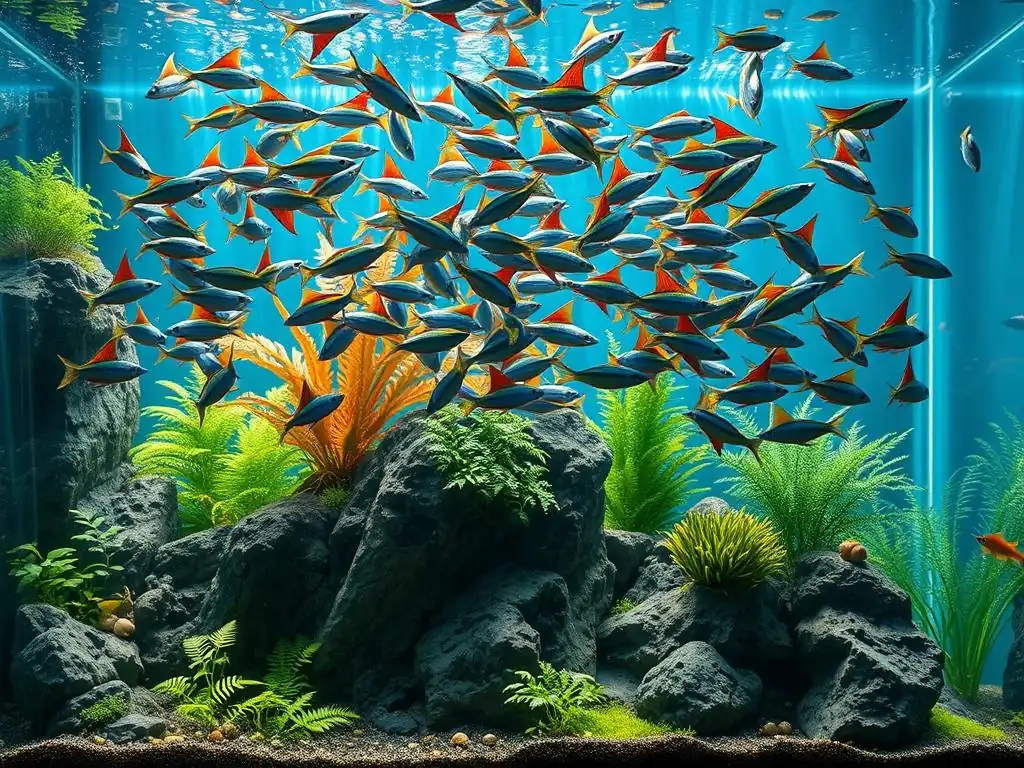
Welcome to Aquarium Mastery, your ultimate guide to thriving aquatic ecosystems!
Ever wondered how to unlock the full potential of your Sailfin Molly's magnificent dorsal fin? Dive in as we reveal the secrets to optimal care, ensuring these captivating creatures flourish in your freshwater aquarium. Prepare to be amazed by the vibrant spectacle they bring!
- Understanding Sailfin Mollies: An Introduction to Poecilia latipinna
- Optimal Tank Setup for Thriving Sailfin Mollies
- Sailfin Molly Care Tips: Essential Husbandry Practices
- Sailfin Molly Compatibility: Choosing Suitable Tank Mates
- Sailfin Molly Breeding: Encouraging Reproduction
- Common Sailfin Molly Health Issues and Prevention
- Sailfin Molly Fin Care: Maintaining that Impressive Dorsal
- Frequently Asked Questions
- Final Reflection: Embracing the Majesty of Sailfin Mollies
- Dive Deeper: Unlock the Secrets of Magnificent Mollies!
Understanding Sailfin Mollies: An Introduction to Poecilia latipinna
Origin and Natural Habitat of Sailfin Mollies
The Sailfin Molly, scientifically known as Poecilia latipinna, originates from the southeastern United States, with a native range extending from North Carolina south through Florida and west into Texas, continuing down into Central America. These resilient fish are commonly found in the brackish waters of estuaries, coastal marshes, and tidal creeks, showcasing their remarkable adaptability to varying salinity levels. Specific populations thrive in environments like the Florida Everglades, where they navigate both freshwater and slightly saline conditions.
Beyond brackish environments, Sailfin Mollies are also well-documented in freshwater habitats, including slow-moving rivers, swamps, ditches, and ponds. This broad natural distribution highlights their tolerance for a wide range of water conditions, a characteristic that makes them popular among aquarists. In the wild, they are typically found in warm waters, with temperatures ranging from approximately 68-82°F (20-28°C), adapting to seasonal fluctuations and demonstrating robust health in stable conditions.
Distinguishing Features: The Majestic Dorsal Fin
The most striking feature of the male Sailfin Molly is undoubtedly its magnificent dorsal fin, which can extend to an impressive height, often resembling a ship's sail—hence the common name. This elaborate fin is not merely for show; males utilize it extensively during courtship displays, fanning it out to attract females, and in territorial disputes with rival males. The size and vibrancy of this fin are key indicators of a male's health and genetic fitness.
Aside from their prominent dorsal fin, Sailfin Mollies possess a robust, somewhat compressed body shape. Wild types typically display a silvery-grey coloration adorned with iridescent spots that shimmer under light, providing a subtle yet captivating appearance. In terms of size, males generally reach about 5 inches (12-13 cm) in length, while females tend to be larger and more robust, often growing up to 6-7 inches (15-18 cm). Their overall hardy nature and distinctive appearance make them a fascinating addition to any suitable freshwater or brackish aquarium.
Sailfin Molly Varieties: Colors and Patterns
Through decades of selective breeding, aquarists have developed a stunning array of Sailfin Molly varieties, each boasting unique colors and patterns that far surpass the subtle beauty of their wild counterparts. Popular choices include the deep, velvety Black Molly, a melanistic form that is entirely black; the Marble Molly, characterized by intricate black and white patterns; and the Dalmation Molly, which sports black spots against a silvery-white or golden background. Other notable varieties include the vibrant Gold Molly and various forms with modified fin shapes, such as the Lyretail Molly, which features elongated caudal (tail) fins.
These diverse genetic lines offer aquarists an incredible spectrum of choices, allowing for visually rich and dynamic tank compositions. Despite their aesthetic differences, the fundamental Sailfin Molly care tips remain remarkably consistent across all these captive-bred varieties. Whether you choose a classic Black Molly or a strikingly patterned Marble, providing optimal water parameters, a balanced diet, and appropriate tank mates are crucial for maintaining their health and showcasing their impressive fins.
Optimal Tank Setup for Thriving Sailfin Mollies
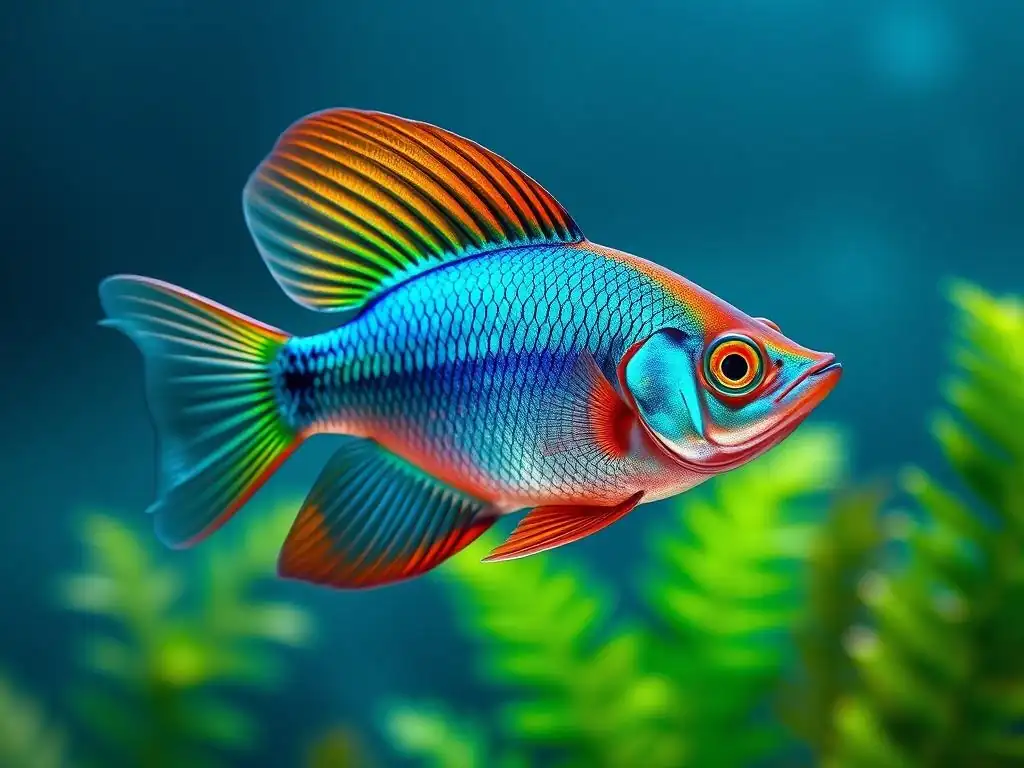
Tank Size Requirements for Sailfin Mollies: Space is Key
Providing adequate space is a cornerstone of effective Sailfin Molly care. For a small group of Sailfin Mollies—ideally one male with two to three females to help diffuse male aggression—a minimum tank size of 20 gallons (approximately 75 liters) is recommended. This size allows for sufficient swimming room, which is crucial for these active fish, and helps manage the bioload from their waste production. Given their prolific breeding nature, starting with a slightly larger tank can also accommodate future generations.
For larger communities or if you plan to keep a more extensive group of Sailfin Mollies, a 30-gallon (approximately 113 liters) tank or larger is highly advisable. While the common "gallon per inch of fish" rule can serve as a loose guide, it often underestimates the space needs of active, schooling fish like Mollies. More generous tank sizes reduce stress, minimize aggression, and significantly contribute to their overall well-being, directly impacting the success of your Sailfin Molly care efforts.
Water Parameters: Achieving the Ideal Aquatic Environment for Sailfins
Maintaining precise water parameters is vital for the health and vibrancy of Sailfin Mollies. They thrive in alkaline, hard water conditions, with an ideal pH range of 7.0 to 8.5 and a water hardness (dGH) between 15 and 30. Temperatures should be kept stable within the range of 72-82°F (22-28°C). Consistent adherence to these parameters is crucial for preventing common ailments such as "the shimmies," a stress-induced condition often linked to unsuitable water chemistry.
Interestingly, while Sailfin Mollies are commonly kept in pure freshwater, their natural habitat often includes brackish conditions. Adding a small amount of aquarium salt—typically 1 tablespoon per 5 gallons (19 liters) of water—can provide significant health benefits. This mimics their natural environment, reduces stress, and can help prevent parasitic infections, enhancing their slime coat and overall resilience. This optional addition of salt is a well-regarded Sailfin Molly care tip, though it's important to ensure any tank mates are also tolerant of slightly saline conditions.
Substrate and Decor: Creating a Natural and Functional Habitat
When setting up a Sailfin Molly aquarium, the choice of substrate is important for both aesthetics and fish health. Fine gravel or sand is generally recommended, as it allows mollies to sift through it without damaging their delicate mouths or fins. Avoiding substrates with sharp edges is crucial to prevent scrapes and injuries. Many aquarists find that a darker substrate can help bring out the vibrant colors of their mollies, making their patterns more pronounced.
Beyond the substrate, providing ample decor is essential for creating a natural and functional habitat. Include driftwood, smooth rocks, and dense plantings to offer plenty of hiding spots. Live plants such as Anubias, Java Fern, and Hornwort are excellent choices, as they contribute to oxygenation, help absorb nitrates, and provide crucial cover for any fry. When selecting plants, ensure they can tolerate the hard, alkaline water conditions preferred by Sailfin Mollies. Thoughtful decor enhances the environment and contributes significantly to successful Sailfin Molly care.
Essential Equipment: Filtration, Heating, and Lighting
For a thriving Sailfin Molly aquarium, robust filtration is non-negotiable. Mollies are active fish and can produce a fair amount of waste, necessitating a filter that provides excellent mechanical, biological, and chemical filtration. A hang-on-back (HOB) filter or a canister filter capable of cycling the tank volume 4-6 times per hour is generally recommended to maintain pristine water quality and efficiently process waste products.
Maintaining a stable temperature is equally important. A reliable aquarium heater, appropriately sized for your tank, is essential to keep the water within the ideal range of 72-82°F (22-28°C). Fluctuations can stress fish and compromise their immune systems. For lighting, standard aquarium LED or fluorescent lights are sufficient for fish viewing and supporting live plant growth. Sailfin Mollies do not have specific lighting requirements beyond what is typical for a community freshwater tank. Consistent and stable environmental conditions, facilitated by quality equipment, are fundamental Sailfin Molly care tips.
Sailfin Molly Care Tips: Essential Husbandry Practices
Water Quality Management: Maintaining a Pristine Aquarium
Effective water quality management is perhaps the most critical aspect of Sailfin Molly care. Regular testing of your aquarium water for ammonia, nitrite, and nitrate levels is paramount. Ammonia and nitrite should always be at 0 ppm, indicating a healthy, fully cycled biological filter. Nitrate levels should be kept below 20 ppm through routine maintenance. Understanding and maintaining the nitrogen cycle is key to preventing toxic buildups that can rapidly harm your fish.
Sudden fluctuations in pH, temperature, or water hardness can cause significant stress to Sailfin Mollies, making them highly susceptible to disease. Therefore, consistency is vital. When performing water changes or adding top-off water, ensure the new water matches the tank's existing parameters as closely as possible. Pristine and stable water quality not only prevents illness but also encourages vibrant coloration and active behavior, underscoring its importance in comprehensive Sailfin Molly care.
Feeding Sailfin Mollies: Diet and Nutritional Needs
Sailfin Mollies are omnivores with a notable inclination towards plant matter, a dietary aspect often overlooked in general fish feeding. Their diet in the wild consists of algae, detritus, small insects, and zooplankton. In the aquarium, providing a varied and balanced diet is crucial for their health, growth, and the development of their impressive fins. A high-quality flake or pellet food formulated for omnivorous fish should serve as the staple.
Beyond commercial staple foods, incorporating ample vegetable matter into their diet is a vital Sailfin Molly care tip. Foods rich in spirulina, blanched zucchini, cucumber, or even peas can significantly benefit their digestive health and overall vitality. This plant-based supplementation helps prevent issues like bloating and promotes robust immune function, contributing to their longevity and the vibrancy of their colors.
Recommended Food Types for Sailfin Mollies
- High-quality flake or pellet food: Opt for brands that are specifically formulated for livebearers or omnivores, ideally with a high spirulina content.
- Live foods: Occasionally offer live brine shrimp, daphnia, or small bloodworms as a treat. These provide essential proteins and encourage natural hunting behaviors.
- Frozen foods: Frozen bloodworms, brine shrimp, or Mysis shrimp are excellent sources of protein and can add variety to their diet. Thaw before feeding.
- Vegetable matter: Blanched zucchini slices, cucumber slices, spinach, or spirulina wafers are eagerly consumed and provide crucial fiber and vitamins. Algae wafers are also a good option.
Feeding Frequency and Portion Control
When it comes to feeding Sailfin Mollies, frequency and portion control are just as important as the type of food offered. It is recommended to feed them two to three times daily, providing only small amounts at each feeding. The general guideline is to offer only what they can consume completely within 2-3 minutes. This approach ensures that all fish get enough to eat without overfeeding the tank.
Overfeeding is a common mistake that can quickly lead to deteriorated water quality, as uneaten food breaks down and releases ammonia and nitrates. This excess waste puts a significant strain on the filtration system and can contribute to unsightly algae blooms and health issues for your fish. Consistent, controlled feeding is a fundamental Sailfin Molly care tip that supports both fish health and aquarium stability.
Regular Tank Maintenance: Cleaning and Water Changes
Regular tank maintenance is a cornerstone of effective Sailfin Molly care, directly impacting water quality and fish health. Weekly water changes are essential, with a recommended volume of 25-30% of the total tank water. During this process, use a gravel vacuum to thoroughly clean the substrate, removing accumulated detritus, uneaten food, and fish waste. Always remember to condition tap water with a reputable dechlorinator to remove harmful chlorine and chloramines before adding it to the aquarium.
In addition to water changes, routine filter maintenance is crucial. Filter media should be cleaned regularly, but it's important to do so gently and preferably by rinsing in old tank water removed during a water change. This preserves the beneficial bacteria colonies that are vital for biological filtration. Regularly scraping algae from the tank glass and checking equipment for proper function also contribute to a pristine and healthy environment. Adhering to this maintenance schedule is fundamental to providing optimal Sailfin Molly care.
Sailfin Molly Compatibility: Choosing Suitable Tank Mates
Ideal Community Fish for Sailfin Mollies
When selecting tank mates for Sailfin Mollies, the primary considerations are temperament, size, and shared water parameter preferences. Sailfin Mollies are generally peaceful and active fish, making them suitable for a community aquarium, provided their tank mates are similarly docile and thrive in hard, alkaline water. Excellent companions include other livebearers such as platies and swordtails, which share similar care requirements and social behaviors.
Other compatible species include peaceful, larger tetras like Black Skirt Tetras, various species of Corydoras catfish (which will help keep the substrate clean), and Bristlenose Plecos. When keeping multiple mollies, it's wise to maintain a ratio of at least two to three females per male to diffuse any potential male-on-male aggression. Choosing species that are tolerant of the slightly brackish conditions that can benefit mollies is also a smart Sailfin Molly care tip for a harmonious community tank.
Fish to Avoid: Preventing Aggression and Competition
To ensure the well-being of your Sailfin Mollies and maintain the integrity of their impressive fins, it is crucial to avoid certain types of fish as tank mates. Aggressive fin-nipping species, such as Tiger Barbs or some larger, boisterous cichlids, can severely damage the delicate dorsal fins of male Sailfin Mollies, leading to stress, injury, and potential secondary infections. While mollies are robust, their fins are particularly vulnerable.
Additionally, avoid very small or overly timid fish that might be stressed by the active swimming and larger size of mollies. Species that require very soft, acidic water, such as many types of South American tetras or dwarf cichlids, are also unsuitable, as their water parameter needs conflict with the hard, alkaline conditions preferred by Sailfin Mollies. Careful selection of tank mates is a critical aspect of providing comprehensive Sailfin Molly care.
Sailfin Molly Breeding: Encouraging Reproduction
Sexing Sailfin Mollies: Identifying Males and Females
Distinguishing between male and female Sailfin Mollies is relatively straightforward, especially once they reach maturity. The most definitive characteristic of a male Sailfin Molly is its magnificent, large dorsal fin, which stands tall and wide like a sail. In addition to this prominent fin, males possess a modified anal fin called a gonopodium. This is a slender, rod-like structure used for internal fertilization, making it distinct from the fan-shaped anal fin of the female.
Female Sailfin Mollies, in contrast, typically have a much smaller, more rounded dorsal fin and a conventional, fan-shaped anal fin. They also tend to be noticeably larger and more robust than males, especially when gravid (pregnant). A gravid female will display a distinct gravid spot near her anal fin, which darkens as the fry develop inside her. Recognizing these differences is essential for managing your Sailfin Molly population and for successful breeding efforts.
Setting Up a Breeding Tank for Sailfin Mollies
While Sailfin Mollies can breed in a community tank, setting up a dedicated breeding tank significantly increases the survival rate of the fry. A 10-20 gallon (38-75 liter) tank is ideal for this purpose. The breeding tank should be equipped with plenty of dense, floating plants such as Hornwort or Guppy Grass, which provide essential hiding spots for the newly born fry, protecting them from being preyed upon by the adult mollies.
Maintain stable water parameters in the breeding tank that are identical to those in the main display tank to avoid stressing the pregnant female. A gentle sponge filter is highly recommended for a breeding setup, as it provides excellent biological filtration without posing a risk of sucking in delicate fry, which can happen with stronger power filters. Once the female gives birth, she should be promptly returned to the main tank to prevent her from consuming her offspring.
Caring for Sailfin Molly Fry: Raising Healthy Young
Sailfin Mollies are livebearers, meaning their offspring are born as fully formed, free-swimming miniatures of the adults, rather than eggs. This makes raising the fry relatively easier than with egg-laying species. Immediately after birth, the fry will seek cover among the plants. For their initial diet, finely crushed high-quality flake food, specialized powdered fry food, or newly hatched brine shrimp are excellent choices, offering the necessary nutrients for rapid growth.
Due to the rapid growth and high metabolic rate of fry, frequent small water changes are even more critical in a fry tank than in an adult tank. Performing 10-15% water changes every other day can help maintain pristine water quality, which is crucial for preventing disease and promoting healthy development. Protecting the fry from adult mollies, which may view them as a food source, is paramount, hence the recommendation for a separate breeding tank.
Common Sailfin Molly Health Issues and Prevention
Recognizing Signs of Illness in Sailfin Mollies
Early detection of illness is a critical component of effective Sailfin Molly care. Healthy Sailfin Mollies are active, alert, and display vibrant coloration. Any deviation from this behavior should prompt closer inspection. Common behavioral signs of illness include lethargy, clamped fins (held close to the body), rapid or labored breathing, rubbing or "flashing" against tank decor, and a noticeable loss of appetite.
Physical signs of disease can manifest in various ways. White spots on the body and fins are indicative of Ich (Ichthyophthirius multifiliis), a common parasitic infection. Frayed or dissolving fins often point to fin rot, a bacterial infection usually caused by poor water quality. Other signs can include bloating, red streaks on the body or fins, fuzzy white or grey growths (fungus), and visible external parasites. Prompt action based on these observations can significantly improve the outcome for your fish.
Treating Common Diseases: Ich, Fin Rot, and Parasites
Addressing common Sailfin Molly diseases requires swift and appropriate action. For Ich, a common parasitic infection, gradually raising the aquarium temperature to 82-86°F (28-30°C) over 24-48 hours can accelerate the parasite's life cycle, making it more susceptible to treatment. Concurrently, use an over-the-counter Ich medication, following the manufacturer's instructions precisely. Adding 1-2 tablespoons of aquarium salt per 5 gallons of water can also aid in treatment by supporting the fish's slime coat and inhibiting some external parasites.
Fin rot, often caused by poor water quality and bacterial infection, requires immediate attention to water parameters. Perform a large water change (50%) and ensure the filter is clean. Treat with a broad-spectrum antibacterial medication. For internal parasites, medicated food or specific antiparasitic treatments may be necessary. Always remove activated carbon from your filter during medication, as it will absorb the treatment, rendering it ineffective. Maintaining excellent Sailfin Molly care through prevention is always preferable to treatment.
Preventive Measures: Maintaining a Healthy Environment
Prevention is the best medicine when it comes to Sailfin Molly health. The most effective preventive measures revolve around consistent water quality and providing an appropriate, varied diet. Regular water changes (25-30% weekly) and diligent testing for ammonia, nitrite, and nitrate levels are non-negotiable. Avoid overstocking your tank, as this increases the bioload and stresses fish, making them more susceptible to disease. Similarly, do not overfeed, as uneaten food quickly degrades water quality.
Another crucial preventive measure is quarantining new fish. Before introducing any new Sailfin Mollies or other species to your main display tank, house them in a separate quarantine tank for 2-4 weeks. This allows you to observe them for signs of illness and treat any potential diseases before they can spread to your established fish. Regular observation of your fish's behavior and appearance is a simple yet incredibly effective Sailfin Molly care tip that can help you catch issues before they become severe.
Sailfin Molly Fin Care: Maintaining that Impressive Dorsal
Understanding Fin Nipping and Damage
The magnificent dorsal fin of the Sailfin Molly, while its most distinguishing feature, is also vulnerable to damage. Fin nipping is a common issue that can occur from incompatible tank mates, such as certain species of barbs (e.g., Tiger Barbs) or aggressive cichlids, which are known for their propensity to nip at long, flowing fins. Even within a group of mollies, overly aggressive males in an overcrowded tank may occasionally nip at each other's fins due to territorial disputes or stress.
Beyond external aggression, fin damage can also arise from environmental factors. Poor water quality, particularly elevated levels of ammonia or nitrite, can lead to bacterial infections like fin rot. This condition causes the fins to appear frayed, tattered, or even to dissolve entirely. Physical injury from sharp tank decor or abrasive substrates is another potential cause of fin damage. Understanding these causes is the first step in effective Sailfin Molly care and fin preservation.
Promoting Fin Growth and Repair
The cornerstone of promoting fin growth and repair in Sailfin Mollies is maintaining impeccable water quality. When fins are damaged, whether from nipping or disease, the fish's immune system needs optimal conditions to heal. This means performing frequent small water changes, such as 25% twice a week, to ensure ammonia and nitrite levels remain at zero and nitrates are kept below 10-20 ppm. Pristine filtration is also paramount, allowing the fish's energy to be directed towards healing rather than combating poor water conditions.
A diet rich in essential vitamins, particularly Vitamin C, and spirulina can significantly boost the immune system and support tissue regeneration, aiding in fin repair. Supplementing their diet with high-quality, varied foods ensures they receive all necessary nutrients. Additionally, adding aquarium salt at a concentration of 1 tablespoon per 5-10 gallons (19-38 liters) can reduce stress, aid in the production of a healthy slime coat, and inhibit the growth of some external parasites, all of which contribute significantly to the long-term health and impressive appearance of your Sailfin Molly's dorsal fin, a key aspect of Sailfin Molly care tips.
Frequently Asked Questions
How large of a tank is required for Sailfin Mollies?
Sailfin Mollies need a larger tank than other mollies. A minimum of 30 gallons is recommended to provide adequate swimming space and reduce aggression.
What are the ideal water parameters for Sailfin Mollies?
Sailfin Mollies thrive in slightly alkaline water with a pH between 7.0 and 8.0. The temperature should be maintained between 72-82°F (22-28°C).
What should I feed my Sailfin Mollies?
They are omnivores and require a varied diet. Offer a mix of high-quality flake food, supplemented with live or frozen foods like brine shrimp and bloodworms, and vegetable matter to avoid digestive issues.
How can I encourage healthy fin growth in my Sailfin Mollies?
Maintaining excellent water quality and providing a balanced diet rich in vitamins are crucial. Avoid any fin-nipping tankmates to prevent damage.
What are common diseases that affect Sailfin Mollies and how can I prevent them?
Sailfin Mollies are susceptible to ich, fin rot, and fungal infections. Prevent these by maintaining pristine water conditions, quarantining new fish, and avoiding overcrowding.
Final Reflection: Embracing the Majesty of Sailfin Mollies
The journey of understanding and caring for Sailfin Mollies, as we've explored, is more than just following a set of instructions; it's about appreciating the inherent beauty and delicate balance within the aquatic world. These magnificent fish, with their impressive fins, serve as a vibrant reminder of the wonders nature holds and the responsibility we bear in preserving them, even within the confines of our own aquariums.
This exploration into Sailfin Molly care has, I hope, illuminated the dedication and attention required to truly thrive in this hobby. The commitment to providing the optimal environment for these creatures reflects a broader commitment to respecting all life forms. The greatness of a nation and its moral progress can be judged by the way its animals are treated.
- Mahatma Gandhi. This quote resonates deeply when considering the care we provide to our aquatic companions, highlighting the ethical dimension of our interactions with the natural world.
Now, armed with these insights into Sailfin Molly care, I encourage you to reflect on your own role in the aquatic ecosystem. Consider how you can apply these principles of attentive care and responsible stewardship, not only to your aquarium, but to all aspects of your life. Let the elegance and resilience of the Sailfin Molly inspire you to cultivate a deeper appreciation for the natural world and to actively contribute to its preservation for generations to come.
Dive Deeper: Unlock the Secrets of Magnificent Mollies!
Thank you for exploring the fascinating world of sailfin mollies with us! We hope you've gained valuable insights into caring for these stunning fish and appreciating their spectacular fins. Now, let's put that knowledge into action:
- Begin documenting your sailfin molly's fin growth! Track changes in size, shape, and coloration over time to truly understand your fish's unique development. This is the primary goal.
- Share your most breathtaking sailfin molly photo on social media using #AquariumMasteryMollies. Let's inspire others with the beauty of these fish!
- Research and experiment with providing a wider variety of vegetable matter in your molly's diet. Could a surprising ingredient like blanched kale or spirulina flakes be the key to even more vibrant fin displays?
What surprising discovery have you made about your sailfin mollies’ behavior or fin development that you think other enthusiasts should know?