
Gold White Cloud Mountain Minnow: A Glimmering Variant for Cool Water Tanks

Welcome to Aquarium Mastery!
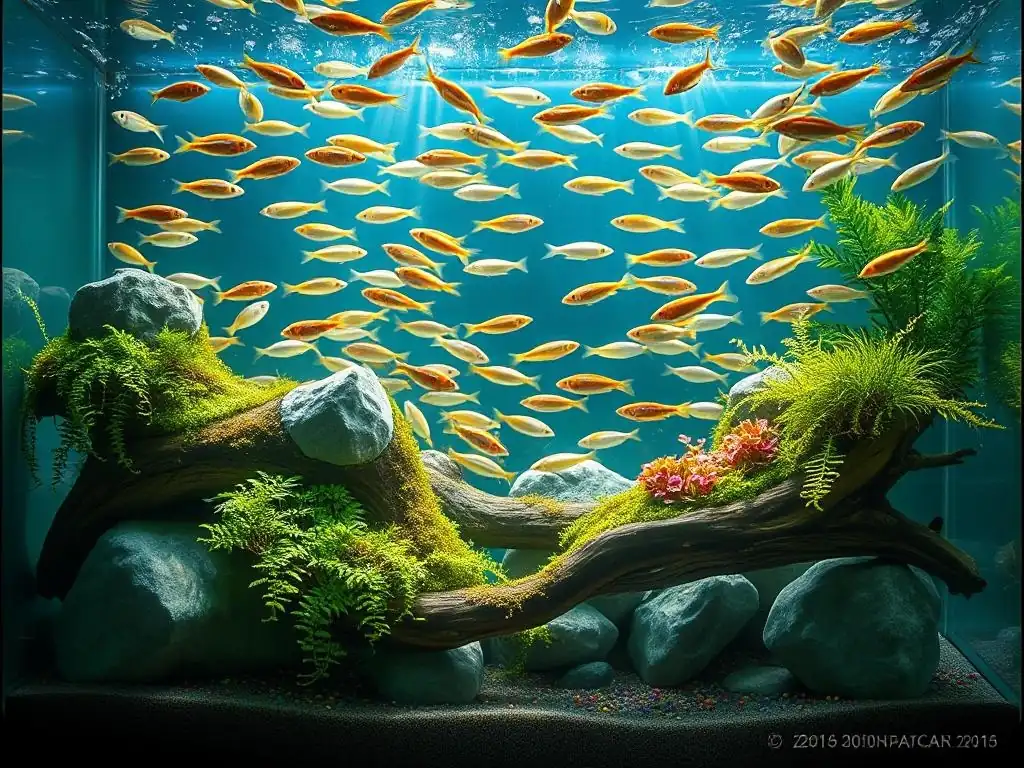
Ever wondered if there's a perfectly dazzling, low-maintenance fish that thrives in cooler waters? Prepare to be amazed! Dive into our comprehensive guide to Gold White Cloud Mountain Minnow care and discover how this shimmering variant can bring a touch of brilliance to your freshwater aquarium. Learn everything you need to know, from tank setup to feeding and breeding, and unlock the secrets to keeping these captivating fish happy and healthy. Are you ready to elevate your aquarium game? Let's get started!
- White Cloud Mountain Minnow: A Hardy and Colorful Freshwater Fish
- Introduction to White Cloud Mountain Minnows
- White Cloud Mountain Minnow Care: Essential Guidelines
- White Cloud Mountain Minnow Appearance and Behavior
- White Cloud Mountain Minnow Tank Mates
- Breeding White Cloud Mountain Minnows
- Common White Cloud Mountain Minnow Health Issues
- The Benefits of Keeping White Cloud Mountain Minnows
-
Frequently Asked Questions
- What are the key differences between Gold White Cloud Mountain Minnows and regular White Cloud Mountain Minnows?
- What is the ideal water temperature for Gold White Cloud Mountain Minnows?
- How many Gold White Cloud Mountain Minnows should I keep together?
- What type of food should I feed my Gold White Cloud Mountain Minnows?
- What are some common health problems that affect Gold White Cloud Mountain Minnows?
- Final Reflection: A Golden Ripple of Responsibility
- Ignite Your Aquarium: Unveil the Gold White Cloud Magic!
White Cloud Mountain Minnow: A Hardy and Colorful Freshwater Fish
Introduction to White Cloud Mountain Minnows
Origin and Discovery of White Cloud Mountain Minnows
The White Cloud Mountain Minnow ( Tanichthys albonubes) hails from the pristine streams and rivers of the White Cloud Mountain region in Guangzhou, China. Discovered in the 1930s by a Boy Scout leader named Tan, these small, active cyprinids quickly gained popularity in the aquarium hobby due to their striking appearance and remarkable hardiness. Their natural habitat is characterized by cool, flowing water, which is a key factor in understanding their unique care requirements compared to many other popular tropical aquarium fish.
While the original wild type exhibits a silver-green body with a prominent horizontal stripe, selective breeding over decades has led to the development of several popular variants, most notably the Gold White Cloud Mountain Minnow. This shimmering variant retains all the desirable traits of its wild counterpart—including its resilience and adaptability—but showcases a beautiful, lustrous golden coloration that adds a unique visual appeal to any cool water aquarium. The Gold White Cloud Minnow is a testament to the success of captive breeding efforts in enhancing the aesthetic diversity of this already beloved species.
Popularity as a Beginner-Friendly Aquarium Fish
White Cloud Mountain Minnows, and particularly the Gold White Cloud Mountain Minnow, are celebrated as one of the most beginner-friendly fish available to aquarists. Their ease of care stems from their wide tolerance for varying water conditions and their ability to thrive in cooler temperatures, which eliminates the need for a heater in many home aquarium setups. This low-maintenance aspect makes them an ideal choice for newcomers looking to establish their first thriving freshwater tank.
Beyond their hardiness, the Gold White Cloud Minnow's active schooling behavior and vibrant golden hue make them a captivating addition to any aquarium. They are peaceful fish that rarely cause problems in a community tank, provided their tank mates are also small and non-aggressive. Their small size, typically reaching about 1.5 inches (3.8 cm) in length, allows them to be kept in relatively smaller aquariums, though a school of at least six to eight individuals is recommended for their well-being and to observe their natural schooling dynamics, which is a highlight of Gold White Cloud Minnow care.
White Cloud Mountain Minnow Care: Essential Guidelines
Optimal Tank Setup for White Cloud Mountain Minnows
Providing an optimal tank setup is paramount for the long-term health and vibrancy of your White Cloud Mountain Minnows, especially the Gold White Cloud Mountain Minnow variant. These fish thrive in environments that mimic their natural cool, clear, and flowing habitats. A well-planned aquarium not only ensures their physical well-being but also encourages their natural behaviors and enhances their brilliant coloration. Thoughtful Gold White Cloud Minnow care begins with the right environment.
A suitable setup should include ample swimming space, appropriate substrate, and carefully chosen decorations that provide both shelter and open areas. Consideration of tank size, filtration, and lighting are also crucial to creating a stable and flourishing ecosystem. Replicating aspects of their native streams helps to reduce stress and promote robust health, making them less susceptible to common ailments.
Tank Size Requirements for a School of White Cloud Mountain Minnows
For a thriving school of Gold White Cloud Mountain Minnows, a minimum tank size of 10 gallons (approximately 38 liters) is recommended. While a single minnow might survive in a smaller tank, these fish are highly social and exhibit their best behavior and coloration when kept in groups of at least 6 to 8 individuals. A 10-gallon tank can comfortably house a school of 6-10 Gold White Cloud Minnows, providing sufficient space for them to swim freely and establish their hierarchy without excessive crowding.
For larger schools or community tanks that include other compatible species, a 20-gallon (approximately 76 liters) or larger aquarium is preferable. This increased volume offers more stable water parameters and greater swimming room, which is particularly beneficial for the active Gold White Cloud Minnow. Adequate tank size is a fundamental aspect of Gold White Cloud Minnow care, directly impacting their stress levels, growth, and overall lifespan, which can extend up to 3-5 years with proper conditions.
Substrate and Decoration Ideas for White Cloud Mountain Minnow Tanks
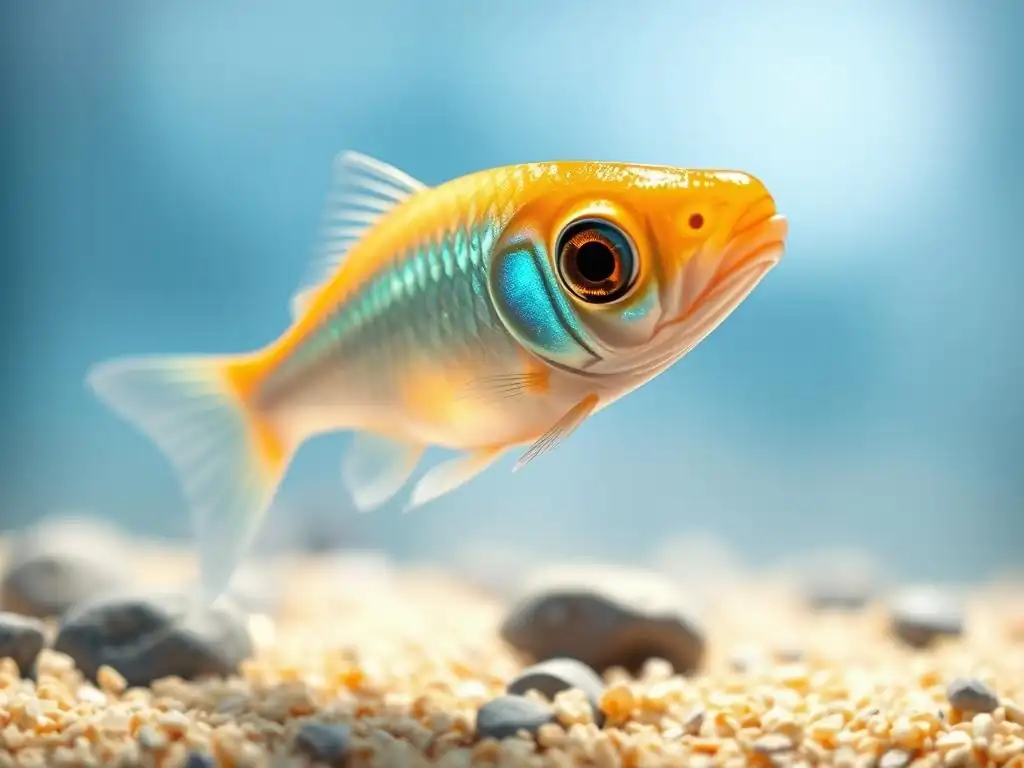
When setting up a tank for Gold White Cloud Mountain Minnows, a fine-grained substrate such as sand or small gravel is ideal. These fish do not typically dig, so the substrate serves primarily as an aesthetic element and a base for live plants. A darker substrate can also help to highlight the vibrant golden coloration of the Gold White Cloud Minnow, making them stand out more prominently against the tank background.
Decorations should aim to mimic their natural environment, providing a balance of open swimming areas and sheltered spots. Live plants, such as Java Fern, Anubias, Anacharis, and various mosses (e.g., Java Moss), are excellent choices as they thrive in cooler water and offer natural hiding spots and a sense of security for the minnows. Smooth river rocks and driftwood can also be incorporated to create naturalistic landscapes. Ensure all decorations are smooth and free of sharp edges to prevent injury to the fish. Ample plant coverage and hiding spots contribute significantly to effective Gold White Cloud Minnow care.
Water Parameters for Thriving White Cloud Mountain Minnows
Maintaining stable and appropriate water parameters is critical for the health and longevity of your Gold White Cloud Mountain Minnows. These fish are known for their adaptability, but consistency in water chemistry and temperature will significantly reduce stress and prevent disease. Regular water testing is a key component of effective Gold White Cloud Minnow care, allowing you to monitor conditions and make necessary adjustments promptly.
Understanding the specific needs of Gold White Cloud Mountain Minnows in terms of temperature, pH, and hardness, as well as maintaining pristine water quality by controlling ammonia, nitrite, and nitrate levels, will ensure a robust and vibrant aquatic environment. These parameters directly influence their metabolism, immune system, and overall well-being, making them foundational to successful Gold White Cloud Minnow keeping.
Ideal Temperature Range for White Cloud Mountain Minnows
One of the most distinctive aspects of White Cloud Mountain Minnow care is their preference for cooler water temperatures, setting them apart from many common tropical fish. The ideal temperature range for Gold White Cloud Mountain Minnows is between 64°F and 72°F (18°C to 22°C). They are remarkably tolerant of temperatures as low as 50°F (10°C) and can even survive brief periods near freezing, which reflects their origin in cool mountain streams.
While they can tolerate slightly warmer temperatures up to 78°F (26°C), prolonged exposure to high temperatures (above 75°F/24°C) can stress them, shorten their lifespan, and make them more susceptible to disease. Higher temperatures also accelerate their metabolism, leading to a shorter life. For this reason, Gold White Cloud Minnows are excellent candidates for unheated aquariums in temperate climates or for pairing with other cool-water species.
Water Chemistry: pH, Hardness, and Ammonia Control
Gold White Cloud Mountain Minnows are quite adaptable regarding water chemistry, making Gold White Cloud Minnow care relatively straightforward in this regard. They thrive in a pH range of 6.0 to 8.0, with a neutral pH of around 7.0-7.5 often being ideal. Their preferred water hardness is typically between 5 and 15 dGH (degrees of General Hardness), indicating they are comfortable in soft to moderately hard water. Consistency is more important than hitting exact numbers within these ranges; sudden fluctuations in pH or hardness can be more detrimental than slightly off-target but stable parameters.
Crucially, maintaining excellent water quality through effective ammonia, nitrite, and nitrate control is vital for the health of Gold White Cloud Minnows. Ammonia and nitrite should always be at 0 ppm (parts per million), as even small amounts are highly toxic. Nitrates should be kept below 20 ppm through regular partial water changes—typically 20-25% of the tank volume weekly. A robust filtration system, including mechanical, biological, and chemical filtration, is essential to process waste and maintain these pristine conditions, ensuring the long-term well-being of your Gold White Cloud Minnows.
White Cloud Mountain Minnow Diet and Feeding
Proper nutrition is a cornerstone of Gold White Cloud Minnow care, directly influencing their growth, coloration, activity levels, and overall health. A varied and balanced diet ensures they receive all the necessary nutrients, vitamins, and minerals to thrive. These omnivorous fish are not picky eaters, which simplifies their feeding regimen, but providing a diverse range of foods will significantly benefit their vitality.
Understanding what to feed them, how much, and how often is key to preventing overfeeding, which can lead to poor water quality and health issues. A well-fed Gold White Cloud Minnow will display vibrant colors and exhibit active, natural behaviors within the aquarium, contributing to the aesthetic appeal of your tank.
What Do White Cloud Mountain Minnows Eat?
Gold White Cloud Mountain Minnows are omnivores with a hearty appetite, consuming a wide variety of foods. A high-quality flake food or micro-pellets designed for small omnivorous fish should form the staple of their diet. Ensure the food is small enough for their mouths. For optimal Gold White Cloud Minnow care, supplement their diet with live or frozen foods such as brine shrimp, daphnia, bloodworms, and tubifex worms. These protein-rich foods provide essential nutrients and help to enhance their brilliant golden coloration.
Vegetable matter is also important; blanched spirulina flakes or small pieces of blanched zucchini or cucumber can be offered occasionally. Crushed freeze-dried foods can also be a good option. Providing a diverse diet not only ensures they receive a full spectrum of nutrients but also keeps them engaged and active during feeding times, mimicking their natural foraging behavior in the wild.
Feeding Frequency and Portion Control
For adult Gold White Cloud Mountain Minnows, feeding them two to three times a day is generally recommended. Each feeding should consist of a small amount of food that they can consume entirely within 2 to 3 minutes. Overfeeding is a common mistake in aquarium keeping and can quickly lead to deteriorated water quality, which in turn can cause stress and health problems for your fish. Leftover food decomposes, releasing ammonia and nitrites into the water.
It's better to underfeed slightly than to overfeed. Observe your fish during feeding; if food is left on the substrate after a few minutes, you are likely feeding too much. Adjust the portion size accordingly. Consistent feeding schedules and careful portion control are vital aspects of Gold White Cloud Minnow care, contributing significantly to a healthy aquarium environment and robust fish.
White Cloud Mountain Minnow Appearance and Behavior
Identifying White Cloud Mountain Minnows
Recognizing the distinct features of White Cloud Mountain Minnows, particularly the Gold White Cloud Mountain Minnow variant, is crucial for proper identification and appreciation of their unique characteristics. Their small size and streamlined bodies make them agile swimmers, and understanding their subtle differences can help aquarists select healthy specimens and differentiate between sexes, which is useful for breeding purposes.
Their natural markings and the variations created through selective breeding contribute significantly to their aesthetic appeal within the aquarium. Observing these details is an enjoyable part of Gold White Cloud Minnow care, allowing you to appreciate the individuality and beauty of each fish in your school.
Distinguishing Features and Color Variations
The standard White Cloud Mountain Minnow (the wild type) typically exhibits a slender, torpedo-shaped body that is silvery-green to brown, often with a distinctive bright horizontal stripe running from the eye to the caudal fin, bordered by a darker stripe beneath. Their fins are usually reddish, especially the caudal and dorsal fins. The Gold White Cloud Mountain Minnow, however, is selectively bred to display a striking, uniform golden or yellow-orange coloration across its body, often with more intensely red fins compared to the wild type. This vivid golden hue is the primary distinguishing feature that sets it apart.
Other common variants include the "Long-Fin" or "Veiltail" Gold White Cloud Minnow, which possesses elongated fins that flow gracefully as they swim, adding another layer of visual appeal. Regardless of the specific variant, all White Cloud Mountain Minnows are characterized by their small adult size, generally reaching about 1.5 inches (3.8 cm), and their constantly active swimming behavior within the mid to upper levels of the water column. The vibrant color of the Gold White Cloud Minnow makes them particularly noticeable in a well-lit tank.
Male vs. Female White Cloud Mountain Minnows
Distinguishing between male and female Gold White Cloud Mountain Minnows can be subtle but becomes more apparent, especially during breeding season. Males are typically more slender and vibrant in coloration, often displaying more intense golden hues and brighter red fins, particularly the dorsal and caudal fins. During spawning, males may exhibit even more pronounced coloring as they try to attract females.
Females, on the other hand, tend to be rounder and plumper, especially when they are gravid (carrying eggs). They are generally less intensely colored than males and may appear slightly larger overall in body mass due to their reproductive capacity. Observing these differences in body shape and color intensity is a useful aspect of Gold White Cloud Minnow care for those interested in breeding or simply understanding the dynamics within their school.
White Cloud Mountain Minnows are highly social fish, and their schooling behavior is one of their most endearing and captivating traits. Understanding their social dynamics is crucial for providing optimal Gold White Cloud Minnow care and creating a harmonious tank environment. Keeping them in appropriate group sizes ensures their well-being and allows you to observe their natural behaviors.
Their active and synchronized swimming adds a dynamic element to the aquarium, making them a joy to watch. A healthy school of Gold White Cloud Minnows will exhibit confident and coordinated movements, reflecting a low-stress and stimulating environment.
Observing White Cloud Mountain Minnow Interaction
Gold White Cloud Mountain Minnows are quintessential schooling fish, meaning they thrive and feel most secure when kept in groups. A minimum school size of 6 to 8 individuals is highly recommended for optimal Gold White Cloud Minnow care. When kept in insufficient numbers, they can become shy, stressed, and prone to hiding, which can suppress their natural colors and activity. In a proper school, you will observe them swimming together in a coordinated fashion, often darting around the tank as a cohesive unit.
While generally peaceful, males may engage in playful chasing and fin-nipping among themselves, especially during breeding periods, but this is rarely harmful and is part of their natural courtship ritual. They are non-aggressive towards other fish species, making them excellent candidates for community tanks with other small, peaceful inhabitants. Their constant activity and shimmering golden bodies make them a focal point in any aquarium.
Creating a Harmonious Tank Environment
To foster a harmonious environment for your Gold White Cloud Mountain Minnows, focus on providing ample space and suitable tank mates. As previously mentioned, a minimum of 6-8 individuals is essential for their schooling behavior and to reduce stress. Overcrowding should be avoided, as it can lead to increased aggression (though rare for this species) and poor water quality.
Ensure the tank has a good balance of open swimming areas and plenty of dense plant cover or decorations where individual fish can retreat if they feel the need for solitude or security. This balance allows them to express their natural schooling behavior while also having safe havens. Maintaining stable water parameters and a consistent feeding schedule further contributes to a low-stress environment, allowing your Gold White Cloud Minnows to display their full vibrant coloration and active personalities.
White Cloud Mountain Minnow Tank Mates
Best Tank Mates for White Cloud Mountain Minnows
Choosing appropriate tank mates is a critical aspect of White Cloud Mountain Minnow care, ensuring that all inhabitants of your aquarium can coexist peacefully and thrive. Given their peaceful nature and preference for cooler water, selecting companions that share similar environmental needs and temperaments is paramount. Introducing incompatible species can lead to stress, aggression, or even death among your fish.
The goal is to create a harmonious community where each fish feels secure and can express its natural behaviors without being harassed or outcompeted for resources. Thoughtful selection of tank mates contributes significantly to the overall health and longevity of your Gold White Cloud Minnows.
Compatible Fish Species for Community Tanks
Gold White Cloud Mountain Minnows are excellent candidates for community tanks, provided their tank mates are also small, peaceful, and ideally, prefer cooler water temperatures. Excellent fish species that thrive alongside Gold White Cloud Minnows include other varieties of White Cloud Mountain Minnows (e.g., the wild type or Long-Fin variants), other small, peaceful Danios like Celestial Pearl Danios ( Danio margaritatus) or Zebra Danios ( Danio rerio), and certain types of Rasboras such as Harlequin Rasboras ( Trigonostigma heteromorpha), though some rasboras prefer slightly warmer water.
Other suitable companions include Kuhli Loaches ( Pangio kuhlii), which are bottom-dwellers that won't compete for swimming space, and small, peaceful tetras like Neon Tetras ( Paracheirodon innesi) or Ember Tetras ( Hyphessobryta amandae), provided the temperature is kept on the lower end of their acceptable range (e.g., 72°F). When selecting tank mates, always prioritize fish with similar temperature and water chemistry requirements to ensure the well-being of all species.
Invertebrates That Thrive with White Cloud Mountain Minnows
Many invertebrates can make excellent tank mates for Gold White Cloud Mountain Minnows, adding diversity and functional benefits to your aquarium. Amano Shrimp ( Caridina multidentata) and Cherry Shrimp ( Neocaridina davidi) are popular choices as they are peaceful, effective algae eaters, and generally too fast or too large for minnows to bother. Their different activity levels and roles in the tank create a dynamic and interesting ecosystem.
Snails, such as Nerite Snails ( Neritina natalensis) or Mystery Snails ( Pomacea bridgesii), are also highly compatible. They are excellent at consuming algae and detritus, helping to keep the tank clean without posing any threat to the minnows. These invertebrates share similar water parameter preferences with Gold White Cloud Mountain Minnows, making their inclusion a natural fit for Gold White Cloud Minnow care. Ensure any invertebrates introduced are not predatory and cannot be easily eaten by the minnows.
Fish to Avoid Keeping with White Cloud Mountain Minnows
Understanding which fish to avoid keeping with your Gold White Cloud Mountain Minnows is just as important as knowing which ones are compatible. Introducing unsuitable tank mates can lead to stress, injury, or even death for your peaceful minnows. The primary concerns typically revolve around aggression, size disparity, and vastly different environmental requirements.
Preventing these mismatches is a crucial aspect of responsible Gold White Cloud Minnow care, ensuring a peaceful and thriving environment for your entire aquatic community. A little research beforehand can save a lot of trouble and heartache.
Preventing Aggression and Competition
To prevent aggression and competition, avoid keeping Gold White Cloud Mountain Minnows with large, aggressive, or fin-nipping fish. Species such as Cichlids (e.g., Convict Cichlids, Jack Dempseys), larger Gouramis, or Barbs known for fin-nipping (e.g., Tiger Barbs) are unsuitable. Even if a larger fish isn't overtly aggressive, its sheer size can intimidate and stress the small minnows, leading to hiding behavior and a reluctance to feed.
Similarly, fish that require significantly warmer tropical temperatures (e.g., Discus, many types of Angels or certain Rainbowfish) should be avoided, as the cooler water preferred by Gold White Cloud Minnows would be detrimental to their health, and vice-versa. Also, avoid very fast or boisterous fish that could outcompete the minnows for food, leading to malnutrition for the Gold White Cloud Minnows. Prioritizing species with similar temperaments, sizes, and environmental needs is key for successful Gold White Cloud Minnow care in a community setting.
Breeding White Cloud Mountain Minnows
Setting Up a Breeding Tank for White Cloud Mountain Minnows
Breeding Gold White Cloud Mountain Minnows can be a rewarding experience for aquarists, even for beginners, as they are relatively easy to breed compared to many other fish species. To maximize success and protect the eggs and fry, it's highly recommended to set up a dedicated breeding tank. This specialized environment allows you to control the conditions precisely and prevent adult fish from consuming the eggs or fry.
A well-prepared breeding tank is the first step towards successfully raising a new generation of these beautiful fish. Attention to detail in this setup significantly improves the chances of a successful spawn and the survival rate of the fry, making it a key part of advanced Gold White Cloud Minnow care.
Creating Ideal Breeding Conditions
To encourage Gold White Cloud Mountain Minnows to breed, a small, dedicated breeding tank of 5-10 gallons (19-38 liters) is ideal. The water parameters in the breeding tank should closely match those of the main tank, typically a pH of 6.5-7.5 and a temperature around 68-72°F (20-22°C). While they can breed at cooler temperatures, a slight increase within this range can stimulate spawning. The water should be soft to moderately hard (5-10 dGH).
A sponge filter is recommended for filtration, as it provides gentle flow and won't suck up tiny fry. Performing a small (10-20%) water change with slightly cooler water can often trigger spawning behavior, mimicking the influx of fresh water they experience in their natural environment. A common strategy involves conditioning a group of 2-3 males and 2-3 females in the main tank with high-quality, protein-rich foods for a week or two before moving them to the breeding tank.
Plants and Spawning Substrates
Gold White Cloud Mountain Minnows are egg scatterers, meaning they will lay their eggs indiscriminately among fine-leaved plants or other suitable substrates. To facilitate egg collection and protect the eggs from being eaten by the parents, incorporate plenty of fine-leaved plants like Java Moss ( Taxiphyllum barbieri), Anacharis ( Egeria densa), or Water Sprite ( Ceratopteris thalictroides) into the breeding tank. These plants provide ample surface area for the adhesive eggs to attach.
Alternatively, a spawning mop made of synthetic yarn can be used. Simply float the mop in the tank or anchor it to the bottom. Marbles or a mesh grid placed on the bottom of the tank can also allow eggs to fall through, out of reach of the adults. Once eggs are observed (they are tiny, clear, and adhesive, typically laid in small batches over several days), the adult Gold White Cloud Minnows should be carefully removed from the breeding tank to prevent them from consuming the eggs.
White Cloud Mountain Minnow Fry Care
Caring for White Cloud Mountain Minnow fry requires diligence, particularly in providing appropriate food and maintaining pristine water quality. The fry are incredibly small and delicate, making the initial stages of their life the most challenging. However, with proper attention, a significant number of fry can be successfully raised to maturity. This detailed approach to fry care is essential for those looking to expand their Gold White Cloud Minnow populations.
Understanding their dietary needs and environmental sensitivities is key to ensuring their survival and healthy development. Patience and consistency are vital during this phase of Gold White Cloud Minnow care.
Feeding and Raising White Cloud Mountain Minnow Fry
White Cloud Mountain Minnow fry are extremely tiny upon hatching, which typically occurs within 24-72 hours after the eggs are laid, depending on temperature. For the first few days, they will feed on their yolk sacs. Once they become free-swimming (usually within 3-5 days post-hatch), they require microscopic food. Infusoria, which can be cultured at home or purchased, is an ideal first food due to its small size. Liquid fry food or specialized powdered fry food designed for egg-laying fish can also be used.
After approximately one week, as the fry grow, they can be transitioned to slightly larger foods such as newly hatched brine shrimp nauplii. These are highly nutritious and stimulate rapid growth. As the fry continue to grow, typically after 2-3 weeks, they can begin to accept finely crushed flake food. Feed the fry several times a day (4-6 times) in very small amounts to ensure constant access to food, as their tiny stomachs require frequent replenishment.
Maintaining Optimal Water Quality for Fry Development
Maintaining impeccable water quality is paramount for the survival and healthy development of Gold White Cloud Mountain Minnow fry. Because they are so small and sensitive, and because they are fed frequently, their breeding tank can quickly accumulate waste. Regular, small water changes are essential—daily or every other day, changing 10-15% of the water volume using a small airline tubing to siphon out detritus from the bottom without sucking up the fry.
The water used for changes should be dechlorinated and precisely match the temperature and parameters of the breeding tank to avoid shocking the delicate fry. A gentle sponge filter is crucial for biological filtration without creating strong currents that could harm the fry. Avoid strong air pumps or power filters. Consistent monitoring of ammonia, nitrite, and nitrate levels is non-negotiable to ensure the fry grow in a clean, stable environment, minimizing the risk of disease and promoting robust development.
Common White Cloud Mountain Minnow Health Issues
Recognizing Symptoms of Disease in White Cloud Mountain Minnows
Even with diligent Gold White Cloud Minnow care, fish can sometimes fall ill. Recognizing the early symptoms of disease is crucial for effective treatment and preventing the spread of illness to other tank inhabitants. Gold White Cloud Mountain Minnows, like all fish, can be susceptible to various common aquarium ailments, particularly if water quality is compromised or they are stressed.
Being observant of your fish's behavior and physical appearance can provide early warning signs, allowing for timely intervention. A keen eye is the first line of defense in maintaining a healthy aquarium and ensuring the well-being of your Gold White Cloud Mountain Minnows.
Identifying Common Ailments
Common ailments in Gold White Cloud Mountain Minnows often stem from poor water quality or stress. Ichthyophthirius multifiliis (Ich or White Spot Disease) is one of the most prevalent, characterized by small, white spots resembling grains of salt on the body and fins. Other common issues include fin rot, where the fins appear frayed, clamped, or have white edges, often due to bacterial infection. Fungal infections might manifest as cotton-like growths on the body or fins.
Lethargy, loss of appetite, clamped fins, rapid gill movement, erratic swimming, or rubbing against tank decor are all behavioral indicators of potential illness. Bloating or dropsy (characterized by scales sticking out like a pinecone) are severe symptoms often indicating internal bacterial infections or organ failure. Any deviation from their normal active and schooling behavior warrants immediate investigation, as early detection is key to successful Gold White Cloud Minnow care and recovery.
Quarantine Procedures
When introducing new Gold White Cloud Mountain Minnows or any new fish to an existing aquarium, implementing a quarantine procedure is a highly recommended practice for preventing the introduction of diseases. A separate 5-10 gallon quarantine tank, equipped with a heater (if needed for medication), a sponge filter, and basic decor, should be set up. New fish should be kept in this tank for at least two to four weeks.
During the quarantine period, closely observe the new fish for any signs of disease, such as those mentioned above. This allows time for any latent diseases to manifest. If symptoms appear, the fish can be treated in the quarantine tank without exposing the main display tank's inhabitants to medication or potential pathogens. This proactive approach significantly reduces the risk of widespread illness in your established aquarium and is a vital step in responsible Gold White Cloud Minnow care.
Preventing and Treating Fish Diseases
Prevention is always better than cure when it comes to fish diseases, and this holds true for Gold White Cloud Mountain Minnows. Maintaining optimal water quality and providing a stress-free environment are the most effective ways to prevent illness. However, if disease does strike, prompt and appropriate treatment is essential. Understanding the root causes of common ailments can guide your preventative measures and treatment strategies.
A proactive approach to aquarium maintenance and a readiness to act when symptoms appear are hallmarks of effective Gold White Cloud Minnow care, ensuring your fish remain healthy and vibrant.
Maintaining Water Quality to Prevent Illness
The single most important factor in preventing diseases in Gold White Cloud Mountain Minnows is maintaining consistently excellent water quality. This involves performing regular partial water changes (20-25% weekly) to dilute nitrates and replenish essential minerals. A robust filtration system (mechanical, biological, and chemical) is crucial for removing waste products and maintaining the nitrogen cycle.
Regularly test your water parameters (ammonia, nitrite, nitrate, pH, temperature) to ensure they remain within the ideal ranges for Gold White Cloud Minnows. Avoid overfeeding, as uneaten food quickly decomposes and pollutes the water. Providing a varied, high-quality diet boosts their immune system. A stable environment with appropriate tank mates and minimal stress factors significantly reduces their susceptibility to disease, making Gold White Cloud Minnow care less about treatment and more about prevention.
Treatment Options for Common White Cloud Mountain Minnow Diseases
If your Gold White Cloud Mountain Minnows do contract a disease, prompt diagnosis and treatment are crucial. For Ich, increasing the water temperature gradually (if compatible with tank mates, up to 78°F/26°C for a short period) and using an Ich-specific medication containing malachite green or formalin is common. Fin rot and fungal infections often respond to broad-spectrum antibacterial or antifungal medications, sometimes combined with increased aeration and pristine water conditions.
Always follow the medication's instructions carefully, paying attention to dosage and duration. Remove activated carbon from your filter during treatment, as it will absorb the medication. After treatment, perform a large water change and gradually reintroduce carbon to remove residual medication. For severe or persistent issues, consulting with an experienced aquarist or an aquatic veterinarian is advisable. Remember to treat sick fish in a separate quarantine tank to protect healthy inhabitants and the beneficial bacteria in your main filter.
The Benefits of Keeping White Cloud Mountain Minnows
White Cloud Mountain Minnows: A Beginner-Friendly Fish
The Gold White Cloud Mountain Minnow stands out as an exceptionally beginner-friendly fish, making it an ideal choice for those new to the aquarium hobby. Their robust nature and adaptability to a range of water conditions mean they are far more forgiving of minor fluctuations in parameters than many other species. This resilience significantly reduces the initial learning curve associated with establishing and maintaining a new aquarium, allowing novices to gain confidence.
Furthermore, their small size and peaceful temperament make them suitable for smaller community tanks, avoiding the challenges of managing large, aggressive, or highly specialized fish. The relative ease of Gold White Cloud Minnow care empowers new aquarists to enjoy the beauty and tranquility of an aquatic ecosystem without being overwhelmed by complex requirements.
The Aesthetic Appeal of White Cloud Mountain Minnows
The aesthetic appeal of Gold White Cloud Mountain Minnows is undeniable, making them a popular choice for aquarists seeking to add vibrant color and lively movement to their tanks. Their shimmering golden bodies, often accentuated by brilliant red fins, create a stunning visual contrast against green plants and dark substrates. When kept in a proper school, their synchronized swimming patterns are mesmerizing, transforming a simple aquarium into a dynamic and engaging display.
The Gold White Cloud Minnow's compact size and active nature ensure they are constantly visible, darting through plants and exploring their environment. This constant activity, combined with their striking coloration, ensures they are a focal point, drawing the eye and providing endless enjoyment. Their beauty is a significant factor in their widespread appeal, making Gold White Cloud Minnow care a truly rewarding experience.
White Cloud Mountain Minnows: A Hardy and Low-Maintenance Aquarium Choice
Beyond their beauty and beginner-friendliness, Gold White Cloud Mountain Minnows are celebrated for their exceptional hardiness and low-maintenance requirements, solidifying their status as a top choice for both novice and experienced aquarists. Their ability to thrive in cooler, unheated tanks means lower electricity consumption and less equipment to manage, simplifying the setup and ongoing care. This adaptability to a wider temperature range also makes them suitable for a broader array of home environments.
Their undemanding dietary needs, peaceful disposition, and resistance to common diseases when kept in proper conditions further contribute to their low-maintenance profile. With consistent water changes and a balanced diet, Gold White Cloud Mountain Minnows generally remain healthy and active, requiring minimal intervention. This combination of resilience and ease of care makes Gold White Cloud Minnow care a stress-free and enjoyable endeavor, allowing aquarists to focus on the pleasure of observing their vibrant aquatic pets.
Frequently Asked Questions
What are the key differences between Gold White Cloud Mountain Minnows and regular White Cloud Mountain Minnows?
The main difference is their coloration. Gold White Clouds are a golden variant, while regular White Clouds are typically silver/olive green. Both share similar care requirements and temperament.
What is the ideal water temperature for Gold White Cloud Mountain Minnows?
They thrive in cooler water, ideally between 64°F and 72°F. This makes them suitable for unheated tanks in some climates and distinguishes them from many tropical fish.
How many Gold White Cloud Mountain Minnows should I keep together?
These are social fish and should be kept in groups of at least 6. A larger group of 8-10 will allow them to display their natural behaviors and reduce stress.
What type of food should I feed my Gold White Cloud Mountain Minnows?
They are omnivores and will accept a variety of foods. Offer them a balanced diet of high-quality flake food, supplemented with small live or frozen foods like daphnia or bloodworms.
What are some common health problems that affect Gold White Cloud Mountain Minnows?
While relatively hardy, they can be susceptible to Ich (white spot disease) if water quality is poor. Maintaining a clean tank and performing regular water changes is crucial for their health.
Final Reflection: A Golden Ripple of Responsibility
The journey of understanding Gold White Cloud Mountain Minnow care extends far beyond the confines of our aquariums. It speaks to a broader appreciation for biodiversity and the delicate ecosystems from which these shimmering creatures originate. Understanding their needs is not just about keeping them alive; it's about acknowledging our role as stewards of a world increasingly impacted by human activity.
This exploration into the Gold White Cloud Minnow has highlighted the importance of responsible pet ownership and the impact our choices have on the natural world. Personally, I find a profound connection in providing a thriving environment for these fish, a small act that reflects a larger commitment to conservation. We are tied to the ocean. And when we go back to the sea, whether it is to sail or to watch - we are going back from whence we came.
- John F. Kennedy. This quote resonates deeply, reminding us that even freshwater ecosystems deserve our respect and protection.
As you consider adding these golden gems to your own aquarium, remember that you are not just acquiring a pet, but becoming a caretaker of a small piece of the natural world. Let the shimmering beauty of the Gold White Cloud Mountain Minnow inspire you to learn more about their origins, their needs, and the importance of preserving their natural habitat. Embrace the responsibility, and let your aquarium become a testament to your commitment to a healthier, more vibrant planet.
Ignite Your Aquarium: Unveil the Gold White Cloud Magic!
Thank you for diving into the world of Gold White Cloud Mountain Minnows! We hope you've found inspiration to enhance your cool water aquarium. Now, let's bring that inspiration to life!
Here are a few ways to take your aquarium journey to the next level:
- Introduce a school of Gold White Clouds to your tank and witness their shimmering beauty firsthand. This is the best way to appreciate their unique charm!
- Explore complimentary cool water species like the Hillstream Loach to create a balanced and captivating ecosystem.
- Share this article with fellow aquarium enthusiasts and spark discussions about the best cool water setups.
What unique biotope will you create to showcase your Gold White Cloud Mountain Minnows?