
Selecting Your Foundation: Choosing the Best Swordtails for Line Breeding

Welcome to Aquarium Mastery!
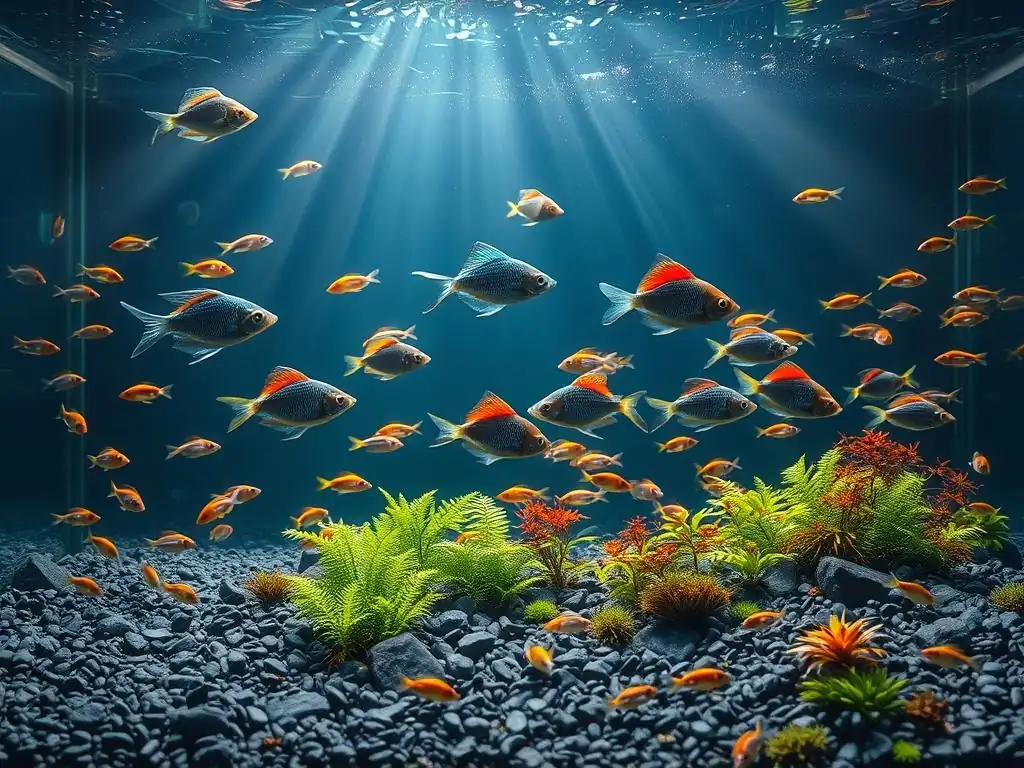
Dive into the captivating world of aquarium keeping, and specifically, into the fascinating art of Swordtail breeding line genetics. Ever wondered how to cultivate the perfect color and finnage in your Swordtails? This article unlocks the secrets to selecting your foundation stock, paving the way for a truly stunning and personalized lineage. Get ready to unravel the genetic mysteries and embark on a rewarding journey of selective breeding! Let's begin...
- Understanding Swordtail Genetics for Successful Line Breeding
- Sourcing Swordtails for Line Breeding: Finding Quality Stock
- Establishing Your Swordtail Breeding Program: Initial Selection Criteria
- Implementing Selective Breeding Techniques for Swordtails
- Managing and Improving Your Swordtail Breeding Line
- Advanced Swordtail Breeding Techniques: Refining Your Line
- Avoiding Common Pitfalls in Swordtail Line Breeding
-
Frequently Asked Questions
- How important is the initial selection of swordtails when starting a line breeding program?
- What specific traits should I focus on when selecting swordtails for breeding?
- How can I determine the genetic potential of a swordtail before breeding it?
- What are the potential risks of using closely related swordtails in a line breeding program?
- How often should I introduce new bloodlines into my swordtail breeding program to prevent inbreeding?
- Final Reflection: Forging a Legacy in Swordtail Genetics
- Unleash the Swordtail Breeder Within!
Understanding Swordtail Genetics for Successful Line Breeding
The Importance of Genetic Diversity in Swordtail Breeding
Genetic diversity is the cornerstone of a robust and sustainable swordtail breeding program. A broad genetic base ensures that a population has a wider array of genes, which can be crucial for adapting to environmental changes or resisting diseases. Without sufficient diversity, a breeding line can quickly become susceptible to inbreeding depression, manifesting as reduced fertility, smaller size, weakened immune systems, and increased susceptibility to common ailments like fin rot or ich. For instance, a line with limited genetic variation might see a 20-30% drop in fry survival rates over just a few generations due to cumulative genetic weaknesses.
Maintaining a diverse gene pool is essential for the long-term health and vitality of your swordtail breeding line genetics. It provides the raw material for selective breeding, allowing you to pick and choose individuals with desirable traits while minimizing the expression of detrimental recessive genes. When starting a line, sourcing fish from multiple unrelated parents, even if they exhibit similar desired traits, is a strategic move to build a strong foundation. This initial investment in genetic breadth will pay dividends in the resilience and success of your future swordtail breeding line genetics.
Identifying Desirable Traits for Swordtail Line Development
Identifying desirable traits is the first step in shaping your swordtail breeding line genetics towards a specific goal. These traits can include vibrant and consistent coloration, such as the deep, uniform red of a "Red Simpson" swordtail or the striking black markings of a "Tuxedo" variety. Beyond color, finnage is a critical aspect; breeders often seek out specific fin shapes like the elongated dorsal fin of a "Hi-Fin" or the elegant, sword-like caudal fin extension that gives the swordtail its name. Body shape should also be considered, favoring robust, well-proportioned bodies free of deformities.
When assessing individuals for your breeding stock, look for consistency in these desired characteristics across a group of fish, not just in isolated specimens. For example, if aiming for a "Pineapple" swordtail, you'd want fish exhibiting a clear, bright orange-yellow body with distinct black speckling, and these traits should be evident in both males and females. The goal is to select individuals that best embody the ideal characteristics you wish to perpetuate, setting a clear standard for the future swordtail breeding line genetics.
Recognizing Undesirable Traits to Avoid in Swordtail Selection
Just as important as identifying desirable traits is recognizing and actively avoiding undesirable ones that could compromise your swordtail breeding line genetics. These include physical deformities such as bent spines, underdeveloped or malformed fins, and missing gill plates, which indicate poor genetic health or developmental issues. Weak or faded coloration, inconsistent patterns, or a general lack of vibrancy are also clear indicators of poor genetic quality that should be excluded from a breeding program focused on aesthetic appeal.
Beyond physical attributes, behavioral traits like excessive aggression or extreme shyness can also be undesirable, as they may suggest underlying stress or genetic predispositions that hinder successful breeding or overall tank harmony. Furthermore, any signs of chronic illness, susceptibility to common diseases, or a history of low fertility in a particular lineage should be strong deterrents. Diligent observation and careful culling of fish exhibiting these negative traits are crucial to maintaining the health and integrity of your swordtail breeding line genetics.
Sourcing Swordtails for Line Breeding: Finding Quality Stock
Choosing Reputable Swordtail Breeders and Suppliers
Sourcing high-quality swordtails is paramount for establishing a successful breeding program. Reputable breeders and suppliers are the foundation of this process, as they typically maintain detailed records of their swordtail breeding line genetics and prioritize the health and genetic integrity of their fish. Look for breeders who specialize in swordtails and can provide information about the lineage, health history, and environmental conditions of their stock. Many dedicated breeders operate online or through local aquarium clubs, often showcasing their fish at local or regional competitions.
A reputable breeder will be transparent about their practices, willing to answer questions about their breeding goals, and may even offer a health guarantee on their fish. They often have a deep understanding of specific swordtail varieties, such as the nuances between various color morphs like the "Marigold" or "Black Velvet." Avoid impulse purchases from sources that cannot provide any background information or seem to prioritize quantity over quality, as this often leads to fish with unknown genetic backgrounds and potential health issues that could derail your swordtail breeding line genetics efforts.
Evaluating Swordtail Health and Vigor Before Purchase
Before committing to a purchase, it is critical to meticulously evaluate the health and vigor of potential swordtail breeding stock. Healthy swordtails should be active and alert, swimming freely and exhibiting natural behaviors. Look for clear eyes, intact fins without any fraying or clamping, and a robust, well-rounded body without any signs of emaciation or bloating. Their scales should be smooth and lie flat against the body, and their coloration should be vibrant and true to the variety.
Observe the fish in their current environment for any signs of disease, such as white spots (ich), fungal growths, labored breathing, or unusual swimming patterns. Pay attention to their interactions with other fish; excessively aggressive or lethargic behavior can be red flags. For instance, a healthy male swordtail should display confident finnage and active courtship behaviors, while a female should appear robust and potentially gravid. A thorough visual inspection, coupled with questions about their feeding habits and any recent disease outbreaks in the supplier's tanks, will provide valuable insight into the general health of your prospective swordtail breeding line genetics foundation.
Quarantine Procedures for New Swordtail Acquisitions
Implementing a strict quarantine procedure for all new swordtail acquisitions is non-negotiable for protecting your existing fish and the integrity of your swordtail breeding line genetics. A dedicated quarantine tank, separate from your main display or breeding tanks, should be set up with appropriate filtration, heating, and aeration. New fish should be introduced to this tank and observed for a minimum of 2-4 weeks. During this period, monitor them closely for any signs of disease, parasites, or unusual behavior.
During quarantine, avoid introducing any equipment (nets, siphons) from the quarantine tank to your main tanks without thorough disinfection. Some breeders opt for prophylactic treatments during quarantine, such as a broad-spectrum anti-parasitic or antibacterial medication, though this should be done cautiously and only if necessary. A typical quarantine setup might involve a 10-gallon tank for a few swordtails, with daily visual checks and regular water changes. This diligent approach significantly reduces the risk of introducing pathogens that could wipe out an entire generation of your carefully cultivated swordtail breeding line genetics.
Establishing Your Swordtail Breeding Program: Initial Selection Criteria
Selecting Swordtails with Strong Coloration and Patterns
When establishing your swordtail breeding program, the initial selection of fish with strong coloration and patterns is paramount, as these are often the primary aesthetic goals for many breeders. Focus on individuals that exhibit deep, uniform colors that are characteristic of the desired morph, such as the intense red of a "Red Velvet" swordtail or the stark black and white contrast of a "Panda" swordtail. Patterns, if applicable, should be well-defined and consistent across the body, without blotchiness or fading.
For example, if you aim to breed "Pineapple" swordtails, you would select fish displaying a vibrant orange-yellow base color with distinct, evenly distributed black speckling, ensuring the pattern is not too sparse or overwhelming. Pay close attention to the intensity and coverage of the color, as well as the crispness of any patterns on both the body and fins. These visual cues are direct indicators of the genetic potential for perpetuating specific aesthetic qualities within your swordtail breeding line genetics.
Evaluating Swordtail Finnage and Body Shape
Beyond coloration, the evaluation of swordtail finnage and body shape is crucial for developing a high-quality breeding line. Ideal finnage varies by desired morph; for instance, a "Hi-Fin" swordtail should possess a tall, erect dorsal fin that extends significantly above the body, while a "Lyretail" swordtail should exhibit elongated, flowing caudal fins. The "sword" extension on the male's caudal fin should be straight, well-formed, and proportionate to the body. Avoid fish with clamped, ragged, or disproportionately small fins, as these can indicate poor health or undesirable genetic traits.
Body shape should be robust, streamlined, and free from any deformities like bent spines or a sunken belly. A healthy swordtail should have a full, muscular appearance, particularly around the dorsal area. For example, a well-bred "Berlin" swordtail should have a solid, compact body shape that supports its vibrant red coloration. Selecting individuals with excellent finnage and desirable body conformation contributes significantly to the overall aesthetic appeal and genetic integrity of your swordtail breeding line genetics.
Assessing Swordtail Temperament and Breeding History
While often overlooked, assessing swordtail temperament and, if possible, their breeding history, provides valuable insights for your breeding program. Select fish that exhibit a calm, non-aggressive temperament, especially if they are to be kept in community breeding tanks. Overly aggressive males can stress females and inhibit successful spawning, while overly timid fish may not compete well for food or breeding opportunities. Observe how they interact with tank mates and respond to feeding.
If purchasing from a breeder, inquire about the breeding history of the parent stock. Fish from proven prolific lines are often more reliable breeders themselves. For instance, a female swordtail from a line known for producing large, healthy spawns of 50-100 fry or more every 4-6 weeks will likely contribute more effectively to your swordtail breeding line genetics than one from an unknown or less productive background. While not always possible to ascertain, this information can significantly boost your initial success.
Implementing Selective Breeding Techniques for Swordtails
Understanding the Role of Inbreeding and Outcrossing in Swordtail Line Breeding
In swordtail line breeding, understanding the strategic application of inbreeding and outcrossing is fundamental to shaping your swordtail breeding line genetics. Inbreeding, typically involving the mating of closely related individuals like siblings or parent-offspring, is used to "fix" desirable traits within a line. By repeatedly breeding fish that share a common ancestor, you increase the likelihood of specific genes becoming homozygous, leading to a more consistent expression of traits like intense coloration or specific fin shapes. However, excessive inbreeding without careful selection can quickly lead to inbreeding depression, manifesting as reduced fertility and vigor.
Outcrossing, conversely, involves introducing new genetic material from an unrelated or distantly related swordtail into your breeding line. This technique is primarily used to restore vigor, introduce new desirable traits that are absent in your current line, or mitigate the effects of inbreeding depression. For example, if your line of "Red Velvet" swordtails begins to show signs of reduced size or increased disease susceptibility after several generations of inbreeding, introducing a healthy, unrelated "Red Velvet" with strong genetics can infuse new vitality into your swordtail breeding line genetics. The key is balancing these two techniques to achieve desired traits while maintaining overall genetic health.
Documenting Swordtail Pedigrees and Lineage Tracking
Meticulous documentation of swordtail pedigrees and lineage tracking is a non-negotiable practice for any serious line breeder. This involves recording the parentage of each spawn, the date of birth, the number of fry, and any notable characteristics or deformities observed in the offspring. Simple methods like using separate tanks for specific crosses, labeling them with parent IDs (e.g., "Male A x Female B - Spawn 1"), and maintaining a physical logbook or digital spreadsheet are effective.
Detailed records allow you to trace back the genetic history of individual fish, identify successful pairings, and pinpoint the origin of both desirable and undesirable traits. For instance, if a specific male consistently produces offspring with exceptional finnage, you can prioritize his use in future crosses. Conversely, if a particular female consistently yields fry with bent spines, you can remove her from the breeding program. This systematic approach to tracking swordtail breeding line genetics is crucial for informed decision-making and long-term progress.
Maintaining Genetic Records for Optimal Swordtail Line Development
Beyond basic pedigree tracking, maintaining comprehensive genetic records is vital for optimizing your swordtail line development. This involves noting specific phenotypic expressions (observable traits) in each generation, along with their frequencies. For example, if breeding for a "Hi-Fin" trait, you would record how many fry from a particular cross exhibit the desired high dorsal fin, how many are normal-finned, and how many have underdeveloped fins. This data helps you understand the heritability of traits and predict outcomes of future crosses.
Advanced breeders might even use a simple coding system or spreadsheet to track specific gene expressions, such as "R" for red gene, "H" for hi-fin gene, etc., even if the exact genetic mechanism isn't fully known. This allows for a more scientific approach to swordtail breeding line genetics, enabling you to identify genetic trends, avoid accidental inbreeding of undesirable recessive traits, and make strategic decisions about which individuals to breed together to achieve your specific goals efficiently.
Managing and Improving Your Swordtail Breeding Line
Culling Strategies for Removing Undesirable Traits from Swordtail Lines
Culling is an essential, albeit often difficult, aspect of managing and improving your swordtail breeding line genetics. It involves the selective removal of fish that do not meet your breeding standards or exhibit undesirable traits. This can include individuals with deformities (e.g., bent spines, short gill plates), poor coloration, stunted growth, or signs of chronic illness. The purpose of culling is not to be wasteful, but to prevent these undesirable genes from being passed on to future generations, thereby strengthening the overall quality and health of your line.
Effective culling should be performed consistently, ideally at multiple stages of development, from fry to juvenile. For example, fry with obvious deformities can be removed early, while juveniles showing weak coloration or poor finnage can be culled as they mature. Ethical culling methods, such as humane euthanasia (e.g., clove oil solution), should always be employed. By rigorously removing inferior specimens, you concentrate the desired swordtail breeding line genetics within your population, ensuring that only the best individuals contribute to the next generation.
Introducing New Genetic Material to Enhance Swordtail Vigor
While selective breeding within a closed line is crucial, periodically introducing new genetic material is vital to enhance swordtail vigor and prevent the detrimental effects of long-term inbreeding depression. This involves acquiring a new, unrelated swordtail (or a small group) that ideally exhibits the desirable traits you are already breeding for, or perhaps possesses a trait you wish to introduce. This new fish acts as an "outcross," bringing fresh genes into your line.
The new fish should undergo a strict quarantine period to prevent disease introduction. Once deemed healthy, it can be bred with select individuals from your existing line. For instance, if your "Red Velvet" swordtail line shows reduced fertility or smaller sizes after several generations, introducing a robust, unrelated "Red Velvet" male can significantly boost the overall health and size of the offspring. This strategic infusion of fresh swordtail breeding line genetics can rejuvenate a line, restoring vitality and improving overall resilience.
Monitoring Water Parameters for Optimal Swordtail Breeding Conditions
Maintaining stable and optimal water parameters is fundamental for the health, fertility, and successful breeding of your swordtail line. Swordtails generally thrive in well-filtered, clean freshwater with a pH range of 7.0-8.0, a temperature between 72-79°F (22-26°C), and a moderate to hard water hardness (GH 10-25 dGH, KH 10-20 dKH). Consistent monitoring of these parameters using reliable test kits is crucial, typically on a weekly basis, or more frequently if issues arise.
Fluctuations in water quality, particularly sudden drops in pH or spikes in ammonia/nitrite, can stress fish, reduce fertility, and lead to disease outbreaks, severely impacting your breeding efforts. Regular partial water changes (25-30% weekly) are essential to remove nitrates and replenish minerals, contributing to a stable environment. Optimal water conditions not only promote healthy growth and vibrant coloration but also encourage successful spawning and high fry survival rates, directly supporting the strength and consistency of your swordtail breeding line genetics.
Advanced Swordtail Breeding Techniques: Refining Your Line
Breeding for Specific Swordtail Color Morphs
Advanced swordtail breeders often focus on refining specific color morphs, aiming for unparalleled vibrancy, consistency, and unique patterns. This involves a deep understanding of the genetic principles behind color inheritance, even if the exact genes are not known. For example, to intensify the red in a "Red Velvet" swordtail, breeders might select the deepest red individuals from each generation and breed them together, consistently culling any fish with faded or patchy coloration.
For more complex morphs, such as "Pineapple" or "Tuxedo," which involve multiple color genes and patterns, controlled crosses are essential. This might involve breeding a "Pineapple" male with a female known to carry genes for strong black markings, or vice versa, to enhance the desired pattern. Documenting the outcomes of such crosses meticulously helps in understanding the inheritance patterns and refining your swordtail breeding line genetics to produce consistent, high-quality color morphs.
Enhancing Swordtail Fin Length and Shape
Enhancing fin length and shape is another advanced breeding technique that requires patience and precise selection over multiple generations. For "Hi-Fin" swordtails, the goal is to achieve an exceptionally tall and erect dorsal fin. This involves consistently selecting individuals with the longest and straightest dorsal fins and breeding them together, while culling any fish with short, curved, or floppy dorsal fins. Similarly, for "Lyretail" swordtails, the focus is on developing long, flowing caudal fin extensions that are symmetrical and free of kinks.
This process often involves identifying fish with even subtle improvements in finnage and ensuring they are part of the breeding program. It's a continuous cycle of observation, selection, and breeding, as fin development can sometimes be influenced by environmental factors as well as genetics. Through dedicated effort, breeders can significantly enhance the distinctive finnage that defines many popular swordtail varieties, thereby improving the overall aesthetic quality of their swordtail breeding line genetics.
Breeding for Disease Resistance in Swordtail Lines
Breeding for disease resistance is an advanced, long-term goal that significantly improves the hardiness and overall health of your swordtail line. This involves observing which fish within your existing population naturally exhibit greater resilience to common ailments, even when exposed to minor stressors or pathogens. These individuals, which seem to "bounce back" quicker or never show symptoms, are prime candidates for your breeding program.
While it's challenging to isolate specific genes for disease resistance, consistent selection of healthy, robust fish that have shown a natural immunity or quick recovery from illnesses contributes to building a more resilient swordtail breeding line genetics. This means avoiding breeding from fish that are frequently sick or succumb easily to common diseases, even if they possess desirable aesthetic traits. Over several generations, this selective pressure can lead to a lineage that is inherently more robust and less prone to illness, reducing the need for medications and improving long-term survival rates.
Avoiding Common Pitfalls in Swordtail Line Breeding
Preventing Inbreeding Depression in Swordtail Populations
One of the most significant pitfalls in swordtail line breeding is the onset of inbreeding depression, which can severely compromise the health and viability of your population. This occurs when closely related individuals are bred repeatedly over many generations without the introduction of new genetic material. Signs of inbreeding depression include reduced fertility (fewer eggs, lower hatch rates), smaller adult size, increased susceptibility to diseases, physical deformities like bent spines or underdeveloped fins, and a general loss of vigor.
To prevent this, it's crucial to periodically introduce new, unrelated bloodlines (outcrossing) into your breeding program, typically every 4-6 generations, or whenever signs of depression begin to appear. Maintaining meticulous records of your swordtail breeding line genetics allows you to track relationships and ensure that you don't inadvertently breed too closely for too long. Strategic outcrossing rejuvenates the gene pool, reintroducing genetic diversity and mitigating the negative effects of prolonged inbreeding.
Minimizing Genetic Defects Through Careful Selection
Minimizing genetic defects is a continuous challenge in swordtail line breeding and requires careful, consistent selection. Defects such as severe spinal deformities, missing opercula, or underdeveloped fins are often signs of undesirable recessive genes becoming homozygous due to close breeding. While some defects may appear randomly, a high frequency within a specific lineage points to a genetic predisposition.
The primary strategy for minimizing these defects is rigorous culling. Any fish exhibiting a significant genetic defect should be immediately removed from the breeding program, regardless of other desirable traits it may possess. This prevents the perpetuation of the detrimental gene. Additionally, maintaining detailed records of which crosses produce defects can help identify "carrier" parents, allowing you to avoid future pairings that are likely to produce affected offspring, thus refining your swordtail breeding line genetics over time.
Maintaining a Healthy and Diverse Swordtail Gene Pool
Maintaining a healthy and diverse swordtail gene pool is the ultimate goal for sustainable and successful line breeding. While selective breeding focuses on narrowing the gene pool to fix desirable traits, it's a delicate balance to ensure sufficient diversity remains to prevent genetic bottlenecks and future problems. A limited gene pool can make a line vulnerable to new diseases or environmental changes, as it lacks the genetic variations needed to adapt.
To achieve this balance, consider maintaining multiple distinct lines within your breeding program, even if they share similar initial goals. This provides a backup genetic reservoir if one line encounters problems. Periodically, carefully planned outcrosses using fish from a different, healthy line can introduce fresh genetics without completely disrupting your established traits. This proactive approach ensures the long-term health, vigor, and adaptability of your swordtail breeding line genetics, securing its future for generations to come.
Frequently Asked Questions
How important is the initial selection of swordtails when starting a line breeding program?
The initial selection is crucial. Choosing swordtails with desirable traits and strong genetics will significantly impact the success and speed of your breeding program. It sets the foundation for the entire line.
What specific traits should I focus on when selecting swordtails for breeding?
Focus on traits like body shape, fin length, coloration, and disease resistance. Select individuals that exhibit these traits to the highest degree, as these are the traits you are trying to enhance in your breeding line.
How can I determine the genetic potential of a swordtail before breeding it?
Unfortunately, directly determining genetic potential is difficult. However, observing the parents and siblings of the potential breeders can provide insights. Also, look for consistent expression of desired traits across generations.
Inbreeding can lead to inbreeding depression, resulting in reduced fertility, weakened immune systems, and deformities. Careful monitoring and occasional outcrossing are necessary to mitigate these risks and maintain genetic diversity.
How often should I introduce new bloodlines into my swordtail breeding program to prevent inbreeding?
The frequency depends on the line's genetic health. However, introducing new bloodlines every few generations (e.g., every 3-5 generations) can help maintain genetic diversity and prevent the negative effects of inbreeding.
Final Reflection: Forging a Legacy in Swordtail Genetics
The meticulous process of selecting swordtails for line breeding, as we've explored, isn't merely about aesthetics; it's about shaping the future of the species through careful genetic selection. In a world increasingly focused on instant gratification, the patience and dedication required for this endeavor stand as a testament to the enduring power of thoughtful, long-term planning. The principles discussed, from understanding genetic markers to meticulously tracking lineage, are not just applicable to swordtails, but resonate with broader themes of responsibility and stewardship in the natural world.
This journey into swordtail breeding has profoundly impacted my understanding of the delicate balance between art and science. Witnessing the tangible results of selective breeding, the emergence of unique traits and vibrant colors, is a constant reminder of the power we wield and the responsibility that comes with it. The beauty of genetics lies not just in understanding the code, but in appreciating the infinite possibilities it unlocks.
This quote encapsulates the wonder and the weight of influencing the genetic trajectory of these captivating creatures.
Now, consider how these principles of selective breeding, of understanding lineage and striving for improvement, can be applied to other areas of your life. Are there aspects of your own "genetic code," your skills and talents, that you can cultivate and refine? Just as a dedicated breeder shapes the future of their swordtail line, you too have the power to shape your own destiny. Embrace the patience, the dedication, and the vision required to forge your own unique legacy.
Unleash the Swordtail Breeder Within!
Thank you for diving deep into the world of swordtail selection! We hope you now feel empowered with the knowledge to choose the best fish for your line breeding project. Ready to put your newfound understanding into action?
Here are a few next steps to take:
- Begin selecting your initial breeding stock. This is the most crucial step – carefully evaluate potential parents based on the criteria discussed.
- Research local aquarium clubs or online forums. Sharing your experiences and learning from other breeders can significantly accelerate your progress.
- Consider documenting your breeding process with photos and notes. You might uncover valuable insights or even inspire others!
What specific traits are you most excited to improve in your swordtail line, and what challenges do you anticipate facing?