
Dwarf Cichlids 101: Your Ultimate Guide to These Tiny Terrors (and Treasures!)

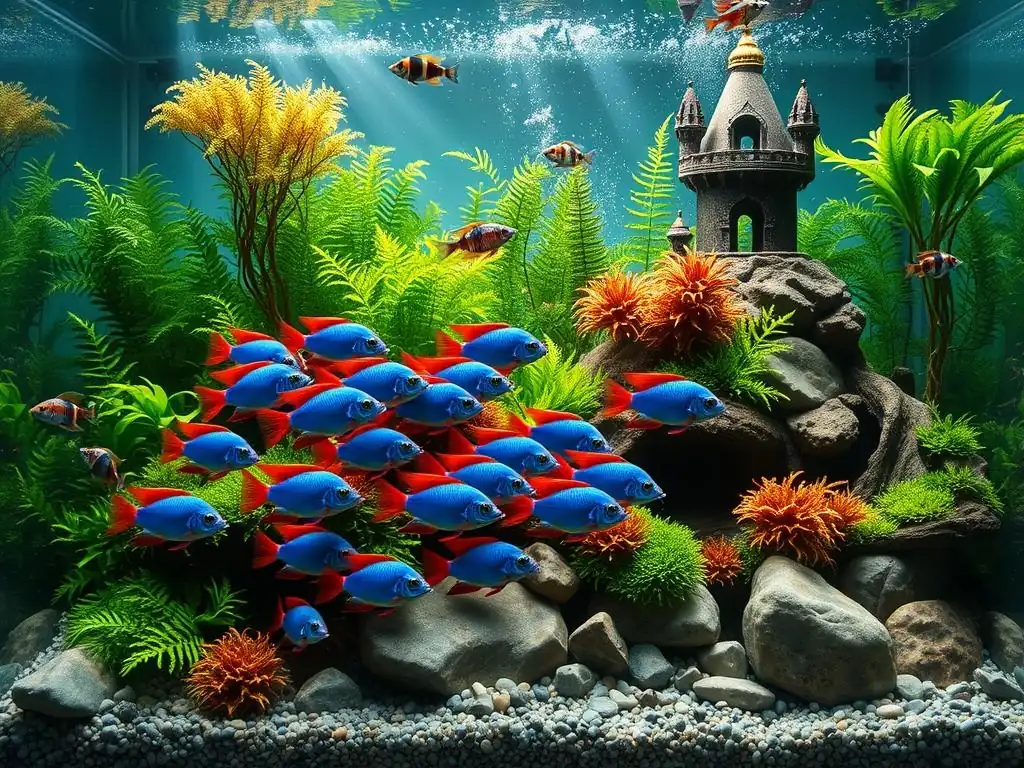
Welcome to Aquarium Mastery, where your underwater dreams become reality! Ever been captivated by the vibrant personalities packed into tiny bodies? Then you're in the right place. Dive in and discover the essential dwarf cichlid care tips you need to unlock the full potential of these captivating freshwater gems. But be warned – these little beauties can be surprisingly demanding! Read on to uncover the secrets to keeping your tiny terrors (and treasures!) thriving.
Introduction to Dwarf Cichlids: A World of Personality in Miniature
Dwarf cichlids represent a fascinating and diverse group of freshwater fish, renowned for their vibrant colors, intricate behaviors, and compact size. Unlike their larger cichlid relatives, which can demand immense aquariums, most dwarf cichid species mature at lengths typically ranging from 2 to 4 inches (5 to 10 cm).
This makes them an excellent choice for aquarists with limited space or those looking to add a splash of dynamic personality to smaller community tanks, even those as compact as 10 to 20 gallons for a single pair. Their relatively small stature belies a complex social structure and often surprising territorial tendencies, making diligent dwarf cichlid care tips essential for their well-being.
Originating primarily from the diverse river systems of South America, particularly the Amazon basin, and parts of West Africa, these fish thrive in environments rich with natural hiding spots and stable water parameters. Species like the German Blue Ram ( Mikrogeophagus ramirezi), Bolivian Ram ( Mikrogeophagus altispinosus), and various Apistogramma species from South America, alongside the Kribensis ( Pelvicachromis pulcher) from Africa, exemplify the beauty and behavioral richness these fish offer. Understanding their specific needs, from water chemistry to diet and tank mates, is crucial for any aspiring dwarf cichlid keeper.
Why Choose Dwarf Cichlids for Your Aquarium?
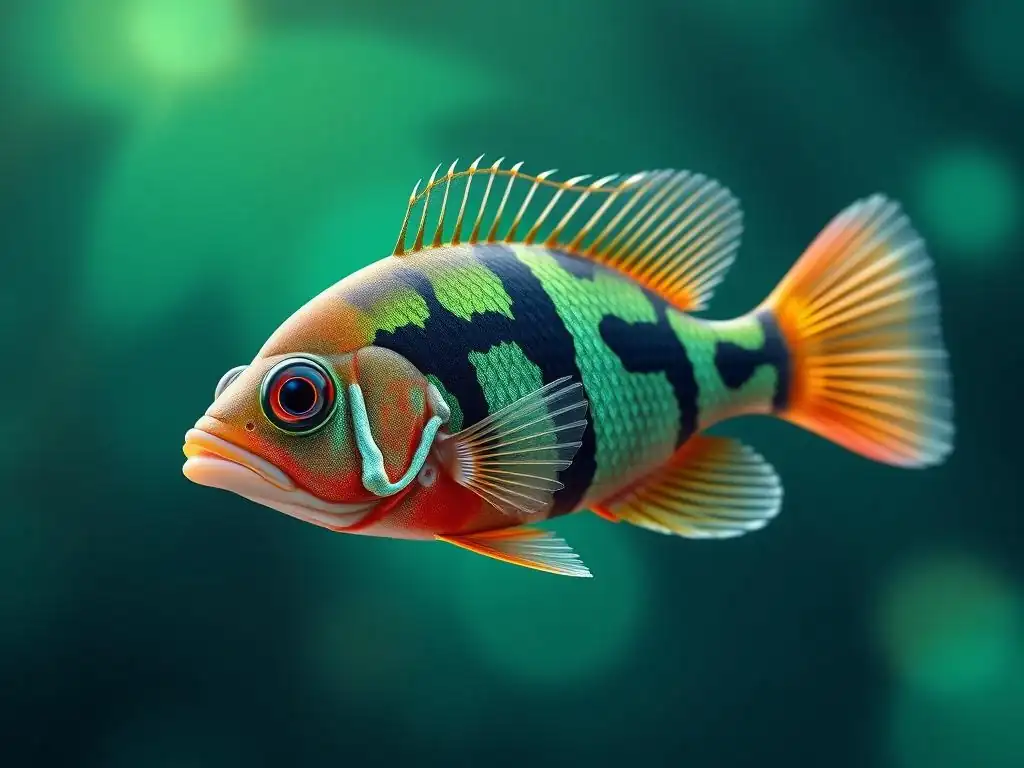
Benefits of Keeping Dwarf Cichlids in a Community Tank
Dwarf cichlids offer a unique blend of visual appeal and engaging behavior, making them highly desirable additions to many freshwater setups. Their relatively small size, typically under 4 inches, allows them to fit comfortably into aquariums that might be too small for larger cichlid species, such as a 20-gallon long tank for a pair of Rams or a trio of Apistogramma.
This size advantage means aquarists can enjoy the intricate social dynamics and vibrant coloration characteristic of cichlids without needing a massive tank footprint. Moreover, many dwarf cichlid species are known for their relatively peaceful nature when housed correctly, allowing them to coexist harmoniously with other non-aggressive community fish like tetras, rasboras, and even some smaller gouramis.
Beyond their size, dwarf cichlids bring a captivating level of activity and interaction to an aquarium. They often exhibit fascinating breeding behaviors, including pair bonding, intricate courtship rituals, and dedicated parental care, with both parents often guarding eggs and fry. This natural spectacle can be incredibly rewarding to observe.
Furthermore, their diverse range of colors—from the iridescent blues and reds of German Blue Rams to the striking patterns of Apistogramma cacatuoides—adds significant aesthetic value. Implementing sound dwarf cichlid care tips, including providing ample hiding spots and stable water conditions, helps these fish display their best colors and behaviors, enhancing the overall vibrancy of your aquatic display.
Understanding the Temperament of Dwarf Cichlids
The temperament of dwarf cichlids, while generally more docile than their larger cousins, is a critical factor in successful community tank integration and requires careful consideration of dwarf cichlid care tips. Most species exhibit a degree of territoriality, particularly during breeding.
For instance, a breeding pair of Kribensis will fiercely defend their chosen spawning site, which might be a cave or a coconut shell, from any perceived intruders within a radius of approximately 6-12 inches (15-30 cm). This territorial behavior is more pronounced among males and when pairs are actively spawning, but it rarely escalates to serious harm with appropriately sized and compatible tank mates.
Variations in temperament exist significantly between species and even within a single species based on individual personality and tank conditions. Apistogramma species, while beautiful, can be quite territorial, especially the males, who may establish small territories of about 1 square foot. Overcrowding or inadequate hiding spots can exacerbate aggression, leading to stress and fin nipping among tank inhabitants.
Providing a well-structured environment with plenty of line-of-sight breaks, caves, and dense plant cover, as emphasized in many dwarf cichlid care tips, is paramount to mitigating aggression and ensuring a peaceful coexistence. Understanding these nuances is key to selecting the right species for your community tank and creating a thriving habitat where all fish can flourish.
Frequently Asked Questions
What are the basic requirements for Dwarf Cichlid care?
Dwarf Cichlids need a well-established aquarium with stable water parameters. They also require plenty of hiding places like caves and plants to feel secure and minimize aggression. Finally, they appreciate a varied diet.
What size tank is suitable for Dwarf Cichlids?
While small, Dwarf Cichlids still need adequate space. A 20-gallon long tank is generally considered the minimum for a pair or small group of smaller species. Larger species or groups require larger tanks to avoid territorial disputes.
What water parameters are ideal for Dwarf Cichlids?
Ideal water parameters vary slightly by species, but generally, Dwarf Cichlids prefer slightly acidic water (pH 6.0-7.0). Maintaining a stable temperature between 78-82°F (25-28°C) is also crucial, along with low levels of nitrates.
What kind of food do Dwarf Cichlids eat?
Dwarf Cichlids are generally omnivores, so they need a varied diet. Offer them high-quality flake or pellet food as a staple, supplemented with live or frozen foods like bloodworms, daphnia, and brine shrimp for optimal health and color.
How can I minimize aggression in my Dwarf Cichlid tank?
Providing ample hiding places and maintaining a stable social hierarchy are key. Avoid overcrowding, and choose tank mates carefully, opting for peaceful species that won't compete for territory or food.
Final Reflection: Appreciating the Miniature Majesty of Dwarf Cichlids
The journey into the world of dwarf cichlids, as we've explored, reveals not just the practicalities of their care, but also the captivating beauty and complex behaviors hidden within these small fish. Understanding their needs is paramount to appreciating their true potential as aquarium inhabitants. Their vibrant colors and intricate social dynamics offer a microcosm of the larger natural world, right within our homes.
This exploration has underscored how responsible fishkeeping extends beyond mere survival, fostering an environment where these creatures can thrive and express their natural behaviors. The dedication to providing proper care allows us to witness the full spectrum of their personalities. In their miniature world, dwarf cichlids teach us the importance of balance, respect, and the profound beauty that can be found in the smallest of things.
Now, armed with these insights and dwarf cichlid care tips, I invite you to reflect on your own role in the aquarium ecosystem. Consider how you can create a space that not only meets their physical needs but also stimulates their minds and allows them to flourish. Embrace the challenge of responsible fishkeeping, and you'll be rewarded with a captivating glimpse into the lives of these tiny terrors and treasures.
Dive Deeper: Transform Your Tank with Dwarf Cichlids!
Thank you for exploring the captivating world of dwarf cichlids with us! We hope you've discovered the unique charm and challenges these little fish bring to the aquarium hobby. Now, it’s time to bring that knowledge to life.
Here are a few things you can do right away:
- Start planning! Research which dwarf cichlid species would thrive in your current tank setup, or brainstorm what changes you need to make to accommodate your dream fish.
- Share your newfound knowledge! Tell a friend or fellow hobbyist about these awesome fish, and maybe even inspire them to set up their own dwarf cichlid tank.
- Join the conversation! Look for aquarium groups or forums online and ask questions about species-specific challenges to learn directly from experienced keepers.
What's the first, most exciting step you're going to take towards welcoming dwarf cichlids into your aquarium?