
When to Separate Tetra Pairs PostSpawning: Aquarium Mastery's Advanced Considerations

Welcome to Aquarium Mastery!
Ever wondered if you're separating your Tetra breeding pairs at precisely the right moment? Dive into our comprehensive guide, "When to Separate Tetra Pairs Post-Spawning: Aquarium Mastery's Advanced Considerations," and unlock the secrets to maximizing your success. Discover the critical timing factors that impact fry survival and learn from expert insights into tetra spawning separation timing – are you keeping them together too long, or not long enough? Let's explore!
- Understanding Tetra Spawning and the Importance of Timely Separation
- Optimal Tetra Spawning Separation Timing: A Detailed Guide
- Factors Influencing Tetra Fry Survival and Separation Decisions
- Step-by-Step Guide: Safely Separating Tetra Parents from Eggs/Fry
- Post-Separation Care: Ensuring the Health and Growth of Tetra Fry
- Advanced Techniques: Fine-Tuning Separation Timing for Specific Tetra Species
- Troubleshooting: Addressing Challenges in Tetra Spawning Separation
- Conclusion: Mastering the Art of Tetra Spawning Separation for Aquarium Success
-
Frequently Asked Questions
- What is the ideal timeframe for separating Tetra pairs after spawning?
- Why is separating Tetra parents from their eggs so important?
- What are the signs that Tetra spawning has concluded, indicating it's time for separation?
- What methods can be used to separate Tetra pairs post-spawning?
- What are the potential risks of delaying Tetra pair separation after spawning?
- Final Reflection: Navigating the Nuances of New Life
- Embrace the Next Chapter: Dive Deeper into Tetra Care!
Understanding Tetra Spawning and the Importance of Timely Separation
Why Separate Tetra Parents After Spawning? Protecting the Eggs and Fry
Separating tetra parents after a successful spawning event is a critical step for maximizing the survival rate of their offspring. Unlike some fish species that exhibit parental care, most tetras, including popular varieties like Neon Tetras and Cardinal Tetras, are opportunistic egg and fry eaters. Their natural instinct often leads them to consume their own eggs and newly hatched fry, perceiving them as readily available food sources. This behavior is driven by the high energy expenditure of spawning and the immediate availability of nutrient-rich eggs.
Without timely intervention and precise tetra spawning separation timing, the vast majority of eggs laid will likely be consumed by the parents within hours of deposition. For instance, in a typical community tank or even a dedicated spawning tank without separation, less than 10-15% of eggs might survive to hatching, and even fewer to free-swimming fry. In contrast, breeders who diligently separate parents can often achieve survival rates upwards of 70-90%, turning a marginal breeding attempt into a highly successful one.
The Natural Instincts of Tetras: Predation Risks to Consider
The predatory nature of adult tetras towards their own progeny is a fundamental instinct that aquarists must understand. After the strenuous process of laying and fertilizing hundreds of eggs, adult tetras often view the eggs not as their future offspring, but as a convenient source of protein to replenish their energy reserves. This behavior is not malicious but an inherent part of their survival strategy in the wild, where eggs and fry are often consumed by various predators, including the parents themselves.
The risk of predation is immediate and substantial. Tetra eggs, being small and often sticky, are typically laid on plants, spawning mops, or scattered across the substrate. Once deposited, they become highly vulnerable. Newly hatched fry are even more at risk; being tiny and initially immobile or slow-moving, they present an easy target. The swiftness with which parents can consume eggs or fry underscores the importance of prompt and accurate tetra spawning separation timing to ensure the successful propagation of your fish.
Optimal Tetra Spawning Separation Timing: A Detailed Guide
Visual Cues: Recognizing When Spawning is Complete
Recognizing the completion of the spawning process is the first crucial step in determining the optimal tetra spawning separation timing. Spawning in most tetra species typically occurs in the early morning, often at dawn, stimulated by changes in light and water parameters. Key visual cues include the male actively chasing and nudging the female, the female's abdomen appearing significantly thinner after releasing eggs, and the male releasing milt over the eggs. The pair may engage in a series of "spawning embraces," where eggs and milt are released simultaneously.
The entire spawning event can last anywhere from 30 minutes to several hours, depending on the species and the pair's readiness. Once the active chasing and egg-laying behaviors cease, and the female no longer appears gravid, it's a strong indication that spawning is complete. You might also observe the parents beginning to pick at the substrate or plants where eggs were laid, signaling their shift from spawning to potential predation.
The 24-Hour Rule: A Common Guideline for Separating Tetras
A widely adopted guideline for tetra spawning separation timing is the "24-hour rule." This involves removing the adult tetras from the spawning tank within 24 hours of the observed completion of spawning. The rationale behind this timeframe is twofold: it allows sufficient time for all eggs to be laid and fertilized, and it ensures the parents are removed before the eggs begin to hatch into vulnerable fry. Most tetra eggs, depending on species and water temperature, will hatch within 24 to 72 hours.
For species like Neon Tetras, whose eggs can hatch as quickly as 24-36 hours at temperatures around 78°F (25.5°C), separating the adults within the first 12-18 hours post-spawning is often even more effective. This proactive approach minimizes the window during which parents can consume the eggs, significantly increasing the survival rate of the delicate embryos and ensuring precise tetra spawning separation timing.
Observing Parental Behavior: Signs of Egg Consumption or Fry Harassment
While the 24-hour rule serves as a general guideline, continuous observation of parental behavior is paramount for effective tetra spawning separation timing. If you notice parents actively pecking at the spawning mop, plants, or substrate where eggs were deposited, it's a clear sign they are consuming the eggs. This behavior can begin almost immediately after spawning ceases. Similarly, if eggs have already hatched and you observe adults darting towards the tiny, newly hatched fry, immediate separation is warranted.
In some cases, particularly with certain species or individual fish, parents might exhibit less immediate interest in predation. However, it's safer to assume the risk and remove them. Any direct observation of egg consumption or harassment of fry should trigger immediate removal of the adults, even if the general 24-hour window has not yet elapsed. This vigilance directly impacts the success of your breeding efforts.
Factors Influencing Tetra Fry Survival and Separation Decisions
Water Chemistry and its Impact on Tetra Egg Development
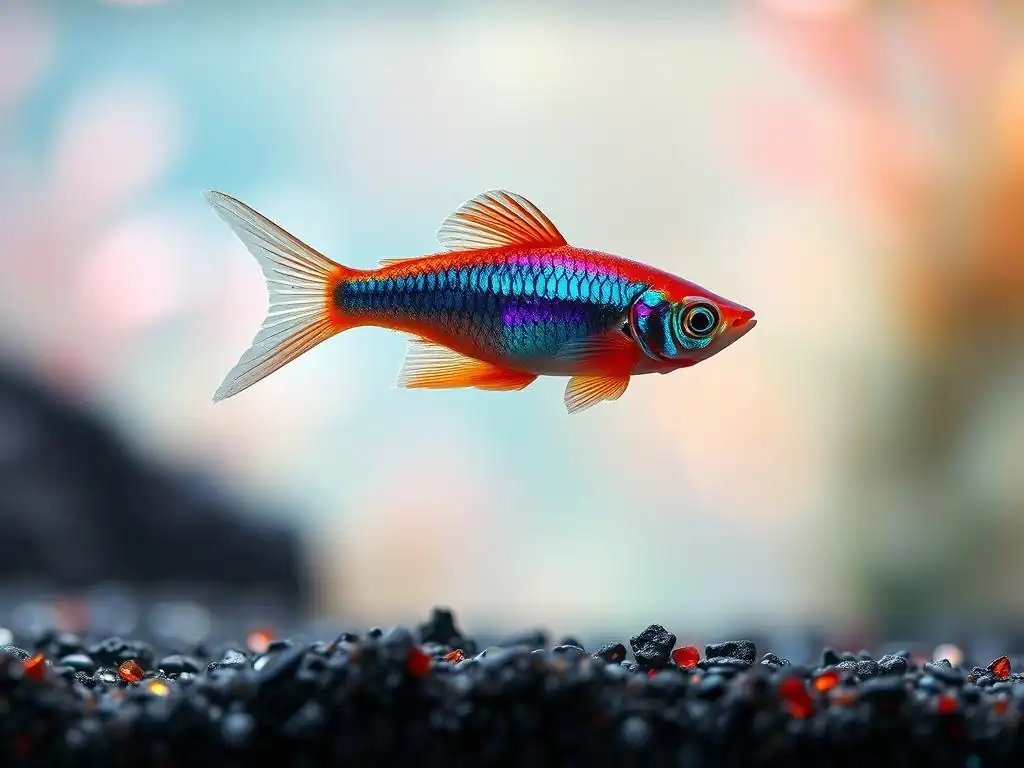
Water chemistry plays a pivotal role in the successful development and hatching of tetra eggs, directly influencing the urgency and precision of tetra spawning separation timing. Many popular tetra species, originating from soft, acidic South American waters, require specific conditions for optimal egg viability and hatching. For instance, Neon Tetra eggs thrive in very soft water (GH 1-5 dGH) with an acidic pH (5.5-6.5). Harder, more alkaline water can significantly reduce fertilization rates and increase the susceptibility of eggs to fungal infections.
Temperature is another critical factor. Warmer temperatures (e.g., 78-82°F or 25.5-28°C) typically accelerate egg development and hatching times, often reducing the incubation period from 48-72 hours down to 24-36 hours. Conversely, cooler temperatures will prolong the hatching period. Understanding these species-specific requirements and their impact on egg development helps in accurately predicting the hatch window and, consequently, the ideal tetra spawning separation timing.
Tank Setup Considerations: Minimizing Risks in the Spawning Tank
The setup of the spawning tank itself significantly impacts the safety of the eggs before separation. A bare-bottom tank, while easy to clean, leaves eggs completely exposed to parental predation. Using a spawning mesh or a layer of glass marbles at the bottom allows eggs to fall through, out of reach of the adults, greatly reducing immediate consumption. However, this still necessitates prompt removal of parents.
For species that scatter eggs among fine-leaved plants, such as Java Moss, a dense planting provides numerous surfaces for egg deposition and some immediate cover. However, even with dense vegetation, eggs are not entirely safe. Filtration in the spawning tank should be gentle, preferably an air-driven sponge filter, to prevent eggs or delicate fry from being sucked up or damaged by strong currents.
The Role of Plants and Hiding Places for Tetra Fry
Fine-leaved aquatic plants, such as Java Moss (Vesicularia dubyana), Hornwort (Ceratophyllum demersum), or Water Sprite (Ceratopteris thalictroides), are invaluable in a tetra spawning setup. They provide the ideal substrate for egg adhesion for many species and offer immediate, albeit temporary, hiding places for newly hatched fry. The dense foliage creates a complex environment that makes it harder for adult tetras to locate and consume every egg or fry.
While beneficial, the presence of plants does not negate the need for precise tetra spawning separation timing. They merely offer a brief window of protection. For successful breeding, the goal remains to remove the parents as soon as spawning is complete and eggs are laid, ensuring the maximum number of eggs can develop without the constant threat of predation.
Step-by-Step Guide: Safely Separating Tetra Parents from Eggs/Fry
Preparing a Separate Nursery Tank or Container
Before initiating the spawning process, it is crucial to have a dedicated nursery tank or container prepared. For a typical batch of tetra fry, a 2-5 gallon (7.5-19 liter) tank is often sufficient. This tank should be equipped with a gentle air-driven sponge filter, a small heater to maintain the same temperature as the spawning tank, and potentially a few fine-leaved plants like Java Moss for the fry to hide in. The tank should ideally be bare-bottom for easier cleaning and observation of fry.
Crucially, the nursery tank's water should be pre-conditioned to match the parameters of the spawning tank – specifically pH, hardness, and temperature. Using water from an established, cycled tank can help provide beneficial bacteria for the sponge filter, preventing dangerous ammonia and nitrite spikes which are lethal to delicate fry. A stable, clean environment is paramount for post-separation success.
Gentle Transfer Techniques: Minimizing Stress on Parents and Fry
When the time comes for tetra spawning separation timing, gentle transfer techniques are essential to minimize stress and potential injury to both parents and their offspring. For the adult parents, use a soft, fine-mesh net to carefully scoop them out of the spawning tank. Avoid aggressive chasing, which can cause undue stress and scale damage. Once netted, swiftly transfer them back to their main display tank, ensuring minimal air exposure.
For the eggs or newly hatched fry, even greater care is required. If eggs were laid on a spawning mop or a removable plant, gently transfer the entire object to the nursery tank. If eggs are scattered on the substrate, a small airline tube can be used to carefully siphon them into a container with tank water, which is then gently poured into the nursery. For free-swimming fry, a turkey baster or a small cup is preferable to a net, as their tiny bodies are extremely fragile and easily damaged by netting.
Maintaining Optimal Water Parameters in the Nursery Tank
Post-separation, maintaining stable and optimal water parameters in the nursery tank is critical for the survival and healthy development of tetra fry. Consistency with the spawning tank's parameters (pH, temperature, GH) is the initial goal. However, due to the high metabolic rate of rapidly growing fry and frequent feeding, water quality can deteriorate quickly.
Daily, small water changes of 10-20% are often necessary. This should be done using aged, conditioned water that matches the tank's parameters to avoid shocking the sensitive fry. Regular testing for ammonia, nitrite, and nitrate is crucial, as fry are highly susceptible to even low levels of these toxins. A mature sponge filter, seeded with beneficial bacteria, will help manage the nitrogen cycle, but frequent water changes remain the primary defense against water quality issues.
Post-Separation Care: Ensuring the Health and Growth of Tetra Fry
Initial Feeding Strategies for Newly Hatched Tetra Fry
The initial feeding strategy for newly hatched tetra fry is paramount, as they are often too small to consume traditional flake foods or even newly hatched brine shrimp. For the first 2-5 days post-hatching, depending on the species, their primary food source should be infusoria or liquid fry food. Infusoria, microscopic organisms, can be cultured at home by decaying vegetable matter (e.g., lettuce leaves) in a separate container a week or so in advance. Liquid fry foods are commercially available and provide suitable nutrients for the earliest stages.
As the fry grow, typically after about a week, they will be large enough to consume slightly larger foods. Newly hatched brine shrimp (Artemia nauplii) are an excellent, highly nutritious first "live" food, stimulating a strong feeding response. Microworms are another viable option. Feed small amounts multiple times a day (3-5 times) to support their rapid growth, ensuring uneaten food is promptly siphoned out to maintain water quality.
Water Quality Monitoring and Maintenance in the Fry Tank
The small volume of a fry tank combined with frequent feeding schedules makes water quality monitoring and maintenance an intensive task. Fry are incredibly sensitive to fluctuations in water parameters and the accumulation of waste products. Daily water changes, typically 10-20% of the tank volume, are not just recommended but are often essential to dilute ammonia, nitrite, and nitrate build-up.
When performing water changes, use a small airline tube to gently siphon detritus and uneaten food from the bare bottom, avoiding the fry themselves. The replacement water should be dechlorinated, aged if possible, and temperature-matched to prevent thermal shock. Consistent water parameters are key to preventing stress and disease in the delicate fry.
Recognizing and Addressing Common Fry Health Issues
Despite best efforts, tetra fry can encounter several common health issues. Fungal infections are frequently observed on unfertilized or damaged eggs, appearing as white, fuzzy growths. These can spread rapidly to healthy eggs if not addressed. Swim bladder issues can manifest as fry struggling to maintain buoyancy or floating upside down, often due to water quality problems or genetic factors. Bacterial infections might cause lethargy, clamped fins, or rapid death.
The primary defense against most fry ailments is pristine water quality and a stable environment. For fungal infections, gently siphoning out affected eggs can prevent spread. In some cases, a very dilute solution of methylene blue can be used preventatively, but always research species-specific tolerances. For bacterial issues, mild salt baths (e.g., 1 teaspoon per 5 gallons) or specific fry-safe medications might be considered as a last resort, but prevention through meticulous care is always the preferred approach.
Advanced Techniques: Fine-Tuning Separation Timing for Specific Tetra Species
Species-Specific Spawning Behaviors: Tailoring Your Approach
While the 24-hour rule provides a solid foundation for tetra spawning separation timing, experienced aquarists often fine-tune their approach based on the specific tetra species they are breeding. Different species exhibit subtle variations in their spawning behaviors, egg characteristics, and hatching rates, which can influence the optimal separation window. For instance, some species may lay eggs that are more adhesive, while others scatter them widely.
Thorough research into the target species' natural history and known breeding patterns is crucial. Understanding whether a species' eggs hatch rapidly (e.g., within 24 hours) or take longer (e.g., 72 hours) directly dictates the urgency of parental removal. This granular knowledge allows for a more tailored and ultimately more successful tetra spawning separation timing strategy, maximizing the survival of the fry.
Ember Tetra Spawning and Separation Nuances
Ember Tetras (Hyphessobrycon amandae) are a popular micro tetra known for their vibrant orange coloration. They are prolific egg scatterers, typically laying small, non-adhesive eggs among fine-leaved plants like Java Moss. A key nuance for Ember Tetras is their relatively fast egg development. At optimal breeding temperatures around 78°F (25.5°C), their eggs can hatch in as little as 24-36 hours.
Due to this rapid hatching time, the window for effective tetra spawning separation timing for Ember Tetras is often shorter than the general 24-hour rule. Many successful breeders recommend removing the parents within 12-18 hours of observing the completion of spawning. Their tiny size also makes both eggs and fry particularly vulnerable to parental predation, emphasizing the need for swift action.
Black Skirt Tetra Spawning and Separation Nuances
Black Skirt Tetras (Gymnocorymbus ternetzi) are larger, more robust tetras that are also egg scatterers. They tend to lay larger eggs than many micro tetras, often on broad-leaved plants or spawning mops. Their eggs typically hatch within 24-48 hours at temperatures between 75-78°F (24-25.5°C).
While the general 24-hour rule for tetra spawning separation timing works well for Black Skirt Tetras, some breeders report that parental predation might not be as immediate or intense compared to highly predatory species. Nevertheless, to ensure the highest survival rates, removing the adults within 24 hours of spawning completion remains the recommended best practice. Vigilance for any signs of egg consumption should always prompt immediate separation.
Troubleshooting: Addressing Challenges in Tetra Spawning Separation
Dealing with Unsuccessful Spawning Attempts
Unsuccessful spawning attempts are a common challenge when breeding tetras, even with meticulous preparation. Reasons for failure can include incorrect water parameters (e.g., water that is too hard or alkaline for a soft-water species), insufficient conditioning of the breeding pair, stress from unsuitable tank mates or environment, or simply an incompatible pair. Sometimes, the fish are just not ready to spawn, or the male is not producing viable milt.
When faced with an unsuccessful attempt, it's crucial to evaluate and adjust. First, re-verify all water parameters against the species' ideal breeding requirements. Increase conditioning with high-quality live or frozen foods (e.g., bloodworms, brine shrimp) for several weeks. Ensure the spawning tank provides adequate privacy and a suitable substrate (e.g., spawning mop, dense plants). If a pair consistently fails, try different pairings. Patience is key; reattempting after a week or two of further conditioning often yields better results.
Managing Parental Aggression During or After Spawning
While tetras are generally peaceful, aggression can sometimes manifest during or after the spawning process. This can occur if one fish is not receptive to spawning, if the pair is not well-matched, or if the spawning tank is too small, not allowing the female adequate escape routes from an overly zealous male. This aggression can lead to fin nipping, excessive chasing, or even physical harm, potentially disrupting the spawning process itself or stressing the fish to the point of not laying eggs.
If severe aggression is observed during the spawning attempt, it is best to separate the pair immediately to prevent injury. Consider trying a different male or female, or ensuring the spawning tank is adequately sized (e.g., 5-10 gallons for larger tetras) with plenty of hiding spots for the female. Post-spawning, if parents are particularly aggressive towards the eggs or fry, it simply reinforces the need for immediate tetra spawning separation timing.
Preventing and Treating Fungal Infections on Tetra Eggs
Fungal infections, primarily caused by Saprolegnia, are a common and frustrating issue that can devastate a batch of tetra eggs. They typically appear as white, cotton-like growths on unfertilized or damaged eggs, but can quickly spread to healthy, viable eggs, consuming them. These infections thrive in poor water quality, especially if there's an accumulation of uneaten food or detritus.
Prevention is the most effective treatment. Maintaining pristine water quality in the spawning tank, with zero ammonia and nitrite, is paramount. Ensuring adequate, gentle water movement or aeration around the eggs can also help prevent fungal spores from settling.
Promptly siphoning out any eggs that turn white and opaque (indicating they are unfertilized or dead) will prevent the fungus from spreading. Some breeders use very dilute solutions of methylene blue or add Indian almond leaves (which release tannins) as a preventative, but these should be used with caution and after thorough research on their effects on specific species and water parameters.
Conclusion: Mastering the Art of Tetra Spawning Separation for Aquarium Success
Frequently Asked Questions
What is the ideal timeframe for separating Tetra pairs after spawning?
The ideal timeframe depends on the Tetra species, but generally, it's best to separate them immediately after spawning to prevent the parents from consuming the eggs. This usually means observing for the completion of the spawning process.
Why is separating Tetra parents from their eggs so important?
Tetra parents often exhibit egg-eating behavior. Separating them ensures a higher survival rate for the fry, as the parents no longer pose a threat to the vulnerable eggs.
What are the signs that Tetra spawning has concluded, indicating it's time for separation?
The primary sign is a noticeable decrease in activity and a cessation of the chasing and quivering behaviors associated with spawning. The female will also appear noticeably thinner after releasing her eggs.
What methods can be used to separate Tetra pairs post-spawning?
The most common methods include removing the parents to a separate tank or transferring the eggs to a dedicated hatching tank. Using a breeding trap or spawning mop can also facilitate egg collection and removal.
What are the potential risks of delaying Tetra pair separation after spawning?
Delaying separation dramatically increases the risk of the parents consuming the eggs. This can lead to complete loss of the spawn and frustration for the aquarist trying to breed Tetras.
The intricacies of aquarium keeping, especially when it comes to the delicate dance of tetra spawning, highlight a profound truth: mastery lies not just in knowledge, but in nuanced understanding and responsible action. The timing of separation, as we've explored, is a critical juncture, demanding careful observation and a deep respect for the fragile ecosystem we create within our tanks. This isn't simply about breeding fish; it's about fostering life and ensuring its healthy continuation.
This seemingly small decision – when to separate tetra parents from their offspring – ripples outwards, influencing the survival rates of fry, the well-being of the adult fish, and ultimately, the long-term health of the aquarium's ecosystem. My own experiences have underscored the importance of patience and observation, realizing that each spawning event is unique and requires a tailored approach. The best way to learn is by doing; the next best, by watching.
This old adage rings especially true in the world of aquascaping, where constant learning and adaptation are the keys to success.
Now, as you close this article, consider the broader implications of these lessons. How can the principles of careful observation, responsible intervention, and respect for delicate ecosystems be applied beyond the glass walls of your aquarium? Reflect on the choices you make, both big and small, and strive to cultivate a deeper understanding of the interconnectedness of life. Your journey as an aquarist, and indeed, as a steward of the planet, is just beginning.
Embrace the Next Chapter: Dive Deeper into Tetra Care!
Thank you for exploring the nuances of tetra breeding with us! We hope you've gained valuable insights into the crucial timing of separating your tetra pairs after spawning. Now, let's translate that knowledge into action!
- Prioritize Tetra Fry Survival: Carefully observe your tetra fry for the first 48 hours post-hatch. Ensure optimal water parameters, including temperature and pH stability, which are paramount for their initial development. This is the most critical action you can take.
- Unveil the Hidden Wonders: Delve deeper into the Tetraverse. Explore "Aquarium Mastery's" extensive library of articles on tetra varieties, care techniques, and aquarium setups to broaden your expertise.
- Ignite the Conversation: Share this article with fellow aquarium enthusiasts. Spark a discussion on their experiences with tetra breeding and learn from their invaluable insights.
What surprising behaviour have you observed in your tetra fry after they hatch, and how did you adjust your care accordingly?