
Diamond Tetra Sparkle: Aquarium Mastery on Advanced Care & Breeding for Dazzling Results

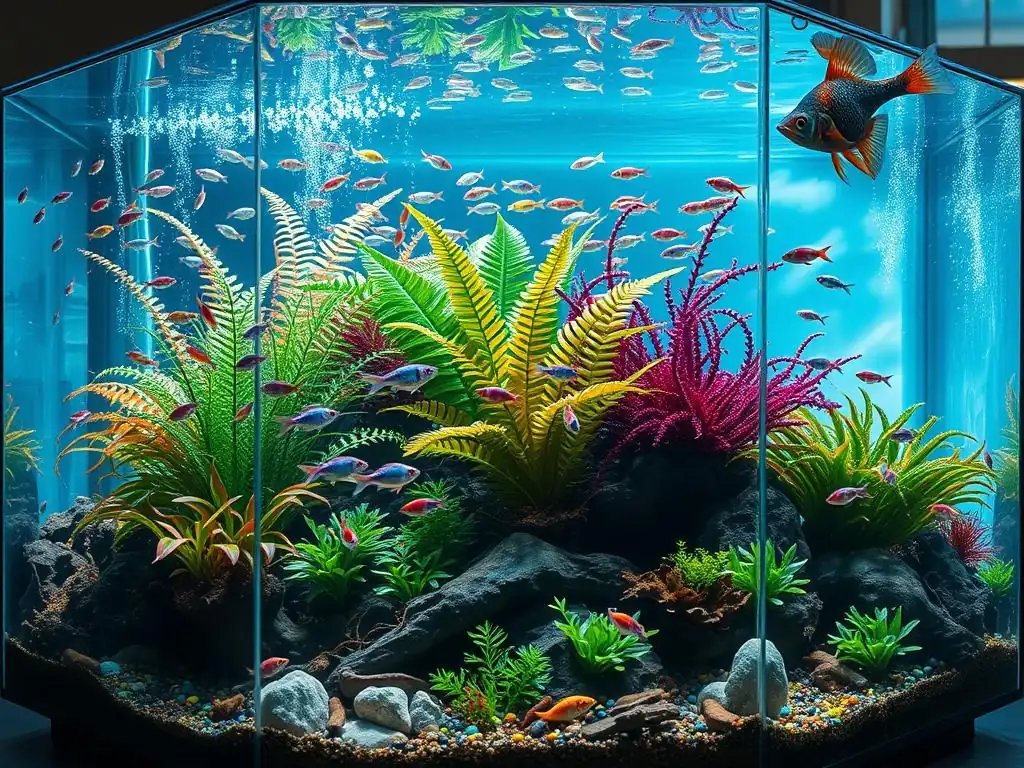
Welcome to Aquarium Mastery!
Intrigued by the shimmering beauty of Diamond Tetras? Dive into our comprehensive guide on Diamond Tetra Breeding Care and unlock the secrets to successfully breeding these dazzling gems in your freshwater aquarium. Discover expert tips and techniques that will transform your tank into a thriving haven. Ready to witness the magic? Let's get started!
- Understanding Diamond Tetra: An Introduction to Moenkhausia pittieri
- Advanced Diamond Tetra Care: Creating the Ideal Environment
- Diamond Tetra Tank Mates: Choosing Compatible Species
- Diamond Tetra Breeding Care: Triggering Spawning and Raising Fry
- Maintaining Diamond Tetra Health: Preventing and Treating Diseases
- Enhancing Diamond Tetra Color and Sparkle: Pro Tips
- Troubleshooting Common Diamond Tetra Issues
- Diamond Tetra: A Summary of Advanced Care and Breeding
-
Frequently Asked Questions
- How difficult is it to breed Diamond Tetras in a home aquarium?
- What are the ideal water parameters for Diamond Tetra breeding?
- What type of setup is best for a Diamond Tetra breeding tank?
- What do Diamond Tetras eat, and how does their diet affect breeding?
- How long does it take for Diamond Tetra eggs to hatch, and what care do the fry require?
- Final Reflection: Embracing the Diamond's Brilliance
- Ignite Your Aquarium: Unleash the Diamond Tetra's Full Brilliance!
Understanding Diamond Tetra: An Introduction to Moenkhausia pittieri
Diamond Tetra Natural Habitat and Behavior
The Diamond Tetra, scientifically known as Moenkhausia pittieri, originates from the freshwater systems of Venezuela, primarily found in Lake Valencia and the surrounding basins. In their natural habitat, these fish typically inhabit slow-moving rivers and tributaries with dense vegetation, often characterized by soft, slightly acidic to neutral water with temperatures ranging from 75-82°F (24-28°C). They are naturally schooling fish, preferring to move in cohesive groups, which provides them with a sense of security and facilitates foraging.
In a home aquarium, Diamond Tetras maintain their natural schooling instincts, exhibiting peaceful and active behavior, predominantly in the mid-water column. They are known to be somewhat shy if kept in insufficient numbers; a school of at least 8-10 individuals is crucial to observe their natural behaviors, reduce stress, and encourage their dazzling sparkle to fully emerge. When properly housed, they display curious exploration of their environment and interact harmoniously with suitable tank mates.
Diamond Tetra Appearance and Unique Characteristics
The Diamond Tetra is aptly named for its most striking feature: large, reflective scales that shimmer like diamonds under appropriate lighting. Their bodies are typically silvery, often with a subtle iridescent sheen that can range from a pale blue to a faint green or yellow, depending on their health and tank conditions. Adult Diamond Tetras usually reach a size of 2 to 2.5 inches (5-6.5 cm), making them a moderately sized tetra species.
A unique characteristic of this species is the pronounced sexual dimorphism, particularly noticeable in mature specimens. Males generally possess longer, more elongated dorsal and anal fins, which can sometimes exhibit a subtle yellowish or orange hue, especially during breeding periods. Females, on the other hand, are typically plumper, particularly when gravid, and their fins are shorter and more rounded. With optimal care, Diamond Tetras can live for 3-5 years, offering a relatively long lifespan for a small schooling fish.
Why Choose Diamond Tetras for Your Aquarium?
Diamond Tetras are an excellent choice for aquarists seeking a peaceful, active, and aesthetically captivating fish for their community freshwater tank. Their stunning iridescent scales provide a dynamic visual element, reflecting light and adding a constant sparkle to the aquarium. Beyond their beauty, their strong schooling behavior makes them fascinating to observe, as they move in synchronized patterns, enhancing the overall vibrancy of the aquatic display.
Furthermore, Diamond Tetras are relatively hardy once established in a stable environment, making them suitable for intermediate aquarists looking to expand their experience beyond basic beginner species. Their peaceful disposition allows for compatibility with a wide array of other non-aggressive fish, opening up numerous possibilities for diverse community setups. For those interested in the rewarding challenge of fish propagation, the process of Diamond tetra breeding care offers a fulfilling next step in the hobby.
Advanced Diamond Tetra Care: Creating the Ideal Environment
Optimizing Water Parameters for Diamond Tetra Health
Maintaining precise and stable water parameters is paramount for the long-term health and vitality of Diamond Tetras. These fish thrive in conditions that closely mimic their natural South American habitats, which are generally soft and slightly acidic. Consistent monitoring and adjustment of these parameters will prevent stress, enhance their coloration, and significantly reduce susceptibility to common aquarium ailments.
Regular water testing using reliable kits is essential to track pH, hardness, and nitrogenous compounds. Minor fluctuations within their preferred ranges are generally tolerated, but sudden, drastic changes can be detrimental, leading to osmotic shock or weakened immune responses. Understanding and controlling these parameters forms the foundation for successful Diamond tetra breeding care and overall well-being.
Maintaining Ideal Temperature and pH Levels
Diamond Tetras flourish in a stable temperature range of 75-82°F (24-28°C). Maintaining a consistent temperature within this range is crucial, as significant or rapid fluctuations can cause immense stress, leading to a weakened immune system and increased susceptibility to diseases like Ich. A high-quality aquarium heater with a reliable thermostat is indispensable for achieving this stability.
Their preferred pH range is slightly acidic to neutral, typically between 6.0 and 7.5. While they can adapt to a slightly wider pH range, keeping it within this optimal zone helps support their natural osmoregulation and prevents issues such as fin erosion or bacterial infections, which are often exacerbated by unsuitable pH levels. Regularly testing pH and making gradual adjustments, if necessary, using buffers or natural methods like peat filtration, ensures a healthy environment.
The Importance of Water Hardness for Diamond Tetras
Water hardness, specifically General Hardness (GH) and Carbonate Hardness (KH), plays a significant role in the health of Diamond Tetras. They prefer soft to medium-hard water, ideally with a GH between 5-12 dGH (89-214 ppm) and a KH between 3-8 dKH (53-143 ppm). Appropriate hardness levels support their internal osmotic balance, preventing stress and aiding in the proper functioning of their bodily systems.
If your tap water is significantly harder than these recommended levels, achieving the ideal environment may require blending it with reverse osmosis (RO) water or using specialized water softeners. Conversely, if your water is too soft, mineral additives can be used to increase GH. Sudden drastic changes in hardness should be avoided, as these can shock the fish. Consistent water hardness is especially vital for successful Diamond tetra breeding care, as egg viability is often directly linked to lower GH levels.
Diamond Tetra Tank Setup: Size, Substrate, and Decor
The physical setup of the aquarium significantly impacts the comfort, health, and natural behavior of Diamond Tetras. A well-designed tank provides not only aesthetic appeal but also crucial environmental cues that mimic their natural habitat, reducing stress and encouraging their vibrant coloration and active schooling. Careful consideration of tank size, substrate, and decor elements is essential for creating a thriving home for these dazzling fish.
Balancing open swimming areas with ample hiding spots is key to making Diamond Tetras feel secure. The right environment encourages them to display their full range of behaviors, from active schooling to subtle explorations, ensuring they remain healthy and vibrant. This thoughtful approach to tank design is a cornerstone of advanced Diamond tetra breeding care.
Choosing the Right Tank Size for a School of Diamond Tetras
For a small school of 8-10 Diamond Tetras, a minimum tank size of 20 gallons (approximately 75 liters) is recommended. However, to truly observe their schooling behavior and provide ample swimming space, a 30-gallon or 40-gallon breeder tank is ideal, especially if you plan to keep a larger school (12+ fish) or integrate them into a diverse community setup. Larger tanks also offer greater water volume, which contributes to more stable water parameters.
When selecting a tank, prioritize length over height. For instance, a 20-gallon long aquarium (30 inches in length) provides significantly more horizontal swimming space for active schooling fish like Diamond Tetras compared to a 20-gallon high (24 inches in length), even though both hold the same volume. This additional horizontal dimension encourages natural swimming patterns and reduces perceived confinement.
Substrate and Plant Selection for a Thriving Diamond Tetra Habitat
For the substrate, a dark, fine-grained material such as sand or fine gravel is highly recommended. Darker substrates help to reduce glare from lighting and make the Diamond Tetras feel more secure, which in turn encourages them to display their most vibrant colors. Additionally, fine substrates are gentle on the delicate barbels of bottom-dwelling tank mates, such as Corydoras catfish, which are often compatible with Diamond Tetras.
Heavily planted tanks are ideal for Diamond Tetras, as dense live vegetation provides essential cover and mimics their natural habitat. Suitable plant species include Java Fern ( Microsorum pteropus), Anubias varieties, Amazon Swords ( Echinodorus amazonicus), and various stem plants like Rotala or Ludwigia. Floating plants such as Amazon Frogbit ( Limnobium laevigatum) or Dwarf Water Lettuce ( Pistia stratiotes) are also beneficial as they help to diffuse overhead lighting, creating a more subdued and comfortable environment.
Providing Hiding Places and Dim Lighting for Diamond Tetra Comfort
To ensure the comfort and security of Diamond Tetras, incorporate ample hiding places within the aquarium. This can be achieved through the strategic placement of driftwood, smooth rocks, and dense thickets of live plants. While these fish are active swimmers, having readily available refuges allows them to retreat when feeling stressed or threatened, which is particularly important during initial acclimation or when introducing new tank mates.
Diamond Tetras generally prefer moderate to dim lighting conditions. Bright, intense lighting can make them feel exposed and anxious, potentially causing them to lose some of their vibrant coloration and spend more time hiding. Using LED lights with adjustable intensity or incorporating floating plants to create shaded areas can effectively reduce light penetration. This softer illumination not only contributes to their comfort but also enhances the reflective sparkle of their scales, making them appear even more dazzling.
Diamond Tetra Diet and Feeding Strategies for Optimal Health
A balanced and varied diet is crucial for the optimal health, vibrant coloration, and successful breeding of Diamond Tetras. As omnivores, they require a mix of high-quality protein and vegetable matter to thrive. Proper feeding strategies not only ensure their nutritional needs are met but also contribute significantly to maintaining pristine water quality within the aquarium.
Overfeeding is a common pitfall that can lead to digestive issues for the fish and rapid deterioration of water parameters. Therefore, understanding both what to feed and how much to feed is fundamental to advanced Diamond tetra breeding care and general husbandry.
What to Feed Diamond Tetras: A Balanced Diet
Diamond Tetras are omnivorous and require a diverse diet to achieve their best health and coloration. A high-quality flake food or micro-pellet specifically formulated for tropical fish should serve as the staple, providing essential vitamins and minerals. However, relying solely on dry foods is not sufficient for their long-term well-being or to encourage successful Diamond tetra breeding care.
Supplement their primary diet with a variety of live, frozen, or freeze-dried foods several times a week. Excellent choices include brine shrimp, daphnia, bloodworms, and tubifex worms, all of which provide crucial protein and fat content. Additionally, incorporating vegetable matter through spirulina-enriched flakes or blanched vegetables like zucchini can contribute to their digestive health and overall vitality. This varied approach ensures they receive a full spectrum of nutrients.
Feeding Frequency and Portion Control for Diamond Tetras
To ensure optimal health and prevent water quality issues, Diamond Tetras should be fed 2-3 times per day. The key is strict portion control: only offer an amount of food that they can entirely consume within 2-3 minutes. Any uneaten food should be promptly removed from the tank to prevent it from decaying and fouling the water, which can lead to dangerous ammonia and nitrite spikes.
Consistent, small feedings throughout the day mimic their natural foraging behavior and support a steady metabolic rate. Overfeeding not only pollutes the water but can also lead to digestive problems, bloating, and even fatty liver disease in fish. By adhering to these feeding guidelines, you contribute significantly to the stability of the aquarium environment and the long-term health of your Diamond Tetras.
Diamond Tetra Tank Mates: Choosing Compatible Species
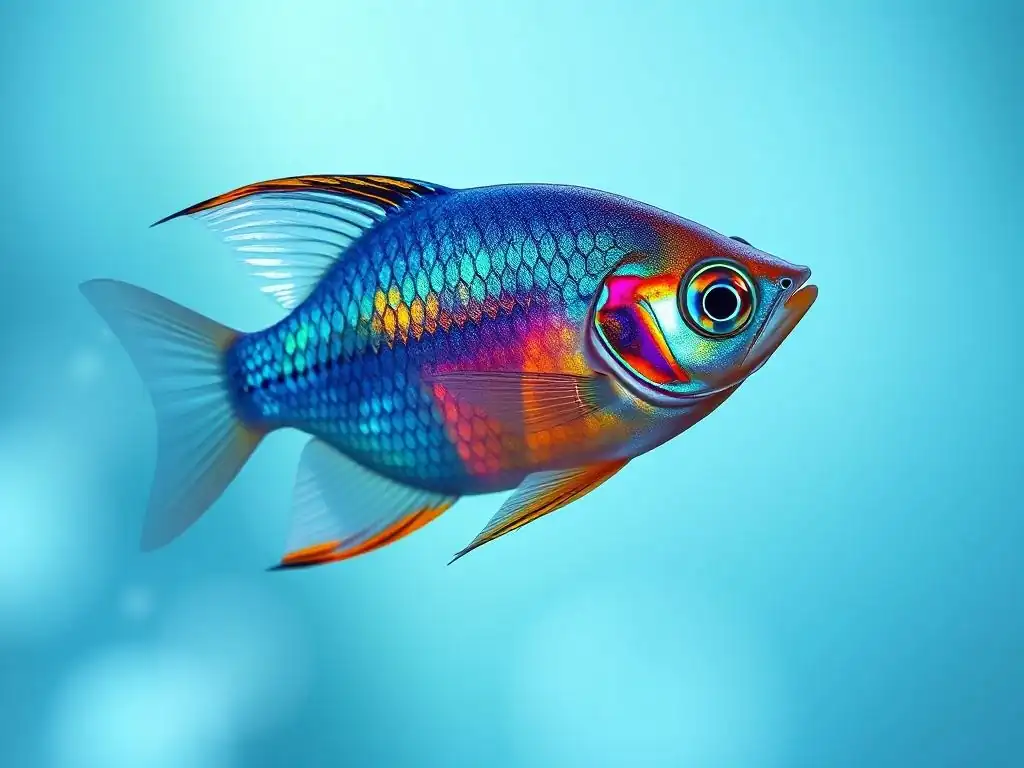
Selecting appropriate tank mates is a critical aspect of successful Diamond Tetra keeping, ensuring a peaceful and thriving community aquarium. Their generally calm demeanor makes them suitable for a wide range of companions, but careful consideration must be given to species that share similar water parameter requirements and do not exhibit aggressive or fin-nipping tendencies.
Incompatibility can lead to stress, fin damage, and even death for Diamond Tetras, diminishing their vibrant sparkle and overall health. Therefore, understanding which species to welcome and which to avoid is paramount for maintaining a harmonious aquatic environment and even for successful Diamond tetra breeding care.
Ideal Tank Mates for Diamond Tetras: Peaceful Community Fish
Diamond Tetras thrive in a peaceful community aquarium with other similarly sized and temperamentally compatible fish. Ideal tank mates include other peaceful schooling tetras, such as Neon Tetras ( Paracheirodon innesi), Cardinal Tetras ( Paracheirodon axelrodi), Rummy Nose Tetras ( Hemigrammus bleheri), or Lemon Tetras ( Hyphessobrycon pulchripinnis). These species share similar water parameter preferences and schooling behaviors, enhancing the visual appeal of the tank.
Other excellent choices include various species of Rasboras (e.g., Harlequin Rasboras, Trigonostigma heteromorpha), peaceful bottom dwellers like Corydoras catfish ( Corydoras aeneus and other species) and Otocinclus catfish ( Otocinclus affinis), which help keep the substrate clean. Smaller, peaceful gouramis, such as Dwarf Gouramis ( Trichogaster lalius), can also coexist well, provided they are not overly territorial. These combinations ensure a harmonious environment where Diamond Tetras can flourish without undue stress.
Fish to Avoid: Aggressive or Fin-Nipping Tank Mates
To ensure the well-being of Diamond Tetras, it is crucial to avoid tank mates known for aggression or fin-nipping behavior. Species such as Tiger Barbs ( Puntius tetrazona), while sometimes kept in large, species-specific tanks, are notorious fin-nippers and will almost certainly harass the long, flowing fins of male Diamond Tetras, leading to stress, injury, and potential secondary infections.
Similarly, many species of Cichlids, particularly larger or more aggressive varieties like Convict Cichlids ( Amatitlania nigrofasciata) or many African Cichlids, are entirely unsuitable due to their territorial and predatory nature. Even some larger gourami species can become unexpectedly aggressive. Introducing such fish will inevitably lead to stress, fin damage, dull coloration, and a significantly shortened lifespan for your peaceful Diamond Tetras.
Considerations for Invertebrate Tank Mates with Diamond Tetras
When considering invertebrate tank mates for Diamond Tetras, caution is advised, particularly with smaller species. Larger, faster-moving shrimp like Amano Shrimp ( Caridina multidentata) are generally safe additions, as they are too large to be considered prey and are excellent algae eaters. Some larger Caridina or Neocaridina species might also be compatible, but adult size and speed are key factors.
However, smaller dwarf shrimp species, especially their newly hatched fry, are highly susceptible to predation by Diamond Tetras, which are opportunistic feeders. While Diamond Tetras are not predatory in the same vein as cichlids, anything small enough to fit into their mouths is at risk. Most snail species, such as Nerite Snails ( Neritina natalensis) or Mystery Snails ( Pomacea bridgesii), are typically safe and beneficial additions, as Diamond Tetras usually ignore them. Always monitor interactions closely when introducing any new invertebrates.
Diamond Tetra Breeding Care: Triggering Spawning and Raising Fry
Successfully engaging in Diamond tetra breeding care is a rewarding endeavor that allows aquarists to witness the full life cycle of these sparkling fish. While not overly difficult, it requires specific conditions and a dedicated breeding setup to maximize egg viability and fry survival. Understanding the nuances of sexing, conditioning, and fry rearing is essential for a successful breeding project.
This advanced aspect of Diamond Tetra husbandry focuses on mimicking the precise environmental triggers that encourage natural spawning and providing the delicate care necessary for the development of the next generation of dazzling tetras.
Sexing Diamond Tetras: Identifying Males and Females
Accurately sexing Diamond Tetras is a crucial first step in successful Diamond tetra breeding care. Males are generally more slender and streamlined in body shape, especially when viewed from above or when not actively feeding. Their most distinguishing feature is their fins: males possess longer, more elongated, and often more pointed dorsal and anal fins compared to females. These fins may also display a slightly more intense yellowish or orange hue, particularly when the male is conditioned for breeding.
Females, conversely, are typically rounder and plumper in body shape, a characteristic that becomes very pronounced when they are gravid (full of eggs). Their fins are noticeably shorter and more rounded than those of the males. When viewed head-on or from above, a gravid female will exhibit a distinct bulge in her belly region, indicating the presence of mature eggs ready for spawning. Observing these differences in a healthy, well-fed school makes sexing relatively straightforward.
Setting Up a Breeding Tank for Diamond Tetras
A dedicated breeding tank is highly recommended for successful Diamond tetra breeding care, as it allows for precise control over water parameters and protects the delicate eggs and fry from being consumed by adult fish. A tank size of 5-10 gallons (19-38 liters) is sufficient for a single breeding pair or a small group. This tank should be set up specifically for spawning, with careful attention to water chemistry and spawning media.
The breeding tank should ideally be bare-bottom or have a very thin layer of dark, fine substrate to make it easier to spot eggs and maintain cleanliness. A gentle air stone or a mature sponge filter (from an established tank to provide beneficial bacteria) is preferable to strong power filters, which can harm eggs or fry. Dim lighting is also beneficial, as Diamond Tetra eggs are light-sensitive.
Water Parameters for Successful Diamond Tetra Breeding
For successful Diamond tetra breeding care, the water parameters in the breeding tank must be carefully adjusted to mimic their natural spawning conditions. The water should be soft and acidic, ideally with a pH between 5.5 and 6.5, and a General Hardness (GH) of 2-5 dGH (35-89 ppm). This soft, acidic environment helps to prevent egg fungus and increases the viability of the eggs. Using reverse osmosis (RO) water mixed with a small amount of remineralizer or aged tap water can help achieve these parameters.
The temperature in the breeding tank should be slightly elevated to 78-82°F (26-28°C) to encourage spawning activity. Consistent water quality is paramount, so ensure the tank is fully cycled and stable before introducing the breeding pair. These specific conditions stimulate the fish to reproduce and provide the optimal environment for egg development and hatching.
Spawning Substrate and Protection for Eggs
Diamond Tetras are egg scatterers and do not exhibit parental care; in fact, they will readily consume their own eggs. To protect the eggs, a suitable spawning substrate must be provided. Fine-leaved plants such as Java Moss ( Taxiphyllum barbieri) or Hornwort ( Ceratophyllum demersum) are excellent choices, as they provide ample surface area for eggs to adhere to or fall into. Spawning mops made from synthetic yarn can also be highly effective.
Alternatively, a mesh bottom or a layer of marbles or coarse gravel can be placed over the tank bottom. This allows the adhesive eggs to fall through the gaps, making them inaccessible to the adult fish. After spawning, the adult fish should be promptly removed from the breeding tank to ensure the maximum survival rate for the eggs and subsequent fry.
Conditioning Diamond Tetras for Breeding
Proper conditioning of the adult Diamond Tetras is a critical step to trigger spawning and ensure the production of healthy, viable eggs and milt. This involves providing a specialized, high-quality diet and mimicking environmental cues that signal optimal breeding conditions. This preparatory phase can last for one to two weeks, during which the fish build up their energy reserves and reproductive readiness.
Dedicated conditioning enhances the chances of successful spawning and contributes significantly to the overall vigor and survival rate of the fry. This proactive approach is a cornerstone of effective Diamond tetra breeding care.
High-Quality Diet for Breeding Diamond Tetras
For 1-2 weeks prior to attempting Diamond tetra breeding care, it is essential to condition your prospective breeding pair with a rich, high-protein diet. Live foods are particularly effective in stimulating spawning and improving egg quality. Excellent choices include newly hatched brine shrimp ( Artemia salina), daphnia, micro worms, and small bloodworms. These foods are packed with essential nutrients, promoting egg development in females and enhancing male fertility.
If live foods are not readily available, high-quality frozen versions of these foods can be used as a substitute. Feed small amounts several times a day to ensure the fish receive ample nutrition without fouling the water. This intensified feeding regimen helps the fish build up the necessary energy reserves for the demanding process of spawning and ensures robust gamete production.
Gradual Water Changes to Simulate Natural Conditions
One of the most effective triggers for spawning in many tetra species, including Diamond Tetras, is a series of gradual, small water changes in the breeding tank using slightly cooler, soft, and acidic water. Performing daily water changes of 10-20% with water around 75°F (24°C) can simulate the influx of fresh rainwater in their natural habitat, which often signals the start of the breeding season.
This technique, combined with the ideal water parameters (pH 5.5-6.5, GH 2-5 dGH), can effectively induce spawning behavior. The slight temperature drop followed by a stable, warm temperature (78-82°F) further mimics natural seasonal changes. This careful manipulation of environmental conditions is a key element in successful Diamond tetra breeding care, encouraging the fish to reproduce naturally.
Diamond Tetra Spawning Process: What to Expect
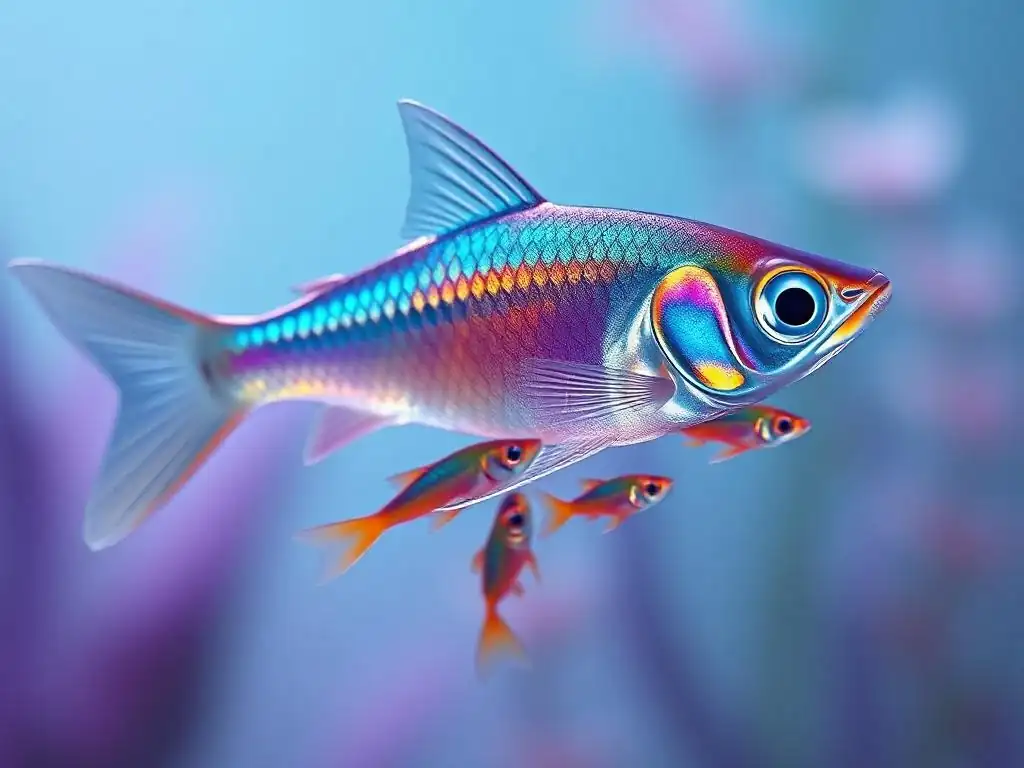
The spawning process of Diamond Tetras typically occurs in the early morning, often shortly after the aquarium lights come on or as dawn breaks. The male will begin to actively pursue the female, nudging her towards the chosen spawning substrate, such as a spawning mop or dense plant thicket. This courtship display involves the male shimmering and displaying his fins to entice the female.
As the male nudges her, the female will release small clutches of adhesive eggs, which stick to the plants or fall into the protective substrate below. Simultaneously, the male will fertilize them. This process can last for several hours, with the pair engaging in multiple spawning runs. A healthy, well-conditioned pair can lay hundreds of eggs, though not all will be fertile or survive. Once spawning is complete, typically indicated by the female's noticeably slimmer appearance, the adult fish should be immediately removed to prevent them from consuming the eggs.
Caring for Diamond Tetra Eggs and Fry
The successful rearing of Diamond Tetra fry is the most delicate phase of Diamond tetra breeding care, requiring meticulous attention to water quality and precise feeding. The eggs and newly hatched fry are extremely vulnerable to environmental changes, water pollution, and predation. Providing the right conditions during this period is crucial for maximizing their survival rates.
Patience and consistency are key during this stage, as the fry are tiny and their needs evolve rapidly as they grow. This phase determines the ultimate success of your breeding efforts.
Removing Adult Tetras After Spawning
Once the Diamond Tetras have finished spawning, it is imperative to immediately remove the adult fish from the breeding tank. Diamond Tetras, like most other tetra species, are egg scatterers and do not exhibit any parental care; in fact, they are highly opportunistic and will readily consume their own eggs if given the chance. This removal should be done carefully to avoid disturbing the newly laid eggs.
Transferring the conditioned adults back to their main display tank or a separate recovery tank ensures the safety of the delicate eggs and allows you to focus solely on the fragile process of Diamond tetra breeding care for the developing embryos and fry. This single action is perhaps the most critical step in securing a high yield of fry.
Maintaining Water Quality in the Fry Tank
Diamond Tetra eggs typically hatch within 24-36 hours at a temperature of 78-82°F (26-28°C). The newly hatched fry are incredibly small and sensitive to water pollution. Maintaining pristine water quality is paramount for their survival. This involves performing daily small water changes, typically 5-10% of the tank volume, using aged or RO water that matches the breeding tank's parameters (soft, acidic, and stable temperature).
A gentle air stone or a mature sponge filter (from an established tank) should provide aeration without creating strong currents that could overwhelm the tiny fry. Avoid strong power filters that could suck up the fry. Monitor ammonia and nitrite levels meticulously, as fry are extremely susceptible to even trace amounts of these toxins. Consistency in water parameters is critical during this vulnerable stage of Diamond tetra breeding care.
Feeding Diamond Tetra Fry: First Foods and Growth
Diamond Tetra fry will absorb their yolk sac for the first 2-3 days after hatching, during which they do not require external feeding. Once they become free-swimming (usually around day 3-4), their first food must be incredibly tiny. Infusoria, green water, or commercial liquid fry foods specifically designed for egg-laying fish are excellent initial options. Feed these small amounts frequently, 3-5 times a day, to ensure a constant supply of food for their rapid growth.
After approximately one week, as they grow slightly larger, the fry can graduate to newly hatched brine shrimp ( Artemia nauplii) or micro worms. These live foods provide essential protein and stimulate a feeding response. As the fry continue to grow, typically after 2-3 weeks, they can gradually be introduced to finely crushed, high-quality flake food. Consistent, appropriate feeding is crucial for their development and contributes significantly to the success of Diamond tetra breeding care.
Addressing Common Diamond Tetra Breeding Challenges
While Diamond tetra breeding care can be rewarding, aquarists may encounter several common challenges that can hinder success. These often relate to egg viability, fungal infections, and the delicate nature of fry survival. Proactive measures and swift responses are essential to mitigate these issues and maximize the yield of healthy offspring.
Understanding these potential pitfalls and having strategies in place to address them will significantly improve your breeding success rate and provide a more fulfilling experience.
Preventing Egg Fungus
Egg fungus is a common and frustrating problem in Diamond tetra breeding care, often leading to significant losses. It primarily affects infertile eggs but can quickly spread to healthy, viable eggs. To prevent fungal outbreaks, maintaining impeccable water quality in the breeding tank is crucial. This includes using soft, acidic water (pH 5.5-6.5, GH 2-5 dGH) and ensuring good aeration with a gentle air stone to provide oxygen and water movement around the eggs.
Some breeders opt to add a very dilute solution of methylene blue (following product instructions carefully) to the water as an antifungal preventative, although this can temporarily stain the tank. Promptly removing any infertile (opaque, white) or visibly fungused eggs using a pipette or small baster is vital to prevent the fungus from spreading to healthy, clear eggs. Good water flow around the eggs also inhibits fungal growth.
Maximizing Fry Survival Rates
Maximizing fry survival rates in Diamond tetra breeding care requires diligent attention to several factors beyond just water quality and feeding. One crucial aspect is ensuring that the fry tank is free of any potential predators, including snails that might consume eggs or very young fry. While some snails like Ramshorns can help with uneaten food, they should be introduced with caution or avoided until fry are larger.
Consistent water parameters are paramount; sudden temperature drops or pH swings can be fatal. Avoid overfeeding, as excess food quickly fouls the water, leading to ammonia spikes that are lethal to fry. A mature sponge filter provides gentle aeration and a stable biological filter, which is less likely to harm the tiny fry than powerful mechanical filters. Providing a varied diet as they grow also strengthens their immune system, contributing to higher survival rates.
Maintaining Diamond Tetra Health: Preventing and Treating Diseases
Preventing disease is always preferable to treating it, and this holds especially true for Diamond Tetras. A proactive approach to aquarium maintenance, water quality management, and careful observation can significantly reduce the likelihood of illness. However, even with the best care, diseases can sometimes occur. Understanding common ailments, their symptoms, and appropriate treatment options is crucial for maintaining a healthy and vibrant school of Diamond Tetras.
A well-executed quarantine protocol for new fish is a cornerstone of disease prevention, protecting your established community and ensuring the long-term success of your Diamond tetra breeding care efforts.
Common Diamond Tetra Diseases and Symptoms
Diamond Tetras, like all aquarium fish, are susceptible to various diseases, often triggered by stress, poor water quality, or the introduction of new, infected fish. Recognizing the early symptoms of common ailments is crucial for timely intervention and successful treatment. Prompt action can prevent the spread of disease and minimize losses within your school.
Maintaining a keen eye on your fish's behavior, appetite, and physical appearance during daily observations will help you detect issues before they become severe. This vigilance is a key component of comprehensive Diamond tetra breeding care.
Ich (White Spot Disease)
Ich, caused by the parasite Ichthyophthirius multifiliis, is one of the most common and recognizable freshwater fish diseases. Symptoms include the appearance of small, white spots resembling grains of salt scattered over the fish's body and fins. Affected Diamond Tetras may also exhibit flashing (rubbing against decor or substrate), clamped fins, lethargy, and rapid gill movements due to respiratory distress.
Treatment for Ich typically involves gradually raising the tank temperature to 82-86°F (28-30°C) over 24 hours, if compatible with all tank inhabitants, as this accelerates the parasite's life cycle. This temperature increase should be combined with a commercial Ich medication containing ingredients like malachite green or formaldehyde, following the manufacturer's instructions precisely. Daily gravel vacuums are also recommended to remove free-swimming parasites. Treatment should continue for at least 7-10 days, even after visible spots disappear, to ensure all stages of the parasite are eradicated.
Fin Rot
Fin rot is a bacterial infection that manifests as ragged, frayed, or deteriorating fins, which may appear white or opaque around the edges. In advanced cases, the fins can completely rot away, exposing the base. Affected Diamond Tetras may also exhibit clamped fins, lethargy, or loss of appetite. This condition is almost always a secondary infection, triggered by poor water quality, stress, fin-nipping by aggressive tank mates, or physical injury.
Treatment primarily focuses on immediate and significant improvement of water quality. This involves performing large daily water changes (50% or more for several days) and ensuring ammonia, nitrite, and nitrate levels are optimal. In severe cases, a broad-spectrum antibacterial medication specifically designed for aquarium use may be necessary. Addressing the underlying cause, such as aggressive tank mates or overcrowding, is crucial for preventing recurrence and promoting fin regrowth.
Fungal Infections
Fungal infections, often caused by species like Saprolegnia, typically appear as cotton-like growths on the body, fins, or mouth of the fish. These growths can be white, gray, or brownish and may spread rapidly if left untreated. Fish affected by fungal infections may also show signs of lethargy, reduced appetite, and general malaise. Fungi usually attack fish that are already weakened by stress, injury, poor water quality, or an underlying bacterial infection.
Treatment involves isolating the affected Diamond Tetra if possible and treating with an antifungal medication specifically formulated for aquarium use. Simultaneously, it is critical to address the underlying cause by performing significant water changes, ensuring proper water parameters, and removing any stressors or sources of injury in the tank. Improving overall tank hygiene and conditions is essential for successful recovery and preventing future outbreaks.
Quarantine Procedures for New Diamond Tetras
A robust quarantine procedure is the single most effective method for preventing the introduction of diseases into your established aquarium. Always quarantine new Diamond Tetras, or any new fish, in a separate, fully cycled quarantine tank for a minimum of 2-4 weeks. This tank should be equipped with its own heater, filter (preferably a sponge filter), and appropriate substrate or bare bottom, matching the water parameters of your main display tank.
During the quarantine period, closely observe the new fish for any signs of illness, parasites, unusual behavior, or changes in appetite. Perform regular small water changes and maintain excellent water quality. This allows any latent diseases to manifest and be treated before the fish are introduced to your main tank, safeguarding your existing fish population and preventing potential outbreaks that could jeopardize your Diamond tetra breeding care projects.
Water Quality Management for Disease Prevention
Consistent and diligent water quality management is the cornerstone of disease prevention for Diamond Tetras. Regular water changes are paramount; performing 25-30% weekly water changes for most tanks helps to dilute nitrates and replenish essential minerals. Monitoring water parameters with reliable test kits for ammonia, nitrite, and nitrate is crucial; ammonia and nitrite should always be zero, and nitrates should ideally be kept below 20 ppm.
Overfeeding and overcrowding are common culprits for rapid deterioration of water quality. Ensure you are not feeding more than your fish can consume in a few minutes and that your tank is not overstocked. Proper filtration – including mechanical filtration for particulate removal, biological filtration for ammonia/nitrite conversion, and chemical filtration (like activated carbon, if not using medication) for dissolved organic compounds – is also vital. A clean, stable environment significantly reduces stress and boosts the fish's natural immunity against diseases.
Treatment Options for Sick Diamond Tetras
When a Diamond Tetra shows signs of illness, prompt and appropriate treatment is essential. The specific treatment depends on the diagnosis, which can often be determined by observing symptoms and water parameters. It's important to act quickly, as many fish diseases progress rapidly.
Always ensure you have a basic understanding of common fish ailments and a small supply of relevant medications on hand. However, the most effective treatment often begins with rectifying any underlying environmental issues, as poor water quality is a frequent contributor to fish illness.
Medications and Natural Remedies
For confirmed bacterial infections, a broad-spectrum antibiotic designed for aquarium use may be necessary. For parasitic infections like Ich, specific Ich treatments containing malachite green or formaldehyde are typically effective. Always read and follow the medication instructions carefully, paying close attention to dosage, duration, and any special considerations like removing activated carbon from the filter, as it will absorb the medication.
Some natural remedies can be beneficial for specific conditions. For instance, increasing the salinity of the water with non-iodized aquarium salt can help with certain parasitic infections or fin rot, but research its compatibility with Diamond Tetras and other tank mates first. Always ensure good aeration during any treatment, as some medications can reduce oxygen levels in the water. Consistent monitoring of water parameters throughout the treatment period is also vital.
When to Consult a Veterinarian
While many common fish ailments can be treated by experienced aquarists, there are instances when consulting an aquatic veterinarian is advisable. If symptoms are severe, rapidly affecting multiple fish, or if you are unsure of the diagnosis despite your best efforts, a professional opinion can be invaluable. Aquatic veterinarians have specialized knowledge and access to diagnostic tools (like microscopy) that can provide accurate diagnoses and more targeted treatments not available over-the-counter.
They can also prescribe more potent or specific medications for resistant infections. When seeking veterinary advice, provide detailed records of symptoms, water parameters, fish behavior, and any treatments already attempted. Early intervention by a professional can often save valuable fish, especially in critical Diamond tetra breeding care scenarios where an entire breeding line might be at risk.
Enhancing Diamond Tetra Color and Sparkle: Pro Tips
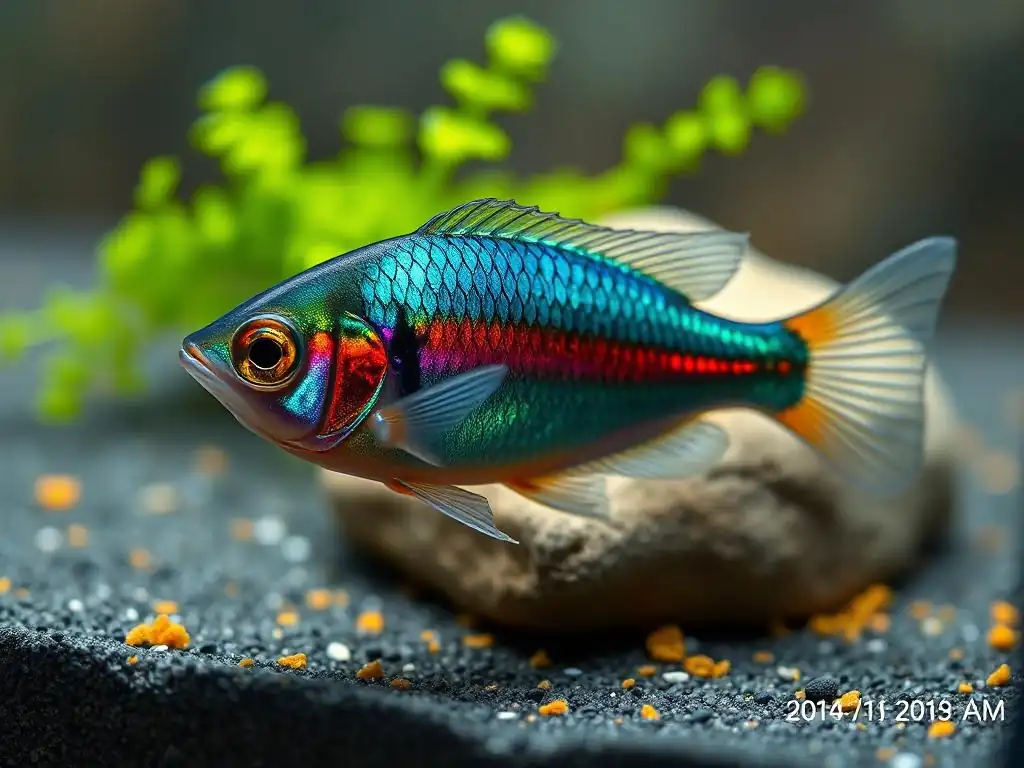
The "sparkle" of the Diamond Tetra is its most captivating feature, and with advanced care techniques, this iridescence can be significantly enhanced. Achieving their most vibrant coloration and dazzling shimmer goes beyond basic husbandry; it involves optimizing environmental conditions and dietary inputs specifically to bring out their full potential.
These pro tips focus on fine-tuning various aspects of their care to ensure your Diamond Tetras are not just healthy, but truly spectacular, making your Diamond tetra breeding care efforts even more rewarding with visually stunning results.
Optimizing Lighting to Enhance Diamond Tetra Iridescence
While Diamond Tetras prefer dim to moderate lighting overall, the type of light used can significantly impact the visibility of their iridescence. Instead of harsh, bright lights, consider using LED lighting systems with adjustable spectrums. A slightly warmer color temperature, typically around 6500K (daylight equivalent), can help bring out the subtle blues, greens, and yellows in their scales, making their "diamond" sparkle more pronounced.
Furthermore, incorporating areas of diffused light through the strategic use of floating plants or taller background plants creates natural shadows and highlights within the tank. This play of light and shadow allows their reflective scales to catch and refract light more dynamically, enhancing their dazzling effect. Avoid overly intense lighting, which can stress the fish and cause them to appear duller.
Diet and Supplementation for Vibrant Colors
A diet rich in specific pigments is crucial for enhancing the vibrant colors and sparkle of Diamond Tetras. Foods fortified with carotenoids and astaxanthin are particularly effective. Many high-quality flake and pellet foods designed for tropical fish include these color-enhancing ingredients. Look for products that list spirulina, paprika, or shrimp meal high on their ingredient list.
Beyond commercial foods, regular supplementation with natural sources of these pigments can yield impressive results. Feeding live or frozen foods such as brine shrimp (especially those enriched with spirulina), daphnia, and bloodworms not only provides essential protein but also contributes to overall vitality, which directly translates to more intense and brilliant coloration. A varied and nutrient-dense diet is a cornerstone for maximizing their inherent sparkle and is vital for successful Diamond tetra breeding care.
Maintaining Pristine Water Quality for Maximum Sparkle
The most fundamental yet often overlooked aspect of enhancing a Diamond Tetra's color and sparkle is maintaining consistently pristine water quality. Crystal-clear, stable water is paramount for a fish's overall health, and a healthy fish will always display its best coloration. High levels of nitrates, phosphates, or dissolved organic compounds can lead to chronic stress, dull coloration, and a general lack of vitality.
Regular weekly water changes (25-30%), combined with efficient mechanical, biological, and, if needed, chemical filtration, are essential. Avoid overfeeding, as uneaten food rapidly degrades water quality. A well-maintained tank with optimal water parameters ensures that the Diamond Tetras are not just surviving but thriving, allowing their scales to remain clean, healthy, and maximally reflective, truly living up to their "diamond" name.
Troubleshooting Common Diamond Tetra Issues
Even with advanced care, aquarists may encounter specific issues with their Diamond Tetras. Understanding the common problems and their potential causes, along with effective solutions, can help prevent prolonged stress or loss within your school. Prompt identification and intervention are key to resolving these challenges and maintaining the health and vibrancy of your dazzling tetras.
These troubleshooting tips provide practical guidance for addressing typical behavioral and appearance-related concerns, ensuring your Diamond tetra breeding care efforts are supported by a stable and healthy environment.
Diamond Tetras Not Schooling: Potential Causes and Solutions
If your Diamond Tetras are not schooling as expected, scattering or hiding instead, several factors could be at play. The most common cause is an insufficient number of individuals; Diamond Tetras need a minimum of 8-10 fish in their school to feel secure enough to display natural schooling behavior. Smaller groups often feel vulnerable and will hide or act erratically.
Other potential causes include stress from aggressive tank mates, poor water quality (high ammonia/nitrite, or high nitrates), or the presence of illness. To rectify this, first, increase the school size to at least 10 or more. Ensure all tank mates are peaceful and non-aggressive. Immediately test and correct any water parameter issues. Observe for any signs of disease and treat accordingly. Providing ample hiding spots and dim lighting can also help reduce stress and encourage cohesive schooling behavior.
Loss of Color in Diamond Tetras: Identifying the Problem
A noticeable loss of color or dulling of the "sparkle" in Diamond Tetras is a strong indicator that something is amiss in their environment or health. The primary causes include chronic stress (from poor water quality, bullying by tank mates, or an incorrect tank setup), illness, or an improper diet lacking essential nutrients. Newly introduced fish may also appear dull for a few days as they acclimate to their new surroundings.
To address this, begin by thoroughly testing all water parameters (ammonia, nitrite, nitrate, pH, GH, KH) and rectify any deviations from their ideal range. Review their diet to ensure it is varied, high-quality, and includes color-enhancing foods rich in carotenoids. Closely observe for any subtle signs of disease or aggression from other fish. Providing a stable, secure environment with appropriate lighting and ample hiding spots will significantly reduce stress and encourage the return of their vibrant coloration.
Diamond Tetras Hiding: Addressing Stress and Fear
If your Diamond Tetras are consistently hiding or spending excessive time in secluded areas, it usually indicates they are experiencing stress or fear. Common causes include feeling exposed due to a lack of sufficient cover in the tank, overly bright lighting, the presence of aggressive or intimidating tank mates, or recent introduction to a new, unfamiliar environment. High levels of noise or vibration near the aquarium can also contribute to their anxiety.
To alleviate this, first, enhance the tank's decor by adding more live plants, driftwood, and other structures to create ample hiding spots and visual barriers. Dim the aquarium lighting or use floating plants to diffuse the light, creating a more subdued ambiance. Ensure that all tank mates are peaceful and compatible; remove any aggressive species. Allow newly introduced fish sufficient time to acclimate without excessive disturbance. Minimizing sudden movements or loud noises around the aquarium will also help them feel more secure.
Diamond Tetra: A Summary of Advanced Care and Breeding
The Diamond Tetra, with its exceptional beauty and peaceful demeanor, is a truly rewarding species for the dedicated aquarist. Achieving their full potential in terms of health, vibrant sparkle, and successful reproduction requires a commitment to advanced husbandry techniques that go beyond basic fish keeping. By understanding and implementing these specialized care protocols, you can transform your aquarium into a dazzling display of these exquisite fish.
The journey of keeping and breeding Diamond Tetras is one of continuous learning and observation, providing immense satisfaction as you witness their natural behaviors and the successful propagation of this captivating species.
Key Takeaways for Successful Diamond Tetra Keeping
Successful Diamond Tetra keeping hinges on several key principles. Firstly, maintaining stable, soft, and slightly acidic water parameters (pH 6.0-7.5, GH 5-12 dGH, temperature 75-82°F) is paramount for their long-term health and vitality. Secondly, always keep them in a sizable school of at least 8-10 individuals to promote natural schooling behavior, reduce stress, and allow their dazzling sparkle to truly shine.
Furthermore, a well-planted aquarium with dim lighting and ample hiding spots provides the security they need, while a varied, high-quality diet rich in color-enhancing foods ensures their vibrant coloration. Regular tank maintenance, including consistent water changes and proper filtration, is crucial for disease prevention. For those pursuing Diamond tetra breeding care, specific soft, acidic water conditions and a dedicated breeding setup are essential for maximizing egg viability and fry survival.
Further Resources for Diamond Tetra Enthusiasts
For Diamond Tetra enthusiasts seeking to deepen their knowledge and expertise, a wealth of further resources is available. Delving into more advanced topics such as specific water chemistry adjustments, detailed live plant care, or highly specialized Diamond tetra breeding care protocols can significantly enhance your success and enjoyment. Online aquatic forums, dedicated fish keeping communities, and social media groups are excellent platforms for connecting with experienced aquarists, sharing insights, and troubleshooting unique challenges.
Consider exploring scientific literature or specialized books on freshwater fish husbandry and breeding, which often provide in-depth information on genetics, nutrition, and disease management tailored to specific species. Continuous learning and engagement with the broader aquarist community will undoubtedly elevate your experience and transform you into a true master of Diamond Tetra care.
Frequently Asked Questions
How difficult is it to breed Diamond Tetras in a home aquarium?
Diamond Tetra breeding can be moderately challenging. It requires specific water parameters and a dedicated breeding tank to ensure success.
What are the ideal water parameters for Diamond Tetra breeding?
The ideal water parameters are soft, slightly acidic water, with a pH between 6.0 and 7.0, and a temperature around 80°F (26.7°C). Maintaining pristine water quality is also crucial for successful spawning.
What type of setup is best for a Diamond Tetra breeding tank?
A breeding tank should be separate from the main aquarium and include fine-leaved plants or a spawning mop for the tetras to deposit their eggs. It should also be lightly filtered to avoid harming the delicate eggs.
What do Diamond Tetras eat, and how does their diet affect breeding?
Diamond Tetras are omnivores. Feeding them a varied diet rich in protein, especially live and frozen foods, will significantly improve their breeding condition and egg quality.
How long does it take for Diamond Tetra eggs to hatch, and what care do the fry require?
Diamond Tetra eggs typically hatch within 24-36 hours. The fry require infusoria or liquid fry food initially, followed by baby brine shrimp as they grow. Frequent water changes are also vital for their development.
Final Reflection: Embracing the Diamond's Brilliance
The journey into the world of Diamond Tetras, as we've explored, is more than just aquarium keeping; it's an immersion into the delicate balance of an ecosystem. Today, in a world increasingly disconnected from nature, understanding and replicating these natural environments in our homes becomes a vital act of conservation and appreciation. The shimmering beauty of a thriving Diamond Tetra school serves as a constant reminder of the intricate wonders that exist beyond our everyday lives, urging us to protect and cherish them.
This exploration has deeply resonated with the understanding that responsible aquascaping is an art form, a commitment to providing not just survival, but a flourishing life for these creatures. It's about more than just aesthetics; it's about creating an environment where they can truly thrive and express their natural behaviors, including the captivating dance of courtship and breeding. In the end, we will conserve only what we love; we will love only what we understand; and we will understand only what we are taught.
- Baba Dioum's words echo the sentiment that knowledge is the key to fostering a deeper connection and responsibility towards the natural world.
As you close this article, consider the ripple effect of your actions. The knowledge you've gained about Diamond Tetra breeding care empowers you to become a steward of this species, contributing to their well-being and ensuring their dazzling presence continues to grace our aquariums. Let the shimmering brilliance of the Diamond Tetra inspire you to cultivate a deeper understanding and appreciation for the delicate ecosystems around us, and to champion their preservation for generations to come.
Ignite Your Aquarium: Unleash the Diamond Tetra's Full Brilliance!
Thanks for diving deep into the world of Diamond Tetras with us! We hope you've uncovered valuable insights to elevate their care and breeding. Now, let's put that knowledge into action and truly make your aquarium shine.
Here are some exciting steps you can take right now:
- Immediately refine your Diamond Tetra's habitat: Assess your tank's water parameters, lighting, and plant density to optimize their environment for breeding success and vibrant coloration.
- Explore the art of selective breeding. Start a detailed journal and meticulously track the lineage of your Diamond Tetras and observe the effects of different breeding approaches.
- Share your Diamond Tetra journey! Post pictures and videos of your sparkling tetras on social media using #AquariumMastery and inspire fellow hobbyists.
Ready to transform your aquarium into a dazzling display? What specific change will you implement this week to enhance the health and vibrancy of your Diamond Tetras?