
Severum vs. Other "Peaceful" Cichlids: Making the Right Choice for Your Community Tank

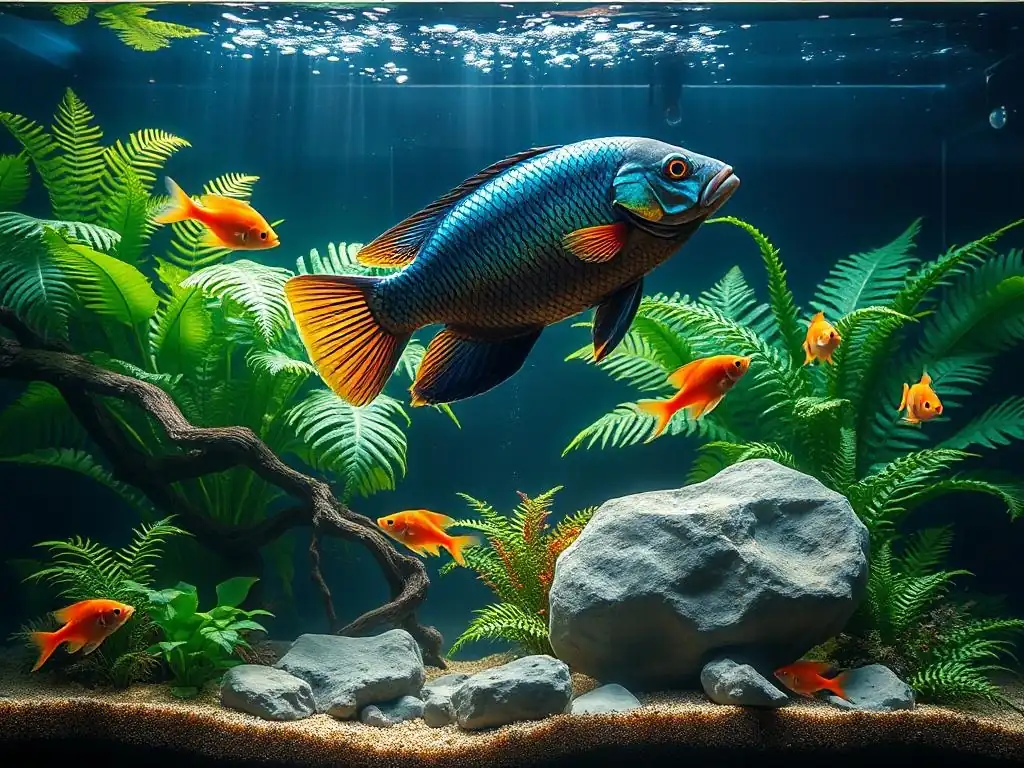
Welcome to Aquarium Mastery!
Ever wondered if those seemingly peaceful cichlids you've been eyeing are truly compatible with your Severum? Dive in and discover the secrets to building a harmonious freshwater community tank! This article explores everything you need to know about Severum community tank compatibility, helping you make informed decisions and avoid common pitfalls. Ready to create a thriving underwater paradise? Let's get started!
- Understanding Severum Community Tank Compatibility
- Severum vs. Key Competitors: Peaceful Cichlid Comparison for Community Tanks
- Key Factors to Consider When Choosing a Severum for Your Community Aquarium
- Severum Tank Mate Selection: Building a Harmonious Community
- Setting Up Your Severum Community Tank for Success
- Troubleshooting Common Severum Community Tank Problems
- Conclusion: Making an Informed Decision About Severum Community Tank Compatibility
-
Frequently Asked Questions
- How compatible are Severums with other peaceful cichlids in a community tank?
- What size tank is recommended for a Severum community tank?
- What types of fish are generally considered good tankmates for Severums?
- What water parameters are ideal for a Severum community tank?
- Are there any specific plants that are more suitable for a Severum community tank?
- Final Reflection: Navigating the Waters of Compatibility
- Unveil Your Perfect Cichlid Community!
Understanding Severum Community Tank Compatibility
What Makes a Cichlid "Peaceful" Enough for a Community Tank?
When discussing "peaceful" cichlids, it's crucial to understand that this term is relative within the cichlid family, which is renowned for its territorial and sometimes aggressive nature. A cichlid considered peaceful for a community tank generally exhibits less aggression, territoriality, or predatory behavior compared to its more boisterous relatives like Oscars or Flowerhorns.
Key factors influencing a cichlid's peacefulness include its adult size, natural temperament, and specific behavioral traits such as schooling tendencies or breeding habits. For instance, dwarf cichlids like the German Blue Ram are often labeled peaceful due to their small stature and generally non-aggressive disposition, making them suitable for many community setups.
However, for larger cichlids such as Severums, "peaceful" implies a temperament that, while still potentially territorial, is manageable within a well-planned community aquarium. Their suitability hinges on their ability to coexist without causing undue stress or harm to tank mates. This often means they are less prone to chasing, fin-nipping, or outright attacking other fish, provided their environmental needs are met and tank mates are appropriately chosen. The goal is to achieve stable Severum community tank compatibility, where all inhabitants can thrive without constant conflict.
Severum Temperament: A Closer Look at Their Community Behavior
Severums (Heros severus), often referred to as "Poor Man's Discus" due to their disc-like body shape and calm demeanor, are generally considered one of the more placid large New World cichlids. Their temperament is typically curious and somewhat shy, preferring a tank with ample hiding spots and subdued lighting. Unlike highly aggressive cichlid species, Severums are less likely to initiate unprovoked attacks on tank mates, making them a strong candidate for a carefully selected community setup.
Despite their reputation for peacefulness, Severums are still cichlids and can exhibit territorial behavior, especially during breeding periods or if housed in an undersized or overcrowded aquarium. An adult Severum can reach 8-10 inches (20-25 cm) in length, and their size alone can intimidate smaller, more delicate species. Individual personalities also vary; some Severums may be more assertive than others. Therefore, achieving optimal Severum community tank compatibility requires careful observation and proactive management of tank conditions, ensuring that their relatively calm nature prevails over any potential for aggression.
Severum vs. Key Competitors: Peaceful Cichlid Comparison for Community Tanks
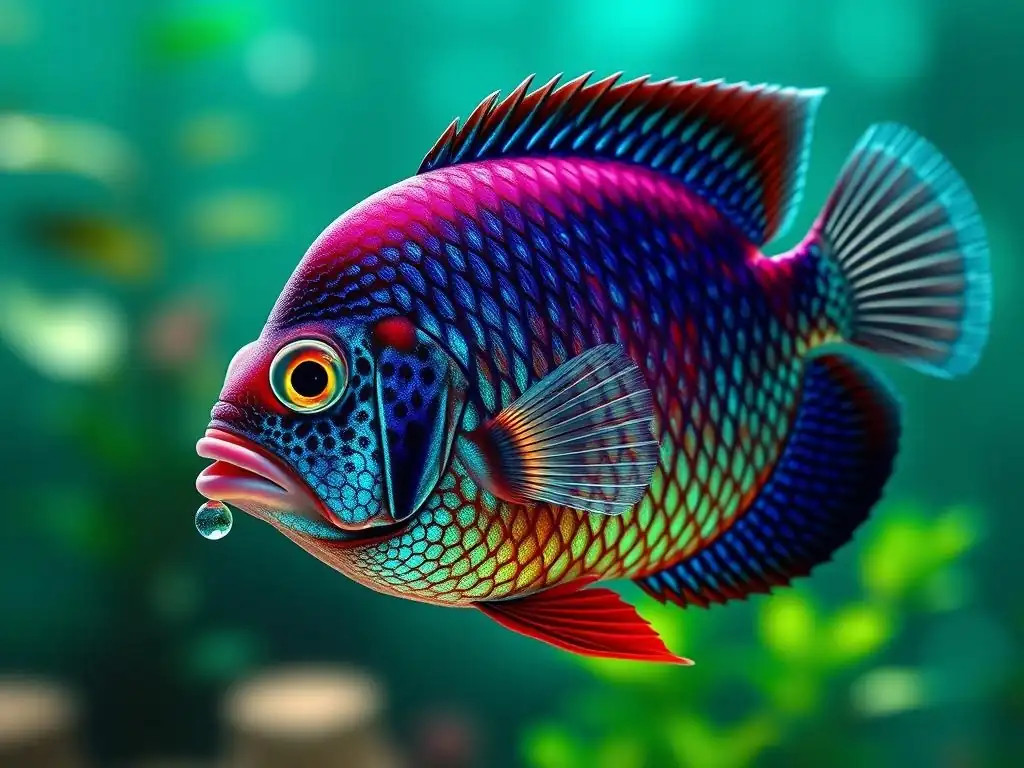
Severum vs. Angelfish: Temperament and Tank Mate Considerations
Both Severums and Angelfish are popular New World cichlids often considered for community tanks, but they present distinct differences in temperament and compatibility. Severums, reaching up to 10 inches, are robust and generally peaceful, though they can be territorial during spawning. Angelfish, while tall (up to 8 inches from fin-tip to fin-tip), have a more delicate body structure and can be prone to fin-nipping or predatory behavior towards very small fish like neon tetras, especially as they mature.
When considering Severum community tank compatibility with Angelfish, the primary concern is the size difference and potential for competition. Severums are significantly more robust and can easily outcompete Angelfish for food, potentially leading to stress and malnutrition for the Angelfish. While both prefer warm, soft, acidic water, Angelfish are more sensitive to water quality fluctuations. Coexistence is possible in very large aquariums (100 gallons or more) with abundant hiding spots and a diligent feeding strategy to ensure both species receive adequate nutrition, but constant monitoring for signs of stress or aggression is essential.
Severum vs. Bolivian Ram: Size, Temperament, and Compatibility
The comparison between Severums and Bolivian Rams highlights a significant disparity in size and potential compatibility. Severums are large, active swimmers that can easily dominate a tank with their presence, growing up to 10 inches. Bolivian Rams (Mikrogeophagus altispinosus), on the other hand, are dwarf cichlids, typically reaching only 2-3 inches (5-7.5 cm) in length. They are known for their exceptionally peaceful nature and preference for the lower regions of the aquarium.
Due to the vast size difference, direct aggression from a Severum towards a Bolivian Ram is unlikely unless the tank is severely overcrowded or the Ram is perceived as a threat during Severum spawning. However, the sheer size and active nature of Severums can inadvertently stress smaller, more delicate fish like Bolivian Rams.
Rams may struggle to compete for food and could become withdrawn, leading to health issues. Therefore, achieving successful Severum community tank compatibility with Bolivian Rams requires an exceptionally large aquarium (125 gallons or more) with a thoughtfully designed aquascape that provides numerous distinct territories and ample hiding spots for the Rams, minimizing direct interaction and competition.
Severum vs. Blue Acara: Evaluating Their Community Tank Suitability
Severums and Blue Acaras (Andinoacara pulcher) are both attractive and relatively peaceful New World cichlids, making them frequent considerations for community tanks. Blue Acaras typically grow to about 6-7 inches (15-18 cm), slightly smaller than the average Severum. Both species share similar environmental preferences, thriving in warm, soft to moderately hard, slightly acidic to neutral water conditions (pH 6.5-7.5, temperature 75-82°F or 24-28°C).
In terms of temperament, Blue Acaras are generally active and can be more boisterous than Severums, especially during breeding, when they become quite territorial. However, their aggression is usually directed towards conspecifics or fish of similar size, rather than smaller, unrelated species. This makes them good candidates for Severum community tank compatibility in adequately sized aquariums, typically 75 gallons or more for a pair of either species, and larger for a mixed community. Their similar robustness and shared habitat preferences often allow for harmonious coexistence, provided sufficient space and hiding spots are available to mitigate any potential territorial disputes.
Key Factors to Consider When Choosing a Severum for Your Community Aquarium
Tank Size Requirements for Severums and Their Potential Tank Mates
The cornerstone of successful Severum community tank compatibility is providing an adequately sized aquarium. A single adult Severum requires a minimum of 55-75 gallons (208-284 liters) to thrive, allowing for sufficient swimming space and territory. However, for a community setup involving a pair of Severums or a group alongside other large tank mates, a tank of 90-125 gallons (340-473 liters) or more is strongly recommended. This larger volume helps dilute waste products, provides ample room for multiple territories, and significantly reduces aggression among inhabitants.
Overcrowding is a primary cause of stress and aggression in any aquarium, and it's particularly detrimental in a Severum community tank. Each additional large fish added to the tank increases the bioload and reduces the available personal space, potentially leading to territorial disputes and compromised water quality. Therefore, prioritizing a spacious environment is not just about comfort but is a critical factor for long-term health and stability when planning Severum community tank compatibility.
Water Parameters: Meeting the Needs of Severums and Other Community Fish
Maintaining stable and appropriate water parameters is paramount for the health and peaceful coexistence of Severums and their tank mates. Severums originate from South America and prefer soft to moderately hard water with a slightly acidic to neutral pH. Ideal parameters include a pH range of 6.0-7.5, a general hardness (GH) between 5-12 dGH, and a carbonate hardness (kH) between 4-8 dKH. The water temperature should be consistently maintained between 75-82°F (24-28°C).
It is crucial that any chosen tank mates also thrive within these specific water conditions. Introducing fish with significantly different parameter requirements will inevitably lead to stress and potential health issues for one or more species, undermining Severum community tank compatibility. Regular water testing (at least weekly) for ammonia, nitrite, nitrate, and pH, coupled with consistent partial water changes, is essential to keep these parameters stable and within optimal ranges, ensuring a healthy environment for all inhabitants.
Diet and Feeding Habits: Preventing Aggression Through Proper Nutrition
A balanced and appropriate diet is vital not only for the health of Severums but also as a preventative measure against aggression in a community tank. Severums are omnivores with a significant herbivorous leaning. Their diet should consist of high-quality cichlid pellets or flakes, supplemented with spirulina-based foods, frozen bloodworms, brine shrimp, and fresh vegetables such as blanched peas, zucchini, or spinach. Feeding small portions 2-3 times a day is generally better than one large feeding, as it mimics natural foraging behavior and ensures all fish get enough food.
Underfeeding or providing a diet lacking in essential nutrients can lead to nutritional deficiencies, stress, and increased aggression as fish compete for scarce resources. When feeding a Severum community tank, ensure that food is distributed widely so that all tank mates have access without excessive competition. This helps prevent dominant individuals from hogging all the food and reduces potential conflicts over resources, thereby contributing positively to Severum community tank compatibility.
Severum Tank Mate Selection: Building a Harmonious Community
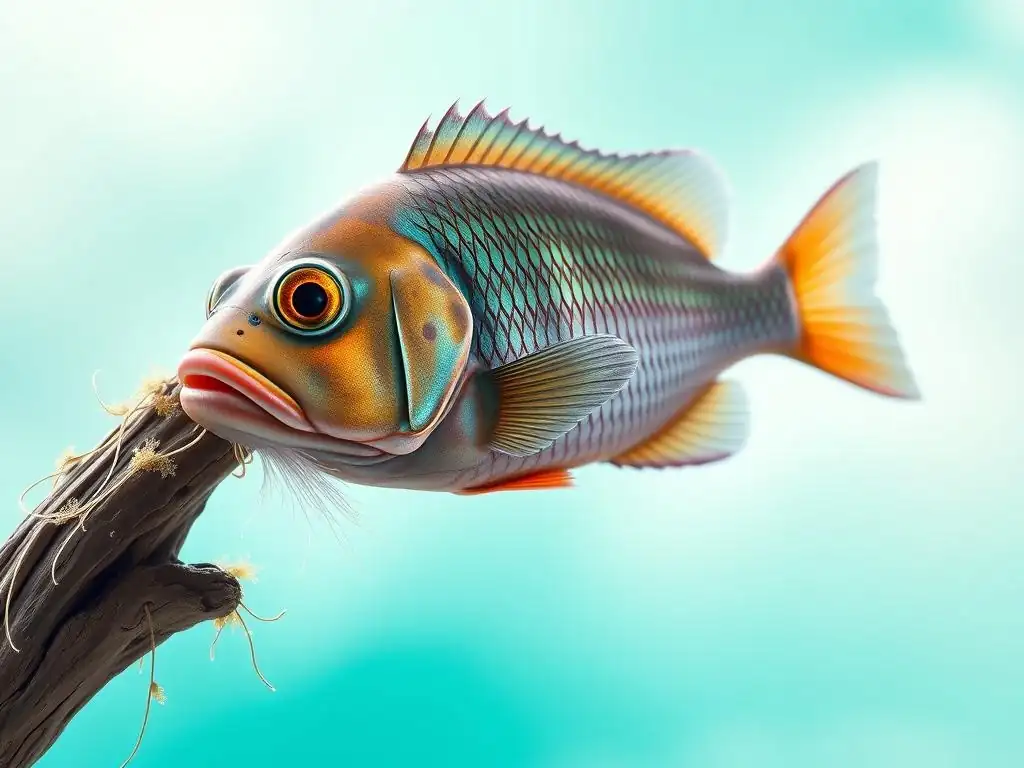
Ideal Tank Mates for Severums: Compatible Fish Species
Selecting appropriate tank mates is crucial for successful Severum community tank compatibility. Ideal companions are generally large, robust, and peaceful fish that can hold their own without being overly aggressive or easily intimidated. Good choices often include other large, non-aggressive South American cichlids, or large schooling fish that prefer similar water parameters.
Examples of highly compatible species include:
- Large Tetras: Such as Congo Tetras (up to 3.5 inches), Diamond Tetras (up to 2.5 inches), or Colombian Tetras (up to 2.5 inches), which are too large to be considered prey and are active mid-water swimmers.
- Silver Dollars: These peaceful, fast-swimming characins (up to 6 inches) make excellent dither fish, helping to make Severums feel more secure.
- Geophagus Cichlids: Species like the Red Head Tapajos (Geophagus sp. 'Tapajos Red Head', up to 8 inches) are generally peaceful bottom-dwellers that occupy a different niche, reducing direct competition.
- Larger Catfish: Bristlenose Plecos (up to 5 inches) are excellent algae eaters and are armored against potential aggression. Common Plecos (up to 18 inches) can work in very large tanks (200+ gallons) but outgrow most home aquariums.
- Peaceful Loaches: Clown Loaches (up to 12 inches) in very large tanks (150+ gallons) can be suitable, but they grow slowly and need to be kept in groups of 5-7.
Fish to Avoid: Incompatible Tank Mates for Severums
To maintain optimal Severum community tank compatibility, certain fish species should be avoided due to significant size disparities, aggressive tendencies, or delicate nature. Introducing incompatible tank mates can lead to stress, injury, or even death for the fish involved.
Avoid the following:
- Very Small Fish: Species like Neon Tetras, Guppies, or Endler's Livebearers are often seen as food by adult Severums, especially as the Severums mature. Their small size makes them vulnerable to predation.
- Aggressive or Fin-Nipping Fish: Tiger Barbs, certain larger Gouramis, or highly territorial African Cichlids are likely to harass Severums, causing stress and potentially leading to fin damage or disease.
- Very Delicate or Slow-Moving Fish: Discus (unless kept in a species-specific tank by an experienced aquarist), or some fancy varieties of livebearers, may struggle to compete for food or handle the robust nature of Severums, leading to starvation or constant stress.
- Highly Territorial Cichlids: Other large, overtly aggressive New World cichlids such as Oscars, Flowerhorns, or Green Terrors will almost certainly lead to severe conflict and compromise the stability of the Severum community tank. Their territorial demands are too high to coexist peacefully with Severums in typical home aquarium sizes.
Plants and Decor: Creating a Stress-Free Environment for Severums
The aquascape plays a vital role in establishing a stress-free environment and promoting Severum community tank compatibility. Severums, while generally peaceful, benefit greatly from a well-structured tank that offers both open swimming areas and ample hiding spots. This allows them to retreat when feeling threatened or to establish temporary territories without constant conflict.
Incorporate plenty of driftwood and rock caves to provide natural shelters and break up lines of sight, which can reduce territorial disputes. While Severums can be prone to nibbling on softer plant leaves, hardy plant species like Anubias, Java Fern (attached to wood or rocks), and robust rooted plants such as Amazon Swords or Cryptocorynes can thrive and contribute to a natural, calming environment.
Ensure that plants are well-established or protected if Severums show a tendency to uproot them. A well-designed aquascape not only enhances the visual appeal of the tank but also directly contributes to the psychological well-being of the Severums and their tank mates, fostering long-term Severum community tank compatibility.
Setting Up Your Severum Community Tank for Success
Acclimation Process: Introducing Severums to Their New Home
Proper acclimation is a critical first step in ensuring the long-term health and successful Severum community tank compatibility of newly acquired fish. A slow and careful introduction minimizes stress from changes in water parameters, which can otherwise lead to shock or susceptibility to disease. The drip acclimation method is highly recommended for Severums and their potential tank mates.
Begin by floating the sealed bag containing the new fish in the aquarium for 15-20 minutes to equalize the water temperature. After this, open the bag, roll down the edges to create a float, and slowly add small amounts of tank water into the bag over a period of 1-2 hours, doubling the volume of water in the bag.
Once the water in the bag has been gradually replaced mostly by tank water, carefully net the fish and transfer them to the aquarium, discarding the bag water. Turning off the aquarium lights during this process and for several hours afterward can further reduce stress on the new inhabitants, aiding their smooth integration into the Severum community tank.
Monitoring Behavior: Identifying and Addressing Potential Issues
Consistent daily monitoring of your Severum community tank is essential for early detection and resolution of potential issues. Observe all fish for signs of stress, illness, or aggression. Key indicators include clamped fins, rapid breathing, fading colors, unusual spots or growths, rubbing against decor, or lethargy. Pay close attention to feeding behavior; a fish that refuses to eat or is constantly outcompeted may be stressed or ill.
Beyond individual health, observe the interactions between tank mates. Note if any fish are consistently being bullied, chased, or nipped, or if a particular Severum is displaying excessive territoriality. Early identification of these behaviors allows for timely intervention, such as adjusting the aquascape, increasing hiding spots, or, in severe cases, rehoming an incompatible fish. Proactive monitoring ensures that the delicate balance of Severum community tank compatibility is maintained, preventing minor issues from escalating into major problems.
Long-Term Care: Maintaining a Healthy and Balanced Community Tank
Long-term care is paramount for the sustained health and harmonious balance of a Severum community tank. Regular maintenance practices are non-negotiable for preventing water quality degradation, which is the leading cause of fish disease and stress. Performing weekly or bi-weekly partial water changes, typically 25-30% of the tank volume, is crucial for removing nitrates and replenishing essential minerals. For heavily stocked tanks, more frequent or larger water changes may be necessary.
In addition to water changes, consistent filter maintenance is vital. Mechanical filter media (e.g., sponges, filter floss) should be rinsed regularly in old tank water to remove accumulated detritus without killing beneficial bacterial colonies. Chemical media (e.g., activated carbon) should be replaced as directed by the manufacturer. Regular testing of water parameters (ammonia, nitrite, nitrate, pH, temperature) helps confirm the effectiveness of your maintenance routine. Adhering to these long-term care practices ensures a stable and thriving environment, preserving the delicate Severum community tank compatibility.
Troubleshooting Common Severum Community Tank Problems
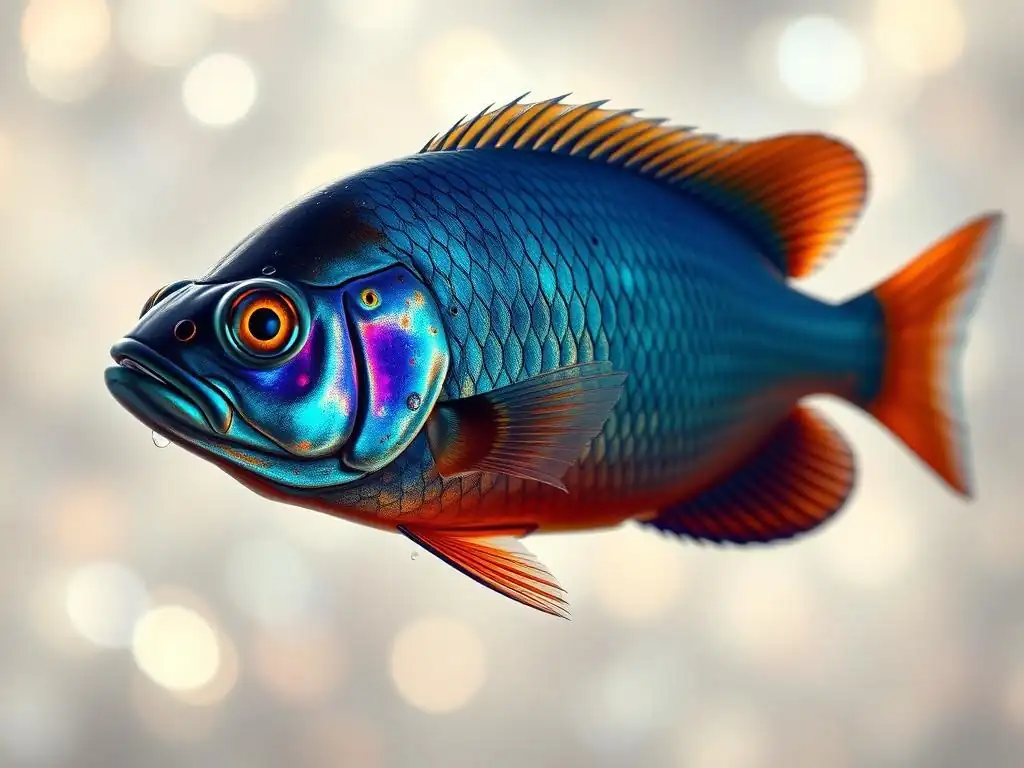
Aggression Issues: Identifying Causes and Implementing Solutions
Aggression, while less common in Severums than in some other cichlids, can still arise in a community tank and disrupt Severum community tank compatibility. Identifying the root cause is the first step toward a solution. Common causes include insufficient tank size, leading to overcrowding and lack of personal space; inadequate hiding spots or poorly structured decor that doesn't break lines of sight; poor water quality causing stress; an imbalanced diet; or the presence of highly incompatible tank mates. Aggression can also intensify during breeding periods.
Solutions often involve addressing these underlying issues. If the tank is too small, a larger aquarium is the most effective long-term solution. Adding more driftwood, rocks, or robust plants can create additional territories and hiding spots, reducing direct confrontations. Ensuring consistent water quality through regular maintenance and providing a varied, nutritious diet can alleviate stress-induced aggression. In cases of persistent aggression from a single fish, particularly if it's a breeding pair, temporary separation or rehoming might be necessary to protect other tank inhabitants and restore Severum community tank compatibility.
Disease Prevention: Maintaining Optimal Water Quality
Disease prevention in a Severum community tank is inextricably linked to maintaining optimal water quality. Poor water conditions, characterized by high levels of ammonia, nitrite, or nitrate, or unstable pH and temperature, significantly stress fish, weakening their immune systems and making them highly susceptible to pathogens. For instance, prolonged exposure to even low levels of ammonia (e.g., 0.25 ppm) can damage gills and reduce oxygen uptake, inviting bacterial infections.
Regular and consistent maintenance, including weekly partial water changes (e.g., 25-30% of tank volume), thorough gravel vacuuming, and proper filter maintenance, is the most effective preventative measure. A mature, well-cycled biological filter is crucial for converting toxic ammonia and nitrite into less harmful nitrates. Additionally, quarantining all new fish for 2-4 weeks in a separate tank before introducing them to the main Severum community tank prevents the introduction of new diseases, safeguarding the health of your established fish and maintaining the integrity of the Severum community tank compatibility.
Hexamita (Hole-in-the-Head Disease): Prevention and Treatment in Severums and Tank Mates
Hexamita, commonly known as "Hole-in-the-Head Disease," is a serious condition that can affect Severums and other large cichlids, often linked to poor water quality, stress, and nutritional deficiencies. The disease is caused by the flagellate protozoan Hexamita salmonis and manifests as pitting lesions on the head and along the lateral line, often accompanied by white, stringy feces, loss of appetite, and lethargy. If left untreated, these lesions can deepen, leading to secondary bacterial infections and potentially fatal outcomes.
Prevention is key and focuses on maintaining pristine water conditions (stable pH, zero ammonia/nitrite, low nitrates), providing a highly nutritious and varied diet rich in vitamins (especially Vitamin C and D), and minimizing stress factors. Stress can be caused by overcrowding, incompatible tank mates, or fluctuating water parameters. If Hexamita is suspected, prompt treatment with a medication containing Metronidazole (often available as an aquarium treatment) is essential.
This medication can be administered directly to the water or, ideally, mixed into food to ensure ingestion. Elevating the water temperature slightly (e.g., to 82-84°F or 28-29°C) can also support treatment by boosting the fish's metabolism and potentially inhibiting the parasite's life cycle.
Conclusion: Making an Informed Decision About Severum Community Tank Compatibility
Choosing to add Severums to a community tank is a rewarding decision for many aquarists, offering a glimpse into the fascinating world of large New World cichlids without the extreme aggression often associated with the family. Their generally peaceful nature, combined with their impressive size and striking colors, makes them a centerpiece in a well-planned aquarium. However, understanding that "peaceful" is a relative term for cichlids is paramount. Severums, while calmer than their more aggressive cousins, still require specific conditions to thrive harmoniously alongside tank mates.
Successful Severum community tank compatibility hinges on several critical factors: providing a spacious aquarium of at least 90-125 gallons for a community setup, maintaining stable and appropriate water parameters (pH 6.0-7.5, temperature 75-82°F), and offering a high-quality, varied diet. Equally important is the careful selection of tank mates—choosing robust, similarly sized fish that are not overly aggressive or delicate. Continuous monitoring of fish behavior and water quality, coupled with proactive troubleshooting of any issues, will ensure a balanced and healthy environment. By adhering to these guidelines, aquarists can confidently create a thriving and engaging Severum community tank.
Frequently Asked Questions
How compatible are Severums with other peaceful cichlids in a community tank?
Severums can be relatively peaceful, but their compatibility depends on the specific cichlid species and tank size. Generally, avoid housing them with aggressive cichlids or those significantly smaller than themselves. Careful observation is key!
What size tank is recommended for a Severum community tank?
A larger tank is crucial for a successful Severum community. Aim for at least a 75-gallon tank for a single Severum with compatible tankmates, and larger if you plan on keeping multiple Severums or other sizable fish. More space reduces aggression.
What types of fish are generally considered good tankmates for Severums?
Good tankmates often include fish of similar size and temperament, such as larger tetras (e.g., Congo tetras), peaceful barbs (e.g., Rosy barbs), or certain types of catfish (e.g., Corydoras). Avoid overly aggressive or fin-nipping species.
What water parameters are ideal for a Severum community tank?
Severums prefer a slightly acidic to neutral pH (around 6.0-7.0) and a temperature between 75-82°F (24-28°C). Maintaining stable water parameters is essential for the health of all inhabitants in the community tank.
Are there any specific plants that are more suitable for a Severum community tank?
Severums are known to occasionally graze on plants. Choose hardy, fast-growing plants that can withstand some nibbling, such as Java fern or Anubias, or consider using artificial plants. Proper plant selection can improve the tank's aesthetics and water quality.
The exploration of Severum community tank compatibility, as we've seen, is not just about choosing fish; it's about creating a thriving ecosystem. Understanding the nuances of temperament, size, and environmental needs is paramount to ensuring the well-being of all inhabitants in your aquarium. The delicate balance of a community tank hinges on informed decisions, transforming a potential battleground into a harmonious underwater world.
This journey into the world of cichlids highlights the enduring importance of responsible pet ownership. Choosing tank mates is more than just aesthetics; it's a commitment to providing a healthy and enriching environment for living creatures. As we've discussed the potential pitfalls and successes of keeping Severums with other "peaceful" cichlids, it's crucial to remember that individual personalities can vary. The best aquarium is not just a collection of fish, but a carefully curated ecosystem where each species can thrive.
This quote underscores the need for continuous observation and adaptation to ensure the long-term success of your community tank.
Now, armed with this knowledge, consider the impact of your choices. Reflect on the responsibility you undertake when creating a community tank. Are you prepared to dedicate the time and effort required to maintain a balanced and harmonious environment? Let this exploration of Severum community tank compatibility inspire you to make informed decisions, fostering a thriving underwater world that reflects your commitment to responsible and compassionate fishkeeping.
Unveil Your Perfect Cichlid Community!
Thank you for exploring the world of peaceful cichlids with us! We hope this article has equipped you with valuable insights for creating a harmonious aquarium. Now, let's put that knowledge into action!
Here are a few ways to deepen your understanding and expand your aquarium hobby:
- Plan Your Dream Tank: Based on what you've learned, carefully select compatible cichlids and create a detailed stocking plan for your perfect community aquarium. Remember to consider tank size and individual fish temperaments!
- Explore Rare Cichlid Varieties: Delve deeper into the cichlid world by researching lesser-known, peaceful species that could add unique beauty to your setup. Maybe you'll discover your next aquatic gem!
- Share Your Insights: Help other aquarists by sharing your experiences with keeping cichlids or ask question in online forums or social media groups and help build a friendly community.
What specific cichlid species are you most excited to research further for your future tank?