
Pearl Danio (Danio albolineatus): Discovering the Subtle Elegance of This Schooling Fish

Welcome to Aquarium Mastery!
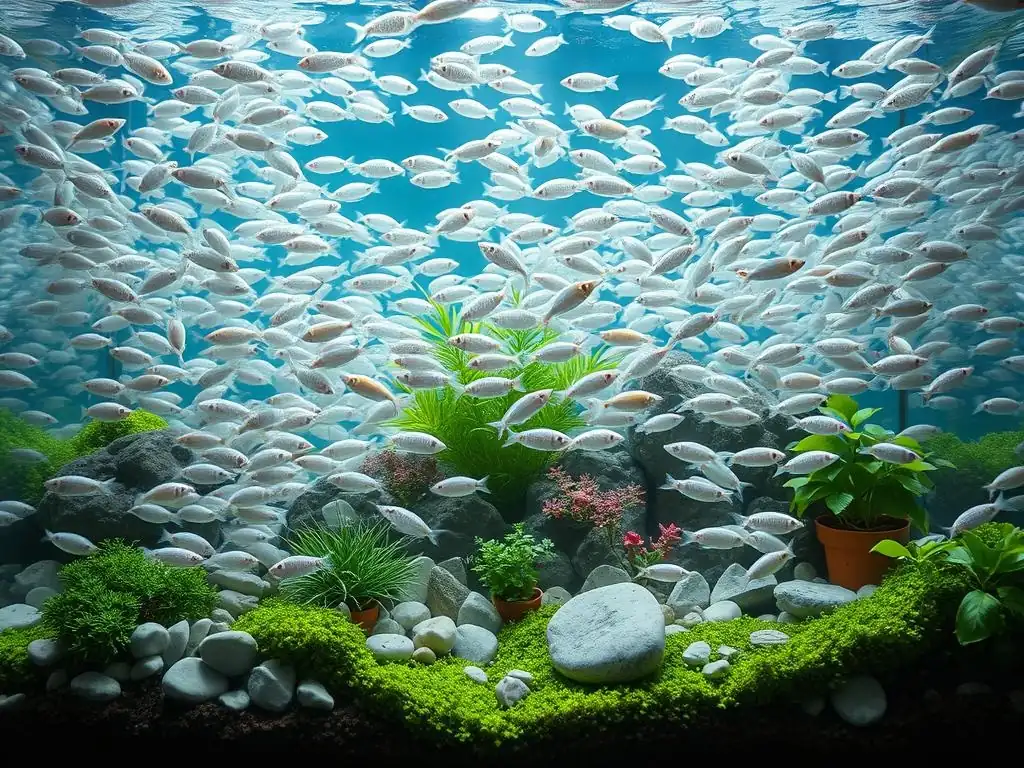
Ever been captivated by the shimmering iridescence of a school of fish? Our latest deep dive explores the subtle elegance of the Pearl Danio (Danio albolineatus). Curious about the secrets to keeping these peaceful beauties thriving? Unlock essential Pearl Danio care tips and discover how to create the perfect freshwater environment for these captivating community fish. Let's embark on a journey to aquarium mastery, one shimmering scale at a time!
- Introduction to Pearl Danios: An Elegant and Active Aquarium Fish
- Pearl Danio Care Guide: Essential Tips for a Thriving School
- Pearl Danio Diet and Feeding: Ensuring Optimal Health and Color
- Pearl Danio Tank Mates: Compatibility and Community Tank Considerations
- Pearl Danio Breeding Guide: Encouraging Reproduction in Captivity
- Common Pearl Danio Diseases and Health Issues: Prevention and Treatment
- Pearl Danio Appearance and Behavior: A Closer Look
- Troubleshooting Common Pearl Danio Problems: A Practical Guide
- Purchasing Pearl Danios: Selecting Healthy Specimens
- Conclusion: The Enduring Charm of Pearl Danios in the Home Aquarium
-
Frequently Asked Questions
- What are the basic requirements for Pearl Danio tank size and setup?
- What is the ideal water chemistry for keeping Pearl Danios healthy and thriving?
- What should I feed my Pearl Danios to ensure they receive proper nutrition?
- How many Pearl Danios should I keep together to promote their natural schooling behavior?
- What are some common health issues that Pearl Danios are susceptible to, and how can I prevent them?
- Final Reflection: Appreciating the Pearl's Enduring Sparkle
- Unveil the Hidden Potential of Your Aquarium!
Introduction to Pearl Danios: An Elegant and Active Aquarium Fish
Understanding the Appeal of Pearl Danios for Aquarists
Pearl Danios, scientifically known as Danio albolineatus, are a captivating choice for both novice and experienced aquarists due to their understated beauty and energetic schooling behavior. Unlike some of their more vividly colored counterparts, Pearl Danios possess a subtle, iridescent sheen that shimmers under aquarium lighting, displaying hues of pink, blue, and violet.
This delicate coloration, combined with their constant movement, adds a dynamic yet tranquil element to a community tank, making them a popular staple in the freshwater hobby. Their adaptability to a range of water conditions further enhances their appeal, simplifying the initial setup and ongoing maintenance for those new to fish keeping.
Their peaceful disposition makes them excellent candidates for a diverse community aquarium, coexisting harmoniously with many other non-aggressive species. A school of Pearl Danios swimming in unison creates a visually stunning spectacle, mimicking their natural behavior in the fast-flowing streams of Southeast Asia. Aquarists often appreciate their hardiness and resilience, making them a forgiving species for those learning the ropes of maintaining a balanced aquatic environment. Their relatively small size also allows them to thrive in moderately sized tanks, expanding their accessibility to a broader audience of hobbyists.
Quick Stats: Pearl Danio Size, Lifespan, and Temperament
Pearl Danios are a relatively small species, typically reaching an adult size of about 2 to 2.5 inches (approximately 5 to 6.5 cm) in length. This compact size makes them suitable for aquariums starting from 10-gallon capacities, though larger tanks are always preferred for schools. Their slender, torpedo-shaped bodies are built for speed, reflecting their natural habitat in flowing waters.
With proper Pearl Danio care tips applied consistently, these hardy fish can enjoy a lifespan of 3 to 5 years in a home aquarium. Some well-maintained individuals have even been reported to live up to 6 years. Their temperament is overwhelmingly peaceful and active, making them ideal inhabitants for a community tank. They are renowned for their schooling behavior, preferring to live in groups of at least six individuals, which not only reduces stress but also enhances their natural beauty and interaction within the tank.
Pearl Danio Care Guide: Essential Tips for a Thriving School
Optimizing Water Parameters for Pearl Danios: Temperature, pH, and Hardness
Maintaining stable and appropriate water parameters is paramount for the health and vibrancy of Pearl Danios. These fish thrive in temperatures ranging from 64°F to 75°F (18°C to 24°C), making them suitable for unheated tanks in warmer climates or standard heated community aquariums. Sudden temperature fluctuations can stress them, potentially leading to illness, so a reliable aquarium heater with a thermostat is recommended for most setups.
Regarding pH levels, Pearl Danios are quite adaptable, tolerating a range from 6.0 to 8.0, with a slightly acidic to neutral pH (around 6.5-7.5) often being ideal. Water hardness (GH) can range from 5 to 19 dGH, indicating they can adapt to soft to moderately hard water. Regular water changes, typically 25% weekly, are crucial for maintaining pristine water quality, keeping ammonia and nitrite levels at zero, and nitrates below 20 ppm. Consistent monitoring with a reliable test kit is one of the most important Pearl Danio care tips to prevent issues before they escalate.
Pearl Danio Tank Size and Setup: Creating the Ideal Habitat
For a healthy school of Pearl Danios, a minimum tank size of 10 gallons is recommended, particularly for a group of 6 to 8 individuals. However, considering their active swimming nature and the benefits of larger schools, a 20-gallon long or larger aquarium is often preferred. This provides ample swimming space and helps dilute waste products more effectively, contributing to stable water parameters. A larger footprint allows for more horizontal swimming room, which these active fish will readily utilize.
The tank setup should mimic their natural environment as much as possible, focusing on providing open swimming areas alongside dense planted zones for security. A strong filter is beneficial to simulate the flowing water conditions they prefer in the wild, but ensure the current is not so strong that it exhausts them. Sponge filters or hang-on-back filters are good choices, provided they create adequate water movement without being overpowering. These elements are key to successful Pearl Danio care tips for their habitat.
Choosing the Right Substrate and Decor for Your Pearl Danios
The choice of substrate for a Pearl Danio aquarium is flexible, as these fish primarily inhabit the middle and upper levels of the water column. Fine gravel or sand are both suitable options. A dark-colored substrate can help to bring out their iridescent colors more prominently, as it reduces light reflection and makes them feel more secure. Ensure the substrate is thoroughly rinsed before adding it to the tank to prevent cloudiness.
When it comes to decor, a mix of live plants, driftwood, and rocks will provide both aesthetic appeal and functional benefits for your Pearl Danios. Tall background plants like Amazon Swords or Vallisneria offer hiding spots and visual barriers, while foreground plants or mosses can add natural beauty. Driftwood and smooth rocks can create interesting structures and additional hiding places.
Always ensure any decor items are aquarium-safe and do not have sharp edges that could injure the fish. Providing plenty of open swimming space in the center of the tank is crucial, as Pearl Danios are constantly on the move.
Pearl Danio Diet and Feeding: Ensuring Optimal Health and Color
What to Feed Pearl Danios: A Varied and Nutritious Diet
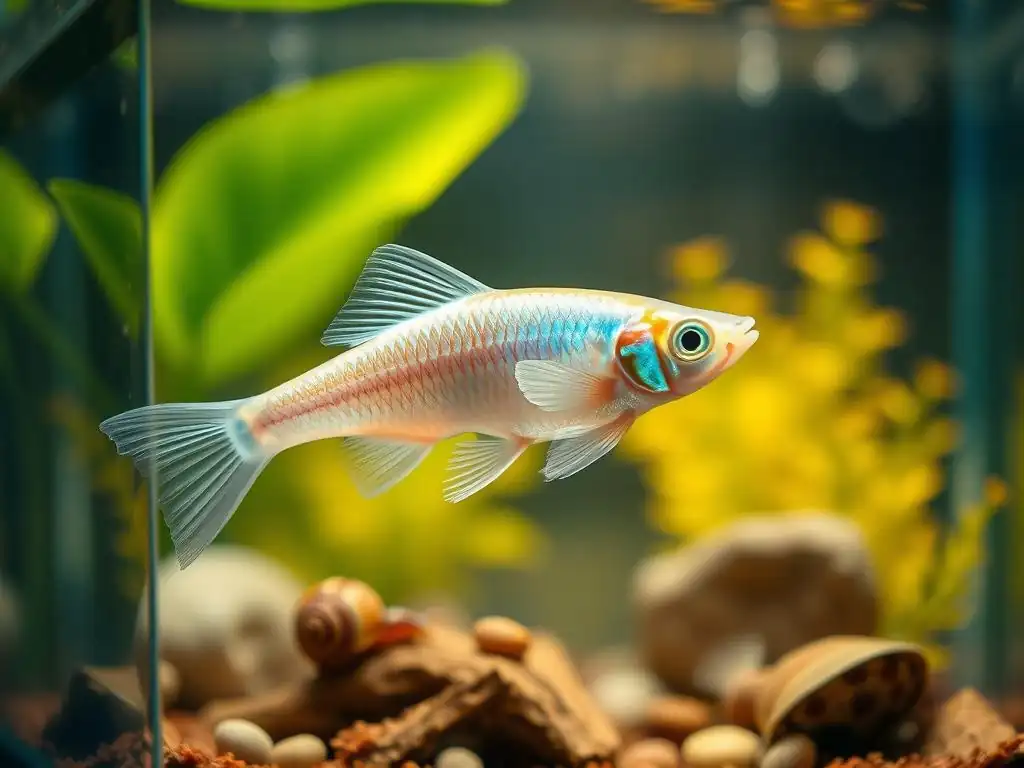
Pearl Danios are omnivores, and providing a varied and balanced diet is essential for their optimal health, vibrant coloration, and longevity. Their primary diet should consist of high-quality flake food or micro-pellets formulated for tropical omnivores. Look for brands that list fish meal, spirulina, and various vitamins as key ingredients.
Supplementing their staple diet with live or frozen foods several times a week is highly beneficial. Excellent choices include brine shrimp, daphnia, bloodworms, and mosquito larvae. These protein-rich foods not only provide essential nutrients but also stimulate their natural hunting instincts. Vegetable matter, such as blanched zucchini or spirulina flakes, can also be offered occasionally to round out their nutritional needs. A diverse diet is a fundamental Pearl Danio care tip for ensuring robust health and preventing nutritional deficiencies.
Recommended Feeding Schedule and Portion Sizes for Pearl Danios
A consistent feeding schedule helps maintain water quality and ensures your Pearl Danios receive adequate nutrition without overfeeding. It is generally recommended to feed Pearl Danios two to three times a day. Each feeding session should consist of a small amount of food that they can consume entirely within 2 to 3 minutes. This method prevents food from sinking to the bottom and decaying, which can quickly degrade water quality.
For a school of 6-8 Pearl Danios, a pinch of quality flake food or 5-10 micro-pellets per fish per feeding is a good starting point, adjusting as needed based on their consumption rate. When offering live or frozen foods, a small portion equivalent to their daily flake intake once or twice a week is usually sufficient. Observe your fish closely during feeding; if food remains after a few minutes, you are likely feeding too much, and the portion size should be reduced.
Avoiding Overfeeding: Maintaining Water Quality
Overfeeding is one of the most common mistakes in aquarium keeping and can have severe consequences for water quality and fish health. When excess food decays in the tank, it releases ammonia, nitrites, and nitrates, leading to dangerous spikes in these toxic compounds. High levels of ammonia and nitrites can cause gill damage, stress, and ultimately death for your Pearl Danios.
To avoid overfeeding, adhere strictly to the recommended portion sizes and feeding schedule. If you notice uneaten food accumulating on the substrate, immediately remove it with a gravel vacuum during your next tank maintenance. Reducing the frequency or amount of food will also help. Fasting your Pearl Danios one day a week can be beneficial, aiding their digestion and further preventing water pollution. This practice is a crucial Pearl Danio care tip for maintaining a healthy and stable aquatic environment.
Pearl Danio Tank Mates: Compatibility and Community Tank Considerations
Best Tank Mates for Pearl Danios: Peaceful and Active Companions
Pearl Danios are excellent community fish due to their peaceful nature and active schooling behavior. They thrive alongside other non-aggressive, similarly sized species that prefer similar water parameters. Ideal tank mates often include other small, peaceful cyprinids like Harlequin Rasboras, Chili Rasboras, or other Danio species such as Zebra Danios. Their shared activity levels and schooling tendencies create a lively and harmonious environment.
Other suitable companions include various small Tetras, such as Ember Tetras or Black Neon Tetras, which also appreciate a planted setup and peaceful cohabitants. Bottom-dwelling species like Corydoras catfish (e.g., Pygmy Corydoras, Panda Corydoras) or Otocinclus catfish are also excellent choices, as they occupy different levels of the tank and help with algae control, without competing for food or space with the Pearl Danios. Peaceful dwarf cichlids, like German Blue Rams, can also be considered in larger tanks, provided they have ample hiding spots and the Pearl Danios are kept in a sufficiently large school to feel secure.
Fish to Avoid Housing with Pearl Danios
While Pearl Danios are generally adaptable, certain types of fish should be avoided as tank mates to prevent stress, injury, or predation. Any large, aggressive, or predatory fish species should be excluded. This includes species like Cichlids (other than very peaceful dwarf varieties in appropriate setups), larger Gouramis (e.g., Kissing Gouramis), or Oscars, which would view Pearl Danios as food. Even semi-aggressive fish like certain Barbs (e.g., Tiger Barbs, unless kept in very large schools to diffuse aggression) can nip at their fins, causing stress and injury.
Fin-nippers, such as some types of Barbs or even certain species of large Tetras (e.g., Serpae Tetras), can stress and damage the delicate fins of Pearl Danios, leading to secondary infections. Slow-moving or long-finned fish should also be avoided, as the active nature of Danios might stress them, or the Danios might nip at their fins out of curiosity or boredom. Maintaining a harmonious environment by selecting compatible tank mates is a vital Pearl Danio care tip for a thriving community aquarium.
Maintaining a Balanced Community Aquarium Environment
Creating and maintaining a balanced community aquarium environment for Pearl Danios involves more than just selecting compatible species; it requires careful consideration of tank size, filtration, and decor. Overstocking is a common pitfall that can quickly lead to poor water quality, increased aggression, and stressed fish. A general rule of thumb is the "one inch of fish per gallon of water" rule, though this is a very rough guideline and larger, more active fish like Danios often require more space. A school of 6-8 Pearl Danios in a 20-gallon tank is a good example of appropriate stocking.
Adequate filtration is essential to manage the bioload of multiple fish species. A filter rated for a tank size larger than your actual tank can provide better mechanical, biological, and chemical filtration. Regular water changes (25% weekly) are crucial for removing accumulated nitrates and replenishing essential minerals. Providing ample hiding spots and visual breaks with plants and decor helps reduce stress and aggression among tank mates. Observing your fish for signs of stress or conflict and addressing issues promptly is a key aspect of successful Pearl Danio care tips for a community tank.
Pearl Danio Breeding Guide: Encouraging Reproduction in Captivity
Setting Up a Breeding Tank for Pearl Danios
Breeding Pearl Danios can be a rewarding experience, as they are relatively easy to spawn in a dedicated breeding tank. A separate 5 to 10-gallon tank is ideal for this purpose. The breeding tank should be set up with soft, slightly acidic water (pH 6.5-7.0) and a temperature around 75°F (24°C). Filtration should be gentle, such as an air-driven sponge filter, to prevent fry from being sucked in.
To protect the eggs, which are scattered randomly, the bottom of the tank should be covered with a layer of marbles, a spawning mop, or a fine mesh. This allows the eggs to fall through, out of reach of the adults who will readily eat them. Dim lighting is also beneficial, as Pearl Danio eggs are light-sensitive. Ensuring these specific conditions are met is an important Pearl Danio care tip for successful breeding.
Identifying Male and Female Pearl Danios
Distinguishing between male and female Pearl Danios is relatively straightforward, especially when they are in breeding condition. Males are typically more slender and torpedo-shaped than females. During breeding season, males often display more intense coloration, particularly a stronger pink or reddish hue along their flanks, becoming more vibrant as they chase females.
Females, on the other hand, tend to be plumper and rounder in the belly, especially when gravid (full of eggs). Their coloration might be slightly less intense than that of the males. Observing these differences carefully before placing them in a breeding tank will increase your chances of successful spawning. Selecting a healthy, well-conditioned pair or a group of two males to one female is a common strategy.
Spawning and Raising Pearl Danio Fry
Pearl Danios are egg-scattering fish that typically spawn in the early morning, often after a cool water change and an increase in temperature. Once the breeding pair or group is introduced to the breeding tank, they will usually begin spawning within a day or two. The male will chase the female, nudging her to release eggs, which he then fertilizes. Spawning can last for several hours, with hundreds of tiny, clear eggs being scattered.
After spawning, it is crucial to remove the adult fish promptly, as they will consume their own eggs. The eggs will typically hatch within 24 to 36 hours, depending on the temperature. The newly hatched fry are tiny and will initially feed on their yolk sacs for 1-2 days.
Once free-swimming, they require infusoria or liquid fry food for the first few days, followed by newly hatched brine shrimp or micro-worms. Frequent small water changes are essential to maintain water quality for the delicate fry. This meticulous attention to detail is a key Pearl Danio care tip for successfully raising offspring.
Common Pearl Danio Diseases and Health Issues: Prevention and Treatment
Recognizing Early Signs of Illness in Pearl Danios
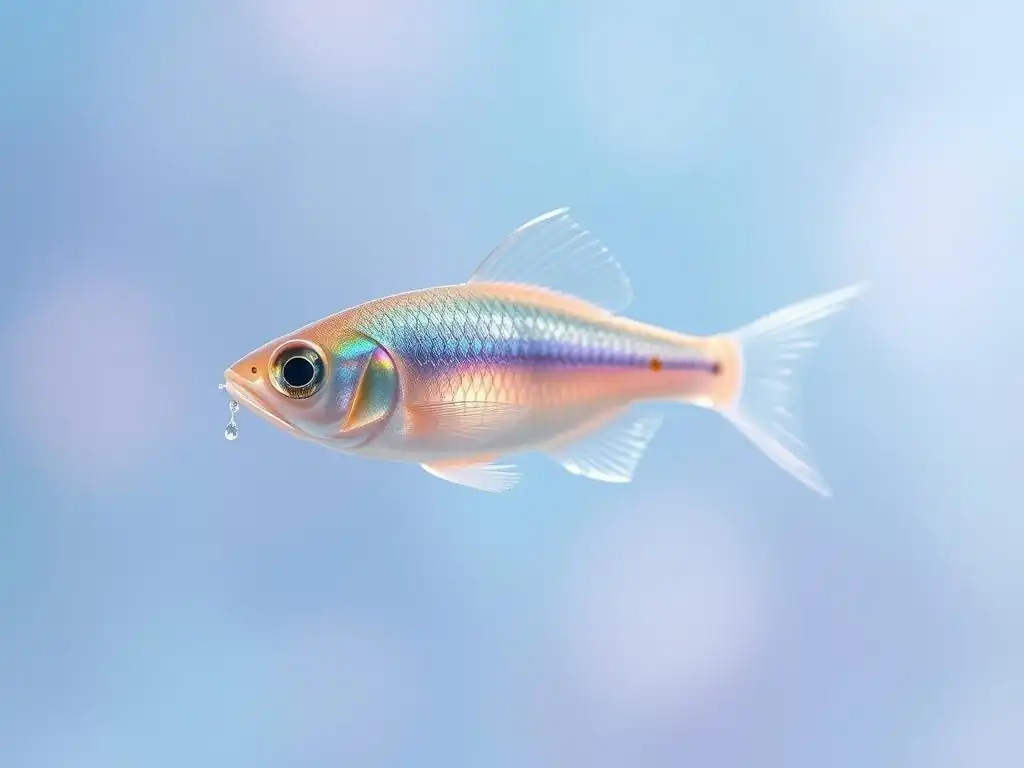
Early detection of illness is crucial for effective treatment and preventing the spread of disease in your Pearl Danio tank. Healthy Pearl Danios are active, alert, and exhibit vibrant coloration and strong schooling behavior. Deviations from these norms can signal a problem. Common signs of illness include lethargy, clamped fins (fins held close to the body), loss of appetite, faded coloration, or unusual swimming patterns (e.g., darting, rubbing against objects, difficulty maintaining buoyancy).
Physical symptoms might include white spots on the body or fins (Ich), cotton-like growths (fungus), frayed or discolored fins (fin rot), or bloating. Any changes in their scales, such as raised scales (dropsy), are also serious indicators. Observing your Pearl Danios daily during feeding times is an excellent way to spot these subtle changes early on. Prompt action based on these observations is a critical Pearl Danio care tip.
Treating Common Fish Diseases Affecting Pearl Danios
Pearl Danios are generally hardy, but like all fish, they can fall victim to common freshwater diseases, often triggered by poor water quality or stress.
- Ich (White Spot Disease): Characterized by small white spots resembling salt grains. Treat by gradually raising the water temperature to 82-84°F (28-29°C) for several days (if tank mates can tolerate it) and using an anti-Ich medication following manufacturer instructions.
- Fin Rot: Appears as frayed, discolored, or disintegrating fins, often due to bacterial infection. Treat with daily small water changes and a broad-spectrum antibacterial medication.
- Fungus: Cotton-like growths on the body or fins. Often a secondary infection. Treat with antifungal medications and address underlying water quality issues.
- Neon Tetra Disease (Pleistophora hyphessobryconis): While named after Neon Tetras, other species including Danios can contract this incurable parasitic disease. Symptoms include faded colors, erratic swimming, spinal deformities, and wasting. Infected fish should be humanely euthanized to prevent spread.
Always diagnose carefully and use medications as directed, preferably in a separate quarantine tank.
Maintaining Optimal Water Quality to Prevent Disease
The cornerstone of Pearl Danio health and disease prevention lies in maintaining consistently optimal water quality. Poor water quality is the leading cause of stress and illness in aquarium fish. Regular partial water changes are non-negotiable; a 25% weekly water change helps remove accumulated nitrates and other pollutants, replenishing essential minerals.
Effective filtration, including mechanical (for particles), biological (for ammonia/nitrite conversion), and chemical (e.g., activated carbon for odors/discoloration), is crucial. Avoid overfeeding, as decaying food quickly fouls the water. Regularly test your water parameters (ammonia, nitrite, nitrate, pH) to ensure they remain within safe ranges. A healthy, stable environment significantly boosts the Pearl Danio's immune system, making them more resilient to pathogens. Proactive water quality management is the most effective Pearl Danio care tip for long-term health.
Pearl Danio Appearance and Behavior: A Closer Look
Identifying Key Physical Characteristics of Pearl Danios
The Pearl Danio ( Danio albolineatus) is a small, slender fish with a torpedo-shaped body, perfectly adapted for life in flowing waters. Its most striking feature is the iridescent lateral line that runs horizontally along its body, shifting in color from a subtle silver to shades of pink, blue, or violet depending on the lighting and the fish's mood. This shimmering quality gives them their "pearl" designation.
Their base body color is typically a muted silver-brown, which provides a beautiful contrast to the vibrant lateral stripe. Their fins are clear, though some individuals may exhibit a faint yellowish or reddish tint, particularly in the caudal (tail) fin. Males often display more intense iridescence and sometimes a more pronounced reddish hue along their flanks, especially when displaying or in breeding condition. Their small, upturned mouth is indicative of their tendency to feed from the water surface or mid-water column.
Understanding Pearl Danio Schooling Behavior
Pearl Danios are highly social and exhibit strong schooling behavior, which is one of their most captivating traits. In the wild, schooling provides protection from predators and aids in foraging. In the aquarium, a school of at least six, and ideally 10 or more, Pearl Danios will display their natural synchronized swimming patterns, creating a dynamic and visually appealing spectacle.
When kept in insufficient numbers, Pearl Danios can become stressed, shy, and may exhibit more aggressive or nippy behavior towards other tank mates due to anxiety. A proper school makes them feel secure, leading to bolder behavior, more vibrant coloration, and a reduction in stress-related illnesses. Observing their fluid movements as they navigate the tank together is a testament to their social complexity and makes them a joy to watch. Providing adequate numbers for schooling is a fundamental Pearl Danio care tip for their well-being.
Observing and Appreciating their Unique Interactions
Beyond synchronized swimming, Pearl Danios display a range of interesting social interactions within their school. Males will often engage in playful chasing, particularly when females are present, as part of their courtship rituals. This chasing is generally harmless and contributes to their active nature. They will also explore their environment together, darting through plants and around decor.
Observing a school of Pearl Danios can provide insights into fish communication and hierarchy. While they are peaceful, a subtle pecking order may exist within the group, though it rarely escalates into aggression. Their constant movement and shimmering colors make them an engaging addition to any community tank, providing endless opportunities for observation and appreciation of their subtle elegance and lively personalities.
Troubleshooting Common Pearl Danio Problems: A Practical Guide
Addressing Faded Colors in Pearl Danios
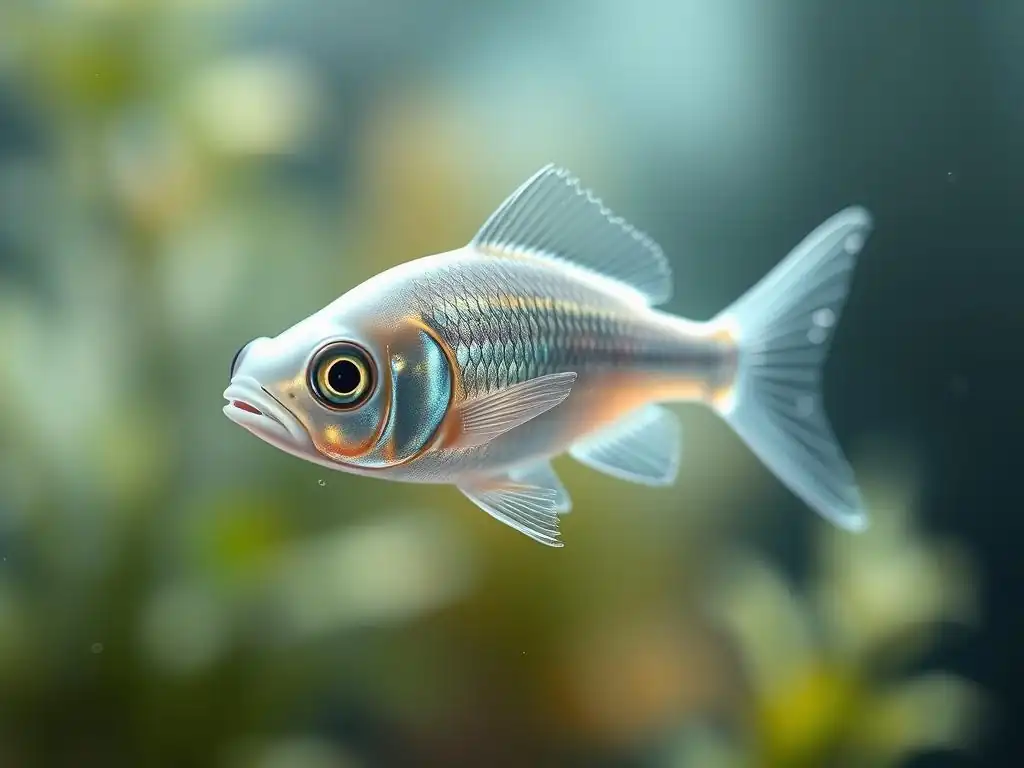
Faded coloration in Pearl Danios is a common indicator of stress or underlying health issues. A healthy Pearl Danio should display a vibrant, iridescent stripe and a generally lively appearance. If your fish's colors appear dull or washed out, consider the following:
- Water Quality: This is the most frequent culprit. Test ammonia, nitrite, and nitrate levels. High nitrates or the presence of ammonia/nitrite will stress fish and dull their colors. Perform a significant water change (30-50%) and increase regular maintenance.
- Stress: Lack of a proper school (fewer than 6-8 individuals) can make them feel insecure and stressed. Introduce more Pearl Danios. Incompatible tank mates, overly strong currents, or insufficient hiding places can also cause stress.
- Diet: A poor or monotonous diet can lead to nutritional deficiencies. Ensure they are receiving a varied diet of high-quality flakes/pellets, supplemented with live or frozen foods.
- Disease: Faded colors can be an early symptom of illness. Observe for other signs like clamped fins, lethargy, or spots.
Addressing these factors promptly is a key Pearl Danio care tip for restoring their natural brilliance.
Dealing with Neon Tetra Disease
While Pearl Danios are not Neon Tetras, they can, unfortunately, be susceptible to a similar parasitic infection often referred to as "Neon Tetra Disease" ( Pleistophora hyphessobryconis). This highly contagious and often fatal disease is caused by a microsporidian parasite that primarily affects the muscles, leading to loss of color, erratic swimming, spinal deformities, and emaciation.
Currently, there is no known cure for Neon Tetra Disease. If a Pearl Danio is diagnosed with it, the most responsible action is to humanely euthanize the infected fish to prevent the spread of the parasite to other tank inhabitants. Immediately remove the affected fish and consider a thorough tank cleaning and disinfection if multiple fish are affected. Preventing its introduction through proper quarantine of new fish is the best strategy. This difficult but necessary action is a critical Pearl Danio care tip to protect your entire aquarium.
Resolving Water Quality Issues Affecting Pearl Danio Health
Water quality issues are the most common cause of health problems and mortality in aquarium fish, including Pearl Danios. Symptoms like gasping at the surface, rapid gill movement, lethargy, loss of appetite, or general malaise often point to poor water conditions.
- High Ammonia/Nitrite: These are highly toxic. If detected, perform an immediate 50% water change. Reduce feeding, ensure adequate filtration, and consider adding beneficial bacteria supplements. High levels indicate an uncycled tank or filter crash.
- High Nitrates: While less toxic than ammonia/nitrite, consistently high nitrates (above 20-40 ppm) cause chronic stress and can lead to disease. Increase the frequency or volume of partial water changes.
- Incorrect pH/Hardness: While Pearl Danios are adaptable, extreme deviations can be stressful. Use pH-adjusting products cautiously and slowly. Ensure your water source is consistent.
- Temperature Fluctuations: Sudden drops or spikes in temperature can shock fish. Ensure your heater is working correctly and the tank is not exposed to drafts.
Regular testing and consistent maintenance are the most effective Pearl Danio care tips to prevent and resolve water quality problems, ensuring a stable and healthy environment.
Purchasing Pearl Danios: Selecting Healthy Specimens
Identifying Signs of a Healthy Pearl Danio at the Fish Store
When selecting Pearl Danios, careful observation at the fish store is paramount to ensure you bring home healthy specimens. Look for fish that are:
- Active and Energetic: Healthy Pearl Danios are constantly on the move, swimming actively in their school. Avoid fish that are listless, sitting at the bottom, or hiding excessively.
- Vibrant Coloration: Their iridescent stripe should be clear and shimmering, and their overall body color should appear robust, not faded or dull.
- Intact Fins: Fins should be fully extended, not clamped, torn, or frayed. Look for signs of fin rot.
- Clear Eyes: Eyes should be bright and clear, not cloudy or sunken.
- No Visible Blemishes: Check for any white spots (Ich), cottony growths (fungus), red streaks, or unusual lumps.
- Good Body Condition: The fish should appear well-fed but not bloated, with no visible signs of emaciation (sunken belly).
Choose fish from tanks that appear clean and well-maintained, and avoid tanks with dead or visibly sick fish, as disease can spread rapidly.
Acclimation Process: Introducing New Pearl Danios to Your Aquarium
Proper acclimation is crucial to minimize stress and prevent shock when introducing new Pearl Danios to your established aquarium. A sudden change in water parameters (temperature, pH, hardness) can be fatal. The drip acclimation method is generally preferred for sensitive fish:
- Dim Lights: Turn off your aquarium lights and dim room lights to reduce stress.
- Float Bag: Float the sealed bag containing the new fish in your aquarium for 15-20 minutes to equalize temperature.
- Transfer to Bucket: Carefully open the bag and pour the fish and their water into a clean bucket.
- Drip Acclimation: Using airline tubing, start a slow siphon from your main aquarium into the bucket. Adjust the drip rate to about 1-2 drips per second.
- Monitor: Allow the water volume in the bucket to double over 30-60 minutes.
- Transfer Fish: Gently net the fish from the bucket and place them into your aquarium. Discard the water from the bucket; do not add it to your tank.
This slow process allows the fish to gradually adjust to your tank's water chemistry, significantly improving their chances of survival.
Quarantine Procedures for New Fish
Implementing a quarantine procedure for all new fish, including Pearl Danios, is one of the most important Pearl Danio care tips for protecting your existing aquarium inhabitants from potential diseases. A separate, bare-bottom quarantine tank (5-10 gallons is sufficient) with a heater, sponge filter, and a few PVC pipes for hiding is ideal.
New fish should be kept in quarantine for at least 2-4 weeks. During this period, observe them closely for any signs of illness. Even if no symptoms appear, consider treating preventatively for common parasites like Ich. This isolation period allows any latent diseases to manifest, preventing them from spreading to your main display tank. Regular water changes and monitoring water parameters are still essential in the quarantine tank. Only after the quarantine period, and if the fish appear perfectly healthy, should they be introduced to your main aquarium following the acclimation process.
Conclusion: The Enduring Charm of Pearl Danios in the Home Aquarium
Pearl Danio Care: A Rewarding Experience for Aquarists of All Levels
Caring for Pearl Danios is a truly rewarding experience that can be enjoyed by aquarists of all skill levels. Their hardiness, adaptability, and peaceful nature make them an excellent choice for beginners looking to venture into the world of freshwater community tanks.
For more experienced hobbyists, their elegant schooling behavior and subtle iridescence offer a captivating addition, creating a dynamic and visually appealing display. By adhering to the essential Pearl Danio care tips outlined, such as maintaining stable water parameters, providing a varied diet, ensuring adequate tank size for a proper school, and selecting compatible tank mates, these delightful fish can thrive for many years.
Their active swimming patterns and social interactions provide endless fascination, showcasing the beauty of natural fish behavior in a home setting. The relatively straightforward breeding process also offers an exciting challenge for those looking to expand their aquarists' skills. Ultimately, the Pearl Danio stands out as a testament to the fact that beauty in the aquarium does not always require flashy colors but can be found in subtle elegance and lively movement.
Further Resources for Pearl Danio Enthusiasts
For those passionate about mastering Pearl Danio care and exploring more about these fascinating fish, a wealth of resources is available. Online forums and dedicated aquarium communities provide platforms for sharing experiences, asking questions, and learning from fellow aquarists. Many reputable aquarium websites and comprehensive fishkeeping books offer detailed scientific information on Danio albolineatus, including advanced breeding techniques and specific insights into their natural habitat.
Local fish clubs often host meetings and events where enthusiasts can connect, exchange knowledge, and even trade fish or plants. Visiting local fish stores and establishing a relationship with knowledgeable staff can also provide valuable insights and access to quality supplies. By continuously seeking out information and engaging with the wider aquarist community, Pearl Danio enthusiasts can deepen their understanding and ensure their iridescent charges continue to flourish, bringing subtle elegance to their aquatic worlds.
Frequently Asked Questions
What are the basic requirements for Pearl Danio tank size and setup?
Pearl Danios need at least a 20-gallon tank. It's important to provide them with a well-planted environment and good filtration to maintain water quality.
What is the ideal water chemistry for keeping Pearl Danios healthy and thriving?
They prefer a slightly acidic to neutral pH (around 6.5-7.5) and a temperature between 72-78°F. Maintaining stable water parameters is crucial for their well-being.
What should I feed my Pearl Danios to ensure they receive proper nutrition?
Pearl Danios are omnivores. A varied diet of high-quality flakes, frozen foods (like bloodworms), and live foods is ideal for optimal health and coloration.
How many Pearl Danios should I keep together to promote their natural schooling behavior?
Pearl Danios are schooling fish, so keeping them in groups of at least six or more is recommended. This allows them to display their natural behaviors and reduces stress.
What are some common health issues that Pearl Danios are susceptible to, and how can I prevent them?
Common issues include Ich and fin rot, often caused by poor water quality. Regular water changes and maintaining a clean tank are key to prevention.
Final Reflection: Appreciating the Pearl's Enduring Sparkle
The journey of understanding the Pearl Danio, as we've explored, is more than just mastering Pearl Danio care tips; it's about appreciating the delicate balance of an ecosystem and the responsibility we undertake when bringing a piece of nature into our homes. The current popularity of nano aquariums and biotope setups underscores the growing desire to connect with the natural world, and the Pearl Danio, with its shimmering scales and peaceful nature, offers a captivating entry point into this rewarding hobby.
The subtle elegance of the Pearl Danio, often overlooked in favor of more flamboyant species, reminds us to appreciate the beauty in simplicity. My own experiences observing these fish have instilled in me a deeper respect for the interconnectedness of all living things within an aquarium environment. In nature, nothing exists alone.
- Rachel Carson. This quote perfectly encapsulates the importance of understanding the Pearl Danio's needs within the broader context of its environment, ensuring its well-being and allowing its true beauty to shine.
Now, as you embark on your own journey of caring for these captivating creatures, I encourage you to go beyond simply following care guidelines. Reflect on the responsibility you hold to provide a thriving environment, not just for your Pearl Danios, but for all the inhabitants of your aquarium. Let the Pearl Danio's quiet grace inspire you to cultivate a deeper appreciation for the natural world and to become a responsible steward of the aquatic ecosystems you create.
Thank you for diving into the world of Pearl Danios with us. We hope this article has shed light on the beauty and benefits of keeping these elegant fish. Now it's time to translate that knowledge into action!
Here are a few ways you can deepen your connection with the fascinating world of aquarium keeping:
- Consider adding Pearl Danios to your community tank! Their peaceful nature and shimmering scales make them a captivating addition.
- Share this article with fellow aquarium enthusiasts who might appreciate learning about this often-overlooked species.
- Explore different plant combinations that complement the Pearl Danio's natural habitat, perhaps experimenting with floating plants to diffuse the light.
What unique aquascaping idea will you try to showcase the beauty of Pearl Danios in your tank?