
Halfmoon Bettas: Witnessing the 180Degree Fin Spectacle

Welcome to Aquarium Mastery!
Ever been mesmerized by the flowing, ethereal beauty of a Halfmoon betta's fins? Imagine mastering the art of keeping these stunning fish thriving in your own aquarium. Dive into our comprehensive guide on Halfmoon betta care tips and unlock the secrets to creating a vibrant, healthy environment where your betta can truly flourish. Ready to witness the 180-degree fin spectacle firsthand? Let's get started!
- Understanding the Allure of Halfmoon Bettas
- Essential Halfmoon Betta Care Tips for a Thriving Fish
- Halfmoon Betta Health: Preventing and Treating Common Issues
- Breeding Halfmoon Bettas: A Detailed Guide
- Halfmoon Betta Fin Care: Maintaining the 180-Degree Spectacle
- Advanced Halfmoon Betta Care: Optimizing Their Well-being
- Troubleshooting Common Halfmoon Betta Problems
- Investing in a Halfmoon Betta: What to Consider
- Frequently Asked Questions
- Final Reflection: Embracing the Elegance of Halfmoon Bettas
- Dive Deeper: Embrace the Halfmoon's Majesty!
Understanding the Allure of Halfmoon Bettas
What Makes Halfmoon Bettas Unique? The Fin Morphology
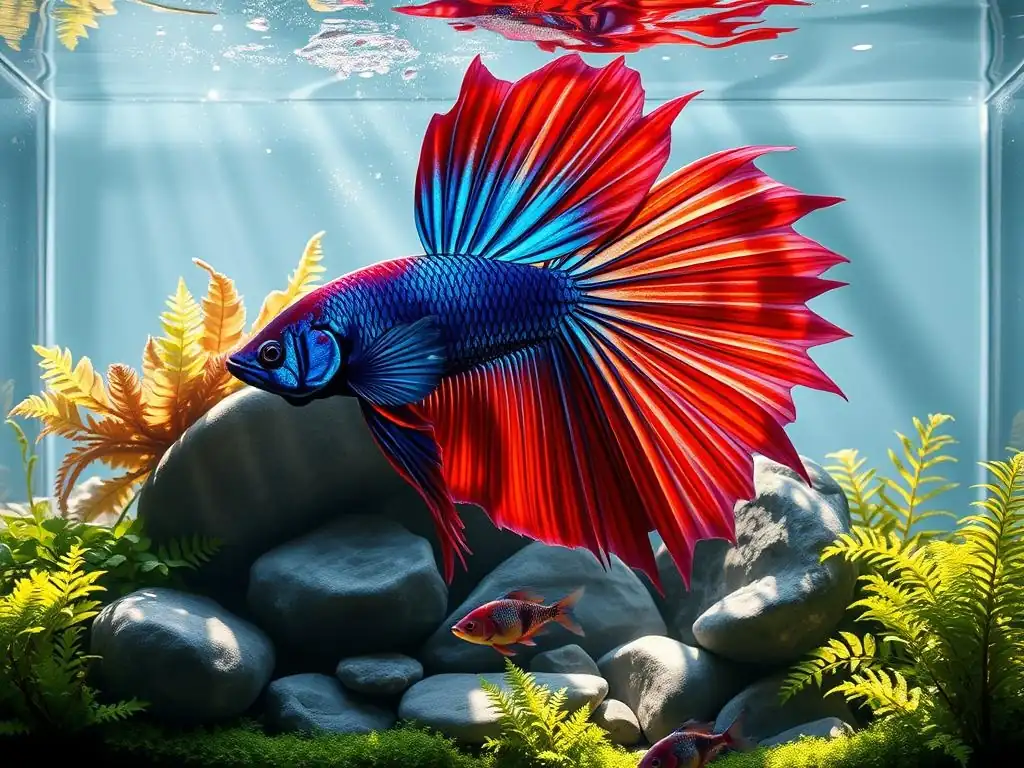
The distinguishing feature of Halfmoon bettas, and indeed the source of their name, is their spectacular caudal fin (tail fin) that, when fully flared, forms a perfect 180-degree "D" shape, resembling a half-circle. This remarkable fin morphology sets them apart from other Betta splendens varieties like Veiltails, which have flowing but less structured fins, or Crowntails, characterized by spiky extensions. The genetic trait responsible for this expansive finnage is often linked to selective breeding over decades, focusing on enhancing the spread and symmetry of the caudal fin.
Beyond the caudal fin, Halfmoon bettas also boast impressive dorsal (top) and anal (bottom) fins that are proportionately large and flow harmoniously with the tail, creating an overall impression of grandeur. These elaborate fins, while beautiful, are delicate and susceptible to damage, necessitating specific Halfmoon betta care tips to ensure they remain pristine. Their sheer size means they can sometimes be cumbersome, making graceful swimming more challenging compared to their shorter-finned cousins, and requiring a tank environment free of sharp edges.
Halfmoon Betta Colors and Patterns: A Visual Feast
Halfmoon bettas exhibit an astonishing array of colors and patterns, making each individual a unique living artwork. They can be found in solid colors such as vibrant reds, deep blues, jet blacks, pristine whites, and sunny yellows. Beyond single hues, bi-color variations feature two distinct colors, often with a contrasting body and fin color, while multi-color bettas display three or more shades, creating complex and captivating palettes. For example, a "Dragon Scale" Halfmoon betta might showcase thick, metallic scales reminiscent of armor, often in shades of copper, gold, or silver, overlaid on a base color.
Patterns further enhance their visual appeal. "Butterfly" Halfmoon bettas have distinct color bands on their fins, with the outer edge typically a different color from the base. "Marble" bettas, known for their genetic predisposition to changing patterns, can exhibit dynamic, irregular patches of color that shift over time, similar to abstract art.
"Koi" bettas, a subset of marble, display irregular splotches of red, black, and white, mirroring their namesake carp. The intensity and vibrancy of these colors are not solely genetic; they are significantly influenced by diet, water quality, and overall health, underscoring the importance of diligent Halfmoon betta care.
Essential Halfmoon Betta Care Tips for a Thriving Fish
Setting Up the Ideal Halfmoon Betta Tank Environment
Tank Size Recommendations for Halfmoon Bettas
For Halfmoon bettas, with their expansive and delicate finnage, a minimum tank size of 5 gallons (approximately 19 liters) is strongly recommended, though larger tanks of 10 gallons (38 liters) or more are even better. While some bettas are kept in smaller containers, a 5-gallon tank provides sufficient space for swimming, allows for more stable water parameters, and reduces the frequency of necessary water changes, contributing significantly to the fish's well-being. A 10-gallon tank offers even greater stability and ample room for exploration and enrichment, minimizing stress.
The emphasis should be on horizontal swimming space rather than vertical height, as Halfmoon bettas primarily swim horizontally and need room to fully extend their impressive fins without obstruction. In a tank smaller than 5 gallons, ammonia and nitrite can accumulate rapidly, leading to toxic conditions that severely compromise the betta's immune system and fin health. For instance, a 2.5-gallon tank can see nitrate levels rise from 5 ppm to 40 ppm in just a few days if not diligently maintained, whereas a 5-gallon tank offers more dilution and buffer capacity, making consistent Halfmoon betta care much more manageable.
Water Parameters: Maintaining Optimal Conditions for Halfmoon Bettas
Maintaining precise and stable water parameters is paramount for the health and vibrancy of Halfmoon bettas. The ideal water temperature should range between 76-82°F (24-28°C), necessitating a reliable submersible heater and thermometer to prevent temperature fluctuations. pH levels should be kept between 6.5 and 7.5, which is slightly acidic to neutral. Crucially, ammonia and nitrite levels must always be 0 ppm (parts per million), and nitrate levels should be kept below 20 ppm through regular water changes and proper filtration.
Consistent weekly water changes of 25-30% are vital for a 5-gallon tank to dilute accumulated nitrates and replenish essential minerals. For example, if a 5-gallon tank has nitrate levels of 30 ppm, a 25% water change would reduce it to approximately 22.5 ppm, assuming the replacement water is nitrate-free. Using a water conditioner that neutralizes chlorine, chloramines, and heavy metals is also essential. Optimal water chemistry directly prevents common ailments like fin rot and strengthens the betta's immune system, making it a cornerstone of effective Halfmoon betta care.
Substrate and Decoration Considerations for Halfmoon Bettas
When selecting substrate for a Halfmoon betta tank, opt for soft, smooth materials like sand or fine, rounded gravel. Coarse or sharp-edged gravel can easily snag and tear their delicate, flowing fins, leading to injury and potential infection. A layer of 1-2 inches of substrate is generally sufficient to allow for beneficial bacteria colonization without becoming a detritus trap.
Decorations should also be chosen with fin safety in mind. Avoid anything with sharp points, rough textures, or small openings where fins could get caught. Instead, choose silk plants over plastic ones, smooth rocks, and well-sanded driftwood. Halfmoon bettas appreciate hiding spots and resting places near the surface, such as a "betta hammock" leaf or broad-leaved live plants like Anubias or Java Fern. These elements not only provide enrichment but also protect their elaborate fins, making careful decor selection a vital component of comprehensive Halfmoon betta care.
Halfmoon Betta Diet and Feeding Guide
What to Feed Your Halfmoon Betta: Nutritional Needs
Halfmoon bettas are primarily carnivores, and their diet should reflect this by being rich in protein. A high-quality betta pellet or flake food should form the staple of their diet, ensuring it lists fish meal or other animal proteins as the primary ingredients. Look for foods specifically formulated for bettas, which often contain color-enhancing ingredients like astaxanthin to boost their vibrant hues.
Supplementing their staple diet with frozen or live foods is crucial for optimal health and color. Excellent choices include bloodworms, brine shrimp, daphnia, and mosquito larvae. For instance, feeding frozen bloodworms 2-3 times a week can provide essential amino acids and fatty acids often lacking in dry foods. A varied diet not only ensures a complete nutritional profile but also stimulates their appetite and mimics their natural feeding habits, contributing significantly to their overall vitality and the success of Halfmoon betta care.
Feeding Frequency and Portion Control for Halfmoon Bettas
Overfeeding is a common pitfall in Halfmoon betta care and can lead to serious health issues, including swim bladder disease, constipation, and poor water quality. It is generally recommended to feed Halfmoon bettas small amounts 1-2 times per day. The portion size should be only what they can consume entirely within 2-3 minutes. This typically translates to 2-4 pellets or an equivalent amount of other food per feeding.
Uneaten food quickly decomposes, releasing ammonia and nitrites into the water, which are highly toxic to bettas. For example, leaving just a few uneaten pellets in a 5-gallon tank can cause ammonia spikes within hours. Incorporating an occasional fasting day (once a week) can also aid in digestion and prevent bloat. Consistent portion control and vigilance against leftover food are critical Halfmoon betta care tips for maintaining both the fish's health and the tank's water quality.
Halfmoon Betta Tank Mates: Selecting Compatible Companions
Suitable Tank Mates for Halfmoon Bettas: A Community Tank?
While male bettas are famously aggressive towards other male bettas, some Halfmoon bettas can coexist peacefully with certain non-aggressive, non-fin-nipping tank mates in appropriately sized aquariums (typically 10 gallons or larger). The key is to select species that are docile, small, and do not resemble bettas in shape or coloration. Good candidates include Otocinclus catfish, which are peaceful algae eaters, or small schooling fish like Ember Tetras (Paracheirodon simulans) or Neon Tetras (Paracheirodon innesi), provided they are kept in schools of at least 6-8 to distribute potential aggression.
Corydoras catfish (e.g., Pygmy Corydoras or Dwarf Corydoras) are another excellent choice, as they are bottom-dwellers that generally ignore bettas. For instance, a 10-gallon tank could comfortably house one Halfmoon betta and a school of 5-6 Pygmy Corydoras. However, it's crucial to remember that individual betta personalities vary; some Halfmoon bettas are inherently more aggressive and may not tolerate any tank mates. Constant observation and a backup plan (like a separate tank) are essential components of Halfmoon betta care in a community setting.
Avoiding Aggression: Incompatible Tank Mates for Halfmoon Bettas
To prevent aggression, stress, and fin damage, several types of fish should be strictly avoided as tank mates for Halfmoon bettas. This includes any other male bettas, as they will almost certainly fight to the death due to their territorial nature. Female bettas should also be avoided unless you are intentionally setting up a carefully managed sorority tank (which requires significant experience and a much larger tank, typically 20 gallons or more, with ample hiding spots).
Fin-nipping species, such as Tiger Barbs, Serpae Tetras, or certain types of Gouramis, are highly incompatible as they are notorious for nipping at the long, flowing fins of Halfmoon bettas, causing severe damage and stress. Fish that are overly boisterous or fast swimmers can also stress a betta, leading to lethargy and weakened immunity. Brightly colored or flowy-finned fish might also be perceived as rivals by the betta. Avoiding these incompatible species is a crucial Halfmoon betta care tip to ensure a peaceful and healthy environment for your prized fish.
Halfmoon Betta Health: Preventing and Treating Common Issues
Recognizing Signs of Illness in Halfmoon Bettas
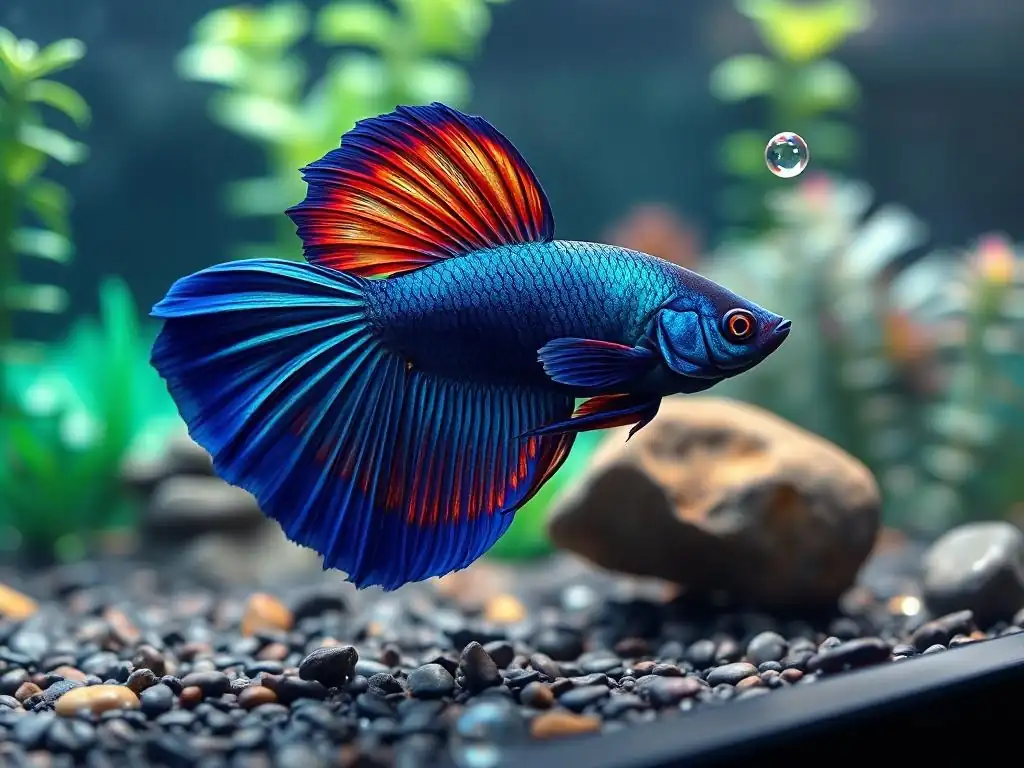
Early detection of illness is crucial for successful treatment and is a cornerstone of effective Halfmoon betta care. Behavioral changes are often the first indicators. Look for increased lethargy, spending excessive time hiding, loss of appetite, or refusing food. Clamped fins, where the fins are held close to the body instead of being spread out, are a clear sign of stress or illness. Rapid gilling (fast breathing) or rubbing against tank decorations (flashing) can indicate external parasites or irritation.
Physical signs of illness include faded colors, which often suggest stress or poor water quality. White spots resembling salt grains (Ich), fuzzy white growths (fungus), or red streaks on the fins or body point to specific infections. Fin tears, fraying, or disintegration indicate fin rot. Swollen bodies (dropsy) or cloudy/bulging eyes (pop-eye) are severe symptoms requiring immediate attention. Daily observation of your Halfmoon betta's appearance and behavior is the most proactive step in maintaining their health.
Common Diseases Affecting Halfmoon Bettas and Their Treatments
Fin Rot in Halfmoon Bettas: Causes and Remedies
Fin rot is a common bacterial infection that particularly affects Halfmoon bettas due to their large, delicate fins, making it a critical focus of Halfmoon betta care. It is typically caused by poor water quality (high ammonia/nitrite, fluctuating pH), stress, or physical injuries that allow bacteria to enter. Symptoms include the edges of the fins appearing frayed, ragged, discolored (often black or red), or even disintegrating. In severe cases, the rot can reach the body, leading to secondary infections.
Treatment for fin rot primarily involves addressing the underlying cause and improving water quality. Begin with immediate, substantial water changes (50% daily for several days) using dechlorinated water, ensuring optimal parameters (0 ammonia, 0 nitrite, low nitrate). If the rot is mild, pristine water conditions alone often facilitate healing. For more severe cases, broad-spectrum antibacterial medications such as API Fungus Cure or Seachem KanaPlex, administered in a hospital tank, may be necessary. Consistent excellent Halfmoon betta care, focusing on water quality, is the best preventative measure.
Ich (White Spot Disease) in Halfmoon Bettas: Identification and Treatment
Ich, or White Spot Disease (Ichthyophthirius multifiliis), is a highly contagious parasitic infection identifiable by small, white spots resembling grains of salt on the fish's body and fins. It often appears when fish are stressed, such as during transport, or when water temperatures fluctuate. The parasite burrows into the fish's skin, causing irritation and secondary infections if left untreated. Halfmoon bettas, like all fish, are susceptible, and prompt treatment is essential.
Treatment involves a multi-pronged approach. Gradually raise the tank temperature to 82-84°F (28-29°C) over 24 hours, as this accelerates the parasite's life cycle, making it vulnerable. Add aquarium salt at a concentration of 1 teaspoon per gallon, dissolved thoroughly, which helps the fish's slime coat and kills free-swimming parasites. Additionally, use Ich-specific medications like Seachem ParaGuard or API Super Ick Cure, following package instructions carefully and removing activated carbon from the filter during treatment. Consistent follow-through with these Halfmoon betta care steps is vital for eradication.
Maintaining Water Quality: A Key to Halfmoon Betta Health
Maintaining consistently high water quality is arguably the single most important aspect of Halfmoon betta care and the primary defense against disease. Poor water quality, characterized by elevated levels of ammonia, nitrite, or nitrate, directly stresses the fish, compromises its immune system, and makes it highly susceptible to bacterial, fungal, and parasitic infections. Regular testing of ammonia, nitrite, nitrate, and pH levels using a reliable liquid test kit is indispensable.
A fully cycled aquarium, where beneficial bacteria convert toxic ammonia and nitrite into less harmful nitrates, is fundamental. Even in a cycled tank, weekly partial water changes (e.g., 25-30% for a 5-gallon tank) are necessary to remove accumulated nitrates and replenish essential minerals. For example, allowing nitrates to rise above 40 ppm can significantly suppress a betta's immune response, leading to issues like fin rot. Pristine water quality not only prevents illness but also contributes to vibrant coloration and overall vitality, making it the bedrock of successful Halfmoon betta care.
Breeding Halfmoon Bettas: A Detailed Guide
Preparing for Halfmoon Betta Breeding: Conditioning the Fish
Successful Halfmoon betta breeding requires meticulous preparation, starting with a dedicated breeding tank. A 10 to 20-gallon tank, filled with only 4-6 inches of dechlorinated water, is ideal. It should include broad-leaved plants or a Styrofoam cup half-submerged for the male to build his bubble nest, and plenty of hiding spots for the female. Both the male and female must be conditioned for breeding, which involves feeding them a high-protein diet of live or frozen foods (e.g., blackworms, bloodworms, brine shrimp) for 1-2 weeks. This diet helps them build energy reserves and signals readiness for spawning.
Once conditioned, the male and female should be introduced visually first. This can be done by placing the female in a clear, separate container within the male's tank for a few days. This "flirting" period allows them to become accustomed to each other without direct contact, stimulating the male to build a bubble nest. Observe the female for vertical barring on her body, which indicates she is receptive to breeding. This careful preparation minimizes stress and maximizes the chances of successful spawning, forming a crucial aspect of Halfmoon betta care for breeders.
The Breeding Process: From Bubble Nest to Fry
Once the male has constructed a substantial bubble nest and the female displays vertical barring, she can be released into the breeding tank. The male will then begin to "court" her, often chasing her around the tank. Eventually, they will engage in a "nuptial embrace," where the male wraps his body around the female, turning her upside down. During this embrace, the female releases eggs, which the male simultaneously fertilizes. The eggs, being heavier than water, sink to the bottom.
After each embrace, the male carefully collects the eggs in his mouth and transports them to the bubble nest, meticulously placing each one. This process can last for several hours, with hundreds of eggs being laid. Once spawning is complete, the female must be removed immediately, as the male will become highly aggressive in his defense of the nest and may harm her. The male will diligently guard the eggs, fanning them to ensure oxygenation. The eggs typically hatch into "wigglers" (fry with yolk sacs) within 24-48 hours, signaling the next phase of intensive Halfmoon betta care.
Raising Halfmoon Betta Fry: A Step-by-Step Guide
Feeding Halfmoon Betta Fry: First Foods and Growth
Raising Halfmoon betta fry is a delicate and demanding process, particularly concerning their initial feeding. For the first 2-3 days after hatching, the fry, often called "wigglers," will absorb nutrients from their yolk sacs and remain largely immobile, clinging to the bubble nest. Once they become free-swimming and their yolk sacs are depleted, they require microscopic foods, as their mouths are incredibly tiny. The first foods should be infusoria (microscopic organisms) or specialized liquid fry food.
After about one week, as the fry grow slightly, they can be transitioned to newly hatched brine shrimp nauplii, which are highly nutritious and stimulate a strong feeding response. Over the next few weeks, their diet can gradually include microworms, and eventually finely crushed high-quality flake food or specialized betta fry pellets. Frequent, small feedings (3-5 times a day) are crucial for their rapid growth and development. This dedicated nutritional Halfmoon betta care is paramount for the survival and healthy growth of the young fish.
Maintaining Water Quality for Halfmoon Betta Fry
Maintaining pristine water quality is even more critical for Halfmoon betta fry than for adult fish, as they are extremely sensitive to pollutants. Filtration should be very gentle, using a sponge filter with minimal air flow, or no filtration at all initially, as strong currents can easily overwhelm and harm the delicate fry. Ammonia and nitrite are lethal to fry, so daily small water changes of 10-20% are essential to remove waste and maintain stable parameters.
These water changes should be performed slowly and carefully, using an airline tube to siphon out debris and a drip method to reintroduce fresh, dechlorinated water, avoiding sudden temperature or parameter shifts. For example, a 10% daily water change in a 10-gallon breeding tank means removing and replacing 1 gallon. Maintaining a consistent temperature within the optimal range (e.g., 78-80°F or 25.5-26.5°C) is also vital for the fry's metabolism and development. This diligent Halfmoon betta care, focused on water purity and stability, significantly impacts fry survival rates.
Halfmoon Betta Fin Care: Maintaining the 180-Degree Spectacle
Preventing Fin Damage in Halfmoon Bettas
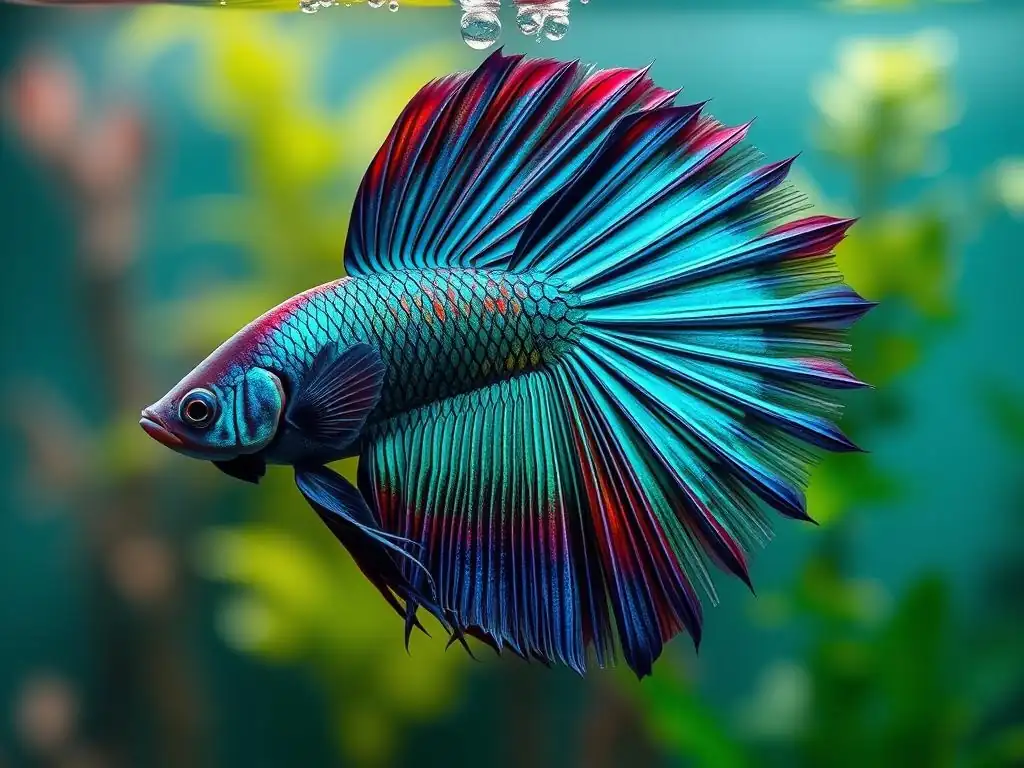
Preventing fin damage is a primary concern in Halfmoon betta care, given the elaborate and delicate nature of their 180-degree caudal fins. The most effective preventative measure is to ensure the tank environment is entirely free of potential hazards. This includes using only soft substrates like sand or fine, smooth gravel and avoiding any decorations with sharp edges, rough textures, or small, confined spaces where fins could snag or tear. Silk plants are preferred over plastic, and any rocks or driftwood should be thoroughly inspected for abrasive surfaces.
Beyond physical hazards, excellent water quality is crucial. Poor water conditions (e.g., high ammonia or nitrite) stress the fish and can lead to fin rot, which rapidly deteriorates fin tissue. Maintaining stable temperatures and appropriate pH levels also contributes to overall health, strengthening the fins and making them more resilient. Lastly, careful selection of peaceful tank mates, or keeping the Halfmoon betta solitary, prevents fin nipping or aggressive encounters that can cause tears. Consistent attention to these details is paramount for preserving their signature spectacle.
Treating Fin Tears and Injuries in Halfmoon Bettas
Despite best efforts, Halfmoon bettas can occasionally suffer fin tears or minor injuries. Prompt and appropriate Halfmoon betta care is essential for recovery and to prevent secondary infections. For minor tears or splits, the most effective treatment is to significantly improve water quality. This often involves increasing the frequency of partial water changes (e.g., 25% every other day for a week) to ensure pristine conditions and reduce the bacterial load in the water. Maintaining the optimal temperature (78-80°F or 25.5-26.5°C) also aids the healing process.
If the injury appears more severe, shows signs of infection (redness, white edges, or fuzziness), or if the fish's overall health seems compromised, a mild antibacterial or antifungal treatment may be necessary. Aquarium salt (1 teaspoon per gallon, dissolved) can also be used in a separate hospital tank to promote slime coat production and inhibit bacterial growth. Always remove activated carbon from the filter before adding medication. The key is to act quickly, address any underlying stress factors, and maintain the cleanest possible water to facilitate natural healing and prevent complications.
Advanced Halfmoon Betta Care: Optimizing Their Well-being
Enhancing Coloration in Halfmoon Bettas
Optimizing the vibrant coloration of Halfmoon bettas involves a combination of genetics, diet, and environment. While genetics determine the potential color range, a high-quality, varied diet is crucial for expressing these colors to their fullest. Look for betta foods that are specifically formulated to enhance color, often containing natural color boosters like astaxanthin (a carotenoid pigment found in foods like spirulina, shrimp, and certain fish meals). Feeding a mix of premium pellets, frozen bloodworms, and brine shrimp 2-3 times a week can significantly deepen their hues.
Beyond diet, a stress-free environment with pristine water parameters is fundamental. When a Halfmoon betta is stressed by poor water quality, incorrect temperatures, or incompatible tank mates, its colors will often fade as a survival mechanism. Maintaining stable temperatures (78-80°F or 25.5-26.5°C), zero ammonia/nitrite, and low nitrates allows the fish to allocate energy to color production rather than stress response. A well-decorated tank with appropriate lighting can also highlight their colors. These advanced Halfmoon betta care tips ensure your fish displays its full chromatic potential.
Enrichment and Stimulation for Halfmoon Bettas
Halfmoon bettas, despite their relatively small size, are intelligent and curious fish that benefit greatly from environmental enrichment and mental stimulation. Providing a varied tank landscape with different textures, hiding spots, and exploration opportunities prevents boredom and promotes natural behaviors. Incorporate live plants (e.g., Java Fern, Anubias), smooth caves, and driftwood, arranging them to create visual barriers and new areas to discover. A "betta hammock" or broad-leaved plant near the surface offers a comfortable resting spot, which bettas often enjoy.
Beyond static decor, occasional interactive elements can provide stimulation. A "betta log" or floating tunnel allows for exploration. Some owners engage their bettas with short, supervised mirror sessions (5-10 minutes daily) to elicit flaring, which can be a form of exercise and display, though prolonged exposure can cause stress. Observing their natural behaviors and adjusting the environment accordingly is a key aspect of advanced Halfmoon betta care, contributing to their overall well-being and preventing lethargy.
Troubleshooting Common Halfmoon Betta Problems
Why is my Halfmoon Betta Not Eating?
A Halfmoon betta refusing to eat is a common and concerning issue that signals an underlying problem requiring prompt Halfmoon betta care. The most frequent causes include stress from a new environment (new tank, recent move), poor water quality (elevated ammonia, nitrite, or nitrate), incorrect water temperature, or incompatible tank mates causing intimidation. Illness, such as bacterial infections, internal parasites, or swim bladder issues, can also lead to a loss of appetite.
To troubleshoot, first, test your water parameters immediately (ammonia, nitrite, nitrate, pH, temperature) and correct any deficiencies with partial water changes. Ensure the tank temperature is stable and within the ideal range of 76-82°F (24-28°C). Try offering a variety of high-quality foods, including frozen or live options like bloodworms or brine shrimp, as these are often more enticing than dry pellets. If the fish still refuses food after water parameters are optimized and varied foods are offered, observe for other signs of illness, such as clamped fins, lethargy, or physical changes, and consider appropriate treatment.
My Halfmoon Betta's Fins are Clamped: What's Wrong?
Clamped fins, where a Halfmoon betta holds its fins tightly against its body rather than spreading them out, are a clear and immediate indicator of stress or illness. This is one of the most common signs that something is wrong with your Halfmoon betta care routine or environment. The primary culprits are usually poor water quality (especially high ammonia or nitrite levels), incorrect water temperature (too cold or fluctuating), bullying from tank mates, or the onset of a disease.
Upon noticing clamped fins, the first and most critical step is to test all water parameters (ammonia, nitrite, nitrate, pH, and temperature). Perform an immediate partial water change (e.g., 25-30%) using dechlorinated water to dilute any toxins. Ensure your heater is functioning correctly and maintaining a stable temperature within the optimal range. Observe your betta closely for other symptoms like lethargy, faded colors, or white spots. Addressing the root cause, whether environmental or health-related, is essential for the betta's recovery and is a fundamental aspect of proactive Halfmoon betta care.
Understanding Halfmoon Betta Behavior: Identifying Stress
Understanding the nuances of Halfmoon betta behavior is key to identifying stress early, which is crucial for their long-term health and a core element of effective Halfmoon betta care. A healthy Halfmoon betta is typically active, curious, and displays vibrant colors, often flaring its fins. Signs of stress, however, manifest in various ways:
- Lethargy: Spending excessive time resting at the bottom or top of the tank, or hiding constantly.
- Faded Colors: A noticeable dulling of their vibrant hues.
- Clamped Fins: Holding fins close to the body instead of spread out.
- Rapid Breathing: Gills moving quickly, indicating difficulty breathing or high stress.
- Rubbing/Flashing: Rubbing their bodies against tank surfaces or decor to relieve irritation.
- Loss of Appetite: Refusing food or spitting it out.
- Darting Movements: Erratic, uncontrolled swimming.
Stress significantly weakens a betta's immune system, making them highly susceptible to diseases like fin rot or Ich. Identifying and alleviating the source of stress—whether it's poor water quality, an unsuitable tank environment, or incompatible tank mates—is paramount for preventing illness and ensuring optimal Halfmoon betta health and longevity.
Investing in a Halfmoon Betta: What to Consider
Where to Buy Halfmoon Bettas: Choosing a Reputable Source
When investing in a Halfmoon betta, the source of your fish significantly impacts its initial health and long-term well-being. It is highly recommended to purchase from reputable local fish stores that maintain clean tanks and healthy fish, specialized betta breeders, or trusted online vendors. These sources typically prioritize the well-being of their fish, providing better living conditions and often having more knowledgeable staff or breeders who can offer valuable Halfmoon betta care advice.
Avoid purchasing bettas from mass-market pet stores where they are frequently kept in tiny cups with minimal, often dirty, water. Fish from such environments are typically stressed, malnourished, and highly susceptible to disease, making their chances of long-term survival much lower. A dedicated breeder or a high-quality local fish store will often have a better understanding of the betta's lineage and health history, leading to a more robust and adaptable fish that has already received foundational Halfmoon betta care.
Selecting a Healthy Halfmoon Betta: What to Look For
Choosing a healthy Halfmoon betta is crucial for a successful ownership experience. When at the store, take time to observe potential candidates before making a decision. A healthy Halfmoon betta should be active and alert, responding to your presence or gentle tapping on the glass. Its coloration should be bright, vibrant, and uniform, without any dullness, faded patches, or abnormal markings.
Inspect the fins carefully: they should be fully spread, intact, and free from any tears, fraying, or signs of fin rot. The eyes should be clear, not cloudy or bulging. Observe its breathing; it should be calm and regular, not rapid or labored. Avoid fish that are lethargic, sitting at the bottom or top of the tank, have clamped fins, or show any visible signs of disease like white spots (Ich), fuzzy growths (fungus), or body swelling. A fish that exhibits these healthy traits is more likely to thrive under proper Halfmoon betta care in its new home.
Frequently Asked Questions
How often should I feed my Halfmoon Betta?
Halfmoon Bettas should be fed small portions once or twice daily. Overfeeding can lead to health problems and poor water quality.
What is the ideal tank size for a Halfmoon Betta?
While they can survive in smaller tanks, a 5-gallon tank is the minimum recommended size. Larger tanks, like 10 gallons or more, are even better for their health and well-being.
What water parameters are best for Halfmoon Bettas?
Halfmoon Bettas thrive in water temperatures between 78-82°F with a pH of around 6.5-7.5. Regular water testing is crucial to maintain these parameters.
What are some common health issues that affect Halfmoon Bettas?
Common issues include fin rot, ich, and dropsy. Maintaining clean water and a stable environment are key to prevention.
What tank mates, if any, are suitable for Halfmoon Bettas?
Halfmoon Bettas are generally solitary fish. If you must add tank mates, choose peaceful, non-aggressive species and closely monitor their interactions to avoid stress.
Final Reflection: Embracing the Elegance of Halfmoon Bettas
The journey into understanding and caring for Halfmoon Bettas, as we've explored, is more than just a hobby; it's an immersion into the art of aquatic life. This dedication to responsible Halfmoon betta care directly translates into the well-being and longevity of these magnificent creatures, ensuring their vibrant beauty continues to grace our aquariums for years to come. The meticulous attention to detail, from water parameters to fin health, underscores a commitment to ethical fishkeeping that resonates far beyond the confines of a single tank.
The allure of the Halfmoon betta, with its breathtaking 180-degree caudal fin, has undeniably shaped the aquascaping landscape, inspiring countless enthusiasts to create environments that showcase their beauty. My own fascination with these fish stems from their resilience and the delicate balance required to maintain their health, a constant reminder of the interconnectedness of life. The care of one's self is the most delicate version of care of others.
- Unknown. This quote perfectly encapsulates the responsibility we undertake when caring for these delicate creatures; their well-being is a direct reflection of our own dedication and understanding.
Now, as you close this article, I invite you to reflect on the knowledge you've gained and consider how you can apply these Halfmoon betta care tips in your own life. Whether you're a seasoned aquarist or just beginning your journey, remember that every small act of care contributes to the overall health and happiness of these stunning fish. Let your aquarium be a testament to your dedication, a vibrant ecosystem where the elegance of the Halfmoon betta thrives, inspiring awe and wonder in all who behold it.
Dive Deeper: Embrace the Halfmoon's Majesty!
Thanks for exploring the captivating world of Halfmoon Bettas with us! We hope you've gained a new appreciation for their stunning beauty and delicate care requirements. Now, it's time to translate that knowledge into action.
Here are a few ways to connect with these magnificent fish:
- Commit to Responsible Ownership: Research and prepare a suitable environment before bringing a Halfmoon Betta into your home. This ensures their health and well-being.
- Join the Community: Share your newfound knowledge and experiences with other betta enthusiasts in online forums or local aquarium clubs.
- Discover Hidden Gems: Explore lesser-known Betta varieties. Your local fish store might just have a hidden gem waiting to be discovered!
What specific aspect of Halfmoon Betta care are you most excited to implement in your own aquarium journey?