
Shell Dweller Foraging Behavior: Mimicking Nature in Your Tank

Welcome to Aquarium Mastery!
Ever wondered how to truly replicate the fascinating behaviors of fish in their natural habitat? Dive in and discover the secrets to understanding saltwater fish foraging behavior and how you can bring that same captivating energy to your own aquarium. While this piece explores the captivating foraging strategies of saltwater species, remember that understanding these principles can enhance the lives of all your aquatic friends. Ready to unlock the mysteries of your fish's feeding habits and create a more enriching environment? Let's begin!
- Understanding Shell Dweller Foraging Strategies in Aquariums
- Replicating Natural Foraging in Your Shell Dweller Tank: A Practical Guide
- Optimizing Water Chemistry for Shell Dweller Health and Foraging
- Choosing the Right Tank Mates to Support Natural Foraging
- Promoting Natural Shell Dweller Breeding Through Foraging Enrichment
- Troubleshooting Common Issues with Shell Dweller Foraging
- The Long-Term Benefits of Mimicking Natural Foraging for Your Shell Dwellers
-
Frequently Asked Questions
- What is Shell Dweller foraging behavior and why is it important to understand for saltwater aquariums?
- How can I mimic natural foraging conditions for shell dwellers in my saltwater aquarium?
- What types of food best stimulate foraging behavior in saltwater shell dwellers?
- What are the potential benefits of encouraging natural foraging behavior in my saltwater shell dwellers?
- What are some common mistakes aquarists make when feeding saltwater shell dwellers and how can I avoid them?
- Final Reflection: Embracing Natural Rhythms in Aquariums
- Ignite Your Shell Dweller's Instincts!
Understanding Shell Dweller Foraging Strategies in Aquariums
The Natural Foraging Behavior of Shell Dwellers in Lake Tanganyika
Shell dwellers, such as Neolamprologus multifasciatus and Lamprologus ocellatus, are fascinating cichlids native to the sandy shallows of Lake Tanganyika in East Africa. Their natural habitat is characterized by vast expanses of fine sand dotted with countless empty snail shells, primarily from the genus Neothauma. In this unique environment, their foraging behavior is intricately linked to their specialized adaptations.
They are primarily micro-predators, constantly sifting through the fine sand substrate with their mouths to extract small invertebrates, detritus, and biofilm that constitute their natural diet. This continuous sifting is a defining aspect of their existence, not just for feeding but also for maintaining their shell territories.
Their diet in the wild consists largely of minute organisms such as copepods, ostracods, small insect larvae, and other microscopic crustaceans that inhabit the sandy substrate. Observations in Lake Tanganyika reveal that these cichlids will meticulously sift mouthfuls of sand, expelling the inorganic particles through their gills while retaining the edible organic matter. This highly efficient method of natural shell dweller foraging behavior allows them to thrive in an environment where larger food sources are scarce. The constant search for these tiny morsels fuels their active lifestyle and plays a crucial role in their overall health and reproductive success.
Adapting Natural Foraging to the Aquarium Environment
Replicating the vast, dynamic ecosystem of Lake Tanganyika within a confined aquarium presents a unique challenge for aquarists. In captivity, shell dwellers are often fed commercial dry foods like flakes or pellets, which, while nutritious, do not encourage their inherent sifting and searching behaviors. This can lead to a lack of mental stimulation and potentially affect their physical health, as their digestive systems are adapted for processing small, dispersed food items. Therefore, understanding and adapting their natural foraging behavior to the aquarium is paramount for their well-being.
The goal is to encourage the fish to actively search for their food, mimicking the continuous sifting they perform in the wild. This involves more than just providing food; it requires creating an environment that stimulates their natural instincts. By offering appropriate substrates and diverse food types, aquarists can transform feeding time from a simple meal into an engaging activity. This adaptation not only ensures they receive proper nutrition but also reduces stress, promotes activity, and allows them to exhibit a wider range of natural behaviors, leading to healthier and more vibrant fish.
Replicating Natural Foraging in Your Shell Dweller Tank: A Practical Guide
Selecting Appropriate Substrates for Natural Foraging
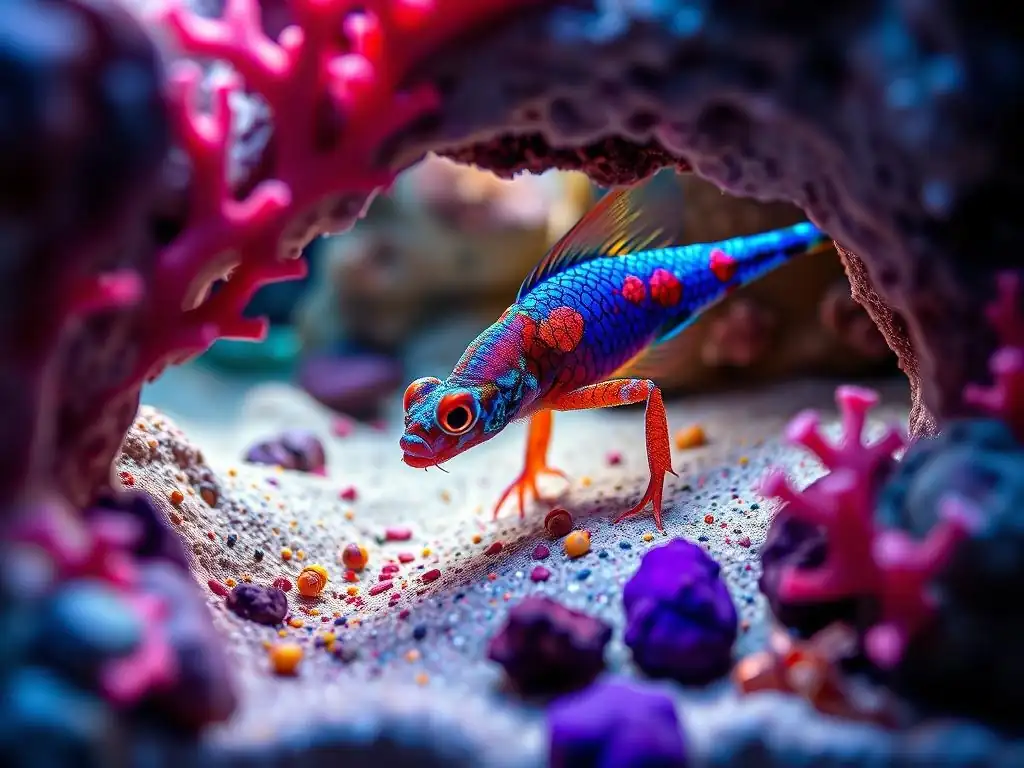
The foundation of encouraging natural shell dweller foraging behavior lies in the choice of substrate. In their native Lake Tanganyika, these cichlids inhabit areas with very fine, soft sand. Therefore, selecting a similar substrate in the aquarium is crucial. Fine-grained sands, such as play sand, pool filter sand, or specialized aquarium sands like aragonite sand (which also helps buffer pH), are ideal. Coarse gravel or large pebbles are entirely unsuitable as they can damage the delicate mouths and gills of shell dwellers during sifting, and they prevent the fish from digging and burrowing effectively.
A depth of at least 2-3 inches (approximately 5-7.5 cm) of fine sand is recommended to allow for proper sifting, burrow construction, and the burying of shells. This depth enables species like Neolamprologus brevis to dig out preferred shell territories and constantly rework the substrate as they search for food. The presence of a soft, deep sand bed directly encourages their inherent desire to sift, explore, and forage, mirroring their activities in the wild. This substrate not only supports their foraging behavior but also plays a vital role in their territorial displays and breeding habits.
Introducing Live Foods to Stimulate Foraging
While high-quality dry foods are a staple, incorporating live foods is an excellent way to stimulate natural foraging behavior and provide essential nutrients. Live foods mimic the small invertebrates that shell dwellers consume in their natural habitat, encouraging them to actively hunt and sift through the substrate. Excellent choices include grindal worms, blackworms, daphnia, and newly hatched brine shrimp. These small organisms, when introduced to the tank, will often scatter and hide in the substrate, prompting the shell dwellers to search them out.
When feeding live foods, avoid simply spot-feeding them. Instead, scatter them widely over the sand surface. This encourages the shell dwellers to spread out and engage in active foraging behavior across a larger area of the tank, mirroring how they would search for scattered prey in Lake Tanganyika. Feeding live foods 2-3 times a week as a supplement to their regular dry diet can significantly enhance their activity levels and overall vitality. The pursuit and capture of live prey provide crucial mental and physical stimulation that dry foods cannot replicate.
Utilizing Hardscape to Encourage Natural Behaviors
Beyond substrate, the strategic placement of hardscape elements, particularly empty snail shells, is fundamental to promoting natural shell dweller foraging behavior. Shells serve as primary shelter, breeding sites, and territorial markers for these cichlids. Providing a generous supply of shells, ideally 2-3 per fish plus several extras, ensures that each fish can establish a secure territory and offers multiple sites for exploration. Species like Lamprologus ocellatus will often sift sand around and inside these shells as part of their foraging routine.
While shells are paramount, other smooth, non-abrasive rocks can also be included to create additional foraging surfaces. Although shell dwellers primarily focus on sand sifting, rocks can accumulate biofilm and micro-organisms, offering supplementary foraging opportunities. The arrangement of these elements should create a varied landscape with open sandy areas for sifting and more structured zones for exploration and territorial defense. This diverse hardscape encourages the full spectrum of natural foraging behavior and social interactions, making the tank a more authentic representation of their native environment.
Optimizing Water Chemistry for Shell Dweller Health and Foraging
The Importance of Water Parameters for Natural Feeding Habits
Maintaining precise water chemistry is critical for the health and natural shell dweller foraging behavior. Lake Tanganyika is known for its unique and stable water parameters: high pH (typically 8.0-9.0), high mineral hardness (GH 10-18 dGH), and high alkalinity (KH 16-20 dKH). The water temperature generally ranges from 75-80°F (24-27°C). These specific conditions are vital because shell dwellers have evolved to thrive within these narrow parameters. Deviations can cause significant stress, weaken their immune systems, and directly impact their metabolism and appetite.
When water parameters are unstable or incorrect, fish become lethargic, stressed, and their natural feeding instincts diminish. For instance, a pH that is too low can lead to acidosis, making fish more susceptible to disease and reducing their willingness to actively forage. Optimal water chemistry ensures that their internal physiological processes function correctly, enabling robust digestion and energy levels necessary for continuous foraging behavior. Regular testing and adjustment of pH, GH, KH, and temperature are non-negotiable for a healthy shell dweller aquarium.
Maintaining a Stable and Healthy Aquarium Ecosystem
Beyond specific parameter values, stability is key. Wild Lake Tanganyika experiences very little fluctuation in its water chemistry, and shell dwellers are highly sensitive to sudden changes. To replicate this stability in the aquarium, consistent maintenance practices are essential. This includes performing regular, moderate water changes (e.g., 20-30% weekly) to remove nitrates and replenish essential minerals without causing drastic shifts. A robust filtration system, incorporating mechanical, biological, and chemical media, is also crucial for maintaining water quality and clarity.
A well-cycled aquarium with a mature biological filter provides a stable foundation, supporting beneficial bacteria that process waste products. This stable environment, coupled with appropriate water parameters, fosters the growth of healthy biofilm and micro-organisms that contribute to the shell dwellers' natural diet and encourage their foraging behavior. When fish feel secure and their environment is consistently optimal, they are more likely to exhibit their full range of natural behaviors, including confident and continuous foraging.
Choosing the Right Tank Mates to Support Natural Foraging
Selecting Compatible Species for a Thriving Ecosystem
When considering tank mates for shell dwellers, compatibility is paramount to ensure that their natural foraging behavior is not suppressed. Shell dwellers are territorial, especially around their shells, but generally peaceful towards other species that do not compete directly for their specific niche. Ideal tank mates are those that occupy different levels of the aquarium or have distinct dietary needs. Examples include certain peaceful species of Synodontis catfish, like Synodontis petricola, which are bottom dwellers but prefer larger food items or graze on surfaces rather than sifting sand extensively.
Additionally, some smaller, peaceful open-water Tanganyikan cichlids, such as certain species of Cyprichromis (e.g., Cyprichromis leptosoma), can be suitable as they inhabit the upper water column and feed on plankton, thus avoiding direct competition for substrate-based food or shell territories. A well-chosen community reduces stress levels for the shell dwellers, allowing them to feel secure enough to engage in their characteristic foraging behavior without constant intimidation or competition. This peaceful coexistence fosters a more natural and thriving ecosystem.
Avoiding Competition for Food Resources in the Aquarium
A critical aspect of choosing tank mates is preventing direct competition for food resources. Introducing aggressive or excessively fast-eating species can be detrimental to shell dwellers, especially shyer individuals or young fish, as they may be outcompeted for food. For instance, larger, more boisterous cichlids that quickly consume all available food before shell dwellers can sift for it should be avoided. Such competition can lead to malnutrition, increased stress, and a significant reduction in natural shell dweller foraging behavior.
To mitigate competition, even with compatible tank mates, consider feeding strategies that ensure all fish receive adequate nutrition. Distributing food widely across the sand surface can encourage the shell dwellers to forage actively while allowing other tank mates to consume their share. Alternatively, feeding the tank mates first with a quick-to-eat food, then introducing a smaller portion for the shell dwellers, can be effective. The goal is to ensure that the delicate and methodical foraging behavior of shell dwellers is not inhibited by the presence of faster or more dominant feeders.
Promoting Natural Shell Dweller Breeding Through Foraging Enrichment
Linking Foraging Behavior to Breeding Success
The overall health and vitality of shell dwellers, largely supported by robust foraging behavior, are directly linked to their breeding success. A well-fed, active, and unstressed fish is far more likely to engage in courtship rituals, successfully spawn, and raise fry. When shell dwellers consistently exhibit natural foraging behaviors, it indicates they are receiving adequate nutrition and are comfortable in their environment. This state of well-being provides the necessary energy reserves and physiological readiness for reproduction.
Furthermore, the act of sifting sand and maintaining shell territories, which is intertwined with their foraging activities, is a crucial component of their pre-spawning behavior. Males will meticulously clean and prepare shells, sometimes even burying them, as an invitation to females. The diverse diet obtained through active foraging, especially when including live foods, provides essential vitamins, minerals, and proteins crucial for egg development and the subsequent health of the fry. The energy expended in natural shell dweller foraging behavior contributes significantly to their overall fitness, making them more capable of successful breeding.
Providing Optimal Conditions for Spawning and Fry Rearing
Creating an environment that encourages natural shell dweller foraging behavior also inherently provides optimal conditions for spawning and fry rearing. The presence of ample empty shells, strategically placed on a deep bed of fine sand, offers the secure and private spaces necessary for breeding pairs. A stable and well-maintained water chemistry, which supports active foraging in adults, is equally vital for the delicate eggs and newly hatched fry.
Once spawned, shell dweller fry are incredibly small and will naturally forage on the microscopic organisms, biofilm, and tiny detritus particles present in the well-established sand bed. A tank that has been set up to promote adult foraging behavior will naturally cultivate these micro-fauna, providing an initial food source for the fry. Supplementing with infusoria or newly hatched brine shrimp scattered over the sand will further encourage the fry's own nascent foraging behavior, ensuring their healthy growth and development within their parents' territory.
Troubleshooting Common Issues with Shell Dweller Foraging
Addressing Lack of Foraging Interest in Your Tank
A noticeable reduction or complete lack of shell dweller foraging behavior can be an indicator of underlying issues in the aquarium. Several factors might contribute to this problem. Poor water quality, characterized by elevated ammonia, nitrite, or nitrate levels, is a common culprit that causes stress and suppresses appetite.
Incorrect water parameters, such as a pH that is too low or unstable, can also lead to lethargy and disinterest in food. Stress from aggressive tank mates or an inadequate number of shells can make shell dwellers feel insecure, inhibiting their natural activities. Lastly, a monotonous diet lacking variety or the presence of illness can also reduce foraging drive.
To address a lack of foraging interest, begin by thoroughly testing your water parameters (pH, ammonia, nitrite, nitrate, GH, KH) and perform a partial water change if any values are outside the optimal range. Observe tank mate interactions to identify any sources of stress or aggression, and consider isolating or rehoming problematic fish. Introduce a variety of foods, including live or frozen options, to stimulate their predatory instincts.
If other symptoms are present, such as clamped fins, labored breathing, or visible lesions, consider diagnosing and treating for illness. Patience and careful observation are key to identifying the root cause and restoring robust foraging behavior.
Preventing Overfeeding and Maintaining Water Quality
While encouraging natural shell dweller foraging behavior is important, preventing overfeeding is equally crucial for maintaining water quality and fish health. Shell dwellers have relatively small stomachs, and excess food quickly decays, leading to dangerous spikes in ammonia and nitrite, cloudy water, and an increased risk of disease. Overfeeding can also lead to obesity in fish, which shortens their lifespan and impairs their ability to forage and breed effectively.
To prevent overfeeding, offer small portions of food 2-3 times daily, ensuring that all food is consumed within a few minutes. Avoid dumping large quantities of food into the tank at once. Regularly vacuuming the sand substrate helps remove any uneaten food and detritus that might accumulate, further contributing to good water quality.
Introducing a small cleanup crew, such as Malaysian Trumpet Snails, can also help process uneaten food deep within the sand. By managing feeding carefully and maintaining pristine water conditions, you create an environment that supports consistent and healthy foraging behavior without compromising the overall health of your shell dwellers.
The Long-Term Benefits of Mimicking Natural Foraging for Your Shell Dwellers
Enhancing the Overall Health and Well-being of Your Fish
Mimicking natural shell dweller foraging behavior provides profound long-term benefits for the health and well-being of your fish. A varied diet, obtained through active sifting and searching, ensures they receive a full spectrum of essential nutrients, leading to improved digestion, a stronger immune system, and vibrant coloration. The physical activity involved in constant foraging helps prevent obesity, which is a common issue for cichlids in captivity, and keeps their muscles toned. This active lifestyle reduces chronic stress, making them more resilient to disease and environmental fluctuations.
Beyond physical health, promoting natural foraging significantly enhances their psychological well-being. It provides crucial mental stimulation, alleviating boredom and allowing them to express their innate behaviors. Fish that are actively engaged in their environment are typically happier, more confident, and less prone to stress-related ailments. This holistic approach to care, centered around their natural instincts, ultimately leads to a longer, healthier, and more fulfilling life for your shell dwellers in the aquarium.
Creating a More Engaging and Naturalistic Aquarium Environment
For the aquarist, observing the natural shell dweller foraging behavior transforms the aquarium from a mere glass box into a dynamic and captivating slice of the natural world. Watching these unique cichlids meticulously sift sand, excavate shells, and interact with their environment in ways true to their wild counterparts is incredibly rewarding. It fosters a deeper appreciation for their adaptations and the intricate ecosystems they inhabit. This active display of natural behaviors makes the tank far more engaging and visually appealing.
By providing a naturalistic setup—complete with fine sand, ample shells, and appropriate tank mates—you create an environment where shell dwellers can truly thrive. This allows them to exhibit their full behavioral repertoire, from elaborate courtship displays and territorial defense to their characteristic sand-sifting and foraging. The result is a vibrant, living diorama of Lake Tanganyika, offering continuous opportunities for observation and learning. This commitment to mimicking natural foraging behavior not only benefits the fish but also enriches the entire aquarium hobby experience.
Frequently Asked Questions
What is Shell Dweller foraging behavior and why is it important to understand for saltwater aquariums?
Shell dweller foraging behavior refers to how these small cichlids search for food around and within their shells. Understanding this is crucial for providing a naturalistic and stimulating environment in your saltwater tank.
How can I mimic natural foraging conditions for shell dwellers in my saltwater aquarium?
You can mimic natural conditions by providing a sand substrate for digging, offering small live foods like brine shrimp or copepods, and scattering food around their shells. This encourages natural hunting behaviors.
What types of food best stimulate foraging behavior in saltwater shell dwellers?
Small live foods such as brine shrimp, daphnia, and copepods are excellent for stimulating foraging. Supplementing with high-quality flake or pellet food scattered across the substrate also encourages natural hunting.
What are the potential benefits of encouraging natural foraging behavior in my saltwater shell dwellers?
Encouraging natural foraging reduces stress and aggression, promotes better overall health and coloration, and provides mental stimulation for your shell dwellers, mimicking their natural environment.
What are some common mistakes aquarists make when feeding saltwater shell dwellers and how can I avoid them?
Overfeeding and feeding only large portions are common mistakes. Avoid these by offering small, frequent feedings scattered around the tank and ensuring all fish have access to food.
Final Reflection: Embracing Natural Rhythms in Aquariums
The exploration of shell dweller foraging behavior, as we've seen, isn't merely an academic exercise; it's a direct pathway to creating healthier, more vibrant saltwater aquariums. By understanding and mimicking these natural feeding patterns, we can move beyond simply providing sustenance and instead cultivate thriving ecosystems within our glass boxes. This approach shifts the focus from basic survival to genuine well-being for our aquatic companions.
This journey into the underwater world of shell dwellers has profoundly influenced how I view aquarium keeping. It's a constant reminder that the most successful aquariums are those that strive to emulate the intricate balance of nature. In nature, there is no such thing as waste. Everything is recycled and reused.
This quote, though often applied to broader environmental concerns, resonates deeply within the context of aquarium management. By understanding and replicating natural foraging behaviors, we contribute to a more sustainable and enriching environment for our fish.
Now, I invite you to reflect on your own aquarium practices. How can you incorporate the lessons learned from shell dweller foraging to enrich the lives of your saltwater fish? Consider the subtle cues they provide, the natural rhythms they follow, and the ways you can adapt your feeding strategies to better align with their innate behaviors. By embracing this mindful approach, you'll not only enhance the health and happiness of your fish but also deepen your connection to the fascinating world beneath the surface.
Ignite Your Shell Dweller's Instincts!
Thank you for diving deep into the fascinating foraging behaviors of shell dwellers. We hope this has inspired you to enhance your aquarium and enrich the lives of your finned friends. Ready to take the next step?
Here are a few ways to put your newfound knowledge into action:
- Recreate the Natural Substrate: Introduce a sand substrate of varying grain sizes and depths to mimic the natural environment where shell dwellers sift for food. Observe their foraging behavior and adjust the substrate accordingly.
- Diversify Their Diet: Supplement your shell dwellers' regular diet with live or frozen foods like daphnia, brine shrimp, and small worms. This will encourage natural hunting behaviors and add variety to their feeding routine.
- Share Your Experience: Post photos or videos of your shell dwellers foraging in their enriched environment on social media. Use the hashtag #AquariumMasteryShellDwellers to connect with other enthusiasts and inspire them to try it too!
What innovative techniques will you use to simulate a natural foraging environment for your shell dwellers?