
Silver Tip Tetra Behavior: Are They Nippers? Schooling and Compatibility Facts


Welcome to Aquarium Mastery!
Ever wondered if your Silver Tip Tetras are living up to their reputation as fin-nippers? Dive in and discover the truth behind their behavior! We'll explore everything from their schooling needs and ideal tank mates to potential solutions if you're facing a nipping problem. Get ready to unravel the mysteries of these shimmering beauties and ensure a harmonious freshwater aquarium. Read on to learn more about Silver Tip Tetra nipping and create the perfect environment for your aquatic friends!
- Understanding Silver Tip Tetra Behavior in the Aquarium
- Silver Tip Tetra Nipping: Causes and Prevention
- Silver Tip Tetra Schooling Behavior: A Detailed Look
- Silver Tip Tetra Compatibility: Choosing the Right Tank Mates
- Optimizing Silver Tip Tetra Care for Healthy Behavior
- Troubleshooting Silver Tip Tetra Behavior Problems
- Summary: Silver Tip Tetra Nipping, Schooling, and Compatibility Best Practices
-
Frequently Asked Questions
- What is the typical behavior of Silver Tip Tetras?
- Why do Silver Tip Tetras sometimes nip fins?
- How many Silver Tip Tetras should I keep together to prevent nipping?
- What tank mates are best suited for Silver Tip Tetras to avoid nipping issues?
- What can I do to stop my Silver Tip Tetras from nipping fins?
- Final Reflection: Unveiling the Nuances of Aquatic Harmony
- Ignite Your Tetra Expertise!
Understanding Silver Tip Tetra Behavior in the Aquarium
What are Silver Tip Tetras? A Brief Overview
Silver Tip Tetras, scientifically known as Hasemania nana, are small, active freshwater fish originating from the São Francisco River basin in Brazil. They are easily recognizable by their silvery bodies, often with an olive-green tint, and distinctive orange to reddish fins tipped with bright white, particularly on the dorsal and anal fins. These hardy fish typically grow to an adult size of about 2 inches (approximately 5 cm), making them a popular choice for community aquariums.
Despite their relatively small stature, Silver Tip Tetras are known for their energetic swimming patterns and can be quite robust. They generally have a lifespan of 3 to 5 years in a well-maintained aquarium. Their vibrant appearance and lively nature add dynamic movement and color to the mid-water section of a freshwater tank, but their social dynamics require careful consideration for a peaceful setup.
Silver Tip Tetra Temperament: Are They Fin Nippers?
The question of whether Silver Tip Tetras are fin nippers is a common concern among aquarists, and the direct answer is yes, they can be. While not inherently malicious, Hasemania nana have a reputation for exhibiting fin-nipping behavior, especially under certain conditions. This tendency often arises from stress, insufficient schooling, or being housed with unsuitable tank mates.
Silver tip tetra nipping typically targets fish with long, flowing fins, such as Angelfish, Guppies, Bettas, or certain Gourami species. It's crucial to understand that this behavior is often a symptom of underlying issues in their environment, rather than an innate aggressive streak. When properly housed and cared for, their nipping tendencies can be significantly minimized, allowing them to coexist peacefully in a suitable community aquarium.
Silver Tip Tetra Nipping: Causes and Prevention
Identifying Fin Nipping Behavior in Silver Tip Tetras
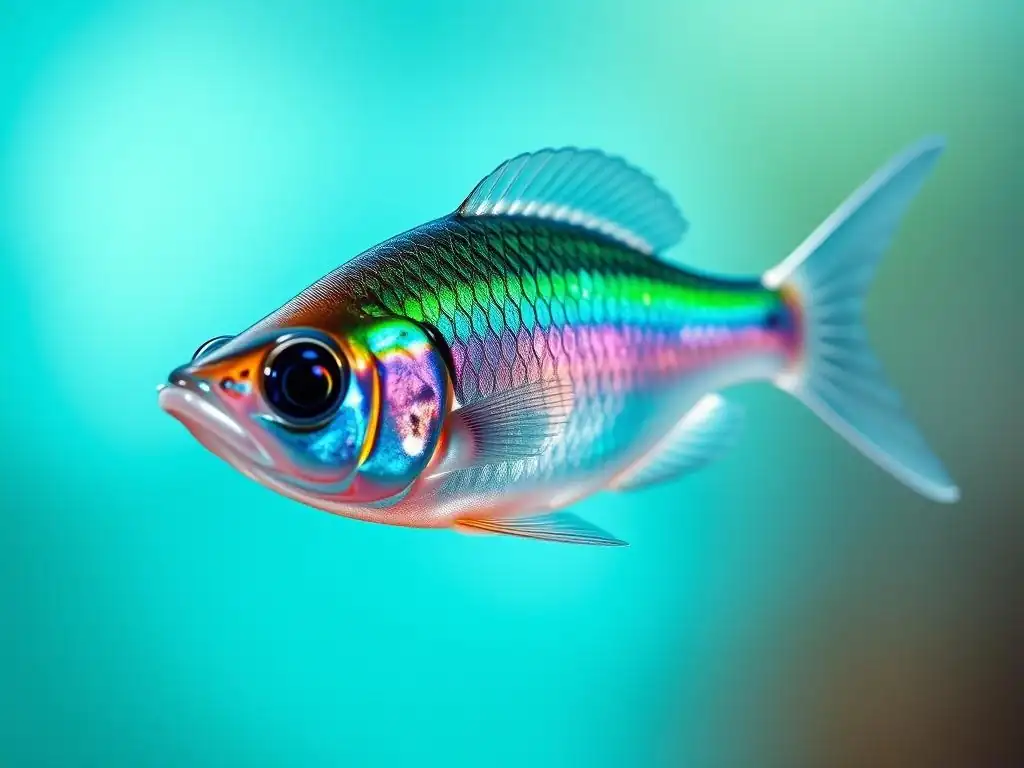
Identifying silver tip tetra nipping involves observing their interactions with other tank inhabitants. You might notice Silver Tip Tetras making quick, darting movements towards the fins of slower-moving or long-finned fish. Over time, the most telling sign is visible damage to the fins of affected fish, which may appear torn, frayed, or shredded.
It's important to distinguish between playful chasing, which can be common in active schooling fish, and persistent, aggressive silver tip tetra nipping that causes actual injury. Nipping often intensifies during feeding times or when new fish are introduced, as competition and territoriality can increase. Regular inspection of all fish for fin damage is key to early detection and intervention.
Factors Contributing to Silver Tip Tetra Fin Nipping
Overcrowding and Fin Nipping
Overcrowding is a significant stressor that can directly contribute to silver tip tetra nipping. When too many fish are crammed into a small space, resources like food, hiding spots, and swimming territory become scarce, leading to increased competition and aggression. For a small school of 6-8 Silver Tip Tetras, a minimum tank size of 20 gallons (approximately 75 liters) is generally recommended to provide adequate space.
In an overcrowded environment, the inherent energy and semi-aggressive nature of Silver Tip Tetras can manifest as intensified fin nipping. The constant close proximity to other fish, without sufficient personal space or escape routes, elevates their stress levels, causing them to lash out. This stress-induced silver tip tetra nipping can impact not only their tank mates but also their own health and well-being.
Insufficient School Size and Aggression
Silver Tip Tetras are schooling fish, and their well-being is heavily dependent on being kept in appropriate group sizes. When kept in numbers fewer than six, they often become stressed, insecure, and timid. This insecurity can paradoxically lead to increased aggression, as individual fish become more prone to picking on weaker or slower tank mates.
A larger school, ideally of 8-10 or more individuals, helps to diffuse aggression internally. In a sufficiently sized group, any natural nipping or chasing behavior is typically directed at other Silver Tip Tetras within the school as they establish a pecking order, rather than at other species. This "safety in numbers" principle significantly reduces the likelihood of outward silver tip tetra nipping towards other community fish.
Incompatible Tank Mates and Fin Nipping Issues
The choice of tank mates plays a critical role in preventing silver tip tetra nipping. Certain fish are simply not suitable companions for Silver Tip Tetras due to their physical characteristics or temperament. Slow-moving fish, those with long, flowing fins (such as Bettas, Angelfish, Fancy Guppies, or many Gouramis), or very small and fragile species are prime targets for the tetras' nipping tendencies.
Conversely, housing Silver Tip Tetras with overly large or aggressive fish can also stress them, potentially leading to defensive nipping. The key to a harmonious community tank is selecting tank mates that share similar water parameter requirements, are of comparable size, and possess a compatible temperament. Avoiding species that are susceptible to fin nipping is paramount.
Preventing Fin Nipping: Creating a Peaceful Aquarium Environment
Optimizing Tank Size for Silver Tip Tetras
To prevent silver tip tetra nipping, optimizing tank size is fundamental. For a healthy school of 6-8 Silver Tip Tetras, a minimum tank size of 20 gallons (approximately 75 liters) is recommended. However, a 30-gallon or 40-gallon tank (110-150 liters) is even better, especially if you plan to keep a larger school or combine them with other active community fish.
The dimensions of the tank are also important; a "long" tank provides more horizontal swimming space than a "tall" tank of the same volume. This additional swimming length allows Silver Tip Tetras to exhibit their natural schooling behavior and provides ample room for all inhabitants to establish territories and escape potential confrontations, significantly reducing stress and the propensity for silver tip tetra nipping.
Maintaining Proper School Size for Reduced Aggression
Maintaining an adequate school size is one of the most effective strategies to mitigate silver tip tetra nipping. It is strongly advised to keep Silver Tip Tetras in groups of at least 8-10 individuals. This larger number allows them to feel secure and enables their natural schooling instincts to flourish.
When kept in a robust school, Silver Tip Tetras tend to focus their social interactions and hierarchical establishment within their own group. This internal dynamic means any mild chasing or nipping is typically directed at other tetras in the school, rather than at other species in the aquarium. The larger the school, the more diffused any individual aggression becomes, leading to a calmer and more peaceful community tank.
Selecting Compatible Tank Mates for Silver Tip Tetras
Careful selection of tank mates is crucial for preventing silver tip tetra nipping. Ideal companions are active, fast-swimming fish of similar size and temperament that are not themselves prone to nipping. Good examples include other robust tetra species like Black Skirt Tetras (though some can also be nippy), Lemon Tetras, or Rummy Nose Tetras. Other suitable choices often include Zebra Danios, Harlequin Rasboras, Cherry Barbs, and peaceful bottom dwellers such as Corydoras catfish or Otocinclus catfish.
It is imperative to avoid slow-moving fish or those with long, delicate fins, as they are prime targets for silver tip tetra nipping. By populating your aquarium with species that can handle the Silver Tip Tetra's energetic nature and are not easily stressed or injured by their occasional bursts of activity, you create a more harmonious environment where nipping incidents are significantly reduced.
Silver Tip Tetra Schooling Behavior: A Detailed Look
The Importance of Schooling for Silver Tip Tetras
Schooling is an innate and vital behavior for Silver Tip Tetras, deeply rooted in their natural instincts for survival in the wild. In their native habitats, forming large schools provides a collective defense mechanism against predators, as the sheer number of individuals can confuse or deter potential threats. In the confines of an aquarium, this behavior translates into a sense of security and reduced stress.
When Silver Tip Tetras are able to school properly, they exhibit their most natural and fascinating behaviors, including synchronized swimming and coordinated movements. This allows them to feel more secure in their environment, which in turn significantly reduces individual stress levels and the likelihood of them engaging in aggressive behaviors such as silver tip tetra nipping towards other tank inhabitants.
How Many Silver Tip Tetras Should Be Kept Together?
For optimal health and behavior, Silver Tip Tetras should be kept in a school of at least 6 individuals, with 8-10 being a more ideal minimum. Keeping fewer than this can lead to increased stress, shyness, and a greater tendency for the fish to exhibit erratic or aggressive behaviors, including silver tip tetra nipping directed at other species in the tank.
In a larger school, the tetras feel more secure and confident. This confidence allows them to display their natural schooling dynamics more prominently, and any minor squabbles or chasing are typically contained within the group itself. For those with larger tanks (e.g., 40 gallons or more), a school of 12 or more Silver Tip Tetras can create a truly spectacular display of synchronized swimming and significantly minimize out-of-school aggression.
Even within a well-established school, Silver Tip Tetras will exhibit subtle schooling dynamics and establish a social hierarchy. It is common to observe mild chasing or brief, non-damaging nipping among the tetras themselves as they sort out their pecking order. This internal interaction is a normal part of their social structure and helps maintain stability within the group.
Typically, one or two individuals may emerge as slightly more dominant, but this rarely results in serious injury to other members of the school. As long as the nipping is confined to their own species and no individual tetra is constantly harassed or shows signs of significant stress or injury, this behavior is considered part of their natural social interaction. Understanding these dynamics helps aquarists differentiate between normal schooling behavior and problematic silver tip tetra nipping directed at other fish.
Silver Tip Tetra Compatibility: Choosing the Right Tank Mates
Ideal Tank Mates for Silver Tip Tetras
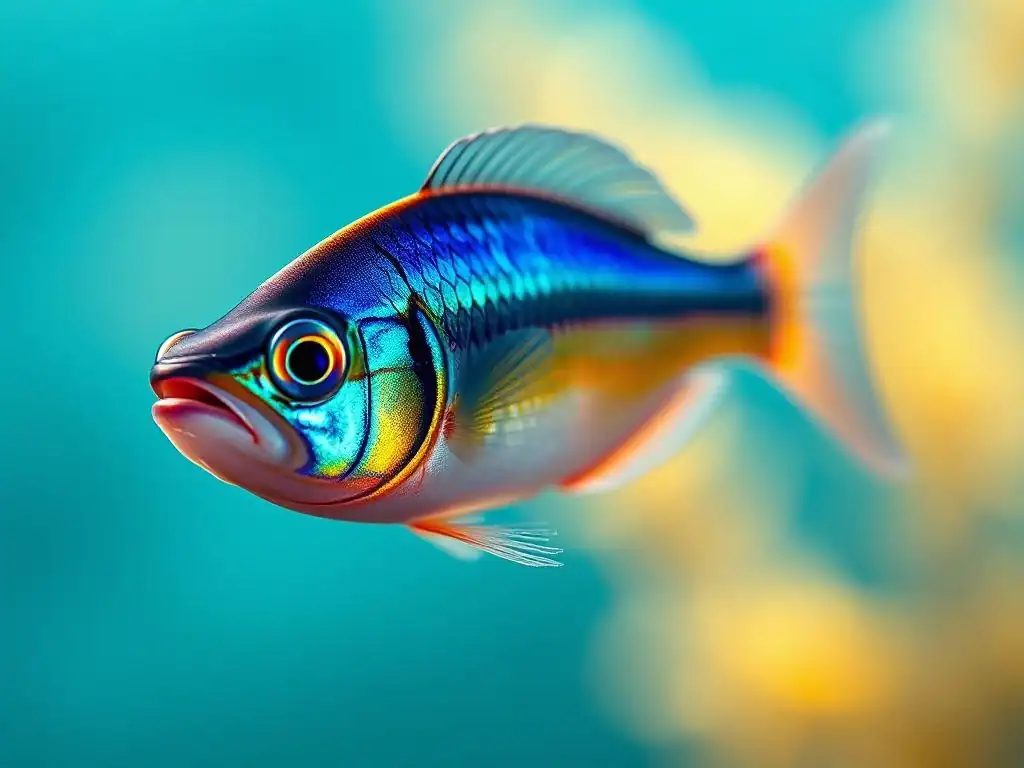
Selecting appropriate tank mates is paramount to preventing silver tip tetra nipping and fostering a harmonious community aquarium. Ideal companions are generally active, fast-swimming fish of similar size and temperament that are not easily intimidated or prone to fin damage. Excellent choices include other robust tetra species like Lemon Tetras, Rummy Nose Tetras, and Congo Tetras, which can hold their own.
Other suitable tank mates often include Zebra Danios and Harlequin Rasboras, known for their active nature and peaceful disposition. For the bottom layer, various species of Corydoras catfish (e.g., Panda Corys, Bronze Corys) and Otocinclus catfish are highly compatible, as they occupy a different water column and are generally unbothered by the tetras' mid-water activity. These choices help ensure that the Silver Tip Tetras remain peaceful by not being tempted to nip vulnerable fins.
Fish to Avoid Keeping with Silver Tip Tetras
To minimize silver tip tetra nipping, certain fish species should be strictly avoided as tank mates. Any fish with long, flowing fins is a prime target for their nipping tendencies; this includes popular species like Bettas, Angelfish, Fancy Guppies, and many types of Gouramis (especially those with long, delicate feelers). These species are highly susceptible to fin damage and stress when housed with Silver Tip Tetras.
Additionally, very small, slow-moving, or overly timid fish can suffer from constant harassment, even if not directly nipped. This category includes some dwarf shrimp species (though larger Amano shrimp might be tolerated) and very docile bottom dwellers. Similarly, large, aggressive cichlids or other predatory fish should be avoided, as they can stress or prey upon the tetras themselves. Careful avoidance of these incompatible species is key to a peaceful tank.
Creating a Balanced Community Tank for Silver Tip Tetras
Creating a balanced community tank for Silver Tip Tetras involves more than just selecting compatible fish; it requires designing an environment that caters to the needs of all inhabitants. A well-designed tank should include a mix of open swimming spaces for active fish like tetras, alongside densely planted areas or decor that provide ample hiding spots and visual barriers. Live plants such as Java Fern, Anubias, and various stem plants are excellent for this purpose.
Incorporating driftwood, rocks, and caves can also break up lines of sight and establish distinct territories, reducing direct confrontations and potential silver tip tetra nipping. By providing a diverse and stimulating environment, you empower all fish to exhibit their natural behaviors, reduce stress, and ultimately contribute to a more harmonious and peaceful aquarium ecosystem where aggression is minimized.
Optimizing Silver Tip Tetra Care for Healthy Behavior
Water Parameters and Their Impact on Tetra Behavior
Maintaining stable and optimal water parameters is paramount for the health and behavior of Silver Tip Tetras. Fluctuations or unsuitable conditions are major stressors that can directly lead to increased aggression, including silver tip tetra nipping. These fish thrive in temperatures between 72-80°F (22-27°C) and prefer a slightly acidic to neutral pH range of 6.0-7.5. Water hardness should ideally be between 5-15 dGH.
Regular water changes, typically 25% weekly, are crucial for keeping nitrate levels low and preventing the buildup of harmful ammonia and nitrites. A well-maintained filtration system is also essential. When water quality is consistently excellent, Silver Tip Tetras are less stressed, more active in a positive way, and significantly less likely to engage in aggressive or nipping behaviors.
Diet and Nutrition for Silver Tip Tetras: Minimizing Aggression
A well-balanced and nutritious diet is vital for the overall health of Silver Tip Tetras and can play a role in minimizing aggression. Underfed or malnourished fish can become stressed and more prone to displaying negative behaviors, including silver tip tetra nipping out of competition for food. Provide a high-quality flake or micro-pellet food as a staple, ensuring it's small enough for their mouths.
Supplement their diet 2-3 times a week with live or frozen foods such as bloodworms, brine shrimp, daphnia, or mosquito larvae. These protein-rich foods not only enhance their color and vitality but also provide enrichment. Feeding small amounts multiple times a day (e.g., 2-3 small feedings) rather than one large meal can also reduce competition at feeding time, which is a common trigger for nipping.
Tank Decorations and Environment: Promoting Natural Behavior
The physical environment within the tank significantly influences Silver Tip Tetra behavior. A well-decorated tank that mimics their natural habitat can promote security and reduce stress, thereby minimizing the chances of silver tip tetra nipping. Provide a balance of open swimming areas and densely planted sections. Live plants like Java Fern, Anubias, or various stem plants offer excellent hiding spots and visual barriers.
Driftwood and smooth rocks can also be incorporated to create additional shelter and break up lines of sight. These elements allow less dominant fish to retreat and rest, reducing the perception of territorial invasion. A stimulating and secure environment encourages Silver Tip Tetras to display their natural schooling behaviors and vibrant colors, leading to a more peaceful and visually appealing aquarium.
Troubleshooting Silver Tip Tetra Behavior Problems
Addressing Existing Fin Nipping Issues
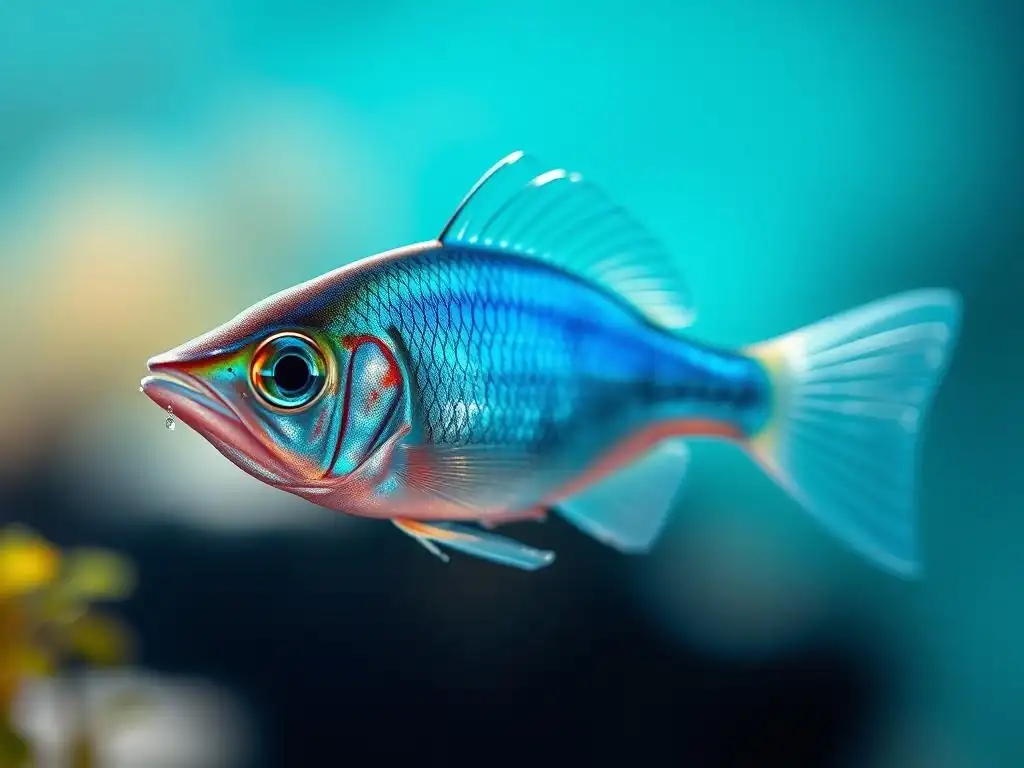
If silver tip tetra nipping is already occurring in your aquarium, the first step is to identify and address the root cause. Start by assessing your tank size: is it overcrowded? If so, consider upgrading to a larger tank or reducing the fish population. Next, evaluate the school size of your Silver Tip Tetras; if it's less than 8-10, add more individuals to help diffuse aggression. Finally, scrutinize your tank mates: are there any long-finned or slow-moving species that are being targeted? If so, rehoming these susceptible fish might be necessary.
Once the environmental factors are addressed, closely monitor the affected fish for signs of fin rot or other secondary infections. Maintaining pristine water quality is crucial for fin regeneration and preventing disease. In some cases, adding a mild antibacterial or antifungal treatment to the water may be beneficial if infections are present, but prevention through proper tank management is always the best approach to mitigate silver tip tetra nipping.
Identifying and Treating Diseases That Affect Behavior
Stress caused by disease can significantly alter fish behavior, sometimes leading to increased aggression or making fish more susceptible to silver tip tetra nipping. It's important to regularly observe all your fish for any signs of illness, such as white spots (Ich), frayed or clamped fins (which can be a result of nipping or fin rot), lethargy, loss of appetite, or abnormal swimming patterns.
Prompt identification and treatment of any underlying health issues are crucial. A sick fish is a stressed fish, and stress often exacerbates existing behavioral problems or creates new ones. For example, a fish weakened by a parasitic infection might become an easier target for nipping, or a stressed tetra might become more prone to silver tip tetra nipping. Maintaining excellent water quality and providing a nutritious diet are fundamental in supporting fish health and resilience.
When to Separate Aggressive Silver Tip Tetras
While the goal is always to create a harmonious community, there are instances when separating an aggressive Silver Tip Tetra becomes necessary. If, despite implementing all the recommended measures—optimizing tank size, ensuring proper school size, and selecting compatible tank mates—a specific individual or the entire school continues to exhibit persistent and harmful silver tip tetra nipping that causes significant stress or injury to other fish, separation should be considered.
This may involve temporarily moving the most aggressive individual to a "time-out" tank to allow it to calm down, or permanently rehoming it if its behavior remains problematic. Sometimes, a single, unusually dominant Silver Tip Tetra can disrupt the entire aquarium's balance. While often a last resort, separation prioritizes the well-being of the entire community and ensures a peaceful environment for all inhabitants.
Summary: Silver Tip Tetra Nipping, Schooling, and Compatibility Best Practices
Key Takeaways for a Thriving Silver Tip Tetra Aquarium
To ensure a thriving Silver Tip Tetra aquarium and minimize the potential for silver tip tetra nipping, several key practices are essential. Firstly, provide an adequately sized tank, with a minimum of 20 gallons for a small school, but ideally 30-40 gallons for larger groups or community setups. Secondly, always keep Silver Tip Tetras in a proper school of at least 8-10 individuals to promote security and diffuse aggression internally.
Thirdly, carefully select compatible tank mates, avoiding long-finned, slow-moving, or overly timid species that are susceptible to nipping. Consistent maintenance of stable water parameters, including temperature (72-80°F), pH (6.0-7.5), and low nitrates, is crucial for reducing stress. Lastly, offer a varied, high-quality diet and create a stimulating environment with a balance of open swimming spaces and ample hiding spots using plants and decor.
Ensuring a Peaceful and Balanced Aquarium Ecosystem
While Silver Tip Tetras do have a reputation for being potential fin nippers, their behavior is largely manageable and predictable with proper planning and consistent care. By understanding their natural schooling instincts and environmental needs, aquarists can proactively prevent aggressive tendencies from manifesting. These vibrant and active fish can be a highly rewarding addition to a well-researched and thoughtfully designed community aquarium.
Ultimately, achieving a peaceful and balanced aquarium ecosystem with Silver Tip Tetras hinges on thoughtful species selection, meticulous tank setup, and diligent maintenance. When all these factors align, Silver Tip Tetras will thrive, displaying their natural beauty and lively schooling behaviors without resorting to problematic silver tip tetra nipping, contributing positively to a harmonious underwater world.
Frequently Asked Questions
What is the typical behavior of Silver Tip Tetras?
Silver Tip Tetras are generally peaceful schooling fish, but they can sometimes exhibit nipping behavior, particularly towards fish with long, flowing fins. Maintaining a proper school size helps to minimize this.
Why do Silver Tip Tetras sometimes nip fins?
Fin nipping in Silver Tip Tetras is often a result of stress, boredom, or insufficient school size. They may also nip if their diet is lacking or if they are kept in an environment that doesn't meet their needs.
How many Silver Tip Tetras should I keep together to prevent nipping?
To reduce the risk of nipping, it's recommended to keep Silver Tip Tetras in schools of at least six individuals, but preferably more. A larger school helps to disperse aggression and create a more natural social dynamic.
What tank mates are best suited for Silver Tip Tetras to avoid nipping issues?
Good tank mates for Silver Tip Tetras are other fast-swimming, similarly sized fish that are not easily intimidated. Avoid keeping them with fish that have long, flowing fins, such as Betta splendens or fancy guppies, as they are more likely to be targeted.
What can I do to stop my Silver Tip Tetras from nipping fins?
If your Silver Tip Tetras are nipping, ensure they are in a sufficiently large school, provide a varied and nutritious diet, and check that the water parameters are optimal. Adding more plants and decorations can also provide hiding places and reduce stress.
Final Reflection: Unveiling the Nuances of Aquatic Harmony
The exploration of Silver Tip Tetra behavior, particularly the question of "Silver tip tetra nipping," is not merely an academic exercise. It's a vital step towards fostering responsible aquarium keeping and ensuring the well-being of these vibrant creatures. Understanding their potential for nipping, their schooling dynamics, and their compatibility with other species allows us to create thriving aquatic ecosystems, rather than simply housing fish.
This deep dive into the Silver Tip Tetra's world has highlighted the importance of informed decision-making in aquascaping. It reminds us that our choices, from tank size to tank mates, directly impact the lives of the animals under our care. The greatness of a nation and its moral progress can be judged by the way its animals are treated.
- Mahatma Gandhi. This quote resonates deeply when considering the ethical responsibility we bear towards the creatures we bring into our homes.
Now, as you consider adding Silver Tip Tetras to your aquarium, or perhaps re-evaluate your current setup, remember the lessons learned here. Observe, research, and strive to create an environment where these beautiful fish can thrive, free from stress and the temptation to nip. Let's all commit to being informed and compassionate aquarists, ensuring a harmonious and enriching life for every creature in our care.
Ignite Your Tetra Expertise!
Thank you for diving into the fascinating world of Silver Tip Tetras! We hope you’ve uncovered valuable insights into their behavior and care. Now, let's take your knowledge to the next level and turn it into action!
- Take the plunge and meticulously observe your Silver Tip Tetras for any signs of fin-nipping over the next two weeks, documenting your findings daily.
- Connect with other aquarists! Share your observations and experiences with Silver Tip Tetras on relevant forums or social media groups dedicated to aquarium keeping.
- Experiment with adding more hiding spots in your aquarium to see if it influences their schooling behavior and reduces potential aggression.
What surprising behavior have you observed in your Silver Tip Tetras, and how have you adapted their environment to encourage harmony?