
Foraging Behavior in Mbuna: Encouraging Natural Feeding Habits

Welcome to Aquarium Mastery!
Ever wondered how to unlock the secrets of a thriving Mbuna community? Dive in and discover fascinating insights into Mbuna foraging behavior. Understanding their natural feeding habits is key to a happy and healthy aquarium. Ready to learn how to encourage these behaviors and create a truly enriching environment for your cichlids? Let's explore!
- Understanding Mbuna Foraging: A Guide to Natural Feeding
- Replicating Natural Mbuna Feeding in the Aquarium
- Mbuna Foraging Behavior Tips: Practical Feeding Strategies
- Addressing Common Challenges in Mbuna Feeding
- Observing and Adjusting Mbuna Feeding Habits
- Enhancing Mbuna Health Through Natural Foraging
- Advanced Mbuna Foraging Techniques
- Conclusion: Mastering Mbuna Foraging for a Thriving Aquarium
-
Frequently Asked Questions
- How can I encourage natural foraging behavior in my Mbuna aquarium?
- What types of food best simulate Mbuna's natural foraging diet?
- Why is observing Mbuna foraging behavior important for aquarium health?
- What role does rockwork play in encouraging Mbuna foraging?
- How often should I feed my Mbuna to encourage natural foraging without overfeeding?
- Final Reflection: Embracing Mbuna's Natural Instincts
- Unearth Mbuna's Natural Instincts!
Understanding Mbuna Foraging: A Guide to Natural Feeding
What is Foraging and Why is it Important for Mbuna?
Foraging, in the context of aquarium fish like Mbuna cichlids, refers to the natural process of searching for, acquiring, and consuming food. It extends beyond simply eating a meal; it encompasses the active exploration, sifting, and grazing behaviors that these fish exhibit in their natural habitat. This instinctual activity is crucial for their physical and psychological well-being, providing mental stimulation and engaging their innate behaviors.
The importance of foraging for Mbuna cannot be overstated. It contributes significantly to stress reduction, improved digestion, and can even mitigate aggression by keeping the fish occupied. When Mbuna are allowed to forage naturally, their overall health improves, and their colors become more vibrant. Conversely, a lack of foraging opportunities can lead to lethargy, boredom, and even stereotypical behaviors, diminishing their quality of life in captivity.
The Natural Diet of Mbuna Cichlids in Lake Malawi
Mbuna cichlids originate from the rocky shores of Lake Malawi in East Africa, a unique environment characterized by high oxygen levels and abundant rock formations. Their primary natural diet consists of "aufwuchs," a German term describing the complex matrix of algae, diatoms, small invertebrates (such as copepods and ostracods), and detritus that grows on submerged rocks. Species like Maylandia, Labeotropheus, and Pseudotropheus are classic examples of Mbuna that are specialized aufwuchs grazers.
In their wild habitat, Mbuna spend a significant portion of their day scraping and pecking at these rock surfaces. It is estimated that up to 80-90% of their diet in the wild consists of plant matter and the associated microorganisms found within the aufwuchs. The small invertebrates, insect larvae, and detritus present in this biofilm provide essential protein and nutrients, supplementing their primarily herbivorous intake. Understanding this natural dietary preference is fundamental to providing optimal Mbuna foraging behavior tips for aquarium keeping.
Replicating Natural Mbuna Feeding in the Aquarium
Creating a Foraging-Friendly Tank Environment for Mbuna
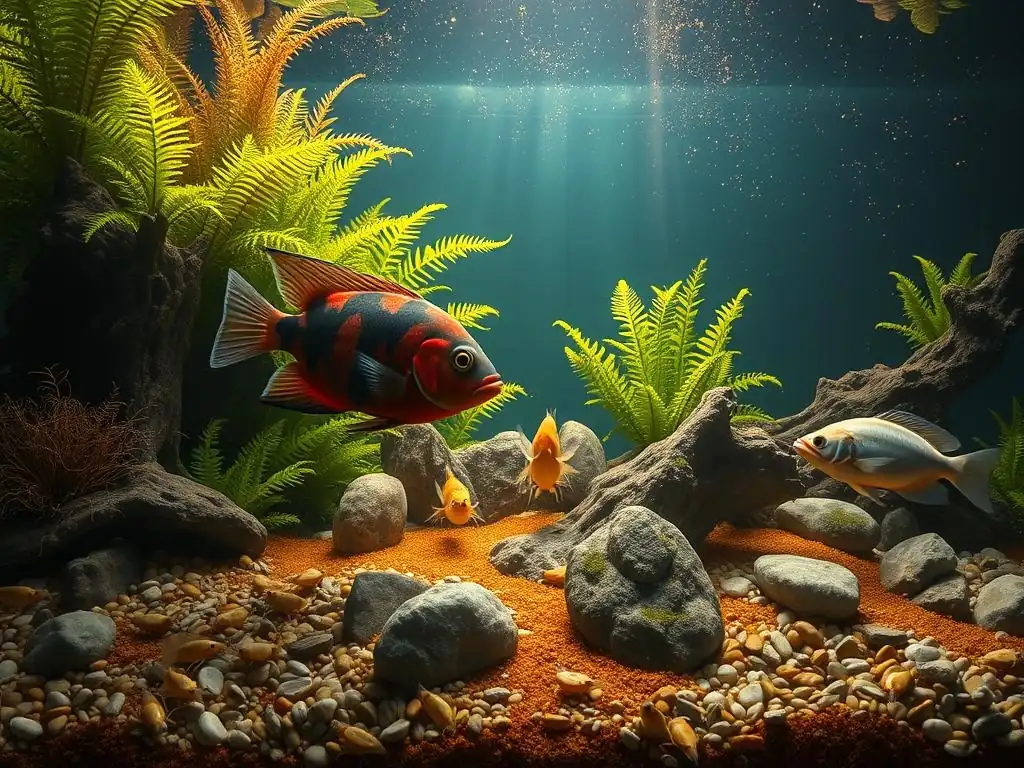
Establishing an appropriate tank environment is the first critical step in encouraging natural Mbuna foraging. For a healthy group of Mbuna, a minimum tank size of 55 gallons (approximately 208 liters) is often recommended, though larger tanks like 75 gallons (284 liters) or 125 gallons (473 liters) are ideal for more diverse communities and to disperse aggression. The tank layout should heavily feature dense rockwork and numerous caves, mimicking their natural rocky habitat.
Maintaining stable and appropriate water parameters is equally vital for active foraging. Mbuna thrive in hard, alkaline water with a pH between 7.8 and 8.6, a general hardness (GH) of 10-20 dGH, and temperatures ranging from 76-82°F (24-28°C). Strong filtration, including robust mechanical and biological filtration, is essential to manage waste from their active metabolism. Good water flow also mimics their natural environment and can help promote the growth of beneficial algae for grazing.
Essential Substrates and Rockwork for Mbuna Foraging
The choice of substrate plays a significant role in facilitating natural Mbuna foraging behaviors. Fine sand, such as aragonite sand or fine silica sand, is highly preferred. Mbuna are natural sand-sifters, constantly sifting through the substrate in search of detritus and small food particles. Using a depth of at least 1-2 inches (2.5-5 cm) allows them to engage in this vital sifting behavior, which also aids in aerating the substrate. Sharp or coarse gravel should be avoided as it can injure their delicate mouths.
Rockwork is paramount, serving as the primary surface for aufwuchs growth and providing crucial hiding places. Inert rocks like lace rock, Texas holey rock, or slate are excellent choices. Aquarists should aim to create numerous caves, crevices, and vertical surfaces by stacking rocks securely to prevent collapses, as Mbuna are active diggers. Maximizing the surface area of the rocks, ideally reaching near the water surface, provides ample grazing opportunities and enhances the tank's aesthetic appeal, directly supporting natural Mbuna foraging behavior tips.
Promoting Algae Growth for Natural Grazing
While controlling nuisance algae is often a goal for aquarists, promoting specific types of beneficial algae and biofilm is desirable for Mbuna. Moderate lighting, typically 8-10 hours per day, can encourage the growth of a healthy biofilm on rocks and the tank's back wall. This natural "aufwuchs" provides a continuous source of grazing material, allowing Mbuna to constantly peck and scrape as they would in Lake Malawi.
It's important to differentiate between beneficial biofilm and harmful algal blooms. The goal is a thin, green or brown film, not thick, slimy, or hair-like algae which can indicate nutrient imbalances. Some aquarists employ a strategy of rotating "algae rocks," moving rocks into brighter light in a separate container to cultivate a richer growth, then placing them into the main tank for the Mbuna to graze upon. This controlled approach ensures a steady supply of natural food without compromising water quality.
Mbuna Foraging Behavior Tips: Practical Feeding Strategies
Implementing a Varied Diet to Stimulate Foraging
A cornerstone of effective Mbuna foraging behavior tips is the implementation of a varied and appropriate diet. Relying solely on a single type of flake food is insufficient. A mix of high-quality spirulina-based flakes, sinking pellets, and occasional fresh vegetables is ideal. Wild Mbuna consume a diverse range of plant matter and micro-invertebrates, and replicating this variety in the aquarium provides comprehensive nutrition, enhances their natural coloration, and prevents dietary boredom.
Varying the types of food offered on different days encourages different foraging methods. For instance, feeding spirulina flakes one day, followed by sinking veggie pellets the next, and then blanched zucchini on a third day, ensures a broad spectrum of nutrients. This diverse presentation also stimulates their natural curiosity and desire to search for food, directly supporting their inherent foraging instincts and contributing to their overall well-being.
Utilizing Feeding Techniques to Encourage Natural Behavior
Slow Feeding Methods for Mbuna
Slow feeding methods are invaluable Mbuna foraging behavior tips that extend feeding time and mimic the continuous grazing patterns of wild Mbuna. Instead of dumping a large quantity of food at once, feed smaller amounts more frequently, perhaps 2-3 times a day. This approach reduces the immediate "feeding frenzy," allows less dominant fish ample opportunity to eat, and minimizes the amount of uneaten food that can foul the water.
Specific techniques include crushing flakes into smaller pieces that scatter more widely across the water surface, encouraging surface grazing. For bottom-dwelling or less aggressive species, sinking pellets are excellent as they require the fish to search the substrate or rockwork. This prolonged feeding period reduces competition and ensures all fish have access to nutrition, promoting a more natural and less stressful feeding environment.
Hiding Food to Promote Exploration
Hiding food is an effective technique to promote natural exploratory and foraging behavior in Mbuna. Small pieces of blanched vegetables, such as zucchini slices or romaine lettuce, can be tucked into rock crevices or anchored to the substrate with a veggie clip. This forces the Mbuna to actively search for and "peck" at the food, similar to how they scrape aufwuchs from rocks in Lake Malawi.
The benefits of hiding food extend beyond simple consumption. It provides significant mental enrichment, which is a key aspect of natural Mbuna foraging behavior tips. This activity reduces boredom and can help to diffuse aggression by keeping the fish engaged in a constructive activity. It also allows shy or less dominant individuals to access food at their own pace, rather than being outcompeted by more aggressive tank mates.
Choosing the Right Foods to Support Foraging
Vegetable-Based Foods for Mbuna
The cornerstone of a healthy Mbuna diet should be high-quality, vegetable-based foods. Spirulina flakes and pellets, with a high spirulina content (ideally 70-80% or more), should form the bulk of their daily intake. Spirulina is a blue-green algae rich in proteins, vitamins, and carotenoids, closely mimicking the nutritional profile of the aufwuchs they consume in the wild. Look for brands specifically formulated for African cichlids.
Supplementing their diet with fresh, blanched vegetables is an excellent way to provide essential fiber and mimic their natural plant consumption. Blanched zucchini, cucumber, shelled peas, and romaine lettuce are all suitable options. To blanch, briefly boil the vegetable until slightly tender, then immediately immerse in ice water to stop the cooking process. Offer small quantities 2-3 times a week, removing any uneaten portions after a few hours to maintain water quality.
Supplementing with Small Invertebrates
While Mbuna are primarily herbivorous, their natural diet does include small invertebrates incidentally found within the aufwuchs. Occasional supplementation with high-quality frozen or live brine shrimp, Mysis shrimp, or daphnia can provide beneficial variety and protein. These should be offered sparingly, perhaps once or twice a week, and in small portions to avoid overfeeding animal protein.
It is crucial to exercise caution with protein content when feeding Mbuna. Foods high in animal protein, such as bloodworms, tubifex worms, or beef heart, should be avoided entirely. Mbuna's digestive systems are not adapted to process large amounts of animal protein, and such foods are a primary cause of Malawi bloat, a severe and often fatal digestive illness. The focus should always remain on plant-based foods, with minimal, appropriate invertebrate supplements.
Addressing Common Challenges in Mbuna Feeding
Preventing Overfeeding and Bloat in Mbuna
Overfeeding is one of the most common and dangerous mistakes in Mbuna care, leading to poor water quality and, more critically, Malawi bloat. Bloat is a severe digestive disorder often triggered by high-protein diets, sudden dietary changes, or overfeeding. Symptoms include a distended abdomen, loss of appetite, lethargy, and white, stringy feces. This condition can be rapidly fatal if not addressed.
To prevent bloat and maintain optimal health, feed Mbuna small amounts that can be entirely consumed within 1-2 minutes. A common and effective Mbuna foraging behavior tip is to skip feeding one day a week. This allows their digestive systems to clear and reduces the risk of bloat. Regularly monitor your fish's body condition; they should appear active and well-fed, but not bloated or excessively round.
Managing Algae Growth and Water Quality
While some beneficial algae growth is encouraged for Mbuna foraging, excessive or undesirable algae can indicate underlying water quality issues. High levels of nitrates and phosphates, often resulting from overfeeding or insufficient maintenance, fuel rapid algal blooms. These blooms can consume oxygen at night and release toxins, stressing the fish and deteriorating the overall tank environment.
Effective water quality management is paramount. Regular water changes, typically 25-30% weekly for a well-stocked Mbuna tank, are essential to remove accumulated nitrates and replenish trace minerals. Robust filtration, including mechanical filtration to remove particulate waste and biological filtration to process ammonia and nitrites, is crucial. Additionally, ensuring good water circulation with powerheads can prevent dead spots where detritus and undesirable algae can accumulate, thus supporting a cleaner, healthier environment conducive to proper foraging.
Minimizing Competition During Feeding
Mbuna are known for their territoriality and aggression, which can become particularly pronounced during feeding times. To minimize competition and ensure all fish receive adequate nutrition, spread food widely across the tank rather than concentrating it in one spot. Using multiple feeding points can also help, allowing less dominant fish to access food without direct confrontation from more aggressive tank mates.
The tank's physical layout also plays a significant role in mitigating feeding aggression. Ample rockwork provides numerous visual barriers, hiding spots, and escape routes. This allows less dominant individuals to retreat when threatened and then return to forage once the immediate danger has passed. In some heavily stocked Mbuna tanks (a strategy sometimes used to diffuse aggression, balanced with robust filtration), the sheer number of fish can also spread out aggression, making feeding less stressful for individual cichlids.
Observing and Adjusting Mbuna Feeding Habits
Recognizing Healthy Foraging Behavior
Observing your Mbuna's feeding habits is key to ensuring their well-being. Healthy foraging behavior is characterized by active grazing on rocks, diligent sifting through the sand substrate, and curious investigation of crevices and caves. Fish should exhibit a consistent appetite, readily approaching food, and maintaining a good body condition—neither overly thin nor bloated. Their colors should be vibrant and their fins erect, indicating overall vitality.
During feeding, note the social interactions. While some chasing and minor territorial displays are normal for Mbuna, excessive aggression where one or more fish are consistently denied access to food is a red flag. In a healthy foraging environment, even less dominant individuals should eventually have opportunities to eat. Regular observation allows aquarists to fine-tune their Mbuna foraging behavior tips and ensure a balanced feeding dynamic.
Identifying and Correcting Feeding Problems
Identifying feeding problems early is crucial for the health of your Mbuna. Signs that indicate an issue include a sudden refusal to eat, prolonged hiding, a bloated appearance, stringy white feces (often indicative of internal parasites or bloat), faded colors, or rapid weight loss. These symptoms can point to dietary imbalances, stress, disease, or inappropriate tank conditions.
Upon identifying a problem, immediate corrective actions are necessary. First, review your feeding regimen: ensure the diet is primarily vegetable-based, varied, and that you are not overfeeding. Increase the frequency of water changes if parameters are off, as poor water quality can suppress appetite. Adjust feeding techniques, such as offering smaller, more frequent meals or hiding food to reduce competition. If symptoms persist despite these adjustments, consider isolating the affected fish for closer observation or consulting a specialized fish health expert to rule out underlying diseases.
Enhancing Mbuna Health Through Natural Foraging
The Link Between Foraging and Mbuna Well-being
The link between natural foraging and Mbuna well-being is profound and multifaceted. Engaging in natural foraging behaviors significantly reduces stress levels in aquarium Mbuna, which is a major contributor to weakened immune systems and susceptibility to disease. Active foraging keeps them physically stimulated and mentally engaged, closely mimicking their wild existence and preventing boredom or lethargy. This consistent engagement translates directly to a stronger immune response and enhanced disease resistance.
Furthermore, the continuous, small intake of appropriate foods, combined with the physical activity involved in foraging, promotes superior digestion and nutrient absorption. Unlike large, infrequent meals that can overwhelm their digestive systems, constant grazing allows for efficient processing of food. This leads to better growth rates, more vibrant coloration, and overall vitality, ensuring that Mbuna not only survive but truly thrive in the aquarium environment.
Long-Term Benefits of Encouraging Natural Feeding
The long-term benefits of encouraging natural feeding habits in Mbuna are substantial. Mbuna kept on a regimen that prioritizes natural foraging often exhibit extended lifespans, frequently living 6-10 years or more in captivity, surpassing the typical lifespan of fish subjected to less natural feeding methods. This optimal health also translates into a greater likelihood of successful breeding, indicating a robust and thriving population. Beyond longevity, these fish display a wider range of natural behaviors, making them more captivating and enjoyable to observe for the aquarist.
From an ecosystem perspective, a healthy and active population of foragers contributes significantly to the stability of the aquarium. By constantly grazing on biofilm and sifting through the substrate, they naturally manage some algae growth and help to distribute detritus, reducing the accumulation of waste. This active engagement within the tank contributes to a more robust nitrogen cycle and overall system balance, reducing the burden on mechanical filtration and fostering a healthier, more self-sustaining environment. These long-term advantages are critical Mbuna foraging behavior tips for any dedicated aquarist.
Advanced Mbuna Foraging Techniques
Cultivating Live Foods for Mbuna
For aquarists seeking to provide the most authentic foraging experience, cultivating live foods can be an advanced yet highly rewarding technique. Small cultures of spirulina algae or daphnia can be maintained separately. Daphnia, tiny crustaceans, are an excellent live food source, providing essential proteins and fiber while encouraging active hunting and chasing behaviors. These organisms are natural components of the Mbuna's diet in Lake Malawi and stimulate their predatory instincts in a controlled manner.
Another advanced approach involves dedicated algae cultivation. Some enthusiasts maintain a separate container or "algae farm" where rocks are placed under strong lighting to grow a rich, dense layer of aufwuchs. Once sufficiently covered, these "algae rocks" can be rotated into the main Mbuna display tank, providing a continuous, natural, and highly stimulating source of grazing material. This method directly supports the most natural Mbuna foraging behavior tips by offering a constantly replenishing food source.
Implementing a Refugium for Continuous Grazing
Implementing a refugium is an sophisticated technique that provides a continuous, self-sustaining source of natural food for Mbuna. A refugium is a separate, often smaller, connected tank area where microfauna (such as copepods, amphipods, and various worms) and beneficial macroalgae can grow undisturbed by the main tank inhabitants. Water from the display tank slowly flows through the refugium, carrying these micro-organisms and algae fragments into the main tank for the Mbuna to forage upon.
The benefits of a refugium are manifold. It provides a constant, natural food source, mimicking the continuous grazing opportunities found in Lake Malawi. This not only enhances the Mbuna's diet with live, nutritious organisms but also encourages constant foraging behavior, keeping them active and engaged throughout the day. Additionally, a well-maintained refugium acts as an extra biological filter, further improving water quality and contributing to the overall stability and health of the entire aquarium ecosystem.
Conclusion: Mastering Mbuna Foraging for a Thriving Aquarium
Understanding and replicating the natural foraging behaviors of Mbuna cichlids is paramount for their long-term health and vitality in the aquarium. By focusing on their natural diet of aufwuchs, creating a rock-rich environment, and employing thoughtful feeding strategies, aquarists can transform their tanks into dynamic ecosystems where these fascinating fish truly thrive. A varied, plant-based diet, combined with techniques that encourage searching and grazing, reduces stress and prevents common health issues like bloat.
Ultimately, by diligently applying these Mbuna foraging behavior tips, aquarists empower their cichlids to exhibit their most natural behaviors, vibrant colors, and robust health. This dedicated approach not only enhances the well-being of the fish but also significantly enriches the viewing experience, allowing enthusiasts to witness the captivating and intricate lives of these magnificent African cichlids as they would in the wild.
Frequently Asked Questions
How can I encourage natural foraging behavior in my Mbuna aquarium?
Encourage natural foraging by providing a variety of food types and strategically placing them around the tank. Also, include rockwork and caves to mimic their natural habitat where they would search for food. This promotes active and healthy Mbuna.
What types of food best simulate Mbuna's natural foraging diet?
Mbuna are primarily algae eaters, so offer foods rich in spirulina and other plant-based ingredients. Supplement with small amounts of protein sources like brine shrimp, but avoid overfeeding protein as this can lead to health problems.
Why is observing Mbuna foraging behavior important for aquarium health?
Observing their foraging behavior allows you to assess their overall health and well-being. If they are actively foraging, it generally indicates they are healthy and comfortable. Lack of foraging could signal stress or illness.
What role does rockwork play in encouraging Mbuna foraging?
Rockwork provides surface area for algae growth, a natural food source for Mbuna. It also creates hiding places and territories, encouraging them to actively search for food amongst the rocks.
How often should I feed my Mbuna to encourage natural foraging without overfeeding?
Feed Mbuna small amounts several times a day rather than one large feeding. This mimics their natural grazing behavior and helps prevent overeating and water quality issues.
Final Reflection: Embracing Mbuna's Natural Instincts
The insights shared throughout this article highlight the critical importance of understanding and replicating Mbuna foraging behavior in the home aquarium. As we've explored, these vibrant cichlids thrive when provided with environments that stimulate their natural grazing instincts, leading to healthier, happier, and more vibrant fish. Ignoring these needs can lead to stress, aggression, and ultimately, a diminished quality of life for these fascinating creatures.
This journey into the world of Mbuna foraging has underscored the profound connection between environment and well-being. Observing the intricate ways these fish interact with their surroundings reminds us of the responsibility we bear as aquarists to create enriching habitats. In nature, nothing exists alone.
- Rachel Carson. This quote resonates deeply when considering the interconnectedness of Mbuna and their environment, emphasizing the need for holistic approaches to their care.
Now, as you consider the information presented, I encourage you to reflect on your own Mbuna setup. Are you truly providing opportunities for natural foraging? Are you challenging them mentally and physically? By implementing even a few of these Mbuna foraging behavior tips, you can unlock a new level of vibrancy and engagement in your aquarium, fostering a thriving ecosystem that mirrors the beauty and complexity of their natural African home. Let's commit to creating aquariums that not only showcase these stunning fish but also honor their innate behaviors and needs.
Unearth Mbuna's Natural Instincts!
Thank you for exploring the fascinating world of Mbuna foraging! We hope this article has illuminated how to enrich their lives through thoughtful feeding practices. Ready to bring out their inner explorer?
Here are a few ways you can take action:
- Recreate a rocky foraging environment: Dedicate time this weekend to rearranging your tank with plenty of rocks and crevices to mimic their natural habitat, providing ample surface area for algae growth. This is the single most impactful change you can make.
- Introduce algae wafers strategically: Instead of simply dropping them in, hide them amongst the rocks. Observe how your Mbuna actively search for them, stimulating their natural hunting behaviors.
- Share your Mbuna's foraging transformation! Post photos and videos of your enriched aquarium on social media using #MbunaMastery and inspire fellow aquarists.
What creative rockscape ideas are you planning to implement to stimulate your Mbuna's foraging behaviors? Let's discuss in the comments!