
The Spectacular Courtship Rituals of Featherfin Cichlids

Welcome to Aquarium Mastery!
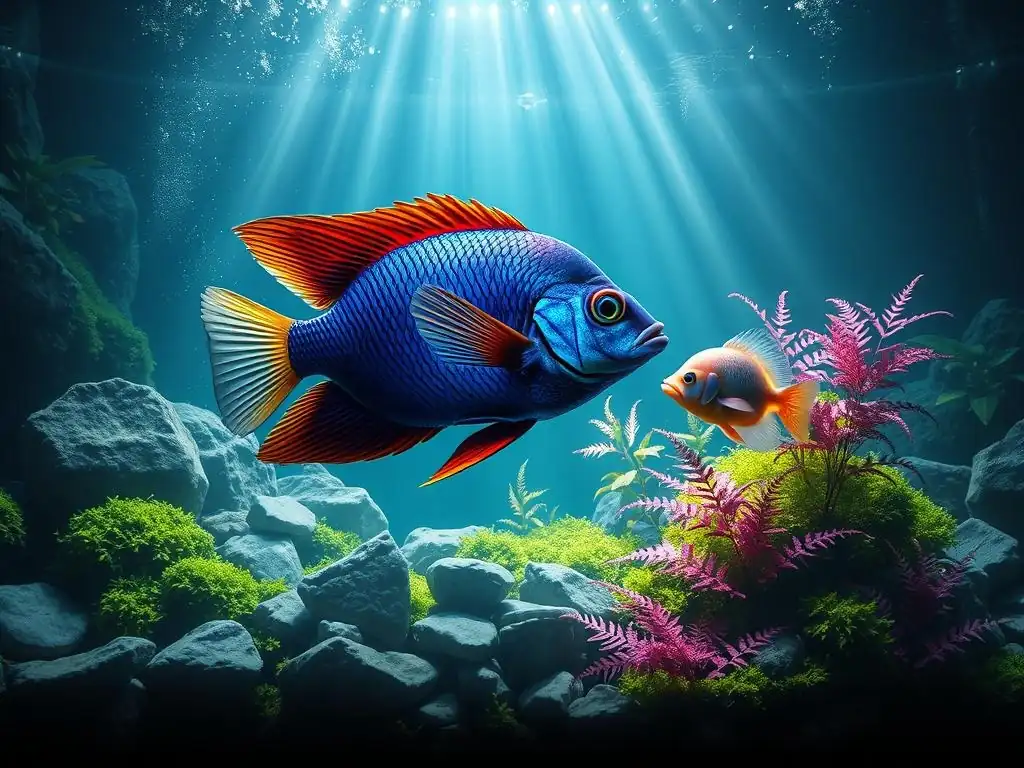
Ever wondered how to unlock the secrets of successful breeding in your freshwater aquarium? Delve into the fascinating world of cichlids and discover the spectacular courtship rituals of Featherfin cichlids. Prepare to be amazed by their intricate dances and unique behaviors. Ready to witness the magic unfold? Let's explore the captivating world of Featherfin cichlid mating behavior!
- Introduction to Featherfin Cichlids and Their Unique Mating Habits
- Understanding Featherfin Cichlid Reproductive Strategies
- The Elaborate Courtship Displays of Male Featherfin Cichlids
- Step-by-Step Breakdown of Featherfin Cichlid Mating Behavior
- Factors Influencing Featherfin Cichlid Mating Success
- Potential Challenges in Breeding Featherfin Cichlids in Captivity
- Tips for Encouraging Featherfin Cichlid Spawning in Your Aquarium
- Observing and Interpreting Featherfin Cichlid Breeding Rituals
- The Importance of Understanding Featherfin Cichlid Mating Behavior for Conservation
- Conclusion: Appreciating the Complex World of Featherfin Cichlid Reproduction
-
Frequently Asked Questions
- What are the key signs that Featherfin Cichlids are ready to mate?
- Where do Featherfin Cichlids typically lay their eggs during mating?
- How does the male Featherfin Cichlid attract a female during courtship?
- What is the role of the female Featherfin Cichlid during the mating process?
- What should I do if my Featherfin Cichlids are not showing any mating behavior?
- Final Reflection: The Enduring Dance of Life
- Dive Deeper into the Featherfin Cichlid World!
Introduction to Featherfin Cichlids and Their Unique Mating Habits
A Brief Overview of Featherfin Cichlids (Cyathopharynx furcifer)
Featherfin cichlids, scientifically known as Cyathopharynx furcifer, are captivating freshwater fish native to the deep, clear waters of Lake Tanganyika in East Africa. These elegant cichlids are renowned for their distinctive elongated fins, particularly the dorsal and anal fins, which exhibit a beautiful, flowing appearance reminiscent of feathers – hence their common name. They typically inhabit sandy or rocky-sandy substrates at depths ranging from 3 to 30 meters (approximately 10 to 100 feet), where they form loose aggregations, foraging for small invertebrates and plankton.
Adult Featherfin cichlids can reach impressive sizes for a cichlid, with males often growing up to 8 inches (20 cm) and females slightly smaller, around 6 inches (15 cm). Their coloration varies depending on the specific locale within Lake Tanganyika, with some populations displaying iridescent blues and yellows, while others might exhibit more subdued silver or brown hues, often with subtle patterns. These variations contribute to their allure among aquarists who appreciate the diversity within the species and are particularly keen to observe their intricate social structures and, most notably, their unique Featherfin cichlid mating behavior.
Why Featherfin Cichlid Mating Behavior is So Fascinating for Aquarists
The reproductive strategies of Cyathopharynx furcifer stand out significantly among the diverse cichlid family, making their Featherfin cichlid mating behavior a focal point of interest for dedicated aquarists. Unlike many cichlids that are substrate spawners or mouthbrooders with simple pair bonds, Featherfin cichlids employ an elaborate lek-based breeding system combined with maternal mouthbrooding, showcasing complex visual displays and unique architectural feats. This level of sophistication in their courtship rituals provides a rich observational experience for those maintaining them in home aquariums.
Observing the full spectrum of their courtship, from the male's vibrant color transformations and intricate fin flaring to the construction of "sandcastles" – a rare behavior among fish – offers aquarists a window into a truly remarkable natural phenomenon. Understanding this specific Featherfin cichlid mating behavior is not only a source of aesthetic pleasure but also crucial for successful captive breeding, contributing to the conservation of these magnificent fish and deepening our appreciation for the biological diversity of Lake Tanganyika.
Understanding Featherfin Cichlid Reproductive Strategies
The Polygamous Nature of Featherfin Cichlids in Lake Tanganyika
Featherfin cichlids exhibit a polygamous breeding strategy, a common characteristic among many cichlid species in the African Great Lakes. In their natural habitat within Lake Tanganyika, dominant male Cyathopharynx furcifer establish and defend distinct breeding territories, often referred to as leks, on sandy substrates. These territories serve as the stage for their elaborate courtship displays, aimed at attracting multiple females for spawning. A single male may successfully court and spawn with several females within his established lek during a breeding cycle, demonstrating the polygynous aspect of their reproductive system.
This polygamous nature necessitates a specific social dynamic where males are highly competitive with each other for prime breeding sites and access to females, while females are more selective, assessing the quality of the male and his territory. The success of a male's Featherfin cichlid mating behavior directly correlates with his ability to maintain a desirable territory and perform vigorous displays, ensuring the continuation of his genetic lineage within the population. This social structure is vital for aquarists to replicate in captivity to encourage natural breeding patterns.
Male vs. Female Roles in Featherfin Cichlid Spawning
The roles of male and female Featherfin cichlids during spawning are distinctly specialized, reflecting their polygamous strategy. The male's primary role is to establish and meticulously maintain a breeding territory, often characterized by a meticulously constructed "sandcastle" or a large crater. He then dedicates significant energy to attracting females through vibrant color changes, impressive fin displays, and energetic "shaking" or "quivering" movements. Once a female is enticed to his territory, he leads her to the prepared spawning site, where the actual egg laying and fertilization occur.
Conversely, the female's role is centered on selection and maternal care. She meticulously inspects several male territories and evaluates the males' displays before choosing a mate. Once she selects a male, she lays a small clutch of eggs (typically between 20 and 50 eggs, though sometimes up to 80) directly into the sand depression or on the sandcastle.
Immediately after fertilization by the male, the female collects all the eggs into her mouth for incubation, becoming a maternal mouthbrooder. Her commitment to mouthbrooding means she will carry the eggs and then the fry for an extended period, usually 21-28 days, until they are free-swimming, providing protection and ensuring their survival.
The Elaborate Courtship Displays of Male Featherfin Cichlids
Visual Signaling: Color Changes and Fin Displays in Male Featherfins
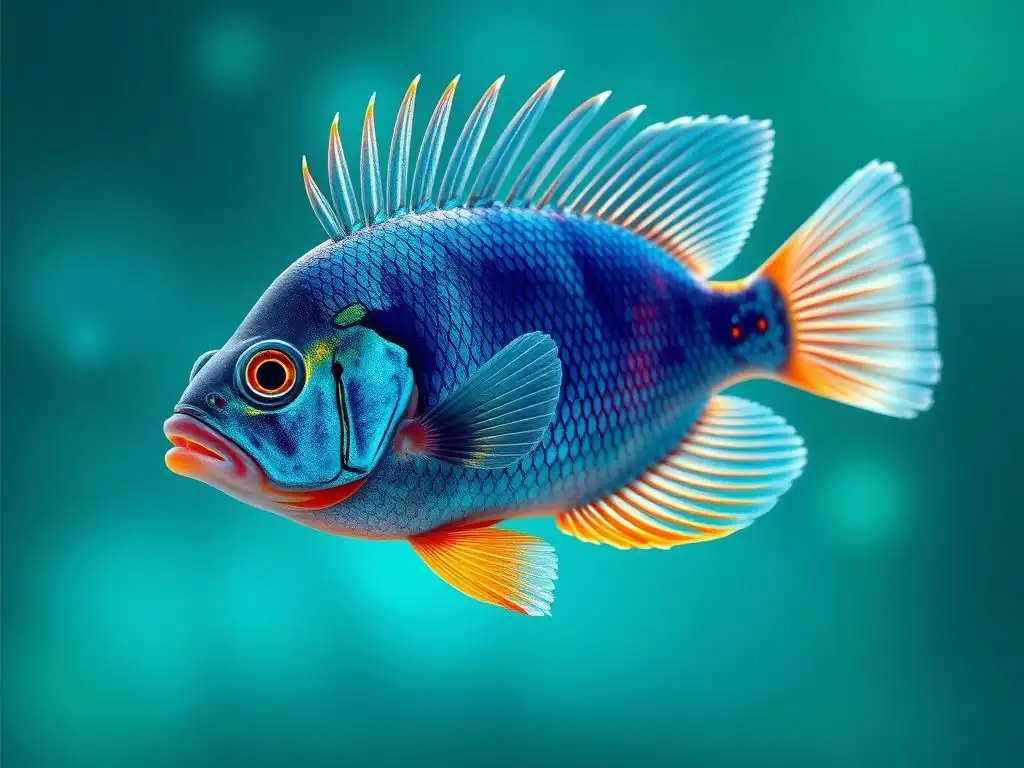
The courtship of male Cyathopharynx furcifer is a spectacle of visual communication, central to their Featherfin cichlid mating behavior. During the breeding season, dominant males undergo dramatic color transformations, intensifying their natural hues to attract females. For instance, some populations, like Cyathopharynx furcifer "Kigoma," may exhibit brilliant iridescent blues, yellows, or greens across their bodies, particularly on their heads and fins, which are otherwise more subdued during non-breeding periods. These vibrant colorations serve as a clear signal of their reproductive readiness and genetic quality.
In conjunction with color changes, males engage in elaborate fin displays. They fully extend and flare their long, flowing dorsal, anal, and caudal fins, making themselves appear larger and more imposing to both potential mates and rival males. The "feathered" appearance of these fins becomes highly pronounced, showcasing their health and vigor. This flaring is often accompanied by rapid, vibrating body movements, sometimes referred to as "shaking" or "quivering," which further emphasizes their presence and intent to spawn. These visual signals are paramount in enticing females to approach and inspect the male's breeding territory.
Territory Defense and Lek Formation in Featherfin Cichlid Breeding
A critical component of Featherfin cichlid mating behavior is the establishment and defense of breeding territories, often in a lek formation. Dominant male Cyathopharynx furcifer claim specific patches of sandy substrate, typically ranging from 1 to 2 square meters (approximately 10 to 20 square feet) in diameter, which they meticulously guard against rival males.
These territories are usually spaced several feet apart in the wild, creating a communal display ground where females can easily observe and compare multiple potential mates simultaneously. The males invest significant energy into maintaining these territories, constantly patrolling their boundaries and engaging in ritualized displays of aggression, such as parallel swimming, fin nipping, and chasing, to deter intruders.
The formation of these leks is a cooperative yet competitive strategy. While males compete fiercely for individual territories, their collective presence in a lek makes it easier for females to locate and assess potential mates, increasing the overall breeding success for the species. The strength and vigor with which a male defends his territory signal his fitness and ability to protect offspring, making it a crucial factor in female mate selection. This territoriality is a core aspect that aquarists must consider when designing a breeding setup, providing ample space to mitigate aggression and encourage natural lekking behavior.
The Significance of Sandcastle Building in Featherfin Cichlid Courtship
Perhaps the most unique and fascinating aspect of Featherfin cichlid mating behavior is the male's construction of elaborate "sandcastles" or large, excavated craters within their breeding territories. These structures are not merely decorative; they serve a crucial purpose in attracting females and facilitating spawning. A male will meticulously move sand grains using his mouth, creating a raised mound with a central depression, or a large, bowl-shaped crater, sometimes measuring up to 12-18 inches (30-45 cm) in diameter and several inches deep. The size and quality of this structure are direct indicators of the male's strength, dedication, and overall fitness.
The "sandcastle" acts as the primary spawning site where the female will deposit her eggs. Its prominence and structural integrity are key in a female's decision-making process during mate selection. A well-constructed and maintained sandcastle signals to the female that the male is capable, healthy, and a good provider, traits that are desirable for the successful propagation of the species. Observing this architectural feat in a home aquarium is a clear sign that a male Cyathopharynx furcifer is ready to breed and actively engaging in his full courtship ritual.
Step-by-Step Breakdown of Featherfin Cichlid Mating Behavior
Phase 1: Initial Attraction and Male Display
The initial phase of Featherfin cichlid mating behavior commences with the male establishing his breeding territory and constructing his elaborate sandcastle or crater. Once his territory is prepared, the male begins to actively attract females. He positions himself prominently within or near his structure, displaying his most vibrant breeding colors, which can shift from a subtle silver to striking iridescent blues, yellows, or greens within moments. He engages in vigorous fin flaring, extending his dorsal, anal, and caudal fins to their fullest extent, making himself appear larger and more impressive.
Accompanying these visual signals, the male performs a characteristic "shaking" or "quivering" dance, rapidly vibrating his body while facing the approaching female. He might also perform a "leading" display, swimming a short distance from the female towards his sandcastle, then turning back to encourage her to follow. These combined displays are designed to capture the female's attention and communicate his readiness to spawn, inviting her to inspect his territory and assess his suitability as a mate.
Phase 2: Female Inspection and Selection
Upon being attracted by the male's intense displays and impressive sandcastle, the female Featherfin cichlid cautiously approaches his territory. This phase involves a critical assessment process where the female meticulously inspects both the male and his prepared spawning site. She will swim around the male, observing his size, coloration, and the vigor of his displays, looking for signs of health and genetic quality. Her assessment is not superficial; it involves evaluating the male's ability to defend his territory and provide a secure environment for her future brood.
Crucially, the female will also closely examine the sandcastle or crater. She might swim into the depression, testing its depth and structure, ensuring it is a suitable location for egg deposition. If satisfied with both the male and his territory, she will indicate her acceptance by staying within the male's designated area and allowing him to continue his courtship without fleeing. This period of female inspection and selection is a testament to the complex decision-making involved in Featherfin cichlid mating behavior.
Phase 3: Spawning and Fertilization of Eggs
Once the female has chosen a male and accepted his territory, the actual spawning process begins. The male will lead the female to the central depression of his sandcastle. The female then begins to lay her eggs, typically one or two at a time, directly onto the sandy substrate within the prepared area. Each egg is relatively small, measuring approximately 2-3 mm in diameter, and possesses a slightly adhesive quality. After laying a few eggs, the female will momentarily move away, allowing the male to swim over the freshly laid eggs and fertilize them externally.
This sequence of laying and fertilizing is repeated several times until the female has deposited her entire clutch, which can range from 20 to 80 eggs, though typical clutches are around 30-50 eggs for a healthy female. Immediately after fertilization, the female diligently collects all the eggs into her mouth, where they will be incubated. This precise, coordinated dance between the male and female is a hallmark of their efficient Featherfin cichlid mating behavior, ensuring the successful fertilization and collection of the entire brood.
Phase 4: Parental Care (Limited) and Brood Defense
Following the successful spawning and collection of eggs by the female, the nature of parental care in Featherfin cichlids shifts, primarily becoming the responsibility of the female. The female becomes a dedicated maternal mouthbrooder, carrying the eggs in her buccal cavity for an incubation period that typically lasts between 21 to 28 days, depending on water temperature. During this time, she will often retreat to a quieter, more secure area of the aquarium or her natural habitat, reducing her feeding significantly to protect the developing eggs and fry.
While the primary care falls to the female, the male's role in brood defense is not entirely absent. He continues to patrol and defend his established territory, including the general area where the mouthbrooding female may be resting.
His presence and territorial displays indirectly offer a layer of protection against potential predators or intruders that might threaten the female and her developing brood. Once the fry are free-swimming and released from the female's mouth, typically after about three to four weeks, both parents' direct care diminishes, although the male's continued territoriality can still offer some protection in the immediate vicinity.
Factors Influencing Featherfin Cichlid Mating Success
Water Parameters: Temperature, pH, and Hardness for Optimal Breeding
Achieving successful Featherfin cichlid mating behavior in captivity heavily relies on maintaining precise water parameters that mimic their natural Lake Tanganyika environment. The ideal water temperature for breeding Cyathopharynx furcifer typically ranges from 76°F to 80°F (24°C to 27°C). Maintaining a stable temperature within this range is crucial for stimulating spawning and ensuring proper egg development. Fluctuations can cause stress, leading to a reluctance to breed or even egg abandonment.
Furthermore, Lake Tanganyika water is known for its high alkalinity and hardness. For optimal breeding, the pH should be maintained between 7.8 and 9.0, with a target around 8.2-8.6 often being ideal. The general hardness (GH) should be high, typically between 10-20 dGH, and carbonate hardness (KH) also elevated, around 10-18 dKH. These specific parameters are vital not only for the overall health and well-being of Featherfin cichlids but also directly influence their physiological readiness and comfort to engage in natural breeding rituals.
Tank Setup: Creating a Suitable Environment for Spawning Featherfins
The physical layout of the aquarium plays a pivotal role in encouraging natural Featherfin cichlid mating behavior. A sufficiently large tank is paramount; for a breeding group consisting of one male and several females (e.g., 1 male to 3-5 females), a tank of at least 75 gallons (280 liters) is recommended, with 125 gallons (470 liters) or more being ideal to provide ample territory for the male and reduce aggression.
The substrate should consist of fine, soft sand, as this is essential for the male to construct his characteristic "sandcastles" or excavated craters. A depth of at least 3-4 inches (7-10 cm) of sand is advised.
While Featherfin cichlids prefer open sandy areas for their breeding leks, providing some rocky structures or caves along the perimeter of the tank can offer crucial hiding spots for females, especially when they are mouthbrooding, and for subdominant males if multiple males are kept. Ample open swimming space in the middle of the tank is also important to allow the males to perform their elaborate courtship displays without obstruction. A well-designed tank setup minimizes stress and maximizes the chances of observing successful Featherfin cichlid mating behavior.
Diet and Nutrition: Ensuring Healthy and Breeding-Ready Featherfin Cichlids
A high-quality, varied diet is fundamental for ensuring the health and reproductive readiness of Featherfin cichlids, directly impacting their Featherfin cichlid mating behavior. In their natural habitat, Cyathopharynx furcifer are primarily micro-predators, feeding on small invertebrates, plankton, and detritus found in the water column and on the substrate. To replicate this in captivity, a balanced diet should include high-quality cichlid pellets or flakes specifically formulated for Tanganyikan cichlids, which are rich in protein and essential vitamins.
Supplementing their staple diet with live or frozen foods is crucial for conditioning them for breeding. Excellent choices include brine shrimp, mysis shrimp, bloodworms, daphnia, and cyclops. Feeding a varied diet ensures they receive all necessary nutrients, including lipids and specific amino acids, which are vital for gonadal development and egg production in females, and for sustained energy for the males' elaborate courtship displays and territorial defense. Feeding small, frequent meals throughout the day, rather than one large meal, can also aid in digestion and nutrient absorption, contributing to overall vitality.
Potential Challenges in Breeding Featherfin Cichlids in Captivity
Aggression Issues Among Male Featherfins
One of the significant challenges when attempting to breed Featherfin cichlids in captivity is managing aggression, particularly among males. Cyathopharynx furcifer males are highly territorial, and in the confines of an aquarium, this natural Featherfin cichlid mating behavior can escalate into severe conflict if not properly managed. When multiple males are housed in insufficient space, or if there is a lack of clear dominance, intense fighting can occur, leading to injuries, stress, and even fatalities. This aggression is exacerbated during breeding periods as males vie for prime spawning territories and access to females.
To mitigate this, it is generally recommended to keep either a single male with a harem of multiple females (e.g., 1 male to 3-5 females) or, in very large aquariums (200+ gallons), a group of multiple males with an even larger number of females to disperse aggression. Providing ample space, numerous visual barriers, and multiple potential spawning sites can help reduce direct confrontations. Observing individual fish behavior closely is essential to identify and address aggression promptly, ensuring the well-being of the entire group and promoting successful breeding.
Low Fertilization Rates and Egg Predation
Even when Featherfin cichlid mating behavior appears to be successful, aquarists may encounter challenges with low fertilization rates or subsequent egg predation. Low fertilization can occur for several reasons, including inexperienced or stressed parents, suboptimal water parameters, or insufficient male vigor during the spawning act. Sometimes, the male may not effectively fertilize all the eggs as the female is quickly collecting them. This can result in a significant portion of the eggs turning white and fungusing within the female's mouth, indicating they are infertile.
Egg predation, while less common for mouthbrooders once the eggs are safely in the female's mouth, can still be an issue if the female is highly stressed and spits out her eggs prematurely. Other tank mates, if present, or even the male himself, might consume the exposed eggs. To combat these issues, ensuring a stable, pristine environment, providing ample hiding spots for the mouthbrooding female, and maintaining a high-quality diet are crucial. In some cases, removing the mouthbrooding female to a separate, dedicated breeding tank can further protect the developing eggs and fry, maximizing the yield from successful spawning.
Maintaining Water Quality During Spawning
Maintaining pristine water quality is a continuous challenge, particularly during the breeding cycle of Featherfin cichlids. The intense Featherfin cichlid mating behavior, including the male's vigorous sand-moving activities, can stir up detritus and increase the bioload in the aquarium. Furthermore, mouthbrooding females often reduce or cease feeding for several weeks, which can impact their metabolism and overall health, making them more susceptible to stress if water conditions deteriorate. The presence of fry, once released, also adds to the bioload.
Poor water quality, characterized by elevated levels of nitrates, nitrites, or ammonia, can significantly stress the fish, inhibit breeding, lead to diseases, or cause mouthbrooding females to prematurely release or even consume their eggs. Regular and diligent water changes are absolutely essential – typically 25-30% of the tank volume weekly, or even more frequently if the bioload is high. Employing robust filtration systems, including mechanical, biological, and chemical filtration, is also critical to ensure a stable and healthy environment conducive to successful Featherfin cichlid mating behavior and raising healthy fry.
Tips for Encouraging Featherfin Cichlid Spawning in Your Aquarium
Optimizing Tank Size and Aquascaping for Breeding
To encourage successful Featherfin cichlid mating behavior, optimizing the tank size and aquascaping is paramount. For a breeding group, a tank no smaller than 75 gallons (approximately 280 liters) is recommended, with larger tanks (125 gallons or more) being ideal for providing ample territory and minimizing aggression among males. The substrate must be fine, soft sand, at least 3-4 inches (7-10 cm) deep, to allow the male to construct his crucial "sandcastles" or craters, which are central to his courtship display.
Aquascaping should prioritize large open sandy areas in the center of the tank, where males can establish their leks and perform their elaborate courtship rituals without obstruction. While open space is key, providing some rockwork, PVC pipes, or ceramic caves along the tank's periphery offers essential hiding spots and visual barriers. These retreats are vital for females to seek refuge when not actively spawning, or when mouthbrooding, and can help diffuse aggression among males by breaking line of sight.
Implementing Regular Water Changes for Water Quality
Consistent and regular water changes are one of the most effective strategies for stimulating and sustaining Featherfin cichlid mating behavior. Pristine water quality, characterized by stable parameters and low levels of nitrates, is a primary trigger for many cichlid species to breed. Aim for weekly water changes of 25-30% of the tank's volume, using dechlorinated water that matches the tank's temperature and pH as closely as possible. This routine helps to remove accumulated waste products, replenish essential minerals, and maintain the stable conditions that mimic Lake Tanganyika's clean waters.
Beyond routine maintenance, slightly increasing the frequency or volume of water changes, or performing a larger single water change (e.g., 50%) with slightly cooler water, can sometimes act as a "rainy season" stimulant, encouraging dormant fish to begin spawning. Always ensure that any new water added is properly conditioned and matches the existing tank parameters to avoid shocking the fish. Consistent water quality is not just about cleanliness; it's a vital environmental cue for initiating and maintaining the delicate balance required for successful reproduction.
Providing a Varied and Nutritious Diet
A diverse and nutrient-rich diet is essential for conditioning Featherfin cichlids for breeding and ensuring vigorous Featherfin cichlid mating behavior. A well-fed fish is a healthy fish, and healthy fish are more likely to reproduce successfully. Base their diet on high-quality cichlid pellets or flakes specifically designed for African cichlids, which provide a balanced foundation of protein and vitamins. These should be offered daily in small amounts that can be consumed within a few minutes to avoid overfeeding and water fouling.
To truly stimulate breeding, supplement their diet with a variety of live or frozen foods several times a week. Excellent choices include:
- Brine Shrimp: A classic conditioning food, rich in protein.
- Mysis Shrimp: Highly nutritious and eagerly accepted.
- Bloodworms: A good source of protein and fat, but should be used sparingly to avoid digestive issues.
- Daphnia and Cyclops: Excellent for smaller fish and fry, and provide natural digestive enzymes.
A varied diet ensures that both males and females receive all the necessary nutrients for gonad development, egg production, and the energy required for courtship displays and territorial defense, significantly increasing the likelihood of successful spawning.
Observing and Interpreting Featherfin Cichlid Breeding Rituals
Identifying Key Behaviors: Shaking, Flaring, and Nudging
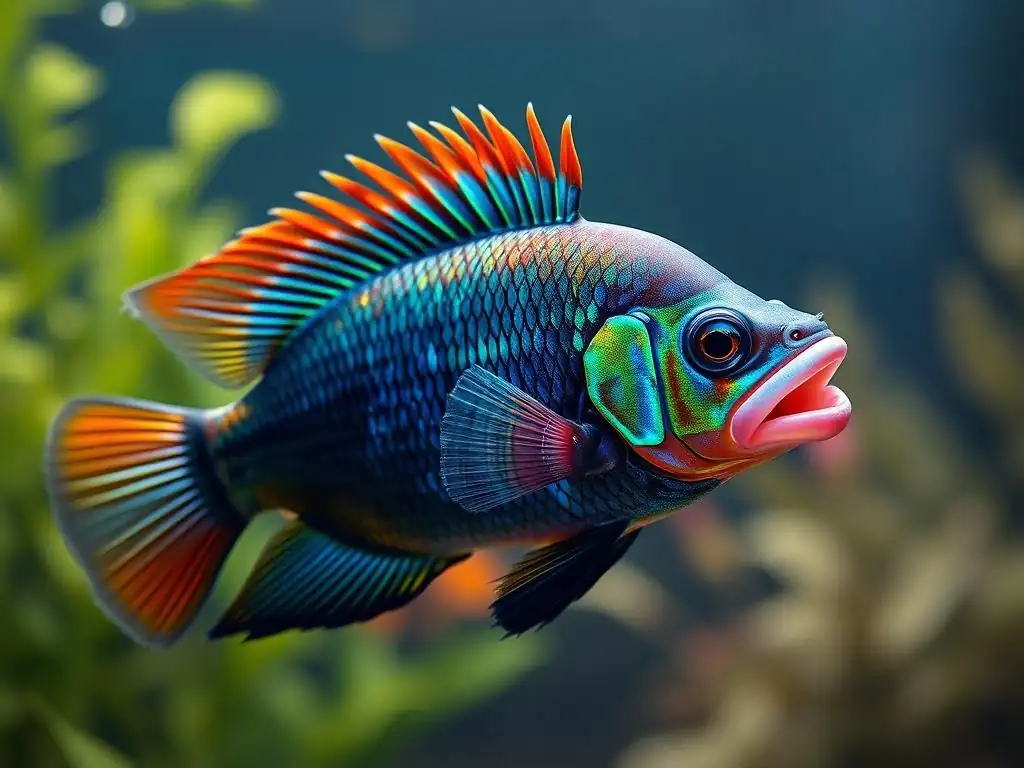
Observing the subtle yet distinct behaviors of Cyathopharynx furcifer is key to understanding their Featherfin cichlid mating behavior. One of the most prominent male displays is the "shaking" or "quivering" action, where the male rapidly vibrates his body while facing a female, often near his sandcastle. This energetic display signals his readiness to spawn and attempts to entice the female. Simultaneously, males engage in dramatic fin flaring, extending their long dorsal, anal, and caudal fins to their maximum, showcasing their vibrant breeding colors and apparent size. This is a visual cue of dominance and fitness.
As the courtship progresses and the female shows interest, the male may engage in "nudging" or "leading" behaviors. He will gently nudge the female towards his spawning site or swim a short distance towards it, then turn back, encouraging her to follow. These interactions are critical steps in the negotiation process leading to spawning. Recognizing these specific actions—the intense shaking, the broad fin flaring, and the leading nudges—allows aquarists to anticipate and confirm that breeding activities are underway.
Recognizing Signs of Successful Spawning
Recognizing the signs of successful Featherfin cichlid mating behavior is a rewarding experience for any aquarist. The most definitive sign is observing the female with a visibly distended buccal cavity, indicating she is mouthbrooding eggs or fry. Her throat area will appear swollen, and she will typically stop eating or eat very sparingly, often seeking out a quiet, secluded spot in the tank to incubate her brood. This mouthbrooding posture is unmistakable.
Prior to this, during the actual spawning event, you might observe the female laying eggs directly into the male's prepared sand depression, followed by the male swimming over them to fertilize, and then the female immediately collecting them into her mouth. The entire process can take several minutes to over an hour, depending on the number of eggs. The male will also continue to vigorously defend his territory post-spawning, even if the female has retreated, signaling the successful completion of his part in the Featherfin cichlid mating behavior cycle.
Documenting Your Observations
Documenting your observations of Featherfin cichlid mating behavior can significantly enhance your understanding of their reproductive cycles and contribute valuable data for future breeding attempts. Keeping a detailed logbook allows you to track patterns, identify successful strategies, and troubleshoot challenges. Key information to record includes:
- Date and Time of Observation: Pinpoint specific events.
- Water Parameters: Note temperature, pH, GH, and KH readings around breeding times.
- Male Behaviors: Describe specific displays (e.g., "male flaring intensely," "building 6-inch sandcastle").
- Female Responses: Note her interest, inspection, and acceptance/rejection.
- Spawning Details: Record estimated number of eggs, duration of spawning.
- Mouthbrooding Duration: Track the exact start and end dates of the female's mouthbrooding period.
- Fry Release: Note the date and estimated number of fry.
- Diet and Feeding Schedule: Link successful breeding to specific dietary regimens.
This systematic approach to documentation provides a comprehensive record, allowing you to correlate environmental factors and feeding with breeding success, thereby refining your approach to encouraging and managing Featherfin cichlid mating behavior in your aquarium.
The Importance of Understanding Featherfin Cichlid Mating Behavior for Conservation
Protecting Natural Habitats in Lake Tanganyika
Understanding the intricate Featherfin cichlid mating behavior in their natural environment, Lake Tanganyika, is crucial for their conservation. The lake, one of the oldest and deepest in the world, is a biodiversity hotspot, but it faces increasing threats from pollution, overfishing, and climate change. Cyathopharynx furcifer, like many other endemic species, relies on specific sandy substrates and water conditions for their elaborate lek-based breeding system. Disruptions to these habitats, such as increased sedimentation from deforestation or changes in water chemistry from agricultural runoff, can directly impair their ability to reproduce effectively.
By studying their natural breeding patterns, including their specific territorial needs, sandcastle construction, and social dynamics, scientists and conservationists can better advocate for the protection of critical spawning grounds. This knowledge informs efforts to establish protected areas, regulate fishing practices, and promote sustainable development around the lake. Recognizing the delicate balance required for their specific Featherfin cichlid mating behavior underscores the urgent need to preserve the pristine conditions of Lake Tanganyika for future generations of these spectacular fish.
Promoting Responsible Aquarium Keeping Practices
The detailed knowledge of Featherfin cichlid mating behavior is not only vital for natural conservation but also paramount for promoting responsible aquarium keeping practices. When aquarists understand the specific environmental, dietary, and social requirements for Cyathopharynx furcifer to breed successfully, they are better equipped to provide optimal care. This includes setting up appropriately sized tanks with the correct substrate for sandcastle building, maintaining precise water parameters, and offering a diet that conditions them for reproduction.
Responsible breeding in captivity can help reduce the pressure on wild populations, as fewer fish need to be collected from Lake Tanganyika. Furthermore, successful captive breeding programs contribute to genetic diversity within the aquarium hobby, ensuring the long-term viability of the species outside its natural range. Educating aquarists on the nuances of Featherfin cichlid mating behavior fosters a deeper appreciation for these fish and encourages ethical practices, such as avoiding overstocking, providing proper nutrition, and understanding the social dynamics necessary for their well-being and successful reproduction.
Conclusion: Appreciating the Complex World of Featherfin Cichlid Reproduction
The Featherfin cichlid mating behavior is a testament to the incredible diversity and complexity of life found within Lake Tanganyika. From the male's vibrant color changes and elaborate fin displays to the meticulous construction of "sandcastles" and the female's dedicated mouthbrooding, every stage of their reproductive ritual is a fascinating display of natural selection and instinct. These behaviors are not merely aesthetic; they are intricate strategies refined over millennia to ensure the survival and propagation of Cyathopharynx furcifer in their unique environment.
For aquarists, understanding and facilitating these rituals offers a profound connection to the natural world. It transforms a simple tank into a living laboratory, where the delicate balance of water parameters, nutrition, and social dynamics directly influences the success of these captivating fish. Appreciating the full scope of their Featherfin cichlid mating behavior enriches the hobby, deepens our respect for aquatic life, and underscores the importance of responsible stewardship, both in our homes and in the broader context of global conservation efforts for Lake Tanganyika's unique inhabitants.
Further Research and Resources on Tanganyikan Cichlids and Breeding
For those eager to delve deeper into the fascinating world of Featherfin cichlid mating behavior and the broader spectrum of Tanganyikan cichlids, numerous resources are available. Specialized books on Lake Tanganyika cichlids often provide in-depth information on species-specific care, natural habitats, and breeding techniques, sometimes including detailed diagrams of lek formations and spawning procedures. Online forums and dedicated cichlid communities are excellent platforms for connecting with experienced aquarists, sharing observations, and seeking advice on specific breeding challenges.
Furthermore, scientific journals and ichthyological studies often publish research on cichlid ethology and reproductive strategies, offering a more academic perspective on the intricate behaviors observed in species like Cyathopharynx furcifer. Exploring these resources can provide a richer understanding of the evolutionary pressures that shaped the unique Featherfin cichlid mating behavior and equip aquarists with advanced knowledge for successful captive breeding and conservation contributions.
Frequently Asked Questions
What are the key signs that Featherfin Cichlids are ready to mate?
Look for intensified coloration, increased territoriality, and the male's display of courtship rituals such as fin flaring and body shimmering.
Where do Featherfin Cichlids typically lay their eggs during mating?
Featherfin Cichlids are substrate spawners. They will usually lay their eggs on a flat surface like a rock or in a pre-dug pit within their territory.
How does the male Featherfin Cichlid attract a female during courtship?
The male Featherfin Cichlid will engage in a series of displays, including fin flaring, body shimmering, and chasing the female around his territory to demonstrate his fitness.
What is the role of the female Featherfin Cichlid during the mating process?
The female will inspect the chosen spawning site and, if suitable, participate in the egg-laying process. She will then usually take on a caretaking role, guarding the eggs.
What should I do if my Featherfin Cichlids are not showing any mating behavior?
Ensure your water parameters are optimal, provide a varied diet, and offer plenty of hiding places and potential spawning sites. Consider increasing the number of females compared to males.
Final Reflection: The Enduring Dance of Life
The intricate and often bizarre mating rituals of Featherfin Cichlids, as we've explored, are not merely biological curiosities; they are a powerful reminder of the tenacity of life and the driving force of reproduction. In a world increasingly dominated by human influence, observing these complex behaviors underscores the importance of preserving the delicate ecosystems that support such biodiversity. The future of these spectacular displays, and indeed the future of the Featherfin Cichlid itself, hinges on our understanding and respect for their natural habitat.
This deep dive into Featherfin Cichlid mating behavior has illuminated the profound connection between environment and behavior, highlighting how even seemingly small changes in their habitat can disrupt these elaborate courtship dances. It reminds us that every species, no matter how seemingly insignificant, plays a vital role in the intricate web of life. In the end, we will conserve only what we love; we will love only what we understand; and we will understand only what we are taught.
- Baba Dioum's words resonate deeply, urging us to continue learning and sharing the wonders of the natural world.
As we conclude this exploration of Featherfin Cichlid mating behavior, I invite you to consider your own role in preserving biodiversity. What small steps can you take to protect the habitats of these fascinating creatures, and countless others? Let the spectacular courtship rituals of the Featherfin Cichlid inspire you to appreciate the beauty and complexity of the natural world and to actively contribute to its conservation. Let us all strive to be better stewards of our planet, ensuring that future generations can witness the enduring dance of life in all its glory.
Dive Deeper into the Featherfin Cichlid World!
Thanks for exploring the fascinating courtship rituals of Featherfin Cichlids with us! We hope you found their behaviors as captivating as we do. Now, it's time to put your newfound knowledge into action!
Here are a few things you can do next:
- Dedicate time to observe your Featherfin Cichlids' behavior for signs of these courtship rituals. Note down any nuances or unique interactions you observe.
- Explore related cichlid species, such as the Julidochromis or Lamprologus, to compare and contrast their breeding behaviors with what you've learned about Featherfins.
- Share your insights and favorite facts from this article on social media, encouraging others to discover the wonders of the Featherfin Cichlid!
What unique behaviors have you noticed in your own cichlids, and how might they relate to the courtship rituals we discussed?