
Are AllMale Peacock Cichlid Tanks a Good Idea? Pros and Cons

Welcome to Aquarium Mastery!
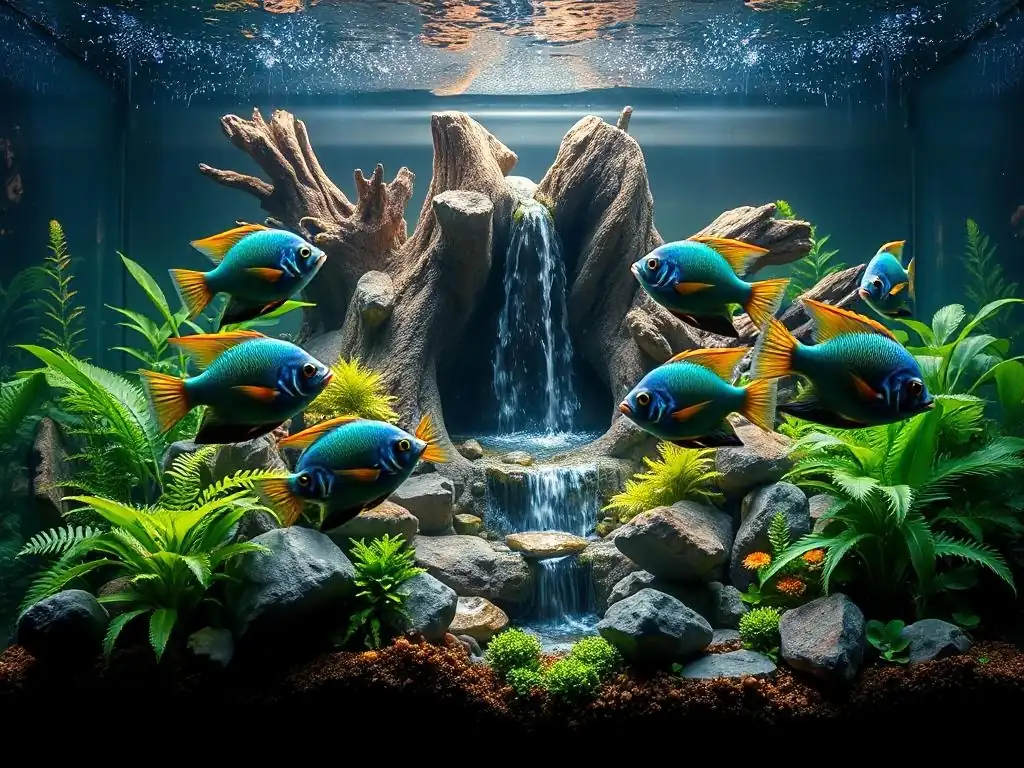
Ever wondered if an all-male peacock cichlid tank is truly a vibrant underwater paradise or a recipe for aquatic aggression? Dive into our in-depth analysis to uncover the pros and cons of this captivating setup. We'll explore everything from color combinations to crucial compatibility factors, leaving you equipped to decide if this bold approach is right for your aquarium. Intrigued? Let's get started!
- Are All-Male Peacock Cichlid Tanks a Good Idea? Pros and Cons for Aquarium Keeping
- Understanding All-Male Peacock Cichlid Aquariums
-
Pros of All-Male Peacock Cichlid Tanks
- Enhanced Coloration: Showcasing Male Vibrancy
- Reduced Breeding Aggression: Focus on Display
- Easier Selection: Choosing Colorful Specimens
- Dynamic Social Interactions: Observing Hierarchies
- Aggression and Compatibility Issues: Managing Dominance
- Potential for Bullying and Stress: Identifying Problems
- Maintaining Water Quality: Importance of Water Changes
- Difficulty in Achieving Balance: Creating Harmony
- Factors Influencing Success
- Choosing the Right Peacock Cichlids
- Managing Aggression
- Alternatives to All-Male Tanks
- Conclusion: Is an All-Male Tank Right for You?
-
Frequently Asked Questions
- What are the primary benefits of keeping an all-male peacock cichlid tank?
- What are the biggest challenges associated with all-male peacock cichlid tanks?
- How large of a tank is generally recommended for an all-male peacock cichlid setup?
- What are some key considerations when selecting peacock cichlids for an all-male tank?
- What kind of ongoing maintenance is required for an all-male peacock cichlid tank?
- Final Reflection: The Vibrant Future of All-Male Peacock Cichlid Tanks
- Transform Your Peacock Cichlid Dreams Into Reality
Are All-Male Peacock Cichlid Tanks a Good Idea? Pros and Cons for Aquarium Keeping
Understanding All-Male Peacock Cichlid Aquariums
What are Peacock Cichlids? A Brief Overview
Peacock cichlids, primarily species from the Aulonocara genus, are freshwater fish native to Lake Malawi in East Africa. Renowned for their stunning, iridescent coloration, particularly among males, they are a highly sought-after group in the aquarium hobby. These cichlids typically reach an adult size of 4 to 6 inches (10-15 cm) and are characterized by their relatively peaceful temperament compared to their more aggressive Mbuna cousins, though they are still territorial.
In their natural habitat, Peacock cichlids are found in sandy areas with scattered rocks, often sifting through substrate for small invertebrates and crustaceans. This natural diet should be replicated in captivity with high-quality cichlid pellets, flakes, and occasional protein-rich foods. Their vibrant hues, ranging from electric blues and fiery reds to sunny yellows and deep purples, make them a captivating centerpiece in any suitable aquarium, driving their popularity among aquarists.
The Appeal of All-Male Peacock Cichlid Tanks: Color and Activity
The primary allure of establishing all male peacock cichlid tanks lies in the unparalleled display of male coloration. In the absence of females and the pressures of breeding, male peacocks tend to exhibit their most vibrant and intense colors year-round, as they are constantly vying for dominance and display among themselves rather than focusing on courtship. This competitive display often results in a kaleidoscope of hues that can transform an aquarium into a living work of art.
Beyond the visual spectacle, all male peacock cichlid tanks offer a dynamic and active environment. The fish engage in fascinating social interactions, establishing a pecking order through ritualized displays and minor skirmishes, which are generally non-lethal when properly managed. This constant activity and the ever-present potential for a dominant male to "color up" in response to rivals provide endless entertainment and a unique observation experience for the dedicated aquarist.
Key Considerations Before Setup
Before embarking on the journey of setting up all male peacock cichlid tanks, several critical factors must be thoroughly considered to ensure success and the well-being of the fish. Firstly, tank size is paramount; a minimum of 75 gallons (approximately 284 liters) is often recommended for a small group of 6-8 males, with larger tanks (e.g., 125 gallons or more) being ideal for greater stability and reduced aggression among a larger community. The tank's footprint is more crucial than its height, providing ample horizontal swimming space.
Secondly, maintaining pristine water quality is non-negotiable. Peacock cichlids thrive in hard, alkaline water with a pH range of 7.8 to 8.6 and a temperature of 76-82°F (24-28°C). Robust filtration, including mechanical, chemical, and biological components, is essential to handle the bioload of a densely stocked tank. Finally, careful planning of aquascaping to provide visual barriers and hiding places is crucial for diffusing aggression and creating a harmonious environment within all male peacock cichlid tanks.
Pros of All-Male Peacock Cichlid Tanks
Enhanced Coloration: Showcasing Male Vibrancy
One of the most significant advantages of all male peacock cichlid tanks is the exceptional coloration displayed by the males. Without the presence of females, the males direct their competitive energies towards each other, constantly attempting to assert dominance and impress their rivals. This continuous display behavior stimulates the males to maintain their most vibrant and intense colors, often surpassing what is observed in mixed-sex setups.
For instance, a dominant Electric Blue Aulonocara ( Aulonocara stuartgranti "Ngara") in an all-male tank might exhibit a deeper, more iridescent blue and a more pronounced orange blaze compared to one in a breeding setup where its energy is divided. This constant "showing off" ensures that the aquarium is a perpetual spectacle of brilliant hues, making the investment in all male peacock cichlid tanks truly worthwhile for aquarists prioritizing visual appeal.
Reduced Breeding Aggression: Focus on Display
In mixed-sex cichlid tanks, breeding can trigger intense aggression, as males become highly territorial over spawning sites and fiercely protect their fry. This often leads to stress, injury, and even death for subordinate fish or females that are constantly harassed. By contrast, all male peacock cichlid tanks eliminate breeding-related aggression entirely, as there are no females to court or fry to protect.
While male-on-male aggression still exists, it tends to be ritualized sparring and display rather than the relentless pursuit seen during breeding cycles. This shift in aggression focus allows the fish to primarily engage in social interactions centered on establishing a pecking order, which is generally less destructive and more manageable. The absence of breeding cycles also means no unexpected fry populations, simplifying tank maintenance and preventing overpopulation.
Easier Selection: Choosing Colorful Specimens
When setting up all male peacock cichlid tanks, the selection process for specimens becomes significantly simpler and more focused. Aquarists can directly choose fish based on their visible coloration, fin development, and overall health, without the uncertainty of sexing juvenile fish or worrying about male-to-female ratios. This allows for the precise curation of a visually stunning collection of specific color morphs and species.
For example, an aquarist can select a Ruby Red, a Sunshine, and a Blue Neon Peacock, knowing confidently that each will contribute to the vibrant display. This contrasts sharply with mixed-sex setups where one might purchase a group of juveniles hoping for a good male-to-female ratio, only to find an imbalance later on. The ability to hand-pick the most colorful males streamlines the stocking process and ensures the aesthetic goals for all male peacock cichlid tanks are met from the outset.
All male peacock cichlid tanks offer a fascinating insight into cichlid social dynamics. Without the distraction of breeding, the males are constantly engaged in subtle and overt interactions to establish and maintain a hierarchy. This involves fin flaring, gill plate extension, lateral displays, and occasional quick chases, all part of their natural communication. Observing these behaviors provides a deeper understanding of cichlid psychology and social structure.
This dynamic environment means there's always something interesting happening in the tank. A subordinate male might try to sneak a display when the dominant male is distracted, or a new pecking order might form after the introduction of a new fish. For the observant aquarist, these interactions are not just entertaining but also educational, showcasing the complex social lives of these intelligent fish within all male peacock cichlid tanks.
Aggression and Compatibility Issues: Managing Dominance
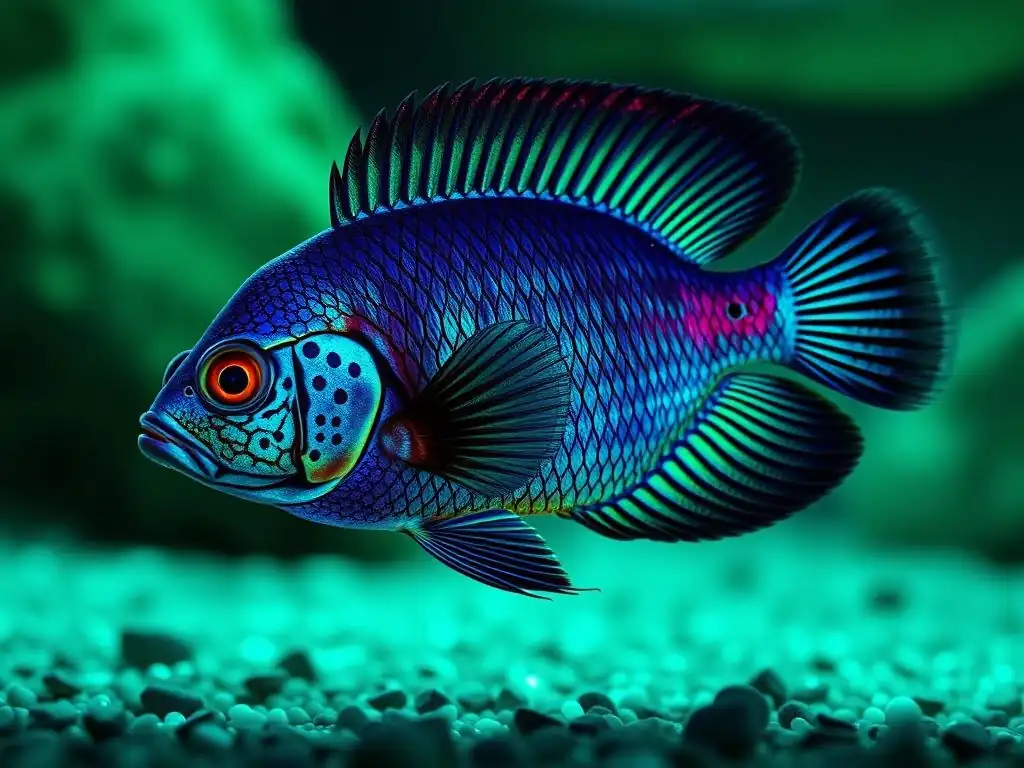
Despite the absence of breeding-related aggression, male-on-male aggression remains a significant challenge in all male peacock cichlid tanks. While generally less intense than Mbuna aggression, peacocks can still exhibit considerable territoriality and dominance disputes. A dominant male might relentlessly harass a weaker or subordinate fish, preventing it from eating, claiming prime hiding spots, and ultimately causing severe stress or even death.
For instance, a large, assertive Aulonocara maylandi (Sulphur Head Peacock) might persistently bully a smaller, more docile Aulonocara hansbaenschi (Red Shoulder Peacock), leading to fin nipping, faded colors, and a suppressed immune system for the victim. Managing this requires careful observation, strategic aquascaping, and sometimes, the difficult decision to rehome an overly aggressive individual or a perpetually bullied one.
Potential for Bullying and Stress: Identifying Problems
The constant presence of aggression, even if mild, can lead to chronic stress for subordinate fish in all male peacock cichlid tanks. Signs of stress include clamped fins, faded coloration, hiding excessively, rapid breathing, and refusal to eat. Chronically stressed fish are highly susceptible to diseases, most notably Malawi Bloat, a severe and often fatal digestive disorder common in cichlids under duress.
Identifying bullying early is crucial. Look for a fish that consistently has torn fins, appears listless, or is always hiding in a corner. If a specific fish is being singled out, its long-term health is at risk. For example, if an Aulonocara jacobfreibergi (Otter Point) is constantly being chased by a more dominant Aulonocara hueseri (Blue Neon), intervention is necessary to prevent severe health decline.
Maintaining Water Quality: Importance of Water Changes
All male peacock cichlid tanks, especially those employing the "overstocking" method to diffuse aggression, inherently carry a higher bioload. Peacock cichlids are also relatively messy eaters, contributing to the rapid accumulation of nitrates and other waste products. This necessitates a rigorous and consistent water change regimen to maintain optimal water quality.
Neglecting water changes can lead to elevated nitrate levels, which stress the fish, suppress their immune systems, and can exacerbate aggression. For a typical 75-gallon all male peacock cichlid tank, weekly water changes of 25-50% are often required. Failing to adhere to this schedule can quickly turn a vibrant display tank into a stressful and unhealthy environment, making diligent maintenance a significant commitment.
Difficulty in Achieving Balance: Creating Harmony
While the concept of all male peacock cichlid tanks is appealing, achieving a truly harmonious balance can be challenging. Each fish has its own unique temperament, and even within the same species, individuals can vary widely in their aggression levels. Finding the right mix of species and individual personalities that coexist peacefully often involves trial and error.
Sometimes, a fish that seemed docile initially may become highly aggressive as it matures or establishes dominance. Conversely, a fish that thrives in one all male peacock cichlid tank might be constantly bullied in another due to different tank mates. This inherent unpredictability means that continuous monitoring and the willingness to adjust stocking (e.g., removing or adding fish) are often necessary to maintain a stable and healthy community.
Factors Influencing Success
Tank Size and Dimensions: Providing Territory
The cornerstone of a successful all male peacock cichlid tank is generous tank size and appropriate dimensions. A minimum of a 75-gallon tank (approximately 48 inches long by 18 inches deep by 21 inches high) is generally recommended for a small group of 6-8 male peacocks. However, larger tanks, such as 125 gallons (72"x18"x21") or even 180 gallons, significantly increase the chances of success by providing more space for each fish to establish territory and escape aggression.
The length and depth of the tank are more critical than its height, as peacocks are horizontal swimmers and benefit from ample floor space. A longer tank allows for more distinct territories to be established and provides more linear swimming paths, which helps to diffuse aggression by preventing dominant fish from easily patrolling the entire tank. This spatial provision is paramount for the well-being of all male peacock cichlid tanks.
Filtration and Water Parameters: Maintaining Water Quality
Robust filtration is non-negotiable for all male peacock cichlid tanks due to their high bioload. It is advisable to use filtration systems rated for at least two to three times the actual tank volume. This often translates to using multiple large hang-on-back filters, a powerful canister filter, or a combination of both. Excellent mechanical filtration will remove particulate waste, while strong biological filtration is essential for converting harmful ammonia and nitrites into less toxic nitrates.
Maintaining specific water parameters is equally vital. Peacock cichlids thrive in hard, alkaline water, mimicking their natural Lake Malawi environment. Target parameters include a pH range of 7.8 to 8.6, a General Hardness (GH) of 10-20 dGH, and a Carbonate Hardness (KH) of 10-15 dKH to provide buffering capacity. The water temperature should be kept stable between 76-82°F (24-28°C). Regular testing and adherence to these parameters are crucial for fish health and stress reduction in all male peacock cichlid tanks.
Decor and Aquascaping: Creating Visual Barriers
Strategic aquascaping is a powerful tool for managing aggression in all male peacock cichlid tanks. The goal is to break up lines of sight and create numerous hiding spots and visual barriers. Using rocks, such as Texas Holey Rock, lava rock, or slate, to form caves, crevices, and arches is highly effective. These structures provide subordinate fish with places to retreat and escape the attention of dominant tank mates.
Avoid creating large, open swimming areas that allow a dominant male to patrol freely and see all other fish. Instead, arrange the decor to create distinct territories and obscure views. For instance, build rock piles that extend from the substrate to near the water surface, offering multiple levels of shelter. This thoughtful arrangement significantly reduces stress and promotes more harmonious interactions within all male peacock cichlid tanks.
Stocking Levels and Species Selection: Choosing Compatibility
Careful consideration of stocking levels and species compatibility is crucial for the success of all male peacock cichlid tanks. While "overstocking" is often employed to diffuse aggression by spreading it among many targets, it must be done carefully and with robust filtration. A general guideline might be one adult male peacock per 10-15 gallons of water, meaning a 75-gallon tank could comfortably house 6-8 males.
When selecting species, prioritize those with similar temperaments and adult sizes. Avoid mixing highly aggressive Peacock species with very docile ones. For example, some Aulonocara species like the Eureka Red can be more assertive than others. Furthermore, never mix Peacocks with Mbuna cichlids in an all male peacock cichlid tank, as Mbuna are typically far more aggressive and have different dietary needs, leading to inevitable conflict and stress.
Choosing the Right Peacock Cichlids
Researching Temperaments: Understanding Aggression
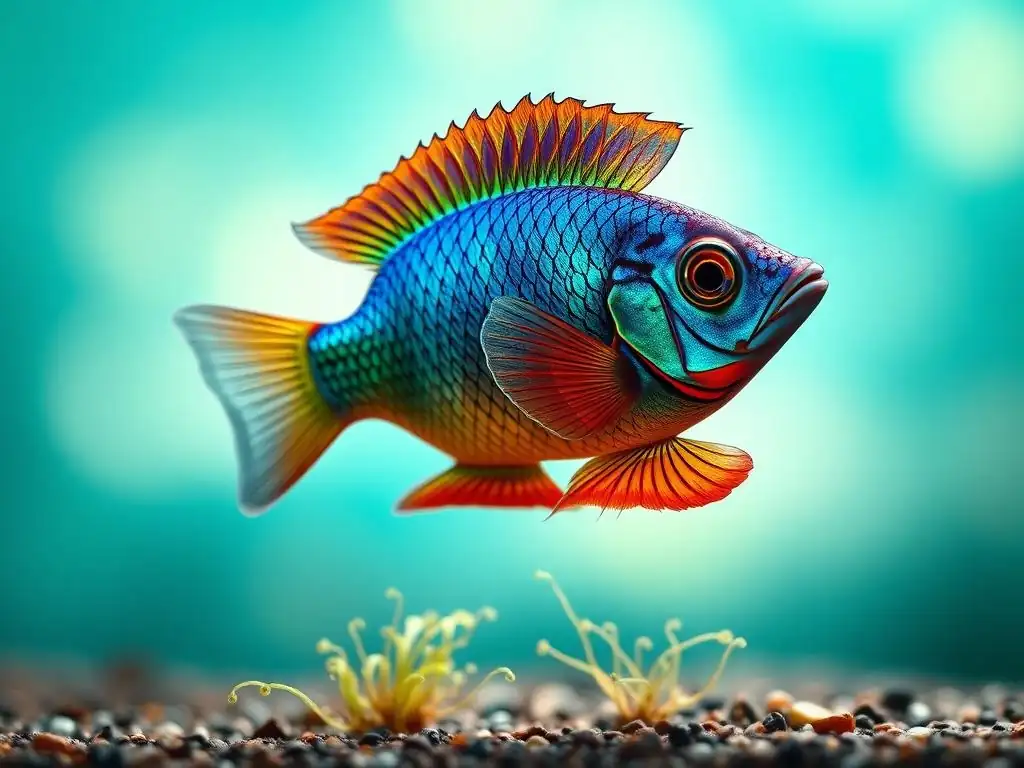
Before purchasing any fish for all male peacock cichlid tanks, thorough research into the specific temperaments of different Aulonocara species is essential. While peacocks are generally considered less aggressive than Mbuna, there is still significant variation within the genus. Some species, such as Aulonocara stuartgranti (e.g., Ngara, Chilumba), can be more assertive and territorial, especially as they mature.
Conversely, species like Aulonocara baenschi (Benga Yellow) or some farmed strains tend to be more docile. Understanding these nuances allows aquarists to make informed decisions and select a group of fish that are more likely to coexist peacefully. Consulting reliable online forums, species profiles, and experienced breeders can provide invaluable insights into the typical aggression levels of various peacock cichlid varieties.
Selecting Compatible Species: Avoiding Aggressive Combinations
The key to a harmonious all male peacock cichlid tank lies in selecting compatible species that share similar size and temperament. Avoid mixing very large or overtly aggressive peacock species with smaller, more timid ones, as this almost guarantees bullying. For instance, pairing a robust, 7-inch Aulonocara korneliae with a delicate 4-inch Aulonocara saulosi is likely to result in the smaller fish being constantly harassed.
Instead, aim for a group of species that will reach similar adult sizes, typically between 4-6 inches. Also, be mindful of similar coloration; sometimes, two males with very similar colors (e.g., two distinct blue species) might clash more frequently as they compete for display. Diversifying colors can sometimes help diffuse aggression by making each male unique. Always avoid mixing peacocks with the generally far more aggressive Mbuna cichlids in all male peacock cichlid tanks.
Quarantine and Observation: Monitoring Health and Behavior
A crucial step often overlooked is quarantining new fish before introducing them to all male peacock cichlid tanks. A dedicated quarantine tank allows new arrivals to be observed for at least 2-4 weeks. During this period, you can monitor them for any signs of disease (e.g., Ich, fin rot, Malawi Bloat), parasites, or unusual behavior. This prevents the introduction of pathogens that could devastate your established community.
Furthermore, the quarantine period provides an opportunity to assess the individual temperament of the new fish. You can observe how it interacts with other temporary tank mates or its reflection, giving you an idea of its potential aggression level. This preliminary observation can help you anticipate potential compatibility issues before the fish is added to the main display.
Introducing Fish Strategically: Minimizing Aggression
When adding new fish to all male peacock cichlid tanks, strategic introduction can significantly minimize aggression. One effective method is to introduce all the fish simultaneously if starting a new tank. This prevents any single fish from establishing a dominant territory before others arrive. If adding fish to an existing setup, consider rearranging the decor and rockwork before introducing the new arrivals. This disrupts existing territories and forces all fish to establish new ones, often diffusing initial aggression.
Another technique is to introduce smaller, less dominant fish first, allowing them to acclimate before adding larger or more assertive individuals. Feeding the existing fish just before introducing new ones can also distract them. These strategies help reduce the stress of integration and increase the likelihood of peaceful coexistence within your all male peacock cichlid tanks.
Managing Aggression
Overstocking (Carefully): Spreading Aggression
The technique of "overstocking" is a common strategy employed in all male peacock cichlid tanks to manage aggression. The principle behind this method is that by having a higher density of fish, aggression is diffused among many targets rather than being concentrated on just one or two individuals. This can prevent a single fish from becoming a perpetual victim of bullying.
However, overstocking must be approached with extreme caution. While it can reduce direct aggression, it significantly increases the bioload on the tank's filtration system. This means that robust filtration and a diligent schedule of large, frequent water changes (e.g., 50% weekly) are absolutely essential to maintain pristine water quality and prevent health issues like Malawi Bloat, which are often triggered by poor water conditions and stress.
Regular Water Changes: Maintaining Water Quality
Regular and substantial water changes are paramount for the health and behavioral well-being of fish in all male peacock cichlid tanks. High nitrate levels, a common byproduct of fish waste and uneaten food, can contribute to stress and increased aggression in cichlids. A consistent schedule of weekly water changes, typically ranging from 25% to 50% of the tank volume, is critical to dilute nitrates and replenish essential minerals.
Clean, stable water parameters reduce overall stress on the fish, strengthening their immune systems and making them less prone to disease. Furthermore, a healthy environment often translates to less agitated and aggressive behavior. Neglecting water changes can quickly lead to a decline in water quality, which in turn exacerbates aggression and increases the risk of illnesses within all male peacock cichlid tanks.
Providing Plenty of Hiding Places: Allowing Escape
Ample hiding places and visual barriers are fundamental to managing aggression in all male peacock cichlid tanks. Every fish in the tank should have multiple options for retreat and escape if they feel threatened or are being chased by a dominant individual. This reduces stress and prevents prolonged bullying, which can be detrimental to a fish's health.
Utilize various rock formations, caves, and even some robust plants (if they are compatible with cichlid digging habits) to create complex aquascapes. The goal is to break up lines of sight across the tank, preventing a dominant fish from surveying and patrolling its entire perceived territory. When a subordinate fish can quickly disappear from view, the aggressor's attention is often diverted, leading to a more peaceful environment.
Monitoring Fish Behavior: Identifying Problems
Constant and diligent monitoring of fish behavior is perhaps the most crucial aspect of managing aggression in all male peacock cichlid tanks. Daily observation allows you to quickly identify potential problems before they escalate. Look for subtle signs of stress or aggression, such as clamped fins, faded coloration, excessive hiding, refusal to eat, or torn fins.
Pay close attention to which fish is the aggressor and which is the victim. If a particular fish is consistently being singled out and harassed, intervention may be necessary. This could involve temporarily removing the aggressor (a "time-out" in a separate tank for a few days to break its dominance), rearranging the decor, or, in severe cases, rehoming one of the fish to ensure the well-being of the entire community.
Alternatives to All-Male Tanks
Mixed-Sex Tanks: Breeding Challenges
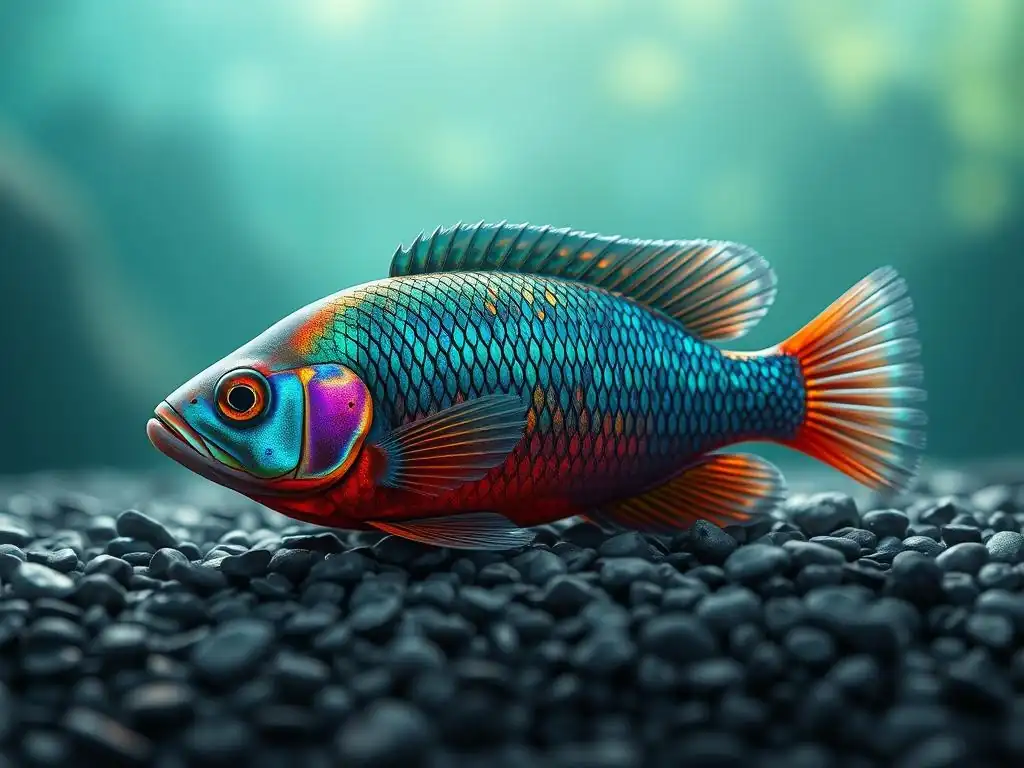
Mixed-sex peacock cichlid tanks offer the opportunity to observe natural breeding behaviors and potentially raise fry. This can be a rewarding experience for aquarists interested in the full life cycle of their fish. However, this setup comes with significant challenges. Males will become highly territorial and aggressive during breeding cycles, often harassing females that are not ready to spawn or are holding eggs.
Overpopulation from successful breeding is a common issue, requiring the aquarist to manage fry, which can quickly overwhelm tank capacity. To mitigate aggression and allow for successful breeding, a proper male-to-female ratio (e.g., one male to three or four females) is crucial, often necessitating a larger tank size than an all male peacock cichlid tank for a comparable number of fish. This often leads to the difficult decision of culling or finding new homes for hundreds of fry.
Species-Only Tanks: Focusing on Single Species
A species-only tank focuses on keeping a single species of peacock cichlid, either as a mixed-sex breeding group or a small group of males. This approach allows the aquarist to concentrate on the specific needs, behaviors, and coloration of one particular Aulonocara species, such as a tank dedicated solely to Aulonocara rubescens (Ruby Red Peacock) or Aulonocara baenschi (Benga Yellow).
The primary benefit is reduced inter-species aggression, as all fish are of the same species and generally have similar temperaments. This can lead to a more stable environment. However, intraspecific aggression (aggression within the same species) still needs to be managed, especially among males. While less visually diverse than a multi-species all male peacock cichlid tank, a species-only setup can be incredibly rewarding for those who want to delve deeply into the nuances of a single peacock variety.
Exploring Other African Cichlid Options: Mbuna and Haps
For aquarists exploring alternatives to all male peacock cichlid tanks, other groups of African cichlids offer distinct characteristics.
- Mbuna Cichlids: These are rock-dwelling cichlids from Lake Malawi, known for their vibrant colors and highly aggressive, territorial nature. They are primarily herbivorous and require a diet rich in spirulina. Mbuna tanks are typically heavily aquascaped with rockwork to provide numerous territories and hiding places. Due to their high aggression and different dietary needs, Mbuna are generally not compatible with Peacock cichlids. A species-specific Mbuna tank or an all-male Mbuna tank often requires more robust aggression management than an all male peacock cichlid tank.
- Haplochromines (Haps): Also from Lake Malawi, Haps are generally larger and more predatory than Peacocks, often exhibiting stunning colors. Their aggression levels vary widely by species, with some being quite peaceful and others highly aggressive. They typically require very large tanks (125 gallons or more) due to their size. While some of the more docile Hap species can sometimes be mixed with Peacock cichlids in very large, well-structured aquariums, careful research and monitoring are essential to ensure compatibility.
Conclusion: Is an All-Male Tank Right for You?
Weighing the Pros and Cons: Making an Informed Decision
Deciding whether all male peacock cichlid tanks are suitable for you involves carefully weighing their distinct advantages against their inherent challenges. On the one hand, these setups offer unparalleled visual splendor, showcasing the most intense and vibrant coloration of male peacocks without the complexities of breeding or the severe aggression often associated with mixed-sex setups. The dynamic social interactions provide a fascinating window into cichlid behavior, making for an engaging display.
However, the cons are significant and demand dedication. Managing male-on-male aggression, preventing bullying, and maintaining pristine water quality due to a higher bioload are constant responsibilities. Achieving a truly harmonious balance can be difficult, requiring continuous monitoring and potentially adjustments to your fish community. Ultimately, all male peacock cichlid tanks are not for the faint of heart but can be incredibly rewarding for the prepared and diligent aquarist.
Tips for Success: Maximizing Chances of Thriving Aquarium
To maximize your chances of success with all male peacock cichlid tanks, several key practices are essential. First, always start with the largest possible tank; a 75-gallon is a minimum, but 125 gallons or more significantly improves stability. Second, invest in over-filtration, ensuring your filter system is rated for at least twice your tank's volume, to handle the heavy bioload. Third, provide abundant hiding places and visual barriers through strategic aquascaping with rocks and caves to diffuse aggression.
Fourth, meticulously research the temperament of each specific peacock species before purchase to ensure compatibility. Fifth, practice careful "overstocking" to spread aggression, but balance this with rigorous, frequent water changes (e.g., 25-50% weekly) to maintain pristine water quality. Finally, commit to daily observation of your fish's behavior and health, being prepared to intervene promptly if bullying or stress becomes apparent.
Further Resources: Links to Relevant Articles.
For more in-depth information on water chemistry specifics, detailed species profiles of individual Aulonocara species, or comprehensive guides on troubleshooting common aquarium issues, consult the extensive collection of articles available on Aquarium Mastery. Exploring these resources will provide valuable knowledge to further enhance your understanding and success in maintaining a thriving freshwater aquarium, whether it's an all male peacock cichlid tank or another captivating setup.
Frequently Asked Questions
What are the primary benefits of keeping an all-male peacock cichlid tank?
The main benefit is the vibrant coloration these fish display when competing for dominance. This creates a visually stunning and active aquarium environment.
What are the biggest challenges associated with all-male peacock cichlid tanks?
The biggest challenge is managing aggression. Careful selection of compatible species and providing ample space and hiding places is crucial.
How large of a tank is generally recommended for an all-male peacock cichlid setup?
A tank of at least 75 gallons is recommended, and larger is better. This provides sufficient space to reduce aggression and establish territories.
What are some key considerations when selecting peacock cichlids for an all-male tank?
Choose individuals of similar size and temperament. Avoid highly aggressive species and select a diverse group to distribute aggression.
What kind of ongoing maintenance is required for an all-male peacock cichlid tank?
Regular water changes are essential to maintain water quality. Consistent monitoring of fish behavior is crucial to address aggression issues promptly.
Final Reflection: The Vibrant Future of All-Male Peacock Cichlid Tanks
The allure of an all-male peacock cichlid tank lies in its explosion of color and dynamic social interactions, a vibrant spectacle that captivates aquarists. However, as we've explored, this beauty comes with its own set of challenges and responsibilities. Understanding these nuances is crucial for the ethical and successful maintenance of such a captivating aquatic ecosystem, ensuring the well-being of these magnificent fish.
The practice of keeping all-male peacock cichlid tanks has undeniably shaped the aquarium hobby, pushing the boundaries of what's considered aesthetically pleasing and behaviorally manageable. My own journey into this realm has been a constant learning experience, reinforcing the importance of diligent research and responsible fishkeeping. The ultimate goal, for me, is to create a thriving environment where these fish can express their natural behaviors in a healthy and sustainable way.
This pursuit of a harmonious balance is what truly elevates the hobby beyond mere decoration.
Now, as you consider the possibility of creating your own all-male peacock cichlid tank, I urge you to reflect on the information presented. Are you prepared to commit to the rigorous demands of maintaining such a complex environment? Can you provide the space, resources, and dedication necessary to ensure the health and happiness of these vibrant creatures? Let your passion for beauty be tempered with a deep sense of responsibility, and together, we can ensure a brighter future for these magnificent fish in our care.
Transform Your Peacock Cichlid Dreams Into Reality
Thanks for diving into the fascinating world of Peacock Cichlids! We hope you’ve gained valuable insights into the challenges and rewards of creating an all-male tank. Now, it's time to take those insights and turn them into action!
- Design your ideal Peacock Cichlid aquascape and start sourcing your rockwork and decorations!
- Delve deeper: Research compatible tank mates beyond just other Peacocks to discover surprising options for a vibrant community.
- Share your dream tank vision! Post a sketch or description on social media using #AquariumMastery and let's discuss how to bring it to life.
What's the single most exciting design element you're envisioning for your Peacock Cichlid paradise?