
Three Stripe Corydoras (C. trilineatus): The Imposter Julii Unveiled

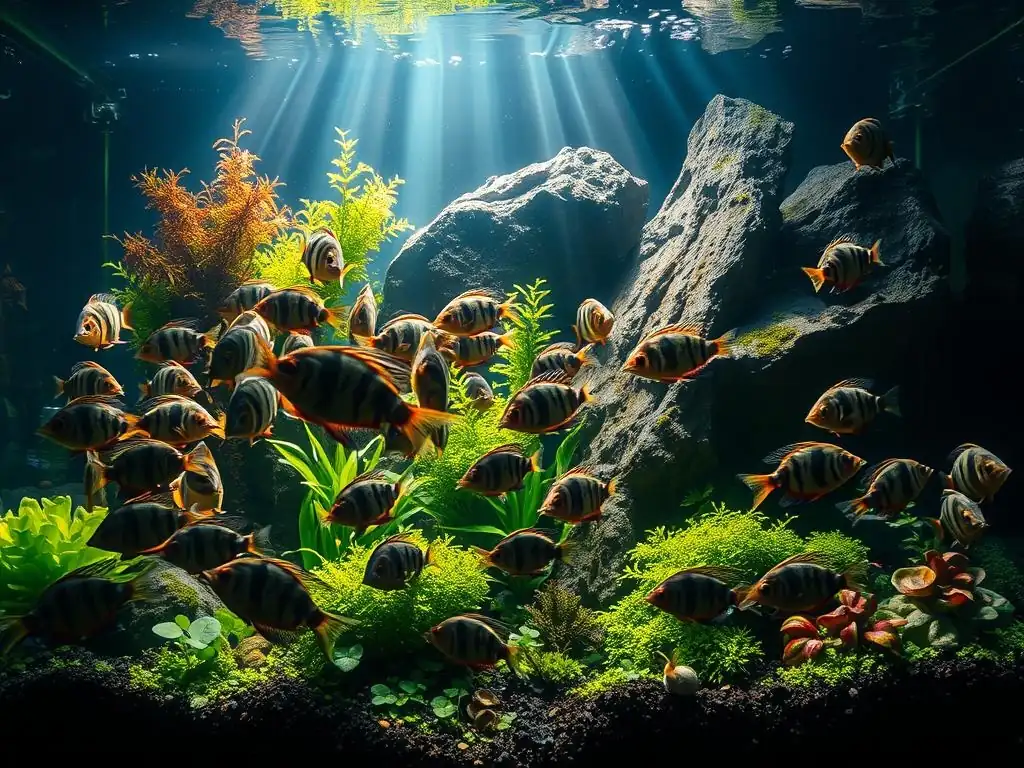
Welcome to Aquarium Mastery!
Ever wondered if the adorable Julii Corydoras you brought home might actually be something else? Dive into our comprehensive guide and unravel the mystery surrounding the Three Stripe Corydoras (C. trilineatus). Learn everything you need to know about their care, tank mates, and how to ensure these captivating bottom-dwellers thrive in your freshwater aquarium. Prepare to become a true Corydoras connoisseur – the secrets await!
- Three Stripe Corydoras (C. trilineatus): The Imposter Julii Unveiled - Aquarium Mastery
- Introduction to the Three Stripe Corydoras: Identifying the True C. trilineatus
- Three Stripe Corydoras Care: Essential Guidelines for a Thriving Aquarium
- Three Stripe Corydoras Tank Mates: Creating a Peaceful Community
- Three Stripe Corydoras Behavior and Temperament
- Three Stripe Corydoras Breeding: A Challenging but Rewarding Endeavor
- Common Three Stripe Corydoras Health Issues and Prevention
- Distinguishing Three Stripe Corydoras from Other Corydoras Species
- Where to Buy Three Stripe Corydoras and What to Look For
- Advanced Three Stripe Corydoras Care Tips for Experienced Aquarists
- Conclusion: Mastering Three Stripe Corydoras Care for a Vibrant Aquarium
-
Frequently Asked Questions
- What are the key differences between Three Stripe Corydoras ( Corydoras trilineatus ) and Julii Corydoras ( Corydoras julii )?
- What are the ideal water parameters for Three Stripe Corydoras in an aquarium setting?
- What type of substrate is best suited for Three Stripe Corydoras, considering their bottom-dwelling habits?
- What is the recommended diet for Three Stripe Corydoras, and how often should they be fed?
- Are Three Stripe Corydoras schooling fish, and how many should be kept together in an aquarium?
- Final Reflection: Appreciating the Subtle Beauty of the Underdog
- Unleash the Cory Detective in You!
Three Stripe Corydoras (C. trilineatus): The Imposter Julii Unveiled - Aquarium Mastery
Introduction to the Three Stripe Corydoras: Identifying the True C. trilineatus
The Confusion: Three Stripe Corydoras vs. Julii Corydoras (C. julii)
The aquatic hobby frequently encounters instances of mistaken identity, and few are as persistent as the confusion between the Three Stripe Corydoras ( Corydoras trilineatus) and the true Julii Corydoras ( Corydoras julii). While both species share a similar overall body shape and a spotted pattern, their markings exhibit distinct differences upon closer inspection. The vast majority of "Julii Corydoras" sold in the aquarium trade are, in fact, C. trilineatus, leading to widespread misidentification among aquarists and even retailers.
The primary visual differentiator lies in their spot patterns. C. trilineatus typically displays a reticulated or net-like pattern of dark markings over a lighter body, often with a prominent dark stripe running along the lateral line. The spots on C. trilineatus are usually larger and more irregularly shaped, sometimes merging to form short, broken lines.
In contrast, the true C. julii possesses smaller, more distinct, and uniformly round spots that do not typically connect to form a reticulated pattern, and its lateral line stripe is often less pronounced or absent. Understanding these subtle but crucial distinctions is the first step in providing optimal Three stripe corydoras care.
Why Accurate Identification Matters for Three Stripe Corydoras Care
Accurate identification is paramount for providing appropriate Three stripe corydoras care, ensuring the long-term health and well-being of these charming bottom dwellers. While C. trilineatus and C. julii share many general care requirements, slight differences in their natural habitats and specific needs can impact their thriving in a captive environment. Misidentification can lead to incorrect expectations regarding size, temperament, or even subtle water parameter preferences, potentially causing stress or health issues.
Furthermore, correct identification is vital for those interested in breeding or maintaining species-specific tanks. Ensuring you have a true group of Corydoras trilineatus means you can research and apply specific breeding triggers and conditions tailored to their known reproductive patterns, rather than relying on generalized information that might not apply to your specific fish. Proper Three stripe corydoras care begins with knowing exactly what species you are welcoming into your aquarium, allowing for targeted environmental enrichment and dietary provisions.
Three Stripe Corydoras Care: Essential Guidelines for a Thriving Aquarium
Optimal Aquarium Setup for Three Stripe Corydoras
Tank Size Recommendations for Corydoras trilineatus
When planning for Corydoras trilineatus, tank size is a critical component of excellent Three stripe corydoras care. These fish are highly social and thrive in groups, with a minimum recommended schooling size of six individuals. For a group of 6-8 Three Stripe Corydoras, a tank of at least 20 gallons (approximately 75 liters) is advisable. However, it's more important to consider the tank's footprint rather than its height, as these fish primarily inhabit the bottom of the aquarium. A 20-gallon long tank, for example, offers a larger bottom surface area than a 20-gallon high, providing more foraging space.
For larger groups or community setups including other peaceful species, a 30-gallon (approx. 113 liters) or 40-gallon (approx. 150 liters) breeder tank would be even more beneficial. The increased bottom space allows for more comfortable schooling, reduces competition for food and territory, and generally contributes to lower stress levels among the fish. Adequate space is fundamental to successful Three stripe corydoras care, promoting natural behaviors and overall vitality.
Substrate and Decoration Preferences for Three Stripe Corydoras
The choice of substrate is perhaps one of the most crucial elements in Three stripe corydoras care, directly impacting their delicate barbels. These fish are constantly sifting through the substrate with their barbels in search of food. Therefore, a fine, soft substrate such as sand or very smooth, small-grain gravel (ideally 0.5mm to 2mm in diameter) is essential. Coarse or sharp gravel can abrade their barbels, leading to infections and difficulty feeding, which can severely compromise their health.
Beyond substrate, providing ample hiding spots and visual breaks is important for C. trilineatus. Incorporate driftwood, smooth river rocks, and dense plantings. Live plants like Java Fern, Anubias, and various Cryptocorynes are excellent choices as they provide cover and help maintain water quality. Ensure that any decorations have no sharp edges and are securely placed to prevent accidental injury. Thoughtful decoration creates an enriching environment that mimics their natural habitat, contributing significantly to optimal Three stripe corydoras care.
Water Parameters for Three Stripe Corydoras: Maintaining a Healthy Environment
Ideal Temperature and pH for C. trilineatus
Maintaining stable and appropriate water parameters is fundamental to effective Three stripe corydoras care. Corydoras trilineatus originates from tropical South American waters and thrives in temperatures ranging from 72°F to 79°F (approximately 22°C to 26°C). Fluctuations outside this range can cause stress and weaken their immune systems, making them susceptible to disease. A reliable aquarium heater with a thermostat is crucial for maintaining a consistent temperature.
Regarding pH, these corydoras prefer slightly acidic to neutral water, with an ideal range of 6.0 to 7.5. While they can tolerate a slightly wider range, consistency is more important than hitting an exact number. Sudden shifts in pH can be more detrimental than a stable pH slightly outside the "ideal." Regular testing of pH, temperature, ammonia, nitrite, and nitrate levels is non-negotiable for comprehensive Three stripe corydoras care.
Importance of Water Changes for Three Stripe Corydoras
Regular water changes are a cornerstone of maintaining pristine water quality, which is critical for the long-term health of Three Stripe Corydoras. These fish, like all aquatic inhabitants, produce waste that breaks down into ammonia, nitrite, and eventually nitrate. While a mature biological filter converts ammonia and nitrite to less toxic nitrate, nitrates accumulate over time and can become harmful at elevated levels.
For most established C. trilineatus aquariums, a weekly water change of 25-30% is recommended. This routine helps to dilute accumulated nitrates, replenish essential minerals, and remove other dissolved organic compounds that can build up. Always ensure that the replacement water is dechlorinated and temperature-matched to prevent shock. Consistent water changes are a simple yet profoundly effective aspect of Three stripe corydoras care, preventing stress and promoting a robust immune system.
Three Stripe Corydoras Diet and Feeding Habits
What to Feed Your Corydoras trilineatus
Three Stripe Corydoras are omnivorous scavengers, and providing a varied and nutritious diet is a key aspect of their care. While they will happily consume leftover flakes or pellets that sink to the bottom, their primary diet should consist of high-quality sinking foods specifically designed for bottom feeders. This ensures they receive adequate nutrition without competition from mid-water or surface dwellers.
Excellent dietary staples include high-quality sinking pellets, wafers, and granules. Supplement these with frozen foods such such as bloodworms, brine shrimp, and daphnia, offered 2-3 times per week. Live foods like grindal worms or micro-worms can also be offered periodically as a treat and to encourage natural foraging behaviors. Always ensure food reaches the bottom of the tank where C. trilineatus can access it, as they are not efficient at retrieving food from the water column.
Feeding Schedule and Quantity for Optimal Health
Establishing a consistent feeding schedule and providing appropriate quantities are vital for optimal Three stripe corydoras care. It is generally recommended to feed Corydoras trilineatus once or twice daily. The amount of food should be small enough to be consumed entirely within 2-3 minutes. Overfeeding can lead to poor water quality, as uneaten food decomposes and contributes to ammonia and nitrate spikes, which are detrimental to their health.
Observe your fish during feeding times to ensure all individuals are getting enough food. If you notice some fish are not reaching the food, you may need to distribute it more widely or offer it at multiple points in the tank. A healthy C. trilineatus will have a slightly rounded belly after feeding, but not appear bloated. Adjust feeding amounts based on the number of fish, their activity level, and the overall cleanliness of your tank.
Three Stripe Corydoras Tank Mates: Creating a Peaceful Community
Compatible Fish for Three Stripe Corydoras
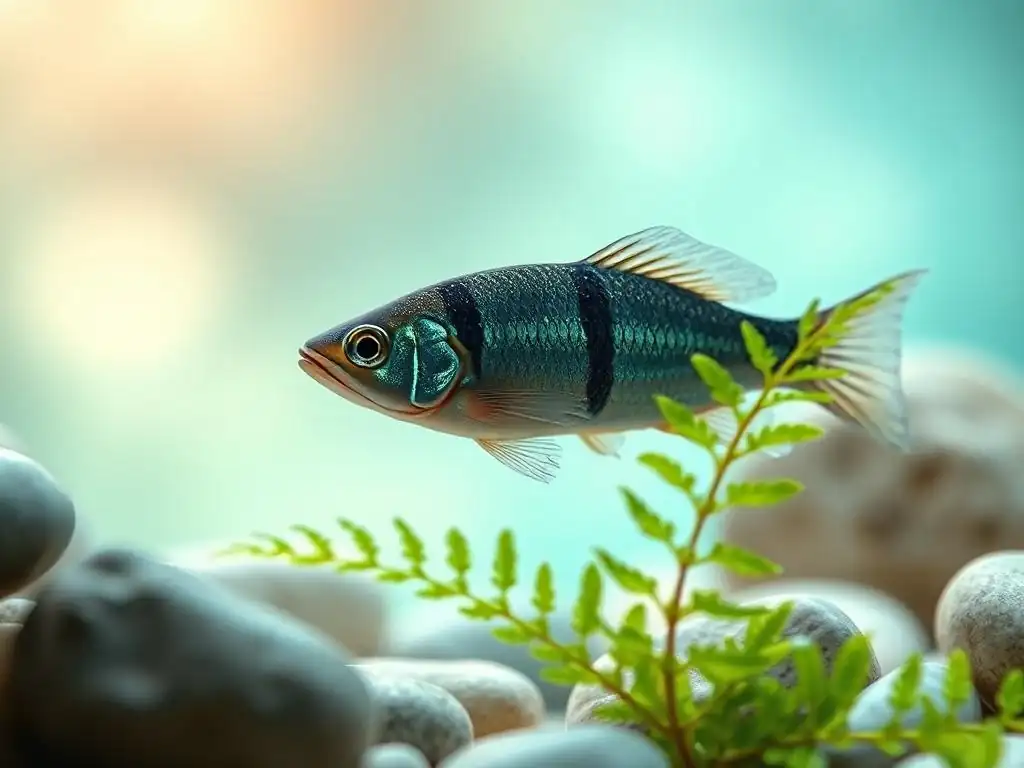
When selecting tank mates for Three Stripe Corydoras, the primary considerations for optimal Three stripe corydoras care are peacefulness and size. Corydoras trilineatus are incredibly docile fish that will not bother other tank inhabitants, but they can be easily intimidated or outcompeted for food by more aggressive or boisterous species. Ideal tank mates are small to medium-sized, peaceful, and preferably occupy the mid-to-upper levels of the water column.
Excellent choices include various small schooling tetras such as Neon Tetras ( Paracheirodon innesi), Ember Tetras ( Hyphessobrycon amandae), or Rummy-Nose Tetras ( Hemigrammus bleheri). Similarly, peaceful rasboras like Harlequin Rasboras ( Trigonostigma heteromorpha) or Chili Rasboras ( Boraras brigittae) make great companions. Small, peaceful gouramis (e.g., Dwarf Gourami, Trichogaster lalius) and other small, community-friendly catfish like Otocinclus catfish ( Otocinclus affinis) are also suitable. Ensure any chosen tank mates have similar water parameter requirements to ensure harmony and health within the aquarium.
Fish to Avoid Keeping with Corydoras trilineatus
To ensure the best Three stripe corydoras care, it's equally important to know which fish to avoid. Any large, aggressive, or predatory species should be excluded from a C. trilineatus tank. This includes most cichlids, with the exception of some very small, peaceful dwarf cichlids like Apistogramma species, which still require careful monitoring. Large angelfish or gouramis can also pose a threat, especially to smaller or juvenile corydoras.
Fin-nipping species, such as Tiger Barbs ( Puntius tetrazona), should also be avoided, as their boisterous nature and tendency to nip fins can stress out the peaceful corydoras. Furthermore, any fish that are significantly larger than the corydoras and have a wide mouth could potentially view them as prey. Prioritizing peaceful and appropriately sized tank mates will prevent stress, injury, and ensure your Three Stripe Corydoras thrive.
Three Stripe Corydoras Behavior and Temperament
The social nature of Corydoras trilineatus is a defining characteristic and a crucial aspect of providing proper Three stripe corydoras care. These fish are highly gregarious and thrive when kept in groups. A minimum group size of six individuals is generally recommended, though larger groups of 10 or more will exhibit more natural and active schooling behaviors. When kept alone or in very small numbers (e.g., 2-3 individuals), Three Stripe Corydoras can become shy, stressed, and withdrawn, often hiding more and displaying less active foraging.
In a well-established group, C. trilineatus will actively forage together, sifting through the substrate in unison, and often resting in small clusters. They communicate through subtle body language and can be observed interacting peacefully with each other. This schooling instinct provides a sense of security and contributes significantly to their overall well-being. Observing their social interactions is one of the most rewarding aspects of Three stripe corydoras care.
Observing Healthy Three Stripe Corydoras Behavior
Recognizing healthy behavior in Corydoras trilineatus is essential for early detection of potential issues, a key part of proactive Three stripe corydoras care. Healthy Three Stripe Corydoras are typically active bottom dwellers, constantly moving about, sifting through the substrate with their barbels, and searching for food. They should appear alert and responsive to their environment.
When resting, they often settle on the substrate or on broad plant leaves, but they should quickly become active again when food is introduced or if they sense movement outside the tank. Their schooling behavior should be evident, with individuals often congregating together. Any signs of lethargy, hiding excessively, rapid gill movement, clamped fins, or unusual swimming patterns (e.g., darting erratically or struggling to stay upright) are indicators that something might be amiss and warrant immediate investigation of water parameters and general tank conditions.
Three Stripe Corydoras Breeding: A Challenging but Rewarding Endeavor
Setting Up a Breeding Tank for Three Stripe Corydoras
Breeding Three Stripe Corydoras can be a challenging but highly rewarding experience for the dedicated aquarist, requiring specialized Three stripe corydoras care. A dedicated breeding tank, typically 10-20 gallons (approx. 38-75 liters), is recommended to increase the chances of successful spawning and fry survival. This tank should be simple, with a bare bottom or a very thin layer of fine sand for easy cleaning and egg collection.
Provide plenty of spawning sites, such as spawning mops (made from synthetic yarn), broad-leafed plants like Anubias or Java Fern, or even a piece of PVC pipe. Good filtration with a gentle sponge filter is ideal, as it provides biological filtration without creating strong currents that could harm eggs or fry. Ensure the breeding tank is fully cycled and maintained with pristine water quality, mirroring the ideal parameters for adult C. trilineatus.
Triggering Spawning in Corydoras trilineatus
Triggering spawning in Corydoras trilineatus often involves simulating conditions that mimic their natural breeding season in the wild, a specific application of advanced Three stripe corydoras care. A classic method involves performing large, cool water changes. Begin with a 50-75% water change using water that is 2-4°F (1-2°C) cooler than the tank water. This often mimics the influx of cooler rainwater during the wet season. Repeat these cool water changes daily or every other day.
Concurrently, increase the frequency and protein content of their diet. Offer live or frozen foods such as bloodworms, brine shrimp, and daphnia several times a day. A common ratio for breeding groups is 2-3 males for every female, as multiple males often encourage the female to spawn. Observing the classic "T-position" where the male fertilizes eggs held by the female indicates successful spawning.
Raising Three Stripe Corydoras Fry
Raising Three Stripe Corydoras fry requires diligent attention and specific Three stripe corydoras care to ensure their survival. Once eggs are laid, they are typically adhesive and can be found on tank glass, plants, or spawning mops. It's often best to remove the adult fish after spawning to prevent them from eating the eggs. The eggs usually hatch within 3-5 days, depending on temperature.
Newly hatched fry are tiny and rely on their yolk sacs for the first 2-3 days. Once free-swimming, they require microscopic foods. Infusoria, liquid fry food, or very fine powdered fry food are suitable initial diets. After about a week, they can graduate to newly hatched brine shrimp or micro-worms. Perform small, frequent water changes (10-15% daily) to maintain pristine water quality, which is critical for fry development. Overfeeding is a common cause of fry mortality, so feed small amounts multiple times a day.
Common Three Stripe Corydoras Health Issues and Prevention
Recognizing Symptoms of Illness in C. trilineatus
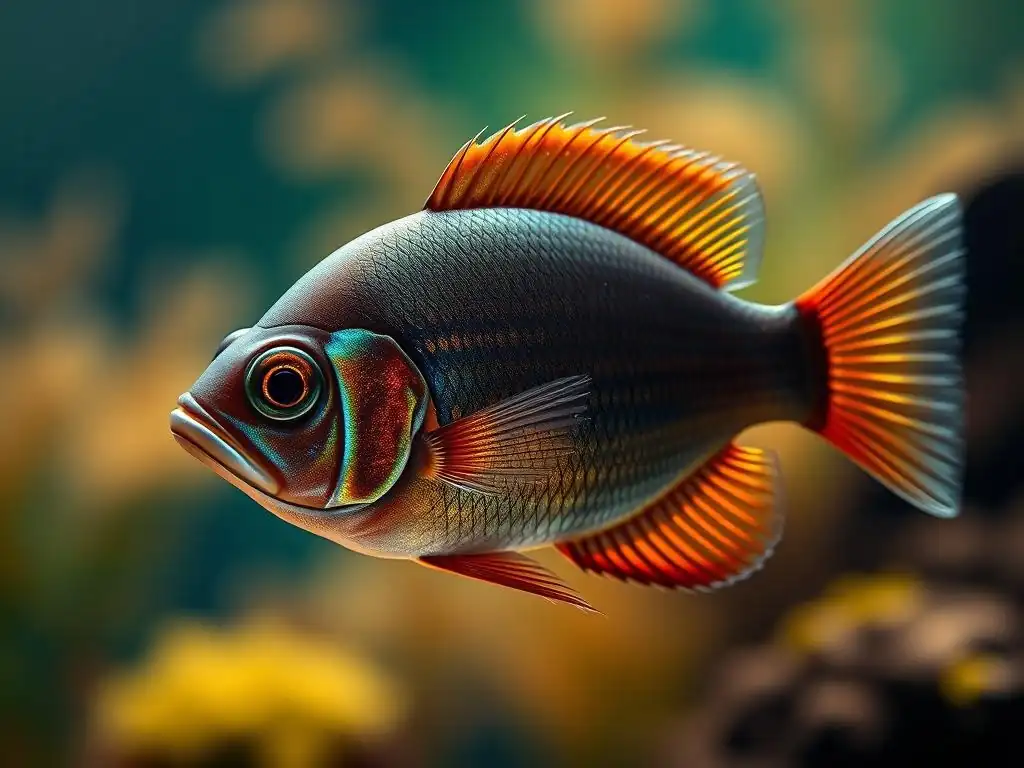
Early recognition of illness symptoms is a critical aspect of effective Three stripe corydoras care, allowing for timely intervention. Healthy Corydoras trilineatus are active, have clear eyes, intact barbels, and show no signs of external lesions or discoloration. Symptoms of illness can include lethargy, loss of appetite, hiding more than usual, clamped fins (fins held close to the body), or rapid gill movement.
Specific external signs to look for include white spots (Ich or Ichthyophthirius multifiliis), fuzzy white growths (fungal infections), red sores or lesions (bacterial infections), or frayed fins. Observe their swimming patterns; erratic darting, struggling to maintain buoyancy, or persistent swimming at the surface (unless gulping air, which is normal) can indicate internal issues or poor water quality. Any deviation from normal behavior warrants immediate investigation.
Preventing Common Diseases in Three Stripe Corydoras
Prevention is always better than cure, and this holds true for Three stripe corydoras care. The vast majority of health issues in C. trilineatus stem from poor water quality, inadequate diet, or stress. Maintaining stable water parameters within their ideal range (temperature, pH, zero ammonia/nitrite, low nitrates below 20 ppm) through regular water changes and proper filtration is the single most important preventative measure.
Providing a varied, high-quality diet ensures they receive all necessary nutrients, strengthening their immune system. Avoiding overcrowding and ensuring compatible tank mates reduces stress. Quarantining new fish for 2-4 weeks in a separate tank before introducing them to the main aquarium is also highly recommended. This prevents the introduction of diseases and parasites that new fish might carry.
Treating Sick Three Stripe Corydoras
When a Three Stripe Corydoras shows signs of illness, prompt and appropriate treatment is essential. The first step in any treatment protocol for Three stripe corydoras care is to check and correct water parameters. Often, improving water quality alone can resolve minor issues. If water parameters are optimal and symptoms persist, consider isolating the sick fish in a separate hospital tank. This prevents the spread of disease to other tank mates and allows for targeted treatment without affecting the main display tank's biological filter or plants.
Identify the specific disease if possible (e.g., Ich, bacterial infection, fungal infection) and use appropriate aquarium-safe medication following the manufacturer's instructions precisely. For external parasites like Ich, increasing the tank temperature gradually (if suitable for other inhabitants) and adding aquarium salt can be effective. For bacterial or fungal infections, broad-spectrum antibiotics or antifungals may be necessary. Always remove carbon filtration when medicating, as it will absorb the medication.
Distinguishing Three Stripe Corydoras from Other Corydoras Species
Key Differences: C. trilineatus vs. C. julii vs. C. leopardus
Distinguishing Corydoras trilineatus from its close look-alikes, C. julii and C. leopardus, is a common challenge that impacts accurate Three stripe corydoras care. The true C. julii is rare in the hobby and features smaller, more distinct, and uniformly round spots across its body, often without the prominent lateral line stripe or reticulated pattern seen in C. trilineatus. The spots on C. julii rarely merge, maintaining their individual integrity.
C. leopardus, while also having a spotted pattern, typically has larger, more irregularly shaped spots that are less dense than those on C. trilineatus. Its body shape can also appear slightly more elongated, and its markings tend to be more scattered rather than forming a distinct reticulated network. Understanding these subtle visual cues is key to correct identification and ensuring you are applying the right Three stripe corydoras care.
Visual Cues for Identifying Three Stripe Corydoras
When attempting to identify a Three Stripe Corydoras ( C. trilineatus), focus on specific visual cues. The most reliable indicator is the distinctive "netting" or reticulated pattern of dark markings on its body, particularly noticeable on the upper flanks. These markings often coalesce into short, broken lines or a maze-like design. A prominent, dark, continuous stripe typically runs along the lateral line, contrasting with the lighter body color.
Another cue is the presence of a dark spot at the base of the dorsal fin, which is often a defining feature. The spots on the head and body tend to be larger and more irregular compared to the smaller, discrete spots of the true C. julii. By carefully observing these patterns, aquarists can confidently identify their C. trilineatus and apply the appropriate Three stripe corydoras care, ensuring their specific needs are met.
Where to Buy Three Stripe Corydoras and What to Look For
Finding Healthy Corydoras trilineatus for Your Aquarium
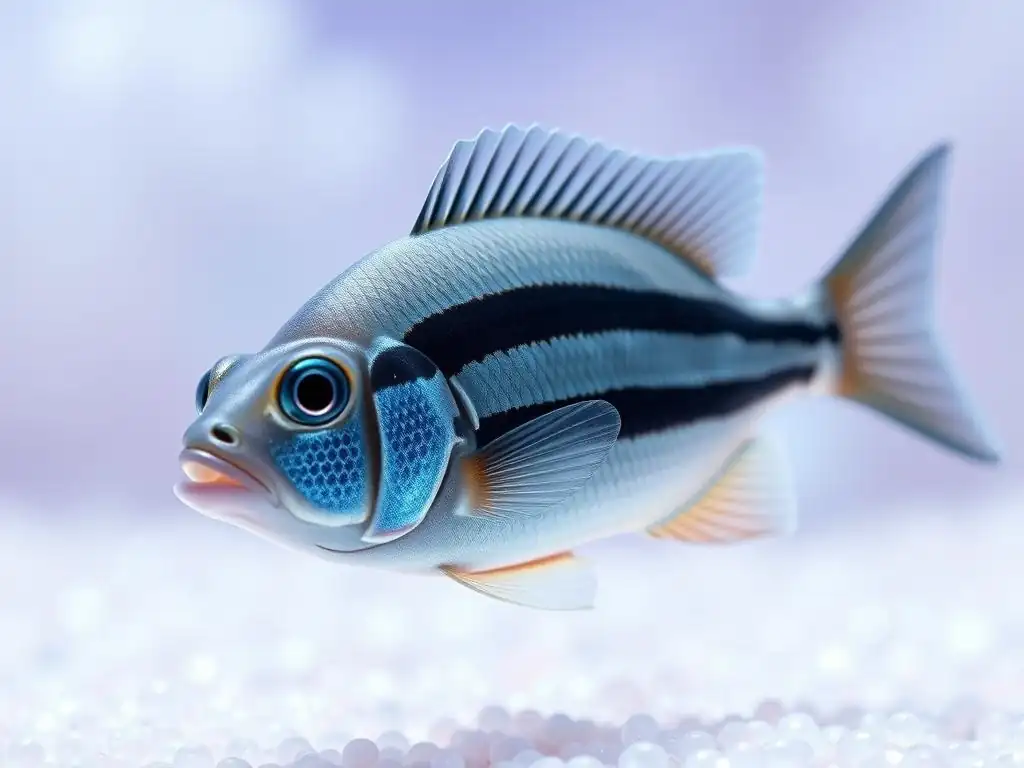
When acquiring Three Stripe Corydoras, sourcing healthy individuals is paramount for successful Three stripe corydoras care. Look for reputable local fish stores or online suppliers that have a good track record for healthy fish and proper husbandry. Inquire about the origin of the fish – whether they are wild-caught or captive-bred. Captive-bred fish are generally preferred as they are often more accustomed to aquarium conditions and less prone to stress and disease.
Before purchasing, observe the fish carefully. Healthy Corydoras trilineatus should be active, alert, and constantly sifting the substrate if present. Their fins should be erect and undamaged, and their barbels should be intact and not eroded. Avoid fish that are lethargic, clamped-finned, have visible sores, fuzzy growths, or white spots. Also, ensure they are kept in a clean, well-maintained tank at the store, as this indicates good care practices.
Ensuring Ethical Sourcing of Three Stripe Corydoras
Ensuring ethical sourcing is an increasingly important aspect of responsible Three stripe corydoras care. If purchasing wild-caught Corydoras trilineatus, inquire about the sustainability of their collection methods. Responsible suppliers will often provide information about their collection practices and efforts to minimize environmental impact. Supporting sustainable wild-caught fisheries helps protect natural populations and their habitats.
For captive-bred fish, ethical sourcing involves ensuring that the breeders maintain high standards of animal welfare, including clean tanks, appropriate diets, and humane handling. While it can be challenging to verify every detail, choosing established and well-regarded suppliers contributes to promoting ethical practices throughout the aquarium trade. Prioritizing healthy and ethically sourced fish sets the foundation for excellent Three stripe corydoras care in your home aquarium.
Advanced Three Stripe Corydoras Care Tips for Experienced Aquarists
Optimizing Water Chemistry for Enhanced Health
For experienced aquarists looking to take their Three stripe corydoras care to the next level, optimizing water chemistry beyond basic parameters can yield enhanced health and vitality. While C. trilineatus tolerates a range of pH (6.0-7.5) and hardness, fine-tuning these aspects can mimic their natural Amazonian soft, acidic water conditions more closely. This can be particularly beneficial for encouraging breeding or for fish that show signs of chronic stress in harder water.
Using reverse osmosis (RO) water remineralized with products specifically designed for soft water fish allows precise control over water hardness and mineral content. Adding botanicals like Indian almond leaves or alder cones can slowly release tannins, slightly lowering pH and providing beneficial humic substances that mimic their blackwater habitats, potentially boosting their immune system and enhancing their natural coloration. Always make gradual changes to avoid shocking the fish.
Breeding for Specific Traits in Three Stripe Corydoras
Advanced Three stripe corydoras care can extend to selective breeding, a fascinating endeavor for dedicated hobbyists. While C. trilineatus are not typically bred for specific color morphs like some other fish, experienced aquarists might focus on breeding for robust health, increased size, or prolific spawning. This involves carefully selecting the healthiest, most active individuals with desirable traits for your breeding group.
Maintaining detailed breeding logs, including dates of spawning, number of eggs, and fry survival rates, allows for tracking lineage and identifying the most successful breeding pairs. Experimenting with various conditioning diets and subtle environmental triggers (e.g., precise temperature drops, specific lighting cycles) can further refine breeding success. This level of dedication contributes not only to personal satisfaction but also to the broader understanding and conservation of the species within the hobby.
Conclusion: Mastering Three Stripe Corydoras Care for a Vibrant Aquarium
The Joys of Keeping Corydoras trilineatus
Mastering Three stripe corydoras care opens the door to experiencing the immense joys of keeping these delightful and engaging bottom dwellers. Corydoras trilineatus, often mistaken for the Julii Corydoras, are peaceful, active, and social fish that add dynamic movement and charm to any freshwater community aquarium. Their constant foraging, schooling behavior, and interaction with their environment make them a captivating subject for observation.
Beyond their aesthetic appeal, the satisfaction of providing optimal Three stripe corydoras care lies in witnessing their vibrant health, natural behaviors, and even the rewarding challenge of breeding them. They are hardy fish when their fundamental needs are met, making them an excellent choice for both novice and experienced aquarists committed to providing a stimulating and healthy environment.
Further Resources for Three Stripe Corydoras Enthusiasts
For those passionate about providing the best possible Three stripe corydoras care and delving deeper into the specifics of Corydoras trilineatus, numerous resources are available. Online forums and dedicated corydoras enthusiast groups offer invaluable insights from experienced keepers, often providing real-world tips on advanced care, breeding techniques, and troubleshooting specific issues.
Specialized aquarium books and scientific journals focusing on South American fish species can provide detailed information on their natural habitats, dietary preferences, and reproductive biology. Reputable aquarium websites, like Aquarium Mastery, will continue to offer in-depth guides and articles, ensuring you have access to the latest and most accurate information to keep your Three Stripe Corydoras thriving for years to come.
Frequently Asked Questions
What are the key differences between Three Stripe Corydoras ( Corydoras trilineatus ) and Julii Corydoras ( Corydoras julii )?
The most significant difference lies in their spot pattern. Julii Corydoras exhibit small, well-defined spots on their head, while Three Stripe Corydoras feature a reticulated, maze-like pattern. This makes visual identification relatively straightforward once you know what to look for.
What are the ideal water parameters for Three Stripe Corydoras in an aquarium setting?
Three Stripe Corydoras thrive in slightly acidic to neutral water. Aim for a pH between 6.0 and 7.5, a temperature range of 72-78°F (22-26°C), and keep the water clean and well-oxygenated.
What type of substrate is best suited for Three Stripe Corydoras, considering their bottom-dwelling habits?
A smooth, sandy substrate is highly recommended. This prevents damage to their delicate barbels as they sift through the substrate in search of food. Avoid sharp gravel or coarse materials.
What is the recommended diet for Three Stripe Corydoras, and how often should they be fed?
They are omnivores and enjoy a varied diet. Offer sinking pellets, flake food, frozen foods (like bloodworms and daphnia), and the occasional algae wafer. Feed them once or twice daily in small portions.
Are Three Stripe Corydoras schooling fish, and how many should be kept together in an aquarium?
Yes, they are schooling fish and feel most secure in groups. It's best to keep at least 6 or more Three Stripe Corydoras together. This helps reduce stress and encourages their natural behaviors.
Final Reflection: Appreciating the Subtle Beauty of the Underdog
The journey to understand the true identity of the Three Stripe Corydoras reveals more than just the proper fish to purchase; it highlights the importance of accurate identification and responsible aquarium keeping in a world often driven by fleeting trends. Misidentification, as we've seen, can lead to inappropriate care and ultimately, a less-than-ideal life for these fascinating creatures.
This deeper dive into the C. trilineatus underscores the beauty of appreciating the nuances often overlooked in favor of the more popular C. julii. It reminds us that every creature, regardless of its perceived rarity or market value, deserves our respect and informed care. In the end, we will conserve only what we love; we will love only what we understand; and we will understand only what we are taught.
- Baba Dioum's words resonate deeply, urging us to continuously learn and share our knowledge to foster a greater appreciation for the natural world, even within our own aquariums.
Now, armed with this knowledge, I invite you to reflect on your own role in the aquarium hobby. Are you truly seeing the fish before you, or are you simply accepting labels at face value? Take the time to observe, to research, and to understand the unique needs of each creature under your care. By doing so, you not only enhance their lives but also enrich your own experience, fostering a deeper connection with the delicate ecosystems we strive to recreate within our glass boxes.
Unleash the Cory Detective in You!
Thank you for diving deep into the world of Corydoras trilineatus! We hope you've gained a newfound appreciation for these fascinating fish and the subtle art of distinguishing them from their C. julii cousins. Ready to put your knowledge to the test?
- Now that you know the secrets, confidently identify the C. trilineatus at your local fish store and proudly share your expertise!
- Photograph your own Corydoras and compare them to reference images online to solidify your ID skills.
- Share this article with fellow aquarium enthusiasts and start a conversation about the "imposter Julii" in their tanks.
Which distinguishing feature helped you finally tell the difference between C. trilineatus and C. julii? Share your "aha!" moment in the comments below!