
The Ultimate Beginner's Guide to Keeping Happy Corydoras Catfish

Welcome to Aquarium Mastery!
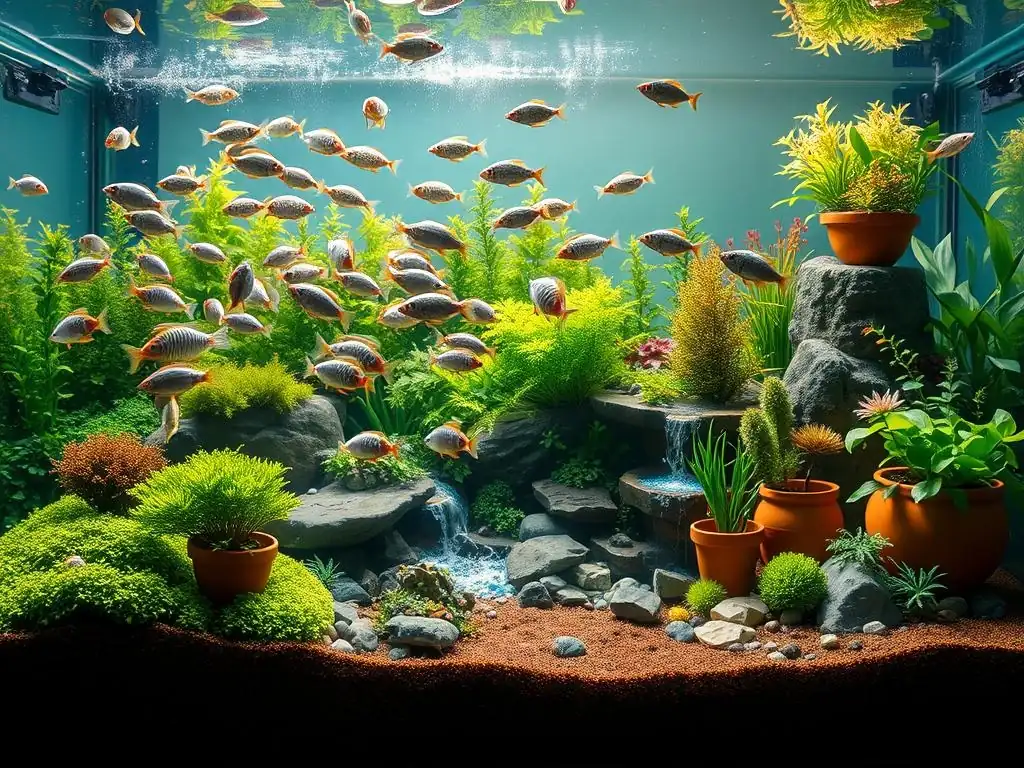
Ever wondered how to create a thriving underwater paradise where your Corydoras catfish can truly flourish? Dive in and discover the secrets to a Happy Corydoras Tank Setup in our comprehensive guide. Get ready to unlock the key to keeping these adorable bottom-dwellers healthy, active, and utterly delighted – the journey to aquarium mastery starts here!
- Introduction: Why Corydoras Catfish Make Great Aquarium Inhabitants
- Understanding Corydoras Catfish: Species Overview and Natural Habitat
-
Happy Corydoras Tank Setup: Creating the Perfect Environment
- Tank Size for Corydoras: How Many Corydoras Can You Keep?
- Substrate Selection for Corydoras: Sand vs. Gravel
- Water Parameters for Corydoras: Temperature, pH, and Hardness
- Filtration for Corydoras: Maintaining Pristine Water Quality
- Lighting for Corydoras: Providing a Comfortable Environment
- Plants and Decorations for Corydoras: Creating a Natural and Safe Habitat
- Corydoras Care: Ensuring a Healthy and Thriving School
- Corydoras Tank Mates: Choosing Compatible Species
- Corydoras Health: Identifying and Treating Common Diseases
- Encouraging Corydoras Breeding: A Step-by-Step Guide
- Troubleshooting Common Corydoras Problems
- Advanced Corydoras Keeping: Taking Your Care to the Next Level
- Conclusion: Enjoying Your Happy and Healthy Corydoras
-
Frequently Asked Questions
- How do I create a happy corydoras tank setup for my new Corydoras catfish?
- What are the ideal water parameters for a happy corydoras tank setup?
- What should I feed my Corydoras in my happy corydoras tank setup?
- What are some common problems that can arise in a happy corydoras tank setup and how can I prevent them?
- How many Corydoras should I keep in my happy corydoras tank setup?
- Final Reflection: Nurturing Underwater Harmony
- Unleash the Joy of a Thriving Corydoras Tank!
Introduction: Why Corydoras Catfish Make Great Aquarium Inhabitants
Corydoras catfish, often affectionately known as "Corys," are among the most popular and beloved freshwater aquarium fish for good reason. These peaceful, bottom-dwelling charmers are known for their active schooling behavior, unique foraging habits, and relatively small size, making them an excellent choice for both beginner and experienced aquarists. Their inquisitive nature and constant sifting through the substrate add a dynamic and engaging element to any community tank, while their role as natural scavengers helps keep the aquarium clean.
Beyond their captivating personalities, Corydoras species are generally hardy and adaptable, provided their specific environmental needs are met. They thrive in well-maintained setups and, when kept in appropriate schools, exhibit fascinating social interactions. Their diverse range of patterns and colors, from the classic Peppered Cory to the striking Panda Cory, offers aesthetic appeal, ensuring there's a Corydoras species to complement almost any freshwater aquarium theme.
Understanding Corydoras Catfish: Species Overview and Natural Habitat
Popular Corydoras Species for Beginners
When considering a happy corydoras tank setup, selecting the right species is crucial, especially for beginners. Among the most widely available and robust options are the Bronze Corydoras ( Corydoras aeneus), known for their hardiness and adaptability to a wide range of water conditions. These active fish typically grow to about 2.5 inches (6.5 cm) and are excellent tank inhabitants, often seen foraging together in groups of six or more. Their resilience makes them forgiving for those new to fishkeeping.
Another highly recommended species for a beginner's happy corydoras tank setup is the Panda Corydoras ( Corydoras panda). Named for their distinctive black patches around their eyes and on their dorsal fin and caudal peduncle, these smaller Corys reach about 2 inches (5 cm) and prefer slightly cooler temperatures. They are incredibly peaceful and their charming appearance makes them a favorite. Similarly, the Peppered Corydoras ( Corydoras paleatus) and Albino Corydoras (an albino variant of C. aeneus) are excellent choices, offering durability and a calm demeanor that integrates well into most community aquariums.
Corydoras Natural Habitat: Replicating the Ideal Environment
To achieve a truly happy corydoras tank setup, understanding and replicating their natural habitat is paramount. Corydoras catfish originate from the slow-moving rivers and streams of South America, particularly within the Amazon basin and its tributaries. These environments are characterized by soft, acidic to neutral water, dense vegetation, and a substrate composed of fine sand or leaf litter. The presence of driftwood and submerged roots also provides ample hiding spots and foraging opportunities, reflecting a rich, biodiverse ecosystem.
Recreating these conditions in an aquarium involves careful consideration of the substrate, water parameters, and aquascaping elements. The natural presence of leaf litter not only provides a food source but also releases beneficial tannins, which can slightly lower pH and create a more natural "blackwater" environment, mimicking many of their native streams. This attention to detail in a happy corydoras tank setup ensures not only their physical health but also their psychological well-being, allowing them to exhibit natural behaviors like sifting through the substrate and schooling.
Happy Corydoras Tank Setup: Creating the Perfect Environment
Tank Size for Corydoras: How Many Corydoras Can You Keep?
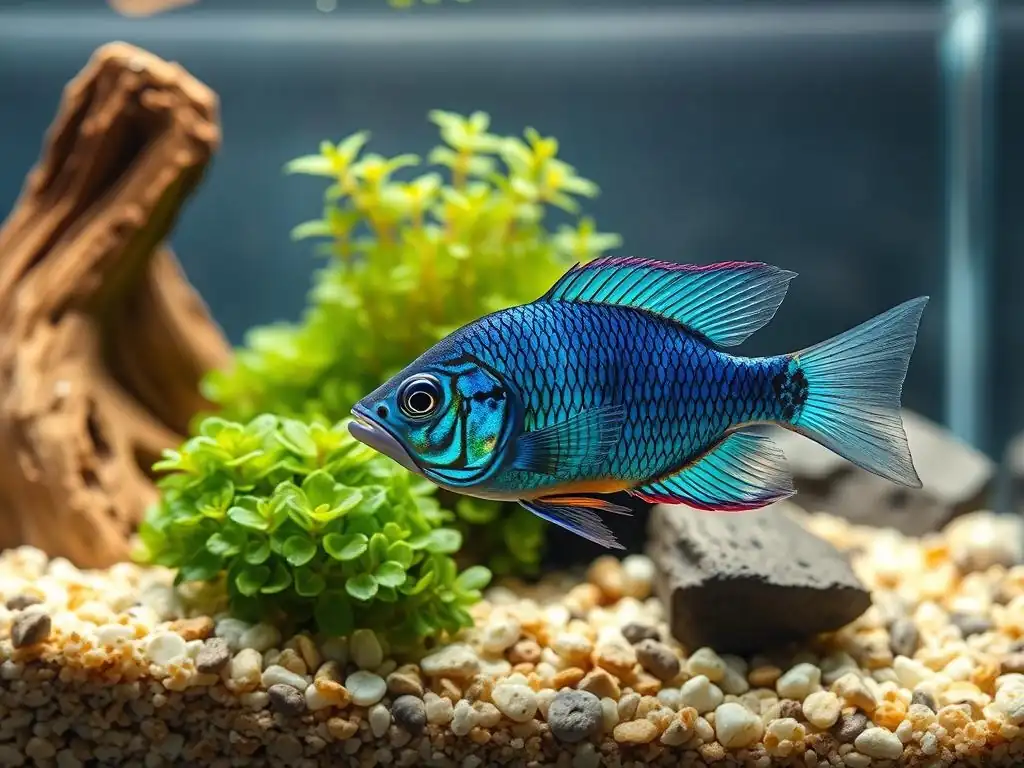
Establishing an appropriately sized aquarium is the first step towards a happy corydoras tank setup. While many dwarf Corydoras species, such as Corydoras pygmaeus or Corydoras habrosus, can be comfortably housed in a 10-gallon (38-liter) tank in a school of six to ten individuals, standard-sized Corydoras like the Bronze or Peppered Corys require more space. For these larger species, a minimum of a 20-gallon long (75-liter) aquarium is recommended to accommodate a school of at least six, which is essential for their social well-being.
The "long" dimension of the tank is particularly important for a happy corydoras tank setup because these fish are highly active bottom dwellers that appreciate ample swimming and foraging space across the substrate. A 20-gallon long tank, measuring approximately 30 inches (76 cm) in length, provides significantly more horizontal area than a standard 20-gallon high tank, despite having the same volume. This increased footprint allows a school of Corydoras to spread out, explore, and forage naturally, reducing stress and promoting their natural schooling behaviors.
Substrate Selection for Corydoras: Sand vs. Gravel
The choice of substrate is arguably one of the most critical elements for a happy corydoras tank setup. Corydoras catfish possess delicate barbels around their mouths, which they use extensively to sift through the substrate in search of food. Coarse or sharp gravel can easily damage these sensitive barbels, leading to infections and a condition known as "barbel erosion," which can severely impact their ability to feed and thrive. Therefore, fine, soft sand is overwhelmingly the preferred substrate.
Using a sand substrate, such as play sand or specialized aquarium sand, allows Corydoras to exhibit their natural sifting behavior without risk of injury. They will happily burrow their entire heads into the sand, churning it to find detritus and uneaten food, which also helps prevent the buildup of anaerobic pockets.
This natural behavior not only keeps their barbels healthy but also significantly contributes to their overall happiness and well-being in a proper corydoras tank setup. If sand is not feasible for the entire tank, a designated "sand patch" within a gravel tank can be a compromise, but a full sand bed is ideal.
Water Parameters for Corydoras: Temperature, pH, and Hardness
Maintaining stable and appropriate water parameters is fundamental to a happy corydoras tank setup. Most common Corydoras species thrive in temperatures ranging from 72-78°F (22-26°C). While some species, like the Panda Cory, prefer the cooler end of this spectrum (around 72-74°F), consistency is more important than hitting an exact number within the acceptable range. Sudden temperature fluctuations can stress these sensitive fish, making a reliable aquarium heater essential.
Regarding pH and hardness, Corydoras are generally adaptable, preferring slightly acidic to neutral water with a pH between 6.0 and 7.5. Their natural habitats often feature soft water, so a general hardness (GH) of 2-15 dGH (35.7-267.9 ppm) and carbonate hardness (KH) of 2-12 dKH (35.7-214.4 ppm) are ideal. Regular testing of these parameters with a reliable liquid test kit is crucial to ensure stability and to quickly address any deviations, preventing stress and promoting a truly happy corydoras tank setup.
Filtration for Corydoras: Maintaining Pristine Water Quality
Effective filtration is paramount for a happy corydoras tank setup, ensuring pristine water quality without creating excessive current. Corydoras are sensitive to poor water conditions and prefer calm to moderate water flow. A hang-on-back (HOB) filter or a canister filter is generally suitable, provided the outflow is diffused to prevent strong currents that can stress these small fish. A spray bar attachment on a canister filter is an excellent way to distribute the outflow evenly and gently across the tank.
Biological filtration is particularly important for Corydoras, as it breaks down harmful ammonia and nitrite, byproducts of fish waste and uneaten food. A filter with ample space for biological media (e.g., ceramic rings, bio-balls) will cultivate beneficial bacteria necessary for the nitrogen cycle. Additionally, mechanical filtration (filter floss/sponge) removes particulate matter, keeping the water clear, while chemical filtration (activated carbon) can remove odors and discolorations. Regular filter maintenance, including rinsing media in old tank water, prevents beneficial bacteria loss and contributes significantly to a stable and healthy corydoras tank setup.
Lighting for Corydoras: Providing a Comfortable Environment
The lighting in a happy corydoras tank setup should be moderate and diffused, mimicking the shaded, often heavily vegetated environments they inhabit in the wild. Corydoras are primarily crepuscular, meaning they are most active during dawn and dusk, and can be shy under very bright illumination. Intense lighting can cause them stress and encourage them to hide more frequently, diminishing their natural foraging behaviors and social interactions.
Using LED lights with adjustable intensity or placing floating plants on the surface can help diffuse the light, creating dappled shadows and comfortable areas for the Corydoras. A photoperiod of 8-10 hours per day is generally sufficient for plant growth and for the fish's natural day-night cycle. This balanced approach to lighting ensures that the Corydoras feel secure and active, contributing to a truly happy corydoras tank setup where they can thrive.
Plants and Decorations for Corydoras: Creating a Natural and Safe Habitat
Incorporating appropriate plants and decorations is essential for a happy corydoras tank setup, providing both aesthetic appeal and crucial environmental enrichment. Live plants are highly beneficial; hardy options like Anubias, Java Fern, and various Cryptocoryne species can be attached to driftwood or rocks, providing shade and hiding spots. Floating plants, such as Amazon Frogbit or Dwarf Water Lettuce, are also excellent for diffusing light and creating a sense of security.
Beyond live plants, smooth driftwood, smooth rocks, and ceramic caves offer excellent hiding places and areas for exploration. These elements replicate the natural riverbed environment and provide visual barriers, which can reduce stress among the fish. Ensure all decorations have no sharp edges that could injure delicate barbels or fins. A well-aquascaped corydoras tank setup with ample cover allows these bottom dwellers to feel safe, encouraging them to be more active and display their full range of natural behaviors.
Corydoras Care: Ensuring a Healthy and Thriving School
Feeding Corydoras: Diet and Nutrition for Optimal Health
A balanced and varied diet is crucial for maintaining happy corydoras. While they are often seen sifting through the substrate, they are not solely scavengers that survive on leftover food. Corydoras require a specific diet rich in protein and nutrients to thrive. They are omnivores with a preference for meaty foods, and their diet should include a mix of sinking pellets, wafers, and occasional live or frozen foods.
Overfeeding should be avoided, as it can lead to poor water quality and health issues. Feeding once or twice a day, only what they can consume within a few minutes, is generally sufficient. Observe their behavior; if they are constantly sifting through the substrate after feeding, they are likely receiving enough. Regular feeding with appropriate foods contributes significantly to the long-term health and vitality of your Corydoras.
Best Foods for Corydoras Catfish
For a happy corydoras tank setup, the best foods are those designed to sink, allowing them to reach the bottom where Corydoras forage. High-quality sinking pellets or wafers specifically formulated for bottom feeders are excellent staples, providing essential vitamins and minerals. Look for brands that list fish meal, shrimp meal, or spirulina as primary ingredients.
Supplementing their staple diet with frozen or live foods is highly beneficial. Brine shrimp, bloodworms, daphnia, and tubifex worms are all excellent choices that provide necessary protein and enrichment. These treats should be offered a few times a week. Occasional blanched vegetables like zucchini slices or shelled peas can also be offered as a source of fiber, further diversifying their diet and promoting robust health in your corydoras tank setup.
Feeding Schedule for Corydoras
Establishing a consistent feeding schedule is important for a happy corydoras tank setup. Generally, feeding your Corydoras once a day is adequate, preferably in the evening as they are most active during twilight hours. For very young or rapidly growing Corydoras, two smaller feedings per day might be beneficial.
It's crucial to observe how quickly they consume the food. Offer only an amount that can be eaten within 5-10 minutes to prevent uneaten food from decaying and negatively impacting water quality. If you notice a significant amount of food remaining after this time, reduce the portion size for the next feeding. Consistency in quantity and timing helps maintain stable water parameters and ensures your Corydoras receive proper nutrition.
Water Changes for Corydoras: Maintaining Water Quality
Regular water changes are perhaps the single most important maintenance task for a happy corydoras tank setup. Despite good filtration, nitrates, phosphates, and other dissolved organic compounds accumulate over time, leading to deteriorating water quality. Weekly water changes of 20-30% of the tank's volume are generally recommended to dilute these harmful substances and replenish essential minerals.
When performing water changes, always use a gravel vacuum to siphon out detritus from the substrate, paying extra attention to areas where food might accumulate. The replacement water should be dechlorinated and temperature-matched to the aquarium water to prevent shocking the fish. Consistent water changes are critical for preventing stress, disease, and ensuring the long-term health and vibrant activity of your Corydoras in their tank setup.
Tank Maintenance for Corydoras: Keeping the Aquarium Clean
Beyond regular water changes, comprehensive tank maintenance is key to a pristine and happy corydoras tank setup. This includes routine cleaning of the aquarium glass to remove algae buildup, which not only improves visibility but also prevents excessive nutrient consumption by algae. Algae scrapers or magnetic cleaners are effective tools for this task.
Periodically, filter media should be rinsed in old tank water (never tap water, as chlorine can kill beneficial bacteria) to remove accumulated debris and maintain optimal flow. It's also wise to check and clean heater elements and air stones to ensure they are functioning efficiently. A clean, well-maintained environment minimizes stressors and pathogens, allowing your Corydoras to thrive and exhibit their natural, joyful behaviors in their carefully prepared tank setup.
Corydoras Tank Mates: Choosing Compatible Species
Ideal Tank Mates for Corydoras
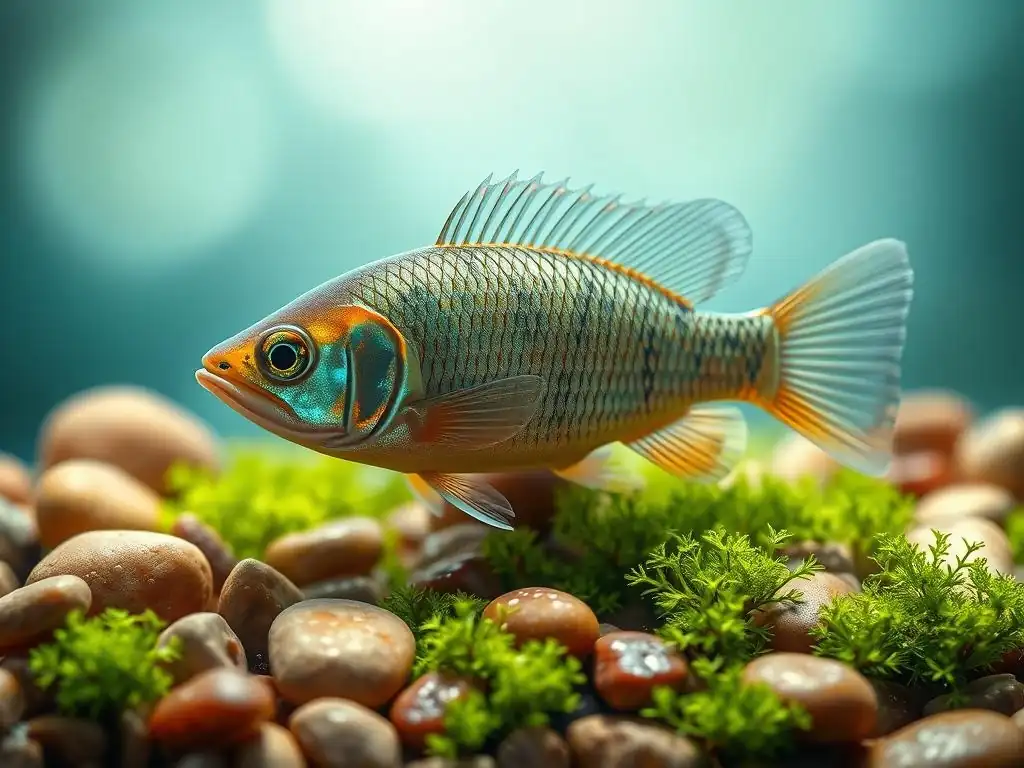
Choosing the right tank mates is crucial for a happy corydoras tank setup, as these peaceful fish can be easily intimidated or outcompeted by aggressive or very large species. Ideal tank mates are small to medium-sized, peaceful, and preferably mid-to-upper column dwellers, ensuring they don't directly compete for space or food at the bottom of the tank. Good examples include small schooling tetras like Neon Tetras ( Paracheirodon innesi), Cardinal Tetras ( Paracheirodon axelrodi), or Ember Tetras ( Hyphessobryda amandae), which add vibrant color without posing a threat.
Other suitable companions for a corydoras tank setup include rasboras (e.g., Harlequin Rasboras, Chili Rasboras), peaceful dwarf gouramis (e.g., Honey Gouramis), and small, peaceful livebearers like Guppies or Endler's Livebearers, provided the water parameters are compatible. Otocinclus catfish are also excellent choices, as they are fellow peaceful bottom dwellers and algae eaters. The key is to select species with similar water parameter requirements and a calm temperament to ensure a harmonious community.
Fish to Avoid Keeping with Corydoras
To maintain a happy corydoras tank setup, certain fish species should be strictly avoided due to their aggressive nature, large size, or tendency to outcompete Corydoras for food. Large, predatory cichlids (e.g., Oscars, Jack Dempseys) are definite no-gos, as they will view Corydoras as prey. Even semi-aggressive cichlids like Convict Cichlids can harass and stress smaller Corydoras, leading to injury or death.
Additionally, very active or fin-nipping fish like Tiger Barbs, while sometimes kept in community tanks, can be too boisterous or aggressive for the delicate Corydoras, potentially nipping their fins or outcompeting them for food. Large, boisterous bottom dwellers such as many types of plecos (e.g., Common Pleco, Sailfin Pleco) can also be problematic, as they might inadvertently crush or outcompete Corydoras for sinking foods. Avoiding these incompatible species ensures a peaceful and stress-free environment for your Corydoras.
Corydoras Health: Identifying and Treating Common Diseases
Recognizing Signs of Illness in Corydoras
Early detection of illness is vital for maintaining a happy corydoras tank setup and ensuring the longevity of your fish. Healthy Corydoras are active, constantly sifting through the substrate, and exhibit clear eyes and intact barbels and fins. They swim with purpose and display their natural schooling behavior. Any deviation from these norms should be a cause for concern.
Signs of illness can include lethargy, spending unusual amounts of time at the surface or motionless on the bottom, clamped fins, ragged or deteriorating barbels, visible spots or growths on the body, rapid breathing, or loss of appetite. Discoloration, particularly fading or darkening of their natural patterns, can also indicate stress or disease. Prompt observation and intervention are crucial for successful treatment and preventing the spread of illness within your corydoras tank setup.
Common Corydoras Diseases and Treatments
Despite their hardiness, Corydoras can be susceptible to common freshwater fish diseases, often exacerbated by poor water quality or stress. Ich (White Spot Disease) is a prevalent parasitic infection characterized by small, white spots resembling salt grains on the body and fins. Fin Rot, a bacterial infection, manifests as frayed or decaying fins. Understanding these common ailments is key to maintaining a happy corydoras tank setup.
Treating these conditions often involves specific medications and environmental adjustments. Always remove activated carbon from the filter before medicating, as it will absorb the medication. Follow dosage instructions precisely and monitor fish closely. Improving water quality through more frequent water changes is often the first and most critical step in recovery, as it reduces stress on the fish's immune system.
Treating Ich (White Spot Disease) in Corydoras
Ich, caused by the Ichthyophthirius multifiliis parasite, is one of the most common ailments in freshwater aquariums and can quickly spread throughout a happy corydoras tank setup if not addressed. Symptoms include visible white spots, flashing (rubbing against objects), and rapid breathing. The life cycle of Ich is temperature-dependent, with warmer temperatures accelerating it.
Treatment typically involves raising the tank temperature gradually to 82-84°F (28-29°C) over 24 hours (ensure tank mates can tolerate this) and adding aquarium salt (1 teaspoon per 5 gallons) or an Ich-specific medication containing malachite green or formalin. Continue treatment for at least 7-10 days, even if spots disappear, to ensure all stages of the parasite are eradicated. Consistent water changes after treatment help remove residual medication and improve water quality.
Treating Fin Rot in Corydoras
Fin Rot is a bacterial infection often caused by poor water quality, stress, or physical injury, which can quickly take hold in a stressed corydoras tank setup. It manifests as frayed, ragged, or disintegrating fins, which may also appear reddened or inflamed at the edges. If left untreated, the infection can progress to the body, leading to more severe health issues.
Treatment for Fin Rot primarily involves improving water quality through daily partial water changes (25-50%) and using a broad-spectrum antibacterial medication designed for aquarium use. Ensure the replacement water is dechlorinated and temperature-matched. Removing any sharp decorations or objects that might have caused initial fin damage is also important. Maintaining clean water and a stable environment is crucial for preventing recurrence and promoting fin regrowth, ensuring a happy corydoras tank setup.
Quarantine Procedures for New Corydoras
Implementing a strict quarantine procedure for all new Corydoras is a non-negotiable step for maintaining a healthy and happy corydoras tank setup. New fish can carry diseases, parasites, or external pathogens that may not be immediately visible but can devastate an established aquarium. A separate quarantine tank, even a small 10-gallon setup, is ideal for this purpose.
The quarantine tank should be fully cycled and have its own filter and heater. New Corydoras should be kept in this tank for a minimum of two to four weeks. During this period, observe them closely for any signs of illness, feed them well, and perform regular small water changes. Prophylactic treatment with a broad-spectrum anti-parasitic or antibacterial medication can be considered, but only if necessary. This practice significantly reduces the risk of introducing diseases to your main corydoras tank setup, protecting your existing fish.
Encouraging Corydoras Breeding: A Step-by-Step Guide
Setting Up a Breeding Tank for Corydoras
For aquarists aspiring to breed Corydoras, a dedicated breeding tank is essential for a successful and happy corydoras tank setup aimed at reproduction. A 5 to 10-gallon (19-38 liter) tank is typically sufficient for a small group of conditioning adults. This tank should be bare-bottom or have a very thin layer of sand for easy cleaning, and include a sponge filter for gentle filtration and aeration.
Key elements for a breeding setup include spawning mops, fine-leaved plants like Java Moss, or even a piece of PVC pipe for the Corydoras to lay their eggs on. A small heater to maintain stable temperatures and an air stone for oxygenation are also crucial. The simplicity of the breeding tank design facilitates easy observation of spawning behavior and collection of eggs, maximizing the chances of successful fry rearing.
Conditioning Corydoras for Breeding
To encourage Corydoras to spawn, they need to be "conditioned" with a high-protein diet and specific environmental triggers. Feed the breeding group a varied diet of live and frozen foods, such as bloodworms, brine shrimp, and daphnia, several times a day for one to two weeks. This enriched diet signals to the fish that conditions are favorable for reproduction.
The primary environmental trigger for many Corydoras species is a sudden drop in temperature combined with a large, cool water change, mimicking the onset of the rainy season in their natural habitat. Perform a 50% or larger water change with water that is 5-10°F (3-6°C) cooler than the tank water. This, combined with increased aeration (e.g., from an air stone), often stimulates spawning behavior within hours or days. Repeating this process every few days can encourage multiple spawns.
Spawning and Raising Corydoras Fry
Once conditioned, Corydoras will typically engage in their characteristic "T-position" spawning ritual, where the male embraces the female, and she releases a few eggs into a pouch formed by her pelvic fins. She then swims to a clean surface (tank glass, plant leaves, or spawning mop) to deposit the adhesive eggs. This process repeats until 50-200 eggs are laid over several hours.
After spawning, it is crucial to remove the adult Corydoras from the breeding tank to prevent them from eating the eggs. The eggs will hatch in approximately 3-5 days, depending on temperature. The newly hatched fry are tiny and will consume their yolk sacs for the first 2-3 days. Once free-swimming, they require microscopic foods like infusoria, liquid fry food, or finely crushed spirulina powder. As they grow, they can transition to newly hatched brine shrimp or microworms. Maintaining pristine water quality with small, frequent water changes is paramount for raising healthy Corydoras fry.
Troubleshooting Common Corydoras Problems
Corydoras Staying at the Top of the Tank
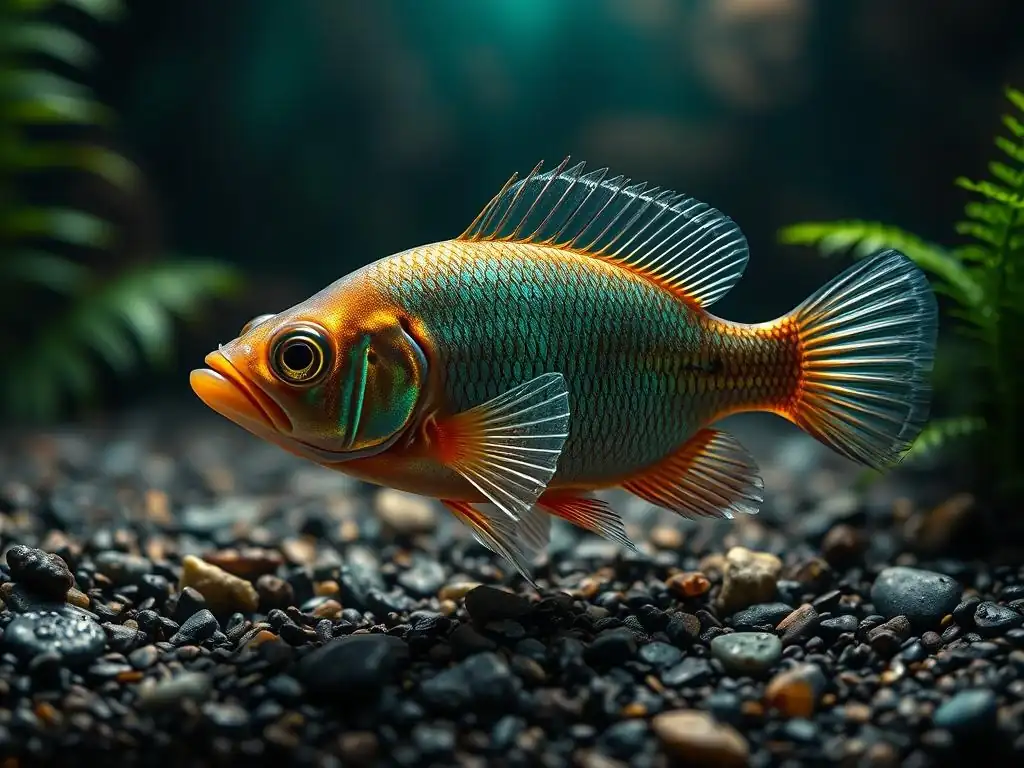
If your Corydoras are frequently staying at the top of the tank, gasping for air, it is a strong indicator of poor water quality, specifically low oxygen levels or high concentrations of ammonia or nitrite. This behavior is highly unusual for these bottom dwellers and signals significant stress in your corydoras tank setup.
Immediate action is required:
- Test Water Parameters: Use a reliable liquid test kit to check ammonia, nitrite, and nitrate levels. High readings of ammonia or nitrite are toxic.
- Perform a Large Water Change: Conduct a 50% water change immediately, ensuring the new water is dechlorinated and temperature-matched.
- Increase Aeration: Add an air stone or increase surface agitation to improve oxygen exchange.
- Check Filtration: Ensure your filter is running properly and not clogged.
Addressing water quality issues promptly is crucial for the survival and well-being of your Corydoras.
Corydoras Losing Barbels
The loss or erosion of Corydoras barbels is a common and concerning issue that directly impacts their ability to feed and navigate. This condition is almost always a result of an improper happy corydoras tank setup, specifically a rough or dirty substrate, or consistently poor water quality. Their delicate barbels are easily damaged by sharp gravel or can become infected in tanks with high bacterial loads from decaying organic matter.
To address barbel loss:
- Switch to Sand Substrate: If you have gravel, replace it with fine, soft sand. This is the most critical step.
- Improve Water Quality: Perform daily small water changes (25%) and ensure thorough gravel vacuuming (if still using gravel) or sand sifting during maintenance to remove detritus.
- Maintain Cleanliness: Ensure the tank is free of uneaten food and decaying plant matter.
- Monitor for Infection: If the barbels appear inflamed or fuzzy, it might indicate a bacterial or fungal infection requiring medication.
Preventing barbel erosion through a proper happy corydoras tank setup is far easier than treating it.
Corydoras Not Eating
A lack of appetite in Corydoras can be a sign of various underlying issues, ranging from stress to disease. Healthy Corydoras are enthusiastic eaters, constantly sifting through the substrate in search of food. If they are refusing food, it's a clear indication that something is amiss in your corydoras tank setup.
Potential causes and solutions include:
- Poor Water Quality: Test ammonia, nitrite, and nitrate levels. High levels are toxic and will suppress appetite. Perform a water change.
- Incorrect Food: Ensure you are offering sinking foods that are appropriate for their size and dietary needs (e.g., sinking pellets, frozen foods).
- Competition: Are faster, more aggressive tank mates eating all the food before it reaches the bottom? Try feeding after lights out or target feeding.
- Disease: Observe for other signs of illness like lethargy, clamped fins, or unusual spots.
- New Environment Stress: Newly introduced Corydoras may take a few days to settle in and start eating.
Patience and careful observation, combined with addressing potential environmental issues, are key to getting your Corydoras to eat again.
Corydoras Hiding Constantly
While Corydoras appreciate hiding spots, constant hiding is not typical behavior for a happy corydoras tank setup. Healthy Corydoras, especially when kept in appropriate schools, are active and visible, foraging and interacting. Excessive hiding suggests they feel insecure, stressed, or are experiencing environmental discomfort.
Reasons for constant hiding and solutions:
- Lack of School Size: Corydoras are schooling fish and feel much safer and more confident in groups of six or more of their own kind. A small group can lead to anxiety.
- Aggressive Tank Mates: If you have semi-aggressive or large fish, the Corydoras may be hiding to avoid harassment. Re-evaluate tank mate compatibility.
- Insufficient Cover: Ensure your corydoras tank setup provides ample hiding spots and visual barriers, such as driftwood, plants, and caves, allowing them to feel secure.
- Too Bright Lighting: Very intense lighting can make them feel exposed. Consider diffusing the light with floating plants or reducing intensity.
- Poor Water Quality: As with other issues, poor water parameters can cause stress and lead to hiding. Test and correct water quality if necessary.
By addressing these factors, you can create a more secure and comfortable environment that encourages your Corydoras to be active and display their natural behaviors.
Advanced Corydoras Keeping: Taking Your Care to the Next Level
Blackwater Tank for Corydoras: Replicating Natural Conditions
For those looking to provide the ultimate happy corydoras tank setup, establishing a blackwater aquarium can closely replicate their natural South American river habitats. Blackwater conditions are characterized by water stained a tea-like color by tannins released from decaying organic matter, such as driftwood and leaf litter. This environment is typically soft and acidic, with a pH often below 6.5, providing optimal conditions for many Corydoras species.
To create a blackwater tank, incorporate specific types of driftwood (e.g., Malaysian, Manzanita) and Indian Almond Leaves (Catappa leaves) or other botanicals. These materials slowly release tannins, which not only stain the water but also have mild antiseptic properties that can boost fish health and reduce stress. While the aesthetics may differ from a clear water tank, a blackwater corydoras tank setup offers a truly authentic and beneficial environment, promoting more natural behaviors and vibrant coloration.
Breeding Rare Corydoras Species
Moving beyond common species, breeding rare Corydoras species presents an exciting challenge for advanced aquarists. Many rarer Corydoras, often wild-caught or less commonly bred, have very specific requirements regarding water parameters, diet, and spawning triggers. For instance, some species might require very soft, acidic water (pH as low as 5.5) or specific temperature fluctuations to induce spawning, mimicking precise seasonal changes in their native ranges.
Success in breeding rare Corydoras often hinges on meticulous research into their natural habitat and dietary needs, combined with precise control over water chemistry and temperature. Specialized conditioning diets, including live foods like blackworms or grindal worms, can be crucial. Patience, detailed record-keeping, and a willingness to experiment with environmental cues are essential for any aquarist aiming to propagate these unique and often stunning Corydoras species in a dedicated breeding setup.
Conclusion: Enjoying Your Happy and Healthy Corydoras
Embarking on the journey of keeping Corydoras catfish is a rewarding experience that brings a dynamic and charming presence to any freshwater aquarium. By understanding their specific needs and diligently applying the principles outlined in this guide, you can create a truly happy corydoras tank setup where these delightful bottom dwellers will not only survive but thrive. From selecting the appropriate tank size and soft substrate to maintaining pristine water parameters and providing a balanced diet, every step contributes to their well-being.
Remember, the key to a successful and happy corydoras tank setup lies in consistency and attention to detail. Regular water changes, thoughtful aquascaping, and careful observation of their behavior will ensure your Corydoras remain vibrant, active, and free from stress or disease. With proper care, these peaceful fish will provide endless enjoyment, gracefully sifting through the substrate and adding a unique charm to your aquatic world for years to come.
Frequently Asked Questions
How do I create a happy corydoras tank setup for my new Corydoras catfish?
Creating a happy corydoras tank setup involves providing the right substrate, such as smooth sand, plenty of hiding places like plants and driftwood, and maintaining excellent water quality. Corydoras are social fish, so keep them in groups of at least six.
What are the ideal water parameters for a happy corydoras tank setup?
For a happy corydoras tank setup, aim for a pH between 6.0 and 7.5, a temperature between 72°F and 78°F (22°C and 26°C), and keep the water clean and well-oxygenated with regular water changes.
What should I feed my Corydoras in my happy corydoras tank setup?
Corydoras are bottom-feeders, but they need a varied diet. Supplement sinking pellets or wafers specifically designed for bottom feeders with occasional treats like bloodworms or brine shrimp to ensure their health.
What are some common problems that can arise in a happy corydoras tank setup and how can I prevent them?
Common problems include poor water quality, substrate that damages their barbels, and insufficient hiding places. To prevent these, maintain regular water changes, use smooth sand, and provide ample plant cover and driftwood.
How many Corydoras should I keep in my happy corydoras tank setup?
Corydoras are social creatures and thrive in groups. A happy corydoras tank setup should include at least six Corydoras to ensure they feel secure and exhibit natural behaviors.
Final Reflection: Nurturing Underwater Harmony
The journey of creating a happy corydoras tank setup extends far beyond simply assembling equipment and adding water. It's about understanding and respecting the intricate needs of these charming bottom-dwellers, and recognizing that a thriving aquarium is a microcosm of a balanced ecosystem. The principles discussed throughout this guide are not just applicable to corydoras; they represent a broader commitment to responsible fishkeeping and the well-being of all aquatic life.
This exploration into corydoras care has underscored the profound impact we have on the lives of the creatures we choose to share our homes with. The dedication to creating a suitable environment for these sensitive fish reflects a deeper appreciation for the interconnectedness of life and the responsibility we bear as custodians of the natural world. The greatness of a nation and its moral progress can be judged by the way its animals are treated.
- Mahatma Gandhi. This quote resonates deeply, reminding us that even the smallest acts of care contribute to a more compassionate and sustainable future.
Now, armed with this knowledge, I invite you to reflect on your own relationship with the natural world. Consider how you can apply these principles of mindful care and attentive observation, not just to your aquarium, but to all aspects of your life. Embrace the opportunity to create spaces, both physical and metaphorical, where life can flourish, and where harmony reigns supreme. Your journey towards a truly happy corydoras tank setup is also a journey towards a more enriching and fulfilling existence for yourself.
Unleash the Joy of a Thriving Corydoras Tank!
Thank you for diving into the world of Corydoras! We hope this guide has equipped you with the knowledge to create a blissful underwater haven for these charming catfish. Now, it's time to put that knowledge into action!
Here’s how to keep the Corydoras happiness flowing:
- Commit to performing a partial water change this weekend. This is the single most important step to ensuring a healthy and happy Corydoras environment!
- Share this guide with another aquarium enthusiast to spread the Corydoras love and build a community of knowledgeable keepers.
- Observe your Corydoras closely over the next week. Can you identify any new behaviors or personalities you hadn't noticed before?
What's one small adjustment you plan to make to your Corydoras' habitat this week to make their lives even better?