
The Ultimate Catfish Trio: Why Plecos, Ancistrus & Otocinclus Are Aquarium Essentials

Welcome to Aquarium Mastery!
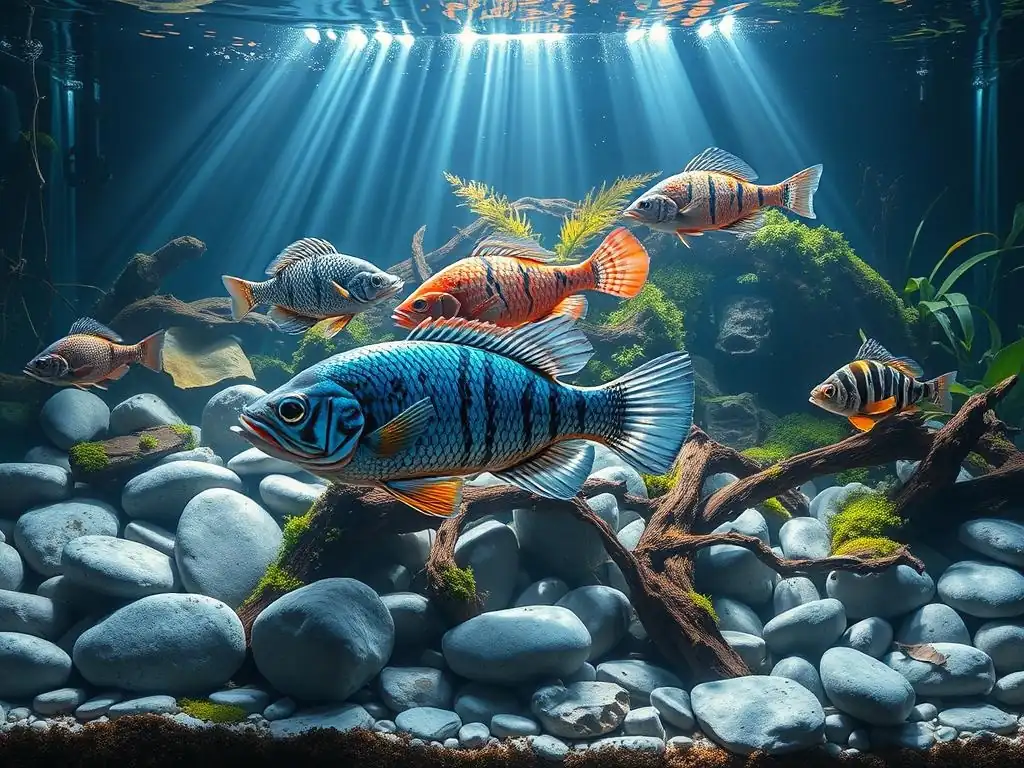
Ever wondered how to create the perfect underwater ecosystem, brimming with life and harmony? Dive in and discover why Plecos, Ancistrus, and Otocinclus are not just catfish – they're aquarium essentials! Uncover the secrets to building the best catfish tank combinations and unlock a thriving freshwater paradise. Ready to transform your aquarium? Let's get started!
- Introduction: Discovering the Best Catfish Tank Combinations for Algae Control
- Understanding the Importance of Algae Eaters in Freshwater Aquariums
- Meet the Trio: Plecos, Ancistrus, and Otocinclus
- The Synergy: Why This Catfish Trio Works So Well Together
- Creating the Ideal Habitat for Your Catfish Algae Crew
- Feeding Your Catfish Trio: Beyond Algae Consumption
- Troubleshooting Common Issues with Your Catfish Algae Eaters
- Choosing the Right Catfish Trio for Your Aquarium: A Practical Guide
- Conclusion: Mastering Algae Control with the Best Catfish Tank Combinations.
-
Frequently Asked Questions
- What makes Plecos, Ancistrus, and Otocinclus a good combination for a catfish tank?
- Can these three catfish species coexist peacefully in the same aquarium?
- What size aquarium is recommended for keeping Plecos, Ancistrus, and Otocinclus together?
- What type of water parameters are ideal for this catfish trio?
- What should I feed these catfish besides algae?
- Final Reflection: The Silent Guardians of the Aquarium
- Unleash the Algae-Fighting Power!
Introduction: Discovering the Best Catfish Tank Combinations for Algae Control
Maintaining a pristine freshwater aquarium often feels like an uphill battle against the relentless growth of algae. While manual cleaning and water changes are essential, integrating natural algae eaters can significantly reduce maintenance efforts and contribute to a healthier ecosystem. Among the diverse world of aquarium inhabitants, certain catfish species stand out for their exceptional algae-grazing capabilities and complementary behaviors.
This article delves into the synergistic power of three specific catfish genera: Plecos (specifically smaller, community-friendly types), Ancistrus (Bristlenose Plecos), and Otocinclus. Together, these species form one of the best catfish tank combinations, offering a comprehensive solution to algae control while adding character and vitality to your aquatic environment. Understanding their individual needs and how they work in harmony is key to unlocking a thriving, algae-free aquarium.
Understanding the Importance of Algae Eaters in Freshwater Aquariums
Why Algae Control is Crucial for a Healthy Aquarium Ecosystem
Excessive algae growth can quickly transform a vibrant aquarium into an unsightly mess, but its impact extends far beyond aesthetics. Algae, particularly in large blooms, can significantly deplete oxygen levels in the water during the night, posing a severe threat to fish and other aquatic life. This nocturnal oxygen drain can stress fish, weaken their immune systems, and in severe cases, lead to suffocation. Furthermore, dense algae mats can outcompete live plants for vital nutrients, stunting plant growth and disrupting the natural balance of the ecosystem.
Beyond oxygen depletion, decaying algae contributes to the organic load in the aquarium, potentially leading to elevated levels of ammonia, nitrite, and nitrate. These compounds are toxic to fish and can trigger a cascade of water quality issues, making the tank environment inhospitable. A healthy aquarium ecosystem relies on a delicate balance, and uncontrolled algae can easily tip this balance, leading to fish illness, compromised water clarity, and an overall decline in tank health. Effective algae control is thus a cornerstone of responsible aquarium husbandry.
The Benefits of Natural Algae Control Methods
Relying on natural algae control methods, primarily through the introduction of dedicated algae-eating fish, offers numerous advantages over chemical treatments. Chemical algicides, while providing a quick fix, can often have unintended side effects, potentially harming sensitive fish, invertebrates like snails and shrimp, and even beneficial nitrifying bacteria crucial for the nitrogen cycle. These chemicals may also leave residual compounds in the water, requiring extensive water changes and potentially leading to recurring algae issues once their effects wear off.
In contrast, natural algae eaters provide continuous, sustainable control without introducing harmful substances. They actively graze on algae, converting it into manageable waste that is then processed by the filter, contributing to a more stable and robust ecosystem. The presence of active, healthy algae eaters also serves as an indicator of good water quality, as these species thrive in well-maintained environments. Incorporating the best catfish tank combinations for algae control not only keeps your tank clean but also fosters a more resilient and self-sustaining aquatic environment.
Meet the Trio: Plecos, Ancistrus, and Otocinclus
Plecos: The Versatile Algae Grazers
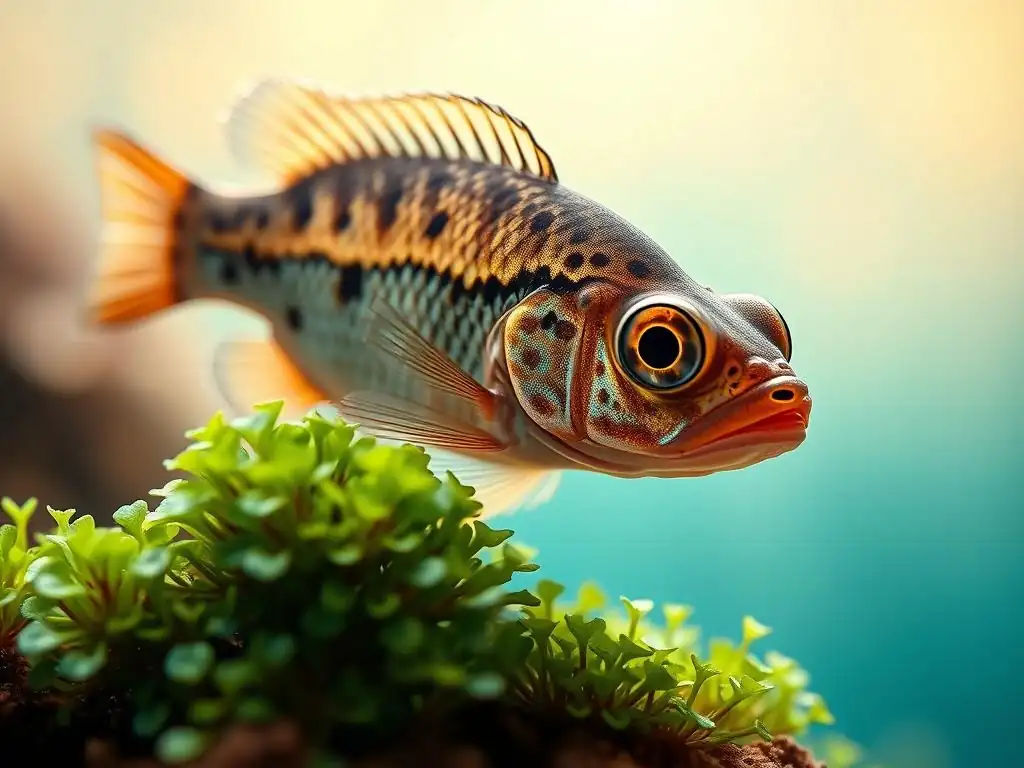
Plecostomus, commonly referred to as Plecos, belong to the diverse Loricariidae family of armored catfish, known for their distinctive suckermouths and bony plates. These fish are popular for their ability to consume algae and biofilm from various surfaces within the aquarium. While many species can grow to considerable sizes, some smaller varieties are excellent choices for community tanks, diligently scraping algae from glass, rocks, and driftwood.
Their grazing behavior not only helps keep the tank clean but also provides them with essential fiber and nutrients. Plecos are generally hardy and can adapt to a range of water conditions, making them a versatile addition to many freshwater setups. However, it's crucial for aquarists to research the specific species, as their adult size can vary dramatically from a few inches to over two feet, directly impacting their suitability for different tank volumes and making careful selection vital for the best catfish tank combinations.
Types of Plecos Suitable for Community Tanks: Bristlenose, Rubber Lip, Clown
When considering plecos for community aquariums, it's essential to select species that remain a manageable size. The Bristlenose Pleco (Ancistrus spp. ), often mistakenly generalized as a standard pleco, is a distinct genus and an excellent choice, typically growing to 4-5 inches. They are highly efficient at consuming various types of algae and are suitable for tanks 20 gallons and up. Their namesake bristles are more prominent in males and add to their unique appeal.
Other suitable smaller pleco species include the Rubber Lip Pleco (Chaetostoma L018), which usually reaches 5-6 inches and thrives in tanks of 30 gallons or more, and the Clown Pleco (Panaqolus maccus), a charming species that typically stays around 3-4 inches. Clown Plecos are particularly fond of driftwood, which is a crucial part of their diet, and are well-suited for tanks of 20 gallons or larger. Avoiding the common pleco (Hypostomus plecostomus), which can grow over 18 inches and requires tanks upwards of 100 gallons, is paramount for most home aquarists seeking the best catfish tank combinations.
Pleco Care Requirements: Tank Size, Diet, and Water Parameters
Proper care for plecos begins with providing an appropriately sized aquarium. For a Bristlenose or Clown Pleco, a minimum of 20-30 gallons is recommended, while a Rubber Lip Pleco would ideally need 30-50 gallons. All plecos benefit greatly from the inclusion of driftwood in their tank, which provides essential fiber and grazing surfaces, especially for species like the Clown Pleco that primarily consume wood. They also require good water circulation and well-oxygenated water.
While plecos are renowned algae eaters, their diet often needs supplementation. Offer high-quality sinking algae wafers or pellets several times a week. Blanched vegetables such as zucchini, cucumber, and romaine lettuce are also excellent dietary additions. Ideal water parameters for most community-friendly plecos include a pH range of 6.5-7.5, a temperature between 72-80°F (22-27°C), and soft to moderately hard water. Due to their relatively high bioload, especially for larger species, regular partial water changes (25-30% weekly) are crucial for maintaining optimal water quality.
Ancistrus (Bristlenose Plecos): The Compact Algae Eaters
Ancistrus, more commonly known as Bristlenose Plecos, are a specific genus within the Loricariidae family and are distinguished by the fleshy, branching appendages (odontodes) on their snouts, which are particularly prominent in males. Unlike their larger pleco cousins, Bristlenose plecos typically reach an adult size of 4 to 5 inches, making them an ideal choice for aquarists with smaller to medium-sized tanks. Their compact size belies their incredible efficiency as algae grazers.
These peaceful bottom dwellers are highly sought after for their diligent work in controlling various types of algae, including stubborn brown diatom algae and some forms of green spot algae. They are constantly at work, scraping surfaces like glass, rocks, and driftwood. Their relatively small footprint and effective grazing habits make them a cornerstone species for many freshwater setups, solidifying their place as an integral part of the best catfish tank combinations for algae control.
Advantages of Bristlenose Plecos for Smaller Aquariums
The primary advantage of Bristlenose Plecos lies in their manageable adult size, typically 4-5 inches, which makes them perfectly suited for aquariums as small as 20-30 gallons. This contrasts sharply with common plecos that quickly outgrow most home setups. Their smaller size also means a comparatively lower bioload, making it easier to maintain stable water parameters in moderately sized tanks. They are relentless grazers, constantly cleaning surfaces without causing significant disruption to the aquascape.
Furthermore, Bristlenose Plecos are generally very peaceful and hardy, coexisting well with a wide variety of community fish. Unlike some larger pleco species, they are less likely to damage live plants, making them an excellent choice for planted tanks. Their longevity, often living 5-10 years with proper care, ensures consistent and long-term algae control, providing a reliable and visually appealing solution for aquarists looking for the best catfish tank combinations.
Caring for Bristlenose Plecos: Feeding, Breeding, and Tank Mates
Caring for Bristlenose Plecos involves providing a balanced diet and stable water conditions. While they are voracious algae eaters, natural algae in a well-maintained tank may not be sufficient. Supplement their diet with high-quality sinking algae wafers or pellets daily, and offer blanched vegetables like zucchini, cucumber, or spinach several times a week. Driftwood is also essential for their digestive health, providing necessary fiber. Ideal water parameters include a pH of 6.0-7.5, a temperature range of 72-80°F (22-27°C), and soft to moderately hard water.
Bristlenose Plecos are relatively easy to breed in captivity, often spawning in caves or hollow logs. Males are responsible for guarding the eggs, which can number from 20 to over 100. For tank mates, they are generally peaceful and compatible with most non-aggressive community fish such as tetras, rasboras, gouramis, and other peaceful bottom dwellers. Avoid housing them with overly aggressive cichlids or very large, predatory fish that might harass or injure them, ensuring they can thrive as part of the best catfish tank combinations.
Otocinclus: The Schooling Algae Cleaners
Otocinclus catfish, affectionately known as "Otos," are small, peaceful, and highly effective algae eaters that are a favorite among planted tank enthusiasts. These diminutive catfish typically grow to only 1.5 to 2 inches in length, making them suitable for even smaller aquariums, though they thrive best in groups within tanks of 10 gallons or more. Their small size and quiet demeanor allow them to navigate delicate plant leaves and tight spaces that larger algae eaters cannot access.
Otos are voracious consumers of soft green algae, diatoms (brown algae), and biofilm that coats surfaces. They are constantly seen grazing, meticulously cleaning plant leaves, glass, and decorations. Their tireless work ethic and minimal bioload make them an invaluable asset for maintaining a spotless and healthy freshwater aquarium, especially when paired with other algae-eating species to form the best catfish tank combinations.
Why Otocinclus are Ideal for Planted Tanks
Otocinclus catfish are exceptionally well-suited for planted aquariums due to their delicate grazing habits. Unlike some larger bottom feeders, Otos do not uproot plants or damage their leaves, making them a safe and effective choice for even heavily aquascaped tanks with fragile flora. They excel at cleaning algae off the surfaces of plant leaves, which is crucial for the plants' ability to photosynthesize and remain healthy. Their small size ensures they have a minimal impact on the overall bioload, which is particularly important in densely planted setups where water parameters need to be kept stable.
Their continuous grazing helps prevent nascent algae growth from becoming a significant problem, often tackling algae before it becomes visible to the naked eye. This proactive approach to algae control contributes significantly to the aesthetic appeal and biological balance of a planted tank. By maintaining clean plant surfaces, Otocinclus ensure that plants can thrive, indirectly supporting the overall health of the aquarium and cementing their role in the best catfish tank combinations.
Otocinclus Care Guide: Water Conditions, Social Behavior, and Diet
Otocinclus catfish are sensitive to water quality and thrive in stable, clean, and well-oxygenated environments. Ideal water parameters include a pH range of 6.0-7.5, a temperature between 72-78°F (22-26°C), and soft to moderately hard water. They are best introduced to mature, established aquariums (at least 3-4 months old) that have developed sufficient biofilm and micro-algae for grazing, as they can be prone to starvation in newly set up tanks. Acclimation should be slow and careful due to their sensitivity.
These are schooling fish and should always be kept in groups of at least 6-10 individuals to reduce stress and encourage their natural social behaviors. A larger group makes them feel more secure and active. While their primary diet consists of algae and biofilm, supplement their feeding with high-quality sinking algae wafers, blanched zucchini, or specialized Otocinclus pellets if natural algae is scarce. They are generally peaceful and can be housed with most non-aggressive community fish, making them a vital component for the best catfish tank combinations.
The Synergy: Why This Catfish Trio Works So Well Together
Different Algae Preferences: Maximizing Algae Consumption
The brilliance of combining Plecos, Ancistrus, and Otocinclus lies in their complementary algae-eating habits, which allows for comprehensive algae control across all surfaces of the aquarium. Larger, community-friendly plecos (like Rubber Lips) and Bristlenose Plecos are adept at scraping tougher algae and biofilm from hard surfaces such as glass, rocks, and driftwood. They use their powerful suckermouths to graze broad areas.
In contrast, Otocinclus catfish specialize in consuming softer green algae and diatoms, particularly from delicate plant leaves and smaller crevices that larger fish cannot access without causing damage. This division of labor ensures that no type of algae goes unchecked and no area of the tank is neglected. For instance, while a Bristlenose might clean the main glass panel, Otos will meticulously clean the leaves of a heavily planted sword plant. This multi-layered approach makes this one of the best catfish tank combinations for total algae management.
Complementary Behaviors: Creating a Balanced Aquarium Environment
Beyond their diverse dietary preferences, the Pleco, Ancistrus, and Otocinclus trio exhibit complementary behaviors that contribute to a balanced and harmonious aquarium environment. Plecos and Bristlenose Plecos are primarily bottom dwellers, often found clinging to driftwood, rocks, or the substrate, diligently grazing their preferred surfaces. They occupy the lower strata of the tank.
Otocinclus, being more agile and smaller, tend to graze on plant leaves, tank walls, and decorations throughout the mid-to-lower water column. Their ability to move gracefully among plants ensures that even the most densely planted areas receive thorough cleaning. This spatial distribution minimizes direct competition for territory and resources, as each species naturally gravitates to different areas and types of surfaces. The varied movements and locations of these fish contribute to a more dynamic and visually appealing aquarium, embodying the essence of the best catfish tank combinations.
Minimizing Competition: Ensuring Each Catfish Thrives
One of the key benefits of this specific catfish trio is their ability to coexist with minimal direct competition for food, provided adequate supplementation is offered. While all are algae eaters, their distinct preferences for certain types of algae and biofilm, combined with their differing grazing locations, reduce the likelihood of conflict over resources. For example, a Clown Pleco's reliance on lignin from driftwood for digestion does not overlap with an Otocinclus's need for soft green algae on plant leaves.
To ensure all members of this best catfish tank combinations thrive, it is crucial to provide a sufficiently large tank with plenty of hiding spots and diverse surfaces for grazing. Regular supplementation with algae wafers, blanched vegetables, and specific foods like driftwood for certain pleco species guarantees that each fish receives adequate nutrition, even if natural algae levels fluctuate. This thoughtful approach prevents stress, promotes healthy growth, and ensures the long-term well-being of the entire algae-eating crew.
Creating the Ideal Habitat for Your Catfish Algae Crew
Tank Size Considerations for a Pleco, Ancistrus, and Otocinclus Combination
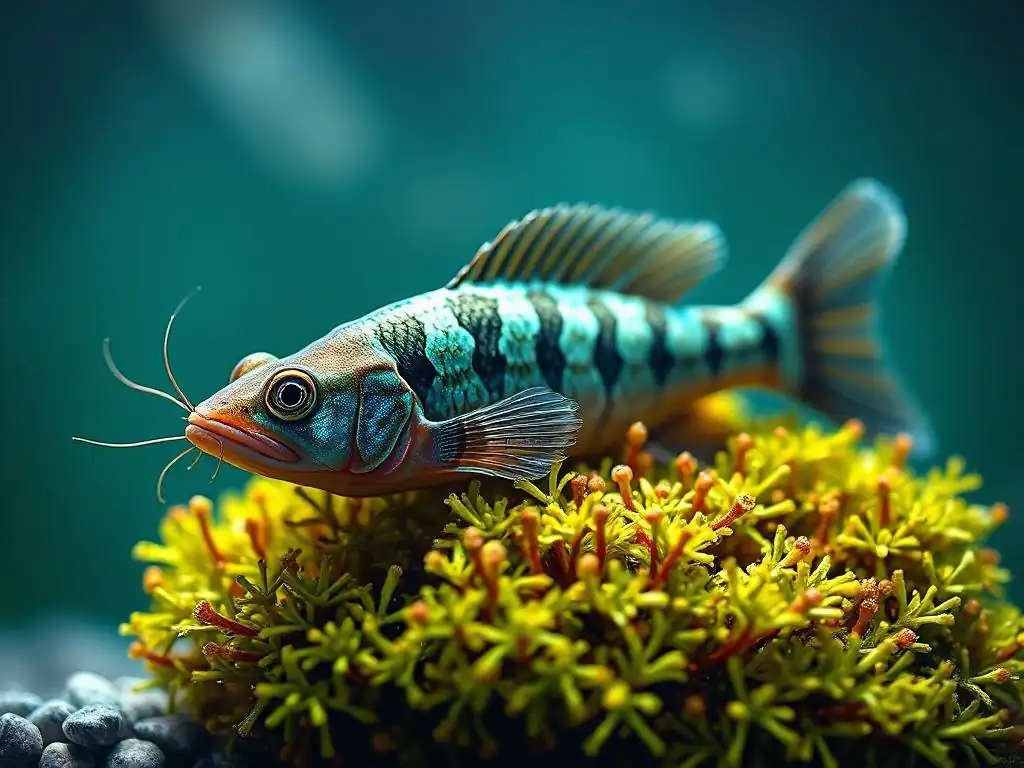
When planning for the best catfish tank combinations featuring a Pleco, Ancistrus, and Otocinclus trio, tank size is a critical factor that dictates the long-term health and well-being of your fish. For a Bristlenose Pleco (reaching 4-5 inches) and a group of 6-10 Otocinclus (each 1.5-2 inches), a minimum tank size of 30-40 gallons is recommended. This provides sufficient space for territories, swimming, and adequate surface area for grazing.
If you opt for a slightly larger community-friendly pleco, such as a Rubber Lip Pleco (5-6 inches), a tank of 50 gallons or more would be more appropriate to accommodate its adult size and bioload, alongside the Bristlenose and Otocinclus. Overstocking can lead to increased stress, poor water quality, and potential aggression among tank inhabitants. Always research the adult size of each fish before purchase, as small juveniles can quickly outgrow an inadequate tank, making careful selection crucial for the best catfish tank combinations.
Water Parameters: Maintaining Optimal Conditions for Catfish Health
Maintaining stable and optimal water parameters is paramount for the health of your catfish trio. All three species generally thrive in similar conditions: a pH range of 6.5-7.5, a temperature between 72-78°F (22-26°C), and soft to moderately hard water (GH 3-10 dGH). Consistency is more important than hitting exact numbers, so avoid sudden fluctuations. Regular water testing, ideally weekly or bi-weekly, for ammonia, nitrite, and nitrate levels, is essential to monitor water quality.
Perform weekly partial water changes of 25-30% to keep nitrate levels below 20 ppm and replenish essential minerals. Robust filtration, including mechanical, chemical, and biological media, is crucial to process the bioload, especially from plecos. Ensure adequate aeration, as catfish are sensitive to low oxygen levels. These diligent practices directly contribute to a stress-free environment, preventing illness and ensuring the longevity of your best catfish tank combinations.
Aquascaping: Providing Hiding Places and Grazing Surfaces
Thoughtful aquascaping is vital for the well-being of your catfish trio, providing both essential hiding places and abundant grazing surfaces. Incorporate plenty of smooth rocks, ceramic caves, and especially driftwood. Driftwood is particularly important for plecos and Bristlenose, serving as a source of fiber for digestion and a preferred surface for biofilm and algae growth. Caves offer security and retreat spaces, reducing stress and potential territorial disputes.
Live plants are highly beneficial for Otocinclus, providing additional grazing surfaces on their leaves and ample cover. Broad-leafed plants like Anubias and Amazon Swords are excellent choices, as they accumulate algae that Otos can easily clean. Ensure there are enough distinct territories and visual breaks to minimize potential squabbles, especially among Bristlenose Plecos. A well-designed aquascape enhances the natural behavior of your catfish and contributes to a visually appealing and harmonious environment for the best catfish tank combinations.
Feeding Your Catfish Trio: Beyond Algae Consumption
Supplementing Their Diet: Algae Wafers, Vegetables, and Protein Sources
While the catfish trio are excellent algae eaters, relying solely on natural algae in the tank is often insufficient, especially in well-maintained aquariums where algae growth is minimal. It is crucial to supplement their diet with high-quality sinking foods. Offer specialized algae wafers or pellets, designed for bottom-feeding herbivores, 3-4 times a week. These provide essential nutrients that might be lacking from tank algae alone.
Blanched vegetables are an excellent and highly appreciated dietary addition. Zucchini, cucumber, spinach, and shelled peas can be blanched and then weighed down with a veggie clip or fork to sink to the bottom. Offer these vegetables several times a week, removing any uneaten portions after 24 hours to prevent water fouling. Occasionally, a small amount of protein, such as frozen bloodworms or brine shrimp, can be offered, particularly for younger or breeding fish, though their primary diet should remain plant-based. This balanced approach ensures the health and vitality of your best catfish tank combinations.
Avoiding Overfeeding: Maintaining Water Quality and Preventing Algae Blooms
One of the most common mistakes in aquarium husbandry is overfeeding, which can have detrimental effects on water quality and ironically, lead to undesirable algae blooms. Uneaten food quickly decays, releasing ammonia and nitrite into the water, triggering dangerous spikes that are toxic to fish. This excess organic matter also serves as a potent nutrient source for aggressive algae species, such as green water or hair algae, which are not typically consumed by your catfish trio.
To avoid overfeeding, offer only the amount of food that your catfish can consume within a few hours, ideally overnight for nocturnal species like most plecos. Observe their feeding habits closely; if food remains after this period, reduce the quantity at the next feeding. A clean tank and stable water parameters are directly linked to responsible feeding practices. By preventing overfeeding, you not only maintain pristine water quality but also reduce the likelihood of problematic algae outbreaks, ensuring the continued effectiveness of your best catfish tank combinations.
Troubleshooting Common Issues with Your Catfish Algae Eaters
Identifying and Treating Common Catfish Diseases: Ich, Fin Rot, Bloat
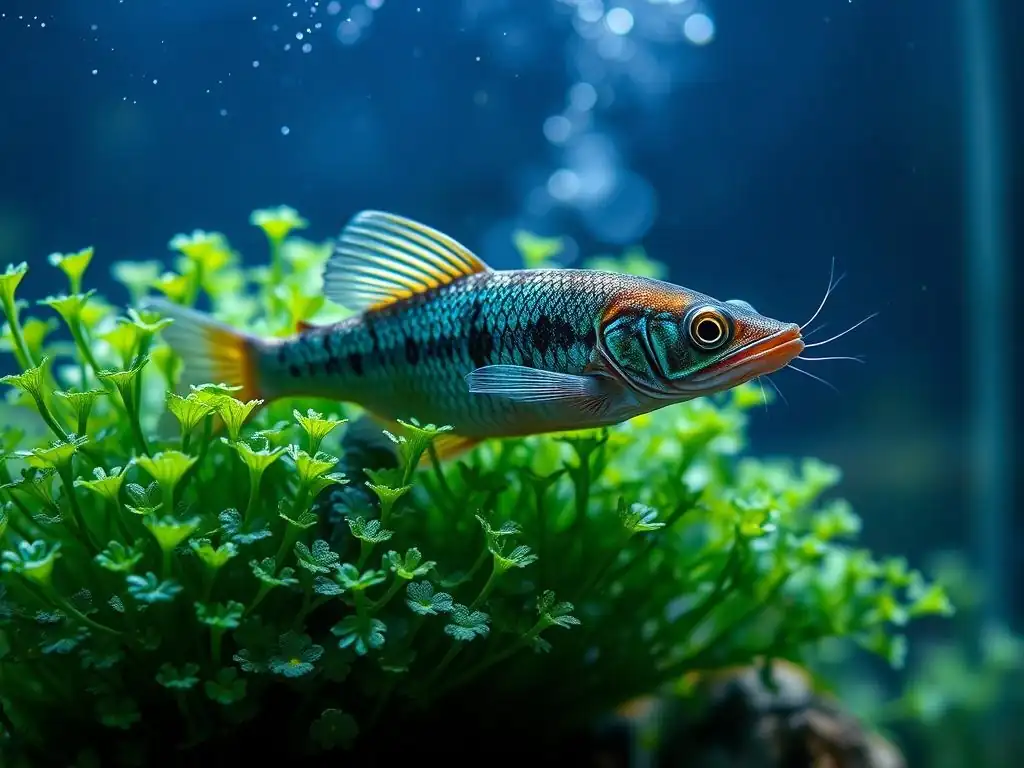
Catfish, while generally hardy, can be susceptible to common freshwater diseases if water quality is poor or they are stressed. Ich (Ichthyophthirius multifiliis), or white spot disease, manifests as small white spots resembling salt grains on the fish's body and fins. Treatment typically involves slowly raising the tank temperature to 82-86°F (28-30°C) for 10-14 days and potentially adding aquarium salt or specific Ich medication. Fin Rot, often caused by bacterial infections stemming from poor water quality, appears as frayed, discolored, or decaying fins; it requires immediate improvement of water conditions and often antibiotic treatment.
Bloat, characterized by a swollen abdomen, can be caused by dietary issues, internal parasites, or bacterial infections. Treatment varies but may involve Epsom salt baths (1 teaspoon per 5 gallons) to relieve internal pressure or medicated food if a bacterial cause is suspected. Always quarantine new fish for 2-4 weeks in a separate tank before introducing them to your main aquarium to prevent the spread of diseases. Vigilance in observing your best catfish tank combinations can lead to early detection and successful treatment.
Dealing with Aggression: Minimizing Conflicts Among Tank Mates
While the catfish trio is generally peaceful, territorial disputes can occasionally arise, particularly among male Bristlenose Plecos. These fish can become aggressive towards each other or other bottom dwellers if adequate space and hiding spots are not provided. To minimize conflicts, ensure your aquarium offers plenty of distinct territories defined by driftwood, rocks, and caves. Each Bristlenose should ideally have its own designated retreat.
Otocinclus catfish are rarely aggressive but can become stressed if housed with large, boisterous, or fin-nipping tank mates. Choose peaceful community fish that will not harass the delicate Otos. If signs of stress or aggression are observed, consider increasing the density of live plants to provide more cover, or re-evaluate the compatibility of your tank inhabitants. Providing a secure and low-stress environment is key for the long-term well-being and harmonious coexistence within your best catfish tank combinations.
Addressing Poor Water Quality: Preventing Stress and Illness
Poor water quality is the leading cause of stress, illness, and mortality in aquarium fish, including your catfish trio. Symptoms of poor water quality often include lethargy, clamped fins, rapid breathing, loss of appetite, and faded coloration. If these signs appear, the first step is to immediately test your water parameters for ammonia, nitrite, and nitrate. Even seemingly clear water can harbor dangerous levels of these compounds.
To prevent issues, implement a consistent maintenance schedule: perform weekly partial water changes (25-30%), ensure your filtration system is adequately sized and properly maintained (regularly clean filter media), and strictly avoid overfeeding. A robust nitrogen cycle, where beneficial bacteria convert harmful ammonia and nitrite into less toxic nitrate, is fundamental. If water parameters are off, perform a larger water change (50%) and re-evaluate your feeding habits and maintenance routine to restore optimal conditions, safeguarding the health of your best catfish tank combinations.
Choosing the Right Catfish Trio for Your Aquarium: A Practical Guide
Assessing Your Tank Size and Algae Levels
The first and most crucial step in selecting the best catfish tank combinations is to accurately assess your aquarium's size and current algae situation. For tanks under 20 gallons, only a group of Otocinclus (6-10 individuals) is suitable, as larger plecos require more space. For tanks ranging from 20 to 40 gallons, a single Bristlenose Pleco combined with a group of Otocinclus makes an excellent and manageable trio.
If you have a larger tank, 50 gallons or more, you might consider a Rubber Lip or Clown Pleco alongside the Bristlenose and Otocinclus. Always base your decision on the fish's adult size, not its juvenile size.
Next, identify the predominant type of algae in your tank. If you have soft green algae on plant leaves, Otocinclus will be highly effective. If brown diatoms or harder green algae coat your glass and decorations, a Bristlenose or other small pleco will be invaluable. Matching the fish's grazing preferences to your specific algae problem maximizes their efficiency and ensures they contribute effectively to your tank's cleanliness.
Considering Your Existing Fish Community
Before introducing any new fish, carefully consider your existing fish community to ensure compatibility and prevent aggression or undue stress. Ensure that all potential tank mates are peaceful and share similar water parameter requirements with the catfish trio. Avoid highly aggressive or predatory species that might harass, injure, or even consume smaller catfish like Otocinclus. Catfish are bottom dwellers and can be vulnerable to aggressive nippers or large mouths.
Research the adult size and temperament of your current fish inhabitants. For instance, some cichlids might be too territorial or predatory for small, shy Otos. Similarly, very active or fin-nipping fish could stress out the more sedate plecos. Choose tank mates that will not directly compete for food or territory at the bottom of the tank, thereby contributing to a harmonious environment where your best catfish tank combinations can thrive without conflict.
Sourcing Healthy and Reputable Catfish Specimens
The health of your new catfish specimens is paramount for their longevity and success in your aquarium. Always purchase fish from reputable local fish stores or trusted online suppliers known for their healthy stock and ethical practices. Before buying, carefully observe the fish in the store's tanks: look for clear eyes, intact fins without tears or rot, active swimming behavior, and a healthy body condition without any signs of bloat or emaciation. Avoid fish that are lethargic, clamped-finned, or show visible white spots (Ich) or fungal growths.
Inquire about the store's water parameters for the catfish and their feeding regimen. Healthy fish are more resilient and less prone to stress and disease after being introduced to a new environment. A good source will provide robust specimens that are already accustomed to proper feeding and water conditions, giving your best catfish tank combinations the strongest possible start in your home aquarium.
Conclusion: Mastering Algae Control with the Best Catfish Tank Combinations.
Achieving a truly pristine and healthy freshwater aquarium is an ongoing endeavor, but the strategic integration of the right algae-eating fish can transform this challenge into a rewarding experience. The ultimate catfish trio—comprising Plecos (smaller, community-friendly species), Ancistrus (Bristlenose Plecos), and Otocinclus—offers an unparalleled solution for comprehensive algae control. Each species brings unique grazing capabilities and behavioral patterns that complement the others, ensuring that virtually every surface in your tank, from broad glass panes to delicate plant leaves, remains meticulously clean.
By understanding their individual care requirements, providing an appropriately sized and aquascaped habitat, and offering a balanced diet beyond just algae, you can foster a thriving environment where these fish not only survive but excel. This synergy minimizes competition, maximizes cleaning efficiency, and contributes to a stable, visually stunning ecosystem. Embracing this powerful and harmonious group of fish empowers aquarists to truly master algae control, establishing the best catfish tank combinations for a vibrant and low-maintenance freshwater aquarium.
Frequently Asked Questions
What makes Plecos, Ancistrus, and Otocinclus a good combination for a catfish tank?
They form a synergistic algae-eating team. Plecos are good for larger surfaces, Ancistrus stay smaller and are great for decorations and plants, and Otocinclus clean plant leaves and hard-to-reach spots.
Can these three catfish species coexist peacefully in the same aquarium?
Yes, generally they can. However, it's crucial to provide sufficient space and hiding places for each species to minimize competition and stress. Overcrowding can lead to aggression and health problems.
What size aquarium is recommended for keeping Plecos, Ancistrus, and Otocinclus together?
A minimum of 30 gallons is recommended, but larger is better. The size depends on the Pleco species, as some grow very large. Consider a larger tank for better water quality and to reduce territorial disputes.
What type of water parameters are ideal for this catfish trio?
They prefer slightly acidic to neutral water (pH 6.5-7.5) with stable parameters. Maintaining good water quality through regular water changes and filtration is essential. Aim for stable temperature ranges.
What should I feed these catfish besides algae?
Supplement their diet with algae wafers, sinking pellets, and blanched vegetables. These fish also need supplemental feeding, especially when algae growth is limited. Variety is key for optimal health and coloration.
Final Reflection: The Silent Guardians of the Aquarium
The journey through the world of Plecos, Ancistrus, and Otocinclus reveals more than just effective algae eaters; it highlights the symbiotic harmony that can be achieved within a carefully curated aquarium ecosystem. These often-overlooked catfish are not merely decorative additions, but vital contributors to the health and balance of a thriving aquatic environment, proving that even the smallest creatures can play a monumental role.
This exploration underscores how understanding the specific needs and behaviors of each species can transform a simple tank into a vibrant, self-sustaining microcosm. The delicate dance between these bottom-dwelling heroes and their tank mates reminds us of the interconnectedness of all living things, both within the glass walls of an aquarium and beyond. In nature, nothing exists alone.
- Rachel Carson. This quote encapsulates the essence of the article, emphasizing the importance of considering the holistic impact of our choices, whether in designing an aquarium or navigating the complexities of the wider world.
As you consider your own aquarium aspirations, remember the lessons learned from these ultimate catfish trios. Let the principles of balance, understanding, and mindful selection guide your choices, not just in creating the perfect aquatic haven, but in fostering a deeper appreciation for the intricate web of life that surrounds us. Embrace the role of a responsible steward, and you'll find that the rewards extend far beyond a pristine tank – you'll cultivate a profound connection with the natural world.
Unleash the Algae-Fighting Power!
Thanks for diving deep into the world of algae eaters! Now that you know the amazing benefits of plecos, ancistrus, and otocinclus, it's time to take action and create a cleaner, healthier aquarium.
Here’s how:
- Introduce one of these amazing algae eaters to your tank! Consider the size of your aquarium and the specific algae issues you’re facing when making your choice.
- Share this article with fellow aquarium enthusiasts and spark a conversation about their experiences with these helpful fish.
- Delve deeper into each species' unique care requirements. Research specific needs to ensure your new algae eater thrives.
Ready to watch your aquarium flourish?