
The Ultimate Tetra Diet: Fueling Vibrancy and Health Beyond Basic Flakes

Welcome to Aquarium Mastery!
Ever wonder what the real secret is to seeing your tetras thrive, displaying vibrant colors and boundless energy? It's not just about the flakes! Dive in and discover our Healthy Tetra Diet Guide, unlocking the key to a truly balanced and enriching feeding regimen. Prepare to be amazed by the difference a carefully curated diet can make!
- The Ultimate Tetra Diet: Fueling Vibrancy and Health
- Understanding Tetra Nutrition: The Foundation of a Healthy Diet
- Building Your Tetra Diet Plan: Essential Food Groups
- Specialized Tetra Food Options: Tailoring to Specific Needs
- Feeding Schedule and Amounts: Optimal Feeding Practices
- Maintaining Optimal Water Quality: A Key Component of Health
- Common Feeding Mistakes to Avoid: Ensuring a Healthy Diet
- Troubleshooting Feeding Problems: Addressing Common Issues
- Creating a Thriving Tetra Community: The Importance of a Balanced Diet
- Advanced Tetra Nutrition: Species-Specific Needs
-
Frequently Asked Questions
- How important is a varied diet for tetras, and what are the risks of only feeding them flakes?
- What types of live or frozen foods are most beneficial for tetras, and how often should they be offered?
- How does the age or species of tetra influence its dietary needs?
- How can I ensure my tetras are getting enough to eat without overfeeding the tank?
- What are some signs that my tetras are not getting a healthy or balanced diet?
- Final Reflection: Cultivating Aquatic Well-being
- Unlock Your Tetra's Full Potential!
The Ultimate Tetra Diet: Fueling Vibrancy and Health
Understanding Tetra Nutrition: The Foundation of a Healthy Diet
Why a Varied Diet is Crucial for Tetra Health
A diverse and varied diet is paramount for the overall well-being of tetras, much like it is for humans. Relying solely on a single type of food, such as basic flakes, often leads to nutritional deficiencies that can manifest as dull coloration, stunted growth, weakened immune systems, and increased susceptibility to disease. Different food sources provide unique profiles of essential proteins, healthy fats, carbohydrates, vitamins, and minerals, all of which are vital for a tetra's metabolic functions, energy levels, and long-term vitality.
For instance, while a high-quality flake food might cover the basic nutritional needs, it typically lacks the complete spectrum of amino acids and fatty acids found in live or frozen foods, which are crucial for vibrant coloration and robust fin development. Moreover, incorporating plant-based matter provides essential fiber and specific vitamins (like Vitamin K) that are often less prevalent in animal-derived proteins. This comprehensive approach to a healthy tetra diet guide ensures that your fish receive all necessary nutrients, leading to more active, resilient, and colorful specimens.
Tetra Dietary Needs: Understanding Omnivorous Requirements
The majority of popular tetra species commonly found in home aquariums, including Neon Tetras, Cardinal Tetras, Black Skirt Tetras, and Glowlight Tetras, are classified as omnivores. This means their natural diet in the wild consists of a balanced mix of both animal and plant matter. In their native South American habitats, they forage on small invertebrates such as mosquito larvae, tiny crustaceans like daphnia and cyclops, and various insect larvae. They also consume algae, biofilm, and decaying plant detritus.
To replicate this natural dietary pattern in an aquarium setting, a successful healthy tetra diet guide must incorporate both protein-rich foods and vegetable matter. Neglecting either component can lead to nutritional imbalances. For example, a diet too heavy in protein without adequate fiber can cause digestive issues, while a diet lacking sufficient protein will hinder growth and energy levels. Understanding their omnivorous nature is the cornerstone of providing optimal nutrition and promoting longevity.
The Importance of High-Quality Ingredients
The quality of the ingredients in your tetra's food directly correlates with their health and the cleanliness of your aquarium. Low-quality fish foods often contain a high percentage of fillers, such as cornmeal or wheat flour, which offer minimal nutritional value and are largely indigestible by fish. These fillers contribute significantly to uneaten food and fish waste, leading to rapid deterioration of water quality through increased ammonia and nitrate levels.
Conversely, high-quality foods prioritize digestible proteins, essential fatty acids (like Omega-3s), and natural color enhancers. For example, a premium flake food might list fish meal (e.g., salmon or krill meal) as the first ingredient, indicating a rich source of protein, alongside spirulina or other algae for vitamins and pigments. Investing in superior food not only provides better nutrition for your tetras, resulting in brighter colors and stronger immune systems, but also minimizes waste, leading to cleaner water and less frequent maintenance, making it a crucial part of any healthy tetra diet guide.
Building Your Tetra Diet Plan: Essential Food Groups
High-Quality Flake Food: A Convenient Base
High-quality flake food should form the foundation of any healthy tetra diet guide due to its convenience and ability to provide a broad spectrum of essential nutrients. When selecting a flake food, prioritize brands that list fish meal (such as whole fish, salmon, or krill) as the primary ingredient, followed by spirulina, various vitamins (A, D3, E, C), and minerals. Avoid products with excessive fillers like corn starch or artificial colors, as these offer little nutritional benefit and can contribute to water pollution.
Flake foods are designed to be easily digestible and float on the surface, allowing tetras to feed naturally. A good flake food will provide a balanced profile of proteins (typically 35-45%), fats, and carbohydrates necessary for daily energy and growth. For instance, a 10-gram bag of high-quality flakes might contain approximately 40% crude protein, 8% crude fat, and 5% crude fiber, ensuring a solid nutritional base for your tetras.
Live Foods: Enhancing Natural Feeding Behaviors
Incorporating live foods into your tetra's diet is an excellent way to stimulate their natural hunting instincts and provide highly bioavailable nutrients. While live foods carry a slight risk of introducing parasites if not sourced from reputable suppliers, their benefits in terms of promoting active behavior, enhancing coloration, and providing fresh, unprocessed nutrition are significant. These foods mimic the natural prey tetras would encounter in their wild habitats.
Live foods can also be "gut-loaded" – fed a nutritious diet themselves before being given to your fish – to further boost their nutritional value. This practice ensures that your tetras receive a broader range of vitamins and minerals. Examples include cultivating your own daphnia or purchasing live brine shrimp from a trusted local fish store.
Brine Shrimp: A Nutritious Treat
Live brine shrimp (Artemia salina) are an excellent, highly nutritious treat for tetras of all sizes. They are rich in protein, typically containing about 60% protein on a dry weight basis, and are a good source of essential fatty acids. Their jerky, swimming motion naturally attracts tetras and encourages active feeding, mimicking their natural foraging behavior.
While adult brine shrimp are suitable for larger tetras, newly hatched brine shrimp nauplii are perfect for smaller species like Neon or Ember Tetras, or for conditioning breeding pairs. A typical serving might involve feeding a small pinch of brine shrimp that can be consumed within two minutes, two to three times per week, as part of a varied healthy tetra diet guide.
Daphnia: Gut-Loading for Added Benefits
Daphnia, often referred to as "water fleas," are small freshwater crustaceans that are highly beneficial for tetras. They are not only a good source of protein but are particularly valued for their high fiber content, which aids in digestion and can help prevent constipation. Daphnia are also excellent candidates for gut-loading; by feeding them spirulina or nutrient-rich algae before offering them to your tetras, you can significantly enhance the vitamin and mineral content they deliver.
A common practice involves culturing daphnia at home to ensure a continuous, clean supply. Offering daphnia two to three times a week can provide a valuable digestive aid and a varied protein source. For example, a 10-gram serving of daphnia can contain up to 50% crude protein and 10% fiber, making them an excellent addition to a healthy tetra diet.
Bloodworms: Use Sparingly
Bloodworms, the larvae of midge flies, are a highly palatable and protein-rich food source for tetras. They are packed with iron and protein, making them an excellent choice for boosting color and promoting growth. However, due to their relatively high fat content (approximately 10-12% crude fat), bloodworms should be offered sparingly, perhaps once or twice a week, as an occasional treat rather than a daily staple.
Overfeeding bloodworms can lead to digestive issues, obesity, and even swim bladder problems in some tetras. A small portion, equivalent to what your tetras can consume in a minute, is typically sufficient. For instance, a quarter of a cube of frozen bloodworms, thawed and rinsed, is often enough for a small school of 10-12 tetras.
Frozen Foods: A Balanced and Convenient Option
Frozen foods offer an excellent balance between the nutritional benefits of live foods and the convenience of dry foods. They retain much of their original nutritional value through the freezing process and are generally free from parasites and diseases that can sometimes be associated with live food sources. This makes them a safer and more practical option for many aquarists seeking a comprehensive healthy tetra diet guide.
Before feeding, it is crucial to thaw frozen foods in a small amount of tank water or dechlorinated tap water to prevent introducing cold food into the aquarium, which can shock your fish. Thawing also helps to separate the food particles, making them easier for tetras to consume and reducing the risk of overfeeding large clumps.
Frozen Brine Shrimp: Maintaining Nutritional Value
Frozen brine shrimp are a readily available and highly nutritious option for tetras, mirroring the benefits of live brine shrimp without the need for live culture or immediate consumption. They are an excellent source of protein and essential fatty acids, crucial for maintaining vibrant colors and robust health. The freezing process helps to preserve these vital nutrients, making them a consistent and reliable food source.
When feeding frozen brine shrimp, it's best to thaw a small portion in a cup of aquarium water for a few minutes before adding it to the tank. This ensures the food is at the correct temperature and disperses easily. Offering frozen brine shrimp 2-3 times a week can significantly enrich your tetra's diet, providing variety and boosting their overall vitality, as recommended in any healthy tetra diet guide.
Frozen Bloodworms: Moderation is Key
Similar to their live counterparts, frozen bloodworms are a highly palatable and protein-rich food source for tetras. They are particularly effective for encouraging finicky eaters or for providing a nutritional boost. However, their high fat content (around 10-12% crude fat) necessitates moderation in feeding. Overfeeding frozen bloodworms can lead to obesity and digestive issues in tetras, potentially causing swim bladder problems or general lethargy.
It is recommended to offer frozen bloodworms as an occasional treat, perhaps once or twice a week, rather than a daily staple. Thaw a small cube in tank water and feed only what your tetras can consume within two minutes. For example, a single cube might contain approximately 100-150 individual bloodworms, which should be spread out for a larger school or portioned for smaller groups.
Frozen Daphnia: A Good Source of Fiber
Frozen daphnia provide the same digestive benefits as live daphnia, offering a good source of fiber and aiding in gut health for tetras. Their small size makes them suitable for most tetra species, including the more diminutive ones. They are particularly useful for preventing constipation and ensuring a healthy digestive tract, especially when integrated into a varied feeding regimen.
Like other frozen foods, frozen daphnia should be thawed in a small amount of tank water before feeding. This not only makes the food more palatable but also prevents large, frozen clumps from sinking to the bottom and decaying, which can negatively impact water quality. Incorporating frozen daphnia into the diet 2-3 times a week can contribute significantly to a well-rounded and healthy tetra diet guide.
Vegetable Matter: Supporting Digestive Health
While many tetras are primarily omnivorous with a preference for animal protein, incorporating vegetable matter into their diet is crucial for their overall digestive health and to provide essential vitamins and minerals often less abundant in protein-heavy foods. Plant-based foods provide necessary fiber, which aids in digestion and helps prevent issues like bloat.
Ignoring vegetable matter can lead to a less balanced diet, potentially causing long-term health problems. Many tetras will naturally graze on algae in the tank, but supplementary vegetable matter ensures they receive adequate plant-based nutrients. This is a vital component of a truly healthy tetra diet guide.
Algae Wafers: Supplementing Plant-Based Nutrients
Algae wafers are a convenient and effective way to supplement plant-based nutrients for your tetras, especially if you have bottom-feeding tetras or wish to ensure all fish receive adequate vegetable matter. These wafers are typically made from spirulina, kelp, and other plant-based ingredients, providing a concentrated source of vitamins, minerals, and fiber. While designed for plecos or corydoras, breaking off small pieces of an algae wafer can be beneficial for tetras.
For a school of 10-15 tetras, a quarter of a small algae wafer, broken into even smaller pieces, can be offered every few days. This ensures they get the necessary plant material without overfeeding. The high fiber content of algae wafers, typically around 5-8%, aids significantly in maintaining a healthy digestive system for your tetras.
Blanched Vegetables: Zucchini and Spinach
Offering blanched vegetables like zucchini and spinach is an excellent way to provide fresh, unprocessed plant matter to your tetras. Blanching involves briefly boiling the vegetables (for about 30 seconds to a minute) to soften them, making them easier for fish to consume and digest. After blanching, cool them rapidly in ice water and then chop them into very small, tetra-mouth-sized pieces.
Zucchini is rich in Vitamin C and potassium, while spinach provides Vitamin K, iron, and a host of other micronutrients. You can attach a small piece of blanched zucchini or spinach to an aquarium clip or simply let small pieces float. Offer these blanched vegetables once or twice a week as a valuable supplement to their primary diet. A 1-inch slice of zucchini, blanched and chopped, is often sufficient for a medium-sized community tank.
Specialized Tetra Food Options: Tailoring to Specific Needs
Color-Enhancing Food: Boosting Vibrant Colors
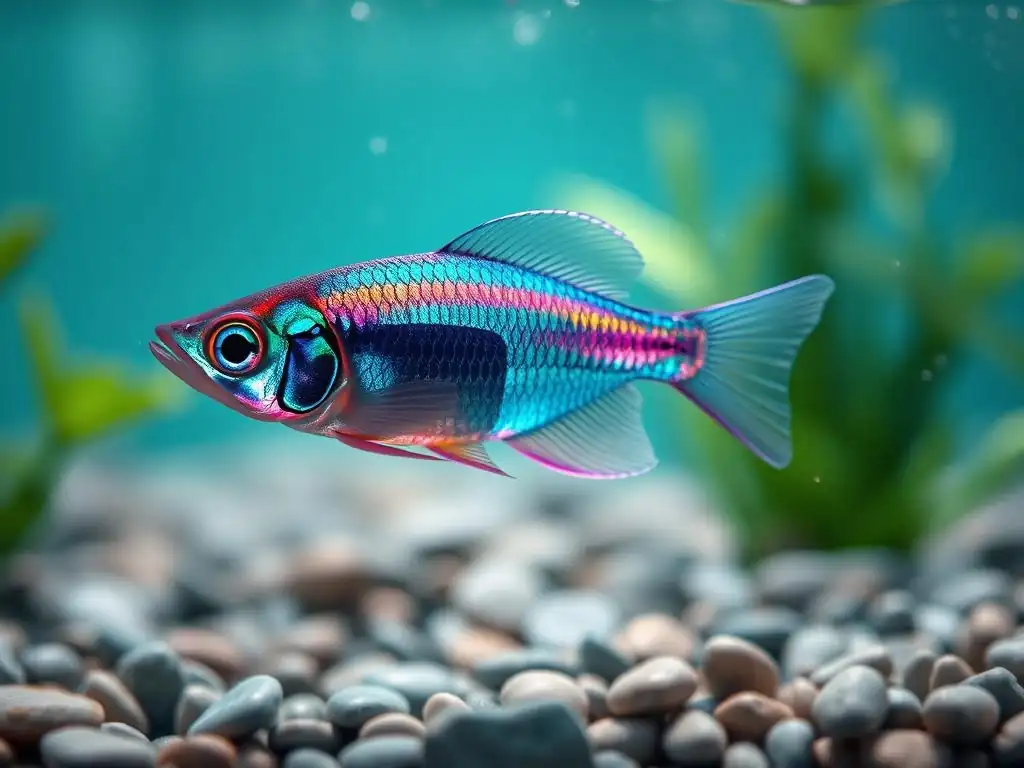
Color-enhancing foods are specifically formulated to intensify and bring out the natural vibrant hues of your tetras. These foods typically contain higher concentrations of natural pigments such as astaxanthin, carotenoids, and spirulina. Astaxanthin, for example, is a powerful antioxidant found in krill and shrimp that, when consumed by fish, is deposited in their skin cells, leading to more intense reds, oranges, and yellows.
While these foods won't create colors that aren't naturally present in the fish, they significantly enhance existing pigmentation, making your tetras appear more striking. For optimal results, color-enhancing foods should be fed consistently over several weeks, often showing noticeable improvements within 2-4 weeks. Many reputable brands offer color-enhancing flake or pellet options that can be incorporated into your regular healthy tetra diet guide.
Growth Formulas: Supporting Healthy Development
Growth formulas are designed with a higher protein content and a balanced amino acid profile to support rapid and healthy development in juvenile tetras or to help adult fish recover from stress or illness. These foods typically contain crude protein levels ranging from 45% to 55%, significantly higher than standard flake foods. The increased protein provides the necessary building blocks for muscle and tissue development, ensuring your young tetras reach their full size potential.
These formulas are particularly beneficial for growing schools of young tetras, promoting strong bone structure and robust organ development. For example, feeding a growth formula to juvenile Neon Tetras can help them reach their adult size of approximately 1.5 inches more quickly and with better overall body mass compared to a standard diet. They should be used as directed and often phased out as fish reach maturity to prevent over-nutrition.
Conditioning Foods: Preparing for Reproduction
Conditioning foods are specialized diets used to prepare tetras for breeding. They are typically higher in both protein and fat content, and often fortified with specific vitamins, particularly Vitamin E, which is known to boost fertility in fish. The increased caloric intake helps the fish build up energy reserves and develop healthy gonads, increasing the likelihood of successful spawning.
For instance, a conditioning diet might include a mix of high-protein flakes, live or frozen bloodworms, and frozen brine shrimp, fed 2-3 times daily for 1-2 weeks prior to attempting a spawn. The goal is to ensure both male and female tetras are in peak physical condition, with females appearing noticeably plumper with roe. This targeted nutritional support is a critical step in any successful tetra breeding program.
Feeding Schedule and Amounts: Optimal Feeding Practices
Determining the Right Amount of Food
One of the most common mistakes in fish keeping is overfeeding, which can rapidly degrade water quality and harm your tetras. The general rule of thumb for determining the right amount of food is to feed only what your tetras can completely consume within 2 to 3 minutes. Any food left uneaten after this time should be promptly removed from the tank to prevent decay and ammonia spikes.
Start with a small pinch of food and observe your tetras' feeding behavior. If all the food is gone quickly and they are still actively searching, you can add a tiny bit more. It's always better to underfeed slightly than to overfeed. For an average school of 10-15 tetras, this might equate to a flake size of about 0.5 grams per feeding. Consistent observation will help you fine-tune the perfect portion size for your specific fish and their activity levels, a key aspect of a healthy tetra diet guide.
Recommended Feeding Frequency: Avoiding Overfeeding
For adult tetras, feeding once or twice a day is generally sufficient. A single feeding ensures they get their necessary nutrients without excessive waste. If you opt for two feedings, ensure each portion is smaller than a single daily feeding to prevent overfeeding. Juvenile tetras, which are actively growing, may benefit from 2-3 smaller feedings per day to support their rapid development and higher metabolic rates.
Consistency in feeding times can also help establish a routine for your fish and make them more comfortable. For instance, feeding at 8:00 AM and 6:00 PM creates a predictable schedule. Skipping a day of feeding occasionally, perhaps once a week, can also be beneficial, allowing their digestive systems to clear out and reducing the overall bioload in the tank. This practice can prevent issues like bloat and promote better long-term health.
Observing Your Tetras: Recognizing Signs of Over/Underfeeding
Regular observation of your tetras during and after feeding is crucial for maintaining their health and adjusting their diet as needed. Signs of overfeeding include uneaten food accumulating on the substrate, cloudy water, and tetras appearing bloated or lethargic. Bloated tetras may also exhibit difficulty swimming or buoyancy issues due to digestive distress.
Conversely, signs of underfeeding include thin or emaciated bodies (especially a sunken belly area), faded coloration, reduced activity levels, and a lack of schooling behavior. If your tetras are consistently thin despite regular feeding, it might indicate competition from tank mates, internal parasites, or simply an insufficient amount of food. A healthy tetra diet guide emphasizes active monitoring to ensure optimal intake.
Maintaining Optimal Water Quality: A Key Component of Health
The Relationship Between Diet and Water Quality
The diet you provide your tetras is inextricably linked to the water quality in their aquarium. Uneaten food, along with fish waste (feces), decomposes rapidly, releasing ammonia into the water. Ammonia is highly toxic to fish, even in small concentrations, and can lead to gill damage, stress, and increased susceptibility to disease. While beneficial bacteria in the filter convert ammonia to less harmful nitrates, excessive organic waste can overwhelm this biological filtration system.
A high-protein diet, while beneficial for growth, also produces more nitrogenous waste. Therefore, a properly managed feeding regimen, coupled with robust water quality management, is essential. For example, a 20-gallon tank with 15 Neon Tetras fed twice daily might see ammonia levels spike if uneaten food is not removed and water changes are neglected, directly impacting the effectiveness of a healthy tetra diet.
Regular Water Changes: Minimizing Waste Buildup
Regular partial water changes are perhaps the most critical maintenance task for maintaining pristine water quality and minimizing waste buildup. Water changes remove nitrates, phosphates, and other dissolved organic compounds that accumulate over time, even with efficient filtration. These compounds, if left to build up, can stress fish, inhibit plant growth, and encourage algae blooms.
For a typical tetra aquarium, a 25-30% water change weekly or bi-weekly is generally recommended. For instance, in a 20-gallon tank, this would mean replacing 5-6 gallons of water. This consistent removal of pollutants ensures a stable and healthy environment where your tetras can thrive, directly supporting the benefits derived from a healthy tetra diet. Using a gravel vacuum during water changes also helps remove uneaten food and detritus from the substrate.
Effective Filtration: Removing Excess Food and Debris
Effective filtration is fundamental to processing the waste produced by your tetras and their diet. A robust filtration system typically comprises three types: mechanical, chemical, and biological. Mechanical filtration physically removes particles like uneaten food and fish waste, preventing them from decaying. Chemical filtration, often using activated carbon, removes dissolved organic pollutants and odors. Biological filtration, powered by beneficial bacteria, is the most crucial, converting toxic ammonia and nitrite into less harmful nitrate.
Regular maintenance of your filter, such as rinsing mechanical media in old tank water and replacing chemical media periodically (e.g., monthly for carbon), is vital. A properly sized filter for your tank volume, with adequate flow rates (e.g., a filter rated for 150-200 gallons per hour for a 20-gallon tank), ensures that excess food and debris are efficiently removed, maintaining clarity and chemical balance in the water.
Common Feeding Mistakes to Avoid: Ensuring a Healthy Diet
Overfeeding: The Most Common Error
Overfeeding is unequivocally the most prevalent and damaging mistake novice and even experienced aquarists make. It leads to a cascade of negative consequences, starting with rapid degradation of water quality due to decaying uneaten food. This results in dangerous spikes in ammonia and nitrite, which are highly toxic to tetras. Beyond water quality, overfeeding can cause serious health issues for the fish themselves, including obesity, fatty liver disease, swim bladder disorders, and lethargy.
Bloated tetras, often struggling to swim properly, are a clear sign of overfeeding. It's far better to err on the side of underfeeding slightly than to consistently provide too much food. A healthy tetra diet guide emphasizes feeding small amounts multiple times a day rather than one large meal, ensuring all food is consumed within 2-3 minutes.
Feeding Low-Quality Food: The Impact on Health
Feeding low-quality or expired fish food is another critical mistake that undermines the health of your tetras. Cheap foods often contain excessive fillers (like wheat or corn flour) that offer little nutritional value and are largely indigestible by fish. This leads to more waste production, cloudier water, and, most importantly, nutritional deficiencies in your tetras.
Fish fed a diet lacking essential nutrients will exhibit dull coloration, stunted growth, weakened immune systems, and increased susceptibility to diseases like fin rot or Ich. Such foods also tend to break down quickly in water, further polluting the tank. Always invest in reputable brands that list high-quality protein sources (like fish meal or krill) as their primary ingredients, ensuring your tetras receive the balanced nutrition crucial for a healthy tetra diet.
Ignoring Vegetable Matter: Missing Essential Nutrients
Despite many popular tetra species being omnivorous, a common mistake is neglecting to provide adequate vegetable matter in their diet. While they readily consume protein-rich foods, plant-based nutrients are vital for their digestive health and overall well-being. A diet composed solely of animal proteins can lead to a lack of fiber, potentially causing constipation and other digestive issues.
Vegetable matter, such as blanched spinach or spirulina-based foods, supplies essential vitamins (e.g., Vitamin K, certain B vitamins) and minerals that are less abundant in meat-based diets. Incorporating these elements ensures a well-rounded diet that supports optimal gut function and provides a broader spectrum of micronutrients. For example, a tetra consuming a diet lacking fiber might exhibit reduced activity due to digestive discomfort.
Feeding Only One Type of Food: Lack of Variety
Limiting your tetras to a single type of food, even if it's a high-quality one, is a significant oversight. While a premium flake food can serve as a staple, no single food can provide the complete and diverse nutritional profile that tetras require for optimal health and vibrancy. Just as humans thrive on a varied diet, so do fish.
A monotonous diet can lead to specific nutrient deficiencies over time, as different food sources offer unique combinations of proteins, fats, vitamins, and minerals. For example, live or frozen foods provide enzymes and fresh nutrients often lost in processed flakes, while vegetable matter offers essential fiber and plant-specific micronutrients. A healthy tetra diet guide emphasizes rotating between flakes, pellets, frozen, and occasional live foods to ensure a truly comprehensive and balanced nutritional intake.
Troubleshooting Feeding Problems: Addressing Common Issues
Tetra Refusing to Eat: Possible Causes and Solutions
When tetras refuse to eat, it's often an early indicator of an underlying issue. One common cause is stress, perhaps from a new environment, aggressive tank mates, or recent tank maintenance. Poor water quality, such as elevated ammonia or nitrite levels, is another frequent culprit, as these toxins can make fish lethargic and suppress their appetite. Illness, such as internal parasites or bacterial infections, can also cause a loss of appetite.
To troubleshoot, first, test your water parameters (ammonia, nitrite, nitrate, pH, temperature) to rule out water quality issues. Perform a partial water change if parameters are off. Observe your fish for signs of disease (spots, clamped fins, labored breathing). If new to the tank, give them a few days to acclimate. Try offering a different, highly palatable food like frozen bloodworms or live brine shrimp to entice them. If only one or two fish are affected, it might be competition from more dominant tank mates.
Bloated Tetras: Identifying and Treating Overfeeding
Bloated tetras typically exhibit a distended, swollen belly, often accompanied by lethargy, clamped fins, and difficulty swimming or maintaining buoyancy. This condition is most commonly caused by overfeeding, especially with high-protein or fatty foods, leading to digestive blockage or internal bacterial infections. In severe cases, it can be a symptom of dropsy, though that usually involves scales protruding.
To treat simple bloat caused by overfeeding, first, stop feeding your tetras for 1-2 days to allow their digestive system to clear. After the fasting period, offer blanched and deshelled green peas (a known laxative for fish) in very small pieces. Feed only peas for a day or two, then gradually reintroduce their regular varied diet in smaller portions. Ensure water quality is pristine by performing a partial water change. If the bloat persists or worsens, it may indicate a more serious underlying infection requiring medication.
Thin Tetras: Addressing Underfeeding
Thin or emaciated tetras will appear noticeably gaunt, with a sunken belly area and a lack of body mass. They may also exhibit faded colors, reduced activity, and a general lack of vigor. This condition is primarily caused by underfeeding, either due to insufficient food quantity, competition from more aggressive tank mates, or the presence of internal parasites that are consuming their nutrients.
To address underfeeding, first, observe feeding time closely to ensure all tetras are getting enough food and none are being outcompeted. Increase the feeding frequency to 2-3 times a day with smaller portions, or offer slightly larger amounts at each feeding. Introduce higher protein foods, such as frozen bloodworms or quality micro-pellets, to help them gain weight. If the problem persists despite adequate feeding, consider treating for internal parasites with an appropriate medication, as this is a common cause of emaciation even with a healthy tetra diet.
Creating a Thriving Tetra Community: The Importance of a Balanced Diet
The Role of Diet in Schooling Behavior
A balanced and nutritious diet plays a significant role in fostering healthy and vibrant schooling behavior among tetras. Well-fed tetras are more energetic, confident, and less stressed, which encourages them to form tighter, more cohesive schools. This natural behavior is not only aesthetically pleasing but also a vital survival mechanism in the wild, providing safety in numbers.
Conversely, malnourished or underfed tetras may become lethargic, withdrawn, or even aggressive towards tank mates due to stress and nutrient deficiencies. They might lose their schooling instinct, preferring to hide or swim alone. A consistent, healthy tetra diet guide provides the energy and vitality necessary for these fish to exhibit their natural, beautiful schooling patterns, making your aquarium a more dynamic and engaging display.
Diet and Disease Resistance
A robust and varied diet is the cornerstone of a strong immune system in tetras, directly enhancing their resistance to common aquarium diseases. Just like in humans, a fish's ability to fight off pathogens is heavily reliant on receiving a full spectrum of vitamins, minerals, and essential nutrients. Deficiencies in key vitamins, such as Vitamin C or E, can significantly weaken their immune response, making them susceptible to ailments like Ich (white spot disease), fin rot, and bacterial infections.
For example, a tetra consistently fed a diet rich in Omega-3 fatty acids and Vitamin D will have stronger mucous membranes and a more resilient internal defense system. This means that even if exposed to pathogens, a well-nourished fish is more likely to recover quickly or not succumb to the disease at all, compared to a malnourished one.
Long-Term Benefits of a Healthy Diet
The long-term benefits of consistently providing a healthy tetra diet are profound and extend far beyond just vibrant colors. A balanced and nutritious feeding regimen significantly contributes to the longevity of your tetras, allowing them to live out their full potential lifespan, which for many species can be 5 to 10 years or even longer with optimal care. It also ensures consistent growth, prevents deformities, and supports successful breeding.
Furthermore, healthy, well-fed tetras are more active, exhibit natural behaviors, and are generally more resilient to environmental stressors. This leads to a more stable and enjoyable aquarium ecosystem, reducing the frequency of health issues and the need for interventions. Ultimately, a comprehensive healthy tetra diet guide is an investment in the enduring beauty, vitality, and well-being of your aquatic companions.
Advanced Tetra Nutrition: Species-Specific Needs
Neon Tetra Diet Considerations
Neon Tetras (Paracheirodon innesi) are relatively small fish, typically growing to about 1.5 inches, and thus have smaller mouths. Their diet should primarily consist of high-quality micro-flakes or small pellets that they can easily consume. Due to their omnivorous nature, a diverse diet is crucial. This includes very small live or frozen foods such as newly hatched brine shrimp nauplii, micro worms, and finely chopped frozen daphnia.
While they appreciate protein, their delicate digestive systems also benefit from spirulina-based flakes or finely crushed algae wafers to provide essential plant matter and fiber. It's important to feed very small amounts frequently (2-3 times a day) rather than large, infrequent meals, as they are prone to bloat if overfed. Overfeeding also rapidly degrades water quality, to which Neons are particularly sensitive.
Cardinal Tetra Diet Considerations
Cardinal Tetras (Paracheirodon axelrodi) are similar in size and dietary needs to Neon Tetras, reaching up to 2 inches, but they often exhibit even more vibrant red and blue hues which can be significantly enhanced by their diet. Like Neons, they thrive on high-quality micro-flakes and small pellets. However, to truly bring out their striking coloration, a strong emphasis on foods rich in natural pigments like astaxanthin and carotenoids is beneficial.
This means incorporating a higher proportion of krill-based foods, color-enhancing flakes, and live or frozen foods such as bloodworms (in moderation), brine shrimp, and daphnia into their healthy tetra diet guide. Feeding these protein-rich, color-boosting foods 3-4 times a week, alongside their staple flakes, will help maintain their intense coloration and overall vitality. Consistent water quality is also paramount, as poor conditions can dull their colors regardless of diet.
Frequently Asked Questions
How important is a varied diet for tetras, and what are the risks of only feeding them flakes?
A varied diet is crucial for tetra health and vibrancy. Relying solely on flakes can lead to nutrient deficiencies and a weakened immune system. This can result in illness and reduced lifespan.
What types of live or frozen foods are most beneficial for tetras, and how often should they be offered?
Excellent choices include daphnia, bloodworms, and brine shrimp. Offer these live or frozen treats 2-3 times per week to supplement their flake-based diet and provide essential proteins and nutrients.
How does the age or species of tetra influence its dietary needs?
Younger tetras and certain species may require smaller, more frequent feedings or a higher protein content. Research your specific tetra species to understand their unique dietary requirements for optimal growth and health.
How can I ensure my tetras are getting enough to eat without overfeeding the tank?
Observe your tetras during feeding and only offer what they can consume in 2-3 minutes. Overfeeding leads to poor water quality and potential health problems, so aim for moderation.
What are some signs that my tetras are not getting a healthy or balanced diet?
Signs include faded coloration, lethargy, fin clamping, and increased susceptibility to disease. Addressing these dietary deficiencies promptly can help restore their health and vitality.
Final Reflection: Cultivating Aquatic Well-being
The principles of a healthy tetra diet, as explored in this guide, are not merely about providing sustenance; they are about fostering vibrant, thriving aquatic ecosystems within our own homes. Understanding the nuanced nutritional needs of these small creatures, and moving beyond the simplicity of basic flakes, is a crucial step towards responsible and rewarding fishkeeping in today's world, where awareness of animal welfare is paramount.
This journey into the world of tetra nutrition has profoundly underscored the interconnectedness of diet and overall health. Witnessing the transformation in color, activity, and longevity when providing a varied and balanced diet is truly rewarding. It reinforces the idea that even the smallest creatures deserve our utmost care and attention. The greatness of a nation and its moral progress can be judged by the way its animals are treated.
- Mahatma Gandhi. This quote, though often applied to larger animals, resonates deeply when considering the well-being of our aquatic companions.
Now, armed with the knowledge of a truly healthy tetra diet, I encourage you to reflect on your own approach to fishkeeping. Are you simply feeding your tetras, or are you nourishing them? Take the time to reassess their current diet, introduce variety, and observe the positive changes that unfold. By embracing a more holistic approach to their care, you'll not only enhance their lives but also deepen your own appreciation for the beauty and complexity of the aquatic world.
Unlock Your Tetra's Full Potential!
Thank you for diving deep into the world of tetra nutrition! We hope you've found valuable insights to enhance your finned friend's well-being. Now, let's put that knowledge into action!
Here are a few ways to elevate your tetra's diet and overall happiness:
- Implement the 7-Day Tetra Food Challenge: Introduce a variety of new, high-quality foods into your tetra's diet over the next week, carefully observing their response and preferences. This will help you identify their favorite, most nutritious options!
- Explore supplementing their diet with live or frozen foods like daphnia or brine shrimp for added enrichment.
- Share your tetra's favorite new food discoveries with other aquarium enthusiasts in online forums or social media groups.
What exciting new food will your tetra be trying this week? Let us know in the comments below!