
Variatus Platy (Xiphophorus variatus): A Colorful & Hardy Choice

Welcome to Aquarium Mastery!
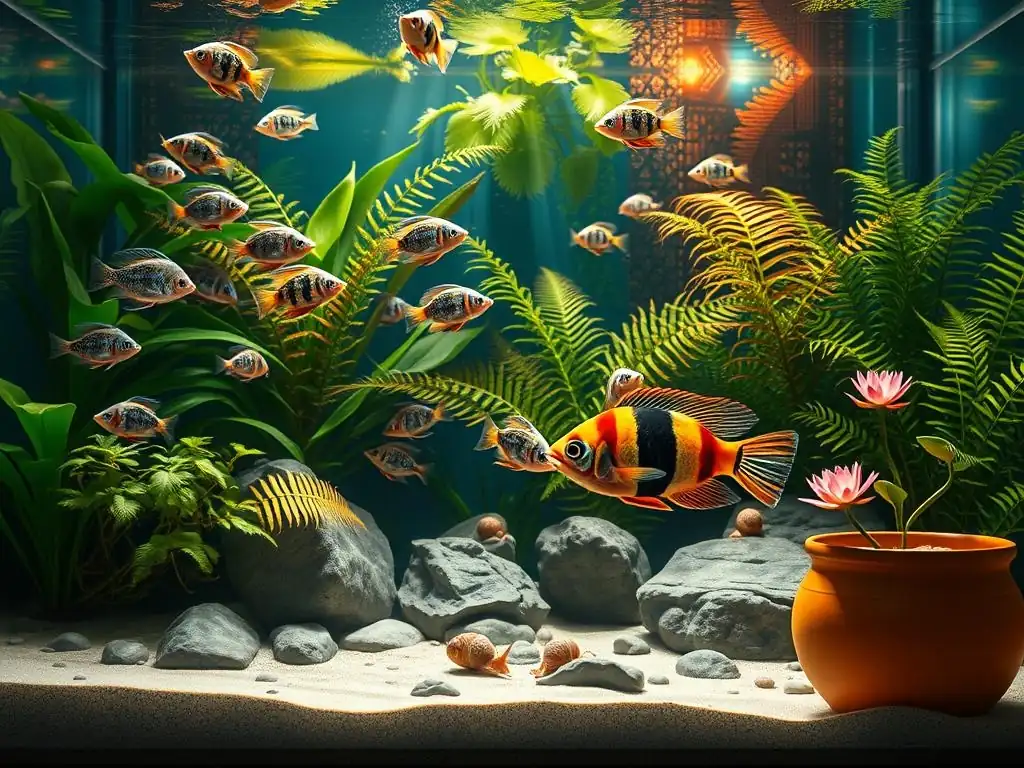
Dive into the vibrant world of aquarium keeping! Are you captivated by the idea of a splash of color and personality in your freshwater tank? Then you're in the right place. Let's uncover the secrets to successful Variatus Platy care, starting with everything you need to know about these hardy and beautiful fish. Ready to create a thriving environment where your platies can truly shine?
- Variatus Platy (Xiphophorus variatus): A Colorful & Hardy Choice for Your Aquarium
- Introduction to the Variatus Platy: A Beginner-Friendly Livebearer
- Understanding Variatus Platy Care: Essential Tips for a Thriving Aquarium
- Variatus Platy Tank Mates: Creating a Peaceful Community Aquarium
- Breeding Variatus Platies: A Guide to Successful Livebearer Reproduction
- Variatus Platy Color Variations and Genetics: Exploring the Rainbow
- Common Variatus Platy Diseases and Health Issues: Prevention & Treatment
- Setting Up the Ideal Variatus Platy Tank: A Step-by-Step Guide
- Troubleshooting Common Variatus Platy Problems: Solutions & Advice
- Conclusion: Enjoying the Beauty and Ease of Variatus Platy Keeping
- Frequently Asked Questions
- Final Reflection: Embracing the Vibrant Resilience of the Variatus Platy
- Unleash the Vibrant World of Platies!
Variatus Platy (Xiphophorus variatus): A Colorful & Hardy Choice for Your Aquarium
Introduction to the Variatus Platy: A Beginner-Friendly Livebearer
Why Choose the Variatus Platy for Your Freshwater Tank?
The Variatus Platy, scientifically known as Xiphophorus variatus, stands out as an excellent choice for both novice and experienced aquarists due to its remarkable hardiness, adaptability, and striking color variations. These small, active livebearers are incredibly forgiving of minor fluctuations in water parameters, making them a robust option for those new to fishkeeping.
Their peaceful demeanor ensures they integrate well into most community freshwater tanks, adding a splash of vibrant color without causing stress to other inhabitants. Many hobbyists appreciate their low maintenance needs, which are a key part of effective Variatus Platy care tips for a thriving home aquarium.
Beyond their resilience, Variatus Platies exhibit engaging and active swimming patterns that bring dynamic energy to any aquarium. Unlike some shyer species, they are often seen exploring all levels of the tank, from the substrate to the surface. Their continuous activity and curiosity make them a joy to observe, providing constant visual interest. Furthermore, their relatively small size, typically reaching about 2 to 2.5 inches (5-6.5 cm) in adulthood, allows them to be comfortably housed in tanks as small as 10-15 gallons for a small group, making them accessible even to those with limited space.
Variatus Platy Profile: Quick Stats & Overview
The Variatus Platy, or Variable Platy, is a popular livebearer originating from Central America, primarily found in Mexico, Guatemala, and Belize. They are known for their wide array of natural color forms and patterns, which contribute to their common name, "Variatus," meaning "variable." These fish generally have a lifespan of 3 to 5 years when provided with optimal Variatus Platy care and a stable environment. They are active, omnivorous, and reproduce readily, making them a fascinating subject for observation and even breeding projects.
As livebearers, Variatus Platies give birth to fully formed, free-swimming fry rather than laying eggs. This characteristic, coupled with their peaceful nature, makes them a favorite among those looking to experience the joys of fish breeding without the complexities often associated with egg-laying species. Their adaptability to various tank conditions, provided basic Variatus Platy care tips are followed, solidifies their reputation as a beginner-friendly species. They are generally robust and disease-resistant, thriving in well-maintained setups with compatible tank mates.
Understanding Variatus Platy Care: Essential Tips for a Thriving Aquarium
Optimal Tank Conditions for Variatus Platies: Water Parameters & Temperature
Providing stable and appropriate water conditions is paramount for the long-term health and vibrant coloration of Variatus Platies. These fish thrive in slightly alkaline to neutral water with a pH range of 7.0 to 8.0, and a moderate to hard water hardness (dGH) between 10 and 25. Consistency is more crucial than hitting exact numbers; sudden fluctuations can cause significant stress. The ideal temperature range for Variatus Platies is 72-78°F (22-26°C). Maintaining these parameters helps boost their immune system and prevents common stress-related illnesses, forming the cornerstone of effective Variatus Platy care.
Deviations from these optimal parameters can lead to various health issues. For instance, prolonged exposure to acidic water (pH below 6.5) can cause fin erosion and bacterial infections, while excessively soft water may hinder their ability to properly regulate osmotic balance, leading to lethargy and faded colors. Conversely, water that is too hard or too alkaline can stress their systems, potentially shortening their lifespan. Regular testing of ammonia, nitrite, nitrate, pH, and temperature, ideally weekly, ensures that the environment remains conducive to their well-being.
Variatus Platy Diet and Feeding: What to Feed Your Platies for Vibrant Health
Variatus Platies are omnivores with a hearty appetite, making their dietary needs relatively easy to meet. A high-quality flake food should form the staple of their diet, providing essential vitamins and minerals. Look for flakes that list fish meal, spirulina, and various vitamins as primary ingredients. To ensure comprehensive nutrition and enhance their vibrant colors, supplement their diet with a variety of live or frozen foods such as brine shrimp, daphnia, and bloodworms two to three times per week. These protein-rich options mimic their natural diet and provide crucial amino acids.
Incorporating vegetable matter is also a vital aspect of comprehensive Variatus Platy care. Platies enjoy blanched zucchini, cucumber slices, or spirulina flakes/pellets, which provide necessary fiber and prevent digestive issues. Feed your platies two to three times daily, offering only what they can consume within 2 to 3 minutes. Overfeeding is a common mistake that can lead to poor water quality, digestive problems, and obesity in fish. A varied diet not only keeps them healthy but also promotes their natural foraging behaviors and enhances their overall vitality.
Maintaining Water Quality: Crucial for Healthy Variatus Platies
Maintaining pristine water quality is arguably the most critical aspect of successful Variatus Platy care. As livebearers, they produce a significant bioload, meaning they contribute a fair amount of waste to the tank, especially if they are actively breeding. Regular partial water changes are essential to dilute nitrates and replenish vital trace elements. A general recommendation is to perform a 25-30% water change weekly, using dechlorinated water that matches the tank's temperature and pH as closely as possible. This consistent routine prevents the buildup of harmful toxins like ammonia and nitrite.
Beyond water changes, a robust filtration system is indispensable. A good filter provides mechanical filtration to remove particulate matter, chemical filtration (e.g., activated carbon) to remove odors and discoloration, and most importantly, biological filtration to convert toxic ammonia and nitrite into less harmful nitrates. Ensuring adequate water circulation prevents stagnant areas where waste can accumulate. Regularly cleaning filter media (rinsing in old tank water, not tap water, to preserve beneficial bacteria) and vacuuming the substrate during water changes are integral Variatus Platy care tips that contribute significantly to a stable and healthy aquatic environment.
Variatus Platy Tank Mates: Creating a Peaceful Community Aquarium
Best Tank Mates for Variatus Platies: Compatibility & Considerations
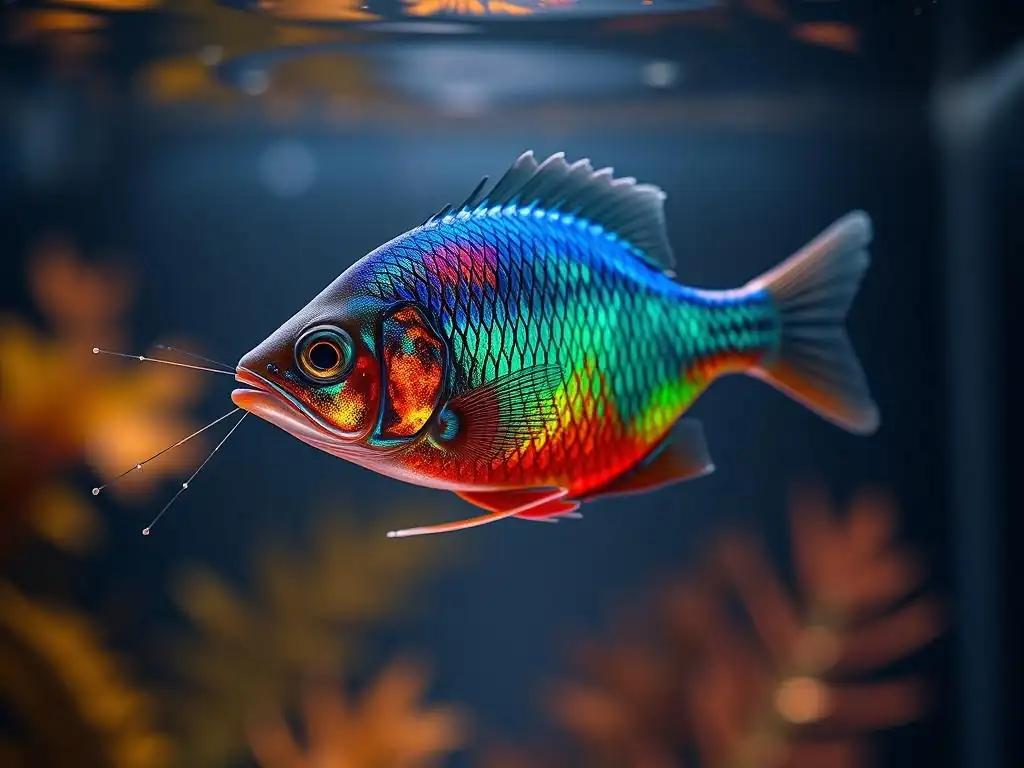
Variatus Platies are generally peaceful and well-suited for a community aquarium, provided their tank mates share similar temperament and water parameter requirements. Excellent companions include other peaceful livebearers such as Guppies, Mollies, and Swordtails, as they have similar needs and breeding habits. Small, non-aggressive schooling fish like Neon Tetras, Cardinal Tetras, Harlequin Rasboras, and various species of Corydoras catfish also make ideal tank mates. These species typically occupy different levels of the tank, minimizing competition for space.
When selecting tank mates, consider the adult size of the fish and their activity levels. For instance, peaceful bottom dwellers like Otocinclus catfish or small loaches can also coexist happily, helping to keep the tank clean. If tank size permits, a pair of peaceful dwarf cichlids, such as German Blue Rams, can also be considered, though their specific water parameters (often preferring slightly softer, more acidic water) should be carefully matched. The key to successful Variatus Platy care in a community setting is ensuring that all inhabitants are non-aggressive and won't outcompete the platies for food or space.
Fish to Avoid Keeping with Variatus Platies: Potential Conflicts
While Variatus Platies are quite adaptable, certain fish species are entirely unsuitable as tank mates due to their aggressive nature, predatory instincts, or vastly different environmental needs. Avoid large, aggressive cichlids such as Oscars, Jack Dempseys, or Convict Cichlids, as they will undoubtedly prey on or severely bully the smaller platies. Even certain semi-aggressive species like Tiger Barbs, known for their fin-nipping tendencies, can stress and injure Variatus Platies, leading to disease and ultimately death.
Furthermore, fish that require significantly different water parameters should be avoided. For example, some African cichlids thrive in very hard, alkaline water, which might be too extreme for Variatus Platies, even if the pH range overlaps. Similarly, very large or fast-swimming fish can intimidate platies and outcompete them for food. It's also wise to avoid very delicate or slow-moving fish that might be stressed by the Variatus Platy's active nature, though this is less common. Prioritizing compatibility is a crucial Variatus Platy care tip that ensures a harmonious and thriving community tank.
Breeding Variatus Platies: A Guide to Successful Livebearer Reproduction
Setting Up a Breeding Tank for Variatus Platies: Creating the Ideal Environment
Variatus Platies are prolific breeders, and if you have both males and females in your tank, you will likely observe fry. For controlled breeding or to maximize fry survival, setting up a dedicated breeding tank is highly recommended. A 5-10 gallon tank is sufficient for a single pregnant female. The key to successful Variatus Platy care during breeding is providing ample hiding spots for the fry immediately after birth. This can be achieved by heavily planting the tank with dense, fine-leaved plants like Java Moss, Hornwort, or Water Sprite, which offer excellent cover.
Alternatively, a breeding box or net can be used, though these can be stressful for the female if kept in them for too long. Once you identify a pregnant female (characterized by a dark gravid spot near the anal fin and a noticeably squared-off belly), you can move her to the breeding tank. Ensure the water parameters in the breeding tank match the main tank to avoid shocking the female. After she gives birth, which typically occurs every 28-30 days, promptly remove the adult female to prevent her from preying on the fry.
Caring for Variatus Platy Fry: Raising Healthy Baby Platies
Variatus Platy fry are born relatively large and are immediately free-swimming, making them easier to raise than the fry of many egg-laying species. For the first few days, their primary food source can be finely crushed high-quality flake food, specialized fry food, or liquid fry food. As they grow, within a week or two, they can transition to newly hatched brine shrimp or microworms, which are excellent for promoting rapid growth and vibrant coloration. Feed the fry small amounts frequently, about 3-4 times per day, to support their rapid metabolism and growth.
Maintaining impeccable water quality is paramount for the delicate fry. Perform small daily water changes of about 10-15% to keep nitrate levels low and provide fresh water. Ensure the temperature remains stable within the optimal range for platies. With proper Variatus Platy care, fry will grow quickly, reaching sexual maturity in about 3-4 months. During this period, it's essential to monitor their growth and potentially separate larger fry from smaller ones to prevent competition for food.
Controlling Variatus Platy Population: Preventing Overcrowding
Given their prolific breeding nature, controlling the Variatus Platy population is an important aspect of long-term Variatus Platy care to prevent overcrowding. In a community tank, some fry may naturally be consumed by other adult fish (including the parents), acting as a form of natural population control. However, if you wish to prevent any breeding, keeping only a single sex (e.g., an all-male or all-female tank) is the most effective method, though distinguishing sexes can be challenging for beginners. Male platies have a modified anal fin called a gonopodium, while females have a fan-shaped anal fin.
If breeding occurs unintentionally, several strategies can help manage the population. Rehoming excess fish to other aquarists or local fish stores is a common practice. Another approach is to simply allow nature to take its course in a well-stocked community tank, where some fry will serve as live food for other inhabitants. Overcrowding can lead to stunted growth, increased aggression, poor water quality, and higher susceptibility to diseases. Therefore, proactively managing the Variatus Platy population is crucial for the health and well-being of all your fish.
Variatus Platy Color Variations and Genetics: Exploring the Rainbow
Popular Variatus Platy Color Morphs: A Visual Guide
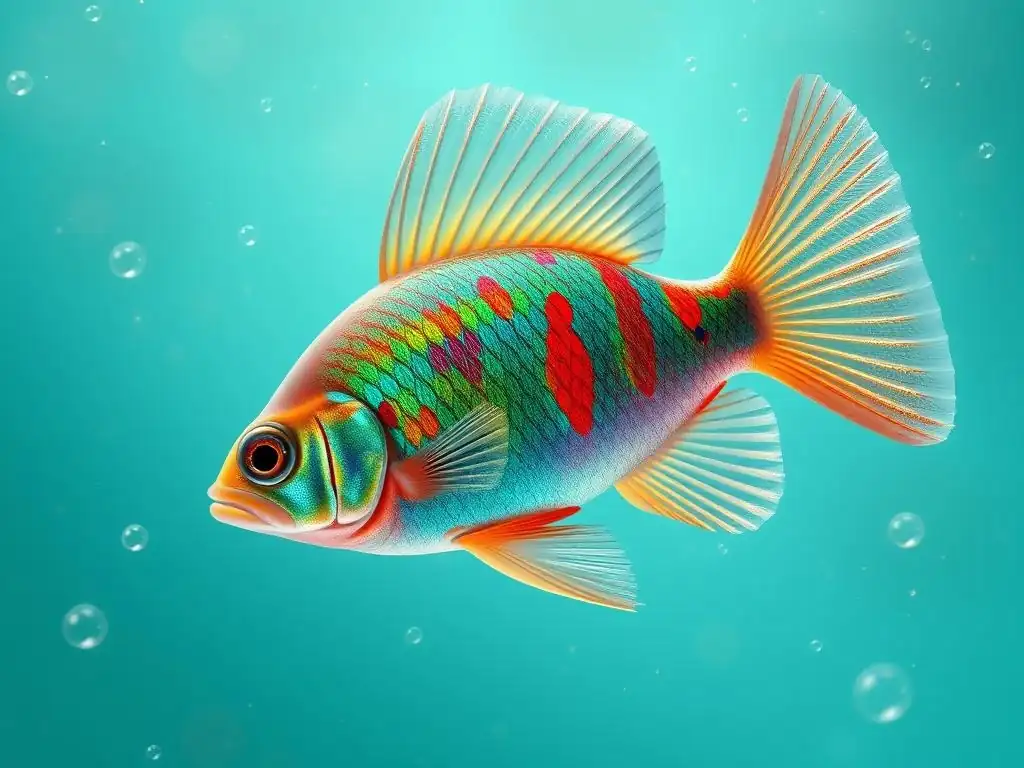
The Variatus Platy is renowned for its incredible diversity in color and fin patterns, a result of both natural variation and selective breeding. Some of the most popular color morphs include the "Sunset Variatus Platy," which features a striking orange or red body fading into a yellow or gold tail. The "Marigold Variatus Platy" showcases a vibrant, uniform orange-yellow hue across its entire body. "Hawaiian Variatus Platies" often display a mix of red, orange, and black spots or patterns.
Other beloved variations include the "Wagtail Variatus Platy," characterized by a solid black coloration on the fins and often the mouth, contrasting with a brightly colored body (e.g., Red Wagtail, Gold Wagtail). "Blue Variatus Platies" exhibit iridescent blue scales, while "Red" and "Gold" morphs are solid variations of these vibrant colors. Some also feature high-fin or sailfin traits, where the dorsal fin is significantly elongated. This wide array of aesthetic choices makes Variatus Platies a captivating addition to any aquarium and a key reason for their popularity in the hobby.
Understanding Variatus Platy Genetics: Inheritance of Color Patterns
The astonishing range of colors and patterns seen in Variatus Platies is a testament to their fascinating genetics, which involve multiple genes influencing pigment production and distribution. Fish coloration is primarily determined by specialized cells called chromatophores, which contain different pigments: melanophores (black/brown), xanthophores (yellow/orange), and erythrophores (red). The expression and interaction of genes controlling these cells result in the diverse morphs we observe.
For example, the "Wagtail" pattern is often attributed to a dominant gene that causes melanin to spread to the fins, regardless of the body color. Similarly, the intensity of red or orange hues is often linked to genes that control the density and vibrancy of erythrophores and xanthophores. While the full genetic map is complex, understanding basic dominant and recessive traits allows breeders to predict offspring colors and develop new, exciting variations. This genetic plasticity makes Variatus Platies a favorite among hobbyists interested in selective breeding and exploring the endless possibilities of fish coloration.
Common Variatus Platy Diseases and Health Issues: Prevention & Treatment
Recognizing Signs of Illness in Variatus Platies: Early Detection is Key
Despite their hardiness, Variatus Platies can occasionally fall ill, often due to poor water quality, stress, or introduction of new diseased fish. Early detection of illness is crucial for successful treatment and preventing the spread of disease to other tank inhabitants. Common signs of illness include clamped fins (held close to the body), loss of appetite, lethargy (spending unusual amounts of time at the bottom or surface), erratic swimming, or flashing (rubbing against decor or substrate).
Further symptoms to watch for include discolored spots, white fuzzy growths, frayed or rotting fins, bulging eyes, or a swollen body (dropsy). Any deviation from their normal behavior or appearance should prompt immediate investigation. Regularly observing your Variatus Platies, ideally daily during feeding, is one of the most effective Variatus Platy care tips for ensuring their long-term health. Prompt action, such as isolating the affected fish and testing water parameters, can significantly improve the chances of recovery.
Treating Common Variatus Platy Diseases: Ich and Fin Rot
Two of the most common diseases encountered in freshwater aquariums, including those housing Variatus Platies, are Ich (Ichthyophthirius multifiliis) and Fin Rot. Ich is easily recognizable by small, white spots resembling salt grains scattered across the fish's body and fins. It's a highly contagious parasitic infection often triggered by stress or sudden temperature changes. Treatment involves slowly raising the tank temperature to 82-84°F (28-29°C) over 24 hours (if compatible with other tank inhabitants) to accelerate the parasite's life cycle, combined with the use of Ich-specific medications containing malachite green or formalin.
Fin Rot, typically caused by bacterial infections (often Aeromonas or Pseudomonas species), manifests as frayed, ragged, or discolored fins, which may appear red or black at the edges. This condition is almost always a result of poor water quality, high nitrates, or physical injury. The primary treatment involves improving water quality through daily small water changes (e.g., 25% daily for several days) and ensuring proper filtration. In severe cases, broad-spectrum antibacterial medications like erythromycin or tetracycline may be necessary, but always prioritize water quality improvement first as a key Variatus Platy care strategy.
Preventing Health Problems in Variatus Platies: Proactive Care Strategies
Prevention is always better than cure when it comes to fish diseases, and proactive Variatus Platy care strategies can significantly reduce the risk of illness. The cornerstone of prevention is maintaining stable and pristine water quality through regular partial water changes (e.g., 25-30% weekly) and effective filtration. Consistent water parameters (temperature, pH, hardness) minimize stress, which is a major factor in weakening fish immune systems. A varied and nutritious diet also plays a crucial role in building robust immunity.
Another vital preventative measure is quarantining new fish for at least 2 to 4 weeks in a separate tank before introducing them to your main aquarium. This allows you to observe them for any signs of disease and treat them if necessary, preventing the introduction of pathogens to your established tank. Avoid overcrowding, as this increases stress, waste production, and competition for resources, making fish more susceptible to illness. Regularly inspecting your fish for any subtle changes in behavior or appearance enables early intervention, preventing minor issues from escalating into full-blown outbreaks.
Setting Up the Ideal Variatus Platy Tank: A Step-by-Step Guide
Choosing the Right Tank Size for Variatus Platies: Considering Group Size
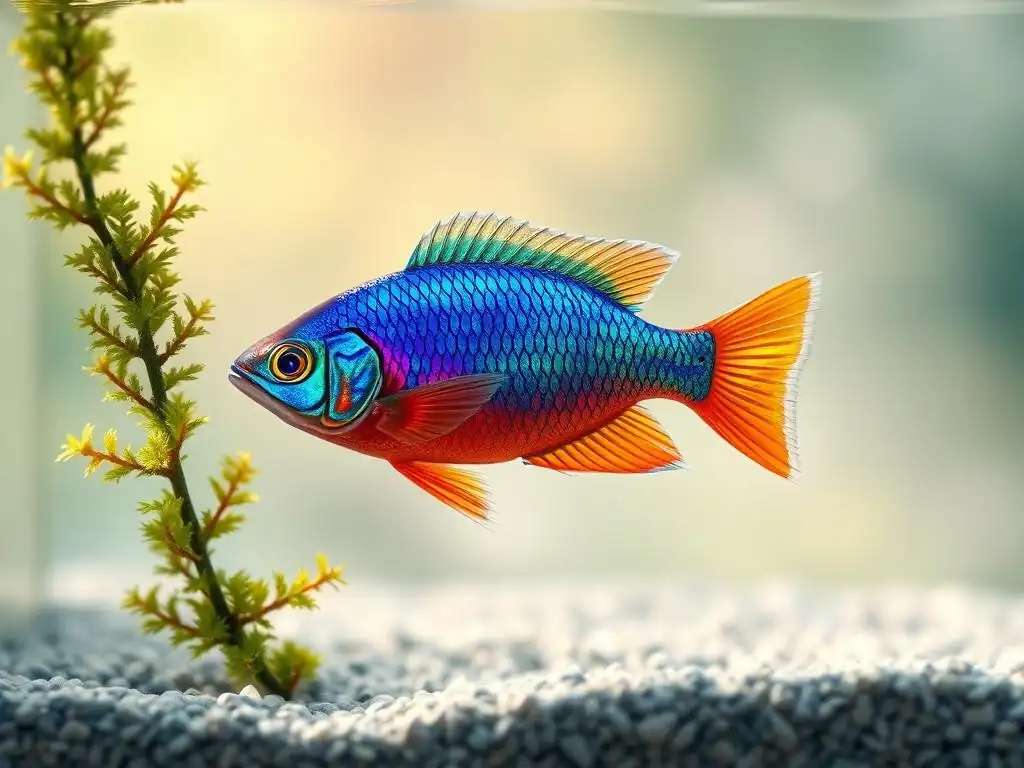
Choosing the appropriate tank size is a fundamental step in setting up an ideal environment for Variatus Platies and is a critical aspect of effective Variatus Platy care. While a single platy could theoretically survive in a 5-gallon tank, these active, schooling fish thrive best in groups of at least 3-5 individuals. For a small group of 3-5 Variatus Platies, a 10-gallon aquarium is a suitable minimum, providing enough space for swimming and establishing territories.
However, a 20-gallon long tank or larger is highly recommended, especially if you plan to keep a larger group, introduce other compatible tank mates, or if you anticipate breeding. Larger tanks offer more stable water parameters, which are less prone to rapid fluctuations in temperature or chemistry. They also provide more swimming space, reducing stress and aggression, particularly among males. The general rule of thumb, "one inch of adult fish per gallon of water," can be a starting point, but always factor in the adult size, activity level, and schooling behavior of your fish when selecting tank dimensions.
Decorating Your Variatus Platy Tank: Plants, Substrate & Hiding Places
Decorating your Variatus Platy tank effectively involves creating an environment that is both aesthetically pleasing and functional for your fish. A fine gravel or sand substrate is suitable, allowing for easy cleaning and providing a natural look. Variatus Platies appreciate live plants, which offer hiding spots, reduce nitrate levels, and contribute to overall water quality. Excellent choices include hardy, low-maintenance plants like Java Fern ( Microsorum pteropus), Anubias species, Hornwort ( Ceratophyllum demersum), and Water Sprite ( Ceratophyllum submersum). These plants can thrive in moderate lighting and provide ample cover for shy individuals or newly born fry.
In addition to plants, incorporate driftwood, smooth rocks, and ceramic caves to create additional hiding places and visual barriers. These elements break up lines of sight, which can help reduce aggression among males and provide secure retreats for females seeking respite from constant male attention. Ensure all decorations are aquarium-safe and have no sharp edges that could injure your fish. A well-decorated tank provides enrichment for your Variatus Platies, encouraging natural behaviors and contributing to their overall well-being as part of comprehensive Variatus Platy care.
Filtration and Lighting for Variatus Platies: Essential Equipment
Proper filtration and lighting are non-negotiable components of an ideal Variatus Platy tank setup. For filtration, a hang-on-back (HOB) filter is a popular and effective choice for tanks up to 50 gallons, providing mechanical, chemical, and biological filtration. Sponge filters are also excellent for smaller tanks or breeding setups, offering gentle flow and superb biological filtration, which is crucial for Variatus Platy care. Ensure the filter is appropriately sized for your tank volume and provides adequate biological filtration to process ammonia and nitrite effectively.
For lighting, moderate intensity is generally sufficient for Variatus Platies and most common aquarium plants. A standard LED aquarium light set to run for 8-10 hours per day will promote healthy plant growth and enhance the vibrant colors of your fish without encouraging excessive algae growth. A reliable aquarium heater is also essential to maintain the stable temperature range of 72-78°F (22-26°C) that Variatus Platies prefer. Choose a heater with an adjustable thermostat and ensure it is adequately sized for your tank to prevent temperature fluctuations, which can stress your fish.
Troubleshooting Common Variatus Platy Problems: Solutions & Advice
Variatus Platy Not Eating: Possible Causes and Remedies
When a Variatus Platy stops eating, it's often an early indicator of a problem in the aquarium. Possible causes include stress from poor water quality (high ammonia/nitrite, incorrect pH), new tank syndrome (fish adjusting to a new environment), illness, or inappropriate food. For instance, a sudden spike in ammonia due to overfeeding can quickly make fish lose their appetite. Aggressive tank mates can also intimidate platies, preventing them from feeding.
To remedy this, first and foremost, test your water parameters immediately (ammonia, nitrite, nitrate, pH, temperature). Perform a partial water change if any parameters are off. Observe the fish closely for any other signs of illness like clamped fins, spots, or labored breathing. Offer a variety of foods, including a preferred treat like frozen brine shrimp, to entice them. If the fish is new, give it a few days to acclimate. If aggression is suspected, consider rearranging decor or separating the aggressor. Consistent Variatus Platy care, including regular monitoring, helps identify and address these issues promptly.
Variatus Platy Hiding: Understanding the Behavior
While Variatus Platies are generally active and outgoing, prolonged hiding can signal an underlying issue. Common reasons for a platy to hide include being new to the tank and still adjusting to its surroundings, feeling threatened by aggressive tank mates, or experiencing stress due to poor water conditions. A lack of sufficient hiding places in the tank can also contribute to shyness and constant hiding, as the fish feels exposed.
To address this, first, ensure your tank has ample hiding spots, such as dense plant cover, driftwood, or caves. If you've recently added the fish, allow it a few days to acclimate; some fish are naturally shyer initially. Observe tank mates for any signs of aggression towards the hiding platy. Test water parameters to rule out environmental stress. If all environmental factors are optimal and the fish continues to hide, it could be a subtle sign of illness, prompting closer observation for other symptoms.
Variatus Platy Aggression: Identifying and Addressing the Issue
Although Variatus Platies are considered peaceful, aggression can sometimes occur, particularly among males or when males are constantly harassing females. Male platies may display territorial behavior towards each other, especially if there isn't enough space or if the male-to-female ratio is skewed. Excessive male attention can also stress females, leading them to hide or become lethargic.
To mitigate aggression, ensure you have an appropriate male-to-female ratio, ideally at least 2 or 3 females for every male. This distributes the males' attention and reduces stress on individual females. Ensure the tank is adequately sized (e.g., 20 gallons or more for a group) and provides plenty of visual breaks and hiding spots through plants and decor.
Overcrowding can also lead to increased aggression due to limited resources and space. If a specific male is overly aggressive, separating him temporarily or rehoming him might be necessary to restore peace in the aquarium. Consistent Variatus Platy care involves observing these social dynamics to maintain a harmonious environment.
Conclusion: Enjoying the Beauty and Ease of Variatus Platy Keeping
The Variatus Platy truly lives up to its reputation as a colorful and hardy choice for freshwater aquariums. With their stunning array of color morphs, active personalities, and relatively easy care requirements, they offer immense enjoyment to aquarists of all experience levels. From their adaptability to varying water conditions to their prolific breeding, these livebearers provide a fascinating glimpse into the aquatic world.
By following essential Variatus Platy care tips—ensuring stable water parameters, providing a nutritious diet, maintaining pristine water quality, and choosing compatible tank mates—you can create a thriving environment where these vibrant fish will flourish. Embracing the journey of Variatus Platy keeping promises a rewarding experience filled with the beauty and dynamic life of a well-maintained aquarium.
Frequently Asked Questions
What are the ideal water parameters for Variatus Platies?
Variatus Platies thrive in a water temperature of 72-78°F, a pH between 6.8 and 8.0, and a water hardness of 10-25 dGH. Maintaining stable water chemistry is key to their health.
How often should I feed my Variatus Platies?
Feed your Variatus Platies small amounts 1-2 times daily. They are omnivores, so offer a varied diet of flake food, live, frozen, or freeze-dried foods.
What tank size is recommended for a group of Variatus Platies?
A minimum of a 10-gallon tank is recommended for a small group (3-5) of Variatus Platies. A larger tank is always better to provide ample swimming space and reduce aggression.
Are Variatus Platies compatible with other fish species?
Variatus Platies are generally peaceful fish and can be kept with other community fish that share similar water parameters. Avoid housing them with aggressive or fin-nipping species.
How can I encourage breeding in my Variatus Platy aquarium?
Provide a well-planted tank with plenty of hiding places for the fry. Maintaining excellent water quality and feeding a nutritious diet will encourage breeding.
Final Reflection: Embracing the Vibrant Resilience of the Variatus Platy
The preceding exploration of Xiphophorus variatus and its care highlights not just the practical aspects of fishkeeping, but also the enduring appeal of bringing a splash of color and resilience into our lives. The Variatus Platy, a testament to adaptability and beauty, serves as a microcosm of the natural world's ability to thrive even in changing environments. Understanding their needs and appreciating their vibrant presence reminds us of the simple joys and responsibilities that come with nurturing life.
The impact of these small, colorful fish extends beyond the aquarium. Their popularity underscores our innate desire to connect with nature and create miniature ecosystems within our homes, offering a therapeutic escape from the complexities of modern life. This connection fosters a sense of responsibility and appreciation for biodiversity, reminding us of the delicate balance that exists within our planet. In nature, nothing is perfect and everything is perfect. Trees can be contorted, bent in weird ways, and they're still beautiful.
- Alice Walker. This quote encapsulates the beauty found in the Variatus Platy's resilience and adaptability, mirroring the beauty found in nature's imperfections.
As we conclude this journey into the world of Variatus Platy care, let us carry forward the lessons learned. Consider the ways in which you can cultivate resilience and vibrancy in your own life, mirroring the adaptability of these remarkable fish. Embrace the simple act of nurturing, whether it's caring for a pet, tending to a garden, or simply fostering a positive environment around you. By doing so, you contribute to a world that mirrors the beauty and resilience of the Variatus Platy, one small act of care at a time.
Unleash the Vibrant World of Platies!
Thank you for diving into the colorful realm of Variatus Platies! We hope this article has armed you with the knowledge to confidently welcome these hardy and beautiful fish into your aquarium. Now, let's turn that knowledge into action!
Here are a few next steps you can take:
- Start planning your platy paradise! Research compatible tank mates and begin aquascaping your ideal environment for these vibrant creatures.
- Share your newfound platy passion! Tell a friend or fellow aquarist about the wonders of Xiphophorus variatus.
- Explore less common platy morphs. Delve into the fascinating genetics and discover unique color patterns beyond the basics.
What's one small step you'll take this week to create the perfect platy haven?