
The Crucial Role of GH & KH in Neocaridina Health and Successful Breeding

Welcome to Aquarium Mastery!
Ever wondered if the secret to vibrant, healthy Neocaridina shrimp and successful breeding lies hidden in the water itself? Dive in and unlock the mysteries of GH and KH and how they directly impact your shrimp's well-being. This guide is your key to creating the perfect environment for thriving shrimp colonies. Ready to master the water parameters and witness a boom in your Neocaridina population? Let's get started!
- Understanding GH and KH in the Neocaridina Aquarium
- Optimal GH and KH Levels for Neocaridina Shrimp
- Maintaining Stable GH and KH for Neocaridina
- GH & KH and Neocaridina Breeding: Maximizing Success
- Troubleshooting GH and KH Issues in Neocaridina Aquariums
- Best Practices for GH and KH Management in Neocaridina Keeping
- GH, KH and Specific Neocaridina Color Varieties
- Conclusion: Mastering GH and KH for Thriving Neocaridina Shrimp
-
Frequently Asked Questions
- What are GH and KH, and why are they important for Neocaridina shrimp?
- How do GH and KH levels directly affect Neocaridina breeding?
- What are the ideal GH and KH ranges for breeding Neocaridina shrimp effectively?
- How can I accurately test the GH and KH levels in my Neocaridina aquarium?
- What steps can I take to safely adjust GH and KH levels in my Neocaridina tank if they are outside the ideal range?
- Final Reflection: Sustaining Life's Delicate Balance
- Unlock Thriving Shrimp Colonies!
Understanding GH and KH in the Neocaridina Aquarium
What is GH (General Hardness) and Why Does it Matter for Neocaridina?
General Hardness, or GH, quantifies the concentration of dissolved divalent metallic ions in water, primarily calcium (Ca2+) and magnesium (Mg2+). These minerals are absolutely indispensable for Neocaridina shrimp, playing a critical role in numerous physiological processes. Specifically, calcium is the primary building block for their chitinous exoskeleton, which is shed during molting. Without adequate GH, shrimp struggle to form a new, strong shell, leading to severe complications often referred to as Molt Death Syndrome (MSD), where the shrimp gets stuck in its old shell or fails to harden the new one, resulting in death.
Beyond shell formation, magnesium is vital for various enzymatic functions and metabolic activities within the shrimp's body. Both calcium and magnesium are also crucial for osmoregulation, the process by which aquatic organisms maintain the balance of water and salts in their bodies. If GH levels are too low, shrimp can experience osmotic stress, leading to lethargy, poor appetite, and a compromised immune system. For instance, a healthy Neocaridina shell is composed of roughly 25-30% calcium carbonate by dry weight, underscoring the direct need for calcium provided by GH.
What is KH (Carbonate Hardness) and its Importance for Shrimp?
Carbonate Hardness, or KH, sometimes referred to as alkalinity, measures the concentration of carbonates and bicarbonates dissolved in water. Its primary function in an aquarium is to act as a buffer against rapid pH fluctuations. These carbonate and bicarbonate ions neutralize acids produced by biological processes (like nitrification) or introduced into the water, preventing the pH from plummeting or skyrocketing. For Neocaridina shrimp, a stable pH is paramount for their survival and well-being.
Sudden and drastic changes in pH can be incredibly stressful, even lethal, for shrimp, leading to symptoms like erratic swimming, lethargy, or sudden death. A pH fluctuation of just 0.5 to 1.0 units within a few hours can cause significant distress or mortality in sensitive aquatic species like Neocaridina. Therefore, maintaining an adequate KH ensures that the pH remains within a safe and consistent range, allowing shrimp to thrive without constant environmental shock. This buffering capacity is crucial for successful GH KH Neocaridina breeding, as embryos and newly hatched shrimp are even more sensitive to environmental instability.
The Interplay Between GH, KH, and pH in Neocaridina Tanks
While GH and KH measure different aspects of water hardness, they are intrinsically linked and together influence the overall water chemistry, particularly pH, in a Neocaridina tank. KH directly buffers pH, preventing sharp swings. If KH is too low, the water's buffering capacity is diminished, making the pH highly susceptible to crashes, which can be devastating for shrimp. Conversely, if KH is excessively high, it can push the pH to an undesirably alkaline level, hindering the shrimp's ability to absorb essential minerals.
GH, on the other hand, provides the raw materials (calcium and magnesium) necessary for the shrimp's physiological needs, including shell formation and osmoregulation. While GH doesn't directly buffer pH like KH, the availability of these minerals impacts the overall metabolic health of the shrimp, which indirectly affects their resilience to environmental changes.
A balanced relationship between GH and KH ensures both mineral availability and pH stability, creating an optimal environment for GH KH Neocaridina breeding and long-term health. For example, a tank with stable KH of 3-5 dKH and GH of 7-9 dGH provides both the necessary buffering capacity and the vital minerals for robust shrimp health.
Optimal GH and KH Levels for Neocaridina Shrimp
Recommended GH Range for Healthy Neocaridina Shrimp
For robust Neocaridina shrimp health, the generally recommended GH range is between 6 and 10 dGH (degrees of General Hardness), which translates to approximately 100 to 180 parts per million (ppm). This range provides a sufficient supply of calcium and magnesium for essential biological processes, most notably the formation of their exoskeleton during molting. Within this spectrum, shrimp can successfully shed their old shells and harden new ones without undue stress or complications.
Many experienced Neocaridina breeders, particularly for popular varieties like Red Cherry, Blue Dream, or Sunkist shrimp, often target a GH level around 7-8 dGH. This specific range is frequently cited for promoting active behavior, vibrant coloration, and consistent molting cycles. Maintaining GH within this optimal window is crucial for preventing Molt Death Syndrome (MSD), a common cause of death when calcium and magnesium are deficient.
Ideal KH Range for Neocaridina Breeding Success
The ideal KH range for maximizing Neocaridina breeding success typically falls between 2 and 8 dKH (approximately 35 to 140 ppm). However, many breeders prefer a narrower range, often between 3 and 5 dKH, for enhanced stability. This level of carbonate hardness ensures that the water has sufficient buffering capacity to prevent sudden and drastic pH fluctuations, which are incredibly detrimental to delicate shrimp eggs and newly hatched juveniles.
A stable pH environment is critical for the proper development of eggs carried by the berried females and for the survival of the fragile post-hatchlings. If KH is too low, pH can crash, leading to high mortality rates for both eggs and fry. If KH is too high, it can push the pH too alkaline, potentially hindering mineral absorption or stressing the shrimp. In dedicated GH KH Neocaridina breeding setups aiming for high yields, maintaining a consistent KH of 3-4 dKH is a common practice to mitigate pH instability and safeguard the most vulnerable life stages.
How GH and KH Affect Neocaridina Molting
Molting is one of the most critical and vulnerable periods in a Neocaridina shrimp's life cycle, and both GH and KH play pivotal roles in its success. GH directly supplies the calcium and magnesium needed to construct the new, larger exoskeleton after the old one is shed.
If GH levels are too low, the shrimp may struggle to synthesize a strong new shell, leading to a condition known as Molt Death Syndrome (MSD). Symptoms include the shrimp getting stuck halfway out of its old shell, or the new shell remaining soft and unable to provide structural support, often resulting in death.
KH, by ensuring stable pH, indirectly supports the molting process by reducing overall stress on the shrimp. Molting is an energy-intensive and stressful event. Erratic pH swings, often a consequence of insufficient KH, can weaken the shrimp, making it more susceptible to complications during this delicate period.
It's estimated that 30-40% of Neocaridina deaths in tanks with unstable water parameters are attributed to molting complications, directly highlighting the importance of optimal GH and KH. A shrimp that is not stressed by pH fluctuations is better equipped to navigate the challenges of molting successfully, allowing for healthy growth and continued GH KH Neocaridina breeding.
Maintaining Stable GH and KH for Neocaridina
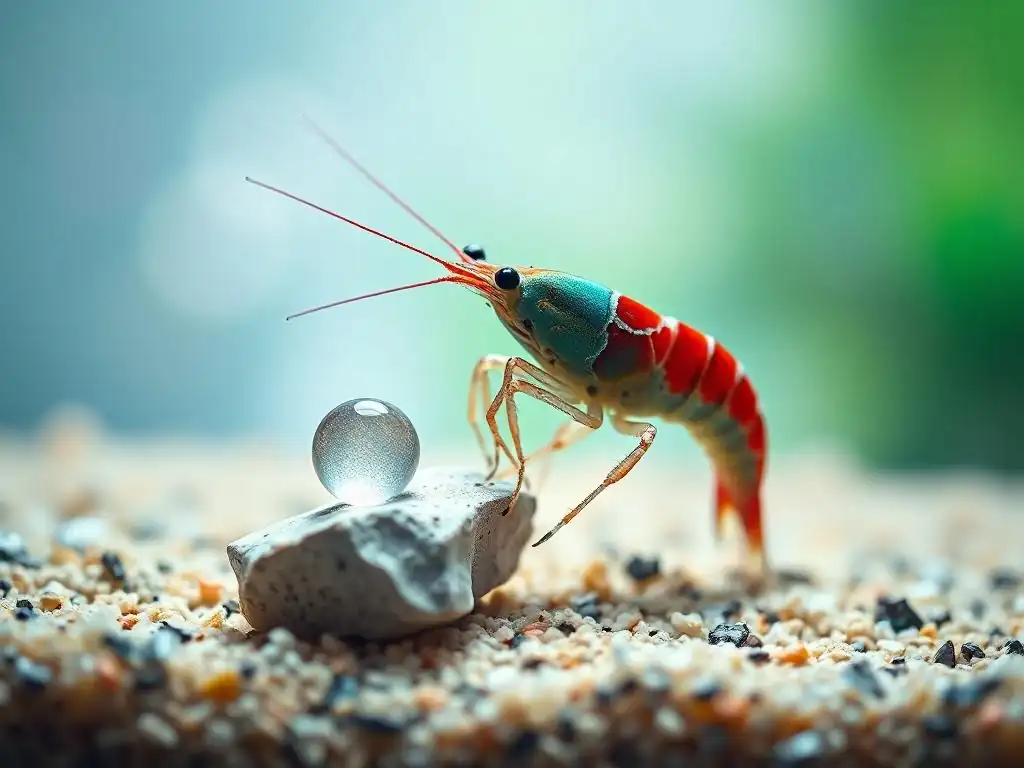
Testing Your Aquarium Water: GH and KH Test Kits
Regular and accurate testing of your aquarium water's GH and KH levels is fundamental to successful Neocaridina keeping and GH KH Neocaridina breeding. While test strips offer a quick, rough estimate, liquid dropper test kits are highly recommended for their superior accuracy and precision. Brands like API (Aquarium Pharmaceuticals Inc.) offer reliable liquid test kits specifically for GH and KH, providing clear, color-coded results. These kits allow aquarists to measure hardness in degrees (dGH and dKH) or parts per million (ppm), enabling precise adjustments.
It is advisable to test your water weekly, especially in new setups, during tank cycling, or after significant water changes. For established, stable tanks, bi-weekly testing might suffice. Consistent monitoring helps you understand your tank's natural parameter fluctuations and identify potential issues before they become critical. Recording your results over time can reveal trends and help you proactively manage your water chemistry, ensuring your Neocaridina shrimp remain in their ideal environment.
Increasing GH in Neocaridina Tanks: Safe and Effective Methods
When your aquarium's GH levels are consistently below the recommended range for Neocaridina shrimp (6-10 dGH), several safe and effective methods can be employed to raise them. The most precise and recommended method is the use of specialized remineralizers designed for shrimp, such as SaltyShrimp GH/KH+ or Brightwell Aquatics Florin-GH.
These products contain balanced ratios of calcium and magnesium and are added to RO/DI (Reverse Osmosis/Deionized) water or very soft tap water to achieve the desired hardness. For instance, to raise GH by approximately 2 degrees in a 10-gallon tank, you might add about 0.5 grams of SaltyShrimp GH/KH+ dissolved in water.
Another option is to slowly introduce calcium-rich materials into the tank, such as crushed coral, aragonite, or certain types of rock like Seiryu stone. These materials will gradually leach minerals into the water, increasing both GH and KH. However, this method is less controllable than remineralizers, as the rate of mineral dissolution can vary. Always add any hardening agents gradually, test your water frequently, and make small adjustments to avoid shocking your shrimp, which is particularly important for successful GH KH Neocaridina breeding.
Increasing KH in Neocaridina Tanks: Maintaining Buffering Capacity
To increase KH and bolster your aquarium's buffering capacity for Neocaridina shrimp, several methods can be used, though caution and gradual application are key. Sodium bicarbonate (common baking soda) is a readily available option; however, it can raise pH rapidly and significantly, so it should be used very sparingly and dissolved in water before adding to the tank. For example, a tiny pinch (less than 1/8 teaspoon) dissolved in a cup of tank water, then slowly added to a 10-gallon tank, might increase KH by 1-2 dKH, but careful monitoring is essential.
Potassium bicarbonate is often preferred by advanced aquarists as it provides KH without adding sodium. Commercial buffers specifically formulated to raise KH and stabilize pH are also available and generally offer a safer, more controlled approach. Products like Seachem Alkaline Buffer or specific shrimp buffers can precisely target KH without undue pH spikes.
Similar to increasing GH, incorporating crushed coral or aragonite into the substrate or filter media can slowly and steadily raise KH over time, though this method offers less immediate control. Always retest your water after any adjustment to ensure you've reached the target KH for optimal GH KH Neocaridina breeding conditions.
Lowering GH and KH: When and How to Adjust Water Parameters
There are instances when your source water or tank parameters are excessively high in GH and KH, necessitating a reduction for optimal Neocaridina health. This is particularly common if your tap water is naturally very hard. The most effective and widely adopted method for lowering both GH and KH is the use of Reverse Osmosis (RO) or Deionized (DI) water. RO/DI water is essentially pure water, stripped of nearly all dissolved minerals, resulting in 0 dGH and 0 dKH.
You can then mix this pure water with your existing tap water to dilute its hardness, or, more commonly for dedicated shrimp keepers, remineralize the RO/DI water entirely using specialized shrimp remineralizers (like SaltyShrimp GH/KH+) to achieve the exact desired GH and KH levels. Distilled water serves a similar purpose to RO/DI water.
While natural methods like adding driftwood or Indian Almond Leaves can slightly lower pH and potentially very slightly reduce hardness due to tannins, they are not effective primary methods for significant reductions in GH or KH. The use of RO/DI water offers the greatest control over water parameters, which is vital for successful GH KH Neocaridina breeding.
GH & KH and Neocaridina Breeding: Maximizing Success
GH and KH's Impact on Neocaridina Egg Development
For Neocaridina shrimp, the journey from egg to free-swimming juvenile is critically dependent on stable and appropriate GH and KH levels. GH provides the essential minerals, particularly calcium, that are absorbed by the developing embryos within the eggs. This calcium is crucial for the formation of rudimentary structures and early shell development, even before hatching. Insufficient GH can lead to underdeveloped or weak embryos, resulting in unhatched eggs or deformities in the rare cases they do hatch.
Concurrently, KH plays a vital role by ensuring a stable pH environment for the developing eggs. Drastic pH swings can disrupt the delicate biochemical processes occurring within the eggs, potentially leading to embryo mortality or a failure to hatch. The consistent buffering provided by adequate KH minimizes stress on the berried female and ensures optimal conditions for enzymatic activity necessary for healthy egg development. Observing vibrant, well-formed eggs carried by the female is often an indicator that GH and KH parameters are well-suited for successful GH KH Neocaridina breeding.
The Role of GH and KH in Neocaridina Larval Survival
Unlike some other shrimp species, Neocaridina shrimp hatch as miniature versions of the adult, bypassing a true larval stage. However, these newly hatched "shrimplets" are incredibly fragile and highly susceptible to adverse water conditions. GH is paramount for their survival, as they undergo their first molts shortly after hatching. Just like adults, they require sufficient calcium and magnesium to form their new, rapidly growing exoskeletons. If GH is too low, post-hatchling mortality rates can skyrocket due to molting failures, significantly impacting the overall yield of a breeding project.
KH's role in providing pH stability is equally critical for these tiny juveniles. Any sudden shift in pH, even minor ones, can induce severe stress or death in the sensitive shrimplets. A consistent and buffered environment allows them to acclimate, feed, and grow without the constant threat of environmental shock.
Tanks with consistently stable GH and KH within the optimal ranges often report juvenile survival rates as high as 80-90%, a stark contrast to the less than 50% survival seen in environments with fluctuating or suboptimal parameters. This direct link highlights the importance of precise GH KH Neocaridina breeding parameters for maximizing population growth.
Achieving Optimal Water Parameters for Neocaridina Reproduction
Achieving optimal water parameters for successful Neocaridina reproduction hinges on maintaining both GH and KH within their ideal ranges and, crucially, ensuring their stability. For GH, targeting 7-9 dGH provides ample minerals for molting and overall health, supporting robust egg development. For KH, a range of 3-5 dKH is often preferred, as it provides excellent pH buffering without pushing the water too alkaline, thus protecting delicate eggs and newly hatched shrimplets from lethal pH swings.
Consistency is key; minor daily fluctuations are more detrimental than being slightly outside the "perfect" range but perfectly stable. Implementing a rigorous water change schedule (e.g., 10-15% weekly) using water that has been pre-matched to the tank's GH and KH levels is paramount. Preparing water for changes at least 24 hours in advance allows it to de-gas and stabilize its parameters. By minimizing any environmental shocks and providing a consistently stable and mineral-rich environment, aquarists can significantly boost their GH KH Neocaridina breeding success rates and ensure a thriving population.
Troubleshooting GH and KH Issues in Neocaridina Aquariums
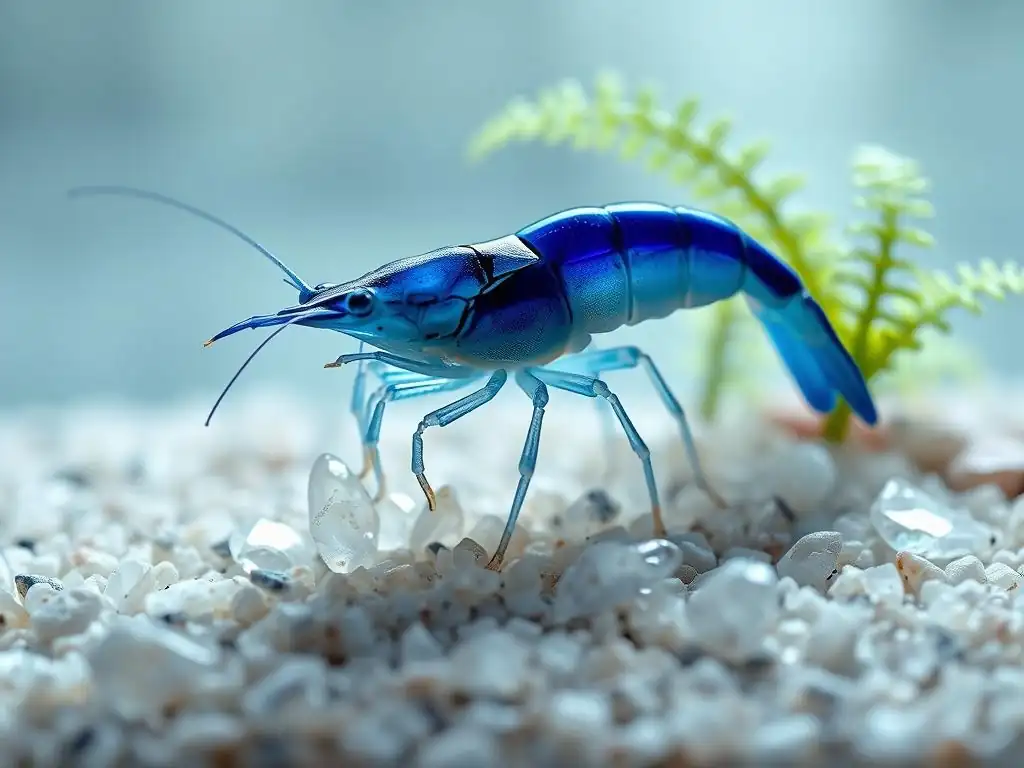
Identifying GH and KH Imbalances: Signs and Symptoms in Shrimp
Recognizing the signs of GH and KH imbalances in your Neocaridina shrimp is crucial for timely intervention. If GH is too low, shrimp may exhibit molting difficulties, often seen as a "white ring of death" (a white band around the body where the old shell fails to separate), or they may die stuck in their old shells.
Lethargy, faded coloration, and a general lack of vigor can also indicate mineral deficiencies. Conversely, excessively high GH can also lead to molting problems, as the shell might become too hard to shed, or it can cause stunted growth due to mineral overload.
Low KH is typically signaled by erratic pH swings, which can manifest as sudden, unexplained shrimp deaths, particularly after water changes or during the night. Shrimp might also appear stressed, darting around frantically or developing "stress stripes" (a translucent band across their back). High KH, while less immediately lethal than low KH, can lead to persistently high pH levels, potentially hindering nutrient absorption and causing long-term stress. Any observation of unusual shrimp behavior, such as twitching or listlessness, should prompt immediate testing of GH and KH.
Common Causes of Fluctuations in GH and KH
Fluctuations in GH and KH can stem from several common sources within an aquarium environment. One primary culprit is inconsistent source water; tap water parameters can vary significantly seasonally or even daily, leading to changes with each water change. Evaporation is another major factor, as water evaporates but minerals do not, resulting in a gradual increase in GH and KH over time if only plain water is topped off.
Certain substrates and decor can also contribute to fluctuations. Substrates containing calcium carbonate, like crushed coral or aragonite, or specific types of rock such as Seiryu stone or limestone, will leach minerals into the water, steadily increasing both GH and KH. Conversely, large amounts of driftwood or certain botanical additions can slightly lower parameters over time due to tannin release, though this effect is generally minor. Inconsistent dosing of remineralizers or buffers, or infrequent water changes, also contribute to unstable GH KH Neocaridina breeding parameters.
Addressing Sudden Changes in GH and KH to Prevent Shrimp Loss
When sudden changes in GH or KH are detected, prompt and careful action is necessary to prevent shrimp loss. First, re-test your water to confirm the readings and identify the magnitude of the change. Avoid making large, sudden adjustments, as this can shock the shrimp even more than the initial imbalance. Instead, perform small, frequent water changes (e.g., 5-10% daily) using water that has been precisely prepared to match your target GH and KH levels. If your source water is the issue, consider switching to RO/DI water remineralized to your desired parameters for future changes.
If a pH crash due to critically low KH is occurring, carefully add a very small amount of a dissolved KH buffer (like baking soda, sparingly) or a commercial buffer, monitoring pH and KH continuously. If a mineral-leaching substrate or rock is causing parameters to rise too high, consider removing it or switching to an inert alternative.
The key is to identify the root cause and implement gradual corrections. For instance, if you find your GH has spiked from 8 to 12 dGH due to evaporation, a 10% water change with correctly remineralized RO/DI water (e.g., at 7 dGH) can begin to bring it down slowly and safely, preserving your GH KH Neocaridina breeding efforts.
Best Practices for GH and KH Management in Neocaridina Keeping
Choosing the Right Substrate for Maintaining GH and KH Stability
The choice of substrate plays a significant role in maintaining stable GH and KH levels for Neocaridina shrimp. For optimal stability, inert substrates are highly recommended. These include fine sand, inert gravel, or certain types of aquasoils that are specifically designed not to alter water parameters, such as Fluval Stratum or ADA Amazonia (though some aquasoils can initially lower pH and KH). These substrates do not leach minerals, allowing you to have full control over your water parameters through water changes and remineralization.
Conversely, substrates containing calcium carbonate, such as crushed coral, aragonite, or limestone-based gravels, should generally be avoided if you aim for precise control over GH and KH. While these can be beneficial for species requiring very hard, alkaline water, they will continuously leach minerals, making it difficult to maintain consistent, lower hardness levels suitable for Neocaridina. For consistent GH KH Neocaridina breeding, an inert substrate like CaribSea Eco-Complete or fine black sand provides a neutral base.
The Impact of Plants and Decor on Water Hardness
Live plants and aquarium decor can subtly influence water hardness, though usually not as dramatically as source water or substrate. Live plants, especially fast-growing species, do absorb some minerals from the water for their growth, which can lead to a very minor, gradual reduction in GH over time. However, this effect is typically negligible and insufficient to significantly alter parameters or solve issues of excessively high hardness.
Decor items, particularly rocks and wood, can have a more noticeable impact. Natural driftwood and botanical additions like Indian Almond Leaves release tannins into the water, which can slightly lower pH and, to a very minor extent, contribute to softer water.
More significantly, certain types of rocks, such as Seiryu stone, Texas Holey Rock, or any limestone-based rock, will leach calcium carbonate, steadily increasing both GH and KH over time. Before adding any new rock to a Neocaridina tank, it's a best practice to perform a vinegar test: if it fizzes when vinegar is applied, it contains calcium carbonate and will raise your hardness, potentially disrupting your GH KH Neocaridina breeding parameters.
Water Change Strategies for Consistent GH and KH Levels
Effective water change strategies are paramount for maintaining consistent GH and KH levels in a Neocaridina aquarium. Regular, smaller water changes (e.g., 10-20% weekly) are generally preferred over large, infrequent ones, as they minimize drastic shifts in water chemistry. The most critical aspect is that the water used for changes should precisely match the desired GH and KH parameters of your tank. This often means preparing RO/DI water and remineralizing it to your target levels (e.g., 7 dGH, 3 dKH) before adding it to the tank.
It is highly recommended to prepare your water for changes at least 24 hours in advance. This allows the water to reach the correct temperature, de-gas (removing chlorine/chloramines and dissolved gasses), and for the remineralizers to fully dissolve and stabilize the GH and KH. Using a slow drip acclimation method for adding new water, especially if there's any parameter discrepancy or for sensitive shrimp, further reduces stress. Consistent application of these water change strategies is fundamental to providing the stable environment necessary for healthy Neocaridina and successful GH KH Neocaridina breeding.
GH, KH and Specific Neocaridina Color Varieties
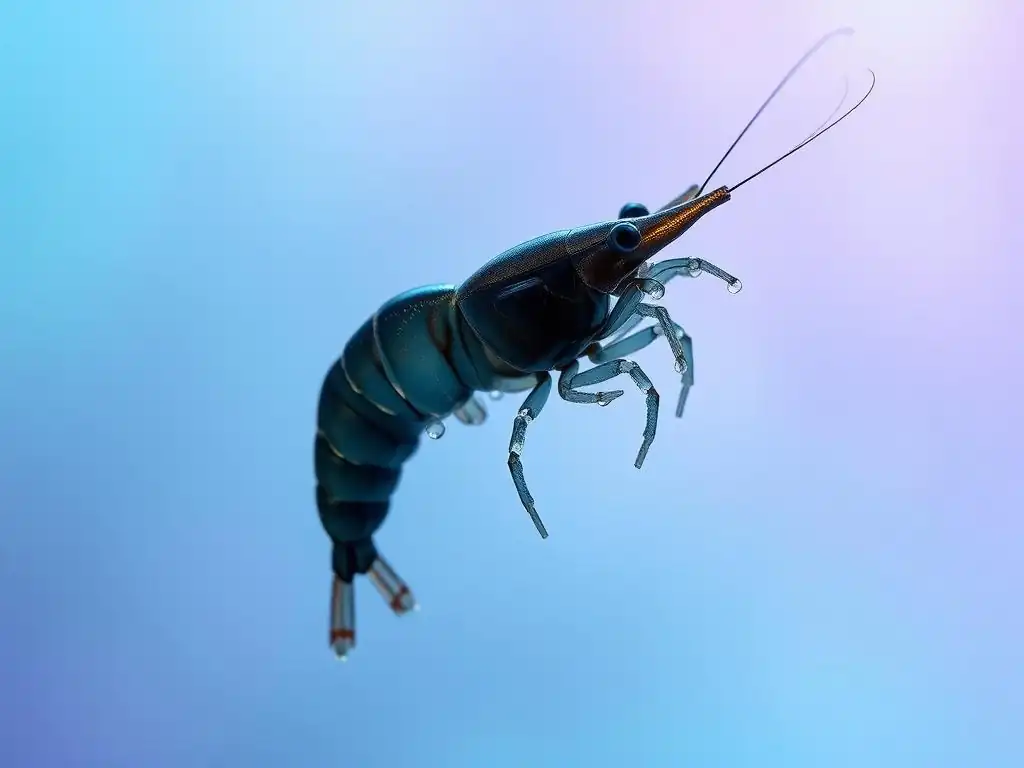
How GH and KH levels can influence the colors of Red Cherry Shrimp
While GH and KH levels do not directly determine the specific genetic color expression of a Red Cherry Shrimp (e.g., whether it's red or clear), they profoundly influence the shrimp's overall health and, consequently, the vibrancy and opacity of its coloration. Healthy shrimp are vibrant shrimp. Optimal GH provides the necessary minerals for strong exoskeleton formation and general metabolic functions. A well-nourished shrimp with a robust shell will display its genetic color potential much more effectively than a stressed or unhealthy one.
When GH or KH levels are unstable or outside the ideal range, shrimp experience stress. This stress can manifest in faded colors, increased transparency, or the appearance of "stress stripes." Furthermore, proper GH ensures successful molting, a process during which the shrimp's new, more vibrantly pigmented shell develops.
If molting is compromised due to inadequate GH, the new shell may be weak or dull, leading to poor color. Observations from many breeders indicate that Red Cherry Shrimp kept in consistently stable water within recommended GH (7-9 dGH) and KH (3-5 dKH) ranges typically exhibit deeper, more opaque red pigmentation compared to those in fluctuating or suboptimal conditions, directly impacting their aesthetic appeal and market value.
Tailoring GH and KH for optimal color expression in Neocaridina shrimp.
Tailoring GH and KH for optimal color expression in Neocaridina shrimp isn't about finding a secret formula for each specific color morph (e.g., blue, yellow, green). Instead, it's about consistently providing the ideal water parameters that promote the overall health and well-being of the shrimp, which in turn allows their genetic coloration to shine through.
The same recommended ranges for GH (6-10 dGH) and KH (2-8 dKH, preferably 3-5 dKH) that support general health and GH KH Neocaridina breeding success are also the parameters that lead to the best color expression across all varieties, including Blue Dream, Sunkist, Green Jade, or Black Rose.
The key is stability and consistency within these ranges. Avoiding large fluctuations in GH and KH prevents stress, which is a major factor in faded colors. While some aquarists experiment with specific trace mineral supplements believed to enhance coloration, the foundational elements of stable and appropriate GH and KH are far more critical. A healthy, stress-free Neocaridina shrimp, regardless of its specific color variety, will display its most vivid and opaque hues when its fundamental water parameters are meticulously maintained. Therefore, focusing on the general optimal parameters for all Neocaridina shrimp is the best strategy for achieving vibrant coloration.
Conclusion: Mastering GH and KH for Thriving Neocaridina Shrimp
Mastering the crucial aspects of GH and KH management is not merely a recommendation but a fundamental requirement for successful Neocaridina shrimp keeping and prolific GH KH Neocaridina breeding. General Hardness (GH) provides the vital calcium and magnesium essential for robust exoskeleton formation and successful molting, directly impacting the shrimp's growth and survival. Carbonate Hardness (KH), on the other hand, acts as the indispensable buffer, safeguarding the delicate balance of pH and preventing sudden, lethal fluctuations that can devastate a shrimp colony, especially eggs and fragile juveniles.
Understanding these parameters, consistently testing your water, and implementing precise adjustment strategies are the cornerstones of providing an optimal environment. From selecting inert substrates to employing meticulous water change routines with pre-matched water, every best practice contributes to the stability that Neocaridina shrimp crave. By diligently maintaining GH and KH within their recommended ranges and, crucially, ensuring their unwavering consistency, aquarists can unlock the full potential of their Neocaridina, leading to a thriving, vibrant, and successfully reproducing shrimp population.
Frequently Asked Questions
What are GH and KH, and why are they important for Neocaridina shrimp?
GH stands for General Hardness, measuring the concentration of calcium and magnesium ions. KH stands for Carbonate Hardness, measuring the buffering capacity of the water. Both are crucial for the shell development and overall health of Neocaridina shrimp, especially during breeding.
How do GH and KH levels directly affect Neocaridina breeding?
Inadequate GH can lead to failed molts and soft shells, hindering reproduction. Insufficient KH can cause pH swings, stressing the shrimp and reducing breeding success. Stable and appropriate levels are essential for healthy offspring.
What are the ideal GH and KH ranges for breeding Neocaridina shrimp effectively?
Generally, a GH of 6-14 dGH and a KH of 3-8 dKH are considered suitable for Neocaridina shrimp breeding. These ranges provide the necessary minerals and buffering capacity for successful molting and reproduction.
How can I accurately test the GH and KH levels in my Neocaridina aquarium?
You can use readily available liquid test kits or test strips specifically designed for aquariums. Regular testing allows you to monitor and adjust the water parameters to maintain optimal levels for your shrimp.
What steps can I take to safely adjust GH and KH levels in my Neocaridina tank if they are outside the ideal range?
Gradually adjust GH by adding GH boosters containing calcium and magnesium. Raise KH with baking soda (sodium bicarbonate), added carefully in small increments. Always monitor water parameters closely to prevent sudden fluctuations that could harm your shrimp.
Final Reflection: Sustaining Life's Delicate Balance
The intricacies of GH and KH, often overlooked in the vibrant world of Neocaridina shrimp keeping, are undeniably fundamental to their health and successful breeding. Understanding and maintaining these parameters isn't merely a technical exercise; it's an act of fostering a thriving ecosystem within the confines of our aquariums, mirroring the delicate balance found in nature itself. The success of breeding these captivating creatures hinges upon our ability to replicate their ideal environment, a responsibility that demands both knowledge and dedication.
This journey into the science of water chemistry has profoundly underscored the interconnectedness of all living things. It's a reminder that even seemingly small adjustments can have a significant impact on the well-being of our aquatic companions. The care of one life is the care of all.
This sentiment resonates deeply when we consider the ripple effect of our actions, not only within our tanks but also in the broader context of responsible pet ownership and environmental stewardship.
Now, armed with a deeper understanding of GH and KH, I invite you to reflect on your own practices. Are you actively monitoring and adjusting these crucial parameters? Are you providing your Neocaridina shrimp with the optimal conditions they need to flourish? Let this knowledge empower you to create a thriving environment, not just for your shrimp, but as a testament to your commitment to responsible and compassionate care. Embrace the challenge, and witness the vibrant rewards of a balanced ecosystem.
Unlock Thriving Shrimp Colonies!
Thank you for diving into the world of GH and KH with us! We hope this article has illuminated the path to creating a healthy and vibrant environment for your Neocaridina shrimp. Now, it's time to put that knowledge into action!
Here are a few steps you can take right away:
- Test your aquarium's GH and KH levels today! Accurate measurements are the foundation of a healthy shrimp tank.
- Explore the fascinating world of mineral supplements and adjust your water parameters to the optimal range for Neocaridina shrimp.
- Share this article with fellow shrimp enthusiasts and start a discussion about your local water parameters and successful breeding strategies!
What surprising tip did you learn about GH and KH that you're excited to implement in your own shrimp tank?