
Marbled Crayfish (Procambarus virginalis): The Mystery of SelfCloning Crawdads

Welcome to Aquarium Mastery!
Ever wondered about a creature that defies the typical rules of reproduction? Dive into the captivating world of Marbled Crayfish, those fascinating crawdads capable of self-cloning. Prepare to unravel the mysteries behind their unique biology and learn everything you need to know about their care. Intrigued? Let's explore the secrets of Procambarus virginalis and discover how to successfully keep these remarkable invertebrates!
- Understanding the Marbled Crayfish: An Introduction to Procambarus virginalis
- Marbled Crayfish Care: A Comprehensive Guide for Aquarists
- The Self-Cloning Phenomenon: Parthenogenesis in Marbled Crayfish
- Marbled Crayfish Health and Common Issues: Identification and Treatment
- The Marbled Crayfish and the Aquarium Hobby: Benefits and Considerations
- Advanced Marbled Crayfish Care: Breeding and Raising Crayfish Fry
- Marbled Crayfish vs. Other Crayfish Species: Key Differences
- Conclusion: Appreciating the Marbled Crayfish and Its Unique Biology
-
Frequently Asked Questions
- How did the Marbled Crayfish (Procambarus virginalis) develop the ability to self-clone?
- What are the main challenges in providing proper "Marbled Crayfish selfcloning care" in an aquarium?
- What size aquarium is generally recommended for keeping Marbled Crayfish?
- What should I feed my Marbled Crayfish to ensure optimal health?
- How do I control the population of Marbled Crayfish in my aquarium, given their self-cloning ability?
- Final Reflection: The Enduring Enigma of Self-Cloning
- Unleash the Curiosity: Dive Deeper into the World of Marbled Crayfish!
Understanding the Marbled Crayfish: An Introduction to Procambarus virginalis
What are Marbled Crayfish? Exploring the Unique Self-Cloning Crawdad
Marbled crayfish, scientifically known as Procambarus virginalis, are a fascinating species of freshwater decapod crustacean renowned for their extraordinary method of reproduction. Unlike most animals, these "self-cloning crawdads" are all female and reproduce entirely asexually through a process called parthenogenesis. This means that each individual is genetically identical to its parent, essentially creating clones without the need for a male counterpart. They are also widely known by their German name, "Marmorkrebs," which translates to "marbled crab."
These intriguing invertebrates typically reach an adult size of about 4 to 6 inches (approximately 10 to 15 cm) in body length, excluding their claws. Their marbled coloration, featuring patterns of brown, tan, and sometimes subtle hues of blue or green, gives them their common name and contributes to their aesthetic appeal in the aquarium hobby. Their unique biology and relatively robust nature make them a subject of great interest for both scientific study and responsible aquarists.
The Discovery and Origins of the Marbled Crayfish (Procambarus virginalis)
The marbled crayfish first appeared in the German aquarium trade around 1995. Initially, they were presumed to be a color variant of another known crayfish species. However, their unusual reproductive behavior, where single individuals consistently produced offspring without a mate, quickly caught the attention of scientists and hobbyists alike. It wasn't until later, through detailed genetic and reproductive studies, that their parthenogenetic nature was formally confirmed, leading to their classification as a distinct species, Procambarus virginalis.
Scientific consensus points to their origin as a single genetic mutation from the slough crayfish, Procambarus fallax, a species native to the southeastern United States. This mutation likely occurred within a pet trade setting, possibly in Europe, and the unique ability to self-clone allowed this new lineage to rapidly proliferate. Their adaptability and resilience have further contributed to their global spread, making them a significant focus in discussions about invasive species and Marbled crayfish selfcloning care.
Why are Marbled Crayfish Considered Unique in the Crayfish World?
The primary reason marbled crayfish are considered profoundly unique in the crayfish world is their exclusive reliance on parthenogenesis for reproduction. While some other invertebrate species exhibit asexual reproduction, it is extremely rare among decapod crustaceans, and Procambarus virginalis is the only known crayfish species to reproduce exclusively in this manner. This biological marvel means that every marbled crayfish is a female capable of producing viable eggs that develop into genetically identical copies of herself, without any male involvement.
This self-cloning ability has significant implications. From an ecological perspective, it allows a single individual to establish an entire population in a new environment, posing a considerable invasive threat if released into natural waterways. For example, they have rapidly colonized habitats in Madagascar and parts of Europe, outcompeting native species. From a scientific standpoint, their genetic uniformity and rapid reproduction make them an invaluable model organism for studying evolution, invasion biology, and the mechanisms of asexual reproduction.
Marbled Crayfish Care: A Comprehensive Guide for Aquarists
Setting Up the Ideal Marbled Crayfish Tank Environment
Tank Size Requirements for Marbled Crayfish
When considering Marbled crayfish care, tank size is a critical factor, especially given their unique reproductive strategy. For a single adult marbled crayfish, a minimum tank size of 10 gallons (approximately 38 liters) is often cited, but a 20-gallon long (approximately 76 liters) aquarium is significantly more suitable. This larger footprint provides ample space for exploration and reduces stress, which is vital for their overall health and activity.
However, due to their self-cloning ability, a single marbled crayfish can quickly lead to dozens, if not hundreds, of offspring. Therefore, if you intend to keep a colony or allow reproduction, a 40-gallon (approximately 150 liters) or larger tank is highly recommended to manage the growing population and prevent overcrowding. Overpopulation can lead to increased aggression, stress, and poor water quality, severely impacting the well-being of your self-cloning crawdads.
Substrate and Decor for a Thriving Marbled Crayfish Habitat
The substrate choice for a marbled crayfish tank should facilitate their natural burrowing behaviors. Fine gravel or sand, with a depth of at least 2 to 3 inches (5 to 7.5 cm), is ideal. Avoid sharp or coarse substrates that could potentially injure their delicate undersides during burrowing or molting. A darker substrate can also help to bring out their natural marbled coloration.
Providing ample hiding spots is paramount for successful Marbled crayfish care. These nocturnal creatures need secure retreats to feel safe, especially during the vulnerable molting process. Incorporate PVC pipes, ceramic caves, driftwood, and smooth rocks to create a network of shelters. Ensure that any decor is stable and cannot be toppled by the crayfish's strong digging, as they are known to rearrange their environment. While live plants can be included, be aware that marbled crayfish are opportunistic omnivores and will likely consume or uproot many species; hardy plants like Anubias or Java Fern tied to decor may fare better.
Water Parameters: Maintaining Optimal Conditions for Procambarus virginalis
Maintaining stable and appropriate water parameters is fundamental to effective Marbled crayfish care. Marbled crayfish are relatively adaptable, thriving in temperatures ranging from 65-78°F (18-26°C), with consistency being more important than hitting a precise number within this range. A reliable filtration system, such as a hang-on-back filter or sponge filter, is essential to keep the water clean and well-oxygenated.
They prefer slightly alkaline to neutral water, with a pH range of 6.5-8.0. General hardness (GH) should ideally be between 8-15 dGH, and carbonate hardness (KH) between 5-12 dKH. These levels of hardness are crucial for providing the necessary minerals, particularly calcium, which is vital for healthy exoskeleton development and successful molting. Regular water changes of 25-30% weekly are critical to keep nitrate levels below 20 ppm and ensure ammonia and nitrite remain at 0 ppm, preventing common health issues.
Marbled Crayfish Diet and Feeding Habits: What to Feed Your Self-Cloning Crawdad
Recommended Foods for Marbled Crayfish Growth and Health
Marbled crayfish are omnivorous scavengers, meaning their diet in the aquarium should be diverse to ensure optimal growth and health. A high-quality sinking pellet or wafer specifically formulated for crustaceans or omnivorous bottom-dwelling fish should form the staple of their diet. These typically contain a balanced mix of proteins, carbohydrates, and essential vitamins and minerals.
Supplementing their diet with blanched vegetables is highly beneficial. Offer items such as zucchini slices, spinach, peas (shelled), and small pieces of carrot. For protein, occasional offerings of frozen or live foods like bloodworms, brine shrimp, earthworms, or small pieces of unseasoned fish or shrimp can be provided. Crucially, ensure a readily available source of calcium for healthy molting; a small piece of cuttlebone (approximately 1 square inch per 10 gallons of water) can be added to the tank, or specialized calcium supplements for invertebrates can be used.
Feeding Schedule and Portion Control for Your Crawdads
A consistent feeding schedule is important for marbled crayfish selfcloning care. Generally, feeding your marbled crayfish once a day, or every other day, is sufficient, depending on their size, the number of individuals, and their activity levels. The key is to provide only what they can consume within a few hours, typically within 3 to 4 hours.
Overfeeding is a common mistake that can rapidly lead to poor water quality, as uneaten food decomposes and releases harmful ammonia and nitrites. Observe your crayfish's appetite; if food remains after the recommended period, reduce the portion size for the next feeding. A good rule of thumb is to offer a piece of food roughly the size of the crayfish's head. For instance, an adult 4-inch marbled crayfish might consume 2-3 sinking pellets or a pea-sized piece of blanched vegetable per feeding.
Marbled Crayfish Tank Mates: Choosing Compatible Species
Fish and Invertebrates that Can Coexist with Marbled Crayfish
Choosing tank mates for marbled crayfish is notoriously challenging due to their opportunistic and predatory nature. While they are often sold as community tank inhabitants, caution is advised. Fast-moving, top-dwelling fish that are too quick for the crayfish to catch and generally ignore bottom areas, such as certain species of Tetras (e.g., Neon Tetras, Black Skirt Tetras) or Danios, might co-exist. However, there is always a risk of fin nipping or predation, especially if the crayfish is hungry or the fish are slow or resting near the bottom.
Larger, peaceful, and robust fish like some Gouramis (e.g., Dwarf Gourami) could also potentially work in very spacious tanks with abundant hiding spots for both the fish and the crayfish. It is generally not recommended to keep marbled crayfish with other invertebrates. Snails, for example, will almost certainly be preyed upon. Dwarf shrimp species (e.g., Cherry Shrimp, Amano Shrimp) are also highly vulnerable and will be considered food.
Species to Avoid Keeping with Marbled Crayfish
To ensure successful Marbled crayfish care and the safety of other aquatic life, several species should be strictly avoided as tank mates. Any slow-moving or bottom-dwelling fish, such as most Corydoras catfish, Plecos (especially smaller or juvenile ones), and fancy Guppies with long, flowing fins, are at high risk of being caught and eaten or having their fins nipped. Essentially, any fish small enough to be grasped by the crayfish's claws is a potential meal.
Furthermore, it is strongly advised against keeping marbled crayfish with other crayfish species. Inter-species aggression is common among crayfish, and fights can lead to serious injury or death for one or both parties. While marbled crayfish themselves can be aggressive, avoid housing them with highly aggressive or predatory fish that could potentially harm the crayfish, although the marbled crayfish is typically the dominant aggressor in a mixed invertebrate-fish tank.
The Self-Cloning Phenomenon: Parthenogenesis in Marbled Crayfish
How Do Marbled Crayfish Reproduce Asexually? Understanding Parthenogenesis
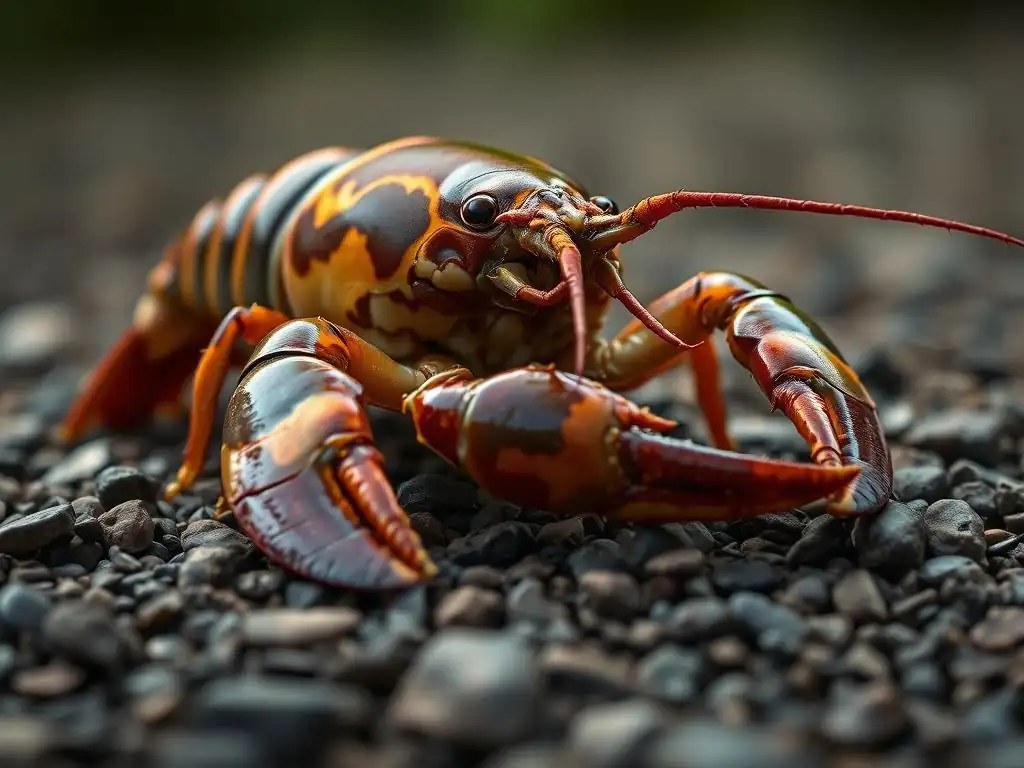
The self-cloning ability of marbled crayfish is a fascinating example of apomictic parthenogenesis, a form of asexual reproduction where offspring develop from unfertilized eggs. In Procambarus virginalis, the female produces eggs that are genetically identical to herself, effectively creating clones without any genetic contribution from a male. This means that every single marbled crayfish is female and inherently capable of reproduction on its own.
Once eggs are produced, the female carries them under her tail (pleopods) for several weeks, providing protection and aeration, similar to sexually reproducing crayfish. Depending on environmental conditions, particularly water temperature and food availability, a single female marbled crayfish can produce clutches ranging from 50 to 200 eggs every few months. This high reproductive rate, combined with their ability to start a new population from a single individual, is a key factor in their rapid proliferation and potential invasiveness.
The Implications of Self-Cloning in Marbled Crayfish Populations
The self-cloning phenomenon in marbled crayfish has profound implications, especially concerning their ecological impact. Their ability to reproduce from a single individual makes them incredibly efficient colonizers of new habitats. If released into natural waterways, even a single escapee can rapidly establish a thriving population, outcompeting native species for food and resources, and altering local aquatic ecosystems. A notable example is their invasive spread in Madagascar, where they have severely impacted native crayfish and fish populations since their introduction in the early 2000s.
Another significant implication is the extreme lack of genetic diversity within marbled crayfish populations. Since all offspring are clones of the parent, there is virtually no genetic variation, making them a "clonal lineage." While this uniformity can be advantageous for rapid colonization under stable conditions, it theoretically makes them more vulnerable to specific diseases, parasites, or drastic environmental changes in the long term. Despite this, their current success demonstrates a remarkable adaptability to various conditions, as evidenced by their widespread distribution.
Managing Marbled Crayfish Populations in Your Aquarium: Preventing Overpopulation
Due to their prolific self-cloning, managing marbled crayfish populations is a crucial aspect of responsible Marbled crayfish care. Without intervention, an aquarium can quickly become overpopulated, leading to stress, aggression, and poor water quality. The most effective strategy is the regular and proactive removal of offspring. Once a female is observed carrying eggs ("berried"), you can anticipate a new batch of juveniles emerging in approximately 3 to 4 weeks. These juveniles are initially tiny, typically around 0.5 cm, but grow rapidly.
Ethical disposal or rehoming of excess offspring is paramount. It is absolutely critical that marbled crayfish are never released into natural waterways, ponds, or even flushed down drains, as they pose a severe invasive threat. Responsible options include humanely culling excess offspring (e.g., through freezing or crushing, which are quick and effective methods), finding other responsible aquarists or scientific institutions willing to take them, or using them as feeder animals for appropriate predatory fish or reptiles, provided this is done humanely and responsibly.
Marbled Crayfish Health and Common Issues: Identification and Treatment
Recognizing Signs of Illness in Your Marbled Crayfish
Maintaining good health is a cornerstone of effective Marbled crayfish care. A healthy marbled crayfish is typically active, constantly exploring its environment, and exhibits a robust appetite. Key indicators of illness include significant lethargy, a noticeable loss of appetite, or an unusual change in coloration, such as becoming excessively pale or developing dark, unusual spots on their exoskeleton. Observing damaged or missing limbs beyond what would be expected from a recent molt, or unusual swimming or walking patterns (e.g., struggling to right themselves), are also strong signs of distress or illness.
Molting problems are particularly common and can be fatal. If a crayfish is struggling to shed its old exoskeleton, or is unable to complete the molt within a few hours, it often indicates underlying issues such like poor water quality, insufficient calcium or iodine in the diet, or high stress levels. A successful molt will leave behind a perfectly intact, ghostly white exoskeleton, which the crayfish may later consume for its calcium content.
Common Diseases and Ailments Affecting Procambarus virginalis
Marbled crayfish, like other crustaceans, can be susceptible to various diseases and ailments, often exacerbated by suboptimal Marbled crayfish care. Fungal and bacterial infections are among the most common issues. These often manifest as white or black patches, fuzzy growths, or erosion on the exoskeleton. Such infections are usually secondary to poor water quality, physical injuries, or prolonged stress. Treatment typically involves immediate improvement of water conditions and, in some cases, the use of specific antibacterial or antifungal medications formulated for invertebrates.
Shell rot, characterized by pitting, discoloration, or erosion of the shell, is another prevalent ailment linked to bacterial infections and poor water parameters. Prevention is the best cure, focusing on pristine water quality and a diet rich in essential minerals. As mentioned, molting problems, or "molt death," are also frequent. These are often a direct result of mineral deficiencies (especially calcium and iodine), sudden changes in water parameters, or chronic stress, highlighting the importance of consistent and high-quality Marbled crayfish care practices.
Preventing Health Problems in Your Marbled Crayfish Tank
Preventing health problems in your marbled crayfish tank hinges on consistent and meticulous Marbled crayfish care. Paramount among these preventative measures is maintaining excellent water quality. This involves performing regular water changes—typically 25-30% weekly—and diligently testing for ammonia, nitrite, nitrate, pH, general hardness (GH), and carbonate hardness (KH) levels. Ammonia and nitrite should always be at 0 ppm, and nitrates kept below 20 ppm. A robust filtration system is also crucial to process waste effectively.
Providing a balanced and varied diet, rich in calcium and other essential minerals, is another cornerstone of prevention. This supports healthy exoskeleton development and reduces the risk of molting complications. Furthermore, ensuring ample hiding spots within the tank is vital; these retreats reduce stress and aggression among individuals, especially during the vulnerable post-molt period when the new exoskeleton is soft and the crayfish is susceptible to attack. Avoid sudden fluctuations in water temperature or chemistry, as these can severely stress the animals.
The Marbled Crayfish and the Aquarium Hobby: Benefits and Considerations
The Appeal of Marbled Crayfish to Aquarium Keepers
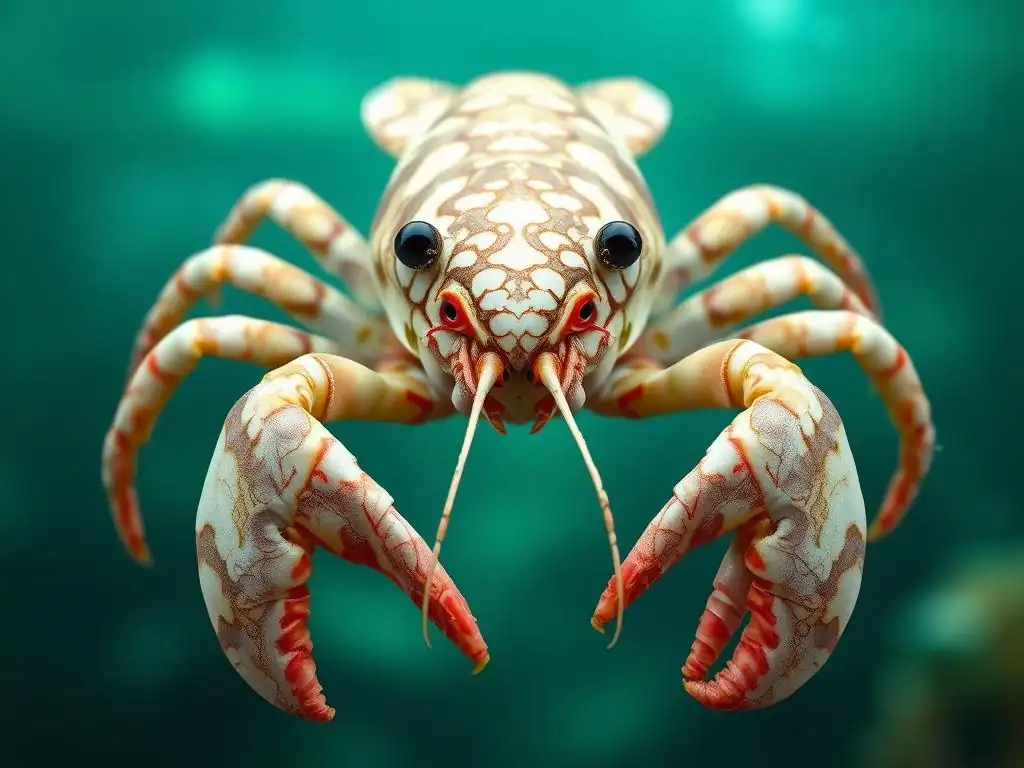
Marbled crayfish hold a unique appeal for many aquarium keepers, primarily due to their extraordinary self-cloning ability. This biological phenomenon offers hobbyists a rare opportunity to observe asexual reproduction firsthand, making them a captivating subject for those interested in the intricacies of aquatic life. Beyond their reproductive novelty, marbled crayfish are relatively easy to care for, proving to be quite hardy and adaptable to a range of water conditions, which makes them a suitable choice even for beginner aquarists.
Their active scavenging behavior is another benefit; they readily consume uneaten food and detritus, acting as efficient tank cleaners. The attractive, intricate marbled patterns on their shells, featuring various shades of brown, tan, and sometimes hints of blue or green, also contribute to their popularity. For those looking to raise a colony or even use them as a sustainable source of feeder animals, their ability to reproduce prolifically without a mate from a single individual is a significant advantage, emphasizing the unique aspects of Marbled crayfish selfcloning care.
Ethical Considerations Regarding Marbled Crayfish Ownership and Distribution
Despite their appeal, there are significant ethical considerations associated with marbled crayfish ownership and distribution, primarily due to their highly invasive potential. The most critical rule for any marbled crayfish owner is: Never release marbled crayfish into natural waterways, ponds, or dispose of them down drains. Even a single individual can establish a thriving population that can outcompete native species, disrupt local ecosystems, and cause irreversible environmental damage. This responsibility is a core tenet of ethical Marbled crayfish selfcloning care.
Furthermore, hobbyists should be aware of regional regulations concerning their possession and sale. In some areas, such as the European Union, Procambarus virginalis is listed as a species of concern, and its possession, breeding, or sale may be restricted or even illegal to prevent its spread into natural environments. Responsible ownership thus extends beyond tank maintenance to include a thorough understanding and adherence to local laws, ensuring that the hobby does not contribute to ecological harm.
Advanced Marbled Crayfish Care: Breeding and Raising Crayfish Fry
Creating Optimal Conditions for Marbled Crayfish Breeding
Since all marbled crayfish are female and reproduce through self-cloning, "breeding" them simply involves providing optimal environmental conditions that encourage regular egg production. A stable and pristine tank environment is key. This includes maintaining consistent water temperatures, ideally within the upper range of their preferred temperature (around 72-75°F or 22-24°C), as warmer temperatures tend to accelerate metabolic processes, including reproduction.
Additionally, a rich and varied diet, as discussed in the Marbled crayfish care section, is crucial. Abundant, high-quality food sources signal to the crayfish that resources are plentiful, promoting egg development. Ensure there are ample hiding spots, not only for the adult female but also for the forthcoming fry. Dense clusters of fine-leaved plants (even if they are eventually consumed) or intricate artificial decor can provide essential shelter for newly hatched juveniles, increasing their survival rates by offering refuge from cannibalism.
Caring for Marbled Crayfish Fry: From Hatching to Juvenile
Marbled crayfish fry hatch as miniature, fully formed versions of the adults, typically measuring about 0.5 cm (0.2 inches) in length. They are immediately independent and capable of foraging on their own. For the highest survival rates, it is often recommended to isolate the berried female in a separate "nursery" tank, or to carefully remove the newly hatched fry to a dedicated grow-out tank once they detach from the mother. This minimizes predation from the mother or other tank inhabitants.
Fry require very fine, easily digestible foods. Suitable options include finely crushed flake food, specialized powdered fry food, or finely ground spirulina powder. They are highly vulnerable during their early molts and to water quality fluctuations. Therefore, frequent, small water changes (e.g., 10% daily or every other day) are essential in a fry tank to maintain pristine conditions and prevent the buildup of waste.
Maximizing Marbled Crayfish Fry Survival Rates
Maximizing the survival rates of marbled crayfish fry is a key aspect of advanced Marbled crayfish selfcloning care, especially given their prolific nature and the potential for cannibalism. Cannibalism, both by the mother and among the fry themselves, is a major factor in mortality. Providing an abundance of hiding spots, such as moss, small PVC tubes, or dense plant cover, creates refuges where smaller or newly molted fry can escape larger individuals. Ensuring all crayfish are consistently well-fed also helps to reduce predatory behavior.
Beyond providing hiding spots, separating the berried female or the newly hatched fry into their own dedicated tanks significantly boosts survival rates by eliminating the threat of predation from adults. In the fry tank, maintaining excellent water quality is paramount; overfeeding can quickly foul the small volume of water. A gentle sponge filter is ideal for fry tanks, as it provides filtration without posing a risk of sucking up the delicate juveniles. Consistent temperature and water parameters are also crucial for supporting their rapid growth and frequent molting cycles.
Marbled Crayfish vs. Other Crayfish Species: Key Differences
Comparing Marbled Crayfish to Other Popular Aquarium Crayfish
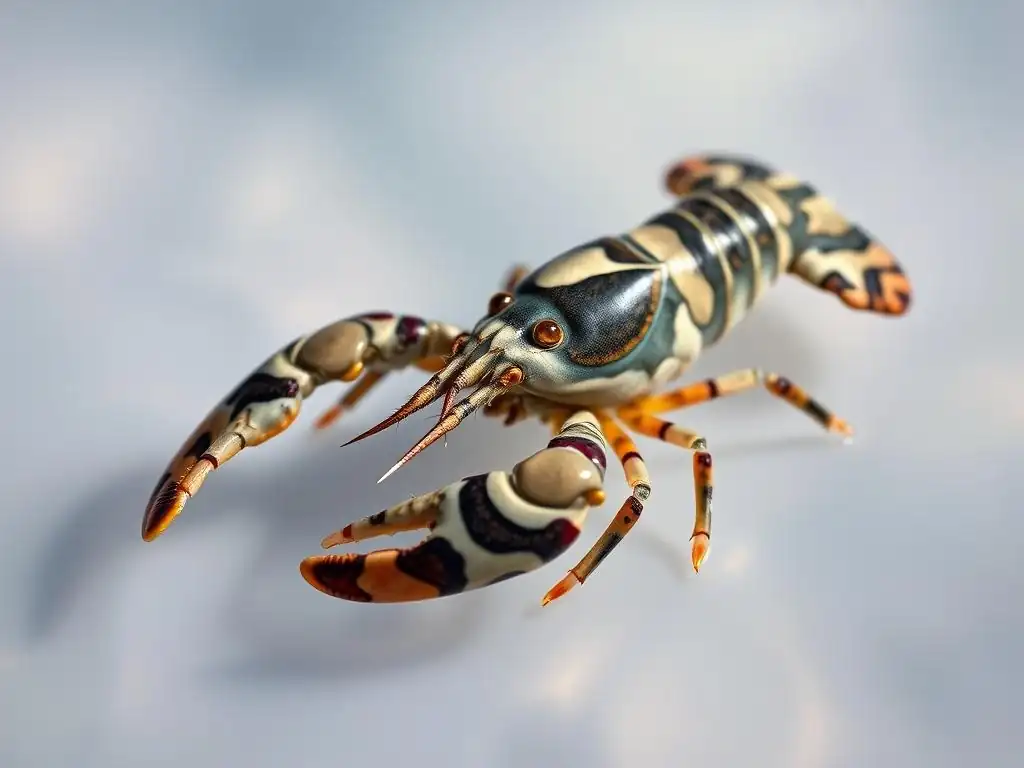
The most striking difference between marbled crayfish and most other popular aquarium crayfish species lies in their reproductive strategy. Marbled crayfish ( Procambarus virginalis) reproduce exclusively through asexual parthenogenesis, meaning all individuals are female and self-clone. In contrast, common aquarium species like the Electric Blue Crayfish ( Procambarus alleni) or the Dwarf Crayfish ( Cambarellus patzcuarensis) reproduce sexually, requiring a male and female pair for offspring production. This makes marbled crayfish uniquely capable of rapid population explosions from a single individual.
In terms of size and temperament, marbled crayfish (up to 6 inches) are generally larger and more robust than dwarf species (e.g., Cambarellus species, which typically reach only 1-2 inches). While they may not exhibit the vibrant blue or red coloration of some selectively bred morphs of Procambarus alleni or Procambarus clarkii, their marbled patterns are distinct. Their temperament is opportunistic and can be aggressive towards tank mates, similar to many Procambarus species, but their high reproductive rate means their potential for aggression and resource competition within a tank is amplified.
Choosing Between Marbled Crayfish and Other Crayfish Species
When deciding between marbled crayfish and other crayfish species, consider your goals and the level of commitment you're prepared for in terms of Marbled crayfish selfcloning care. If you desire a single, low-maintenance crayfish that will not reproduce, opting for a male of a sexually reproducing species (like a male Electric Blue Crayfish) is a more suitable choice. This avoids the challenges of population management inherent with marbled crayfish.
However, if you are fascinated by the unique biological process of self-cloning, are prepared to manage a potentially rapidly growing population, or are looking for a sustainable source of feeder animals (used responsibly), then marbled crayfish are an excellent option. For communal tanks with small, peaceful fish, a dwarf crayfish species such as the Mexican Dwarf Crayfish ( Cambarellus patzcuarensis) is a much safer and less predatory choice. If you prefer a larger, active centerpiece invertebrate and are comfortable with a species-only tank or very carefully selected tank mates, the marbled crayfish offers a truly unique experience.
Conclusion: Appreciating the Marbled Crayfish and Its Unique Biology
The marbled crayfish, Procambarus virginalis, stands as a true marvel of the aquatic world, captivating aquarists and scientists alike with its extraordinary self-cloning biology. This unique ability to reproduce asexually makes them a fascinating subject for observation, offering hobbyists an unparalleled glimpse into the mechanisms of parthenogenesis. Their inherent hardiness and active, engaging nature further contribute to their appeal, making them rewarding pets for those prepared to meet their specific care requirements, particularly regarding tank environment and dietary needs.
However, appreciating the marbled crayfish fully also entails a profound understanding of the responsibilities that come with their ownership. Their self-cloning capability, while intriguing, also renders them a significant invasive threat if released into non-native environments. Therefore, strict adherence to population management strategies and the unwavering commitment to never releasing them into natural waterways are paramount for responsible Marbled crayfish selfcloning care. By embracing both their biological marvel and the ecological responsibility they demand, aquarists can ensure the continued enjoyment of this unique species in a sustainable and ethical manner.
Frequently Asked Questions
How did the Marbled Crayfish (Procambarus virginalis) develop the ability to self-clone?
The exact origins are still debated, but it's believed to have arisen from a single genetic mutation in a Procambarus fallax crayfish, leading to parthenogenesis, or asexual reproduction. This allowed a single crayfish to reproduce without a mate.
What are the main challenges in providing proper "Marbled Crayfish selfcloning care" in an aquarium?
The primary challenge is managing their rapid reproduction. One crayfish can quickly overpopulate a tank. Also, maintaining stable water parameters is crucial for their health and survival.
What size aquarium is generally recommended for keeping Marbled Crayfish?
While a single Marbled Crayfish can survive in a smaller tank (e.g., 10 gallons), a larger tank (20 gallons or more) is preferable. This provides more space and helps with water quality management, especially given their prolific breeding.
What should I feed my Marbled Crayfish to ensure optimal health?
Marbled Crayfish are omnivores and will eat almost anything. A varied diet of commercial crayfish food, algae wafers, and occasional vegetable supplements (like blanched zucchini) will keep them healthy.
How do I control the population of Marbled Crayfish in my aquarium, given their self-cloning ability?
The most effective method is manual removal. Regularly remove excess crayfish and either rehome them responsibly or euthanize them humanely. Preventative measures are key to avoiding overpopulation.
Final Reflection: The Enduring Enigma of Self-Cloning
The journey into understanding the marbled crayfish, Procambarus virginalis, reveals more than just the intricacies of asexual reproduction; it highlights the profound power of adaptation and resilience in the face of environmental change. From their mysterious origins to their rapid global spread, these self-cloning crawdads present a compelling case study in evolutionary biology and the potential consequences of unchecked biological proliferation. Their existence challenges our understanding of species boundaries and forces us to confront the ethical considerations surrounding invasive species management.
The impact of the marbled crayfish extends far beyond the scientific community. Their ability to rapidly colonize new environments underscores the fragility of ecosystems and the interconnectedness of global biodiversity. The ease with which they can be kept and bred, as discussed in the context of "marbled crayfish selfcloning care," ironically contributes to their potential for further spread. The greatest threat to our planet is the belief that someone else will save it.
– Robert Swan. This quote resonates deeply when considering the marbled crayfish; individual actions, even seemingly harmless ones like keeping them as pets, can have significant ecological ramifications.
As we conclude this exploration of the marbled crayfish, let us not simply marvel at their unique reproductive strategy. Instead, let us reflect on the broader implications of their existence. Consider the delicate balance of nature and the responsibility we all share in preserving it. What steps can you take, in your own life, to be a more conscious and informed steward of our planet? The story of the marbled crayfish is a call to action, urging us to understand, respect, and protect the biodiversity that makes our world so extraordinary.
Unleash the Curiosity: Dive Deeper into the World of Marbled Crayfish!
Thank you for exploring the fascinating story of the marbled crayfish! Now that you understand the unique biology and implications of these self-cloning crawdads, it’s time to put your knowledge into action.
Here are a few ways you can further engage with this captivating topic:
- Consider starting your own observation tank to witness the marbled crayfish's unique reproductive behavior firsthand (responsibly, of course – understanding the risks and regulations first is essential! ).
- Share this article with fellow aquarium enthusiasts and spark a conversation about the ethics and implications of invasive species.
- Explore local regulations regarding the ownership and handling of non-native crayfish in your area – you might be surprised by what you find!
What unexpected question about marbled crayfish are you left pondering after reading this?