
Dwarf Crayfish Compendium: Exploring Cambarellus shufeldtii & C. diminutus

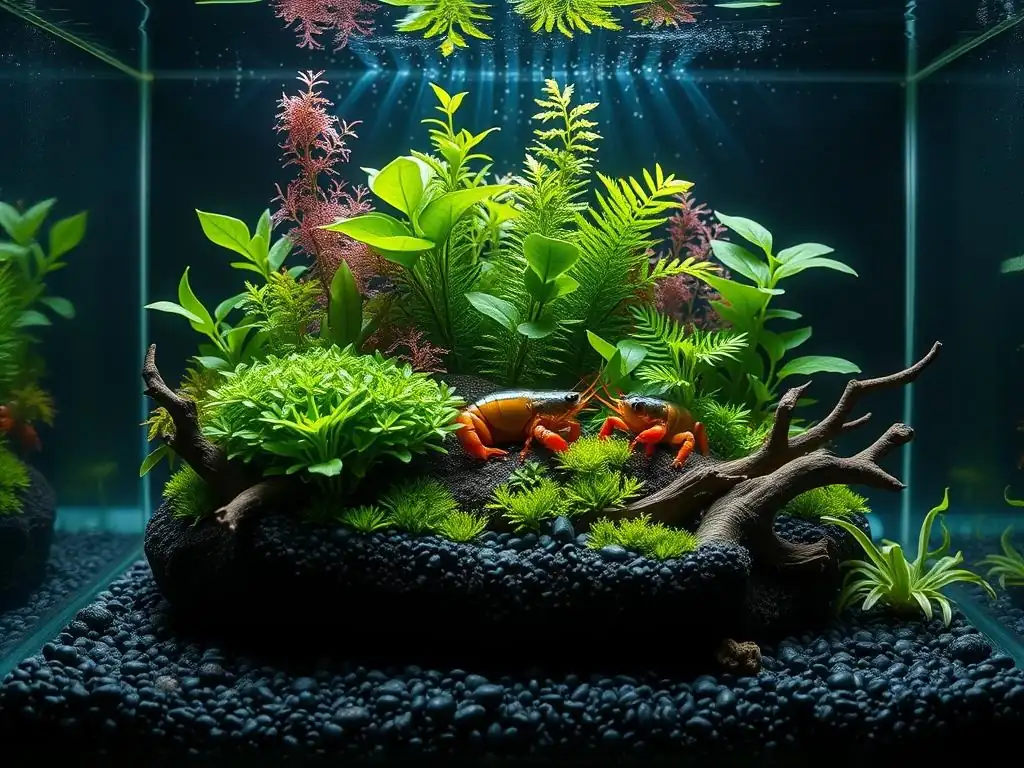
Welcome to Aquarium Mastery!
Ever been captivated by the miniature marvels of the underwater world? Get ready to dive deep into the fascinating realm of dwarf crayfish! Our comprehensive Dwarf Crayfish Care Guide unveils everything you need to know about these charming invertebrates, from their unique needs to creating the perfect habitat. Intrigued? Keep reading to unlock the secrets to thriving Cambarellus shufeldtii and C. diminutus in your own aquarium!
- Dwarf Crayfish Compendium: Exploring Cambarellus texanus & C. patzcuarensis
- Introduction to Dwarf Crayfish: A Beginner's Guide
-
Cambarellus texanus (Texas Dwarf Crayfish) Care Guide
- Cambarellus texanus Natural Habitat and Behavior
- Setting Up a Suitable Aquarium for Texas Dwarf Crayfish
- Water Parameters for Optimal Cambarellus texanus Health
- Cambarellus texanus Diet and Feeding Habits
- Cambarellus texanus Tank Mates: Choosing Compatible Species
- Breeding Cambarellus texanus: A Step-by-Step Guide
- Common Health Issues in Cambarellus texanus and Prevention
-
Cambarellus patzcuarensis (Orange CPO Dwarf Crayfish) Care Guide
- Cambarellus patzcuarensis Natural Habitat and Behavior
- Aquarium Setup for Orange CPO Dwarf Crayfish: Specific Needs
- Maintaining Ideal Water Conditions for Cambarellus patzcuarensis
- Feeding Cambarellus patzcuarensis: A Balanced Diet
- Choosing Suitable Tank Mates for Cambarellus patzcuarensis
- Breeding Cambarellus patzcuarensis: Tips and Techniques
- Health Management and Disease Prevention in Cambarellus patzcuarensis
- Comparing Cambarellus texanus and Cambarellus patzcuarensis: A Side-by-Side Analysis
- Troubleshooting Common Dwarf Crayfish Care Issues
- Conclusion: Mastering Dwarf Crayfish Care
- Frequently Asked Questions
- Final Reflection: Appreciating the Miniature Marvels
- Unleash Your Inner Aquarist!
Dwarf Crayfish Compendium: Exploring Cambarellus texanus & C. patzcuarensis
Introduction to Dwarf Crayfish: A Beginner's Guide
Why Choose Dwarf Crayfish for Your Aquarium?
Dwarf crayfish are an excellent choice for aquarists seeking to add a unique, active, and relatively low-maintenance invertebrate to their freshwater setups. Unlike their larger cousins, these diminutive crustaceans typically reach a maximum size of around 1.5 to 2 inches (3.8 to 5 cm), making them ideal inhabitants for smaller aquariums, including nano tanks as compact as 5 to 10 gallons.
Their small stature significantly reduces their bioload, contributing to more stable water parameters and making the overall dwarf crayfish care guide less demanding for beginners. They offer fascinating behaviors, from meticulous scavenging to intriguing molting processes, providing endless entertainment without the destructive tendencies often associated with larger crayfish species.
Furthermore, these tiny creatures exhibit a generally peaceful temperament, especially when compared to their larger, more aggressive relatives. This characteristic allows them to coexist with a variety of small, peaceful fish and invertebrates, expanding the possibilities for community tank setups.
Their relatively short lifespan, typically 1 to 2 years under optimal conditions, means less long-term commitment, while their captivating habits, such as their unique way of foraging and their vibrant colorations (especially in the case of C. patzcuarensis), make them a compelling addition to any carefully planned aquatic display. Many enthusiasts find the process of providing proper dwarf crayfish care highly rewarding.
Distinguishing Cambarellus texanus and C. patzcuarensis: Key Differences
While both Cambarellus texanus and Cambarellus patzcuarensis fall under the umbrella of dwarf crayfish, they possess distinct characteristics that differentiate them. Cambarellus texanus, often referred to as the Texas Dwarf Crayfish, typically exhibits a more subdued coloration, ranging from mottled brown, grey, or olive green, sometimes with hints of blue or red depending on genetics and environment.
Its carapace often features a subtle, marbled pattern, allowing it to blend seamlessly into natural substrates. This species generally reaches a slightly smaller average size, often around 1.2 to 1.5 inches (3 to 3.8 cm), and is native to slow-moving waters in Texas and Louisiana, USA.
In contrast, Cambarellus patzcuarensis, famously known as the Orange Dwarf Crayfish or CPO (Cambarellus Patzcuarensis Orange), is celebrated for its striking, vibrant orange to reddish-orange coloration. This vivid hue is a result of selective breeding within the species, which originates from Lake Pátzcuaro in Mexico. While wild C. patzcuarensis can also be brown or grey, the intensely orange variants are by far the most popular in the aquarium trade.
CPOs tend to be marginally larger than C. texanus, often reaching up to 1.6 to 2 inches (4 to 5 cm) in length. Their distinct colors and slightly different geographic origins are the primary identifiers when embarking on a dwarf crayfish care guide for these specific species.
Cambarellus texanus (Texas Dwarf Crayfish) Care Guide
Cambarellus texanus Natural Habitat and Behavior
The Texas Dwarf Crayfish ( Cambarellus texanus) is indigenous to the freshwater systems of Texas and parts of Louisiana, USA. Its natural habitat includes slow-moving streams, ditches, ponds, and even temporary puddles, often characterized by dense vegetation, leaf litter, and an abundance of detritus. These environments provide both ample food sources, such as decaying plant matter and small invertebrates, and crucial hiding spots from predators. In the wild, C. texanus is primarily a nocturnal scavenger, spending its days concealed among submerged plants, rocks, or under leaf litter, emerging at night to forage.
In an aquarium setting, C. texanus exhibits similar behaviors. They are generally shy and will seek refuge when startled, making ample hiding spots essential for their well-being. Their activity levels increase during dusk and dawn, though they can be observed foraging throughout the day, meticulously sifting through the substrate for food particles. While typically peaceful, male C. texanus may display territorial behavior towards other males, especially during breeding periods or if space is limited. Understanding their natural inclinations is a key part of providing thorough dwarf crayfish care for this species.
Setting Up a Suitable Aquarium for Texas Dwarf Crayfish
Establishing an appropriate habitat is paramount for the health and longevity of Cambarellus texanus. A well-planned aquarium mimics their natural environment, providing security, ample foraging grounds, and stable water conditions. This involves careful consideration of tank size, substrate, and decor, all of which contribute to a stress-free existence for these captivating invertebrates. A comprehensive dwarf crayfish care guide emphasizes these foundational setup elements.
Tank Size Recommendations for C. texanus
For a single Cambarellus texanus, a minimum tank size of 5 gallons (approximately 19 liters) is recommended. While they are small, providing adequate space helps reduce stress and allows for natural foraging behaviors. If you plan to keep a pair or a small group of 3-4 individuals, a 10-gallon (approximately 38 liters) aquarium is a more suitable choice. This larger volume provides more surface area for territory and foraging, minimizing potential territorial disputes among males. Overcrowding can lead to increased stress, aggression, and poor water quality, which are detrimental to their overall health.
Essential Substrate and Decor for Dwarf Crayfish
The substrate for C. texanus should consist of fine gravel or sand, as these materials allow them to burrow and sift for food particles without damaging their delicate appendages. A depth of at least 1-2 inches (2.5-5 cm) is ideal. Crucially, the aquarium must be heavily decorated with numerous hiding places.
This includes small caves made from ceramic or PVC pipes, driftwood with crevices, and smooth rocks stacked to create secure nooks. Live plants, such as Java Moss, Anubias, and Hornwort, are highly beneficial, offering both shelter and additional foraging surfaces. These elements replicate their natural habitat, making the Texas Dwarf Crayfish feel secure and promoting natural behaviors, an indispensable aspect of any dwarf crayfish care guide.
Water Parameters for Optimal Cambarellus texanus Health
Maintaining stable and appropriate water parameters is critical for the long-term health and well-being of Cambarellus texanus. These dwarf crayfish are sensitive to sudden fluctuations and poor water quality, which can lead to stress, molting issues, and susceptibility to disease. Regular monitoring and consistent maintenance are key components of a successful dwarf crayfish care guide.
Maintaining Water Quality for Dwarf Crayfish
Consistent water quality is paramount for C. texanus. Ammonia and nitrite levels must always be at 0 ppm (parts per million), as even trace amounts can be highly toxic. Nitrate levels should be kept below 20 ppm, ideally closer to 10 ppm.
To achieve this, regular partial water changes are essential; a 20-25% water change weekly is generally recommended. Utilizing a quality filter, such as a sponge filter or a small hang-on-back (HOB) filter with a pre-filter sponge to protect tiny fry, will help maintain mechanical and biological filtration. Avoid strong currents, as these crayfish prefer calmer waters, mimicking their natural environment.
Temperature and pH Levels for Texas Dwarf Crayfish
The ideal water temperature for Cambarellus texanus ranges from 68°F to 78°F (20°C to 25.5°C). While they can tolerate slight variations, maintaining a stable temperature within this range is crucial for their metabolism and overall health. A reliable aquarium heater with a thermostat is recommended to prevent temperature swings.
The preferred pH range is slightly acidic to neutral, specifically between 6.5 and 8.0. Additionally, these crayfish benefit from moderately hard water, with a General Hardness (GH) of 5-15 dGH and Carbonate Hardness (KH) of 3-10 dKH, which provides the necessary minerals for healthy molting and carapace formation. Monitoring these parameters regularly with a reliable test kit is an indispensable part of comprehensive dwarf crayfish care.
Cambarellus texanus Diet and Feeding Habits
Cambarellus texanus are opportunistic omnivores and scavengers, much like their larger crayfish relatives. In the wild, their diet consists primarily of detritus, decaying plant matter, algae, and small invertebrates. Replicating this varied diet in the aquarium is essential for their health, growth, and vibrant coloration. A balanced diet is a fundamental aspect of any dwarf crayfish care guide.
What to Feed Your Texas Dwarf Crayfish
A varied diet is key to the health of your Texas Dwarf Crayfish. High-quality sinking pellets or granules formulated for crustaceans or omnivorous bottom-dwellers should form the staple. Supplement this with algae wafers, spirulina tabs, and blanched vegetables such as zucchini slices, spinach, or kale, which provide essential fiber and minerals. For protein, offer small amounts of frozen or freeze-dried foods like bloodworms, brine shrimp, or daphnia once or twice a week. Ensure that any food offered sinks to the bottom, as these crayfish are not adept at feeding from the water column.
Feeding Schedule and Considerations
Texas Dwarf Crayfish should be fed once a day, or every other day, with an amount they can consume within a few hours. Overfeeding is a common mistake and can quickly lead to poor water quality, which is detrimental to all aquarium inhabitants, especially invertebrates. Observe your crayfish during feeding to gauge their appetite and adjust the quantity accordingly.
If there is uneaten food after a few hours, reduce the amount next time. Since they are primarily nocturnal, feeding them shortly before lights out can encourage more natural foraging behavior and ensure they get their share, especially in a community tank. This careful approach to feeding is a vital part of effective dwarf crayfish care.
Cambarellus texanus Tank Mates: Choosing Compatible Species
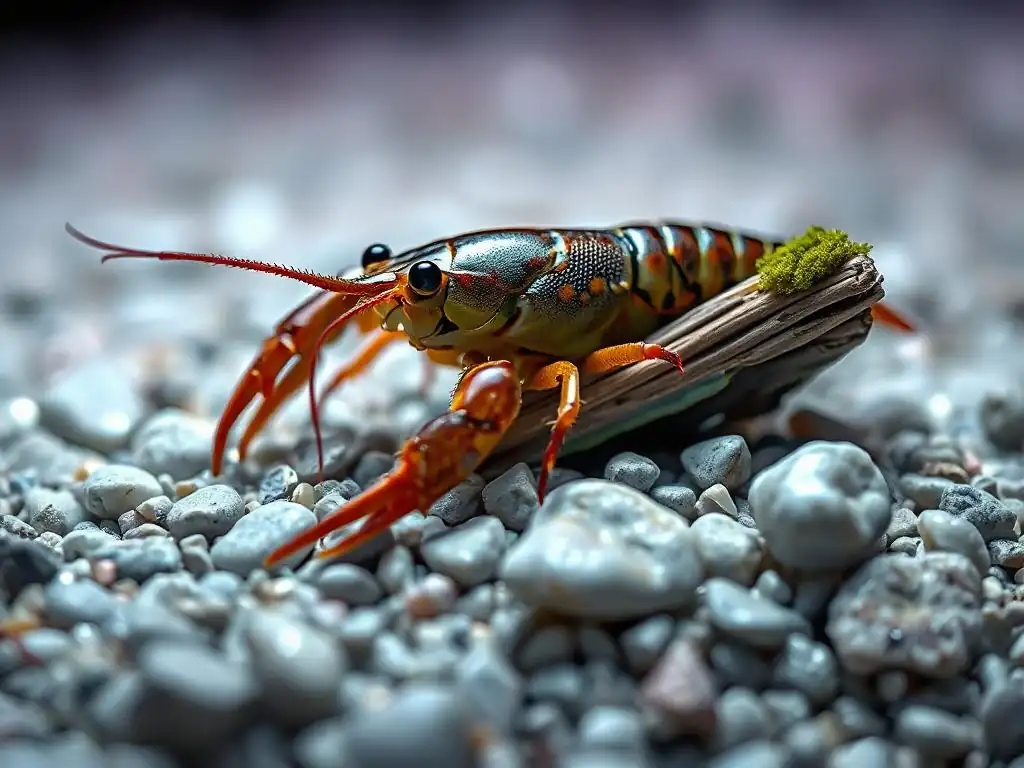
Selecting appropriate tank mates for Cambarellus texanus is crucial for maintaining a peaceful and thriving aquarium environment. While generally non-aggressive for a crayfish, their small size makes them vulnerable to larger, more boisterous, or predatory fish. Conversely, they can pose a minor threat to very small or slow-moving invertebrates, particularly during their vulnerable molting period. A thoughtful approach to tank mate selection is a cornerstone of this dwarf crayfish care guide.
Fish and Invertebrates That Coexist Well with Dwarf Crayfish
The best tank mates for C. texanus are small, peaceful, and fast-moving fish that primarily occupy the middle or upper levels of the water column. Good examples include various species of nano fish such as Chili Rasboras ( Boraras brigittae), Ember Tetras ( Hyphessobrycon amandae), Endler's Livebearers ( Poecilia wingei), and small schooling tetras like Neon Tetras ( Paracheirodon innesi). Peaceful, small bottom-dwellers such as Otocinclus catfish ( Otocinclus affinis) can also work, as they are not directly competitive for food or territory.
When it comes to other invertebrates, small, non-aggressive snails like Nerite Snails ( Neritina natalensis) or Mystery Snails ( Pomacea bridgesii) are generally safe companions. While dwarf shrimp (e.g., Neocaridina species) can sometimes coexist, there is a low risk of the crayfish preying on vulnerable molting shrimp or very young fry, so caution is advised.
Species to Avoid Keeping with C. texanus
Avoid keeping Cambarellus texanus with any large, aggressive, or predatory fish species, as the crayfish will inevitably become food. Examples include Cichlids (e.g., Oscar, Jack Dempsey), larger Gouramis, or even some larger Tetras. Any fish known to be nippy towards fins could also harass the crayfish. Other larger crayfish species (e.g., Procambarus, Cherax) are also unsuitable, as they will undoubtedly dominate and likely harm the dwarf crayfish.
Additionally, avoid very slow-moving or long-finned fish that might be perceived as a threat or simply too easy to catch. While generally peaceful, C. texanus may occasionally attempt to grab a slow or sick fish if the opportunity arises, so maintaining a healthy environment for all inhabitants is key to minimizing such incidents. This careful consideration of tank mates is vital for comprehensive dwarf crayfish care.
Breeding Cambarellus texanus: A Step-by-Step Guide
Breeding Cambarellus texanus in a home aquarium is relatively straightforward, making them an excellent choice for aquarists interested in observing the life cycle of aquatic invertebrates. With stable conditions and a healthy environment, these dwarf crayfish will readily reproduce, adding to the fascination of your tank. This guide to dwarf crayfish care includes specific steps for encouraging successful breeding.
Creating Breeding Conditions for Dwarf Crayfish
To encourage breeding in Cambarellus texanus, focus on optimal water parameters, a varied diet, and abundant hiding places. Maintain stable water temperatures around 72-76°F (22-24.5°C) and a pH between 7.0-7.5. Ensure excellent water quality through regular partial water changes and efficient filtration.
A diet rich in protein and calcium, provided through high-quality sinking pellets, blanched vegetables, and occasional frozen foods, supports reproductive health and egg development. Most importantly, provide plenty of caves, dense plant cover (like Java moss or Anubias), and driftwood, as these serve as crucial molting and brooding sites for the females, reducing stress and increasing the survival rate of both adults and fry.
Raising Cambarellus texanus Fry
Once a female C. texanus is "berried" (carrying eggs under her tail), she will typically carry them for about 3-4 weeks, depending on temperature. During this period, she will fan the eggs to ensure aeration and prevent fungal growth. The eggs hatch into miniature versions of the adults, usually around 0.1 inches (2-3 mm) long.
The fry will remain attached to the mother for a few days, feeding on their yolk sac, before detaching and becoming independent. At this stage, they are extremely vulnerable. Provide fine foods like powdered fry food, crushed spirulina flakes, or specialized invertebrate food.
Live plants with dense growth, such as Java Moss, are crucial as they offer micro-organisms for the fry to graze on and provide essential hiding places from adult crayfish (including the mother, who might view them as food if stressed or hungry) and other tank inhabitants. A separate breeding tank might be considered for higher fry survival rates, ensuring the best dwarf crayfish care for the next generation.
Common Health Issues in Cambarellus texanus and Prevention
Like all aquarium inhabitants, Cambarellus texanus can be susceptible to certain health issues, primarily linked to environmental stress or improper diet. Understanding these common problems and, more importantly, how to prevent them, is a vital aspect of comprehensive dwarf crayfish care.
Recognizing and Treating Dwarf Crayfish Diseases
One of the most common issues observed in dwarf crayfish is molting problems. If a C. texanus struggles to shed its exoskeleton, it may appear lethargic, have a deformed new shell, or even die during the process. This is often indicative of insufficient calcium in their diet or unstable water parameters, particularly low GH or KH.
Bacterial or fungal infections can manifest as white or fuzzy patches on their body, often a result of poor water quality or injury. If an infection is suspected, improving water quality immediately is the first step. In some cases, mild aquarium salt baths (without iodine) might be used cautiously, but precise dosing is crucial to avoid further stress.
Preventing Common Ailments in C. texanus
Prevention is always better than cure when it comes to dwarf crayfish health. The cornerstone of prevention lies in maintaining consistently excellent water quality. Perform regular 20-25% weekly water changes to keep nitrates low and parameters stable. Ensure your filtration system is adequate but gentle.
A diet rich in calcium and other essential minerals, provided through high-quality sinking pellets and blanched vegetables, is crucial for successful molting. Avoid sudden temperature or pH swings, as these can stress the crayfish and weaken their immune system. Finally, provide ample hiding spots to reduce stress from tank mates or feeling exposed, contributing to a robust and healthy environment, a testament to effective dwarf crayfish care.
Cambarellus patzcuarensis (Orange CPO Dwarf Crayfish) Care Guide
Cambarellus patzcuarensis Natural Habitat and Behavior
The Orange CPO Dwarf Crayfish ( Cambarellus patzcuarensis) originates from Lake Pátzcuaro in Michoacán, Mexico. This large, high-altitude lake is characterized by clear, well-oxygenated water with a rocky and vegetated bottom. In their natural environment, CPOs are primarily benthic, meaning they live on the bottom, where they forage among rocks, submerged vegetation, and leaf litter for detritus, algae, and small invertebrates. Their behavior in the wild mirrors their aquarium conduct: they are active scavengers, constantly exploring their surroundings, sifting through substrate, and occasionally climbing on plants or decor.
In the aquarium, C. patzcuarensis typically exhibits a bolder demeanor than C. texanus, especially the selectively bred orange varieties. They are less prone to hiding constantly, often seen foraging openly, particularly when food is introduced. Despite their vibrant appearance, they retain their natural curiosity and scavenging instincts. Like all crayfish, they are masters of escape, so a secure lid is essential to prevent them from climbing out of the tank. Understanding these behavioral traits is key to providing optimal dwarf crayfish care for the CPO.
Aquarium Setup for Orange CPO Dwarf Crayfish: Specific Needs
Setting up an appropriate aquarium for the Orange CPO Dwarf Crayfish requires attention to detail, mirroring their natural habitat to ensure their comfort and well-being. While many aspects are similar to C. texanus care, emphasizing certain elements can further enhance the CPO's vibrant coloration and active behavior. This section forms a vital part of any comprehensive dwarf crayfish care guide.
Tank Size Considerations for C. patzcuarensis
For a single Cambarellus patzcuarensis, a minimum tank size of 5 gallons (approximately 19 liters) is adequate. This size allows for sufficient swimming and foraging space without leading to cramped conditions. If you plan to keep a breeding pair or a small group of 3-4 CPOs, a 10-gallon (approximately 38 liters) aquarium is highly recommended. The increased footprint provides more distinct territories and reduces potential conflicts, especially between males. Larger tanks also offer greater stability in water parameters, which is beneficial for these invertebrates, making the overall dwarf crayfish care experience more manageable.
Creating a Natural Habitat for Cambarellus patzcuarensis
To mimic the CPO's natural environment and encourage their active behavior, the aquarium setup should prioritize both open foraging areas and numerous hiding spots. A substrate of fine sand or small, smooth gravel is ideal, allowing them to sift and dig without harm. Decorate the tank extensively with driftwood, rocks, and ceramic caves, ensuring multiple secure retreats where they can hide, especially during molting.
Dense live plants, such as Java Moss ( Taxiphyllum barbieri), Anubias species, and Cryptocoryne species, are highly beneficial. They provide additional hiding places, surfaces for biofilm growth (a natural food source), and contribute to water quality by absorbing nitrates. A well-aquascaped tank not only looks appealing but also significantly contributes to the CPO's welfare, aligning perfectly with a thorough dwarf crayfish care guide.
Maintaining Ideal Water Conditions for Cambarellus patzcuarensis
Consistent and appropriate water conditions are paramount for the health and vibrant coloration of Cambarellus patzcuarensis. These crayfish are sensitive to fluctuations and poor water quality, which can lead to stress, disease, and molting complications. Regular monitoring and proactive maintenance are non-negotiable for successful dwarf crayfish care.
Achieving Optimal Water Parameters for C. patzcuarensis
For Cambarellus patzcuarensis, the ideal water temperature range is between 68°F and 78°F (20°C to 25.5°C). Maintaining a stable temperature within this range is crucial for their metabolic functions and overall well-being. The preferred pH level for CPOs is slightly acidic to neutral, typically ranging from 6.0 to 7.5.
They also thrive in moderately hard water, with a General Hardness (GH) between 6-12 dGH and Carbonate Hardness (KH) of 4-8 dKH. These hardness levels provide the necessary minerals, especially calcium, for robust exoskeleton development and successful molting. Regular testing with reliable aquarium test kits is essential to ensure these parameters remain stable.
Water Changes and Filtration for Orange CPO Dwarf Crayfish
Maintaining pristine water quality is critical for the health of Orange CPO Dwarf Crayfish. Ammonia and nitrite levels must always be zero, and nitrates should be kept below 20 ppm. To achieve this, perform weekly partial water changes of 20-30% of the tank volume. Use dechlorinated water that matches the tank's temperature and pH as closely as possible to avoid shocking the crayfish.
A gentle filtration system, such as a sponge filter or a small internal filter with a low flow rate, is ideal. Strong currents can stress these bottom-dwelling creatures. Filters also help maintain biological filtration, breaking down harmful waste products and ensuring a healthy environment, which is a core tenet of effective dwarf crayfish care.
Feeding Cambarellus patzcuarensis: A Balanced Diet
Cambarellus patzcuarensis are omnivorous scavengers, and a diverse diet is crucial for their health, growth, and particularly for maintaining their striking orange coloration. Providing a variety of food sources ensures they receive all necessary nutrients, including calcium for their exoskeleton. This section details essential aspects of a comprehensive dwarf crayfish care guide regarding nutrition.
Best Food Options for Orange CPO Dwarf Crayfish
The primary diet for Orange CPO Dwarf Crayfish should consist of high-quality sinking pellets or granules designed for crustaceans or bottom-feeders. These should contain a good balance of plant and animal matter. Supplement this staple with algae wafers, spirulina flakes, and blanched vegetables like zucchini, spinach, or kale. These plant-based foods provide essential fiber and minerals. For protein, offer small amounts of frozen or freeze-dried bloodworms, brine shrimp, or daphnia once or twice a week. These protein sources are vital for growth and molting. Ensure all food sinks to the bottom where the crayfish can easily access it.
Avoiding Overfeeding C. patzcuarensis
Overfeeding is a common pitfall in aquarium keeping and can quickly degrade water quality, leading to health problems for your CPOs. Feed your Cambarellus patzcuarensis once a day, providing only an amount they can consume within a few hours. A general guideline is to offer a piece of food roughly the size of their head.
If you notice uneaten food after this period, remove it promptly and reduce the quantity at the next feeding. Excess food decomposes, producing ammonia and nitrites, which are highly toxic to invertebrates. A lean diet, combined with regular water changes, contributes significantly to a healthy and stable environment, a critical component of successful dwarf crayfish care.
Choosing Suitable Tank Mates for Cambarellus patzcuarensis
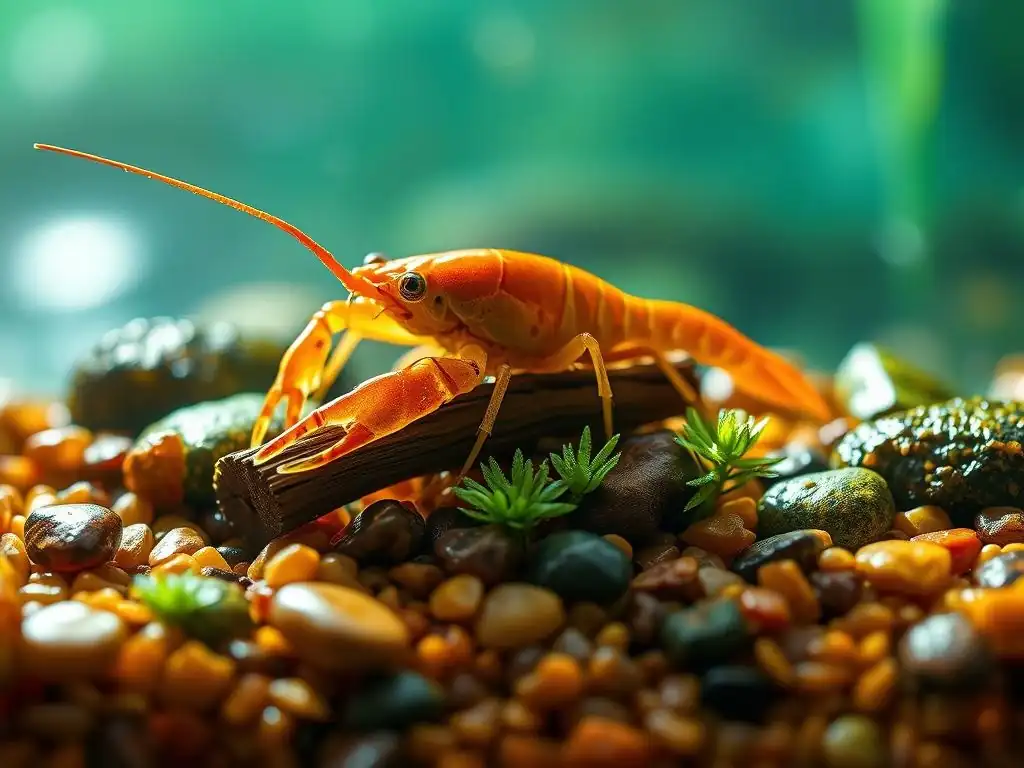
Selecting appropriate tank mates for Cambarellus patzcuarensis is crucial for maintaining a peaceful and safe community aquarium. While CPOs are generally non-aggressive for crayfish, their small size means they can be preyed upon by larger or more aggressive fish. Conversely, they might occasionally predate on very small or slow-moving tank mates, especially during feeding times or if space is limited. This careful consideration of compatibility is vital for any dwarf crayfish care guide.
Compatible Species for a Dwarf Crayfish Community Tank
Ideal tank mates for C. patzcuarensis are small, peaceful fish that primarily inhabit the middle or upper water columns, thus avoiding direct competition or conflict at the bottom. Good examples include various species of nano fish such as Celestial Pearl Danios ( Danio margaritatus), Ember Tetras ( Hyphessobryda amandae), Chili Rasboras ( Boraras brigittae), and Endler's Livebearers ( Poecilia wingei). Small, peaceful bottom-dwellers like Otocinclus catfish ( Otocinclus affinis) can also coexist.
Non-aggressive snails, such as Nerite Snails ( Neritina natalensis) or Mystery Snails ( Pomacea bridgesii), are generally safe companions. While some aquarists successfully keep CPOs with dwarf shrimp (e.g., Neocaridina species), there is always a slight risk of predation on molting shrimp or very young fry, so careful observation and ample hiding spots are essential.
Incompatible Tank Mates to Avoid
It is imperative to avoid keeping Cambarellus patzcuarensis with any large, aggressive, or predatory fish species. Common aquarium fish like Cichlids (e.g., Angelfish, Jack Dempsey), larger Gouramis, or Barbs known for fin-nipping will harass or eventually consume the dwarf crayfish. Other larger crayfish species (e.g., Procambarus, Cherax) are also completely unsuitable, as they will undoubtedly dominate and likely kill the smaller CPOs.
Any fish with long, flowing fins that are slow-moving could also be at risk of being nipped by a curious or hungry CPO. Maintaining a species-appropriate environment with careful tank mate selection significantly reduces stress and ensures the longevity of your dwarf crayfish, a core principle of comprehensive dwarf crayfish care.
Breeding Cambarellus patzcuarensis: Tips and Techniques
Cambarellus patzcuarensis are known for being relatively prolific breeders in the home aquarium, making them a popular choice for aquarists interested in observing the full life cycle of these fascinating invertebrates. With a stable environment and proper care, you can expect regular successful broods. This section provides detailed advice on breeding CPOs as part of a complete dwarf crayfish care guide.
Encouraging Breeding in C. patzcuarensis
To encourage breeding in Cambarellus patzcuarensis, focus on providing optimal and stable environmental conditions. Maintain water temperatures around 72-76°F (22-24.5°C) and a pH between 7.0-7.5. Excellent water quality, achieved through regular 20-30% weekly water changes and efficient filtration, is paramount.
A high-quality, varied diet rich in protein and calcium, including sinking pellets, blanched vegetables, and occasional frozen foods, supports reproductive health. Crucially, provide abundant hiding spots such as small caves, driftwood, and dense live plants like Java Moss or Anubias. These hideouts offer security for molting females and safe brooding sites, significantly increasing the chances of successful breeding and fry survival.
Caring for Cambarellus patzcuarensis Juveniles
Once a female CPO is "berried" (carrying eggs), she will typically carry them for 3-4 weeks. The eggs hatch into miniature versions of the adults, approximately 0.1-0.15 inches (2.5-3.8 mm) long. These tiny juveniles will remain attached to the mother for a few days, feeding on their yolk sac, before becoming independent.
At this stage, they are highly vulnerable to predation, even from the mother if stressed or hungry, and other tank inhabitants. For higher survival rates, consider setting up a separate "fry grow-out" tank. Provide fine-particle foods such as powdered fry food, crushed spirulina flakes, or specialized invertebrate food.
Dense live plants, particularly mosses, are essential as they provide both microscopic organisms for the fry to graze on and critical hiding places, protecting them until they are large enough to safely integrate into the main tank. This dedicated approach to juvenile care is a key element of comprehensive dwarf crayfish care.
Health Management and Disease Prevention in Cambarellus patzcuarensis
Ensuring the long-term health of your Cambarellus patzcuarensis involves proactive health management and diligent disease prevention. While generally hardy, CPOs can fall victim to common aquarium ailments, often exacerbated by poor water quality or inadequate diet. Understanding these issues and implementing preventative measures is a crucial aspect of this dwarf crayfish care guide.
Identifying and Treating Common Diseases
The most prevalent health issue in Cambarellus patzcuarensis is molting problems. If a CPO struggles to shed its old exoskeleton, resulting in a stuck shell or an inability to fully emerge, it often indicates a deficiency in calcium or unstable water parameters (e.g., sudden changes in GH, KH, or pH). Bacterial or fungal infections can appear as opaque, fuzzy, or discolored patches on their body or joints, typically stemming from poor water quality, stress, or injury.
If an infection is suspected, immediately improving water quality through a significant water change is the first step. In some cases, very mild, iodine-free aquarium salt baths might be considered, but precise dosing is critical, and professional veterinary advice should be sought for severe cases.
Maintaining a Healthy Environment for C. patzcuarensis
Prevention is the most effective strategy for maintaining healthy Cambarellus patzcuarensis. The foundation of good health lies in consistently excellent water quality. Perform regular 20-30% weekly water changes to keep nitrate levels below 20 ppm and ensure ammonia and nitrites remain at zero. Provide a balanced diet rich in calcium through high-quality sinking pellets, blanched vegetables, and occasional protein sources.
Avoid sudden temperature fluctuations and maintain stable pH and hardness levels within their preferred range. Ample hiding spots are essential to reduce stress, especially during molting when they are most vulnerable. A stress-free environment, combined with proper nutrition, significantly boosts their immune system and resilience against diseases, underscoring the importance of diligent dwarf crayfish care.
Comparing Cambarellus texanus and Cambarellus patzcuarensis: A Side-by-Side Analysis
Size and Appearance Differences
While both Cambarellus texanus and Cambarellus patzcuarensis are classified as dwarf crayfish, their size and appearance exhibit notable differences. C. texanus generally reaches a maximum length of about 1.5 inches (3.8 cm), with a more muted and naturalistic coloration. Its carapace typically displays shades of mottled brown, grey, olive green, or sometimes subtle blues and reds, allowing it to blend seamlessly into a detritus-rich environment. The patterns are often irregular and camouflaged, reflecting its native habitat in Texas and Louisiana.
In contrast, C. patzcuarensis (the Orange CPO) can grow slightly larger, often reaching up to 2 inches (5 cm) in length. Its most distinguishing feature is its vibrant, intense orange to reddish-orange coloration, a result of selective breeding from its wild Mexican counterparts which can be brown.
This striking hue makes the CPO highly visible in an aquarium and is a primary reason for its popularity. While both species share the typical crayfish body plan with two chelipeds (claws), the CPO's bold color instantly sets it apart from the more understated C. texanus, a key visual distinction in any dwarf crayfish care guide.
Behavior and Temperament Comparison
Despite their shared genus, Cambarellus texanus and Cambarellus patzcuarensis can exhibit subtle differences in behavior and temperament within the aquarium environment. C. texanus tends to be more reclusive and shy, often spending a significant portion of its day hidden among dense vegetation, under driftwood, or in caves. They are primarily nocturnal, emerging more actively during the evening hours to forage. Their movements are generally cautious, and they are quick to retreat if startled, reflecting their camouflaged appearance and reliance on concealment in the wild.
C. patzcuarensis, particularly the selectively bred orange variety, often displays a bolder and more inquisitive temperament. While they still appreciate hiding spots, CPOs are frequently observed foraging openly during daylight hours, exploring their surroundings with greater confidence. They tend to be more active and less prone to prolonged periods of hiding compared to C. texanus. Both species are generally peaceful towards appropriately sized tank mates, but CPOs might occasionally be perceived as slightly more territorial towards conspecifics if space is limited. These behavioral nuances are important considerations in providing tailored dwarf crayfish care.
Care Requirements: Similarities and Differences
When it comes to care requirements, Cambarellus texanus and Cambarellus patzcuarensis share many fundamental needs, making a general dwarf crayfish care guide applicable to both, with minor adjustments. Both species thrive in similar water temperatures (68-78°F or 20-25.5°C), require excellent water quality with zero ammonia and nitrites, and benefit from regular partial water changes. They both need a diet rich in calcium and protein, provided through sinking pellets, blanched vegetables, and occasional frozen foods. Ample hiding spots, fine substrate, and a secure lid are essential for both species to feel safe and prevent escapes.
However, there are subtle differences. C. texanus is slightly more adaptable to a wider range of pH (6.5-8.0) and prefers moderately hard water (GH 5-15 dGH), reflecting its diverse natural habitats. C. patzcuarensis, while still adaptable, generally prefers slightly softer to moderately hard water (GH 6-12 dGH) and a pH closer to neutral (6.0-7.5), consistent with its lake origin.
Due to their bolder nature, CPOs might benefit from even more varied enrichment in terms of decor to explore. Additionally, the vibrant coloration of CPOs is best maintained with a high-quality diet and pristine water, as stress or poor conditions can dull their orange hue. Understanding these nuances allows for optimized dwarf crayfish care for each specific species.
Troubleshooting Common Dwarf Crayfish Care Issues
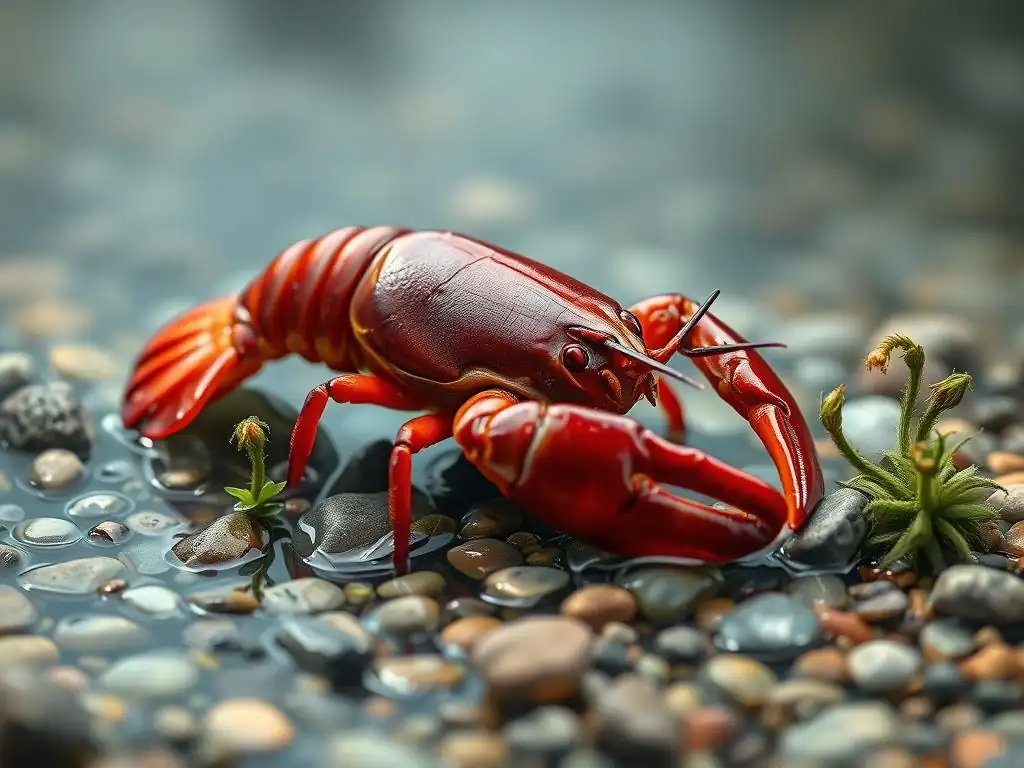
Even with the most diligent dwarf crayfish care, aquarists may encounter common issues. Recognizing the symptoms and understanding their potential causes is crucial for quickly addressing problems and ensuring the well-being of your Cambarellus species.
Crayfish Hiding and Not Eating: Potential Causes and Solutions
If your dwarf crayfish is consistently hiding more than usual and refusing food, it's a clear sign of stress or illness. One of the most common reasons is an impending molt. During this vulnerable period, crayfish instinctively seek seclusion for protection. If it's molting, ensure there are ample hiding spots and avoid disturbing it. Another significant cause is poor water quality; high levels of ammonia, nitrite, or nitrate can severely stress crayfish. Test your water parameters immediately and perform a partial water change if necessary.
Environmental factors like inadequate hiding spots, overly aggressive tank mates, or sudden changes in tank conditions (temperature, pH) can also lead to hiding and loss of appetite. Ensure your tank setup provides sufficient cover and that tank mates are compatible. Finally, illness or injury could be a factor. Observe the crayfish closely for any visible signs of infection, parasites, or physical damage. Addressing these underlying causes promptly is essential for a successful dwarf crayfish care guide.
Aggression Towards Tank Mates: Understanding and Mitigating Aggression
While dwarf crayfish are generally considered peaceful, instances of aggression towards tank mates can occur, particularly if conditions are not ideal. The primary driver of aggression, especially among conspecifics or towards other bottom-dwelling invertebrates, is often insufficient space or a lack of adequate hiding spots. In a cramped environment, crayfish may become territorial, leading to nips or chases.
To mitigate aggression, ensure your aquarium is sufficiently sized for the number of crayfish you keep; a minimum of 5 gallons per individual or 10 gallons for a pair is a good starting point. Crucially, provide an abundance of diverse hiding places such as small caves, driftwood, and dense plant cover. This allows each crayfish to establish its own territory and retreat when needed.
If aggression persists, reconsider your tank mate selection, ensuring that all inhabitants are peaceful and occupy different water columns. Separating particularly aggressive individuals may be necessary in extreme cases to maintain a harmonious environment, an important consideration in effective dwarf crayfish care.
Molting Problems in Dwarf Crayfish: Causes, Prevention, and Treatment
Molting is a critical and recurring process for dwarf crayfish, allowing them to grow and replace damaged exoskeletons. However, it is also their most vulnerable period, and molting problems are a common cause of mortality. A crayfish struggling to molt may appear stuck in its old shell, have a deformed new shell, or die mid-molt.
The primary cause of molting issues is often insufficient calcium and other minerals in their diet or water, which are essential for forming a new, strong exoskeleton. Ensure your dwarf crayfish care guide includes a diet rich in calcium, such as high-quality sinking pellets, blanched leafy greens (like spinach), and calcium supplements if your water is naturally soft (e.g., cuttlebone pieces in the tank). Poor water quality or sudden changes in water parameters (temperature, pH, hardness) can also stress the crayfish, making molting difficult.
Maintain stable, pristine water conditions through regular water changes. While there's no direct "treatment" for a stuck molt, prevention is key. If a crayfish is struggling, minimize stress by ensuring darkness and quiet, and do not attempt to help it manually, as this almost always causes fatal injury.
Conclusion: Mastering Dwarf Crayfish Care
The Joys of Keeping Cambarellus Species
Keeping Cambarellus species offers a uniquely rewarding experience for aquarists of all levels. Their small size makes them ideal for nano tanks, opening up the fascinating world of crustaceans to those with limited space. Beyond their compact footprint, dwarf crayfish provide endless entertainment with their curious foraging behaviors, meticulous cleaning habits, and the intriguing process of molting. The vibrant orange of C. patzcuarensis or the subtle, camouflaged beauty of C. texanus adds a dynamic visual element to any freshwater setup. They are generally peaceful, allowing for creative community tank possibilities with appropriate tank mates.
Furthermore, their relatively straightforward breeding makes them an excellent species for those interested in observing aquatic life cycles firsthand. The successful rearing of miniature crayfish fry is a testament to diligent dwarf crayfish care and a source of immense satisfaction. These hardy, yet delicate, invertebrates offer a low-maintenance entry point into the world of aquatic crustaceans, proving that even the smallest creatures can bring immense joy and fascination to the home aquarium.
Further Resources for Dwarf Crayfish Enthusiasts
For those looking to deepen their knowledge and enhance their dwarf crayfish care practices, a wealth of information is available. Online forums dedicated to freshwater invertebrates and planted tanks are invaluable resources, offering direct interaction with experienced aquarists who can provide specific advice and share troubleshooting tips based on real-world scenarios. Many reputable aquarium websites and blogs, similar to Aquarium Mastery, regularly publish detailed species profiles, care guides, and articles on advanced topics such as breeding techniques and disease prevention.
Additionally, academic papers and scientific databases can provide in-depth information on the natural history, genetics, and specific environmental needs of Cambarellus species, offering a deeper understanding of their biology. Local aquarium clubs often host meetings and events where enthusiasts can connect, exchange knowledge, and even trade specimens. By utilizing these diverse resources, aquarists can continue to refine their dwarf crayfish care guide, ensuring the long-term health and happiness of these captivating crustaceans.
Frequently Asked Questions
What are the ideal water parameters for Dwarf Crayfish?
Dwarf crayfish thrive in stable water conditions. Aim for a pH of 6.5-7.5 and a temperature between 68-78°F (20-26°C). Regular water changes are crucial for maintaining water quality.
What should I feed my Dwarf Crayfish?
They are omnivores and accept a varied diet. Offer sinking pellets, algae wafers, and occasional treats like blanched vegetables or frozen bloodworms. Avoid overfeeding to prevent water pollution.
How big do Dwarf Crayfish typically get?
Dwarf crayfish are aptly named! They typically only reach a size of around 1-1.5 inches (2.5-3.8 cm) in length. This makes them suitable for smaller aquarium setups.
Can Dwarf Crayfish be kept with other fish?
Dwarf crayfish are generally peaceful, but caution is advised. Avoid keeping them with slow-moving, bottom-dwelling fish or fish with long, flowing fins. Fast-swimming fish are usually compatible.
What type of substrate and decor should I use for Dwarf Crayfish?
Provide a substrate that allows them to burrow, such as sand or fine gravel. Offer plenty of hiding places like caves, rocks, and plants. These create a sense of security and reduce stress.
Final Reflection: Appreciating the Miniature Marvels
The journey into the world of dwarf crayfish, specifically Cambarellus shufeldtii and C. diminutus, reveals more than just aquarium keeping; it underscores the importance of understanding and appreciating the delicate balance within our ecosystems. These tiny crustaceans, often overlooked, play a vital role in their natural habitats, and their increasing popularity in aquariums highlights our growing responsibility as stewards of biodiversity.
This exploration has deeply influenced my perspective on the interconnectedness of life. Witnessing the intricate behaviors and subtle beauty of these miniature creatures firsthand has reinforced the need for responsible pet ownership and conservation efforts. In the end, we will conserve only what we love; we will love only what we understand; and we will understand only what we are taught.
- Baba Dioum. This quote resonates profoundly, reminding us that education and awareness are the cornerstones of protecting these fascinating animals and their environments.
Now, as you embark on your own journey with dwarf crayfish, I invite you to reflect on the impact you can have. Consider the ethical implications of your choices, strive to create thriving habitats, and share your knowledge with others. Let us all commit to fostering a deeper understanding and appreciation for these miniature marvels, ensuring their survival and inspiring future generations to cherish the wonders of the natural world.
Unleash Your Inner Aquarist!
Thank you for diving into the captivating world of dwarf crayfish! We hope you've discovered a newfound appreciation for these miniature marvels and their unique place in the aquarium hobby. Now, it's time to turn that knowledge into action!
Here's how you can further explore the fascinating realm of Cambarellus crayfish:
- Start your own dwarf crayfish colony! Carefully research and choose either C. shufeldtii or C. diminutus, ensuring your tank is perfectly suited for their needs.
- Delve deeper by researching lesser-known Cambarellus species. You might uncover a hidden gem perfect for your next aquarium project!
- Share your newfound crayfish knowledge! Create an informative post on your favorite aquarium forum, helping other enthusiasts discover these captivating creatures.
What unique landscaping ideas are you considering for your dwarf crayfish tank to mimic their natural habitat?