
Snail Aesthetics: Adding Natural Beauty and Charm to Your Aquascape

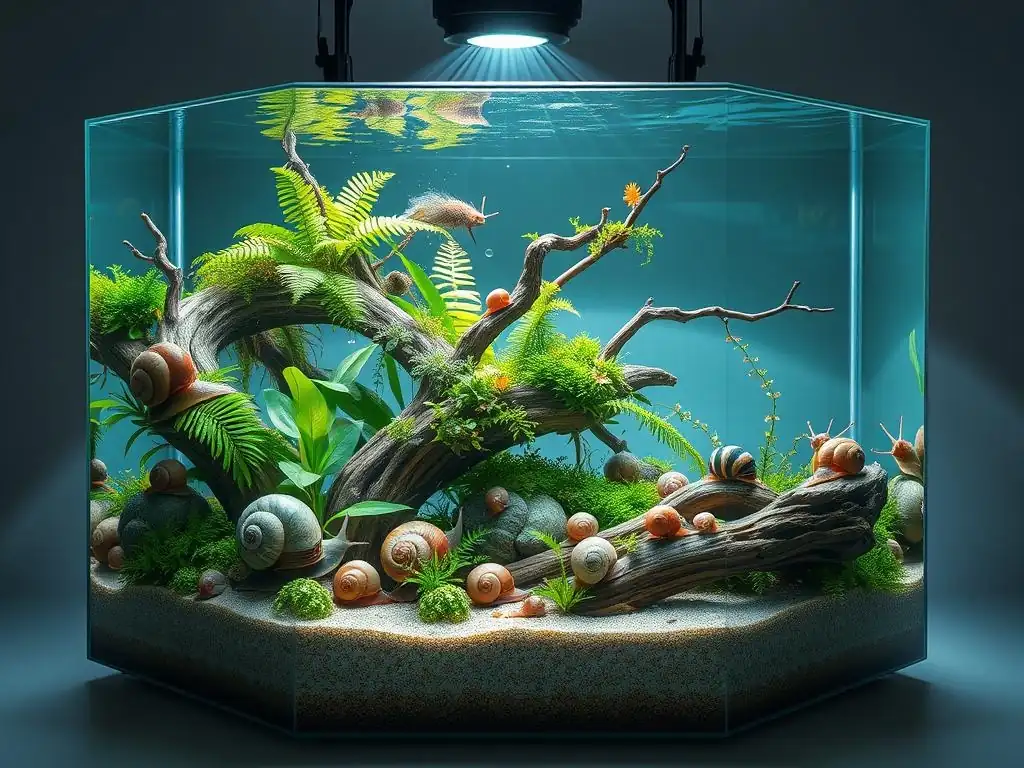
Welcome to Aquarium Mastery! Ever wondered how to transform your aquarium from just a tank to a breathtaking underwater landscape? Dive in to discover the secrets of aquarium snail aesthetic placement, and learn how these often-overlooked creatures can add natural beauty and charm to your aquascape. Prepare to unlock the potential of your invertebrate cleanup crew and elevate your tank's visual appeal!
- Aquarium Algae Eaters: Enhancing Your Aquascape with Natural Cleaning
- Enhancing Your Aquascape with Algae-Eating Snails & Fish: An Introduction
- Choosing the Right Algae Eaters for Your Aquarium
- Algae Eater Placement: Optimizing Cleaning and Visual Appeal
- The Benefits of Algae Eaters Beyond Cleaning: A Holistic Approach
- Maintaining a Healthy and Effective Algae-Eating Population
- Preventing Overpopulation and Maintaining Aesthetic Balance
- Integrating Algae Eaters with Other Aquarium Inhabitants: Compatibility and Harmony
- Advanced Algae Control Techniques
- Troubleshooting Common Algae-Related Aquascape Issues
- Conclusion: The Art of Natural Algae Control in Aquascaping
-
Frequently Asked Questions
- How can AquariumMastery.com help me improve my aquascape with snails?
- What are some snail species recommended by AquariumMastery.com for both aesthetics and algae control?
- How does AquariumMastery.com advise on the best placement for snails to maximize their aesthetic contribution?
- What water chemistry parameters does AquariumMastery.com recommend to ensure the health and beauty of my snails?
- Where can I find troubleshooting guides on AquariumMastery.com if my snails are not thriving or looking their best?
- Final Reflection: Embracing the Slow Beauty of the Aquascape
- Unleash the Wonder: Invite Snail Elegance into Your Aquarium!
Aquarium Algae Eaters: Enhancing Your Aquascape with Natural Cleaning
Enhancing Your Aquascape with Algae-Eating Snails & Fish: An Introduction
Understanding the Role of Algae Eaters in Aquarium Health & Aesthetics
Algae eaters play a pivotal role in maintaining the pristine health and captivating aesthetics of an aquarium. These living clean-up crews diligently graze on various forms of algae, preventing unsightly growths that can quickly diminish the beauty of an aquascape. From brown diatoms coating glass and substrate to stubborn green spot algae on plant leaves, algae eaters actively work to keep surfaces clear, allowing the vibrant colors of fish and plants to truly shine. Their continuous grazing action also reduces the need for frequent manual scrubbing, making aquarium maintenance less laborious for the aquarist.
Beyond their cleaning prowess, algae eaters contribute to a balanced ecosystem by consuming decaying organic matter and excess nutrients, which would otherwise fuel algae blooms. For instance, a 20-gallon planted tank without effective algae control can develop visible green spot algae on glass and plant leaves within a week, often necessitating manual scraping every few days. Conversely, a healthy population of appropriate algae eaters can reduce this visible algae growth by an estimated 70-80%, preserving the visual integrity of the aquascape and enhancing the overall viewing experience.
The Benefits of Incorporating Algae Eaters into Aquascaping
Incorporating algae eaters into an aquascape offers a multitude of benefits that extend far beyond simple cleaning. They are integral to fostering a self-sustaining and vibrant ecosystem, where natural processes replace the need for chemical interventions. Observing these creatures as they tirelessly graze, whether it's an Otocinclus catfish meticulously cleaning a broad leaf or a Nerite snail creating paths across the glass, adds a dynamic and engaging element to the aquarium. This natural behavior contributes significantly to the overall aesthetic appeal, making the aquascape feel more alive and authentic.
Furthermore, relying on biological control for algae reduces the reliance on potentially harmful chemical algae removers, which can stress sensitive fish and invertebrates or disrupt beneficial bacterial colonies. For example, a 55-gallon planted tank with a thriving community of Otocinclus catfish and various Nerite snails can maintain crystal-clear glass and vibrant, algae-free plant foliage for extended periods.
In contrast, a similar tank without these natural grazers might require weekly scrubbing of the front pane and leaf surfaces, highlighting the substantial contribution of algae eaters to both convenience and the long-term health of the aquatic environment. This active presence also enhances the aquarium snail aesthetic placement, as their unique shells and diligent movements become part of the tank's visual charm.
Choosing the Right Algae Eaters for Your Aquarium
Assessing Your Aquarium's Algae Issues & Compatibility
Selecting the appropriate algae eaters begins with a thorough assessment of your aquarium's specific algae problems and the compatibility of potential new inhabitants with your existing tank community. Different species of algae eaters specialize in consuming distinct types of algae; for instance, some excel at devouring diatoms, while others are more effective against stringy hair algae. It's crucial to identify the predominant algae type in your tank to ensure you choose the most efficient cleaners. Additionally, consider your tank's size, water parameters (pH, hardness, temperature), and the temperament of your current fish and invertebrates to prevent conflicts or stress.
For example, if your aquarium is primarily plagued by unsightly brown diatoms on the glass and decor, a group of five Nerite snails in a 20-gallon tank would be highly effective. These snails are renowned for their diatom-eating prowess and their inability to reproduce in freshwater, thus preventing overpopulation.
However, if persistent hair algae is the main issue, a Siamese Algae Eater (SAE) might be more suitable for tanks 30 gallons and up. Always research the dietary needs, adult size, and social behaviors of any prospective algae eater to ensure they will thrive and coexist peacefully within your unique aquatic setup, contributing positively to the aquarium snail aesthetic placement without causing disruption.
Exploring Different Algae-Eating Species for Varied Effects
Nerite Snails: Effective Algae Control and Decorative Shells
Nerite snails (Neritina spp.) are among the most popular and effective freshwater algae eaters, prized for their efficiency and their diverse, decorative shell patterns, which include zebra, tiger, and horned varieties. These small yet diligent snails are exceptional at consuming diatoms (brown algae), green spot algae, and various types of soft green algae that adhere to glass, rocks, and decor. Their ability to clean surfaces meticulously makes them invaluable for maintaining clear viewing panes and pristine hardscape elements.
A single Nerite snail can clean several square inches of glass daily, and their activity is a continuous, natural form of algae management. For a 10-gallon tank, 2-3 Nerite snails are often sufficient for general algae control. A significant advantage of Nerite snails is that they require brackish or saltwater conditions to reproduce, meaning they will not overpopulate a freshwater aquarium. Their unique and often striking shell patterns also enhance the aquarium snail aesthetic placement, acting as living, moving decorations that add visual interest to any aquascape.
Otocinclus Catfish: Peaceful Community Fish and Diatom Algae Eaters
Otocinclus catfish (Otocinclus affinis and related species), often affectionately called "Otos," are small, peaceful schooling fish that are highly regarded for their meticulous cleaning of diatoms and soft green algae, particularly on plant leaves. Their suction-cup mouths allow them to cling to and graze thoroughly on broadleaf plants, driftwood, and glass without damaging delicate foliage. As community fish, they are shy and thrive in groups, typically preferring to be kept in schools of at least three to five individuals.
For a 10-gallon tank, a group of 3-5 Otocinclus is generally recommended to ensure they feel secure and exhibit natural schooling behaviors. They are particularly adept at removing the thin film of algae that can accumulate on plant leaves, a task that some snails find challenging. Otocinclus are sensitive to water quality fluctuations and require a well-cycled, mature tank to thrive. Their small size and unobtrusive nature make them an excellent choice for planted tanks, where they contribute to both the cleanliness and the natural dynamic of the ecosystem.
Amano Shrimp: Versatile Algae Eaters and Tank Cleaners
Amano shrimp (Caridina multidentata), named after famous aquascaper Takashi Amano, are highly versatile and active algae eaters renowned for their ability to consume a wide range of algae types, including the notoriously difficult hair algae. These transparent, industrious invertebrates constantly forage throughout the aquarium, grazing on biofilm, detritus, and various forms of filamentous algae. Their continuous movement and small size allow them to access tight spaces and delicate plant structures that larger algae eaters might miss.
Amano shrimp are particularly effective against hair algae, which many other algae eaters ignore. It is estimated that a single Amano shrimp can consume up to 50% of its body weight in algae daily, making them incredibly efficient cleaners. A common recommendation is to keep 1-2 Amano shrimp per 5 gallons of water for effective algae control. They are peaceful and generally safe with most community fish, though caution should be exercised with larger, aggressive species that might view them as prey. Their diligent cleaning action significantly contributes to maintaining a pristine and healthy aquascape.
Siamese Algae Eaters (SAE): Effective Hair Algae Control
Siamese Algae Eaters (Crossocheilus oblongus), often simply referred to as SAEs, are a popular choice for aquarists struggling with stubborn hair algae and even some forms of black brush algae. Unlike many other algae-eating species, SAEs will readily consume hair algae, which can be a persistent problem in many planted tanks. These active and somewhat territorial fish can grow up to 6 inches in length, making them more suitable for larger aquariums.
A single SAE can make a noticeable difference in a 30-gallon tank that is experiencing hair algae issues, while larger tanks (50+ gallons) can accommodate multiple individuals if sufficient space and hiding spots are provided. While highly effective against hair algae, they are less inclined to graze on diatoms or soft green algae. It's important to differentiate true SAEs from look-alikes like Flying Foxes, as only true SAEs reliably consume hair algae. Their effectiveness makes them a valuable asset for maintaining the cleanliness and aesthetic appeal of larger aquascapes.
Considerations for Algae Eater Size and Population in Aquascaping
When incorporating algae eaters into your aquascape, careful consideration of their adult size and appropriate population density is paramount to ensure both their well-being and the overall health of your aquarium. Overstocking, even with beneficial algae eaters, can lead to an increased bioload, straining your filtration system and potentially causing ammonia or nitrite spikes, which are detrimental to all tank inhabitants. Conversely, too few algae eaters may not be sufficient to manage algae growth effectively.
For instance, adding 10 adult Mystery snails to a 10-gallon tank would quickly overwhelm its biological filtration capacity due to their significant waste production, rapidly deteriorating water quality. In contrast, 2-3 Nerite snails in the same tank would provide effective algae control with minimal bioload impact, maintaining water parameters while enhancing the aquarium snail aesthetic placement. Always research the maximum size of each species and the recommended stocking density for your specific tank volume. This proactive planning ensures that your algae-eating crew remains a beneficial asset, contributing to a balanced and visually appealing aquascape without compromising water quality.
Algae Eater Placement: Optimizing Cleaning and Visual Appeal
Strategic Placement for Algae Control and Visual Harmony
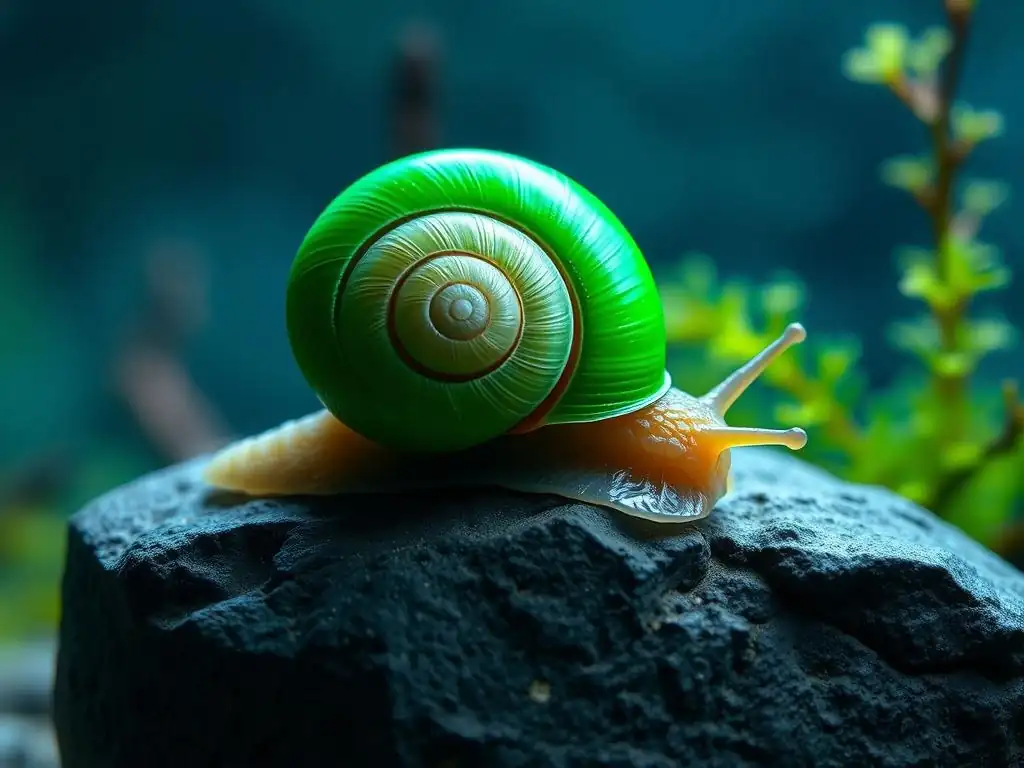
While algae eaters will naturally explore and graze throughout the aquarium, strategic initial placement can optimize their cleaning efforts and enhance the visual harmony of your aquascape. Consider areas that are particularly prone to algae growth, such as sections of glass receiving direct light, slow-growing plant leaves, or decorative elements like driftwood and rocks. Introducing algae eaters directly to these "hot spots" can accelerate their cleaning process and provide immediate relief from unsightly growth.
Furthermore, thoughtful aquarium snail aesthetic placement involves distributing them across different zones of the aquascape rather than concentrating them in one highly visible area. For example, when introducing new Nerite snails, placing them directly on areas with heavy green spot algae on the front viewing pane or a prominent piece of hardscape can ensure efficient initial clean-up. Once established, they will move independently. This approach ensures that the functional benefits of algae control are seamlessly integrated with the artistic design of your aquascape, maintaining a balanced and visually appealing environment.
Creating Naturalistic Habitats within Your Aquascape
Rock Formations and Hiding Places
Creating naturalistic habitats within your aquascape, especially through the use of rock formations and other hiding places, serves a dual purpose for algae eaters: it provides essential shelter and encourages natural grazing behaviors. Many algae-eating species, particularly shy ones like Otocinclus catfish and Amano shrimp, require secure retreats to feel safe from potential predators or during vulnerable periods like molting. Intricate rockwork with crevices and overhangs offers ideal hiding spots, reducing stress and promoting their overall health.
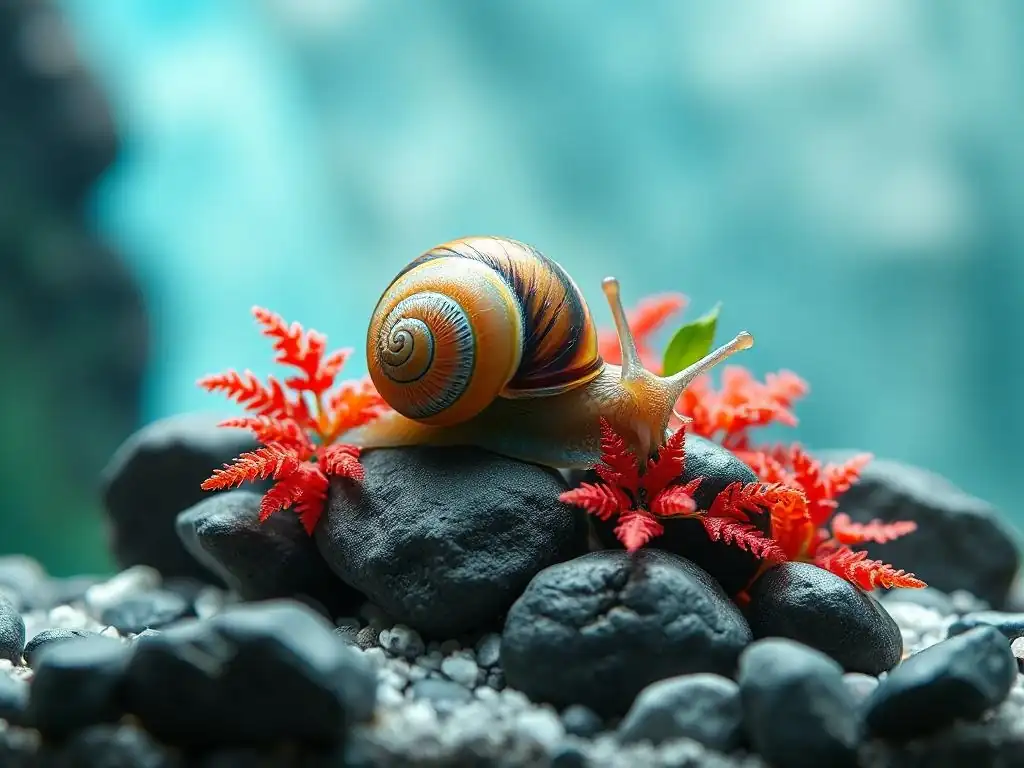
Beyond providing refuge, rock formations often develop a thin layer of biofilm and algae, which becomes a consistent food source for grazers. Stacking Seiryu stone or lava rock to create varied textures and small caves offers excellent hiding spots for Amano shrimp, while simultaneously presenting ample surface area for algae growth that Nerite snails will diligently consume. This strategic integration enhances both the functional aspect of algae control and the visual appeal of the aquarium snail aesthetic placement, making them an integral part of the natural landscape rather than just utilitarian cleaners.
Plant Placement to Encourage Algae Growth in Specific Areas
Strategic plant placement within an aquascape can subtly encourage algae growth in specific, controlled areas, effectively creating "grazing zones" for your algae eaters. While aquarists generally strive to minimize algae, allowing a small, manageable amount to develop on certain surfaces provides a continuous and natural food source for your clean-up crew. This can be particularly useful for species that prefer specific types of algae or graze predominantly on plant leaves.
For example, placing slower-growing plants like Anubias barteri or Bucephalandra in areas with moderate light can encourage a thin, healthy film of green algae to form on their robust leaves. This film then becomes a readily available and consistent food source for Otocinclus catfish or small Nerite snails, which will meticulously clean the leaves without damaging the plant itself. This method ensures that your algae eaters have a steady diet, while simultaneously maintaining the cleanliness of more delicate or aesthetically critical plant elements, ensuring the aquarium snail aesthetic placement is both functional and beautiful.
Utilizing Algae Eaters to Maintain Specific Aquascape Features
Algae eaters can be strategically utilized to maintain the pristine condition of specific aquascape features, ensuring that the intricate details and visual clarity of your design are preserved. Certain areas or elements within an aquascape are more prone to algae accumulation or are critical for viewing, making them prime targets for the diligent work of your clean-up crew. This targeted approach helps to keep the aquascape looking its best without constant manual intervention.
For instance, a well-placed group of Nerite snails can meticulously clean the viewing pane of a rimless tank, ensuring an unobstructed and crystal-clear view into the aquatic world. Their constant grazing prevents the build-up of green spot or diatom algae that can quickly obscure the scene.
Similarly, Amano shrimp are exceptionally effective at keeping delicate mosses and intricate foreground carpeting plants, such as Monte Carlo or Dwarf Hairgrass, free of unsightly filamentous algae. This precise aquarium snail aesthetic placement and the activity of other algae eaters ensures that intricate details, vibrant plant colors, and the overall artistic vision of the aquascape remain perfectly clear and visually striking.
The Benefits of Algae Eaters Beyond Cleaning: A Holistic Approach
Algae Eater Contribution to a Balanced Aquarium Ecosystem
Beyond their primary role as cleaners, algae eaters contribute significantly to the overall balance and stability of a healthy aquarium ecosystem. They are active participants in nutrient cycling, consuming not only algae but also biofilm, detritus, and decaying organic matter that might otherwise break down into harmful compounds. By breaking down these materials, they help to prevent nutrient spikes and reduce the organic load on the filtration system.
Observing the natural behaviors of these creatures—from snails methodically grazing across surfaces to shrimp meticulously picking at detritus—adds a fascinating and educational dimension to the hobby. For example, in a 30-gallon planted tank, a healthy population of common snails like Mystery snails or Ramshorn snails, in addition to their algae-eating, constantly churns the upper layers of the substrate and consumes decaying plant matter. This activity aids in aeration, prevents the formation of anaerobic pockets, and ensures that nutrients are continually processed, contributing to a more robust and self-regulating environment.
Reducing the Need for Chemical Algae Treatments
One of the most compelling benefits of maintaining a thriving population of algae eaters is the significant reduction, and often complete elimination, of the need for chemical algae treatments. While chemical solutions can provide a quick fix for severe algae blooms, they often come with potential drawbacks. Many chemical algaecides can be harsh on sensitive fish, shrimp, and snails, and they can also negatively impact beneficial bacterial colonies essential for the nitrogen cycle, leading to further water quality issues.
Natural biological control offered by algae eaters is a far safer and more sustainable long-term solution. By addressing algae at its source through continuous grazing, they prevent large-scale blooms from occurring in the first place. Many aquarists report a reduction of 90% or more in their reliance on liquid algae removers after establishing an effective algae-eating crew. This not only saves money on chemical products but also ensures a healthier, less stressed environment for all aquarium inhabitants, promoting a more stable and aesthetically pleasing aquascape.
Promoting a Healthy and Natural-Looking Aquascape
The presence of a healthy and active population of algae eaters is instrumental in promoting a truly natural and aesthetically pleasing aquascape. When surfaces are free of unsightly algae, the true colors and textures of your plants, rocks, and driftwood are allowed to shine through, creating a vibrant and pristine visual experience. This natural cleanliness eliminates the artificial look that can result from constant manual scraping or chemical treatments, allowing the aquascape to feel more organic and untouched.
Furthermore, the continuous activity of grazers like snails, shrimp, and Otocinclus catfish adds a dynamic element to the tank. Watching their movements and interactions contributes to the sense of a living, breathing ecosystem. The thoughtful aquarium snail aesthetic placement ensures that their unique forms and diligent work become an integral part of the aquascape's beauty, rather than just a utilitarian function. This holistic approach results in an aquarium that is not only healthy and balanced but also captivating and truly representative of a natural aquatic habitat.
Maintaining a Healthy and Effective Algae-Eating Population
Providing Optimal Water Parameters for Algae Eater Health
Ensuring optimal water parameters is fundamental to maintaining a healthy and effective algae-eating population in your aquarium. Each species of algae eater has specific requirements for pH, general hardness (GH), carbonate hardness (KH), and temperature, which must be met for them to thrive and perform their cleaning duties efficiently. Deviations from their ideal parameters can lead to stress, reduced activity, and increased susceptibility to disease.
For instance, most freshwater snails, including Nerites and Mystery snails, require slightly alkaline water (pH 7.0-8.0) and moderate to high hardness (GH 8-15 dGH) to support strong shell development and prevent shell erosion. In contrast, Otocinclus catfish prefer slightly acidic to neutral water (pH 6.0-7.5) and softer conditions. Regular water testing (at least weekly) is crucial to monitor these parameters and make necessary adjustments. Providing stable and appropriate water chemistry directly translates to healthier, more active algae eaters that can effectively contribute to your aquascape's cleanliness.
Supplementing Algae Eater Diets When Algae is Scarce
While algae eaters are primarily valued for their ability to consume algae, it's essential to recognize that algae levels in a well-balanced, established tank might become too low to sustain them. In such scenarios, supplementing their diet becomes crucial to prevent starvation and ensure their continued health and activity. A starving algae eater will become lethargic, weak, and eventually perish, diminishing your clean-up crew's effectiveness.
Common dietary supplements include algae wafers, spirulina flakes, and blanched vegetables such as zucchini, cucumber, or spinach. For example, if a 20-gallon tank with 4 Nerite snails has very low visible algae levels, offering a small piece of blanched zucchini (removed after 24 hours to prevent water fouling) or a small algae wafer twice a week can provide essential nutrition. This proactive feeding ensures that your algae eaters remain robust and ready to tackle any new algae growth that emerges, maintaining the aesthetic balance of your aquascape.
Identifying and Addressing Common Algae Eater Health Issues
Promptly identifying and addressing common health issues among your algae eaters is vital for maintaining their effectiveness and the overall health of your aquarium. Like all living creatures, snails, shrimp, and algae-eating fish can fall ill due to poor water quality, nutritional deficiencies, or pathogens. Early detection and intervention can prevent minor issues from escalating into widespread problems.
For instance, snails exhibiting a pitted, dull, or eroding shell surface likely suffer from a calcium deficiency, especially in soft water. Adding a cuttlebone piece to the filter or offering calcium-rich foods like specialized snail pellets can help remediate this. Otocinclus catfish might show signs of lethargy or rapid breathing if water parameters are unstable or if they are not receiving enough food.
Amano shrimp may struggle with molting if water hardness is too low. Regularly observing your algae eaters for changes in behavior, appearance, or activity levels allows for timely adjustments to water parameters, diet, or isolation for treatment, ensuring a resilient and effective clean-up crew.
Preventing Overpopulation and Maintaining Aesthetic Balance
Population Control Strategies for Algae Eaters in Aquariums
Preventing overpopulation is a key aspect of maintaining aesthetic balance and a healthy ecosystem, especially for highly reproductive algae eaters like bladder snails or ramshorn snails. While a small number of these "pest" snails can be beneficial, their rapid breeding can quickly lead to an unsightly infestation if left unchecked. Implementing effective population control strategies is crucial to managing their numbers.
The most effective method for controlling snail populations is limiting food availability. Overfeeding fish directly provides excess food for snails, fueling their reproduction. Feeding only what your fish can consume in a few minutes significantly reduces this food source.
For existing infestations, manual removal techniques, such as placing a blanched lettuce leaf in the tank overnight to attract snails for easy removal, are highly effective. Alternatively, introducing natural predators like Assassin snails (Clea helena) can provide biological control. A typical recommendation is 1-2 Assassin snails per 10 gallons to manage pest snail populations, ensuring that the aquarium snail aesthetic placement remains intentional and controlled, rather than overwhelming.
Avoiding Overfeeding to Prevent Algae Blooms
Overfeeding is one of the most common and significant contributors to algae blooms in aquariums, regardless of the presence of algae eaters. When fish are fed more than they can consume within a short period, the uneaten food decays, releasing excess nutrients like nitrates and phosphates into the water column. These surplus nutrients act as a fertilizer for algae, promoting rapid and often uncontrollable growth.
Even the most diligent algae eaters cannot compensate for a persistent abundance of nutrients from overfeeding. To prevent this, adopt a strict feeding regimen: feed your fish small amounts once or twice a day, ensuring all food is consumed within 2-3 minutes. If you observe food settling on the substrate, you are likely feeding too much. This simple adjustment significantly reduces nutrient spikes, starving out algae and reducing their proliferation, thereby supporting the efforts of your algae-eating crew and maintaining a clean, clear aquascape.
Manual Removal Techniques for Excess Algae Eaters (if necessary)
Despite best efforts at population control through feeding management, some algae eaters, particularly various species of pest snails, can still multiply rapidly. In such cases, manual removal techniques become necessary to maintain aesthetic balance and prevent an overwhelming infestation. These methods are non-invasive and allow aquarists to precisely control the number of snails in their tank.
One highly effective manual removal technique involves using a "snail trap," which can be as simple as a blanched piece of vegetable (like lettuce, zucchini, or cucumber) placed in the tank overnight. The snails will be drawn to the food source, congregating on the vegetable, which can then be easily removed from the aquarium in the morning.
For smaller, more numerous snails, siphoning them out during routine gravel vacuuming is also an effective method. These consistent manual interventions help to manage unwanted populations, ensuring that the aquarium snail aesthetic placement remains intentional and contributes positively to the aquascape's design, rather than detracting from it.
Integrating Algae Eaters with Other Aquarium Inhabitants: Compatibility and Harmony
Selecting Compatible Fish and Invertebrates for a Peaceful Community Tank
The success of integrating algae eaters into a community tank hinges on selecting compatible fish and invertebrates to foster a peaceful and harmonious environment. Compatibility extends beyond just size; it involves considering temperament, dietary needs, and natural behaviors to prevent predation, aggression, or competition for resources. Introducing algae eaters to a tank with aggressive or predatory fish can lead to stress, injury, or even the consumption of your clean-up crew.
For example, while beautiful, many Betta fish can be territorial and may view small shrimp (like Amano shrimp) or small snails (like Nerites) as potential food sources. Conversely, peaceful community fish such as Neon Tetras, Guppies, or Corydoras catfish generally coexist perfectly with Otocinclus, Amano shrimp, and various snail species.
Thorough research into the specific compatibility requirements of all prospective tank inhabitants is crucial. This careful selection ensures that your algae eaters can perform their duties effectively without fear, contributing to a thriving and balanced ecosystem where the aquarium snail aesthetic placement is a welcome addition to the overall harmony.
Avoiding Species That Compete for Food or Prey on Algae Eaters
To ensure the long-term health and effectiveness of your algae-eating population, it is critical to avoid introducing species that either directly prey on them or aggressively compete for their primary food sources. Certain popular aquarium fish are natural predators of snails or shrimp, while others may outcompete smaller, shyer algae eaters for food, leading to starvation and reduced cleaning efficiency.
For instance, many species of loaches, particularly Clown Loaches, are well-known for their appetite for snails and will quickly decimate any snail population, rendering them useless as algae controllers. Similarly, pufferfish are notorious snail and shrimp eaters. Even large Plecostomus species, while excellent algae eaters themselves, can outcompete smaller grazers like Otocinclus for limited algae or consume algae wafers intended for your clean-up crew.
Understanding these potential conflicts is vital. By avoiding such incompatible species, you ensure that your algae eaters can thrive and perform their essential cleaning functions, allowing for optimal aquarium snail aesthetic placement and a stable, balanced aquascape.
Creating a Balanced Ecosystem That Supports All Inhabitants
Creating a truly balanced ecosystem within your aquarium is the ultimate goal, where algae eaters, fish, and plants not only coexist but also mutually support each other. This holistic approach ensures that all inhabitants thrive, contributing to a stable, healthy, and visually stunning environment. A balanced ecosystem is characterized by appropriate nutrient cycling, sufficient space, varied food sources, and minimal stress for all species.
Achieving this balance involves providing diverse food sources that cater to the needs of all inhabitants, not just the algae eaters. Adequate filtration and regular water changes are paramount to maintaining pristine water quality, which benefits every organism in the tank.
Furthermore, a well-designed aquascape with ample plants and hardscape offers sufficient space for all inhabitants to establish territories and find hiding spots, reducing aggression and promoting natural behaviors. When all these elements are meticulously managed, algae eaters become integral components of a self-regulating system, contributing to the overall health and vitality of the aquarium and enhancing the aquarium snail aesthetic placement within a vibrant, thriving community.
Advanced Algae Control Techniques
Using Algae Eaters in Conjunction with Other Algae Control Methods
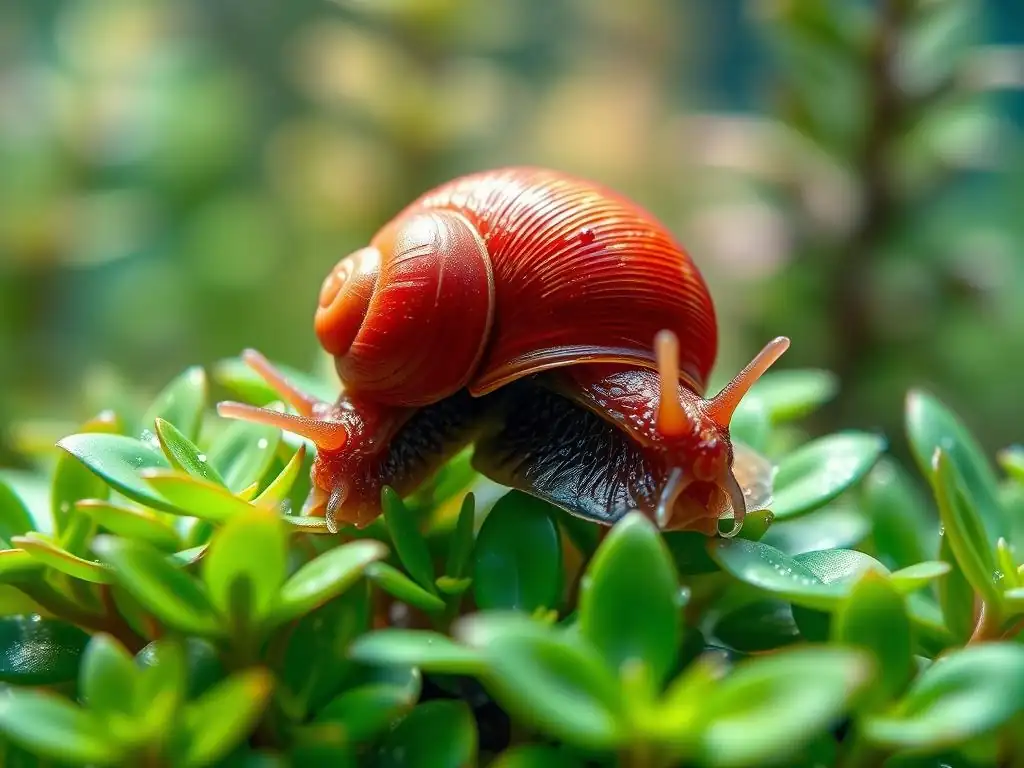
For optimal algae control, especially in more complex or high-tech aquascapes, algae eaters are most effective when used in conjunction with other advanced algae control methods. Relying solely on algae eaters may not be sufficient to combat severe or persistent algae issues, which often stem from underlying imbalances in nutrients, light, or CO2. A multi-faceted approach creates a powerful synergy that minimizes algae while maximizing plant growth and overall tank health.
These complementary methods include precise nutrient export strategies (e.g., consistent large water changes, using fast-growing plants to outcompete algae for nutrients), strict lighting control (adjusting duration and intensity to prevent over-illumination), and for planted tanks, optimized CO2 injection. For example, in a high-tech planted tank, coupling a robust CO2 system and precise nutrient dosing with a diverse algae-eating crew (e.g., Amano shrimp for hair algae, Otocinclus for diatoms, and Nerite snails for glass) creates an environment where plants thrive and outcompete algae effectively.
This integrated strategy ensures that the functional aquarium snail aesthetic placement is part of a larger, highly effective algae management plan.
Incorporating Algae Eaters into Specific Aquascape Styles
The thoughtful incorporation of algae eaters can significantly enhance specific aquascape styles, ensuring that the unique artistic vision of each design is maintained and even elevated. Different aquascape styles have distinct aesthetic requirements and plant choices, which influence the ideal type and placement of algae eaters. The goal is to select species that blend seamlessly with the design while performing their essential cleaning functions.
In an Iwagumi aquascape, characterized by minimalist rock formations and low-growing carpeting plants, small and unobtrusive grazers like Otocinclus catfish or small Nerite snails are preferred. Their modest size ensures they don't detract from the clean lines and open spaces. For a densely planted Dutch aquascape, Amano shrimp are invaluable for keeping the myriad of stem plants free of filamentous algae without disturbing the intricate arrangements.
In a Nature Aquarium, a diverse crew of algae eaters—including various snails, shrimp, and small fish—is often employed to mimic natural ecosystems and maintain a pristine, wild appearance. The careful selection and aquarium snail aesthetic placement within these styles are crucial for ensuring that the cleaners enhance, rather than detract from, the intended artistic vision.
Creating a Dedicated Algae-Eating Crew for Large Aquariums
For large aquariums, particularly those 50 gallons and above, creating a dedicated and diverse algae-eating crew is often necessary to effectively manage algae across expansive surfaces and varied plant types. A single species or a small handful of individuals may not be sufficient to patrol and clean such a vast area thoroughly. A diverse crew, comprising multiple species, ensures that different types of algae are targeted and all areas of the tank are covered.
A comprehensive algae-eating crew for a large planted tank might include a significant number of Amano shrimp (e.g., 15-20 for a 75-gallon tank) for their versatility against hair algae and biofilm. Supplementing these with 8-10 Otocinclus catfish for their plant-leaf cleaning prowess and 5-7 Nerite snails for glass and hardscape maintenance ensures a multi-pronged attack on various algae types. This larger, dedicated team provides consistent, widespread cleaning, significantly reducing the need for manual intervention and maintaining the grand aesthetic of a large aquascape.
Dealing with Algae Blooms Despite Algae Eater Presence
Encountering an algae bloom despite the presence of algae eaters can be frustrating, but it typically indicates an underlying imbalance in the aquarium's ecosystem that algae eaters alone cannot rectify. While algae eaters are excellent at managing daily algae growth, they are not a cure-all for fundamental problems like excessive nutrients or improper lighting. A sudden or persistent bloom signals that the source of the problem needs to be identified and addressed directly.
Common culprits include overfeeding, extended or overly intense lighting periods, insufficient water changes, or a lack of essential plant nutrients (which can lead to plants struggling and algae thriving). For example, if a tank experiences a sudden green water bloom despite the presence of many filter feeders and grazers, it often points to excessive light duration (e.g., 12+ hours daily) or a severe nutrient imbalance. In such cases, reducing light, performing large water changes, and reviewing feeding habits are essential first steps before relying solely on the clean-up crew.
Addressing Algae Imbalances and Nutrient Issues
Addressing algae imbalances effectively requires a systematic approach to identify and correct underlying nutrient issues. Algae thrives on excess nutrients, primarily nitrates and phosphates, which accumulate from fish waste, uneaten food, and decaying organic matter. If these nutrients are not exported or consumed by plants, algae will flourish, regardless of how many algae eaters are present.
Begin by regularly testing your water parameters, particularly nitrate and phosphate levels. High nitrates (above 20 ppm) or phosphates (above 0.5 ppm) are common indicators of persistent algae problems. Increase the frequency and volume of your water changes (e.g., 50% weekly) to physically remove excess nutrients. Review your feeding regimen to ensure you are not overfeeding, and consider adding more fast-growing plants, which act as natural nutrient sponges, outcompeting algae for available resources. This comprehensive approach tackles the root cause of the algae, allowing your algae eaters to manage any residual growth effectively.
Managing Algae Eater Waste and Maintaining Water Clarity
While algae eaters are invaluable for consuming algae, it's important to remember that they are living organisms that produce waste, contributing to the overall bioload of the aquarium. If not properly managed, their waste can accumulate, leading to cloudy water, elevated nutrient levels, and a decline in water clarity, counteracting their cleaning efforts. This is particularly true for larger species or if their population is dense.
Regular maintenance, including consistent gravel vacuuming and proper filtration, is crucial for managing algae eater waste and maintaining crystal-clear water. For example, a population of 5-7 Nerite snails in a 20-gallon tank will contribute to the bioload, making weekly gravel vacuuming of at least 25% of the substrate essential to remove accumulated detritus.
Additionally, ensure your filter media is cleaned or replaced regularly according to manufacturer guidelines to maintain optimal mechanical and biological filtration. This proactive approach ensures that the benefits of your algae eaters are not overshadowed by their waste production, allowing your aquascape to remain pristine and visually appealing.
Conclusion: The Art of Natural Algae Control in Aquascaping
Embracing the Natural Beauty and Functionality of Algae Eaters
The integration of algae eaters into aquascaping is truly an art form, embodying the principles of natural beauty and ecological functionality. These diligent creatures transcend their role as mere cleaners; they are living components that add dynamic movement, vibrant life, and intricate details to the aquatic environment. By embracing their natural behaviors and needs, aquarists can achieve a sustainable, low-maintenance approach to tank care that fosters a healthy, balanced, and aesthetically captivating ecosystem.
The thoughtful aquarium snail aesthetic placement, alongside other algae-eating species, transforms them from utilitarian tools into integral elements of the aquascape's charm. Their constant grazing, unique forms, and subtle movements contribute to a sense of authenticity and a continuous visual interest that no artificial cleaner can replicate. This holistic perspective not only ensures a pristine tank but also deepens the aquarist's connection to the living world within their glass box, celebrating the interconnectedness and inherent beauty of a thriving aquatic habitat.
Further Resources for Learning About Algae Control and Aquascape Design.
For those eager to delve deeper into the intricacies of algae control and advanced aquascape design, a wealth of information is available through various educational platforms. Exploring comprehensive guides on water chemistry, plant nutrition, and lighting principles is essential for mastering algae prevention at its source. Additionally, studying different aquascape styles and techniques can provide inspiration and practical knowledge for incorporating natural elements, including algae eaters, into stunning aquatic layouts. Continuous learning and experimentation are key to achieving a beautiful and balanced aquarium.
Frequently Asked Questions
How can AquariumMastery.com help me improve my aquascape with snails?
AquariumMastery.com offers guidance on snail selection and placement strategies to enhance your aquarium's visual appeal while ensuring the snails contribute positively to your tank's ecosystem. It provides insights into choosing snails that complement your existing aquatic environment.
What are some snail species recommended by AquariumMastery.com for both aesthetics and algae control?
The site highlights various snail species, such as Nerite snails and Mystery snails, known for their algae-eating abilities and unique shell patterns, contributing to the overall aquarium aesthetic. It provides details on their care requirements too.
How does AquariumMastery.com advise on the best placement for snails to maximize their aesthetic contribution?
AquariumMastery.com suggests strategically placing snails on driftwood, rocks, and plant leaves to create natural-looking arrangements. The website advises on spreading them to enhance the visual balance.
What water chemistry parameters does AquariumMastery.com recommend to ensure the health and beauty of my snails?
The site emphasizes maintaining stable water parameters, particularly calcium levels, to support healthy shell growth and vibrant coloration in your snails. It advises on monitoring pH levels.
Where can I find troubleshooting guides on AquariumMastery.com if my snails are not thriving or looking their best?
AquariumMastery.com offers detailed troubleshooting guides addressing common snail issues, such as shell degradation or lack of activity. It provides solutions for a healthy snail population.
Final Reflection: Embracing the Slow Beauty of the Aquascape
The journey through the world of aquarium snail aesthetic placement reveals more than just optimal tank design; it underscores the profound impact of intentionality in creating harmonious ecosystems. The careful consideration of snail species, their natural behaviors, and their visual contribution transforms a simple aquarium into a living artwork, a testament to the beauty found in the smallest details. This isn't just about aesthetics; it's about fostering a thriving, balanced environment where every creature, even the humble snail, plays a vital role.
The influence of natural aquascaping, and the integration of creatures like snails, extends beyond the glass walls of our tanks. It encourages a deeper appreciation for the delicate balance of nature and the beauty of slow, deliberate growth. My own experiences with aquascaping have taught me the value of patience and observation, skills that translate far beyond the aquarium. Look deep into nature, and then you will understand everything better.
- Albert Einstein. This quote resonates deeply when considering the role of snails; they are a constant reminder of the interconnectedness of life and the beauty of natural processes.
Now, I invite you to look at your own spaces, both physical and metaphorical. How can you incorporate elements of natural beauty and intentional design to create a more harmonious and fulfilling environment? Consider the slow, steady work of the snail, and let it inspire you to cultivate patience, appreciate the small details, and embrace the beauty of a life lived in balance. Let us all strive to create spaces that not only look beautiful but also nurture life and inspire a deeper connection with the natural world.
Unleash the Wonder: Invite Snail Elegance into Your Aquarium!
Thank you for diving into the world of snail aesthetics! We hope you've found inspiration to elevate your aquascape with these fascinating creatures. Now, let's turn that inspiration into action!
Here are a few ways to enhance your aquarium's beauty and functionality with snails:
- Begin your snail journey: Carefully select and introduce one or two snail species to your aquarium based on your tank size, plant needs, and algae levels. Observe their behavior and impact closely!
- Share your aquascape evolution: Snap a "before and after" photo of your aquarium, showcasing the impact of your new snail additions, and share it on social media with the hashtag #AquariumMasterySnailScape.
- Uncover hidden depths: Research a snail species you've never considered before, exploring its unique behaviors, dietary needs, and potential benefits for your ecosystem.
What unique snail species are you most excited to add to your aquascape, and why?