
Beyond Nitrates & Phosphates: The Hidden Nutrient Imbalances Stressing Your Corals and How to Correct Them

Welcome to Aquarium Mastery!
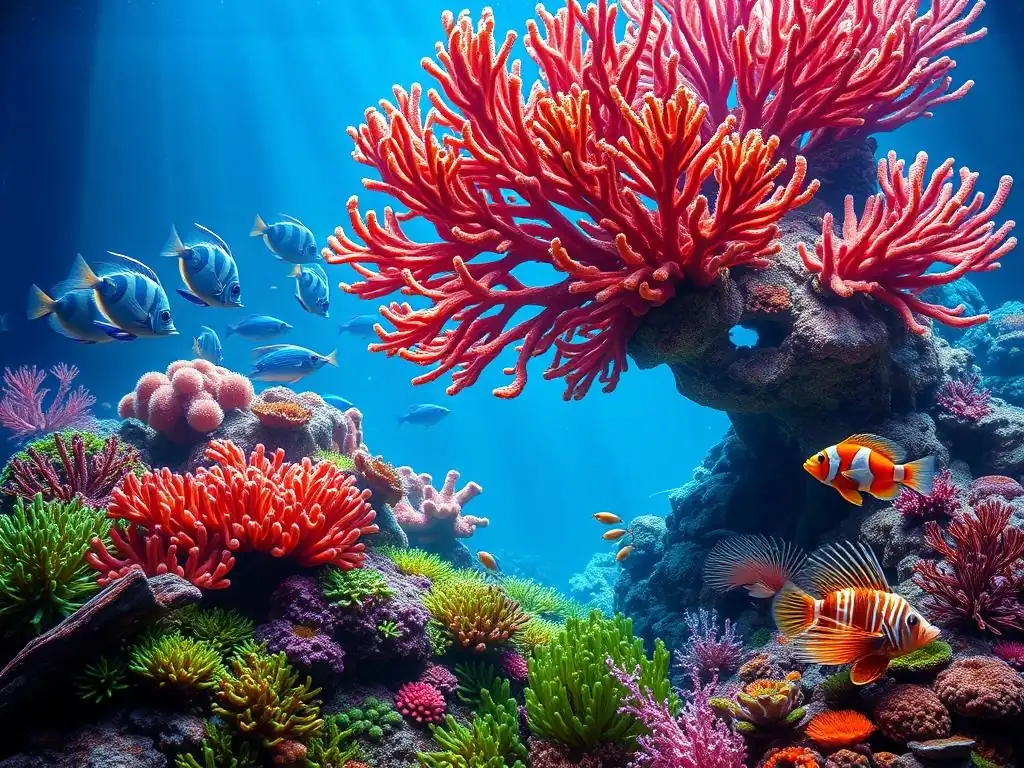
Ever wonder why your corals aren't quite thriving, even when your nitrates and phosphates seem perfect? Dive into our latest article, " Beyond Nitrates & Phosphates: The Hidden Nutrient Imbalances Stressing Your Corals and How to Correct Them," and unlock the secrets to a truly balanced reef ecosystem. Discover the often-overlooked nutrients that can make or break your coral's health, and learn practical steps to restore harmony in your tank. Ready to uncover the missing piece of the puzzle?
- Understanding Coral Nutrient Imbalances: More Than Just Nitrates and Phosphates
- Identifying Key Indicators of Coral Nutrient Deficiencies and Excesses
- Essential Nutrients for Coral Health Beyond Nitrogen and Phosphorus
- Correcting Coral Nutrient Imbalances: A Step-by-Step Guide
- Avoiding Common Pitfalls in Coral Nutrient Management
- Case Studies: Successful Coral Nutrient Imbalance Correction
- Conclusion: Achieving Optimal Coral Health Through Balanced Nutrient Management
-
Frequently Asked Questions
- What are some common nutrient imbalances beyond nitrates and phosphates that can stress corals?
- How can I identify nutrient imbalances in my coral aquarium?
- What is the best way to correct a nutrient imbalance in my reef tank?
- How often should I test my aquarium water for nutrient levels?
- What role do water changes play in maintaining proper coral nutrient balance?
- Final Reflection: Restoring Balance, Reviving Reefs
- Unlock Vibrant Corals: Take Control of Your Reef Today!
Understanding Coral Nutrient Imbalances: More Than Just Nitrates and Phosphates
The Limitations of Focusing Solely on Nitrate and Phosphate Control in Coral Reef Aquariums
For many years, the primary focus in coral reef aquariums for maintaining water quality centered almost exclusively on controlling nitrates (NO₃⁻) and phosphates (PO₄³⁻). These compounds are indeed crucial; excessive levels can lead to nuisance algae blooms and inhibit coral calcification, causing significant stress. For instance, phosphate levels exceeding 0.05 ppm are often cited as problematic for stony corals, potentially slowing growth rates by as much as 30% in sensitive species like Acropora. Similarly, nitrate levels above 10-20 ppm can contribute to coral browning and reduced vibrancy, as the zooxanthellae within the coral tissue proliferate excessively.
However, this narrow focus often overlooks a myriad of other essential elements and organic compounds that corals require for optimal health, growth, and vibrant coloration. A tank with seemingly perfect nitrate and phosphate levels might still exhibit struggling corals, tissue loss, or poor polyp extension due to deficiencies or excesses of other vital nutrients. This limited perspective can lead aquarists down a frustrating path of troubleshooting, as the true underlying coral nutrient imbalance correction remains unaddressed, highlighting the complexity of coral husbandry.
Why a Holistic Approach to Coral Nutrition is Crucial for Long-Term Reef Health
A truly thriving coral reef aquarium demands a holistic approach to nutrient management, extending far beyond just nitrogen and phosphorus. Corals, particularly stony corals, are complex organisms that rely on a diverse array of trace elements, amino acids, and carbon sources for their metabolic processes, skeletal formation, and symbiotic relationship with zooxanthellae. For example, calcium and alkalinity are fundamental for calcification, but elements like strontium, magnesium, and even barium play supportive roles in the crystal lattice structure of the coral skeleton.
Embracing a comprehensive understanding of coral nutrient imbalance correction involves recognizing that a deficiency in one trace element, or an overabundance of another, can have cascading effects on coral health, even if primary nutrients are stable. This integrated perspective ensures that all the building blocks for healthy coral growth and vibrant coloration are available in appropriate concentrations, preventing subtle stressors that can accumulate over time and lead to significant declines in coral vitality. It's about nurturing the entire biological system, not just managing a few key parameters.
Identifying Key Indicators of Coral Nutrient Deficiencies and Excesses
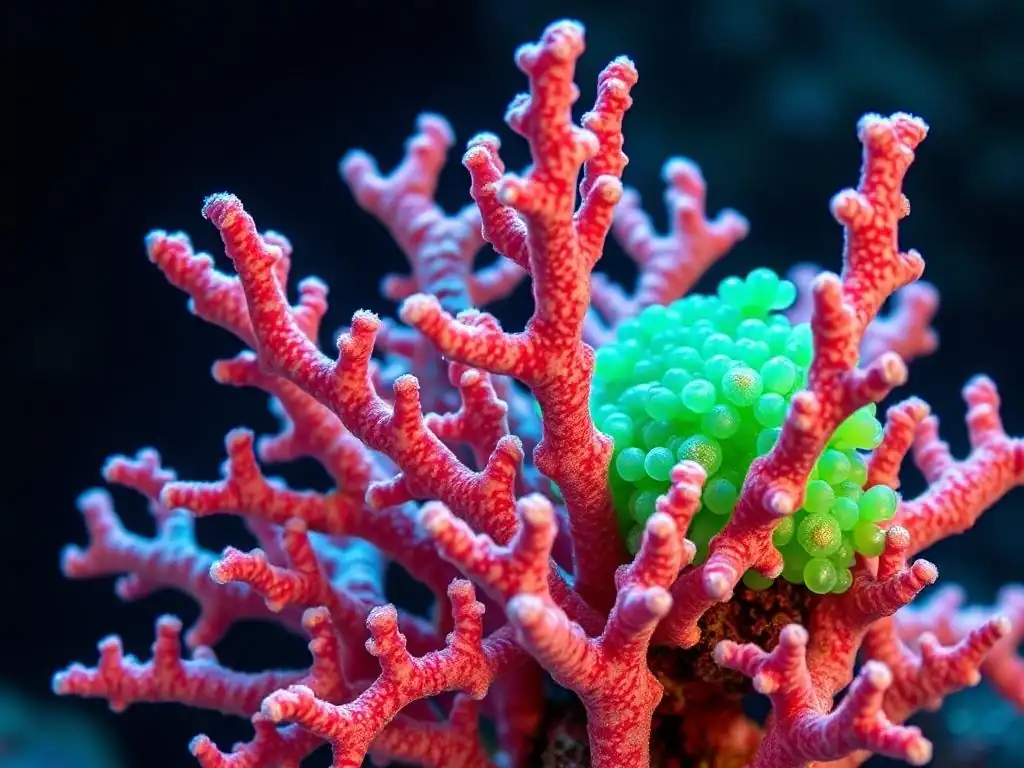
Visual Cues: Recognizing Signs of Nutrient Imbalances in Corals
Observing your corals regularly is the first line of defense in identifying potential nutrient imbalances. While not definitive, various visual cues can strongly suggest that a coral nutrient imbalance correction is needed. These signs often manifest gradually, making consistent observation critical for early intervention. Pay close attention to changes in coral coloration, tissue appearance, and the presence of undesirable algae.
Coral Color Changes as Indicators of Nutrient Stress
One of the most common and noticeable signs of nutrient stress in corals is a change in their coloration. Stony corals, especially SPS (Small Polyp Stony) varieties, can exhibit either bleaching (turning pale or white) due to nutrient deficiency, or browning (losing vibrant colors and becoming dull) due to nutrient excess. For instance, a coral turning stark white might indicate a severe lack of essential trace elements or low nutrient levels that starve the zooxanthellae.
Conversely, a coral that becomes uniformly dark brown or green, losing its specific pigmentation, often suggests an overabundance of nitrates or phosphates, leading to an overpopulation of zooxanthellae. This visual shift is a critical indicator for initiating a coral nutrient imbalance correction strategy.
Tissue Recession and Bleaching Linked to Nutrient Problems
Tissue recession, where the coral tissue pulls away from its skeleton, and bleaching, a more widespread loss of zooxanthellae, are severe signs of stress often linked to nutrient issues. While bleaching can be caused by various factors like temperature swings or light shock, nutrient imbalances are a significant contributor. For example, chronically low nutrient environments (ultra-low nutrient or ULNS systems) can lead to "coral starvation," where corals struggle to obtain enough energy, resulting in slow tissue recession from the base upwards.
Conversely, high nutrient levels can sometimes lead to localized tissue necrosis or make corals more susceptible to disease, which can manifest as tissue loss. Addressing these symptoms effectively requires precise coral nutrient imbalance correction.
Algae Growth as a Symptom of Nutrient Imbalance
The proliferation of nuisance algae within the aquarium is a tell-tale sign of nutrient excess, particularly high levels of phosphates and nitrates. While not a direct coral symptom, excessive algae growth directly competes with corals for light and space, and can even smother them. For instance, a sudden bloom of green hair algae or cyanobacteria often indicates phosphate levels consistently above 0.03 ppm or nitrates above 5-10 ppm.
Even seemingly benign films of diatoms can point to elevated silicates or other nutrients. Managing these algal outbreaks is a crucial aspect of coral nutrient imbalance correction, as it directly impacts the overall health and stability of the reef environment.
Advanced Testing: Accurately Measuring Essential Nutrients for Coral Health
While visual cues provide initial warnings, accurate measurement of water parameters is indispensable for precise coral nutrient imbalance correction. Beyond standard hobbyist test kits for nitrates and phosphates, advanced testing methods offer a comprehensive snapshot of your aquarium's water chemistry, revealing hidden deficiencies or excesses.
ICP-OES Testing for Comprehensive Nutrient Analysis
Inductively Coupled Plasma – Optical Emission Spectrometry (ICP-OES) testing has become an invaluable tool for serious reef aquarists. This laboratory-grade analysis measures a wide spectrum of elements, typically 30-70 different trace and major elements, including essential ones like iodine, iron, manganese, strontium, and even potentially harmful contaminants like copper or aluminum. A sample of your aquarium water is sent to a specialized lab, which then provides a detailed report on the exact concentration of each element.
This level of detail allows for highly targeted coral nutrient imbalance correction, pinpointing specific deficiencies that no other home test can reveal. For example, an ICP test might show critically low iodine levels (below 0.03 ppm) or elevated copper (above 0.005 ppm), guiding precise corrective actions.
Interpreting Test Results: Recognizing Deficiencies and Excesses
Interpreting ICP-OES results requires understanding the optimal ranges for various elements in a reef aquarium. While target levels can vary slightly depending on the specific coral species and system goals, general guidelines exist. For instance, iron is often targeted around 0.002-0.005 ppm, while iodine typically falls within 0.03-0.06 ppm. Strontium levels are usually maintained around 8-10 ppm.
If the test reveals, for example, that your manganese is undetectable when it should be around 0.001-0.002 ppm, it indicates a deficiency that could impact coral enzyme function. Conversely, if an element like zinc is found at 0.1 ppm when the ideal is closer to 0.001 ppm, it points to a significant excess that may be toxic. Understanding these ranges is paramount for effective coral nutrient imbalance correction and preventing both starvation and toxicity.
Essential Nutrients for Coral Health Beyond Nitrogen and Phosphorus
The Role of Trace Elements in Coral Skeletogenesis and Coloration
Beyond the macronutrients, a suite of trace elements plays critical, albeit often subtle, roles in coral physiology. These elements are required in very small quantities but are indispensable for processes ranging from skeletal formation to vibrant pigmentation. Maintaining appropriate levels of these trace elements is a key component of successful coral nutrient imbalance correction.
Iron (Fe): Importance for Zooxanthellae Health and Pigmentation
Iron is a vital trace element primarily for the symbiotic zooxanthellae residing within coral tissues. These dinoflagellates rely on iron for photosynthesis, specifically in the electron transport chain. A deficiency in iron can directly impact the efficiency of photosynthesis, leading to reduced energy production for the coral host and potentially causing paling or dull coloration.
While too much iron can promote nuisance algae growth, a healthy range, typically around 0.002-0.005 ppm, is crucial for vibrant coral coloration and robust zooxanthellae populations. Supplementing iron, often through specialized solutions, is a direct coral nutrient imbalance correction for pale corals exhibiting this specific deficiency.
Iodine (I): Supporting Coral Tissue Growth and Wound Healing
Iodine is another essential trace element, vital for various metabolic processes in corals. It plays a role in tissue growth, wound healing, and potentially even in the production of coral pigments. Some research suggests iodine can also act as an antioxidant, protecting corals from oxidative stress. Deficiencies can manifest as poor polyp extension, slow growth, or an inability to recover from minor tissue damage. Maintaining iodine levels within a range of approximately 0.03-0.06 ppm is often recommended. When an ICP test reveals low iodine, targeted supplementation can significantly improve coral vitality, representing a precise coral nutrient imbalance correction.
Manganese (Mn): Enzyme Function and Coral Metabolism
Manganese, though required in minute quantities (typically 0.001-0.002 ppm), is crucial for numerous enzyme systems within corals and their zooxanthellae. It acts as a cofactor for enzymes involved in metabolism, photosynthesis, and detoxification processes. A lack of manganese can impair these vital functions, leading to overall diminished coral health, reduced growth rates, and a general lack of vigor. While it's less commonly discussed than iron or iodine, its importance cannot be understated in a comprehensive coral nutrient imbalance correction strategy. Regular ICP testing helps ensure this subtle but significant element is present in adequate amounts.
Amino Acids: The Building Blocks of Coral Proteins and Tissue
Beyond inorganic elements, organic compounds like amino acids are fundamental for coral health. Corals, especially those relying heavily on heterotrophic feeding (consuming particulate matter), utilize amino acids as the building blocks for their proteins and tissues.
The Importance of Amino Acid Supplementation for Coral Growth
Amino acids are directly incorporated into coral tissue for growth, repair, and the production of enzymes and pigments. While zooxanthellae provide a significant portion of a coral's energy needs, direct uptake of dissolved and particulate organic matter, including amino acids, is crucial for rapid growth and vibrant coloration, particularly in SPS corals.
Studies have shown that supplementation with a balanced blend of essential amino acids can significantly boost coral growth rates by 10-20% and enhance color intensity, especially in nutrient-poor systems. This makes amino acid dosing a powerful tool for coral nutrient imbalance correction when corals appear to be "stalling" or lacking vitality despite good water parameters.
Identifying Amino Acid Deficiencies in Reef Aquariums
Identifying a specific amino acid deficiency through testing is challenging for the average aquarist, as commercial tests are not readily available. Instead, deficiencies are typically inferred from visual cues and the overall performance of the corals. Signs might include slow or stunted growth, pale colors even with adequate light and trace elements, or poor polyp extension, particularly at night when corals are actively feeding.
If corals are not growing as expected, despite ideal inorganic parameters and sufficient lighting, amino acid supplementation is often a beneficial coral nutrient imbalance correction. Observing positive changes in growth and coloration after consistent dosing provides strong anecdotal evidence of a prior deficiency.
Carbon Sources: Maintaining Alkalinity and Supporting Bacterial Processes
Carbon, in various forms, is essential for coral calcification and plays a pivotal role in nutrient cycling within the aquarium.
The Role of Carbon Dosing in Nutrient Management
Carbon dosing involves adding a carbon source (such as vinegar, vodka, or commercial preparations) to the aquarium water to fuel the growth of beneficial heterotrophic bacteria. These bacteria consume dissolved organic carbon, along with nitrates and phosphates, and are then skimmed out or consumed by filter feeders. This process effectively exports excess nutrients from the water column, helping to maintain ultra-low nutrient (ULN) conditions.
For example, carefully controlled carbon dosing can reduce nitrates from 20 ppm to undetectable levels within a few weeks, and phosphates from 0.1 ppm to below 0.03 ppm. This method is a highly effective form of coral nutrient imbalance correction for systems struggling with persistent high nutrient levels.
Selecting Appropriate Carbon Sources for Reef Aquariums
The choice of carbon source depends on the aquarist's preference and the specific needs of the system. Vodka (ethanol) is a popular choice due to its purity and effectiveness, typically dosed at very low concentrations (e.g., 0.1-1 ml per 100 gallons initially). Vinegar (acetic acid) is another option, often used in higher quantities.
Commercial carbon sources offer convenience and often contain a blend of various carbon compounds. Regardless of the choice, it is crucial to start with very low doses and increase gradually while closely monitoring water parameters and coral health. Overdosing can lead to bacterial blooms, oxygen depletion, and even coral tissue necrosis, underscoring the importance of careful application in coral nutrient imbalance correction.
Correcting Coral Nutrient Imbalances: A Step-by-Step Guide
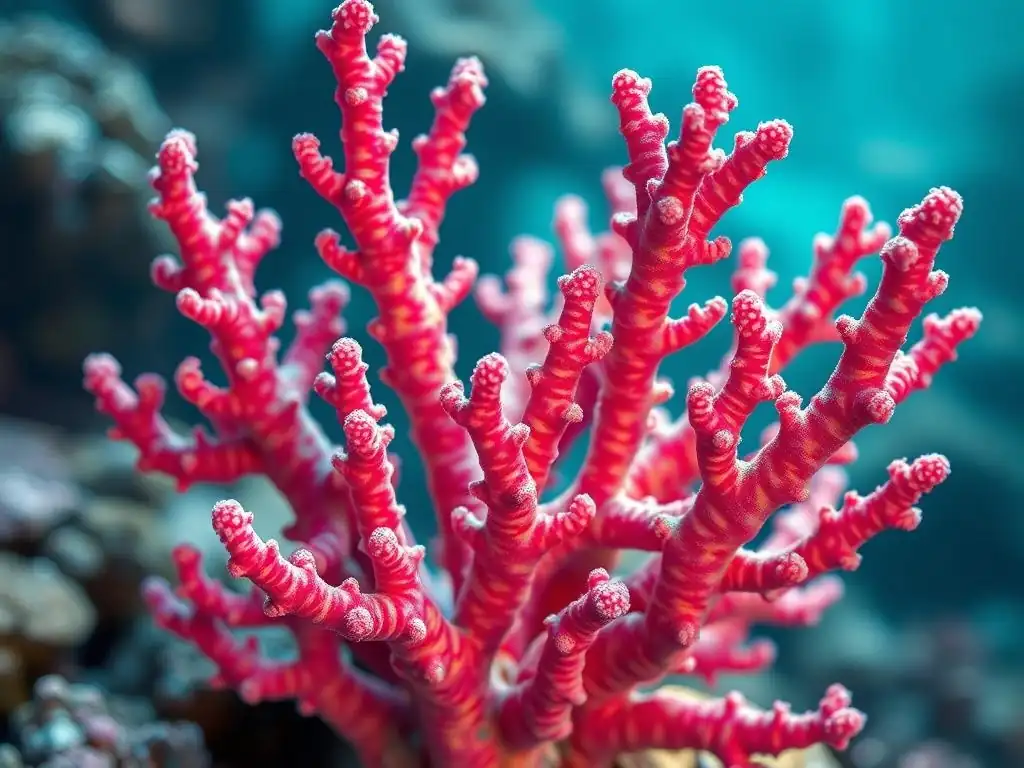
Step 1: Accurate Testing and Data Analysis for Targeted Correction
The foundation of any successful coral nutrient imbalance correction strategy lies in precise data. Guesswork can lead to more problems than solutions.
Establishing Baseline Nutrient Levels Through Regular Testing
Before attempting any corrections, it is imperative to establish a comprehensive baseline of your aquarium's nutrient levels. This involves regular testing of key parameters, including nitrates, phosphates, calcium, alkalinity, and magnesium, using reliable home test kits. More importantly, schedule an ICP-OES test to get a detailed profile of all major and trace elements.
This initial comprehensive test provides a "snapshot" of your water chemistry, highlighting any significant deficiencies or excesses that might be stressing your corals. For instance, if your baseline ICP shows strontium at 5 ppm (ideal 8-10 ppm) and molybdenum at 0.0005 ppm (ideal 0.005-0.01 ppm), you have clear targets for supplementation.
Identifying the Root Cause of Nutrient Imbalances
Once baseline data is collected, the next critical step is to analyze the results and identify the probable root cause of any coral nutrient imbalance. Are nitrates and phosphates consistently high? This might point to overfeeding, insufficient water changes, or inadequate filtration. Are certain trace elements chronically low?
This could be due to heavy coral uptake without replenishment, or inefficient protein skimming removing beneficial elements. For example, if iodine is consistently low, it suggests that coral uptake and skimming are depleting it faster than it's being replenished by water changes. Understanding the "why" behind the imbalance is crucial for implementing effective and sustainable coral nutrient imbalance correction rather than just treating symptoms.
Step 2: Implementing Targeted Nutrient Supplementation and Reduction Strategies
With accurate data and identified root causes, you can now implement specific strategies for coral nutrient imbalance correction. This often involves a combination of adding what's missing and removing what's in excess.
Dosing Trace Elements and Amino Acids Based on Test Results
For identified deficiencies, targeted supplementation is the most direct approach. Based on your ICP test results, select high-quality commercial supplements for the specific trace elements that are low. For example, if your iron is low, dose a liquid iron supplement according to the manufacturer's instructions, usually aiming for a specific ppm increase over time.
Similarly, if corals show signs of amino acid deficiency (slow growth, poor color), begin dosing a balanced amino acid blend. Always start with conservative doses, typically 25-50% of the recommended amount, and gradually increase while observing coral response. This precise coral nutrient imbalance correction prevents over-dosing, which can be as harmful as deficiencies.
Utilizing Water Changes and Filtration to Reduce Excess Nutrients
For excess nutrients like nitrates and phosphates, regular water changes are a fundamental and highly effective reduction strategy. A 10-20% weekly water change using high-quality RODI water and a reputable salt mix can significantly dilute accumulated nutrients and replenish beneficial trace elements. For example, a 20% weekly water change can reduce nitrates by roughly 20% each week if no new inputs occur.
Beyond water changes, consider upgrading or optimizing your filtration. Adding or increasing the use of granular ferric oxide (GFO) for phosphate removal or biopellets for nitrate reduction can dramatically improve water quality. These methods are essential for coral nutrient imbalance correction when dealing with elevated nutrient levels.
Implementing Protein Skimming and Refugiums for Nutrient Export
Protein skimming is an indispensable tool for nutrient export in reef aquariums. A well-sized and efficient protein skimmer removes dissolved organic compounds before they break down into nitrates and phosphates. Regular cleaning of the skimmer cup ensures optimal performance. For instance, a skimmer can remove up to 30% of total organic carbon in a healthy system daily.
Another highly effective strategy for nutrient export is the establishment of a refugium, a separate compartment within or attached to the sump. By cultivating macroalgae like Chaetomorpha in a refugium, nitrates and phosphates are absorbed by the algae as they grow, and then physically removed when the algae are harvested. This biological filtration method is a natural and sustainable form of coral nutrient imbalance correction, especially beneficial for long-term nutrient control.
Step 3: Monitoring Coral Health and Adjusting Parameters Accordingly
Correcting nutrient imbalances is an ongoing process that requires continuous monitoring and adaptation.
Regularly Observing Coral Appearance and Growth
After implementing corrective measures, closely observe your corals daily for signs of improvement. Look for enhanced polyp extension, more vibrant coloration, new tissue growth, and increased feeding response. For example, if you've addressed an iron deficiency, you might notice pale Acropora tips regaining their characteristic blue or green hues within 2-4 weeks.
Track growth rates by observing new skeletal formation or by taking periodic photos for comparison. Any negative changes, such as further paling or tissue loss, indicate that the adjustments might be too aggressive or that the underlying issue has not been fully resolved, prompting a re-evaluation of your coral nutrient imbalance correction strategy.
Fine-Tuning Supplementation and Reduction Strategies Based on Coral Response
Based on your observations and follow-up test results (e.g., an ICP test every 1-3 months), fine-tune your supplementation and reduction strategies. If corals are improving but still not at their peak, you might slightly increase the dose of a specific trace element. If, conversely, you notice signs of stress or over-dosing (e.g., algae outbreaks after increasing carbon dosing), reduce the amount.
This iterative process of "test, dose/reduce, observe, adjust" is crucial for achieving and maintaining optimal coral nutrient imbalance correction. Consistency and patience are key; drastic, rapid changes can often do more harm than good to a delicate reef ecosystem.
Avoiding Common Pitfalls in Coral Nutrient Management
The Dangers of Over-Supplementation and Rapid Parameter Changes
One of the most common and damaging mistakes in coral nutrient imbalance correction is over-supplementation. While a deficiency can harm corals, an excess of any element, even essential ones, can be toxic. For instance, too much iodine (above 0.1 ppm) can inhibit coral growth and cause tissue damage, while excessive iron can fuel aggressive nuisance algae blooms.
Similarly, rapid changes in water parameters, even when moving towards ideal levels, can shock corals. A sudden drop in nitrates from 50 ppm to 5 ppm, for example, can cause corals to "bleach out" due to the sudden lack of nutrients they had adapted to. Gradual adjustments, typically no more than a 10-20% change in a parameter per day, are always recommended to allow corals to acclimatize without stress.
Maintaining Stable Alkalinity and pH During Nutrient Adjustments
Alkalinity and pH are fundamental parameters for coral health, directly impacting calcification. During coral nutrient imbalance correction, particularly when implementing carbon dosing or making significant water changes, it is crucial to monitor and maintain their stability. Carbon dosing, for example, can sometimes lead to a temporary drop in pH due to increased bacterial respiration.
Similarly, large water changes can cause pH swings if the new water's pH differs significantly from the tank's. Aim to keep alkalinity within a stable range, typically 7-9 dKH for SPS corals, and pH between 8.0 and 8.4, with minimal daily fluctuation. Instability in these parameters can negate the benefits of correcting other nutrient imbalances and severely stress corals, potentially leading to tissue loss or growth cessation.
Recognizing the Interplay Between Different Nutrients and Their Impact on Coral Health
The reef aquarium is a complex biochemical system where all nutrients interact. Understanding this interplay is vital for effective coral nutrient imbalance correction. For instance, high phosphate levels can inhibit calcium uptake by corals, even if calcium levels are adequate. Similarly, certain trace elements can become unavailable in the presence of others, or precipitate out if alkalinity is too high.
For example, iron can become less bioavailable in high pH environments. Recognizing these synergistic and antagonistic relationships means that addressing one imbalance might inadvertently affect another. A holistic approach, guided by comprehensive testing and careful observation, allows aquarists to navigate these complexities and foster a truly thriving, balanced reef environment.
Case Studies: Successful Coral Nutrient Imbalance Correction
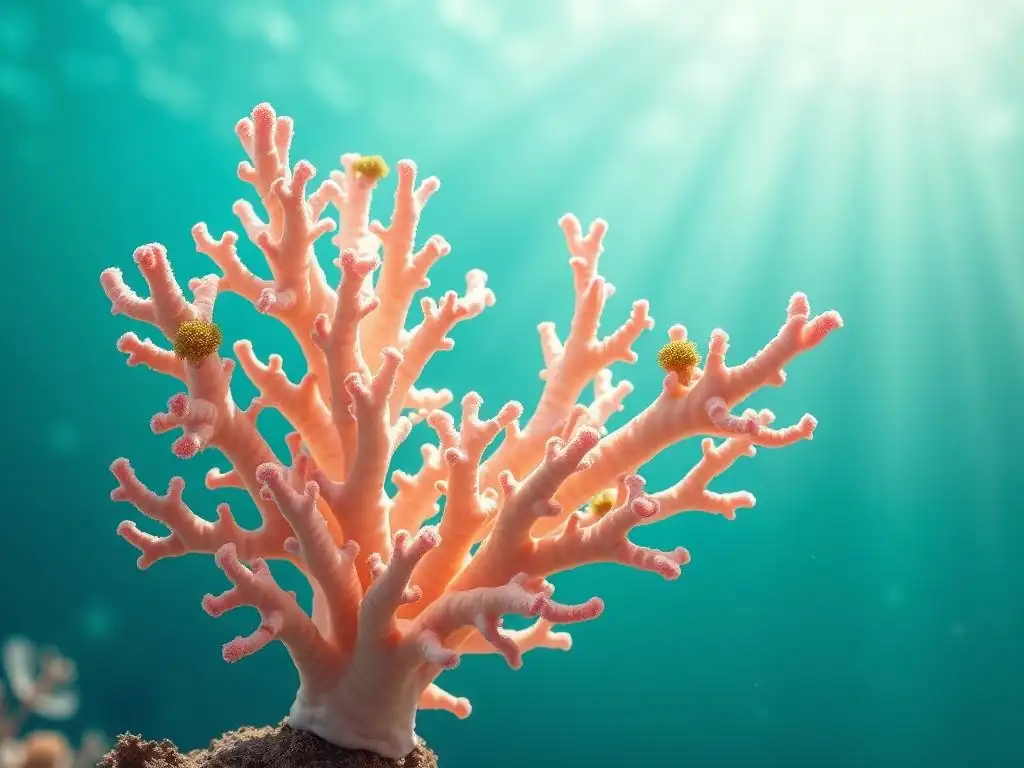
Case Study 1: Recovering a Bleached Acropora Colony Through Targeted Nutrient Supplementation
A reef aquarist noticed their once vibrant blue Acropora millepora colony gradually losing color, turning pale, and showing signs of tissue recession from the base. Standard tests for nitrates and phosphates showed undetectable levels, and calcium/alkalinity were stable. An ICP-OES test was performed, revealing critically low levels of iron (0.0005 ppm, target 0.002-0.005 ppm) and a slight deficiency in manganese (undetectable, target 0.001-0.002 ppm).
Based on these results, the aquarist began daily dosing of a liquid iron supplement and a broad-spectrum trace element mix that included manganese. Within three weeks, the Acropora started regaining its blue pigmentation, and polyp extension improved significantly. After two months of consistent dosing and monitoring, the colony had fully recovered its color and began showing new growth tips, demonstrating the power of targeted coral nutrient imbalance correction.
Case Study 2: Addressing Nutrient Imbalance in a Soft Coral Tank
An aquarist with a soft coral dominated tank (primarily Sarcophyton, Sinularia, and Xenia) experienced a sudden proliferation of green hair algae and cyanobacteria, accompanied by reduced polyp extension and "sliminess" on some of the corals. Nitrates were consistently around 25 ppm, and phosphates were 0.15 ppm. Their coral nutrient imbalance correction strategy involved several steps: first, increasing weekly water changes from 10% to 20% to dilute existing nutrients. Second, they installed a larger protein skimmer and began running GFO in a reactor to specifically target phosphates.
Third, they started a low-dose carbon dosing regimen using vinegar to promote bacterial nutrient export. Within four weeks, the algae began to recede significantly, and both nitrates (down to 5 ppm) and phosphates (down to 0.03 ppm) dropped considerably. The soft corals responded with fuller polyp extension and healthier tissue, showcasing how a multi-faceted approach can effectively reverse severe nutrient excesses.
Conclusion: Achieving Optimal Coral Health Through Balanced Nutrient Management
Achieving and maintaining optimal coral health in a reef aquarium extends far beyond the traditional focus on nitrates and phosphates. While these primary nutrients are undeniably important, a truly thriving reef ecosystem demands a comprehensive understanding and proactive management of a wide array of essential trace elements, amino acids, and carbon sources. Recognizing the subtle visual cues of nutrient imbalance, coupled with the precision of advanced testing methods like ICP-OES, provides aquarists with the tools to accurately diagnose underlying issues.
The journey of coral nutrient imbalance correction is a continuous process of observation, testing, targeted supplementation or reduction, and vigilant monitoring. By adopting a holistic approach that considers the intricate interplay of all vital parameters, aquarists can prevent insidious stressors, promote robust coral growth, and ensure the vibrant, long-term health of their entire reef system. This dedication to balanced nutrient management is the cornerstone of success for any passionate reef keeper.
Frequently Asked Questions
What are some common nutrient imbalances beyond nitrates and phosphates that can stress corals?
Besides nitrates and phosphates, corals are also highly sensitive to imbalances in trace elements like iodine, iron, and potassium. Deficiencies or excesses in these elements can severely impact coral health and coloration.
How can I identify nutrient imbalances in my coral aquarium?
Look for signs such as color fading, tissue recession, or slow growth. Regular water testing using a reliable test kit is crucial for identifying specific nutrient levels. Comparing these results to recommended ranges for your coral types will help pinpoint imbalances.
What is the best way to correct a nutrient imbalance in my reef tank?
The best approach depends on the specific imbalance. Generally, it involves water changes to dilute excesses or using targeted supplements to address deficiencies. Always adjust levels gradually to avoid shocking your corals.
How often should I test my aquarium water for nutrient levels?
Testing frequency depends on the stability of your system. As a starting point, testing weekly or bi-weekly is recommended, especially after making changes to the tank. Once your tank is stable, you may be able to reduce the frequency to monthly testing.
What role do water changes play in maintaining proper coral nutrient balance?
Water changes are a fundamental part of maintaining balance, as they help to replenish depleted nutrients and dilute excess nutrients. Use high-quality salt mix that is appropriate for your specific coral types.
Final Reflection: Restoring Balance, Reviving Reefs
The intricate dance of nutrients within a coral reef ecosystem, as we've explored, is far more delicate than simply managing nitrates and phosphates. Understanding the subtle interplay of trace elements and the potential for hidden imbalances is now more crucial than ever, as coral reefs face unprecedented threats from climate change and pollution. Ignoring these complexities risks condemning these vibrant ecosystems to a slow, silent decline, a fate we must actively strive to prevent.
The journey to understanding and correcting coral nutrient imbalances is not merely a scientific endeavor; it's a deeply personal one for anyone who appreciates the beauty and vital role of coral reefs. This pursuit demands a shift in perspective, moving beyond simplistic solutions to embrace a holistic approach that considers the interconnectedness of all elements within the reef environment. In nature, nothing exists alone.
- Rachel Carson. This quote reminds us that true solutions lie in understanding the intricate web of life and acting with mindful consideration for the whole system.
Now, armed with a deeper understanding of coral nutrient imbalance correction, I invite you to reflect on your own role in preserving these precious ecosystems. Consider the choices you make, the products you use, and the knowledge you share. Let this article be a catalyst for change, inspiring you to become a steward of the reef, actively contributing to the restoration of balance and the revival of these underwater wonders.
Unlock Vibrant Corals: Take Control of Your Reef Today!
Thank you for diving deep into the world of coral nutrition! We hope this article has equipped you with valuable insights into identifying and correcting those often-overlooked nutrient imbalances that can impact your reef's health. Now, it's time to put that knowledge into action and see your corals thrive!
- Prioritize a comprehensive water testing regime: Invest in advanced testing kits or professional ICP analysis to accurately measure a wider range of nutrients beyond just nitrates and phosphates. Aim for a baseline and track changes over time.
- Share your nutrient balancing journey! Start a thread on a reefing forum or social media group documenting your progress, challenges, and successes. Helping others learn is a reward in itself.
- Consider a surprising additive: Explore utilizing trace element supplements known to become depleted through over filtration, such as Potassium, and always dose wisely and sparingly after proper testing and monitoring.
Ready to transform your reef into a vibrant ecosystem? What surprising imbalance are you going to investigate in your tank first, and what is your plan to correct it?