
The Reef Invaders: Identifying and Eradicating Destructive Coral Pests Before They Take Over

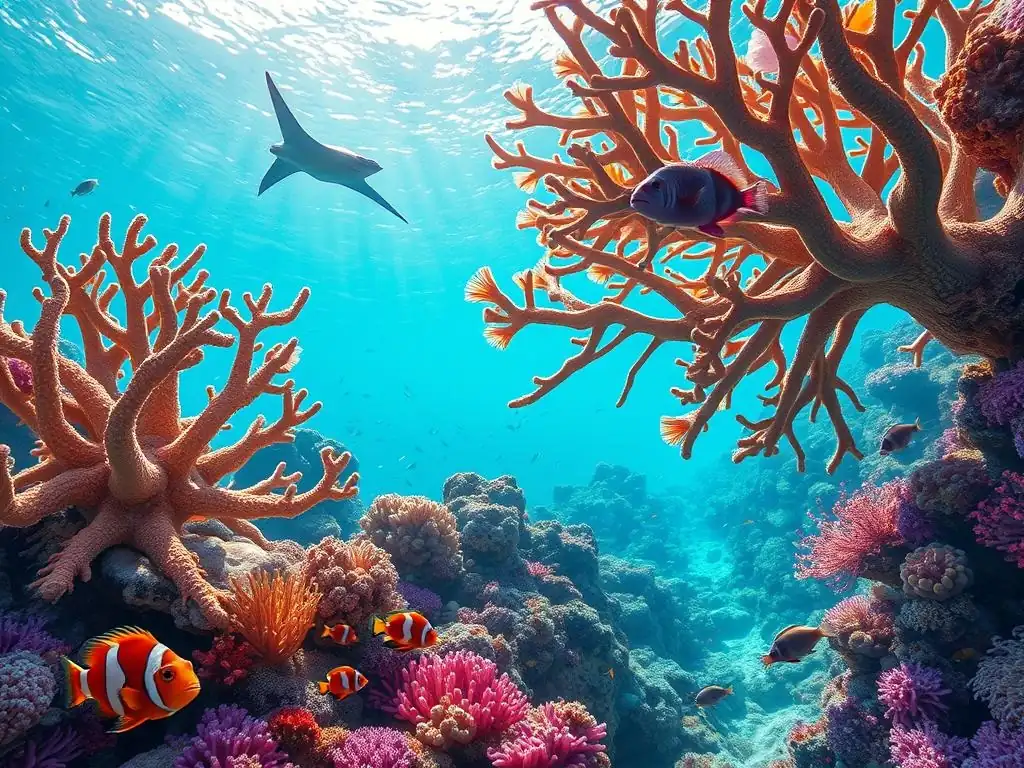
Welcome to Aquarium Mastery!
Ever feel like something's nibbling at your precious reef? Our Reef Pest Identification Guide is here to help! Dive in to discover the sneaky invaders that threaten your coral's health and learn how to evict them before they wreak havoc. Ready to protect your vibrant underwater world? Let's get started!
- Introduction to Reef Pests and Their Impact on Coral Health
-
Common Coral Pests: A Reef Pest Identification Guide
- Acropora-Eating Flatworms (AEFW): Identification, Symptoms, and Treatment
- Montipora-Eating Nudibranchs: Recognizing and Eliminating These Coral Predators
- Red Bugs (Tegastes acroporanus): Identifying and Managing These Tiny Copepods
- Pyramidellid Snails: Identifying and Removing Dangerous Gastropods
- Asterina Starfish: Friend or Foe? Identifying the Coral-Eating Varieties
- Prevention Strategies: Keeping Your Reef Tank Pest-Free
- Eradication Techniques: Effective Methods for Eliminating Coral Pests
- Long-Term Reef Health: Monitoring and Maintaining a Pest-Free Environment
- Conclusion: Protecting Your Reef with Vigilance and Knowledge.
-
Frequently Asked Questions
- How crucial is early reef pest identification in maintaining a healthy reef aquarium?
- What are some of the most common reef pests that aquarists should be aware of?
- Where can I find reliable resources for identifying reef pests if I'm unsure what I'm seeing in my tank?
- What are some effective methods for eradicating reef pests once they've been identified?
- How can I prevent reef pests from entering my aquarium in the first place?
- Final Reflection: Safeguarding Our Underwater Gardens
- Unleash Your Inner Reef Guardian!
Introduction to Reef Pests and Their Impact on Coral Health
Why Reef Pest Identification is Crucial for a Healthy Aquarium
The delicate balance of a thriving reef aquarium can be shattered by the insidious arrival of unwanted pests. These microscopic or camouflaged invaders often go unnoticed until they have established a foothold, making early reef pest identification guide principles absolutely critical. Their ability to rapidly multiply and inflict widespread damage means that even a minor infestation can quickly spiral out of control, jeopardizing the health and survival of an entire coral collection. Proactive identification prevents extensive coral loss and the subsequent need for drastic, often stressful, eradication measures.
Beyond the immediate threat to coral health, the financial and emotional investment in a reef tank is substantial. A single, unchecked pest outbreak can result in the loss of hundreds, or even thousands, of dollars worth of corals, not to mention the emotional toll on the aquarist. Implementing a robust reef pest identification guide and strict quarantine protocols from the outset is the most effective way to safeguard this investment, ensuring the longevity and vibrancy of your aquatic ecosystem.
Understanding the Devastating Effects of Coral Pests on Reef Tanks
Coral pests inflict damage through various mechanisms, ranging from direct tissue consumption to inducing chronic stress. Acropora-eating flatworms, for instance, can rapidly strip an Acropora colony of its tissue, leaving behind a bare skeleton. Similarly, Montipora-eating nudibranchs can decimate Montipora species within days, leaving bleached patches where vibrant polyps once flourished. This direct predation not only destroys coral tissue but also diverts vital energy from growth and reproduction.
The presence of pests can also create a cascade of negative effects throughout the reef tank. Stressed corals, weakened by constant irritation or tissue loss, become far more susceptible to secondary bacterial infections, nutrient deficiencies, and adverse reactions to parameter swings. An infestation, if left unaddressed by a comprehensive reef pest identification guide, can lead to a complete tank crash, requiring extensive clean-up and a costly, time-consuming restart of the entire system.
Common Coral Pests: A Reef Pest Identification Guide
Acropora-Eating Flatworms (AEFW): Identification, Symptoms, and Treatment
Identifying Acropora-Eating Flatworms: Visual Cues and Behavior
Acropora-Eating Flatworms ( Amakusaplana acroporae) are among the most feared pests for SPS (Small Polyp Stony) coral enthusiasts. These flatworms typically measure between 3-5mm, though they can grow up to 10mm when engorged after feeding. Their coloration is usually a mottled tan or brown, allowing them to blend seamlessly with the tissue of Acropora corals, making them incredibly difficult to spot. They are often found on the underside of coral branches or nestled within crevices.
While often nocturnal, AEFW can be observed during daylight hours in cases of heavy infestation, scurrying across coral surfaces. A key visual cue for reef pest identification guide purposes is their distinct egg masses: tiny, white, oval-shaped clusters often found cemented to the bare skeleton of Acropora branches, particularly in areas where tissue has receded. Using a magnifying glass and a flashlight during tank inspections significantly increases the chances of detecting these elusive pests.
The Damage Caused by AEFW and How to Spot Early Signs
AEFW inflict damage by directly consuming Acropora coral tissue, typically starting from the base of the colony and progressing upwards along the branches. Infested corals will exhibit areas of tissue loss, often appearing pale, bleached, or showing distinctive "bite marks" where the flatworms have fed. Polyps on affected areas may remain retracted, even under optimal conditions, and the coral's vibrant coloration can dull significantly.
Early signs of an AEFW infestation include small, circular patches of tissue loss, sometimes with a whitish "halo" around the affected area, indicating irritation. Increased mucus production by the coral is another subtle indicator. If left unchecked, a thriving Acropora colony can be entirely stripped of its living tissue within a few weeks, reducing it to a bare skeleton. Regular, close inspection of Acropora corals is paramount for early reef pest identification guide and intervention.
Effective Treatment Options for Acropora-Eating Flatworms
One of the most effective treatments for AEFW involves the use of chemical dips. Products containing Levamisole HCl, such as Flatworm Exit, are widely used. Corals should be removed from the display tank and dipped in a separate container following the manufacturer's precise instructions regarding dosage (e.g., a typical dose for Flatworm Exit might be 1 ml per 10 gallons of dip water, but always verify). During the dip, gently agitating the coral or using a turkey baster to blast water over it can help dislodge the flatworms.
Manual removal of AEFW and their egg masses is also crucial. Flatworms can be siphoned off, and egg masses should be carefully scraped off the coral skeleton using a small brush or dental pick. Because flatworm eggs are resistant to most dips and hatch within approximately 7-14 days at typical reef tank temperatures (around 78°F), repeat treatments are absolutely necessary.
A common protocol involves dipping every 5-7 days for several weeks to break the life cycle. While some wrasses, like the Six-line Wrasse ( Pseudocheilinops hexataenia), are occasionally reported to prey on AEFW, their effectiveness as a primary eradication method is inconsistent.
Montipora-Eating Nudibranchs: Recognizing and Eliminating These Coral Predators
Montipora-Eating Nudibranch Identification: Size, Color, and Feeding Habits
Montipora-Eating Nudibranchs ( Phestilla sibogae) are highly specialized predators that exclusively target Montipora corals. These nudibranchs are typically 5-15mm in length and are masters of camouflage, often adopting the coloration of the Montipora coral they are feeding on, appearing mottled brown, pink, or red. Their bodies are covered in cerata, finger-like projections that further aid in blending with the coral polyps.
These nudibranchs are most commonly found nestled within the intricate folds and crevices of Montipora colonies, particularly on the undersides where they are less exposed to flow. They feed by consuming the coral's polyps and tissue, leaving distinct patches of bare skeleton. A key indicator for reef pest identification guide specific to these nudibranchs is the presence of their egg masses: small, white, spiral-shaped ribbons often laid directly on the Montipora coral or on adjacent rockwork.
The Impact of Montipora-Eating Nudibranchs on Montipora Corals
The impact of Montipora-eating nudibranchs on Montipora corals can be rapid and devastating. A small infestation can quickly escalate, leading to significant tissue loss and the eventual death of entire colonies within days or weeks. Affected Montipora corals will exhibit areas of bleached or bare skeleton where the nudibranchs have fed. The coral may also appear dull, lose its vibrant coloration, and show reduced polyp extension.
These nudibranchs reproduce prolificly, with egg masses hatching in as little as 5-7 days at typical reef tank temperatures (e.g., 78°F). This rapid life cycle means that an infestation can quickly spread throughout a tank, especially if multiple Montipora colonies are present. Early detection through diligent reef pest identification guide and immediate intervention are critical to prevent widespread damage to your Montipora collection.
Control and Eradication Methods for Montipora-Eating Nudibranchs
Manual removal is a primary method for controlling Montipora-eating nudibranchs. Physically picking them off the coral with fine-tipped tweezers is effective for visible individuals, especially after lights-out when they are more active. Siphoning out any visible egg masses is also crucial. This process should be repeated daily for several weeks to catch newly hatched individuals.
Chemical dips are also highly effective. Commercial dips such as CoralRx, Revive, or Lugol's iodine solutions can be used. Corals should be dipped in a separate container of tank water according to the manufacturer's instructions. A common dipping duration might be 5-15 minutes, with gentle agitation. Repeat dips every 3-5 days for several weeks are essential to break the nudibranch's life cycle by targeting newly hatched individuals. While some wrasses, like the Yellow Coris Wrasse ( Halichoeres chrysus), have been reported to prey on these nudibranchs, their effectiveness can vary significantly between individual fish.
Red Bugs (Tegastes acroporanus): Identifying and Managing These Tiny Copepods
Red Bug Identification: Physical Characteristics and Prevalence
Red Bugs ( Tegastes acroporanus) are tiny copepods, typically less than 1mm in size, making them notoriously difficult to spot without close inspection. Their reddish-orange coloration gives them their common name. Despite their minute size, they are a significant pest, primarily infesting Acropora corals. They are highly contagious and can rapidly spread from one Acropora colony to another within a reef tank.
These copepods are often seen scurrying across the surface of Acropora tissue, particularly when the coral's polyps are retracted or when the coral is stressed. A magnifying glass or a strong flashlight is often necessary for definitive reef pest identification guide of these minute creatures. They do not consume coral tissue directly but instead irritate the polyps, causing them to retract.
The Effect of Red Bugs on Acropora Coral Health and Growth
While Red Bugs do not directly consume coral tissue, their constant presence and irritation significantly impact Acropora health and growth. Infested corals exhibit chronic polyp retraction, leading to a dull, unhealthy appearance. The constant stress from the parasites inhibits the coral's ability to extend its polyps for feeding and photosynthesis, which are vital for its energy production and calcification.
Severely infested Acropora colonies may appear "bald" due to the perpetual polyp retraction, leading to stunted growth and a general decline in vitality. This chronic stress can also make the corals more susceptible to other diseases, bacterial infections, and ultimately, tissue necrosis. The vibrant coloration of the Acropora can also fade, appearing pale or bleached over time if the infestation is not addressed.
Treatment Strategies for Red Bug Infestations in Reef Aquariums
One of the most effective and widely used chemical treatments for Red Bug infestations is Interceptor (Milbemycin Oxime). This medication is highly potent and should be used with extreme caution and precise dosing. A typical dosage for in-tank treatment is around 0.25 mg per gallon, but it is crucial to accurately calculate your tank's water volume and follow specific instructions from experienced aquarists or reliable sources, as manufacturers typically do not provide aquarium-specific dosing. All carbon filtration, protein skimming, and UV sterilizers should be turned off during treatment.
Due to the life cycle of Red Bugs, which includes resistant egg stages, a single treatment may not be sufficient for complete eradication. A follow-up treatment, typically 7-10 days after the initial dose, is often recommended to target newly hatched bugs. After treatment, it is important to perform large water changes and run activated carbon to remove the medication. Some wrasses, such as the Potter's Wrasse ( Macropharyngodon geoffroyi), are known to occasionally prey on Red Bugs, but they are not a reliable primary eradication method and are best considered as a supplemental control measure.
Pyramidellid Snails: Identifying and Removing Dangerous Gastropods
Identifying Pyramidellid Snails: Differentiating Between Beneficial and Harmful Species
Pyramidellid snails are a family of parasitic gastropods, with various species targeting specific hosts such as corals or clams. These tiny snails typically range from 1-5mm in size and are usually white or light tan, possessing a small, conical shell. They are often mistaken for beneficial micro-snails that graze on algae or detritus, making precise reef pest identification guide crucial.
The key to distinguishing harmful pyramidellids is their behavior and location. Unlike beneficial snails that roam rockwork, parasitic pyramidellids will often be found clustered near the base of corals or on the byssal gland of Tridacna clams, especially at night when they emerge to feed. They possess a long proboscis, which they insert into their host to extract fluids. Observing their presence consistently on corals or clams, coupled with signs of coral stress, is a strong indicator of a problematic species.
Which Corals are Most Vulnerable to Pyramidellid Snails?
Pyramidellid snails are known to parasitize a range of invertebrates, with Tridacna clams being particularly vulnerable. On clams, they typically attach near the byssal gland, causing irritation that leads to gaping, reduced mantle extension, and eventually, starvation and death if the infestation is severe. Certain species, however, also target SPS corals, including Acropora and Montipora, as well as LPS (Large Polyp Stony) corals.
On corals, pyramidellid snails feed on the coral's polyps and tissue, leading to tissue recession, bleaching, and visible bite marks. The affected areas may appear irritated or show signs of necrosis. While they may not cause immediate death like some other fast-acting pests, a persistent infestation can significantly weaken the coral, inhibit its growth, and make it more susceptible to other stressors and diseases.
Safe Removal and Control Techniques for Pyramidellid Snails
Manual removal is an effective primary control method for pyramidellid snails, especially for easily accessible hosts like Tridacna clams. Physically picking them off with fine-tipped tweezers can significantly reduce their population. For corals, careful inspection and removal are also possible, though often more challenging due to the coral's intricate structure. It's important to inspect new additions thoroughly before introducing them to the main display tank.
Coral dips can also be effective against pyramidellid snails. Dips containing iodine or other pest-specific ingredients can cause the snails to detach from the coral. Repeat dips may be necessary to target any newly hatched individuals or those that were missed. Biological control can also play a role; certain wrasses, such as the Six-line Wrasse ( Pseudocheilinops hexataenia) or Melanurus Wrasse ( Halichoeres melanurus), and the specialized Harlequin Shrimp ( Hymenocera picta), have been reported to prey on various types of snails, including pyramidellids, particularly those found on clams.
Asterina Starfish: Friend or Foe? Identifying the Coral-Eating Varieties
Asterina Starfish Identification: Distinguishing Between Herbivorous and Coral-Eating Types
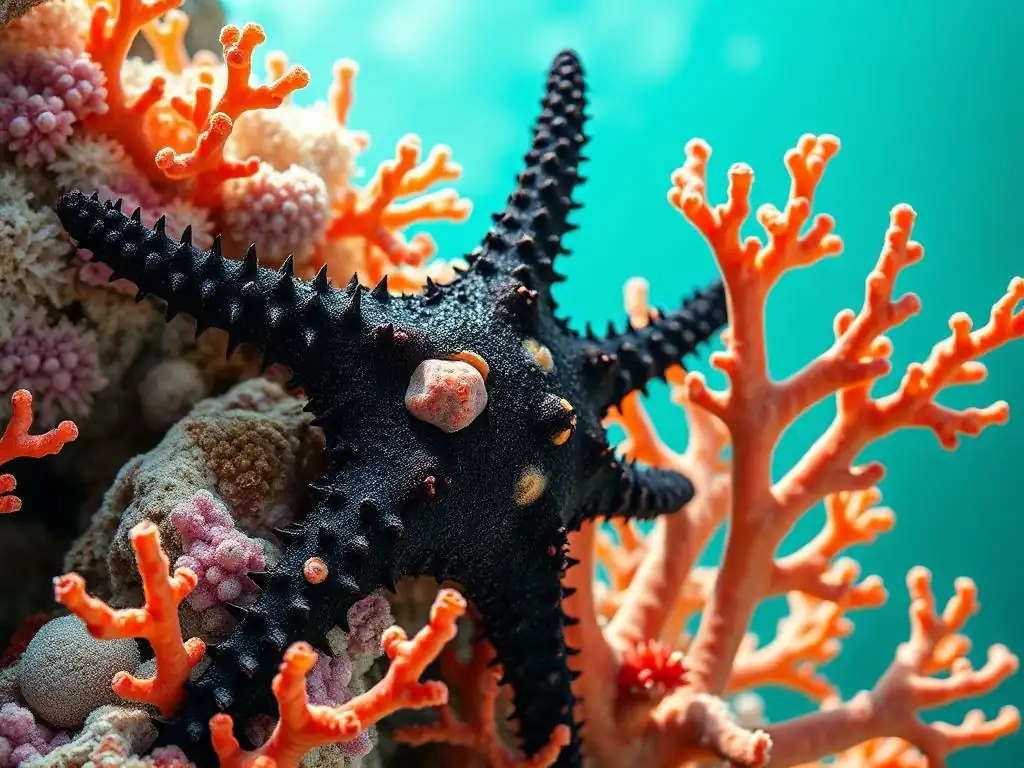
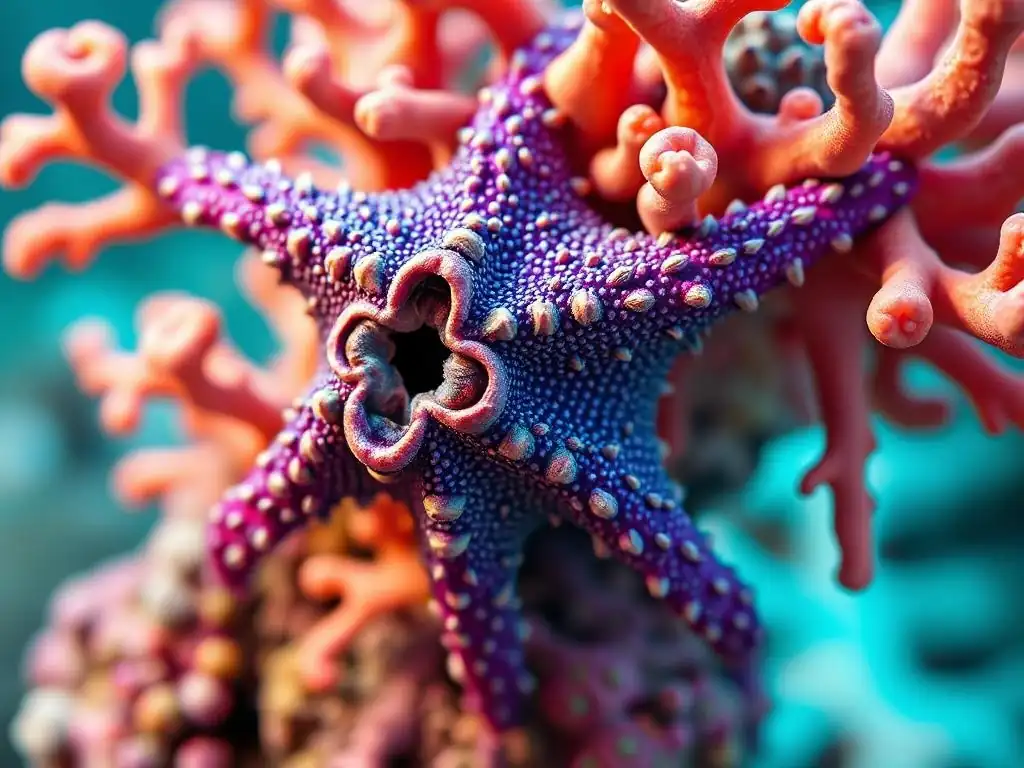
Asterina starfish are small, often prolific, starfish commonly found in reef aquariums. They typically range from 5-15mm across and can have anywhere from 5 to 7 (or more, due to regeneration) arms. Their coloration is highly variable, ranging from pure white, grey, blue, to mottled patterns. Most Asterina species are considered beneficial detritivores or herbivorous scavengers, consuming algae and detritus. However, some specific strains are obligate coral predators, making accurate reef pest identification guide crucial.
Distinguishing between the harmless and coral-eating varieties can be challenging as their physical appearance is often similar. The key differentiator lies in their behavior: harmful Asterina starfish will consistently be found on corals, particularly soft corals like zoanthids and palythoas, or sometimes at the base of SPS corals. They may leave small, circular bleached spots where they have consumed tissue. While not definitive, coral-eating varieties are often reported to be pure white or very pale, and sometimes have slightly more pointed or irregular arms.
Evaluating the Risk of Asterina Starfish Infestations in Reef Tanks
The primary risk associated with Asterina starfish is the potential for a population explosion of a coral-eating variety. Even if initially harmless, a rapid increase in their numbers can indicate an underlying issue, such as an overabundance of detritus, or the accidental introduction of a predatory strain. A large population of even "harmless" Asterina can sometimes outcompete other beneficial microfauna or become a nuisance.
Coral-eating Asterina will actively consume coral tissue, leading to bare skeleton and significant coral loss. They are particularly known for preying on zoanthids and palythoas, causing polyps to retract, waste away, and eventually disappear. While less common, some strains have been observed to graze on the tissue of LPS and SPS corals, especially if the coral is already stressed. Close observation of their behavior and any signs of coral damage is essential to evaluate the risk.
Population Control Methods for Problematic Asterina Starfish
For small populations of problematic Asterina starfish, manual removal is an effective control method. Physically picking them out of the tank with tweezers or gloved hands can significantly reduce their numbers. This method is labor-intensive but precise, ensuring only the target starfish are removed. Regular manual removal, especially during nightly tank inspections, can keep populations in check.
Biological control offers another effective solution. The Harlequin Shrimp ( Hymenocera picta) is a highly specialized and voracious predator of starfish, including Asterina species. Introducing one or two Harlequin Shrimp can rapidly decimate an Asterina population. However, a significant consideration is that once all starfish are consumed, Harlequin Shrimp will require supplemental feeding of other starfish (e.g., small chocolate chip starfish) or they will starve. Some wrasses may also graze on Asterina starfish, though their effectiveness varies.
Prevention Strategies: Keeping Your Reef Tank Pest-Free
Quarantine Procedures for New Corals: A Must-Do for Preventing Infestations
Setting Up a Quarantine Tank: Essential Equipment and Parameters
Establishing a dedicated quarantine tank (QT) is the single most effective preventative measure against introducing pests and diseases into your main display tank. A typical QT can be a simple 10-20 gallon glass or acrylic aquarium. Essential equipment includes a small heater to maintain stable temperature (e.g., 78°F), a small powerhead or air pump with an air stone for water circulation and oxygenation, and a basic filter such as a sponge filter or a small hang-on-back filter for mechanical and biological filtration.
It is crucial to avoid using substrate in the quarantine tank, as this simplifies cleaning and prevents pests from hiding or laying eggs in the sand bed. Basic lighting, even a simple desk lamp, is sufficient for observing corals. The QT should be filled with water from your main display tank to ensure consistent parameters (e.g., salinity 1.025-1.026, alkalinity 8-9 dKH, calcium 400-450 ppm). This setup allows for isolated observation and treatment of new corals before they enter the established reef environment.
The Quarantine Process: Observation, Treatment, and Acclimation
The quarantine process for new corals should last a minimum of 30 days, though longer periods (e.g., 60-90 days) are ideal for maximum security. Upon arrival, all new corals should immediately undergo a preventative coral dip (as detailed in the next section) before being placed into the QT. Daily, meticulous observation is paramount during this period. Look for any signs of pests, such as visible flatworms, nudibranchs, snails, or red bugs, as well as symptoms of disease like tissue recession, discoloration, or unusual growths.
If pests are suspected or identified, targeted treatments (manual removal, specific dips, or in-tank medications within the QT) should be applied. Repeat treatments are often necessary to break pest life cycles. Only after the quarantine period has passed, with no signs of pests or disease, should the coral be slowly acclimated to the main display tank's lighting and flow conditions before final introduction. This rigorous approach is the cornerstone of preventing the need for extensive reef pest identification guide and eradication efforts in your main tank.
Coral Dips: A Proactive Approach to Pest Control
Popular Coral Dip Solutions: Iodine-based dips, Acriflavine solutions
Coral dips are a vital first line of defense against hitchhiking pests on new coral acquisitions. One popular category includes iodine-based dips, such as Lugol's Solution. These are effective against some types of flatworms, nudibranchs, and can also help with bacterial infections. The typical dosage involves adding a few drops per gallon of dip water, but precise measurements are crucial, and manufacturer instructions should always be followed.
Beyond iodine, a range of commercial coral dip products are available, formulated with various active ingredients. Products like CoralRx (based on natural essential oils), Revive (also essential oils), and Bayer (containing Imidacloprid, a potent insecticide used with extreme caution and only for specific pests like Red Bugs) target a broader spectrum of pests including AEFW, Montipora-eating nudibranchs, and Red Bugs. Each product has specific instructions for dilution and duration, which must be adhered to strictly to maximize effectiveness and minimize stress to the coral.
Proper Coral Dipping Techniques to Minimize Stress and Maximize Effectiveness
Proper coral dipping technique is essential to ensure efficacy while minimizing stress to the coral. Always use a separate container filled with water from your main display or quarantine tank, matching its temperature and salinity. Add the recommended amount of chosen dip solution to this container. Gently place the coral into the dip solution for the duration specified by the product manufacturer (typically 5-15 minutes).
During the dip, gently agitate the coral or use a turkey baster or pipette to direct water flow over and into the coral's crevices. This helps to dislodge pests and egg masses. Observe the dip water for any pests that detach. After the recommended dip time, remove the coral and rinse it thoroughly in a separate container of clean tank water before placing it into the quarantine or display tank. Dispose of the dip water safely, as it may contain dead pests and residual chemicals. Monitor the coral closely for any signs of stress after dipping.
Maintaining Optimal Water Parameters: Strengthening Coral Resistance to Pests
The Importance of Stable Alkalinity, Calcium, and Magnesium Levels
Maintaining stable and optimal water parameters is fundamental to coral health and, consequently, their natural resistance to pests and diseases. Alkalinity (dKH), calcium (ppm), and magnesium (ppm) are the three most critical parameters for coral calcification and skeletal growth. Ideal ranges are typically 8-12 dKH for alkalinity, 400-450 ppm for calcium, and 1300-1400 ppm for magnesium. Fluctuations outside these ranges, or rapid swings, cause significant stress to corals.
When corals are stressed by unstable parameters, their immune systems are weakened, and their overall vitality declines. This makes them far more susceptible to opportunistic pest infestations and less capable of recovering from minor attacks. Consistent water chemistry promotes robust growth, strong tissue integrity, and healthy polyp extension, acting as a natural defense mechanism against various invaders. A healthy coral is a resilient coral.
Regular Water Testing and Adjustment for a Healthy Reef Environment
Regular and accurate water testing is indispensable for maintaining the stable parameters necessary for a healthy reef environment. It is recommended to test alkalinity and calcium at least weekly, and magnesium bi-weekly, using reliable and accurate test kits. Consistent monitoring allows aquarists to identify any trends or deviations from ideal levels before they become problematic.
When adjustments are necessary, they should be made slowly and incrementally to avoid shocking the corals. Using two-part dosing solutions, kalkwasser, or a calcium reactor are common methods for maintaining these critical parameters. Consistent nutrient levels, including nitrates (typically 1-10 ppm) and phosphates (0.02-0.08 ppm), also contribute to overall coral health. A balanced and stable chemical environment creates a thriving ecosystem where corals are better equipped to naturally resist pest colonization and recover from any challenges.
Eradication Techniques: Effective Methods for Eliminating Coral Pests
Manual Removal: A Hands-On Approach to Pest Control
Using Tweezers, Syringes, and Other Tools for Manual Pest Removal
Manual removal is a direct and often effective method for eradicating visible coral pests. Tools such as fine-tipped tweezers, a turkey baster, a small siphon hose, and even dental picks can be invaluable. Tweezers are excellent for carefully plucking off larger pests like Montipora-eating nudibranchs, pyramidellid snails, or Asterina starfish. A turkey baster or small siphon hose can be used to blast water at corals to dislodge pests, or to directly siphon out pests and their egg masses from crevices.
For pests like Acropora-eating flatworm (AEFW) egg masses, which are often firmly attached to the coral skeleton, a small, soft brush or a blunt dental pick can be carefully used to scrape them off. This method requires a steady hand and keen eyesight, often aided by a magnifying glass. Manual removal is particularly useful for localized infestations or for managing persistent populations in conjunction with other treatments.
Minimizing Coral Stress During Manual Removal Procedures
When performing manual pest removal, it is crucial to minimize stress to the coral. If possible, remove the infested coral from the display tank and place it in a separate container filled with clean tank water. This allows for easier access and prevents dislodged pests from simply relocating within the main tank. Work quickly and gently, avoiding excessive handling or scraping of the coral tissue.
Keep the coral submerged in water as much as possible throughout the process. After removal, return the coral to an area of the tank with good flow, which can help its recovery. Monitor the coral closely for any signs of stress, such as tissue recession or unusual coloration. Repeating manual removal regularly, especially for pests with rapid life cycles, can significantly reduce their population and allow the coral to recover.
Biological Control: Utilizing Natural Predators to Combat Pests
Introducing Wrasses, Shrimp to Control Specific Pests
Biological control involves introducing natural predators to help manage or reduce pest populations within the reef tank. Certain species of wrasses are well-known for their appetite for various pests. For instance, the Six-line Wrasse ( Pseudocheilinops hexataenia) and Melanurus Wrasse ( Halichoeres melanurus) are often introduced to help control flatworms and small snails. The Yellow Coris Wrasse ( Halichoeres chrysus) has been reported to prey on Montipora-eating nudibranchs, and the Potter's Wrasse ( Macropharyngodon geoffroyi) may target Red Bugs.
Shrimp can also serve as effective biological controls. The Harlequin Shrimp ( Hymenocera picta) is a highly specialized predator of starfish and is exceptionally effective at eradicating problematic Asterina starfish populations. While not directly targeting coral pests, Peppermint Shrimp ( Lysmata wurdemanni) are commonly used for Aiptasia control and may occasionally consume small worms or detritus.
Considerations for Implementing Biological Control in a Reef Tank
While biological control offers a natural approach to pest management, several important considerations must be taken into account. Firstly, ensure that the chosen predator is compatible with all other tank inhabitants, including corals, other fish, and invertebrates. Some wrasses can be aggressive towards smaller, peaceful fish or may pick at desirable microfauna. Harlequin Shrimp, while effective, will require supplemental feeding of other starfish once their target Asterina population is depleted.
Secondly, biological control is rarely a complete eradication solution. The effectiveness of a predator can vary significantly between individual fish or shrimp, and they may not fully eliminate a pest population. They are often best used as a preventative measure, a long-term management strategy, or in conjunction with other manual or chemical methods. Always research the specific needs and behaviors of any biological control agent before introducing it into your reef aquarium, using a detailed reef pest identification guide to ensure the predator targets your specific problem.
Chemical Treatments: When and How to Use Them Safely
Understanding the Risks and Benefits of Chemical Treatments
Chemical treatments represent a powerful tool in the fight against coral pests, offering the benefit of rapidly eradicating widespread infestations, particularly for microscopic pests that are impossible to remove manually. For severe outbreaks of pests like Red Bugs or Acropora-eating flatworms, chemical treatments can save entire coral colonies that would otherwise be lost. They can provide a quick and decisive solution when other methods are insufficient.
However, chemical treatments also carry significant risks. Many active ingredients can be harsh on corals and other invertebrates if not dosed precisely. Overdosing can lead to severe coral stress, tissue necrosis, or even death. They may also negatively impact beneficial bacteria in the biological filter, lead to oxygen depletion, or cause secondary issues if not properly managed. For these reasons, chemical treatments are often reserved for use in a separate dip bath rather than directly in the main display tank, minimizing impact on the entire ecosystem.
Choosing the Right Chemical Treatment for Specific Pests
Selecting the appropriate chemical treatment is paramount for both effectiveness and safety. It is crucial to use treatments specifically designed for the identified pest. For example, Interceptor (Milbemycin Oxime) is highly effective against Red Bugs ( Tegastes acroporanus), while products containing Levamisole HCl are typically used for Acropora-eating flatworms ( Amakusaplana acroporae). Using a general-purpose medication for a specific pest may be ineffective or cause unnecessary harm.
Thorough research into the active ingredients and their known effects on various tank inhabitants is essential before proceeding. Consult experienced aquarists, reputable forums, and reliable online resources for current best practices and potential side effects. Always prioritize treatments with a proven track record against your specific pest, as identified through a comprehensive reef pest identification guide, and ensure they are safe for your particular coral species and other invertebrates.
Proper Dosage and Application Techniques to Protect Coral Health
Precise dosage and careful application techniques are critical when using chemical treatments to protect coral health. Never overdose; use a precise measuring device, such as a syringe, to ensure accurate amounts. For in-tank treatments, accurately calculate the total water volume of your system, accounting for displacement by live rock and substrate. Before administering any in-tank treatment, it is usually necessary to remove activated carbon, turn off protein skimmers, and temporarily disable UV sterilizers, as these can remove the medication from the water.
When dipping corals in a separate bath, always follow the manufacturer's instructions for dilution and duration. After treatment, it is often recommended to perform large water changes in the display tank if the treatment was in-tank, and to run fresh activated carbon to remove residual medication. Monitor corals closely for signs of stress or recovery following any chemical treatment. Repeat treatments, if necessary, should be timed according to the pest's life cycle to target newly hatched individuals and ensure complete eradication.
Long-Term Reef Health: Monitoring and Maintaining a Pest-Free Environment
Regular Coral Inspections: Detecting Problems Early
Long-term success in maintaining a pest-free reef aquarium hinges on consistent vigilance and proactive monitoring. It is recommended to perform quick visual checks of your corals daily and conduct more detailed inspections at least once a week. During these detailed checks, use a magnifying glass or a strong flashlight to meticulously examine all corals, paying particular attention to new additions and species known to be vulnerable to specific pests.
Focus on the underside of coral branches, crevices, and areas where polyps might be retracted or tissue appears discolored or receding. Early detection is the most powerful tool against infestations; spotting a few pests before they multiply exponentially can prevent a widespread problem. This continuous application of reef pest identification guide principles is far less stressful and damaging than dealing with a full-blown outbreak.
Maintaining a Balanced Ecosystem: Promoting Coral Resilience
A thriving and balanced reef ecosystem is inherently more resilient to pests and diseases. This balance is achieved through consistent maintenance of optimal water parameters, appropriate nutrient cycling, and a healthy, diverse microbiome. A stable environment reduces stress on corals, allowing them to allocate more energy towards growth and defense mechanisms rather than constantly battling environmental fluctuations.
Healthy, unstressed corals have stronger immune responses and are better equipped to naturally ward off opportunistic pest colonization. They can often recover more quickly from minor irritations or attacks. Avoiding sudden changes in lighting intensity, flow patterns, or water chemistry helps to maintain this crucial balance, fostering robust coral health that acts as a natural barrier against invaders.
Documenting and Tracking Coral Health: Identifying Potential Issues
Keeping a detailed log of your reef tank's inhabitants and their health is an invaluable practice for long-term pest management. Documenting coral additions, along with the dates of any coral dips or quarantine periods, provides a historical record. Regularly taking photos of your corals, particularly new acquisitions or vulnerable species, allows for visual comparison over time, making subtle changes in appearance or health easier to spot.
Tracking observations, such as polyp extension, coloration, growth, and any signs of irritation or tissue loss, can help identify potential issues before they become critical. This systematic approach to monitoring helps in recognizing patterns, assessing the effectiveness of past treatments, and noticing the early, often subtle, indicators that might suggest the beginning of a pest infestation. A thorough documentation process, coupled with a keen eye for reef pest identification guide details, significantly enhances your ability to protect your reef.
Conclusion: Protecting Your Reef with Vigilance and Knowledge.
Frequently Asked Questions
How crucial is early reef pest identification in maintaining a healthy reef aquarium?
Early identification is absolutely crucial because it allows for swift intervention, preventing widespread damage and potential coral loss. It significantly increases the chances of successful eradication.
What are some of the most common reef pests that aquarists should be aware of?
Common pests include Aiptasia anemones, Montipora Eating Nudibranchs, and Red Bugs. These pests can quickly proliferate and negatively impact coral health.
Where can I find reliable resources for identifying reef pests if I'm unsure what I'm seeing in my tank?
AquariumMastery.com provides a detailed Reef Pest Identification Guide with images and descriptions of common pests. Many online forums and experienced aquarists can also offer assistance.
What are some effective methods for eradicating reef pests once they've been identified?
Eradication methods vary depending on the pest, but options include manual removal, biological controls (like peppermint shrimp), and chemical treatments. Careful consideration of the impact on the entire reef system is essential.
How can I prevent reef pests from entering my aquarium in the first place?
Quarantine all new corals and invertebrates in a separate tank for several weeks to observe for pests. Careful inspection and proactive dipping can also help prevent infestations.
Final Reflection: Safeguarding Our Underwater Gardens
The journey through this reef pest identification guide underscores a critical truth: the health of our coral reefs is inextricably linked to our own well-being. Understanding the threats posed by these destructive invaders is no longer a niche concern for marine biologists; it's a shared responsibility for anyone who values the planet's biodiversity and the vital ecosystems that support it. The urgency to act is palpable, as these pests continue to spread, threatening the very foundation of these underwater paradises.
This exploration has profoundly highlighted the delicate balance within coral reef ecosystems and the devastating impact even seemingly small organisms can have. Witnessing the resilience of coral, yet acknowledging its vulnerability, has instilled a deeper sense of stewardship within me. We are tied to the ocean. And when we go back to the sea, whether it is to sail or to watch it, we are going back from whence we came.
- John F. Kennedy. This quote resonates deeply, reminding us that protecting our oceans, including their vibrant coral reefs, is ultimately protecting ourselves.
Now, armed with the knowledge from this guide, I urge you to become active participants in reef conservation. Whether you're a diver, a researcher, or simply an ocean enthusiast, your awareness and actions can make a difference. Let us all commit to identifying and reporting these reef pests, supporting sustainable practices, and advocating for policies that protect these invaluable ecosystems. The future of our coral reefs, and indeed, the health of our planet, depends on it.
Unleash Your Inner Reef Guardian!
Thank you for diving deep into the world of coral pest identification and eradication! Now that you're armed with the knowledge to protect your reef, it's time to take action. Here's how you can safeguard your underwater paradise:
- Immediately inspect your coral for any signs of pests using the techniques you've learned – early detection is key!
- Share this guide with fellow reef enthusiasts to spread awareness and create a community of reef protectors.
- Experiment with a DIY pest-removal solution using readily available household ingredients (after thorough research, of course! ).
Ready to protect your coral reef today?