
Chemistry Chaos: How Imbalanced Alkalinity, Calcium & More Spell Disaster for Your Corals (And How to Fix It)

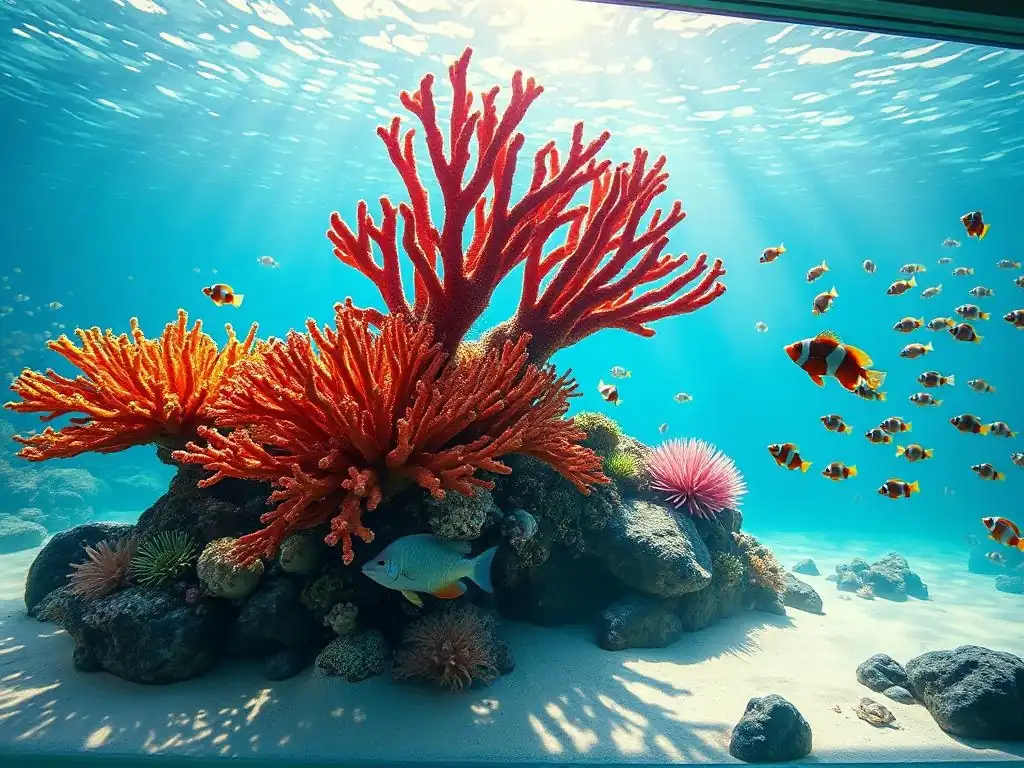
Welcome to Aquarium Mastery!
Are your corals looking a little… unhappy? Dive into the fascinating (and sometimes frustrating!) world of reef chemistry. In this guide, we'll unravel the mysteries of coral alkalinity imbalance solutions, showing you how to diagnose and correct issues with alkalinity, calcium, and more. Get ready to restore balance and bring your corals back to their vibrant best! Keep reading to learn how.
- Understanding the Delicate Balance: Coral Reef Aquarium Water Chemistry
- The Alkalinity Rollercoaster: Dangers of Imbalanced Alkalinity in Reef Tanks
- Calcium Deficiency: A Silent Threat to Coral Skeletal Development
- Magnesium's Role in the Reef: Stabilizing Calcium and Alkalinity
- Diagnosing the Problem: Testing Your Water Parameters Accurately
- Coral Alkalinity Imbalance Solutions: Restoring Harmony to Your Reef
- Correcting Calcium and Magnesium Imbalances: A Comprehensive Strategy
- Preventing Future Chemistry Chaos: Proactive Reef Tank Maintenance
- Long-Term Coral Health: Beyond Alkalinity, Calcium, and Magnesium
-
Frequently Asked Questions
- What exactly is alkalinity in a reef aquarium, and why is it so important for corals?
- What are the common signs that my coral's alkalinity is imbalanced?
- Besides alkalinity, what other water parameters significantly impact coral health?
- How can I accurately test the alkalinity in my reef aquarium?
- What are some effective solutions for correcting an alkalinity imbalance in my coral reef tank?
- Final Reflection: The Delicate Dance of Coral Life
- Unlock Thriving Corals: Your Next Step!
Understanding the Delicate Balance: Coral Reef Aquarium Water Chemistry
The Importance of Stable Water Parameters for Thriving Corals
Coral reef aquariums are intricate ecosystems, mimicking the highly stable conditions of natural coral reefs. Corals, particularly stony corals, are incredibly sensitive organisms that have evolved over millions of years in environments where water parameters, such as temperature, salinity, and chemical composition, remain remarkably consistent. Any significant or rapid fluctuation in these parameters can induce severe stress, diverting the coral's energy from essential processes like growth and reproduction towards merely surviving the environmental shock.
This constant state of equilibrium is crucial for the very survival and flourishing of corals. When water chemistry is unstable, corals struggle to perform vital metabolic functions, including photosynthesis by their symbiotic zooxanthellae and, most critically, calcification – the process of building their calcium carbonate skeletons. For instance, a sudden drop in pH or alkalinity can inhibit the coral's ability to extract the necessary ions from the water, leading to reduced growth rates, weakened skeletons, and an increased susceptibility to disease.
Key Water Parameters for Coral Health: Alkalinity, Calcium, and Magnesium
For the successful husbandry of stony corals, three water parameters stand out as the "big three" due to their direct involvement in calcification: alkalinity, calcium, and magnesium. Calcium (Ca) is the primary building block for coral skeletons, forming the aragonite structure. Alkalinity, often measured in dKH (degrees of carbonate hardness), represents the water's buffering capacity, providing the carbonate ions (CO3^2-) that combine with calcium to form aragonite, and also stabilizing pH.
Magnesium (Mg), while not directly incorporated into the coral skeleton in large quantities, plays a critical role as a catalyst and stabilizer. It prevents the premature precipitation of calcium carbonate in the water column, ensuring that calcium and alkalinity remain available for coral uptake. Ideal ranges for a thriving reef tank typically hover around 400-450 ppm for calcium, 7-12 dKH for alkalinity, and 1250-1350 ppm for magnesium. Maintaining these parameters within their respective sweet spots, and more importantly, ensuring their stability and proper ratios, is fundamental to long-term coral health.
The Alkalinity Rollercoaster: Dangers of Imbalanced Alkalinity in Reef Tanks
What is Alkalinity and Why is it Crucial for Coral Growth?
Alkalinity in a reef aquarium refers to the water's capacity to neutralize acids, essentially its buffering ability. This capacity is primarily provided by bicarbonate (HCO3-), carbonate (CO3^2-), and borate (B(OH)4-) ions dissolved in the water. Its most critical function is to stabilize the pH within a narrow, coral-friendly range, typically between 8.0 and 8.4. Without adequate alkalinity, pH swings can occur rapidly, especially overnight when respiration from tank inhabitants drives CO2 levels up, leading to a dangerous drop in pH.
Beyond pH stability, alkalinity is directly consumed by stony corals during the calcification process. Corals absorb carbonate ions from the surrounding water, combining them with calcium ions to precipitate calcium carbonate, which forms their hard skeletons. A consistent and sufficient supply of these carbonate ions is therefore paramount for robust coral growth and skeletal integrity. If alkalinity levels are too low, corals simply cannot access enough building blocks, leading to stunted growth and weakened structures, making coral alkalinity imbalance solutions essential for a thriving reef.
Recognizing the Signs of Low Alkalinity in Your Coral Reef Aquarium
Identifying low alkalinity early can prevent significant damage to your corals. The most common signs in a reef tank include a noticeable slowdown or complete cessation of growth in stony corals, particularly Small Polyp Stony (SPS) corals like Acropora and Montipora. You might observe corals appearing dull, losing their vibrant coloration, or exhibiting tissue recession, especially at the base or tips of SPS corals, which can resemble "burnt tips."
The underlying reason for these symptoms is the direct inhibition of calcification. When alkalinity drops below the optimal range, for example, consistently below 6-7 dKH, corals struggle to extract the necessary carbonate ions from the water. This forces them to expend more energy to build their skeletons, leaving less energy for growth, coloration, and overall health. In severe cases, prolonged low alkalinity can lead to skeletal erosion, where the coral's existing skeleton begins to dissolve, further weakening the coral.
While low alkalinity is a more common issue, excessively high alkalinity can also be detrimental and presents its own set of risks. Levels consistently above 12-13 dKH can lead to a phenomenon known as calcium carbonate precipitation. This manifests visually as a white, powdery film accumulating on aquarium equipment such as heaters, powerheads, and even the coral skeletons themselves. This precipitation effectively "locks out" calcium, making it unavailable for coral uptake despite sufficient calcium levels in the water.
The danger of high alkalinity extends beyond just mineral precipitation. Rapid calcium carbonate precipitation can cause direct tissue damage to corals, often appearing as "burns" or localized tissue necrosis, particularly around the areas where precipitation occurs most heavily on the coral's skeleton. This can be seen as white patches on the coral where tissue has receded. Furthermore, extremely high alkalinity can create an environment where dosing calcium becomes incredibly challenging, as it will immediately precipitate out, leading to a vicious cycle of imbalance and stress for the corals.
The Impact of Fluctuating Alkalinity on Coral Health: Stress, Bleaching, and Slow Growth
Perhaps even more damaging than consistently low or high alkalinity is the "alkalinity rollercoaster" – rapid and frequent fluctuations. Corals thrive in stability; their biological processes are finely tuned to constant environmental conditions. When alkalinity swings widely, for example, from 8 dKH to 11 dKH and back down within a day or two, corals are forced to expend immense energy adapting to these changes rather than using it for growth or health.
These fluctuations directly inhibit calcification, as the coral's cellular machinery struggles to cope with the changing availability of carbonate ions. This can result in stunted growth, compromised skeletal integrity, and increased susceptibility to disease. In severe cases, prolonged or extreme alkalinity swings can lead to coral bleaching, where the coral expels its symbiotic zooxanthellae algae, leading to loss of color and, if not corrected, eventual death. Addressing these fluctuations is a primary goal of effective coral alkalinity imbalance solutions.
Calcium Deficiency: A Silent Threat to Coral Skeletal Development
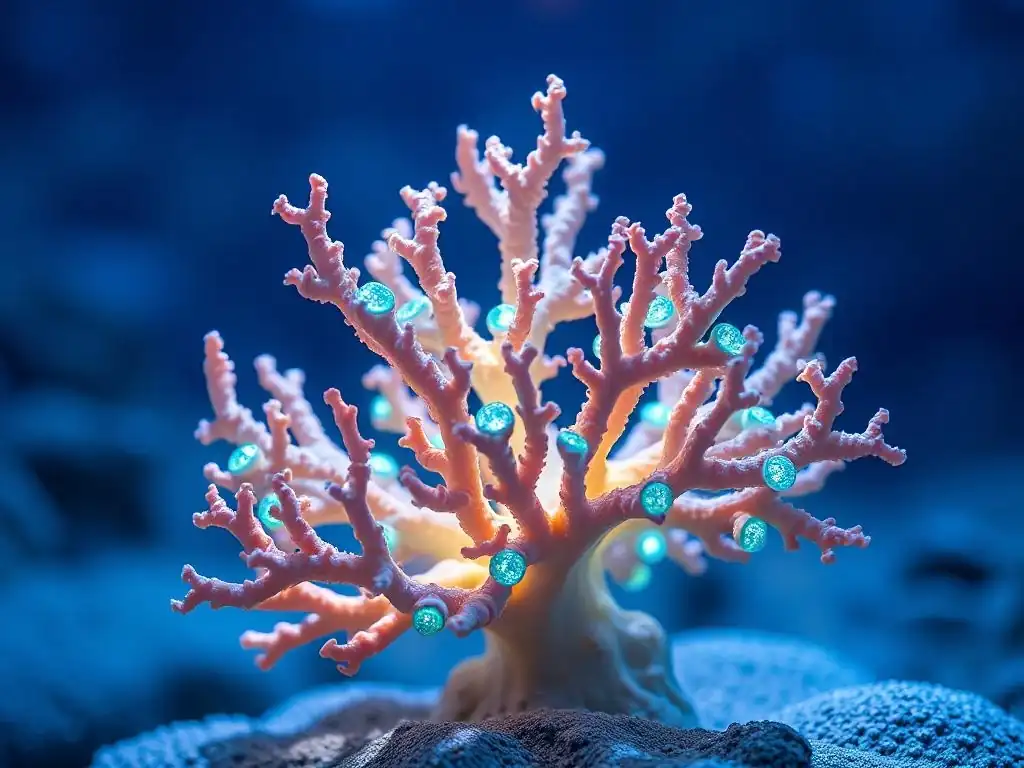
Why Corals Need Calcium: Building Strong Skeletons
Calcium is arguably the most fundamental element for stony corals, as it forms the very backbone of their existence: their calcium carbonate (CaCO3) skeletons. These skeletons provide structural support, protection, and the framework upon which the coral polyps live and expand. Corals actively extract calcium ions (Ca2+) from the surrounding seawater through a complex biological process known as calcification, combining them with carbonate ions to form aragonite, the crystalline form of calcium carbonate.
A healthy and robust coral skeleton is not just about size; it's about density and strength. Adequate calcium levels, typically maintained between 400-450 ppm in a reef tank, ensure that corals have a readily available supply of this essential building block. Without sufficient calcium, corals cannot grow, repair damage, or even maintain their existing skeletal structures effectively, leading to weak, brittle skeletons that are prone to breakage and unable to support healthy tissue growth.
Identifying Calcium Deficiency Symptoms in Your Reef Tank
Recognizing calcium deficiency can be challenging as its symptoms often overlap with other parameter issues. However, key indicators include a noticeable slowing or complete halt in the growth of stony corals. For example, SPS corals that typically add millimeters of growth per month might show no new tip growth, or their bases might appear thin. In some cases, existing coral skeletons may appear brittle or even show signs of recession, particularly at their growing edges.
Another subtle sign can be the diminished appearance of coralline algae, which also relies heavily on calcium for its calcification process. If your coralline algae growth is stagnant or receding, it might point to a broader calcium deficiency in the water column. While not as immediately catastrophic as a sudden alkalinity crash, chronic low calcium (e.g., consistently below 380 ppm) acts as a silent inhibitor, preventing your corals from reaching their full growth potential and overall vigor.
The Interplay Between Calcium, Alkalinity, and Magnesium: Maintaining Proper Ratios
Calcium, alkalinity, and magnesium are inextricably linked in reef tank chemistry, forming a delicate triumvirate where the balance of one affects the others. For calcium to be effectively utilized by corals, alkalinity must be within its optimal range, as it provides the necessary carbonate ions. If alkalinity is too low, corals cannot absorb sufficient carbonate, even if calcium levels are high, leading to limited calcification. Conversely, if alkalinity is too high, calcium will precipitate out of the water, becoming unavailable to corals.
Magnesium plays a crucial role in preventing this premature precipitation of calcium carbonate, ensuring that both calcium and alkalinity remain dissolved and available in the water column. A typical ratio to aim for is roughly 1 part alkalinity (dKH) to 40-50 parts calcium (ppm) and 3-4 parts magnesium (ppm). For example, if calcium is 420 ppm, then magnesium should ideally be around 1260-1360 ppm. Maintaining these ratios, rather than just hitting target numbers for individual parameters, is key to fostering efficient calcification and stable water chemistry.
Magnesium's Role in the Reef: Stabilizing Calcium and Alkalinity
The Often-Overlooked Importance of Magnesium in Coral Health
While calcium and alkalinity often receive the most attention in reef keeping, magnesium is the unsung hero that underpins their stability and availability. Magnesium ions (Mg2+) do not directly form a large part of the coral skeleton, but their presence is crucial for the calcification process to occur efficiently. Specifically, magnesium prevents the spontaneous precipitation of calcium carbonate (aragonite) in the water column. Without sufficient magnesium, calcium and carbonate ions would quickly bind together and fall out of solution, becoming unavailable for corals.
This critical role means that magnesium acts as a buffer, maintaining the solubility of calcium and alkalinity. Natural seawater contains approximately 1280-1350 ppm of magnesium, a concentration that helps keep calcium and alkalinity dissolved and ready for coral uptake. If magnesium levels drop significantly below this, you might find yourself struggling to maintain stable calcium and alkalinity, even with consistent dosing, as they will simply precipitate out of the water, forming an insoluble film on equipment and sand.
How Magnesium Imbalances Affect Calcium and Alkalinity Levels
An imbalance in magnesium levels can wreak havoc on the stability of calcium and alkalinity. If magnesium is too low (e.g., below 1200 ppm), the water's capacity to hold calcium and carbonate in solution diminishes. This often manifests as a persistent struggle to keep calcium and alkalinity levels stable, despite regular dosing. You might dose calcium, only to find it quickly drops again, or notice a white film forming on your tank glass or equipment, indicating precipitation.
Conversely, excessively high magnesium levels (e.g., above 1500 ppm), while less common, can also be problematic. While it won't cause precipitation, it can interfere with the uptake of other essential trace elements by corals and may even slow down coral growth. The ideal scenario is a stable magnesium level within the natural seawater range, allowing calcium and alkalinity to remain bioavailable for your corals, which is a core component of effective coral alkalinity imbalance solutions.
Recognizing Magnesium Deficiency or Excess in Your Aquarium
Identifying magnesium imbalance through visual cues alone can be difficult, as its symptoms often mimic those of calcium or alkalinity issues. However, if you are consistently struggling to maintain stable calcium and alkalinity levels despite regular dosing, and your test kits show these parameters fluctuating wildly, a magnesium deficiency is a strong suspect. Corals might show slowed growth, dull coloration, or a general lack of vigor, similar to calcium deficiency.
An excess of magnesium is even harder to spot visually, as it rarely causes immediate, dramatic symptoms. Instead, it might lead to a subtle reduction in coral growth or overall health over time, as it can interfere with the uptake of other vital elements. The most reliable way to diagnose magnesium imbalance is through accurate and regular testing using a quality magnesium test kit. If your test results fall outside the ideal range of 1250-1350 ppm, it's time to consider adjusting your magnesium levels.
Diagnosing the Problem: Testing Your Water Parameters Accurately
Choosing the Right Test Kits for Alkalinity, Calcium, and Magnesium
Accurate testing is the cornerstone of successful reef keeping and the first step in implementing effective coral alkalinity imbalance solutions. When selecting test kits for alkalinity, calcium, and magnesium, prioritize reputable brands known for their precision and reliability in the aquarium hobby. Salifert, Hanna Instruments, Red Sea, and API are commonly recommended. While liquid reagent kits are generally sufficient for home use, consider a digital checker for alkalinity (like the Hanna Alkalinity Checker) for increased precision, as alkalinity is often the most frequently adjusted parameter.
For calcium and magnesium, titration-based liquid kits offer good accuracy when performed correctly. It's advisable to choose kits that provide clear instructions and have a fine resolution, meaning they can detect small changes in parameter levels. Investing in quality test kits, even if they are slightly more expensive, will save you considerable frustration and potential coral loss in the long run by providing reliable data for your dosing decisions.
Proper Testing Procedures: Ensuring Accurate Readings
Even the best test kits can yield inaccurate results if proper testing procedures are not followed meticulously. Always read the instructions thoroughly before beginning any test. Key steps include ensuring your water sample is taken from an area with good flow, away from recently dosed supplements or fresh top-off water. Rinse the test vials with tank water before use to prevent contamination.
Pay close attention to reagent dispensing, ensuring accurate drops or precise measurements with syringes. For titration kits, observe color changes carefully against a white background or as instructed. Record your results immediately and consistently. For example, testing alkalinity daily or every other day, calcium twice a week, and magnesium weekly can provide a clear picture of your tank's consumption rates and help identify any imbalances before they become critical. Consistency in your testing routine is as important as the accuracy of the kits themselves.
Understanding Your Test Results: Identifying Imbalances
Once you have your test results, the next crucial step is to interpret them correctly to identify any imbalances. Compare your readings against the ideal ranges for a coral reef aquarium: typically 7-12 dKH for alkalinity, 400-450 ppm for calcium, and 1250-1350 ppm for magnesium. Don't just look at individual numbers; consider them in relation to each other. For instance, if your calcium is high but alkalinity is low, it suggests an imbalance in the ratio, not just a deficiency in one parameter.
Look for trends over time. A single low reading might not be a crisis, but a consistent downward trend in alkalinity over several days indicates consumption outstripping supply. Similarly, if your calcium is always at the lower end of the range despite dosing, it might suggest a magnesium deficiency hindering its solubility. Understanding these interrelationships is key to diagnosing the root cause of issues and formulating effective coral alkalinity imbalance solutions and overall parameter corrections.
Coral Alkalinity Imbalance Solutions: Restoring Harmony to Your Reef

Step-by-Step Guide to Correcting Low Alkalinity in a Coral Reef Tank
Correcting low alkalinity is a common task for reef aquarists, especially in tanks with vigorous coral growth. The process requires careful attention to detail to avoid shocking your corals.
Gradual Increases: The Key to Avoiding Shock
The most critical rule when raising alkalinity is to do so gradually. Rapid increases can cause alkalinity burn on corals, leading to tissue necrosis and even death. Aim to raise alkalinity by no more than 0.5 to 1.0 dKH per day. For example, if your alkalinity is 6 dKH and you want to reach 8 dKH, spread the correction over 2-4 days. This allows corals to acclimatize to the changing water chemistry without undue stress. Measure your current dKH, calculate the total increase needed, and divide it by the number of days you plan for the correction.
Choosing the Right Alkalinity Buffer
Several alkalinity buffers are available on the market, typically in powder form. Common options include sodium bicarbonate (baking soda) or sodium carbonate (soda ash), or proprietary blended products. Sodium bicarbonate provides a slower, more sustained increase in alkalinity, while sodium carbonate offers a quicker, more potent boost.
Many aquarists use a combination or a blended product to achieve both immediate and lasting effects. Always dissolve the buffer thoroughly in RODI (Reverse Osmosis Deionized) water before adding it to the tank, and introduce it slowly into a high-flow area of the sump or display tank to ensure rapid dispersion and prevent localized concentration.
Monitoring Alkalinity Levels During Correction
During the correction period, daily testing of alkalinity is essential. Test at the same time each day, preferably a few hours after your last dose, to get a consistent reading. This allows you to track your progress accurately and adjust dosing amounts as needed. Once you reach your target range (e.g., 8-9 dKH), you can then transition to a consistent daily or automated dosing regimen to maintain stability. Regular monitoring helps prevent future dips and ensures your coral alkalinity imbalance solutions are effective long-term.
Safely Lowering High Alkalinity: A Controlled Approach
While less common than low alkalinity, excessively high alkalinity can also be detrimental and requires a controlled approach to lower it safely. High alkalinity, often above 12-13 dKH, can lead to calcium precipitation and direct coral tissue damage.
Water Changes: A Simple, But Effective Method
The most straightforward and safest way to reduce high alkalinity is through regular, small water changes. By replacing a portion of your tank water with new saltwater mixed to the desired, lower alkalinity (e.g., 8 dKH), you gradually dilute the elevated levels. For example, performing a 10-15% water change every few days can slowly bring down alkalinity without shocking the system. This method also helps to refresh other trace elements and reduce any accumulated pollutants. Avoid large, sudden water changes (e.g., 50% or more) as they can cause rapid shifts in all parameters.
Utilizing CO2 Injection Carefully
For tanks utilizing calcium reactors, high alkalinity can sometimes be a symptom of too much CO2 injection or too slow a drip rate through the reactor. Reducing the CO2 bubble rate or increasing the effluent drip rate from the calcium reactor can help lower alkalinity. However, this method requires careful monitoring of reactor effluent pH and tank alkalinity to prevent over-correction. This is an advanced method and should only be attempted if you are familiar with calcium reactor operation and have accurate monitoring tools.
Regular Testing and Monitoring are Essential
Throughout the process of lowering high alkalinity, continuous testing is paramount. Test alkalinity daily to monitor the rate of decrease and ensure you are not overshooting your target. It's also wise to monitor calcium levels, as high alkalinity often causes calcium to precipitate out, leading to a simultaneous calcium deficiency. Adjust your methods based on your test results, aiming for a slow, controlled reduction to prevent further stress to your corals. Patience is key when implementing these coral alkalinity imbalance solutions.
Correcting Calcium and Magnesium Imbalances: A Comprehensive Strategy
Raising Calcium Levels Safely and Effectively
Maintaining optimal calcium levels (400-450 ppm) is crucial for coral skeletal growth. There are several effective methods for raising calcium, depending on your tank's needs and your preference for automation.
Calcium Chloride Dosing: A Common Method
Calcium chloride is a popular and effective supplement for raising calcium levels. It comes in powder form and is typically dissolved in RODI water to create a stock solution. When dosing, it's crucial to add it slowly to a high-flow area of the sump or display tank to prevent localized precipitation and allow for rapid dispersion.
For instance, a 100-gallon tank might need a few teaspoons of a calcium chloride solution daily to maintain levels with moderate coral growth. Always follow the manufacturer's instructions for mixing and dosing, and avoid adding large amounts at once, as this can lead to temporary cloudiness or precipitation.
Calcium Reactors: A Long-Term Solution
For heavily stocked coral tanks with high calcium consumption, a calcium reactor is often the most stable and automated long-term solution. A calcium reactor slowly dissolves calcium carbonate media (like aragonite) using CO2 injection, releasing calcium, alkalinity, and trace elements directly into the tank. While the initial setup and tuning can be complex, a properly functioning calcium reactor provides a continuous and balanced supply of these essential elements, minimizing the need for manual dosing. It's particularly effective in larger systems (100+ gallons) with significant SPS coral populations, ensuring consistent coral alkalinity imbalance solutions and calcium stability.
Adjusting Magnesium Levels: A Gradual Process
Magnesium is crucial for stabilizing calcium and alkalinity, and its levels (1250-1350 ppm) should be adjusted gradually to avoid shocking the system.
Magnesium Sulfate and Magnesium Chloride Dosing
Magnesium supplements typically come as a blend of magnesium sulfate (Epsom salt) and magnesium chloride. These are dissolved in RODI water to create a stock solution. When increasing magnesium, it's important to do so slowly, as rapid increases can stress corals and other invertebrates. Aim to raise magnesium by no more than 50-100 ppm per day. For example, if your magnesium is at 1100 ppm and you want to reach 1300 ppm, spread the correction over 2-4 days. Always dose into a high-flow area to ensure even distribution.
Monitoring Magnesium Levels Closely
During and after adjusting magnesium levels, consistent testing is vital. Test magnesium weekly (or more frequently if making significant adjustments) to track your progress and ensure you reach and maintain the target range. Remember that magnesium consumption in a reef tank is generally much slower than calcium and alkalinity, so daily dosing is rarely required once stable. However, maintaining stable magnesium levels is fundamental for the overall stability of your calcium and alkalinity, making it an indirect yet critical part of coral alkalinity imbalance solutions.
Preventing Future Chemistry Chaos: Proactive Reef Tank Maintenance
Regular Water Changes: Diluting Problematic Elements
Regular water changes are one of the most effective and fundamental practices for preventing chemistry chaos in a reef tank. While they don't replace targeted dosing for calcium, alkalinity, and magnesium, they play a crucial role in diluting accumulated nitrates, phosphates, and other undesirable elements that can build up over time. A consistent schedule, such as a 10-20% water change every one to two weeks, helps to replenish essential trace elements that are consumed by corals and other inhabitants, while simultaneously exporting pollutants. This proactive approach helps maintain overall water quality and reduces the likelihood of sudden parameter swings.
Furthermore, using a high-quality salt mix for your water changes ensures that you are starting with a balanced foundation of all major and minor elements. This practice helps to reset the tank's chemistry periodically, making it easier to manage the "big three" parameters through targeted dosing. Water changes are a simple yet powerful tool in the arsenal of coral alkalinity imbalance solutions, as they contribute to overall system stability.
Consistent Testing: Catching Imbalances Early
The adage "test, don't guess" is paramount in reef keeping. Implementing a consistent testing schedule for alkalinity, calcium, and magnesium is the single most effective way to catch potential imbalances before they escalate into full-blown chemistry chaos. For instance, testing alkalinity daily or every other day allows you to track its consumption rate and adjust your dosing regimen accordingly, preventing dangerous dips. Calcium can be tested twice a week, and magnesium weekly.
Consistent data logging, whether in a notebook or a digital spreadsheet, helps identify trends and patterns in your tank's consumption. For example, if you notice alkalinity consistently dropping by 0.7 dKH per day, you can adjust your buffer dosing to match that consumption, maintaining stability. Early detection through regular testing allows for minor adjustments rather than emergency corrections, significantly reducing stress on your corals and simplifying the application of coral alkalinity imbalance solutions.
Proper Dosing Regimes: Maintaining Stable Parameters
Once you understand your tank's consumption rates through consistent testing, establishing a proper dosing regime is essential for maintaining stable parameters. This can involve manual dosing of liquid supplements or the use of automated dosing pumps. For smaller tanks or those with lower coral loads, manual dosing of calcium, alkalinity, and magnesium supplements daily or every few days might suffice. It's crucial to dose slowly and in a high-flow area to ensure even distribution and prevent localized concentrations.
For larger tanks or those with dense coral populations, automated dosing pumps are highly recommended. These devices deliver precise amounts of supplements at set intervals throughout the day, mimicking the continuous uptake of elements by corals in the ocean. This consistent, small-volume dosing prevents large swings in parameters that can occur with single, large daily doses, thereby promoting a more stable environment crucial for delicate corals and making coral alkalinity imbalance solutions a continuous, preventative process.
Choosing High-Quality Salt Mix: Starting with a Solid Foundation
The quality of your salt mix forms the very foundation of your reef tank's water chemistry. A high-quality synthetic sea salt mix should contain all the major, minor, and trace elements found in natural seawater in their correct proportions. Using a reputable brand known for its consistency and balanced parameters (e.g., Red Sea Coral Pro, Tropic Marin Pro-Reef, Fritz RPM) ensures that each water change replenishes your tank with a balanced array of elements, rather than introducing new imbalances.
Avoid using cheap or inconsistent salt mixes, as they can lead to chronic deficiencies or excesses of certain elements, making it incredibly difficult to maintain stable parameters through dosing alone. A good salt mix will provide a baseline for your calcium, alkalinity, and magnesium, reducing the amount of targeted supplementation needed and simplifying your maintenance routine. This proactive choice significantly contributes to overall water stability and lessens the need for reactive coral alkalinity imbalance solutions.
Calibrating Equipment: Ensuring Accuracy in Dosing and Testing
The accuracy of your testing and dosing equipment is just as important as the quality of your supplements. Regularly calibrating your pH probe, salinity refractometer or probe, and ensuring your dosing pumps are delivering the correct volumes is critical. pH probes can drift over time and should be calibrated with buffer solutions (pH 7.0 and pH 10.0) at least monthly. Refractometers should be calibrated with calibration fluid (35 ppt or 1.026 SG) weekly to ensure accurate salinity readings.
Dosing pumps should be checked periodically to ensure they are dispensing the programmed volume. This can be done by measuring the amount of liquid dispensed into a graduated cylinder over a set period. Inaccurate equipment can lead to unknowingly over or under-dosing, which can quickly destabilize parameters and undo all your efforts. Regular calibration ensures that your measurements and additions are precise, providing reliable data for your coral alkalinity imbalance solutions and overall tank management.
Long-Term Coral Health: Beyond Alkalinity, Calcium, and Magnesium
The Importance of Other Trace Elements for Coral Color and Growth
While alkalinity, calcium, and magnesium are the pillars of coral skeletal growth, the vibrant colors and overall vitality of corals rely heavily on a host of other trace elements. Elements like iodine, strontium, potassium, iron, and various heavy metals are consumed by corals and algae, albeit in much smaller quantities. For instance, iodine is linked to coral coloration and soft coral health, while potassium is crucial for SPS coral coloration, particularly blues and purples. Strontium is incorporated into the coral skeleton alongside calcium.
Even though these elements are often replenished through regular water changes with a high-quality salt mix, heavily stocked tanks or those with specific coral types may benefit from targeted trace element dosing. However, caution is advised, as overdosing trace elements can be highly toxic to corals and other invertebrates. It's often best to rely on water changes and observe coral health and coloration before embarking on complex trace element dosing regimens.
Maintaining Proper Nutrient Levels: Nitrate and Phosphate Management
Beyond the "big three" and trace elements, managing nutrient levels, specifically nitrates (NO3) and phosphates (PO4), is paramount for long-term coral health and to prevent nuisance algae outbreaks. While some level of nutrients is necessary for coral health and metabolism (especially for LPS and soft corals), elevated levels can lead to coral stress, reduced growth, and inhibit calcification. For SPS corals, ultra-low nutrient systems (ULNS) are often targeted, with nitrates below 5 ppm and phosphates below 0.05 ppm.
Controlling nutrients involves a multi-faceted approach: careful feeding, efficient protein skimming, regular water changes, and potentially the use of nutrient export methods like refugiums, biopellets, or GFO (granular ferric oxide) for phosphate removal. Balancing nutrient levels prevents the proliferation of undesirable algae, which can outcompete and smother corals, and ensures that corals can direct their energy towards growth and calcification rather than combating environmental stress.
Adequate Lighting: Providing Energy for Photosynthesis
Lighting is arguably the most critical non-chemical parameter for photosynthetic corals. Corals host symbiotic algae called zooxanthellae within their tissues, which perform photosynthesis and provide the coral with up to 90% of its energy requirements. Therefore, providing the correct intensity and spectrum of light is fundamental for coral health, growth, and coloration. Different corals have different lighting needs; SPS corals typically require high intensity, while many LPS and soft corals prefer moderate levels.
Choosing the right lighting fixture (LEDs, T5s, or metal halides) and maintaining an appropriate photoperiod (typically 10-12 hours per day) are crucial. Insufficient light will lead to coral starvation, pale coloration, and eventual recession. Too much light can cause photoinhibition or bleaching. Proper lighting ensures that the zooxanthellae thrive, providing the coral with ample energy, which in turn supports calcification and overall resilience, complementing any coral alkalinity imbalance solutions by ensuring the coral has the energy to utilize available elements.
Addressing Other Potential Stressors: Pests and Diseases
Even with perfect water chemistry and lighting, corals can still face significant challenges from pests and diseases. Common reef tank pests include flatworms, nudibranchs, red bugs, and various types of predatory snails or crabs, all of which can cause tissue damage, growth inhibition, or even consume corals entirely. Diseases, while less understood in home aquariums, can manifest as tissue necrosis, brown jelly disease, or general decline, often triggered by stress from poor water quality or physical damage.
Proactive measures include quarantining all new corals before adding them to the display tank, dipping new corals to remove pests, and regularly inspecting your corals for any signs of distress or unusual growths. Early identification and intervention are key to preventing widespread outbreaks. Understanding and mitigating these biological stressors, in conjunction with maintaining optimal water chemistry, provides a holistic approach to ensuring the long-term health and vibrancy of your coral reef aquarium.
Frequently Asked Questions
What exactly is alkalinity in a reef aquarium, and why is it so important for corals?
Alkalinity, specifically carbonate hardness (dKH), is the water's ability to buffer against pH changes. It's crucial because corals use carbonates to build their calcium carbonate skeletons. Insufficient alkalinity leads to slowed growth and coral bleaching.
What are the common signs that my coral's alkalinity is imbalanced?
Signs include slow or stunted coral growth, coral bleaching (loss of color), and the appearance of tissue necrosis or recession. You might also observe unusually low pH readings in your tank.
Besides alkalinity, what other water parameters significantly impact coral health?
Calcium and magnesium levels are critically linked to alkalinity. Maintaining a proper calcium:alkalinity:magnesium ratio is essential. Also, stable salinity and temperature are vital.
How can I accurately test the alkalinity in my reef aquarium?
Use a reliable test kit specifically designed for reef aquariums. Follow the instructions carefully and cross-reference results with another test kit for accuracy. Regular testing is crucial for early detection.
What are some effective solutions for correcting an alkalinity imbalance in my coral reef tank?
Implement gradual adjustments using a reef-safe alkalinity buffer. Monitor the alkalinity levels daily and avoid rapid changes, which can stress corals. Consider a calcium reactor for long-term maintenance.
Final Reflection: The Delicate Dance of Coral Life
The intricate balance of chemical elements, as we've explored, is not merely a scientific curiosity but a vital lifeline for the vibrant ecosystems of our coral reefs. Understanding and addressing alkalinity imbalances, calcium deficiencies, and other chemical disruptions is no longer just a matter of aquarium hobbyist interest; it's a critical step towards preserving these invaluable marine environments in the face of increasing global threats.
This journey into the chemical complexities of coral health has underscored the profound interconnectedness of life. It's a stark reminder that even seemingly small imbalances can have cascading effects, impacting not only the corals themselves but the entire reef ecosystem and, ultimately, our planet. As Jacques Cousteau so eloquently stated, The sea, once it casts its spell, holds one in its net of wonder forever.
This wonder demands our respect and protection, starting with a deeper understanding of the delicate chemical dance that sustains it.
Now, armed with this knowledge of coral alkalinity imbalance solutions and the broader chemical factors at play, I invite you to reflect on your own role in this critical conservation effort. Whether you're a seasoned aquarist, a budding marine biologist, or simply a concerned citizen, consider how you can contribute to a healthier future for our coral reefs. Let's translate understanding into action, ensuring that these underwater paradises continue to thrive for generations to come.
Unlock Thriving Corals: Your Next Step!
Thanks for diving deep into the world of coral chemistry! We hope you found actionable insights to help you maintain a healthy and vibrant reef tank. Now, let's put that knowledge to work!
Here's how you can continue on your coral mastery journey:
- Test and Record Your Alkalinity, Calcium, and Magnesium Today! Don't wait – consistent monitoring is the foundation of a stable reef environment. Log your results and track changes over time.
- Explore the Aquarium Mastery community forum! Share your testing results, ask questions, and learn from other reef keepers' experiences.
- Challenge yourself to identify one coral in your tank and research its specific alkalinity and calcium needs. Understanding individual coral requirements is the key to unlocking their full potential.
What surprising insight about your water chemistry did you uncover today, and how will it impact your next steps in reef keeping?