
Are Your Angelfish Getting Enough Vitamins? Supplementation Guide

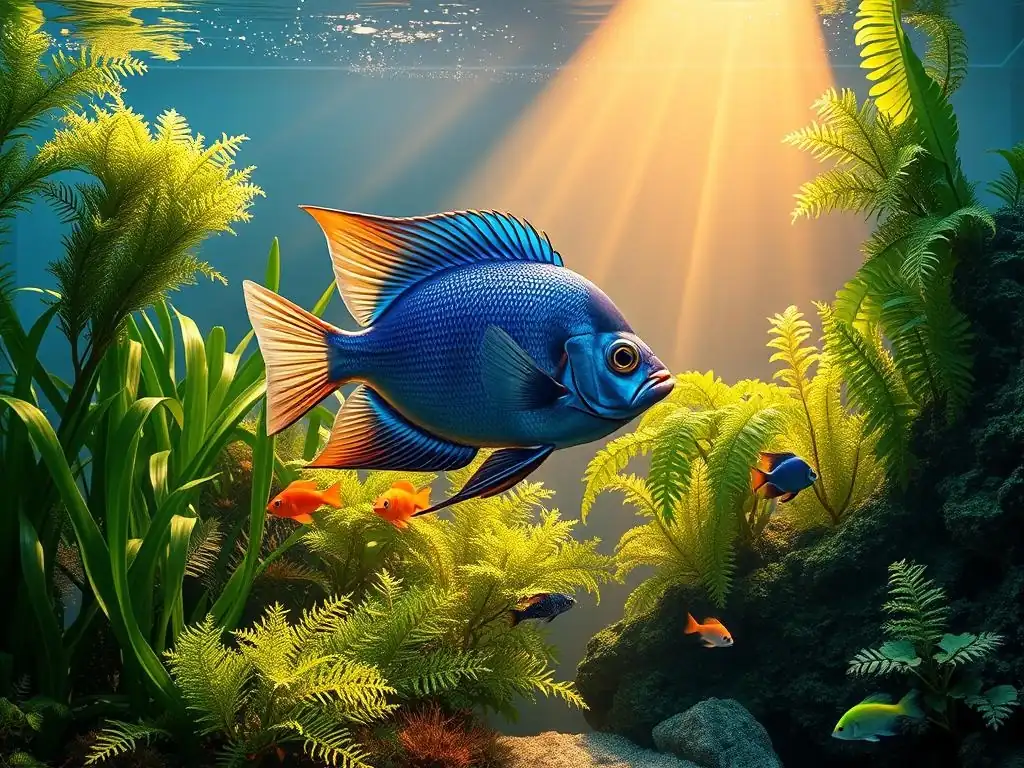
Welcome to Aquarium Mastery, your ultimate resource for thriving aquatic ecosystems! Ever wondered if your majestic Angelfish are truly getting all the nutrients they need to flourish in their saltwater haven? Dive in to our comprehensive "Angelfish Vitamin Supplementation Guide" and unlock the secrets to ensuring their vibrant health and longevity. Discover the vital role of vitamins and how to provide them effectively, sparking a deeper understanding of your Angelfish's well-being and keeping your aquarium a vibrant spectacle!
- Understanding Angelfish Nutritional Needs in Reef Aquariums
- Angelfish Vitamin Supplementation: A Comprehensive Guide
- Dosage and Administration of Vitamins for Reef Angelfish
- Preventing Over-Supplementation: Risks and Precautions
- Natural Vitamin Sources for Angelfish in Reef Tanks
- Troubleshooting Common Angelfish Vitamin Supplementation Issues
- Maintaining Optimal Angelfish Health Through Proper Vitamin Supplementation
-
Frequently Asked Questions
- What are the benefits of providing vitamin supplements to my Angelfish?
- How can I tell if my Angelfish are vitamin deficient?
- What types of vitamin supplements are best for Angelfish?
- How often should I supplement my Angelfish's diet with vitamins?
- How should I administer the vitamin supplements to my Angelfish?
- Final Reflection: Nurturing the Angels Within
- Fuel Your Angels: Ignite Their Health!
Understanding Angelfish Nutritional Needs in Reef Aquariums
The Importance of Vitamins for Angelfish Health, Coloration, and Immunity
Vitamins play a pivotal role in the overall well-being of marine Angelfish, especially in the enclosed environment of a reef aquarium. These essential organic compounds are crucial co-factors in numerous metabolic processes, including energy production, tissue repair, and enzyme synthesis. Without adequate Angelfish vitamin supplementation, these vital functions can be compromised, leading to a decline in health. For instance, Vitamin C (ascorbic acid) is indispensable for collagen formation, which supports healthy skin, fins, and skeletal structure, while also acting as a powerful antioxidant that boosts the immune system against common marine pathogens.
Beyond fundamental health, a robust Angelfish vitamin supplementation guide emphasizes the impact of nutrition on vibrant coloration and disease resistance. Many Angelfish species, such as the Emperor Angelfish (Pomacanthus imperator) or the Flame Angelfish (Centropyge loriculus), exhibit brilliant hues that are directly influenced by their diet and vitamin intake.
For example, carotenoids, often associated with Vitamin A, are responsible for the reds, yellows, and oranges seen in many marine fish. A deficiency can lead to faded colors, lethargy, and an increased susceptibility to stress-related illnesses like marine ich (Cryptocaryon irritans), making a comprehensive Angelfish vitamin supplementation guide essential for long-term success.
Identifying Vitamin Deficiency Symptoms in Your Angelfish
Recognizing the signs of vitamin deficiency early is crucial for effective Angelfish vitamin supplementation. One common indicator is a noticeable loss of vibrancy in coloration, where the fish's natural brilliant hues appear dull or faded. This often precedes more severe symptoms and can be particularly evident in species known for their striking pigments. Beyond aesthetics, behavioral changes like reduced activity, lethargy, or hiding more frequently than usual can also point towards a nutritional imbalance, as the fish lacks the energy reserves to maintain its typical swimming and foraging behaviors.
Advanced stages of vitamin deficiency can manifest as more severe physical symptoms, demanding immediate attention to the Angelfish vitamin supplementation guide. These can include fin erosion or ragged fins, cloudy eyes, skeletal deformities (especially in younger fish), or a general "washed-out" appearance. In extreme cases, a compromised immune system due to prolonged vitamin deficiency can lead to secondary bacterial or parasitic infections that the fish would normally be able to resist. Observing these symptoms requires a thorough review of the Angelfish's diet and a prompt adjustment to its Angelfish vitamin supplementation regimen.
Essential Vitamins for Reef Angelfish: A Detailed Overview
For reef Angelfish, a balanced intake of specific vitamins is paramount. Vitamin A (retinol), often supplied as beta-carotene, is critical for vision, growth, and the integrity of epithelial tissues, which form protective barriers against pathogens. A deficiency can lead to "pop-eye" or cloudy eyes. Similarly, the B-complex vitamins (B1, B2, B3, B5, B6, B7, B9, B12) are vital for metabolic processes, nerve function, and red blood cell formation. For instance, Vitamin B1 (thiamine) deficiency can cause neurological issues, while B12 is crucial for blood production, directly impacting the fish's energy levels and overall vitality.
Vitamin C (L-ascorbyl-2-polyphosphate, a stable form) is arguably one of the most critical vitamins for marine Angelfish, as fish cannot synthesize it naturally. It's a powerful antioxidant, crucial for immune function, wound healing, and collagen synthesis, preventing conditions like "scurvy" in fish, characterized by skeletal deformities or fin rot.
Vitamin D3 (cholecalciferol) is essential for calcium and phosphorus absorption, supporting strong bones and proper skeletal development, especially important for growing Angelfish. Lastly, Vitamin E (tocopherol) acts as another potent antioxidant, protecting cell membranes from oxidative damage and playing a role in reproductive health, making its inclusion in an Angelfish vitamin supplementation guide non-negotiable.
Angelfish Vitamin Supplementation: A Comprehensive Guide
Choosing the Right Vitamin Supplement for Your Angelfish
Selecting an appropriate vitamin supplement for your Angelfish requires careful consideration of its formulation, intended use, and the specific needs of marine fish in a reef environment. Look for products specifically designed for marine aquariums, as freshwater supplements often lack the correct mineral balance or stable forms of vitamins required by saltwater species. A high-quality Angelfish vitamin supplementation guide will recommend supplements that offer a broad spectrum of essential vitamins, including stable forms of Vitamin C (e.g., L-ascorbyl-2-polyphosphate) and readily absorbable forms of B vitamins.
Consider the primary method of delivery when choosing a supplement. Some products are designed to be soaked into dry or frozen foods, while others are liquid additives for the aquarium water. For targeted Angelfish vitamin supplementation, enriching food is generally more effective as it ensures direct ingestion. Evaluate the concentration of active ingredients and the reputation of the manufacturer. Products from established brands often undergo rigorous testing and provide clear dosage instructions, which is crucial for preventing both under and over-supplementation.
Liquid Vitamin Supplements vs. Food-Based Vitamin Enrichment for Angelfish
The debate between liquid vitamin supplements added directly to the water and food-based vitamin enrichment is significant for effective Angelfish vitamin supplementation. Liquid supplements dosed into the water column offer convenience and can benefit all tank inhabitants, including corals and invertebrates, by enriching the overall water with dissolved nutrients.
However, the exact amount of vitamins absorbed by the Angelfish through the gills or by drinking the water can be highly variable and influenced by water parameters, skimmer activity, and the presence of other organisms that might consume the vitamins. For instance, a typical dose might be 1-2 drops per 10 gallons of tank water, applied 2-3 times per week.
Conversely, fortifying Angelfish food with liquid vitamins or using vitamin-enriched prepared foods ensures direct ingestion and more precise control over the dosage. This method is generally considered more effective for addressing specific nutritional deficiencies in individual fish. When soaking frozen mysis shrimp or spirulina flakes, the vitamins are directly consumed, maximizing bioavailability. While it requires a bit more effort, such as soaking food for 10-15 minutes before feeding, it guarantees that the Angelfish is directly receiving the intended Angelfish vitamin supplementation. Many aquarists find a combination of both methods provides the most comprehensive nutritional support.
Evaluating the Ingredient List: What to Look for in Angelfish Vitamins
When examining the ingredient list of an Angelfish vitamin supplement, several key components indicate a high-quality product suitable for marine fish. Foremost, ensure the presence of a stable form of Vitamin C, such as L-ascorbyl-2-polyphosphate, as standard ascorbic acid degrades rapidly in water. Look for a comprehensive blend of B-complex vitamins (Thiamine B1, Riboflavin B2, Niacin B3, Pantothenic Acid B5, Pyridoxine B6, Biotin B7, Folic Acid B9, Cobalamin B12), as these are crucial for metabolic functions and stress reduction. A good Angelfish vitamin supplementation guide will emphasize the importance of these water-soluble vitamins.
Furthermore, inspect for fat-soluble vitamins like Vitamin A (often listed as retinol or beta-carotene), Vitamin D3 (cholecalciferol), and Vitamin E (tocopherol). These are stored in the fish's body and are vital for long-term health, vision, bone development, and antioxidant protection. Some premium Angelfish vitamin supplementation products may also include amino acids, trace elements, or beneficial fatty acids (like Omega-3s) to provide a more holistic nutritional profile. Avoid supplements with excessive fillers, artificial colors, or ingredients not clearly identified, as these can be detrimental to water quality or fish health.
Dosage and Administration of Vitamins for Reef Angelfish
Recommended Vitamin Dosage for Different Angelfish Sizes and Reef Environments
Determining the correct Angelfish vitamin supplementation dosage depends on several factors, including the fish's size, its life stage (juvenile vs. adult), and the specific conditions of the reef environment. For a typical adult medium-sized Angelfish (e.g., a 4-inch Coral Beauty Angelfish), a common recommendation for liquid food soaks is 1-2 drops of a concentrated marine vitamin supplement per tablespoon of frozen or dry food, applied 2-3 times per week.
Smaller Angelfish, like dwarf species, might require slightly less, while larger species, such as a 6-inch Emperor Angelfish, may benefit from the higher end of this range or slightly more frequent supplementation.
In a heavily stocked reef tank with a high bioload or a system where fish exhibit signs of stress or recovery from illness, a slightly increased frequency of Angelfish vitamin supplementation might be beneficial, perhaps every other day for a short period (e.g., 1-2 weeks). However, it's crucial to always refer to the specific product's instructions, as concentrations vary significantly between brands. For instance, some highly concentrated solutions might recommend only one drop per feeding. The goal is consistent, moderate supplementation rather than infrequent, high-dose applications, which can lead to rapid degradation or potential overdose.
Best Practices for Administering Liquid Vitamin Supplements to Angelfish
Administering liquid Angelfish vitamin supplementation effectively requires careful technique to ensure the vitamins are absorbed by the target fish and not simply lost to the water column. The most effective method involves soaking the fish's food. For frozen foods like mysis shrimp or brine shrimp, thaw a small portion in a separate container with a tiny amount of tank water.
Add the recommended drops of the liquid vitamin supplement to this mixture, ensuring the food is fully saturated. Allow the food to soak for at least 10-15 minutes, or even up to 30 minutes, to allow for maximum absorption into the food particles.
When fortifying dry foods such as pellets or flakes, place the desired amount of food in a small cup or dish. Add the appropriate number of vitamin drops, then gently stir or shake the container to ensure even coating. Let the food sit for 5-10 minutes until the vitamins are fully absorbed and the food softens slightly.
Avoid over-soaking dry foods, as they can disintegrate too quickly in the tank. Always feed immediately after soaking to prevent vitamin degradation, as many vitamins, especially Vitamin C, are highly unstable once exposed to air and light. This meticulous approach ensures the Angelfish vitamin supplementation reaches its intended recipient.
Fortifying Angelfish Food with Vitamins: A Step-by-Step Guide
Fortifying your Angelfish's food with vitamins is a straightforward process that ensures direct and effective Angelfish vitamin supplementation. Here's a step-by-step guide:
- Select the Food: Choose a high-quality frozen or dry food that your Angelfish readily accepts. Popular choices include mysis shrimp, spirulina flakes, or marine pellets.
- Prepare a Small Batch: Only fortify the amount of food you plan to feed in one sitting. For frozen foods, thaw a small cube in a clean, non-metallic dish with a minimal amount of aquarium water. For dry foods, place the desired portion in a small cup.
- Add the Vitamin Supplement: Refer to your chosen Angelfish vitamin supplementation product's instructions for the correct dosage. Typically, this might be 1-2 drops per cube of frozen food or per teaspoon of dry food. Use a dropper for precision.
- Soak the Food:
- Frozen Foods: Gently stir the thawed food and vitamin mixture. Allow it to soak for 15-30 minutes. This gives the vitamins ample time to penetrate the food particles.
- Dry Foods: Stir or gently shake the cup to evenly coat the pellets or flakes. Let them sit for 5-10 minutes until the vitamins are absorbed and the food softens slightly.
- Feed Immediately: Once the soaking time is complete, feed the vitamin-enriched food to your Angelfish. Do not save any leftover soaked food, as vitamins degrade quickly, and leftover food can spoil. This method maximizes the efficacy of your Angelfish vitamin supplementation efforts.
Preventing Over-Supplementation: Risks and Precautions
Understanding the Potential Dangers of Excess Vitamins for Marine Fish
While Angelfish vitamin supplementation is crucial, over-supplementation can pose significant risks to marine fish. Unlike water-soluble vitamins (like B and C, which are usually excreted if in excess), fat-soluble vitamins (A, D, E, K) can accumulate in the fish's tissues and become toxic at high levels. For instance, an excess of Vitamin A can lead to liver damage, fin erosion, and even neurological issues. Similarly, too much Vitamin D3 can result in hypercalcemia, where excessive calcium is deposited in soft tissues, impairing organ function.
The subtle nature of these symptoms often makes them difficult to distinguish from deficiency signs initially, complicating diagnosis. Chronic over-supplementation can also lead to long-term stress on the fish's metabolic system, potentially shortening its lifespan. Furthermore, adding excessive liquid vitamin supplements directly to the water can contribute to nutrient overload, potentially fueling undesirable algae growth or impacting water quality parameters, underscoring the importance of adhering to a precise Angelfish vitamin supplementation guide.
Monitoring Your Angelfish for Signs of Vitamin Overdose
Vigilant observation of your Angelfish is paramount to detect any signs of vitamin overdose, which can sometimes mimic deficiency symptoms or present as general malaise. Watch for changes in behavior such as extreme lethargy, loss of appetite, or unusual swimming patterns. Physically, signs might include excessive slime coat production, labored breathing, or a general "unhealthy" appearance that defies other explanations. For instance, an Angelfish experiencing Vitamin A toxicity might show signs of fin erosion or even exophthalmia (pop-eye), which can also be a symptom of bacterial infection or deficiency.
If you suspect an overdose due to recent, heavy Angelfish vitamin supplementation, the first step is to immediately cease all vitamin additions and perform a significant water change (e.g., 25-30%) to dilute any water-soluble vitamins. Carefully review your dosing regimen against the product's recommendations. In cases of severe symptoms, consulting with a marine fish veterinarian or an experienced aquarist is advisable. Maintaining accurate records of your Angelfish vitamin supplementation schedule and dosages can be invaluable in troubleshooting such issues.
Maintaining a Balanced Diet: Vitamins as a Supplement, Not a Substitute
It is crucial to understand that Angelfish vitamin supplementation is intended to complement, not replace, a diverse and balanced diet. No amount of vitamin supplementation can compensate for a poor primary diet lacking essential proteins, fats, and carbohydrates. A well-rounded diet for Angelfish should include a variety of high-quality marine-specific pellets, flakes, and frozen foods such as mysis shrimp, brine shrimp, spirulina, and various marine algae. For instance, many Angelfish, particularly dwarf species, are omnivores that graze on algae and small invertebrates, requiring both plant and animal matter.
The role of Angelfish vitamin supplementation is to bridge any nutritional gaps that might exist even with a varied diet, particularly for specific vitamins that degrade quickly in prepared foods or are less bioavailable. For example, the processing of dry foods can reduce their natural vitamin content over time. Therefore, think of vitamins as an insurance policy. A comprehensive Angelfish vitamin supplementation guide always advocates for a foundation of excellent primary nutrition, with supplements used judiciously to ensure optimal health and vibrant coloration, rather than relying solely on them.
Natural Vitamin Sources for Angelfish in Reef Tanks
Incorporating Vitamin-Rich Foods into Your Angelfish Diet
Beyond commercial Angelfish vitamin supplementation products, incorporating a variety of naturally vitamin-rich foods into your Angelfish's diet is a cornerstone of good husbandry. Many high-quality frozen foods are excellent sources of essential vitamins. For instance, frozen mysis shrimp are naturally rich in astaxanthin, a carotenoid pigment that enhances red and orange coloration, and also provide various B vitamins. Brine shrimp, while less nutritionally dense, can be gut-loaded with spirulina or other vitamin-rich algae before feeding to boost their nutritional profile.
Marine-specific prepared foods, such as spirulina flakes or pellets, are also vital, especially for omnivorous or herbivorous Angelfish species. Spirulina is packed with Vitamin A (beta-carotene), B vitamins, and Vitamin E. Nori (dried seaweed sheets) cut into small pieces is another excellent natural source of vitamins and fiber, particularly for species like the Emperor Angelfish or Tangs that actively graze. Regularly rotating these vitamin-rich foods ensures a broad spectrum of nutrients and reduces the reliance solely on liquid Angelfish vitamin supplementation.
Live Foods and Frozen Foods as Natural Vitamin Sources
Live foods, when sourced responsibly, can offer an unparalleled level of natural Angelfish vitamin supplementation due to their freshness and bioavailability. Live brine shrimp, copepods, and amphipods, if cultured or purchased from reputable suppliers, provide a dynamic range of vitamins, including various B vitamins and Vitamin C, which begin to degrade rapidly once foods are processed or frozen. For instance, a diet regularly supplemented with live copepods not only provides essential fatty acids but also a natural complex of vitamins and enzymes that are highly digestible.
Similarly, frozen foods, while undergoing some nutrient loss during processing, still retain a substantial amount of vitamins compared to highly processed dry foods. High-quality frozen preparations of marine algae, spirulina, and various seafood mixes (e.g., clams, mussels, squid) offer a broad spectrum of natural vitamins. For example, frozen krill is an excellent source of Vitamin A and various carotenoids that enhance color. When selecting frozen foods, look for products that are flash-frozen and contain minimal binders or fillers to maximize the natural Angelfish vitamin supplementation benefits.
Exploring Macroalgae and Other Natural Supplements for Reef Angelfish
For many reef Angelfish, particularly those with herbivorous or omnivorous tendencies, macroalgae serve as an invaluable source of natural vitamins and fiber, closely mimicking their wild diet. Species like Chaetomorpha or Caulerpa can be grown in a refugium and periodically offered to the Angelfish. Nori sheets, as mentioned, are readily accepted by many species and provide a wealth of vitamins, including Vitamin A, C, and several B vitamins, along with essential trace elements. Clipping a small piece of nori to an algae clip within the tank allows the Angelfish to graze naturally throughout the day.
Beyond macroalgae, other natural additions can contribute to Angelfish vitamin supplementation. Certain types of fresh, blanched vegetables like spinach or zucchini, offered sparingly, can provide Vitamin K and additional B vitamins. However, these should be used with caution to avoid nutrient leaching into the water. Some aquarists also incorporate small amounts of high-quality marine plankton or phytoplankton, which are rich in fatty acids and some vitamins, though their direct uptake by Angelfish is limited compared to filter feeders. The key is variety and providing natural foraging opportunities that supplement their core diet.
Troubleshooting Common Angelfish Vitamin Supplementation Issues
Angelfish Refusing to Eat Vitamin-Enriched Food: Solutions and Tips
One common challenge in Angelfish vitamin supplementation is when a fish refuses to eat vitamin-enriched food. This can often be due to a change in texture or smell. Start by introducing the fortified food very gradually. For example, begin by soaking only a small portion of their favorite food with a minimal amount of supplement. Over several days, slowly increase the amount of fortified food until they accept the full portion. Some Angelfish are very sensitive to changes, and patience is key.
Another tip is to try different types of food that the Angelfish already readily accepts. If they love frozen mysis shrimp, start by fortifying only mysis. If they prefer flakes, try soaking flakes. Sometimes, a different brand of vitamin supplement might have a less noticeable smell or taste. You can also try feeding the fortified food during their most active feeding time when their appetite is highest. If the Angelfish is still reluctant, try soaking the food for a shorter period initially (e.g., 5 minutes) and gradually increase the soaking time, ensuring the Angelfish vitamin supplementation is accepted.
Cloudy Water After Vitamin Supplementation: Causes and Prevention
Cloudy water after Angelfish vitamin supplementation is a concern for many aquarists and usually indicates an issue with the supplement itself or its administration. The primary cause is often an overdose of the liquid supplement directly into the water column, or using a product with excessive binders or fillers that do not fully dissolve. When too much is added, it can lead to a bacterial bloom as the excess organic material becomes a food source for heterotrophic bacteria, resulting in a milky haze.
To prevent this, always adhere strictly to the manufacturer's recommended dosage for your tank volume. If you are adding vitamins directly to the water, consider doing so in a high-flow area or just before the lights come on to allow for better dispersion. For food-soaking methods, ensure the food fully absorbs the vitamins before feeding and avoid letting excess vitamin solution drip into the tank. If cloudiness occurs, reduce or temporarily halt Angelfish vitamin supplementation, perform a small water change, and ensure your protein skimmer is running efficiently to remove excess organics.
Understanding Vitamin Needs for Specific Angelfish: Flame, Coral Beauty, and Emperor
While general Angelfish vitamin supplementation guidelines apply broadly, specific Angelfish species may have nuanced nutritional requirements. For instance, the Flame Angelfish (Centropyge loriculus) and Coral Beauty Angelfish (Centropyge bispinosa), being dwarf species, are primarily omnivores with a significant herbivorous component in their diet. They benefit greatly from a diet rich in spirulina, nori, and other marine algae, which provide essential carotenoids for their vibrant reds and oranges, along with a broad spectrum of vitamins. Their smaller size means they require smaller, more frequent feedings of vitamin-enriched foods.
Larger species like the Emperor Angelfish (Pomacanthus imperator) have a more varied diet in the wild, consuming sponges, tunicates, and algae. For these magnificent fish, a diverse Angelfish vitamin supplementation approach is crucial, incorporating high-quality frozen marine preparations that include sponge material (if available commercially), along with a consistent supply of marine algae.
Their larger size and higher metabolic rate mean they can process more vitamin-enriched food, and ensuring adequate Vitamin C and B vitamins is critical for their robust immune system and impressive growth. Tailoring the Angelfish vitamin supplementation guide to the specific species can significantly enhance their health and longevity.
Maintaining Optimal Angelfish Health Through Proper Vitamin Supplementation
Regular Vitamin Supplementation Schedule for Long-Term Angelfish Health
Establishing and adhering to a regular Angelfish vitamin supplementation schedule is paramount for the long-term health and vitality of your marine Angelfish. Consistency is far more effective than sporadic, large doses. For most established reef tanks with healthy Angelfish, supplementing vitamin-enriched foods 2-3 times per week is generally sufficient. This frequency ensures a steady supply of essential vitamins, preventing deficiencies without risking over-supplementation. For example, you might choose to fortify the evening feeding on Monday, Wednesday, and Friday.
However, the schedule may need adjustment based on specific circumstances. For new Angelfish, or those recovering from stress, illness, or transport, a slightly more frequent schedule (e.g., every other day for 1-2 weeks) can help boost their immune system and recovery. Conversely, in a very sparsely stocked tank with low bioload, less frequent supplementation might be adequate. The key is to observe your Angelfish's condition and adjust the Angelfish vitamin supplementation guide as needed, always prioritizing stability and moderation.
Water Quality's Impact on Vitamin Absorption in Angelfish
The overall water quality in your reef aquarium significantly influences the effectiveness of Angelfish vitamin supplementation. Optimal water parameters are crucial because poor water quality can stress fish, compromising their immune system and reducing their ability to absorb and utilize nutrients, including vitamins. High levels of nitrates or phosphates, unstable pH, or fluctuating salinity can create a suboptimal environment that makes Angelfish more susceptible to illness, even with regular vitamin input.
Maintaining pristine water quality through regular water changes, efficient protein skimming, and robust biological filtration creates a healthy internal environment for the Angelfish, allowing their metabolic processes to function optimally. This directly enhances their ability to absorb and utilize vitamins from their diet and supplements. For instance, if water quality is poor, the Angelfish's energy reserves might be diverted to combating stress, reducing the bioavailability of the vitamins. Therefore, proper Angelfish vitamin supplementation must always be paired with excellent water quality management for maximal benefit.
Partnering Vitamin Supplementation with Proper Aquarium Maintenance
Effective Angelfish vitamin supplementation is not a standalone practice but an integral part of a comprehensive aquarium maintenance regimen. It works in synergy with other essential husbandry tasks to ensure the overall well-being of your Angelfish. Regular water changes, typically 10-20% bi-weekly or monthly depending on tank size and bioload, are crucial for removing accumulated waste, replenishing trace elements, and maintaining stable water chemistry, all of which indirectly support vitamin absorption and fish health.
Beyond water changes, proper filtration (mechanical, biological, and chemical), appropriate lighting, and stable temperature control are equally vital. A well-maintained protein skimmer effectively removes organic pollutants, preventing their breakdown into harmful compounds that can stress fish and hinder nutrient uptake. Monitoring tank inhabitants for signs of stress or disease allows for timely intervention, and a healthy, stress-free Angelfish is far more capable of utilizing the benefits of Angelfish vitamin supplementation. This holistic approach ensures your Angelfish thrives, exhibiting vibrant colors and robust health for years to come.
Frequently Asked Questions
What are the benefits of providing vitamin supplements to my Angelfish?
Vitamin supplements can improve Angelfish health, enhance their coloration, and boost their immune system, making them more resistant to disease. A balanced diet alone may not always provide all necessary nutrients.
How can I tell if my Angelfish are vitamin deficient?
Signs of vitamin deficiency can include faded coloration, lethargy, poor appetite, and increased susceptibility to illness such as fin rot or head and lateral line erosion (HLLE).
What types of vitamin supplements are best for Angelfish?
Look for aquarium-specific vitamin supplements that contain a broad range of vitamins, especially Vitamin C and B vitamins. Some supplements are designed for freshwater fish which is important for Angelfish.
How often should I supplement my Angelfish's diet with vitamins?
Generally, supplementing 2-3 times per week is sufficient. However, you may need to adjust based on your Angelfish's health and diet. Always follow the manufacturer's instructions on dosage.
How should I administer the vitamin supplements to my Angelfish?
You can either add the supplement directly to the tank water (if the product is designed for this) or soak their food in the supplement for a few minutes before feeding. Soaking the food is often the most effective method.
Final Reflection: Nurturing the Angels Within
The journey through understanding angelfish nutrition, as highlighted in this guide, underscores the crucial role of proactive care in ensuring the health and vitality of these aquatic jewels. Just as we prioritize our own well-being through balanced diets, recognizing and addressing the specific vitamin needs of our angelfish is paramount to their thriving in our care. This isn't merely about keeping them alive; it's about enabling them to flourish, displaying their vibrant colors and graceful movements to their fullest potential.
The impact of proper angelfish nutrition extends beyond the individual fish; it influences the entire aquarium ecosystem and reflects our commitment as responsible aquarists. Witnessing the positive transformation in an angelfish after addressing a vitamin deficiency is a deeply rewarding experience, a testament to the power of informed and compassionate care. The greatness of a nation and its moral progress can be judged by the way its animals are treated.
- Mahatma Gandhi. While Gandhi spoke of animals in general, the sentiment resonates deeply within the context of aquarium keeping; our treatment of these delicate creatures speaks volumes about our own values and understanding of interconnectedness.
Now, armed with the knowledge of this angelfish vitamin supplementation guide, I invite you to reflect on your own aquarist practices. Are you truly providing your angelfish with everything they need to thrive? Take the time to assess their diet, observe their behavior, and consider the potential benefits of targeted vitamin supplementation. By embracing a proactive approach to their nutritional needs, you're not just caring for fish; you're cultivating a vibrant and healthy aquatic world, a testament to your dedication and a source of endless wonder.
Fuel Your Angels: Ignite Their Health!
Thanks for diving deep into the nutritional needs of your angelfish! We hope you found valuable insights to ensure their vibrant health. Now, let's put that knowledge into action and watch your angels thrive.
Here's how you can make a difference today:
- Immediately review your angelfish's current diet and identify any potential vitamin deficiencies. Compare their diet against recommended vitamin levels for optimal health.
- Explore supplementing their food with high-quality vitamin additives, specifically formulated for freshwater fish. Consider soaking their food in a vitamin solution before feeding for enhanced absorption.
- Share this guide with fellow angelfish enthusiasts and discuss your angelfish's diet and any improvements you plan to make.
What's one small change you can make to your angelfish's diet this week to boost their vitamin intake?