
How Often Should You Feed Your Saltwater Angelfish for Optimal Health?

Welcome to Aquarium Mastery!
Ever wondered if you're really giving your majestic saltwater angelfish the right amount of food? Dive in and uncover the secrets to a perfect saltwater angelfish feeding schedule. We'll help you ensure optimal health and vibrant colors for these stunning creatures. Ready to unlock the feeding mysteries? Let's get started!
- Understanding the Nutritional Needs of Saltwater Angelfish
- Establishing the Ideal Saltwater Angelfish Feeding Schedule
- What to Feed Your Saltwater Angelfish: Food Choices and Preparation
- Recognizing Overfeeding and Underfeeding in Saltwater Angelfish
- Maintaining Water Quality and Its Impact on Angelfish Feeding
- Tips for Successful Saltwater Angelfish Feeding
- Troubleshooting Common Saltwater Angelfish Feeding Problems
- Long-Term Benefits of a Proper Saltwater Angelfish Feeding Schedule
-
Frequently Asked Questions
- How often should I feed my saltwater angelfish to ensure optimal health?
- What types of food are best for saltwater angelfish?
- How much food should I give my saltwater angelfish at each feeding?
- What are the signs of overfeeding or underfeeding in saltwater angelfish?
- Are there any specific considerations for feeding different species of saltwater angelfish?
- Final Reflection: Nurturing the Reef's Jewels
- Nurture Your Angel: Take the Next Step!
Understanding the Nutritional Needs of Saltwater Angelfish
The Importance of a Proper Saltwater Angelfish Diet
A proper diet is the cornerstone of health and longevity for saltwater angelfish in a captive environment. These magnificent marine fish, originating from diverse coral reef ecosystems, have evolved to consume a varied array of foods, from sponges and tunicates to algae and small invertebrates.
Replicating this natural dietary diversity within an aquarium is crucial, as a deficient diet can lead to severe health complications. For instance, without adequate nutrition, angelfish are highly susceptible to Head and Lateral Line Erosion (HLLE), a condition where pits and lesions form on the head and body, often linked to nutritional deficiencies and poor water quality.
Beyond preventing specific diseases, a balanced diet directly impacts an angelfish's immune system, metabolic functions, and vibrant coloration. Fish that receive a consistent, appropriate saltwater angelfish feeding schedule are more resilient to stress and environmental fluctuations. Conversely, a diet lacking essential nutrients can result in stunted growth, faded colors, and a weakened immune response, making the fish more vulnerable to parasitic infections and bacterial diseases. Therefore, understanding and meeting their specific dietary needs is not merely about sustenance but about ensuring their complete physiological well-being.
Different Types of Saltwater Angelfish and Their Dietary Requirements
Saltwater angelfish encompass a wide range of species, broadly categorized into large angelfish (e.g., Emperor Angelfish, Queen Angelfish) and dwarf angelfish (e.g., Flame Angelfish, Coral Beauty Angelfish). While both groups are omnivorous, their primary dietary preferences can vary significantly, influencing their optimal saltwater angelfish feeding schedule. Large angelfish, particularly those from the genera Pomacanthus and Holacanthus, often have a significant portion of sponges and tunicates in their natural diet.
This makes them more challenging to feed in captivity, requiring specialized angelfish formulas that contain sponge material or similar substitutes. Without these, they may suffer from nutritional deficiencies, impacting their health and coloration.
Dwarf angelfish, typically from the genus Centropyge, are generally more adaptable and primarily graze on algae, detritus, and small benthic invertebrates. For these smaller species, a diet rich in spirulina, marine algae, and high-quality prepared foods with a good vegetable content is essential. While they will readily accept meaty foods like mysis shrimp, their long-term health depends on a consistent intake of plant-based matter. Understanding these species-specific nuances is vital for developing an effective feeding strategy that caters to the distinct nutritional demands of your particular angelfish.
The Role of Protein, Algae, and Other Nutrients in Angelfish Health
The complex nutritional requirements of saltwater angelfish necessitate a diet rich in various macronutrients and micronutrients. Protein is paramount for growth, tissue repair, and overall metabolic function. High-quality marine fish foods designed for angelfish typically contain between 40-55% crude protein, derived from sources like fish meal, krill, and spirulina. These proteins provide the essential amino acids necessary for robust development. However, an exclusive protein diet can lead to issues such as fatty liver disease if not balanced with other components.
Algae and other vegetable matter are equally crucial, given the omnivorous nature of most angelfish. They provide essential fiber for digestion, preventing common issues like bloat and constipation. Spirulina, chlorella, and various marine algae are excellent sources of plant-based nutrients, carotenoids for color enhancement, and indigestible fiber.
Beyond these primary components, essential vitamins, such as Vitamin C for immune system support and Vitamin A for eye health, along with minerals like calcium for bone structure and iodine for thyroid function, must be present. Omega-3 and Omega-6 fatty acids are also vital for energy, cell membrane integrity, and overall vitality, making a diverse saltwater angelfish feeding schedule incorporating multiple food types indispensable.
Establishing the Ideal Saltwater Angelfish Feeding Schedule
Determining the Right Feeding Frequency for Your Angelfish
Establishing the correct feeding frequency is paramount for maintaining the health of your saltwater angelfish and the stability of your aquarium ecosystem. Generally, adult angelfish benefit most from being fed two to three times per day. This approach mimics their natural grazing behavior on the reef, where they consume small amounts of food throughout the day rather than large, infrequent meals.
Each feeding session should consist of an amount of food that your angelfish can consume entirely within one to two minutes. Overfeeding, even if infrequent, can quickly degrade water quality due to uneaten food decaying and releasing ammonia, nitrites, and nitrates.
Small, frequent feedings not only optimize nutrient absorption but also reduce the overall biological load on your filtration system. For instance, feeding a quarter teaspoon of food twice daily is generally more beneficial than feeding half a teaspoon once a day. This strategy helps prevent rapid spikes in nutrient levels, which can fuel nuisance algae growth and stress your fish. Observing your angelfish's behavior and appetite during these feeding times will provide valuable clues for fine-tuning their specific saltwater angelfish feeding schedule.
Factors Influencing Angelfish Feeding Needs: Age, Size, and Activity Level
Several key factors significantly influence the precise saltwater angelfish feeding schedule required for optimal health. Age is a primary determinant: juvenile angelfish, undergoing rapid growth, have higher metabolic rates and therefore require more frequent feedings, often three to four times daily. As they mature into adults, their growth rate slows, and their metabolic demands decrease, making two daily feedings generally sufficient. For example, a 2-inch juvenile Flame Angelfish might need three small meals per day, whereas a 6-inch adult Emperor Angelfish could thrive on two slightly larger meals.
Size also plays a role, with larger angelfish naturally requiring a greater volume of food per meal to meet their caloric needs. An active angelfish housed in a large tank with strong water flow, engaging in constant swimming and exploration, will expend more energy than a less active counterpart in a smaller, calmer environment. Therefore, its caloric intake might need to be slightly higher.
Conversely, a fish recovering from illness or stress might have a reduced appetite, necessitating a temporary adjustment to its feeding frequency or amount. Understanding these variables allows for a dynamic and responsive saltwater angelfish feeding schedule.
Sample Saltwater Angelfish Feeding Schedules: A Practical Guide
Developing a practical saltwater angelfish feeding schedule involves balancing consistency with variety. Here are a couple of sample schedules that can be adapted based on your specific angelfish species and tank setup:
Sample Schedule 1: Adult Angelfish (e.g., Emperor Angelfish, Flame Angelfish) in a Community Tank
- Morning (7:00 AM - 9:00 AM): A small pinch of high-quality marine pellet or flake food, consumed within 60-90 seconds. This provides a foundational nutrient base for the day.
- Evening (5:00 PM - 7:00 PM): A small portion of frozen food, such as mysis shrimp, spirulina-enriched brine shrimp, or a specialized angelfish formula (e.g., approximately 1/4 of a cube per average adult fish). This offers diverse nutrients and engages their natural foraging instincts.
Sample Schedule 2: Juvenile Angelfish or Growing Species
- Morning (7:00 AM - 8:00 AM): A small amount of finely crushed flake food or micro-pellets.
- Mid-day (12:00 PM - 1:00 PM): A small serving of frozen cyclops or chopped mysis shrimp.
- Evening (6:00 PM - 7:00 PM): Another small portion of flake or pellet food, possibly supplemented with a small piece of nori seaweed attached to an algae clip for grazing.
These are starting points; always observe your angelfish's body condition and water parameters to fine-tune the portions and timings. The goal is to provide adequate nutrition without leaving excess food to decay in the tank.
What to Feed Your Saltwater Angelfish: Food Choices and Preparation
Best Food Options for Saltwater Angelfish: Pellets, Flakes, and Frozen Foods
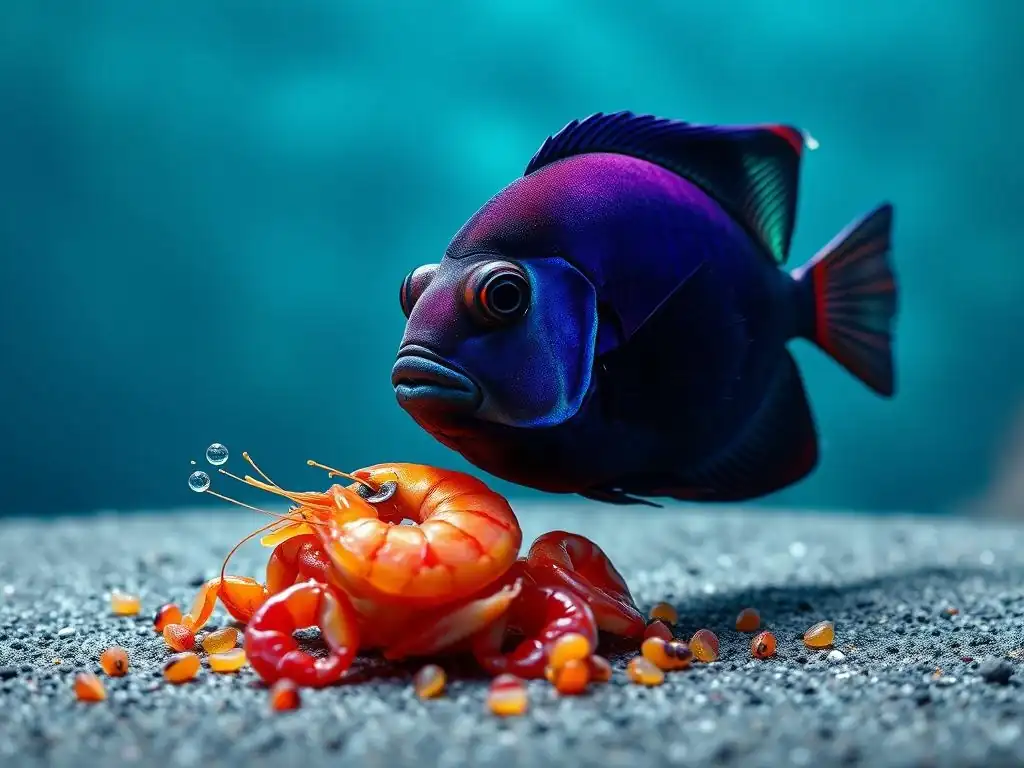
A diverse saltwater angelfish feeding schedule relies on a variety of food types to ensure a complete nutritional profile. High-quality pellets and flakes should form the staple of their diet. Look for brands specifically formulated for marine omnivores or angelfish, which typically contain a balanced blend of marine proteins (like fish meal, krill), spirulina, and other vegetable matter. These prepared foods are convenient, nutritionally dense, and easy to store. For example, a premium pellet might contain 45% crude protein, 10% crude fat, and 5% crude fiber, offering a solid base for their daily intake.
Frozen foods are indispensable for providing variety and mimicking natural prey. Popular choices include mysis shrimp, brine shrimp (preferably gut-loaded with spirulina or other nutrients), krill, and specialized frozen angelfish formulas that often incorporate sponge material. Mysis shrimp are particularly beneficial due to their high protein and fatty acid content, making them a preferred option for many aquarists. Offering a mix of these frozen foods throughout the week ensures a broad spectrum of vitamins, minerals, and amino acids that might be less concentrated in dry foods.
Supplementing Your Angelfish's Diet with Live Foods and Algae
While prepared foods are excellent staples, supplementing your angelfish's diet with live foods and fresh algae offers significant benefits. Live foods, such as copepods, enriched brine shrimp, or even small, cultured marine worms, can stimulate natural hunting behaviors and provide highly bioavailable nutrients. For instance, live copepods are an excellent source of essential fatty acids and are readily accepted by even the most finicky angelfish, making them invaluable for conditioning new or stressed fish. However, it's crucial to source live foods from reputable suppliers to minimize the risk of introducing parasites or diseases into your aquarium.
Algae are a critical component of a healthy saltwater angelfish feeding schedule, especially for species that graze extensively in the wild. Nori seaweed (unseasoned, roasted sushi nori), spirulina flakes, and algae wafers are readily available options. Attaching a small piece of nori to an algae clip in the tank allows angelfish to graze throughout the day, mimicking their natural feeding patterns and providing essential fiber and plant-based nutrients. This continuous grazing can also help prevent issues like Head and Lateral Line Erosion (HLLE) by ensuring a consistent intake of beneficial algae.
Preparing Food for Optimal Angelfish Consumption: Size and Texture
Proper food preparation is just as important as food selection for ensuring optimal angelfish consumption and digestion. For frozen foods, it is essential to thaw them completely before feeding. Simply place the desired portion in a small cup with a bit of tank water for 5-10 minutes. This prevents the fish from ingesting cold or partially frozen food, which can lead to digestive upset. Additionally, rinsing thawed frozen foods in a fine mesh net under RO/DI water can help remove excess phosphates and nitrates that might be present in the packing juices.
The size and texture of the food should also be appropriate for your angelfish's mouth size. Larger frozen foods like whole krill might need to be chopped into smaller, bite-sized pieces for dwarf angelfish or juveniles to prevent choking or difficulty in consumption. For dry foods like pellets, consider soaking them in a small amount of tank water for a minute or two before feeding.
This softens the food, making it easier to digest and preventing it from expanding inside the fish's gut, which can sometimes lead to bloat. However, avoid soaking dry foods for too long, as this can leach out valuable nutrients. Careful preparation enhances palatability and ensures your angelfish derives maximum benefit from their saltwater angelfish feeding schedule.
Recognizing Overfeeding and Underfeeding in Saltwater Angelfish
Signs of Overfeeding: Obesity, Poor Water Quality, and Disease
Overfeeding is a common pitfall in aquarium keeping and can have severe consequences for saltwater angelfish and the entire tank ecosystem. One of the most direct signs of overfeeding in angelfish is obesity, manifested as a noticeably bloated or rounded appearance, especially around the belly. In severe cases, fatty deposits might become visible, and the fish may exhibit reduced activity.
Beyond the fish itself, the most immediate indicator of overfeeding is deteriorating water quality. Excess food that goes uneaten decays, leading to rapid spikes in ammonia and nitrite, which are highly toxic, and a sustained elevation in nitrates and phosphates. This can result in cloudy water, an increase in nuisance algae growth (e.g., green hair algae, cyanobacteria), and a persistent film on the water surface.
Prolonged poor water quality from overfeeding significantly stresses angelfish, weakening their immune systems and making them highly susceptible to various diseases. These can include bacterial infections, fin rot, and internal parasites thriving in nutrient-rich environments. The compromised water parameters can also lead to oxygen depletion, further stressing the fish and potentially causing respiratory distress. Therefore, recognizing these signs quickly and adjusting the saltwater angelfish feeding schedule is critical to prevent a cascading series of health and tank stability issues.
Signs of Underfeeding: Emaciation, Lethargy, and Fin Erosion
Conversely, underfeeding saltwater angelfish can be equally detrimental to their health and vitality. The most obvious sign of underfeeding is emaciation, where the fish appears noticeably thin, with a sunken belly and a prominent, almost bony, appearance along its spine or behind its head. This indicates that the fish is not receiving enough calories or nutrients to maintain its body mass. Accompanying physical changes, underfed angelfish often exhibit lethargy, reduced activity levels, and a general lack of enthusiasm. They may hide more frequently, show little interest in food when offered, or display muted coloration compared to their healthy counterparts.
Chronic underfeeding also compromises the angelfish's immune system, making them more vulnerable to opportunistic infections. While not a direct result of underfeeding, fin erosion can be a secondary symptom, as weakened fish are more susceptible to bacterial infections that attack fin tissue. Additionally, an underfed angelfish may show signs of aggression towards tank mates, driven by competition for scarce resources, or become more susceptible to bullying. If these signs are observed, a prompt adjustment to the saltwater angelfish feeding schedule is necessary to ensure adequate nutrition and restore their health.
Adjusting Your Saltwater Angelfish Feeding Schedule Based on Observed Health
The key to a successful saltwater angelfish feeding schedule lies in continuous observation and willingness to adapt. If you notice signs of overfeeding, such as persistently high nitrates, cloudy water, or your angelfish appearing lethargic or bloated, the immediate action should be to reduce the quantity of food offered per feeding and potentially the frequency.
For example, if you were feeding twice a day, you might reduce the amount by 20-30% or even switch to once a day for a short period while increasing water changes to dilute accumulated nutrients. It is also crucial to remove any uneaten food promptly, ideally within 5 minutes of feeding.
Conversely, if your angelfish appears thin, displays faded colors, or shows a lack of energy, it may be underfed. In this scenario, you should gradually increase the feeding frequency or the amount of food offered per meal. For instance, if you were feeding once daily, try increasing to two small feedings.
Introducing more calorically dense foods like mysis shrimp or high-protein pellets can also help. Always monitor the fish's response and the tank's water parameters after any adjustment. Regular, diligent observation of your angelfish's body condition, activity levels, and appetite, alongside consistent water quality testing, empowers you to fine-tune their diet for optimal health and a thriving aquarium environment.
Maintaining Water Quality and Its Impact on Angelfish Feeding
The Connection Between Water Parameters and Angelfish Appetite
Water quality is inextricably linked to the appetite and overall health of saltwater angelfish. These fish are highly sensitive to fluctuations in their environment, and stable, ideal water parameters are crucial for their well-being. Optimal conditions typically include a temperature range of 74-78°F (23-26°C), a salinity of 1.023-1.026 specific gravity, a pH of 8.1-8.4, and stable alkalinity (8-12 dKH). When water parameters deviate significantly from these ideal ranges, angelfish experience stress, which directly impacts their metabolic functions and often leads to a diminished appetite or complete food refusal.
For instance, elevated levels of ammonia or nitrite, which are highly toxic, will immediately cause stress, labored breathing, and a complete loss of appetite. Even prolonged high nitrates, while less acutely toxic, can suppress appetite and lead to chronic stress. Conversely, a sudden drop in pH or alkalinity can also disrupt their internal chemistry, making them unwilling to eat. A healthy and consistent saltwater angelfish feeding schedule is only effective when supported by pristine water conditions, as even the best food will not be consumed or properly utilized by a stressed fish.
Regular Water Changes and Their Role in Healthy Angelfish Feeding
Regular water changes are one of the most effective tools for maintaining excellent water quality and, by extension, supporting a healthy appetite and effective saltwater angelfish feeding schedule. Water changes dilute and remove accumulated nitrates, phosphates, and dissolved organic compounds (DOCs) that are byproducts of fish waste and uneaten food. For a typical reef or fish-only tank, a 10-20% water change weekly or bi-weekly is generally recommended. For example, in a 100-gallon tank, replacing 10-20 gallons of water with freshly mixed saltwater every week helps keep nutrient levels in check.
By consistently removing these undesirable compounds, water changes prevent the buildup of toxins that can stress angelfish and suppress their appetite. Clean, fresh saltwater also replenishes essential trace elements and minerals that are consumed by the fish and corals or removed by protein skimming. The introduction of fresh, clean water often invigorates angelfish, stimulating their appetite and promoting more active feeding behavior. Without regular water changes, even a perfectly balanced feeding regimen can be undermined by deteriorating water quality, leading to a decline in angelfish health and reluctance to eat.
Monitoring Water Quality to Optimize Your Angelfish Feeding Schedule
Consistent monitoring of water quality parameters is indispensable for optimizing your saltwater angelfish feeding schedule and ensuring the long-term health of your fish. Regular testing for ammonia, nitrite, nitrate, pH, alkalinity, and salinity provides critical insights into the stability of your aquarium environment. For example, if you consistently observe rising nitrate levels despite adhering to your feeding schedule, it could indicate that you are overfeeding, your filtration is inadequate, or that your water change routine needs to be more frequent or larger.
Utilizing reliable test kits, such as those that provide accurate readings for nitrate levels (e.g., aiming for below 20 ppm for fish-only tanks and below 10 ppm for reef tanks), allows you to make informed adjustments. If ammonia or nitrite are detected, it's a clear sign of a significant problem, likely due to overfeeding or an immature biological filter, and feeding should be reduced or temporarily halted until parameters normalize.
By actively monitoring these parameters, aquarists can proactively address issues, prevent stress, and ensure that the food provided in their saltwater angelfish feeding schedule is consumed and digested effectively in a healthy environment.
Tips for Successful Saltwater Angelfish Feeding
Gradual Introduction of New Foods to Prevent Digestive Issues
Introducing new foods to your saltwater angelfish should always be a gradual process to prevent digestive upset and ensure acceptance. Angelfish, especially wild-caught specimens, can be notoriously picky eaters and may initially refuse unfamiliar food items. When introducing a new pellet, flake, or frozen food, start by mixing a small amount with a familiar, accepted food. For instance, if your angelfish readily eats mysis shrimp, try mixing a few new pellets into their portion of mysis. This allows them to associate the new food with something they recognize and enjoy.
Observe their behavior closely. If they consume the mixed food without issue, you can gradually increase the proportion of the new food over several days to a week. If you notice signs of digestive distress, such as white, stringy feces, or a sudden loss of appetite, revert to their staple diet and reintroduce the new food even more slowly, perhaps trying a different brand or type. Patience and persistence are key to expanding their palate and ensuring a varied saltwater angelfish feeding schedule without causing stress or health problems.
Varying the Diet to Provide a Broad Spectrum of Nutrients
One of the most critical aspects of a successful saltwater angelfish feeding schedule is dietary variety. Relying on a single type of food, even a high-quality one, can lead to nutritional deficiencies over time, as no single food can provide every essential nutrient in optimal proportions. A varied diet ensures that your angelfish receives a broad spectrum of proteins, fats, carbohydrates, vitamins, and minerals. For example, while mysis shrimp are excellent for protein, they lack the essential plant matter found in spirulina-enriched flakes or nori.
Aim to rotate between different types of prepared foods (e.g., a high-quality pellet one day, a different brand of flake the next) and regularly incorporate various frozen foods (e.g., mysis shrimp, brine shrimp, krill, angelfish formulas). Supplementing with fresh marine algae or nori several times a week further enhances their intake of crucial plant-based nutrients. This diverse approach not only prevents deficiencies but also keeps the angelfish engaged and interested in their meals, promoting a more natural and robust feeding response.
Observing Feeding Behavior to Ensure Adequate Intake
Diligent observation of your angelfish's feeding behavior is a simple yet powerful tip for ensuring adequate nutrient intake and optimizing your saltwater angelfish feeding schedule. During each feeding session, take a few moments to watch how eagerly your angelfish approaches the food, how much it consumes, and whether it exhibits any difficulty eating. A healthy, well-fed angelfish should be eager and active during feeding times, readily consuming the food offered. A lack of interest, slow response, or refusal to eat can be an early indicator of stress, illness, or an issue with the food itself.
In a community tank, it's particularly important to ensure that all angelfish, especially smaller or more timid individuals, are getting their fair share of food. Dominant tank mates might hog the food, leaving less assertive fish underfed. If you observe this, consider feeding in multiple locations simultaneously or using a feeding ring to disperse the food more widely. Consistent observation allows you to fine-tune the amount and type of food, ensuring every angelfish in your care receives sufficient nutrition for vibrant colors, healthy growth, and overall well-being.
Troubleshooting Common Saltwater Angelfish Feeding Problems
Addressing Picky Eaters and Food Refusal in Angelfish
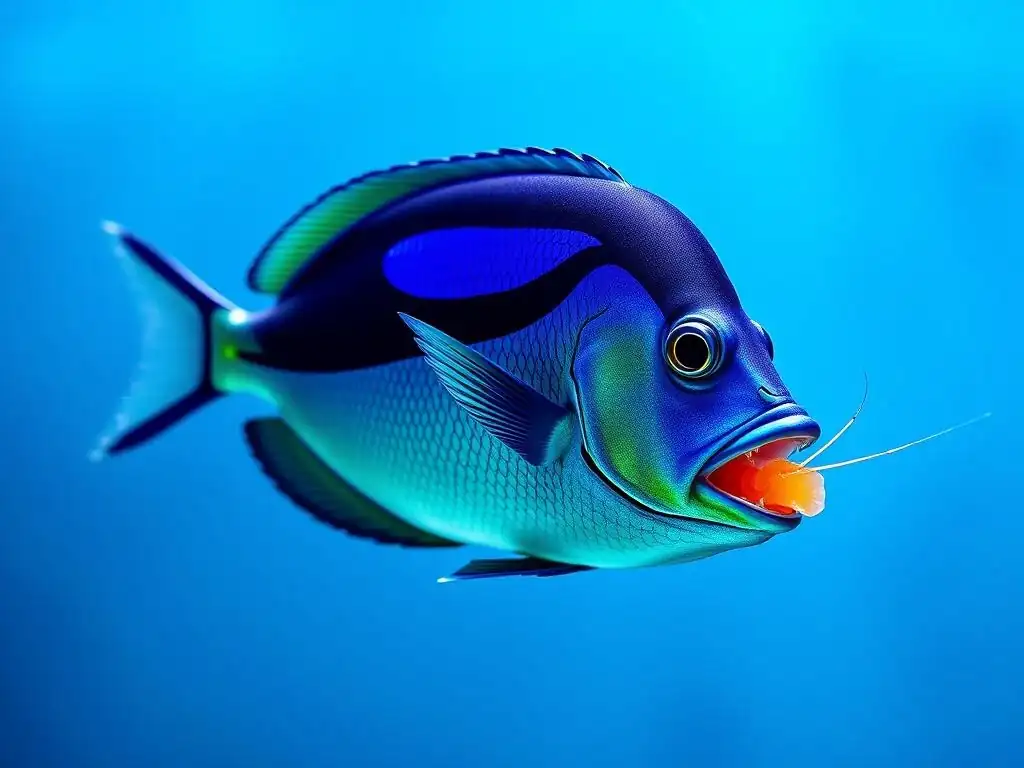
Picky eating and outright food refusal are common challenges with saltwater angelfish, particularly with wild-caught specimens or those newly introduced to an aquarium. This behavior often stems from a lack of familiarity with prepared foods or a strong preference for their natural diet of sponges and tunicates. To address this, try enticing them with highly palatable live or frozen foods, such as live brine shrimp, live copepods, or frozen mysis shrimp, which are almost universally accepted. Slowly introduce small amounts of new, high-quality prepared foods by mixing them with these preferred items.
Another effective strategy is to use appetite stimulants or food soaks, such as garlic extract (e.g., Seachem Garlic Guard), which can enhance the palatability of dry foods. Soaking pellets or flakes in a vitamin supplement like Selcon can also make them more appealing and boost their nutritional value. Persistence is key; offer small amounts of desired foods multiple times a day, and remove uneaten portions quickly to maintain water quality.
For very stubborn eaters, a "training" period in a separate quarantine tank might be necessary to focus on food conversion without competition. A consistent and patient approach to their saltwater angelfish feeding schedule will eventually yield results.
Dealing with Competition for Food in a Community Tank
In a community tank setting, competition for food can lead to certain angelfish being underfed, especially if they are smaller, less assertive, or new to the tank. Dominant fish may aggressively guard food sources, preventing others from getting enough. To mitigate this, consider feeding in multiple locations within the tank simultaneously. For example, dispense food at opposite ends of the aquarium or use a feeding ring in one area while scattering food in another. This disperses the food and reduces direct confrontation.
Another strategy is to offer a slightly larger volume of food for a brief period, ensuring that even the slower eaters have an opportunity to consume enough before the food is gone or removed. Observing which fish are getting enough and which are not is crucial.
If a particular angelfish consistently appears thin or stressed during feeding times, you might need to temporarily isolate it for targeted feeding or re-evaluate your tank's stocking levels to reduce overall aggression. Adapting the saltwater angelfish feeding schedule to accommodate the dynamics of your specific community tank is essential for the health of all inhabitants.
Algae overgrowth is a common nuisance in marine aquariums, and overfeeding is one of its primary contributors. When too much food is introduced into the tank, or if uneaten food is left to decay, it releases excess nutrients like nitrates and phosphates into the water column. These nutrients act as fertilizer for various types of nuisance algae, including green hair algae, diatoms, and cyanobacteria, leading to unsightly blooms. To prevent this, strict adherence to your saltwater angelfish feeding schedule is paramount.
Only feed what your angelfish can consume within 1-2 minutes, and promptly remove any uneaten food using a net or turkey baster. This simple action significantly reduces the amount of decaying organic matter and excess nutrients. Beyond portion control, ensuring robust biological and mechanical filtration helps process waste efficiently. Regularly cleaning filter socks, sponges, and skimmer cups, along with consistent water changes (e.g., 10-20% weekly), will export accumulated nutrients. Employing a protein skimmer is also highly effective at removing dissolved organic compounds before they break down into algae-fueling nitrates and phosphates, thereby maintaining a cleaner, healthier environment.
Long-Term Benefits of a Proper Saltwater Angelfish Feeding Schedule
Promoting Vibrant Colors and Healthy Growth
A meticulously managed saltwater angelfish feeding schedule is directly correlated with the vibrant coloration and robust growth that aquarists admire. Angelfish derive their stunning hues from carotenoid pigments present in their diet. Foods rich in natural color enhancers, such as spirulina, krill, and certain specialized marine formulations, provide these essential pigments. For instance, a Flame Angelfish fed a diet consistently lacking in carotenoids may exhibit faded, dull orange and red tones, whereas a well-fed specimen will boast intense, fiery colors.
Beyond aesthetics, a proper diet ensures healthy, proportionate growth. Adequate protein, fats, vitamins, and minerals support the development of strong bones, healthy fins, and dense muscle tissue. Juvenile angelfish, in particular, require a consistent supply of high-quality nutrients to develop into full-sized, structurally sound adults. Stunted growth or skeletal deformities can occur if their nutritional needs are not met during critical developmental stages. Thus, a balanced and varied saltwater angelfish feeding schedule is not just about sustenance but about cultivating their full genetic potential for beauty and size.
Enhancing Disease Resistance and Overall Well-being
One of the most significant long-term benefits of a proper saltwater angelfish feeding schedule is its profound impact on disease resistance and overall well-being. A well-nourished angelfish possesses a strong, resilient immune system, making it far less susceptible to common aquarium ailments such as Marine Ich (Cryptocaryon irritans), bacterial infections, and fungal issues. Essential nutrients like Vitamin C, Vitamin E, and Omega-3 fatty acids play crucial roles in bolstering immune function, enhancing the fish's ability to fight off pathogens and recover from stress.
For example, Vitamin C, an antioxidant, is vital for tissue repair and immune cell production, while Omega-3s reduce inflammation and support overall cellular health. When angelfish receive a consistent supply of these vital nutrients, their bodies are better equipped to handle environmental fluctuations, minor injuries, and exposure to low levels of pathogens that might overwhelm a nutritionally deficient fish. This proactive approach to health through diet translates into fewer disease outbreaks, less need for medication, and ultimately, a more stable and enjoyable aquarium environment.
Ensuring a Long and Happy Life for Your Saltwater Angelfish
Ultimately, adhering to a proper saltwater angelfish feeding schedule is a cornerstone for ensuring a long, happy, and thriving life for these captivating marine inhabitants. With optimal care, many angelfish species can live for impressive durations in captivity; for example, Emperor Angelfish can live 10-15 years or more, and even smaller dwarf angelfish often exceed 5-7 years. A consistent, balanced, and varied diet provides the foundational support for their entire physiological system, from vibrant metabolism to robust organ function.
Fish that are consistently well-fed and maintained in pristine water conditions exhibit natural behaviors, active swimming, and inquisitive exploration of their environment. They are less prone to stress, aggression, and the myriad of health issues that plague undernourished or poorly cared-for fish. By prioritizing their dietary needs, you are not just feeding a pet; you are investing in its long-term vitality, ensuring it can display its full splendor and contribute to the beauty and tranquility of your marine aquarium for many years to come.
Frequently Asked Questions
How often should I feed my saltwater angelfish to ensure optimal health?
Saltwater angelfish should generally be fed two to three times daily with small portions. This helps to mimic their natural grazing behavior and maintain stable water quality. Consistency in the feeding schedule is crucial.
What types of food are best for saltwater angelfish?
A varied diet is essential, including high-quality flake or pellet food supplemented with frozen or live foods like mysis shrimp and spirulina. Ensure the food contains marine algae and sponges, which are crucial for their digestive health.
How much food should I give my saltwater angelfish at each feeding?
Only offer an amount of food that your angelfish can consume within two to three minutes. Overfeeding can lead to poor water quality and health problems.
What are the signs of overfeeding or underfeeding in saltwater angelfish?
Signs of overfeeding include cloudy water and uneaten food accumulating in the tank. Underfeeding may result in a loss of color and a noticeable thinning of the fish's body.
Are there any specific considerations for feeding different species of saltwater angelfish?
Yes, some angelfish species, like the large angelfish, require more frequent feedings and a larger variety of food. Research the specific dietary needs of your angelfish species to ensure proper nutrition.
Final Reflection: Nurturing the Reef's Jewels
The intricacies of maintaining a thriving saltwater aquarium often hinge on the seemingly simple act of feeding. Understanding the specific dietary needs of saltwater angelfish is not merely a matter of convenience, but a crucial element in ensuring their health, vibrancy, and longevity within the artificial ecosystem we create. As we've explored the optimal feeding schedule, it becomes clear that responsible reef keeping demands a commitment to informed and attentive care.
The delicate balance of a saltwater aquarium is profoundly impacted by our choices, and the well-being of these magnificent angelfish serves as a constant reminder of our stewardship. Witnessing the vibrant colors and graceful movements of a healthy angelfish is a reward in itself, a testament to the dedication and knowledge we invest. In the end, we will conserve only what we love; we will love only what we understand; and we will understand only what we are taught.
- Baba Dioum. This quote resonates deeply, urging us to continually learn and refine our practices to better care for these captivating creatures.
Now, armed with a deeper understanding of the saltwater angelfish feeding schedule, I invite you to reflect on your own role in the reef's delicate tapestry. Consider how you can further enhance your knowledge and refine your practices to provide the best possible environment for these magnificent fish. Let us all strive to be responsible stewards of the reef, ensuring that these jewels of the ocean continue to thrive for generations to come.
Nurture Your Angel: Take the Next Step!
Thanks for diving into the world of saltwater angelfish feeding with us! We hope you've gained some valuable insights into keeping your aquatic angels healthy and vibrant. Now, let's put that knowledge into action!
Here are a few things you can do right now:
- Implement the Feeding Schedule: Start adjusting your angelfish's feeding schedule based on what you've learned. Consistency is key!
- Share Your Success: Take a photo of your thriving angelfish and share it on social media with the hashtag #AquariumMasteryAngels.
- Observe and Adjust: Closely monitor your angelfish's behavior and adjust their diet as needed. Are they more active and vibrant with the new schedule?
What specific feeding challenge are you tackling with your angelfish, and what adjustments are you planning to make this week?