
Angelfish and Tangs: A Popular But Potentially Problematic Pairing

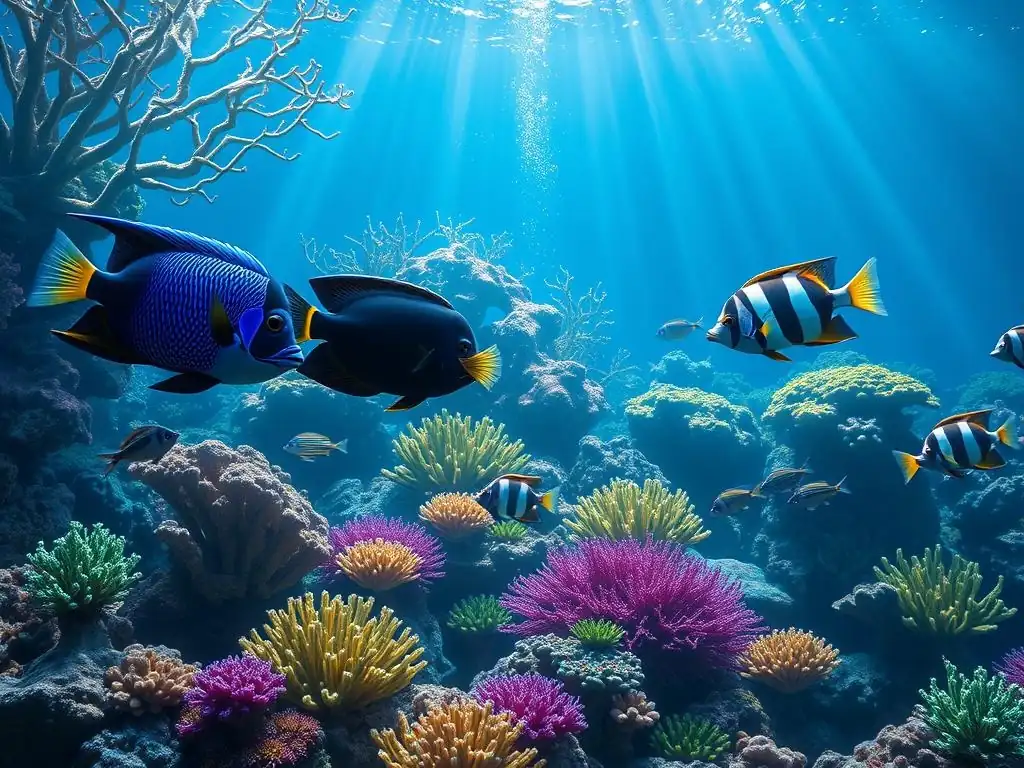
Welcome to Aquarium Mastery!
Ever wondered if those graceful Angelfish and vibrant Tangs can truly share the same underwater kingdom? Dive in to uncover the secrets behind their compatibility – or potential clashes – in a saltwater aquarium. We'll explore everything you need to know about navigating the complexities of Angelfish and Tangs tank compatibility, so you can create a thriving and harmonious environment. Curious to learn more? Let's get started!
- Understanding the Appeal: Why Angelfish and Tangs are Desired Tank Mates
- The Compatibility Challenge: Potential Issues with Angelfish and Tangs
- Factors Influencing Angelfish and Tangs Tank Compatibility
- Strategies for Successful Angelfish and Tangs Tank Mates
- Alternatives to Angelfish and Tangs: Exploring Compatible Reef Fish
- Conclusion: Assessing the Compatibility of Angelfish and Tangs
-
Frequently Asked Questions
- How compatible are Angelfish and Tangs in an aquarium environment?
- What size aquarium is generally recommended for keeping Angelfish and Tangs together?
- Which species of Angelfish and Tangs are generally considered more compatible?
- What are some signs of aggression to watch out for when keeping Angelfish and Tangs together?
- What steps can I take to increase the chances of successful Angelfish and Tangs tank compatibility?
- Final Reflection: Navigating the Reef's Delicate Balance
- Ignite Your Reef: Begin Your Angelfish and Tang Journey!
Understanding the Appeal: Why Angelfish and Tangs are Desired Tank Mates
The Vibrant Colors of Angelfish and Tangs in Reef Aquariums
Angelfish and tangs are undeniably two of the most visually striking groups of fish in the marine aquarium hobby, making their combination highly desirable for many aquarists. Angelfish, particularly species like the Emperor Angelfish (Pomacanthus imperator) or the Flame Angelfish (Centropyge loriculus), boast an incredible array of iridescent blues, yellows, and oranges, often with intricate patterns that evolve as they mature. Their stately swimming and bold presence add significant dynamism to a reef tank.
Tangs, on the other hand, are renowned for their vivid, almost neon-like coloration and sleek, disc-shaped bodies. The iconic Yellow Tang (Zebrasoma flavescens) provides a splash of bright yellow, while the Blue Tang (Paracanthurus hepatus) offers a striking cobalt blue with black accents. When these two families are combined, they create a breathtaking spectacle of color and movement, often forming the centerpiece of a large display aquarium and significantly enhancing the aesthetic appeal of the entire setup.
Angelfish and Tangs: Similar Swimming Patterns
Both Angelfish and tangs are active swimmers that utilize the entire water column, contributing to a lively and engaging display within a marine aquarium. Tangs, being open-water grazers, are constantly on the move, darting between rockwork and swimming across the tank's length, which helps them forage for algae. Their continuous motion adds a sense of energy and natural flow to the environment.
Angelfish, while perhaps not as continuously mobile as tangs, are also strong swimmers. Larger species, like the Queen Angelfish (Holacanthus ciliaris), command attention with their graceful, yet powerful, movements through the mid-to-upper tank regions. Dwarf Angelfish, such as the Coral Beauty (Centropyge bispinosa), explore rockwork more intimately but still maintain an active presence. This shared characteristic of active, graceful swimming patterns means that an Angelfish and tangs tank compatibility often results in a visually harmonious aquarium, where both species contribute to the overall impression of a thriving, dynamic ecosystem.
The Compatibility Challenge: Potential Issues with Angelfish and Tangs
Dietary Needs: Specialized Feeding Habits of Angelfish
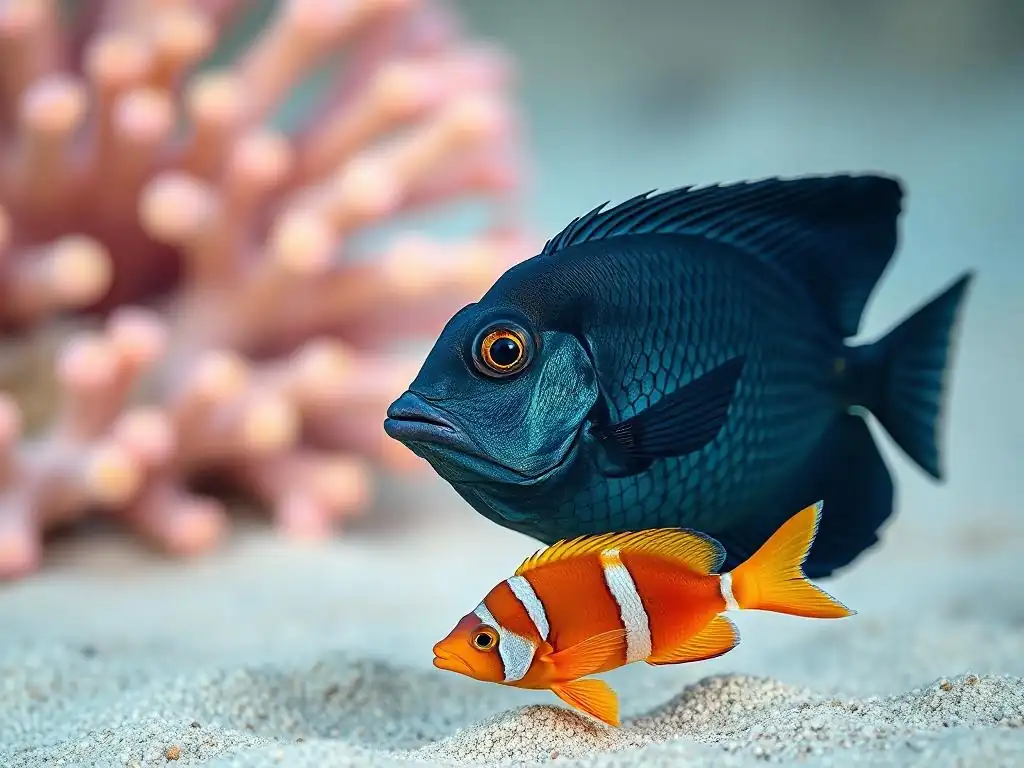
Successfully maintaining Angelfish and tangs together hinges significantly on understanding and meeting their distinct, and sometimes conflicting, dietary requirements. Angelfish, particularly the larger species, are omnivores with a significant portion of their natural diet consisting of sponges, tunicates, and other sessile invertebrates. While many captive-bred or aquarium-adapted angelfish will accept prepared foods, their long-term health depends on a diet rich in specialized angelfish formulas, high-quality frozen foods, and even some live options to mimic their natural intake.
Neglecting these specific needs can lead to nutritional deficiencies, compromising their immune system and overall vitality. For instance, a diet solely based on generic flake food will not suffice for an Emperor Angelfish, which requires a diet packed with sponge matter and meaty foods. This specialized feeding often means multiple feedings throughout the day, ensuring all individuals receive adequate nutrition, especially when competing with faster-feeding tangs.
Coral Consumption: A Major Concern with Certain Angelfish
A primary concern for aquarists aiming for Angelfish and tangs tank compatibility in a reef setting is the Angelfish's propensity for nipping at or consuming corals. While some dwarf angelfish species (e.g., Centropyge genus) are considered "reef-safe with caution," many larger angelfish (e.g., Pomacanthus, Holacanthus, Chaetodontoplus genera) are known coral predators. For example, a majestic French Angelfish (Pomacanthus paru) might find SPS (Small Polyp Stony) corals like Acropora or LPS (Large Polyp Stony) corals like Euphyllia to be a tasty snack.
This behavior is rooted in their natural diet of sponges and soft-bodied invertebrates, which often leads them to nip at the fleshy polyps of corals. Even if they don't consume the coral entirely, constant nipping can cause stress, retraction, and eventual decline of the coral colony. Aquarists must research specific Angelfish species thoroughly before introduction to a reef tank, as a beautiful Queen Angelfish could decimate a coral collection valued at thousands of dollars within weeks.
Competition for Algae: Tangs Grazing vs. Angelfish Nipping
While tangs are primarily herbivorous grazers, constantly picking at nuisance algae on live rock and tank walls, Angelfish, as omnivores, also consume some algal matter. This overlap can lead to competition for available resources, especially in tanks where natural algae growth is limited. Tangs require a steady supply of algae, supplemented with nori sheets, spirulina flakes, and other plant-based foods, to maintain their health and vibrant coloration. A Yellow Tang, for example, can spend 8-10 hours a day grazing.
When Angelfish also target these limited algal resources, it can lead to undernourishment for the tangs, making them more susceptible to diseases like Ich. Furthermore, the Angelfish's nipping behavior, while sometimes targeting algae, is often less efficient than a tang's continuous grazing. This can exacerbate the issue, as the Angelfish may deter the tangs from their primary food source without adequately consuming the algae themselves. Ensuring sufficient algal growth and providing supplementary feeding for both groups is crucial for successful Angelfish and tangs tank compatibility.
Aggression and Territory: Potential Bullying in Mixed Species Tanks
Aggression and territoriality are significant hurdles when assessing Angelfish and tangs tank compatibility. Both fish families can exhibit strong territorial behaviors, particularly as they mature and establish dominance within the aquarium. This can manifest as fin nipping, chasing, or even direct physical altercations, leading to stress, injury, and increased susceptibility to disease for the targeted fish.
Large Angelfish species, such as the Emperor Angelfish, are known for their assertive personalities and can become quite territorial, especially in tanks under 200 gallons. Similarly, many tang species, like the Naso Tang (Naso lituratus) or Achilles Tang (Acanthurus achilles), are highly territorial towards other tangs and can extend this aggression to other similarly shaped or colored fish, including some Angelfish. This dynamic can create a constantly stressful environment, hindering the long-term well-being of all inhabitants.
Angelfish Sensitivity: Stress from Aggressive Tank Mates
Despite their often bold appearance, many Angelfish, especially the more delicate or smaller dwarf species like the Flame Angelfish, can be quite sensitive to stress induced by aggressive tank mates. Constant harassment from a dominant tang can lead to a range of issues for the Angelfish, including refusal to eat, faded coloration, clamped fins, and chronic stress that weakens their immune system. This vulnerability makes them more prone to common marine diseases such as marine Ich (Cryptocaryon irritans) or velvet disease (Amyloodinium ocellatum).
For instance, a newly introduced Flame Angelfish might struggle to establish itself if a resident Yellow Tang persistently chases it away from food or prime hiding spots. The stress can be so severe that the Angelfish may waste away or simply hide constantly, failing to thrive. Ensuring a peaceful introduction and a suitable environment is paramount for the Angelfish's survival in a mixed-species setup.
Tang Aggression: Dominance Displays Towards Angelfish
Tangs are notoriously aggressive towards conspecifics and sometimes towards other fish that share similar body shapes or feeding habits. While Angelfish do not perfectly mimic a tang's body shape, their active swimming and occasional competition for grazing spots can trigger territorial displays from tangs. A common scenario involves a dominant Yellow Tang repeatedly charging an Angelfish, particularly during feeding times or when the Angelfish ventures into the tang's perceived territory.
This aggression is not always direct physical harm but can involve relentless chasing, fin nipping, and displaying, which can be just as stressful. For example, a mature Powder Blue Tang (Acanthurus leucosternon), known for its high aggression, might relentlessly harass an Angelfish, preventing it from feeding adequately or forcing it into hiding. This constant pressure can lead to chronic stress for the Angelfish, impacting its long-term health and even leading to premature death if the aggression is not mitigated.
Factors Influencing Angelfish and Tangs Tank Compatibility
Tank Size and Aquascaping: Providing Ample Space and Hiding Spots
The cornerstone of successful Angelfish and tangs tank compatibility is providing an adequately sized aquarium with thoughtful aquascaping. Both Angelfish and tangs are active swimmers that grow to considerable sizes, with many tangs reaching 8-12 inches and large Angelfish exceeding 10 inches.
Cramping these fish into too small a space exacerbates aggression, stress, and poor water quality. A minimum tank size of 180 gallons is often recommended for a single small to medium Angelfish and a single tang, but larger setups, typically 250-300 gallons or more, are far more ideal for a combination of these species, especially if planning for multiple tangs or larger angelfish.
Ample swimming room allows both species to establish their territories without constantly infringing on each other's space, reducing the likelihood of conflict. Furthermore, a spacious tank disperses aggression, as the targeted fish has more room to escape and hide. This significantly reduces stress levels and promotes healthier, more natural behaviors in both Angelfish and tangs.
Recommended Tank Size for Angelfish and Tangs
For a successful Angelfish and tangs tank compatibility, the minimum recommended tank size is generally 180 gallons for a single medium-sized Angelfish (e.g., Flame Angelfish, Coral Beauty) and a single tang (e.g., Yellow Tang, Kole Tang). However, if considering larger Angelfish species like an Emperor Angelfish or a French Angelfish, or more assertive tangs such as a Powder Blue Tang or a Naso Tang, a tank of 250-300 gallons or more becomes essential. These larger volumes provide the necessary swimming space and dilution of territorial disputes.
For example, a 240-gallon tank measuring 96" x 24" x 24" offers an excellent footprint for an adult Emperor Angelfish (which can reach 15 inches) and a couple of medium-sized tangs, like a Yellow Tang and a Sailfin Tang. This allows each fish to establish a territory and provides enough linear swimming space for the tangs, which are constant grazers. Insufficient tank size is one of the leading causes of aggression and stress-related health issues in these pairings.
Rockwork Design: Creating Territories and Reducing Aggression
Effective aquascaping is critical for mitigating aggression and fostering Angelfish and tangs tank compatibility. The arrangement of live rock should prioritize creating multiple distinct territories, visual barriers, and numerous hiding spots. Instead of a single, monolithic rock structure, design the aquascape with several separate rock islands, caves, and overhangs. This allows individual fish to claim their own space and retreat from perceived threats.
For instance, a well-designed 200-gallon tank might feature two or three large rock structures separated by open sand areas. This provides distinct "neighborhoods" that a tang or Angelfish can call their own. Caves and crevices within the rockwork offer crucial refuge for sensitive Angelfish or any fish being harassed, allowing them to de-stress and feel secure. By breaking up sight lines and providing escape routes, a thoughtful rockwork design can dramatically reduce the frequency and intensity of aggressive encounters between these potentially volatile tank mates.
Species Selection: Choosing Reef-Safe and Docile Varieties
Careful species selection is paramount for achieving Angelfish and tangs tank compatibility, especially in mixed-reef environments. Not all Angelfish are suitable for reef tanks, and not all tangs are equally peaceful. Researching the specific behaviors and dietary needs of each potential inhabitant is crucial before purchase. Prioritizing known reef-safe Angelfish and less aggressive tang species significantly increases the likelihood of a harmonious community.
For example, while a Regal Angelfish (Pygoplites diacanthus) is stunning, its reef-safe status is often questionable, as it may nip at corals. Conversely, a Flame Angelfish (Centropyge loriculus) is generally considered one of the safer choices for a reef tank, though individual personalities vary. Similarly, a Powder Blue Tang is notoriously aggressive, while a Kole Tang (Ctenochaetus strigosus) is typically more docile. Making informed choices based on species-specific temperaments and dietary requirements is the best strategy for long-term success.
Dwarf Angelfish vs. Larger Angelfish Species
When considering Angelfish and tangs tank compatibility, a crucial distinction lies between dwarf Angelfish (Centropyge genus) and larger Angelfish species (e.g., Pomacanthus, Holacanthus genera). Dwarf Angelfish, typically growing to 3-6 inches, are generally more suitable for community reef tanks due to their smaller size and often less aggressive nature. Species like the Coral Beauty (Centropyge bispinosa) or Flame Angelfish (Centropyge loriculus) are considered "reef-safe with caution" and have a lower likelihood of harassing corals compared to their larger cousins.
In contrast, large Angelfish, which can reach 10-18 inches, are often highly territorial and frequently nip at or consume corals. An Emperor Angelfish (Pomacanthus imperator) or Queen Angelfish (Holacanthus ciliaris), while magnificent, will often view LPS and SPS corals as food. Therefore, if a reef environment is desired, focusing on dwarf Angelfish greatly improves the chances of success, whereas larger Angelfish are generally reserved for FOWLR (Fish Only With Live Rock) systems where coral damage is not a concern.
Selecting Peaceful Tang Species for Angelfish Tanks
The choice of tang species significantly impacts Angelfish and tangs tank compatibility. Some tangs are notoriously aggressive, while others are relatively peaceful. To increase the chances of a harmonious tank, aquarists should lean towards less aggressive tang varieties. Examples of more docile tangs include the Kole Tang (Ctenochaetus strigosus), Yellow Tang (Zebrasoma flavescens), and the Sailfin Tang (Zebrasoma veliferum), though the latter can become quite large and territorial in smaller tanks.
Conversely, species like the Powder Blue Tang (Acanthurus leucosternon), Achilles Tang (Acanthurus achilles), and Clown Tang (Acanthurus lineatus) are known for their high levels of aggression, especially towards other tangs and similarly shaped fish. Introducing such an aggressive tang with an Angelfish, particularly a more timid dwarf Angelfish, can lead to constant bullying and stress. Opting for a more placid tang species reduces overall tank stress and promotes better Angelfish and tangs tank compatibility.
Acclimation and Introduction: Minimizing Stress During Transition
The method of acclimation and introduction plays a critical role in determining the success of Angelfish and tangs tank compatibility. Improper introduction can lead to immediate aggression, stress, and even death. A slow, methodical approach that minimizes stress on the new inhabitants and allows them to adjust to their new environment is essential. This applies to both the Angelfish and the tangs, as both can be sensitive to environmental changes and the establishment of new social hierarchies.
Using methods like the "lights out" approach, where tank lights are turned off during introduction, or employing a clear acclimation box for a few days, can greatly reduce initial aggression. These techniques allow the new fish to observe their tank mates and surroundings without immediate harassment, helping them settle in more calmly. A well-planned introduction sets the stage for a more peaceful cohabitation.
Gradual Acclimation: Reducing Shock and Disease
Gradual acclimation is a non-negotiable step for any new marine fish, but it is particularly crucial for sensitive species like Angelfish and tangs. The "drip acclimation" method, where tank water is slowly dripped into the bag containing the new fish over 45-60 minutes, is highly recommended. This process slowly equalizes temperature, pH, and salinity, minimizing osmotic shock which can severely stress a fish and compromise its immune system.
Rapid changes in water parameters can lead to immediate stress, making the fish more susceptible to common marine diseases such as Ich (Cryptocaryon irritans) or Brooklynella. For example, a Flame Angelfish, already prone to stress-induced Ich, benefits immensely from a slow acclimation process. By reducing initial shock, gradual acclimation helps the fish conserve energy for adapting to its new social environment rather than fighting physiological stress, improving its chances for successful Angelfish and tangs tank compatibility.
Introducing Less Aggressive Fish First: Establishing Hierarchy
A strategic approach to stocking order can significantly improve Angelfish and tangs tank compatibility. The general rule of thumb is to introduce the least aggressive and smallest fish first, allowing them to establish territories before more assertive or larger species are added. This helps prevent dominant fish from immediately bullying new, smaller, or more timid additions.
For instance, if planning to keep a Yellow Tang and a Coral Beauty Angelfish, it's often advisable to introduce the Coral Beauty first. Allow it to settle in and establish its hiding spots and feeding routine for several weeks. Then, introduce the Yellow Tang.
If a highly aggressive tang like a Powder Blue Tang is planned, it should ideally be the last fish added to a large, well-established system, and only after other inhabitants have firmly claimed their territories. This staggered introduction helps to distribute aggression and allows for a more stable social hierarchy, which is vital for long-term peace in an Angelfish and tangs tank.
Strategies for Successful Angelfish and Tangs Tank Mates
Providing a Varied and Balanced Diet: Meeting Specific Needs
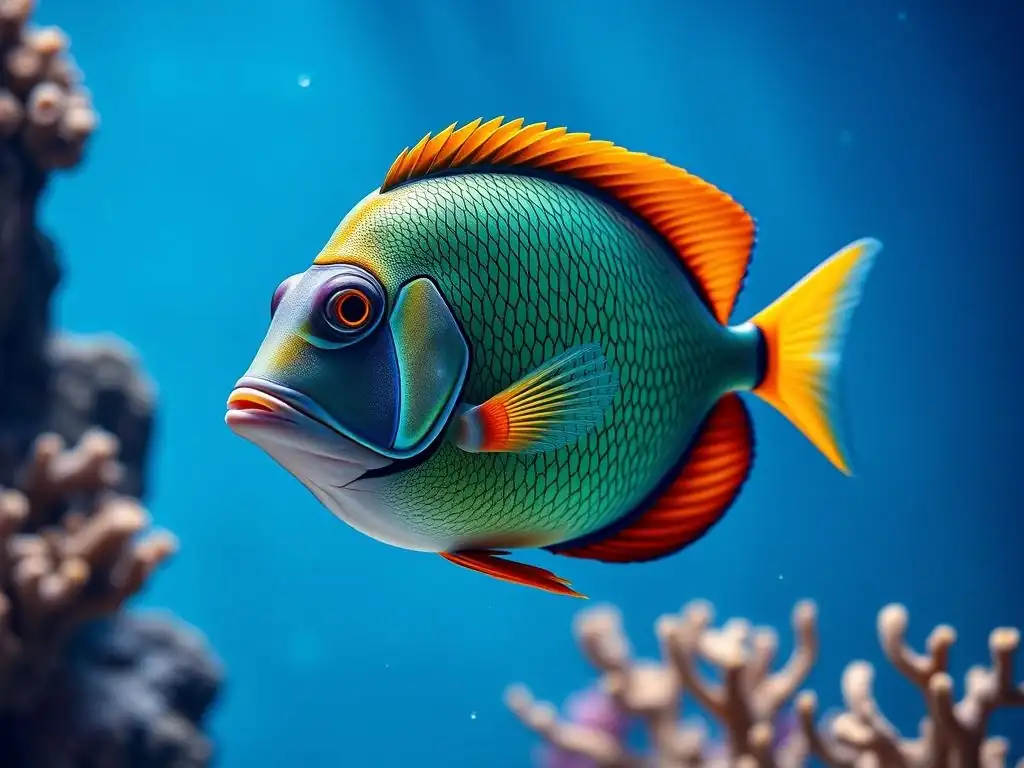
A varied and balanced diet is fundamental for the health and vitality of both Angelfish and tangs, and crucial for successful Angelfish and tangs tank compatibility. Given their differing natural diets, a single food source will not suffice. Angelfish require a diet rich in sponge matter, meaty foods like mysis shrimp, brine shrimp, and specialized angelfish pellets, often supplemented with vitamin-enriched formulas. Tangs, on the other hand, are primarily herbivores and need a constant supply of marine algae, nori sheets, spirulina flakes, and other plant-based foods.
Offering multiple types of food throughout the day ensures that both species receive their necessary nutrients. For example, feeding high-quality angelfish pellets and frozen meaty foods in the morning, followed by a clip of nori for the tangs in the afternoon, ensures both dietary needs are met without excessive competition. This diverse feeding strategy promotes robust immune systems, vibrant coloration, and overall well-being for both Angelfish and tangs.
Live Rock: Encouraging Natural Grazing Behavior
Live rock plays a vital role in supporting the natural grazing behavior of both Angelfish and tangs, contributing to their overall health and Angelfish and tangs tank compatibility. For tangs, live rock provides a natural substrate for the growth of microalgae and diatoms, which they constantly graze upon throughout the day. This continuous foraging mimics their natural environment and helps keep them active and engaged.
For Angelfish, live rock offers hiding spots and can also be a source of various sponges and small invertebrates that constitute a part of their natural diet. While Angelfish may not graze as extensively as tangs, they will often pick at the rockwork. A tank with ample live rock (typically 1-1.5 pounds per gallon) promotes a more natural feeding environment and reduces stress by providing a complex landscape for exploration and refuge. This also helps to reduce competition for prepared foods, as both species have natural foraging opportunities.
Supplementation: Vitamins and Minerals for Optimal Health
Beyond a varied diet, supplementation with vitamins and minerals is crucial for the long-term health and vibrant coloration of both Angelfish and tangs, aiding in their compatibility. Many commercially prepared foods, while nutritious, may not fully replicate the complex nutrient profile found in their natural diets. Vitamin C, for instance, is vital for immune function and tissue repair in marine fish. Other essential supplements include iodine, which is important for thyroid function, and various trace elements.
These supplements can be added to the fish's food (e.g., soaking frozen foods in a vitamin solution) or directly to the aquarium water, though direct water dosing should be done cautiously following product instructions. For example, a weekly dose of a high-quality marine vitamin supplement can significantly boost the overall health of both an Emperor Angelfish and a Yellow Tang, making them more resilient to stress and disease, and indirectly supporting their Angelfish and tangs tank compatibility by ensuring robust health.
Maintaining Pristine Water Quality: Reducing Stress and Disease
Pristine water quality is non-negotiable for the health of all marine fish, but it is especially critical for maintaining Angelfish and tangs tank compatibility. Both Angelfish and tangs, particularly when stressed or crowded, can be susceptible to various diseases, and poor water conditions exacerbate these issues. High levels of ammonia, nitrite, or nitrate, along with unstable pH or salinity, create a toxic environment that weakens fish immune systems, making them vulnerable to infections like marine Ich, bacterial infections, and fin rot.
Consistent water parameters, regular water changes (e.g., 10-20% bi-weekly), and effective filtration are essential. A well-maintained filtration system, including mechanical, biological, and chemical filtration, helps to remove waste products and maintain stable water chemistry. This reduces physiological stress on the fish, allowing them to better cope with any social stressors arising from their cohabitation.
Regular Testing: Monitoring Water Parameters
Regular and accurate testing of water parameters is a fundamental aspect of maintaining pristine water quality for Angelfish and tangs. Key parameters to monitor include:
- Salinity: 1.023-1.026 specific gravity (measured with a refractometer).
- Temperature: 75-80°F (24-27°C).
- pH: 8.1-8.4.
- Ammonia (NH3/NH4+): 0 ppm.
- Nitrite (NO2-): 0 ppm.
- Nitrate (NO3-): Below 20 ppm for fish-only, ideally below 5-10 ppm for reef tanks.
- Alkalinity (dKH): 7-12 dKH (especially important in reef tanks).
- Calcium (Ca): 400-450 ppm (especially important in reef tanks).
- Magnesium (Mg): 1250-1350 ppm (especially important in reef tanks).
Monitoring these parameters weekly or bi-weekly allows aquarists to identify and correct any imbalances before they negatively impact fish health. For example, a sudden spike in nitrates can stress an Angelfish, making it more susceptible to disease, while unstable pH can affect the overall well-being of both Angelfish and tangs. Consistent monitoring is proactive care, preventing minor issues from escalating into major health crises and supporting Angelfish and tangs tank compatibility.
Protein Skimming: Removing Organic Waste
Protein skimming is an indispensable component of filtration for any marine aquarium, particularly one housing active, waste-producing fish like Angelfish and tangs. A high-quality protein skimmer efficiently removes dissolved organic compounds (DOCs) from the water column before they break down into harmful nitrates and other pollutants. These DOCs are primarily fish waste, uneaten food, and decaying organic matter.
By removing these organics early, a protein skimmer significantly reduces the bioload on the biological filter, helps maintain stable pH, and improves water clarity. For a tank with an adult Emperor Angelfish and a Yellow Tang, a robust skimmer rated for a tank size 1.5 to 2 times the actual volume is highly recommended. This proactive removal of waste directly contributes to cleaner water, reducing stress on the fish and minimizing the risk of disease outbreaks, thereby greatly enhancing Angelfish and tangs tank compatibility.
Alternatives to Angelfish and Tangs: Exploring Compatible Reef Fish
Peaceful Reef-Safe Fish Options for Community Aquariums
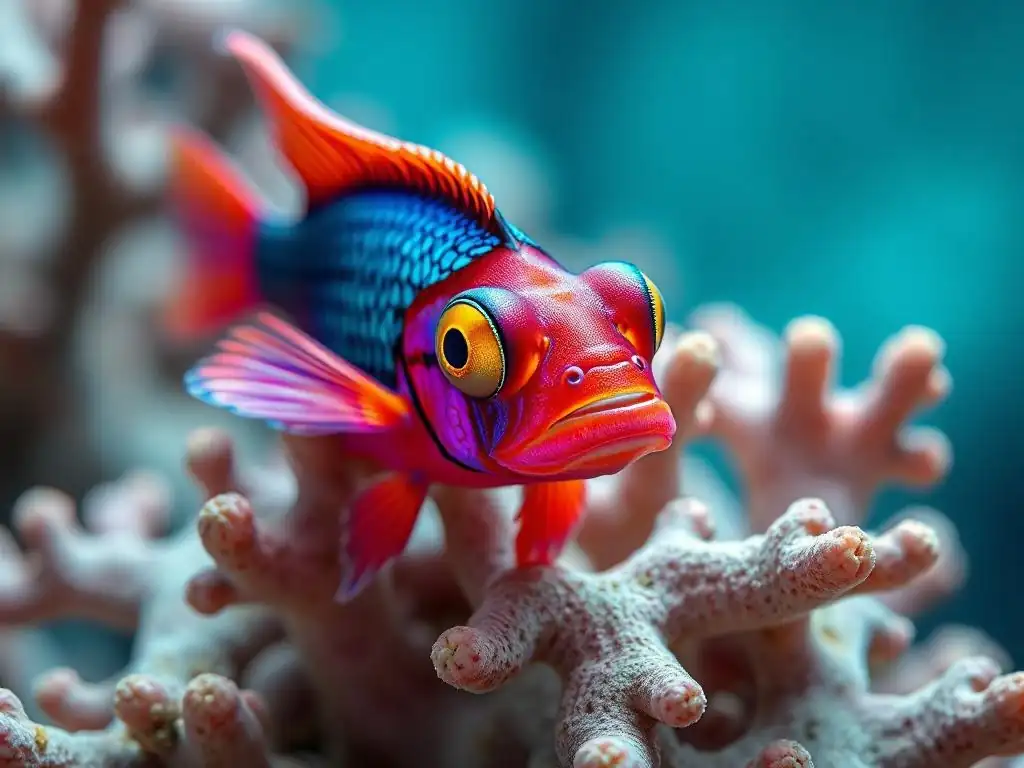
For aquarists seeking a vibrant and diverse marine community without the specific challenges of Angelfish and tangs tank compatibility, numerous peaceful and reef-safe alternatives exist. These species offer stunning colors and interesting behaviors while posing minimal risk to corals or other tank inhabitants. Focusing on fish that occupy different niches within the aquarium can further reduce competition and aggression.
Consider families like peaceful Gobies, Blennies, Dartfish, and certain types of Damselfish (e.g., Chromis). These fish are generally smaller, less territorial, and have dietary needs that are easier to meet in a mixed community setting. They can add continuous movement and color without the potential for large-scale aggression or coral nipping, making them excellent choices for a less stressful and equally beautiful reef aquarium.
Specific Examples of Compatible Reef-Safe Fish Species
- Pajama Cardinalfish (Sphaeramia nematoptera): A peaceful, schooling fish with striking patterns, growing to about 3 inches. They are nocturnal but often active during the day, hovering in open water or near rockwork. Reef-safe and non-aggressive.
- Green Chromis (Chromis viridis): Small, vibrant green fish that typically school in the upper water column. They are very peaceful, grow to about 3-4 inches, and are excellent for adding constant motion and a splash of color. Highly reef-safe.
- Yellow Watchman Goby (Cryptocentrus cinctus) with Pistol Shrimp: A fascinating symbiotic pair. The Goby acts as a lookout for the nearly blind Pistol Shrimp, sharing a burrow. Both are peaceful, stay relatively small (around 4-5 inches), and are completely reef-safe. They add interesting behavior to the bottom of the tank.
- Midas Blenny (Ecsenius midas): A very personable and colorful blenny, growing to about 5 inches. Known for its bright orange-yellow coloration and curious personality. It is reef-safe and primarily herbivorous, often perching on rockwork.
- Royal Gramma Basslet (Gramma loreto): A stunning purple and yellow fish, growing to about 3 inches. It is generally peaceful, though it can be territorial towards conspecifics or very similar-looking fish. It prefers crevices and caves but will swim in open water. Fully reef-safe.
- Firefish Goby (Nemateleotris magnifica): A slender, elegant fish with a vibrant red, orange, and white body, and a distinctive long dorsal fin. They are shy, peaceful, and prefer to hover near bolt-holes. They grow to about 3 inches and are completely reef-safe, making them a great addition for a calm tank.
Conclusion: Assessing the Compatibility of Angelfish and Tangs
Is an Angelfish and Tangs Combination Right for Your Reef Tank?
The decision to combine Angelfish and tangs in a reef aquarium is a complex one, requiring careful consideration of various factors. While the visual appeal of these two vibrant fish families together is undeniable, their Angelfish and tangs tank compatibility is often challenging due to their specialized dietary needs, potential for coral consumption (especially with larger Angelfish), and inherent territorial aggression. Success hinges on providing an exceptionally large tank (typically 250-300+ gallons), meticulous aquascaping with ample hiding spots, precise species selection of the most docile varieties, and a diligent approach to feeding and water quality.
For experienced aquarists with the resources to dedicate to such a demanding setup, a harmonious Angelfish and tangs tank can be a crowning achievement. However, for those with smaller tanks, less experience, or a strong desire for a thriving, unthreatened coral collection, the risks often outweigh the rewards. It is crucial to honestly assess your capabilities and the specific needs of these fish before committing to this pairing.
Responsible Reef Keeping: Prioritizing the Health and Well-being of Fish and Corals
At the heart of responsible reef keeping lies the unwavering commitment to prioritizing the health and well-being of all aquatic inhabitants. This means making informed decisions based on extensive research rather than impulse. When considering Angelfish and tangs tank compatibility, this translates to understanding that while some dwarf Angelfish can coexist with tangs in a large, well-managed reef, many larger Angelfish are simply not suitable for coral environments and can cause significant damage.
It also means recognizing that placing an aggressive tang with a timid Angelfish in an undersized tank is a recipe for chronic stress, disease, and potentially, premature death for the weaker fish. Responsible reef keeping demands that aquarists provide an environment where every fish can thrive, not merely survive. This might mean choosing alternative, more compatible species, or investing in a much larger system to accommodate the specific needs of Angelfish and tangs safely and ethically. Ultimately, the beauty of a reef tank should never come at the expense of its inhabitants' welfare.
Frequently Asked Questions
How compatible are Angelfish and Tangs in an aquarium environment?
Angelfish and Tangs can be a challenging pairing. While some individuals may coexist peacefully, others can exhibit aggression, especially in smaller tanks. Success often depends on the specific species and the size of the aquarium.
What size aquarium is generally recommended for keeping Angelfish and Tangs together?
A larger tank is crucial for minimizing aggression. Ideally, you should aim for a minimum of 125 gallons, and preferably even larger, depending on the species of Angelfish and Tangs you choose. This allows for sufficient swimming space and reduces territorial disputes.
Which species of Angelfish and Tangs are generally considered more compatible?
Dwarf Angelfish are sometimes less aggressive than larger species and may be compatible with certain Tangs. Tangs like the Yellow Tang are often considered more peaceful than others. However, individual temperaments can still vary.
What are some signs of aggression to watch out for when keeping Angelfish and Tangs together?
Keep an eye out for behaviors like chasing, fin-nipping, and cornering. If you observe these signs, it may be necessary to separate the fish to prevent injury or stress. Constant harassment can lead to illness or death.
What steps can I take to increase the chances of successful Angelfish and Tangs tank compatibility?
Introduce the Angelfish and Tangs to the aquarium at the same time, or introduce the Tang first. Provide plenty of hiding places using rocks and decorations. Also, ensure the tank is large enough and the fish are well-fed to reduce territoriality.
The popularity of angelfish and tangs as aquarium inhabitants underscores a broader fascination with the vibrant beauty of coral reefs, but as we've explored, their compatibility within the confines of a tank is far from guaranteed. Understanding the specific needs and temperaments of these species is crucial for responsible reef keeping, and ignoring these factors can lead to stress, disease, and ultimately, the failure of a carefully curated ecosystem. The allure of a diverse and colorful aquarium should never overshadow the ethical responsibility we have to ensure the well-being of its inhabitants.
The challenges of maintaining a harmonious angelfish and tang community reflect a larger issue: our impact on fragile ecosystems, both in the wild and in captivity. This article serves as a reminder that even seemingly small choices, like selecting tank mates, have far-reaching consequences. In the end, we will conserve only what we love; we will love only what we understand; and we will understand only what we are taught.
- Baba Dioum. This quote highlights the importance of education and understanding in fostering responsible stewardship of our planet's resources, including the delicate balance of life within a reef tank.
As you consider your own journey in reef keeping, or even your broader relationship with the natural world, I encourage you to reflect on the lessons learned here. Are you prioritizing aesthetics over the well-being of the creatures in your care? Are you taking the time to truly understand the needs of the animals you interact with? Let this exploration of angelfish and tang compatibility serve as a catalyst for more informed, compassionate, and sustainable practices, ensuring that the beauty of the reef can be enjoyed responsibly for generations to come.
Ignite Your Reef: Begin Your Angelfish and Tang Journey!
Thank you for exploring the world of angelfish and tangs! We hope this guide has provided you with valuable insights for considering this beautiful, yet potentially challenging, pairing. Now, let's translate that knowledge into action!
- Carefully evaluate your tank size: Take the time to accurately measure your aquarium and honestly assess if it can comfortably house the angelfish and tang species you are interested in. Remember, space is key to their well-being!
- Join the Aquarium Mastery community forum and share your tank specifications. Get personalized feedback and advice from experienced hobbyists who have successfully kept these species together.
- Share this article on your favorite aquarium forum or social media group. Help spread awareness about responsible angelfish and tang keeping!
What specific steps will you take this week to ensure the long-term health and happiness of your future angelfish and tangs?