
Annularis Angelfish (Pomacanthus annularis): The Regal Ringed Wonder

Welcome to Aquarium Mastery!
Ever wondered how to keep the regal Annularis angelfish thriving in your own saltwater aquarium? Dive into our comprehensive Annularis Angelfish Care Guide and unlock the secrets to successfully caring for this stunning, ringed wonder. From optimal tank conditions to feeding habits and compatible tank mates, we've got you covered. Curious to learn more and create a flourishing habitat for your Annularis? Let's get started!
- Introduction to the Annularis Angelfish: A Pomacanthus annularis Care Guide
- Annularis Angelfish Profile: Understanding the Species
- Annularis Angelfish Care: Creating the Ideal Environment
- Annularis Angelfish Diet and Feeding: Ensuring Optimal Nutrition
- Annularis Angelfish Tank Mates: Compatibility and Community Tank Setup
- Annularis Angelfish Health and Disease: Prevention and Treatment
- Annularis Angelfish Behavior: Understanding Their Social Dynamics
- Acquiring Annularis Angelfish: Selecting a Healthy Specimen
- Breeding Annularis Angelfish: Challenges and Possibilities
- Advanced Annularis Angelfish Care: Tips for Experienced Aquarists
- Conclusion: Mastering Annularis Angelfish Care.
- Frequently Asked Questions
- Final Reflection: Embracing the Responsibility of Regal Care
- Unlock the Secrets of Annularis Angelfish!
Introduction to the Annularis Angelfish: A Pomacanthus annularis Care Guide
Unveiling the Beauty of the Annularis Angelfish
The Annularis Angelfish, scientifically known as Pomacanthus annularis, is a breathtaking marine species highly prized by advanced aquarists for its stunning beauty and regal presence. Its common name, the "Ringed Angelfish," perfectly describes the distinctive blue or white ring encircling the caudal peduncle (the narrow part connecting the body to the tail fin) in adult specimens. This striking feature, combined with its vibrant coloration and graceful swimming, makes it an undeniable centerpiece in any large saltwater aquarium.
Originating from the Indo-Pacific, this magnificent angelfish captivates with its unique blend of deep blues, browns, and yellows, accented by intricate patterns. While juveniles display a dramatic dark blue body with brilliant white vertical stripes, adults transition into a more subdued yet equally impressive palette, featuring a bluish-brown body, bright blue-edged fins, and the iconic caudal ring. Providing comprehensive Annularis angelfish care is crucial to maintaining their health and showcasing their full splendor.
Why Choose an Annularis Angelfish for Your Saltwater Aquarium?
Choosing an Annularis Angelfish for your saltwater aquarium offers a profoundly rewarding experience for dedicated hobbyists. Their impressive adult size, often reaching up to 12-16 inches (approximately 30-40 cm) in captivity, commands attention, making them ideal for large display tanks where their elegance can be fully appreciated. Their distinctive coloration and patterns evolve beautifully from juvenile to adult, providing a continuous visual spectacle.
Beyond their aesthetic appeal, keeping an Annularis Angelfish represents a significant achievement in advanced marine aquaria. Successfully providing the specialized Annularis angelfish care required for this species, including stable water parameters, a tailored diet, and appropriate tank mates, demonstrates a high level of expertise and dedication. A well-cared-for Annularis Angelfish can thrive for 10 to 15 years or even longer, becoming a long-term, captivating inhabitant of your aquatic world.
Is the Annularis Angelfish Right for You? Considerations Before Acquisition
Before acquiring an Annularis Angelfish, prospective owners must carefully assess their commitment and resources. This species demands a substantial investment in terms of tank size, equipment, and ongoing maintenance. A minimum tank size of 180 gallons (approximately 680 liters) is generally recommended for a single adult, with larger tanks (250+ gallons) being even more ideal to accommodate their growth, activity level, and potential territorial behaviors.
Furthermore, providing optimal Annularis angelfish care requires a solid understanding of marine water chemistry, robust filtration systems, and a consistent feeding regimen. They are not suitable for novice aquarists due to their specific needs and potential susceptibility to stress-related diseases if conditions are not met. The financial commitment extends beyond the initial purchase price, encompassing the cost of a large aquarium setup, quality filtration, a diverse diet, and regular water changes.
Annularis Angelfish Profile: Understanding the Species
Scientific Classification: Pomacanthus annularis Explained
The Annularis Angelfish holds its place within the scientific classification as Pomacanthus annularis. It belongs to the family Pomacanthidae, commonly known as angelfishes, which are renowned for their vibrant colors, compressed bodies, and distinctive spine on the preoperculum (gill cover). The genus Pomacanthus includes some of the largest and most striking angelfish species, often characterized by their dramatic color changes from juvenile to adult stages.
The species name "annularis" is derived from Latin, meaning "ringed," directly referencing the prominent ring-like marking near the caudal fin that is a hallmark of the adult Annularis Angelfish. This classification underscores its unique morphological features within the broader angelfish family. Understanding its scientific background is a foundational step in providing accurate and species-specific Annularis angelfish care.
Natural Habitat and Distribution of the Annularis Angelfish
In their natural environment, Annularis Angelfish are widely distributed across the Indo-Pacific region. Their extensive range stretches from the eastern coast of Africa, including areas like the Red Sea, across the Indian Ocean to the western Pacific Ocean, reaching as far east as Fiji and south to the Great Barrier Reef in Australia. They are particularly abundant in the waters surrounding Indonesia and the Philippines.
Pomacanthus annularis typically inhabits coastal reefs, lagoons, and outer reef slopes, preferring areas with abundant rocky outcrops and coral formations that provide ample hiding spots and foraging opportunities. They are commonly found at depths ranging from 10 to 200 feet (approximately 3 to 60 meters), often observed individually or in pairs. Their preference for these specific environments highlights the importance of replicating such conditions in an aquarium for successful Annularis angelfish care.
Annularis Angelfish Appearance: Identifying Features and Color Variations
Adult Annularis Angelfish exhibit a magnificent and distinctive appearance. Their bodies are typically a shade of bluish-brown or purplish-brown, adorned with several bright blue, slightly curved vertical lines that extend from the dorsal fin to the ventral side. The most defining feature, from which they derive their common name, is the prominent white or blue ring located on the caudal peduncle, just before the tail fin. The caudal fin itself is bright yellow, providing a striking contrast, and their lips are often a vivid blue.
Juvenile Annularis Angelfish display a dramatically different coloration, primarily dark blue or black with several bright white or light blue vertical stripes. These stripes are typically curved, particularly on the posterior half of the body. As the fish matures, usually between 4 to 6 inches (approximately 10-15 cm) in length, this juvenile pattern gradually transitions into the adult coloration, a fascinating process for aquarists to observe. This transformation is a key identifying characteristic when considering Annularis angelfish care from a young age.
Annularis Angelfish Care: Creating the Ideal Environment
Aquarium Size Requirements for Annularis Angelfish
Providing adequate space is paramount for the long-term health and well-being of the Annularis Angelfish. Due to their potential adult size, which can reach up to 16 inches (40 cm) in captivity, a minimum aquarium size of 180 gallons (approximately 680 liters) is strongly recommended for a single adult specimen. This large volume accommodates their active swimming habits, reduces stress, and helps dilute the significant bioload they produce.
For optimal Annularis angelfish care, especially if considering tank mates, an even larger aquarium, such as 250 gallons (approximately 950 liters) or more, is highly beneficial. Larger tanks provide more stable water parameters, reduce territorial aggression, and offer ample room for the fish to establish its territory and explore. Insufficient tank size can lead to stunted growth, increased stress, aggression, and susceptibility to disease.
Water Parameters: Maintaining Optimal Conditions for Pomacanthus annularis
Maintaining pristine and stable water parameters is critical for the health of Pomacanthus annularis. The ideal temperature range for Annularis Angelfish is between 72-78°F (22-26°C). Salinity should be kept stable at a specific gravity of 1.020-1.025, and the pH level should consistently remain between 8.1-8.4. Fluctuations in these parameters can cause significant stress and lead to health issues.
Regular monitoring of water quality is essential for effective Annularis angelfish care. Ammonia and nitrite levels must always be undetectable (0 ppm), while nitrates should be kept as low as possible, ideally below 10-20 ppm. Performing regular partial water changes, typically 10-20% bi-weekly, using high-quality RO/DI water mixed with a good marine salt mix, is vital to replenish essential elements and remove accumulated toxins.
Substrate and Decoration: Creating a Natural Habitat
When setting up an aquarium for Annularis Angelfish, the choice of substrate and decoration plays a crucial role in mimicking their natural habitat and promoting their well-being. A fine sand bed or crushed coral substrate is suitable, as these fish do not typically burrow. The primary focus should be on creating ample live rock structures.
These structures should include numerous caves, crevices, and overhangs, providing essential hiding spots and territories for the angelfish. Aim for at least 70-100 pounds (approximately 30-45 kg) of live rock for a 180-gallon tank, arranged to create complex formations with open swimming areas. Such an environment helps reduce stress, offers security, and allows the angelfish to exhibit natural behaviors, which is a key part of successful Annularis angelfish care.
Filtration and Water Quality for Annularis Angelfish
Given the Annularis Angelfish's large size and significant bioload, a robust and efficient filtration system is indispensable for maintaining excellent water quality. A combination of mechanical, biological, and chemical filtration is highly recommended. Mechanical filtration, such as filter socks or sponges, removes particulate matter, while a substantial amount of live rock provides excellent biological filtration, converting ammonia and nitrites into less harmful nitrates.
A high-quality protein skimmer is perhaps the most critical piece of equipment for Annularis angelfish care. It effectively removes organic waste before it breaks down, significantly reducing the nitrate accumulation and maintaining crystal-clear water. Additionally, chemical filtration, such as activated carbon or GFO (Granular Ferric Oxide), should be employed to remove dissolved organics, odors, and phosphates, ensuring the water remains pristine and healthy for this sensitive species.
Annularis Angelfish Diet and Feeding: Ensuring Optimal Nutrition
What Do Annularis Angelfish Eat? A Comprehensive Dietary Guide
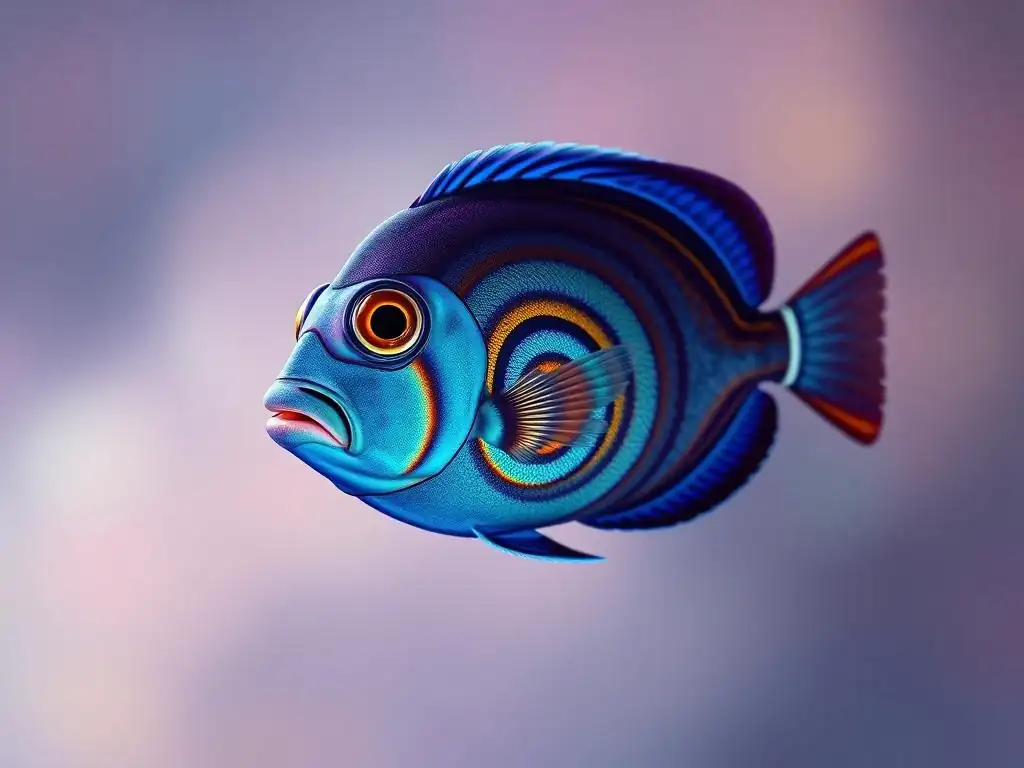
In their natural habitat, Annularis Angelfish are omnivorous, with a diet primarily consisting of sponges, tunicates, and various types of algae. This diverse natural diet emphasizes the critical need for a varied and balanced nutritional intake in captivity to ensure their long-term health and vibrant coloration. A monotonous diet can lead to nutritional deficiencies and a weakened immune system.
For optimal Annularis angelfish care, their captive diet must replicate this natural variety. It should include both meaty foods rich in marine proteins and a significant portion of vegetable matter. Providing a wide range of food sources helps ensure they receive all necessary vitamins, minerals, and trace elements required for robust health and disease resistance.
Recommended Foods for Annularis Angelfish: Formulated Foods and Live Options
A comprehensive diet for Annularis Angelfish should incorporate a mix of high-quality formulated foods and fresh or frozen options. Premium angelfish pellets and flakes, especially those enriched with spirulina and other algae, should form a staple part of their daily intake. These foods are designed to provide essential nutrients and support their immune system.
Supplementing formulated foods with frozen preparations is crucial for effective Annularis angelfish care. Offer a variety of frozen mysis shrimp, brine shrimp (enriched), finely chopped seafood such as krill, clam, squid, and shrimp. Nori (seaweed) should be offered regularly, perhaps several times a week, secured with a veggie clip. Occasional live foods, like enriched brine shrimp or blackworms, can be given as treats to stimulate feeding response and provide additional nutrients.
Feeding Frequency and Portion Sizes for Healthy Growth
For healthy growth and optimal digestion, Annularis Angelfish should be fed small portions multiple times a day, ideally 2-3 times. This approach mimics their natural grazing behavior and prevents overfeeding, which can lead to rapid deterioration of water quality due to uneaten food and excessive waste production.
When feeding, offer only what the Annularis Angelfish can consume within 2-3 minutes. Any uneaten food should be promptly removed from the aquarium to prevent it from decaying and contributing to nutrient buildup. Consistent feeding schedules and appropriate portion sizes are vital components of a successful Annularis angelfish care guide, promoting healthy growth and vibrant coloration.
Preventing Nutritional Deficiencies in Annularis Angelfish
Preventing nutritional deficiencies in Annularis Angelfish is paramount for their long-term health and disease prevention. The cornerstone of this prevention is a highly varied diet that includes a wide array of marine-based proteins, vegetable matter, and essential vitamins and minerals. Avoid feeding the same food repeatedly, as this can lead to specific nutrient gaps.
Consider supplementing their diet with vitamin preparations, particularly those containing Vitamin C, which is known to boost the immune system and help prevent conditions like Head and Lateral Line Erosion (HLLE). Ensuring that frozen foods are enriched or gut-loaded before feeding can also significantly enhance their nutritional value. A meticulous approach to their diet is a cornerstone of comprehensive Annularis angelfish care.
Annularis Angelfish Tank Mates: Compatibility and Community Tank Setup
Choosing Compatible Tank Mates for Your Annularis Angelfish
When selecting tank mates for an Annularis Angelfish, careful consideration is essential due to their potential for territoriality and aggression, especially as they mature. Ideal companions are large, semi-aggressive to peaceful fish that can hold their own without being overly dominant. Examples include various species of tangs (e.g., Yellow Tang, Sailfin Tang), large wrasses, and certain triggers (with caution, as some triggers can be overly aggressive).
It is generally recommended to introduce the Annularis Angelfish last into a well-established community tank, or simultaneously with other large, dominant fish, to minimize territorial disputes. Providing ample hiding spots and visual barriers within the aquascape can also help diffuse potential aggression. Successful Annularis angelfish care in a community setting relies heavily on careful planning and observation.
Fish to Avoid: Aggressive Species and Potential Conflicts
Certain fish species should be avoided as tank mates for the Annularis Angelfish to prevent conflicts and ensure the well-being of all inhabitants. Highly aggressive fish, such as some larger triggers (e.g., Clown Trigger) or certain large predatory groupers, can harass and injure the angelfish. Conversely, very small, timid, or slow-moving species may be intimidated, outcompeted for food, or even preyed upon by the large angelfish.
Extreme caution should be exercised when considering other large angelfish species, especially those of similar size or body shape, as tank mates for Pomacanthus annularis. Unless the aquarium is exceptionally large (e.g., 500+ gallons) and offers multiple distinct territories, severe territorial battles are highly probable. It is generally advisable to keep only one large angelfish per display tank for optimal Annularis angelfish care.
Reef Compatibility: Can Annularis Angelfish Live in a Reef Tank?
The question of Annularis Angelfish reef compatibility is a common one, and unfortunately, the general consensus is that they are considered "not reef safe" or "reef safe with caution" at best. While individual fish may vary in their behavior, Pomacanthus annularis is known to nip at and consume various types of corals, particularly stony corals (both SPS and LPS) and soft corals. They also have a strong propensity to nip at the mantles of clams.
Therefore, for aquarists prioritizing the health and growth of their corals, keeping an Annularis Angelfish in a dedicated Fish-Only-With-Live-Rock (FOWLR) system is the safest and most recommended approach. Attempting to keep them in a mixed reef tank carries a significant risk of coral damage and loss. This consideration is a critical aspect of Annularis angelfish care for those with reef aspirations.
Invertebrate and Coral Considerations
Expanding on reef compatibility, most sessile invertebrates, including corals and clams, are at risk when housed with an Annularis Angelfish. They may view these as food sources or simply nip at them out of curiosity. While larger, more robust invertebrates like certain snails (e.g., Turbo snails) or hermit crabs might be tolerated, smaller ornamental shrimp or delicate starfish are often vulnerable.
If a reef tank is desired, it is crucial to understand that the Annularis Angelfish poses a considerable threat to the integrity of the coral landscape. Even if an individual initially appears "safe," their behavior can change over time. Therefore, it is strongly advised to house Pomacanthus annularis in a FOWLR system to prevent potential damage to expensive and sensitive corals and invertebrates. This is a fundamental guideline in any comprehensive Annularis angelfish care guide.
Annularis Angelfish Health and Disease: Prevention and Treatment
Common Diseases Affecting Annularis Angelfish
Annularis Angelfish, like many marine fish, are susceptible to common saltwater diseases if water quality is poor or stress levels are high. These include external parasites such as Marine Ich ( Cryptocaryon irritans) and Marine Velvet ( Amyloodinium ocellatum), which manifest as white spots or a dusty coating on the fish's body. Bacterial infections, often secondary to stress or injury, can cause fin rot, cloudy eyes, or body sores.
Another concern for large marine angelfish, including Pomacanthus annularis, is Head and Lateral Line Erosion (HLLE). This condition, characterized by pitting and erosion of the skin and sensory pores on the head and along the lateral line, is often linked to poor water quality, nutritional deficiencies (particularly Vitamin C), inadequate diet, and sometimes even excessive use of activated carbon. Proactive Annularis angelfish care is key to preventing these ailments.
Recognizing Symptoms of Illness in Pomacanthus annularis
Early detection of illness is crucial for successful treatment and recovery in Pomacanthus annularis. Visual symptoms of disease can include the appearance of white spots (Ich), a velvety or dusty coating (Velvet), frayed or clamped fins, cloudy eyes, discolored patches on the skin, or visible sores and lesions. Swelling or abnormal growths are also red flags.
Behavioral changes are equally important indicators. A sick Annularis Angelfish may exhibit lethargy, rapid or labored breathing, loss of appetite, excessive hiding, flashing (rubbing against tank decor or substrate), erratic swimming, or a general loss of vibrancy in coloration. Any deviation from normal behavior warrants immediate investigation and adjustment of Annularis angelfish care protocols.
Quarantine Procedures for New Annularis Angelfish
Implementing a strict quarantine procedure for all new Annularis Angelfish is arguably the single most important step in preventing disease introduction to your main display tank. A dedicated quarantine tank (QT) should be set up with a bare bottom, a heater, an air stone or sponge filter, and PVC pipes or non-porous decorations for hiding. The QT should be established and cycled before the new fish arrives.
The new Annularis Angelfish should remain in the QT for at least 4 to 6 weeks. During this period, observe the fish closely for any signs of disease. Many experienced aquarists opt for prophylactic treatment for common parasites, such as a copper-based medication for Ich and Velvet, even if no symptoms are visible. Ensure the fish is actively eating and appears robust before considering transfer to the main aquarium. This diligent Annularis angelfish care step saves countless headaches.
Treatment Options for Sick Annularis Angelfish
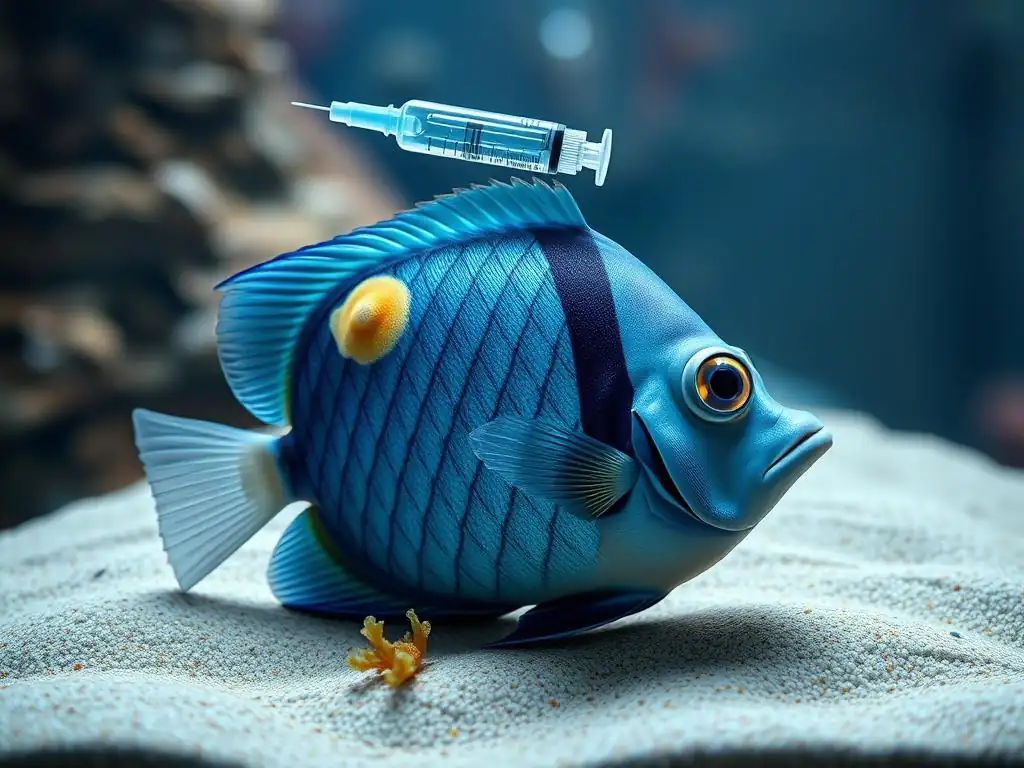
Treatment options for sick Annularis Angelfish depend entirely on an accurate diagnosis of the illness. For external parasites like Ich and Velvet, copper-based medications or hyposalinity (reducing salinity to a specific range, e.g., 1.008-1.009 for 2-4 weeks) are common treatments, typically administered in a separate quarantine or hospital tank. Bacterial infections may require broad-spectrum antibiotics, often administered via medicated food or water.
For internal parasites, such as worms, Praziquantel-based medications can be effective. During any treatment, it is vital to maintain pristine water quality, stable parameters, and a nutritious diet to support the fish's immune system. Always follow medication instructions precisely, as incorrect dosages can be harmful. Consulting with an experienced marine aquarist or aquatic veterinarian can provide invaluable guidance for complex Annularis angelfish care situations.
Maintaining a Healthy Aquarium to Prevent Disease
The best defense against disease in Annularis Angelfish is proactive prevention through consistent, high-quality aquarium maintenance. This includes performing regular partial water changes (10-20% bi-weekly) to keep nitrate levels low and replenish trace elements. Robust filtration, including a powerful protein skimmer, is essential to remove organic waste before it can break down into harmful compounds.
Beyond water quality, providing a stable environment with consistent temperature and pH, a varied and nutritious diet, and appropriate tank mates significantly reduces stress, which is a primary trigger for disease outbreaks. Avoiding overstocking and ensuring ample hiding spots also contribute to a low-stress environment, allowing the Annularis Angelfish's immune system to remain strong and resilient against potential pathogens. This holistic approach is fundamental to long-term Annularis angelfish care.
Typical Behavior Patterns of the Annularis Angelfish
Annularis Angelfish are generally active and inquisitive swimmers, often observed cruising the middle and upper levels of the aquarium. They exhibit a graceful, undulating swimming motion characteristic of large angelfish. While initially shy upon introduction to a new environment, they typically become bolder and more confident once acclimated and feeling secure in their surroundings.
These fish are also known to spend time exploring rockwork, picking at surfaces for potential food items or algae. They display a level of intelligence and can become quite interactive with their owners, often recognizing feeding times. Understanding these typical behaviors is crucial for assessing their well-being and providing appropriate Annularis angelfish care.
Aggression and Territoriality in Annularis Angelfish
As they mature, Annularis Angelfish can display significant territoriality and aggression, particularly towards similarly sized or shaped fish, or other angelfish species. This aggression is more pronounced in smaller aquariums where space is limited, leading to increased stress and conflict. They may chase, nip, or even ram tank mates that they perceive as rivals or intruders into their established territory.
To mitigate aggression, it is vital to provide an adequately sized aquarium with plenty of hiding spots and visual barriers created by live rock structures. Introducing the Annularis Angelfish as one of the last fish into a community tank can sometimes help, as established residents may be less intimidated. Constant monitoring for signs of bullying or stress among tank mates is a critical aspect of Annularis angelfish care in a multi-species setup.
Observing Your Annularis Angelfish: Key Behavioral Indicators
Regular and diligent observation of your Annularis Angelfish's behavior is a cornerstone of effective Annularis angelfish care. Changes in typical behavior patterns are often the first indicators of stress, illness, or environmental issues. Look for consistent, active swimming, alertness, and a healthy appetite. They should readily come out for food and explore their surroundings.
Subtle changes to watch for include increased hiding, lethargy, rapid or labored breathing (gilling), rubbing against tank decor ("flashing"), clamped fins, or a sudden refusal to eat. Any of these signs warrant immediate investigation into water parameters, potential tank mate issues, or the onset of disease. Early detection through careful observation significantly increases the chances of successful intervention and recovery.
Acquiring Annularis Angelfish: Selecting a Healthy Specimen
Where to Buy Annularis Angelfish: Reputable Sources and Online Retailers
When acquiring an Annularis Angelfish, choosing a reputable source is paramount to ensure you receive a healthy and ethically sourced specimen. Local fish stores with a strong reputation for knowledgeable staff, clean tanks, and healthy livestock are a good starting point. Observe their holding tanks for signs of disease, dead fish, or poor water quality.
Alternatively, several well-regarded online retailers specialize in marine fish and often have robust quarantine procedures in place. Before purchasing online, research customer reviews, inquire about their acclimation and shipping processes, and ask about their guarantee policies. A reputable dealer will prioritize the well-being of the fish and offer guidance on Annularis angelfish care.
Evaluating the Health of an Annularis Angelfish Before Purchase
Before bringing an Annularis Angelfish home, a thorough visual inspection is crucial. Look for clear, bright eyes without cloudiness or haziness. The fins should be intact, without tears, nips, or signs of fin rot. The body should appear full and well-fed, not emaciated or sunken. Check for any visible spots (white or dusty), lesions, sores, or abnormal growths on the skin.
Beyond physical appearance, observe the fish's behavior in the dealer's tank. A healthy Annularis Angelfish should be active, alert, and curious. It should be swimming fluidly, not struggling or exhibiting erratic movements. Most importantly, it should show an eagerness to eat when food is offered. Avoid fish that are lethargic, hiding excessively, breathing rapidly, or appear stressed. This careful evaluation is vital for successful Annularis angelfish care from day one.
Acclimation Process: Introducing Your New Annularis Angelfish to the Aquarium
The acclimation process is a critical step in safely introducing your new Annularis Angelfish to its new environment, minimizing stress and osmotic shock. The drip acclimation method is highly recommended for marine fish. Begin by floating the sealed bag in your quarantine tank for 15-20 minutes to equalize temperature.
After temperature equalization, open the bag and secure it in a container. Slowly drip water from your quarantine tank into the bag using airline tubing and a knot or valve to control the flow, aiming for 1-2 drips per second. Continue this process for 30-60 minutes, or until the volume of water in the container has at least doubled. Finally, gently net the fish and transfer it to the quarantine tank, discarding the bag water. Dimming the lights for the first few hours can further reduce stress during this initial Annularis angelfish care phase.
Breeding Annularis Angelfish: Challenges and Possibilities
Understanding Annularis Angelfish Reproduction
Understanding the reproductive biology of Annularis Angelfish in the wild provides context for the challenges of captive breeding. Like many large marine angelfish, Pomacanthus annularis are pelagic spawners. This means that during spawning events, a pair will ascend into the water column and release their eggs and sperm simultaneously, which then drift with the currents. Fertilization occurs externally.
In their natural habitat, Annularis Angelfish typically form pair bonds, but visual sexing is extremely difficult as there are no obvious external differences between males and females. Spawning in a home aquarium setting is an exceptionally rare occurrence, largely due to the massive tank size requirements, specific environmental triggers, and the complex social dynamics needed for a successful breeding pair.
Spawning in Captivity: Limited Success and Research
Despite their popularity in the hobby, successful captive breeding of Annularis Angelfish, or indeed most large Pomacanthus species, remains extremely limited. The few instances of successful reproduction have primarily occurred in highly specialized public aquariums or advanced aquaculture facilities with vast systems designed to mimic oceanic conditions. It is not a realistic goal for the average home aquarist.
The challenges involved include the need for immense tank volumes to accommodate a breeding pair, precise water chemistry parameters tailored for delicate egg and larval development, and the extreme difficulty in providing appropriate microscopic food sources for the larval stages. The complex life cycle and specific environmental cues required for spawning and larval rearing make it an ongoing area of research rather than a common achievement in general Annularis angelfish care.
Advanced Annularis Angelfish Care: Tips for Experienced Aquarists
Enhancing Coloration and Growth in Annularis Angelfish
For experienced aquarists aiming to maximize the vibrant coloration and robust growth of their Annularis Angelfish, several advanced techniques can be employed. Foremost is a meticulously varied and nutrient-dense diet. Incorporate foods specifically formulated for color enhancement, rich in spirulina, astaxanthin, and other carotenoids. Offering a wide array of fresh and frozen marine foods, including sponges and algae, will naturally boost their hues.
Beyond diet, maintaining exceptionally stable and pristine water quality is paramount. Consistent water parameters, low nitrates, and the absence of stress contribute significantly to vibrant coloration and strong growth. Powerful LED lighting, especially those with blue spectrums, can also visually enhance their natural blues and yellows. A low-stress environment with ample swimming space and appropriate tank mates further promotes their overall vitality and splendid appearance.
Managing Aggression in Established Annularis Angelfish
Managing aggression in an established Annularis Angelfish, particularly towards new additions or existing tank mates, often requires strategic intervention. If aggression becomes problematic, consider rearranging the live rock aquascape to break up established territories and create new hiding spots. This can disorient the angelfish temporarily and allow other fish to establish their own safe zones.
Introducing new tank mates that are larger, more robust, or possess different body shapes can sometimes help diffuse aggression. In extreme cases, temporarily removing the aggressive Annularis Angelfish for a few days to a week and then reintroducing it can reset territorial boundaries. Always ensure the tank is adequately sized for all inhabitants to minimize stress-induced aggression, a key element of advanced Annularis angelfish care.
Long-Term Care and Maintenance of Pomacanthus annularis
Long-term Annularis angelfish care hinges on unwavering commitment to consistent maintenance and proactive observation. This includes adhering to a strict schedule of weekly water parameter testing (pH, salinity, temperature, ammonia, nitrite, nitrate) and bi-weekly partial water changes (10-20%) to maintain pristine conditions. Regular cleaning of filtration equipment, especially the protein skimmer, is crucial for waste removal.
Continuous vigilance in observing the fish's behavior, appetite, and physical appearance is essential for early detection of any health issues. Proactive disease prevention through excellent water quality and a balanced diet will ensure the Annularis Angelfish lives out its full potential lifespan of 10-15 years or more. Staying informed about new advancements in marine husbandry and adapting your Annularis angelfish care routine accordingly will contribute to their enduring health and beauty.
Conclusion: Mastering Annularis Angelfish Care.
Frequently Asked Questions
What are the key considerations when setting up an aquarium for an Annularis Angelfish?
The most important factors are a large tank size (at least 125 gallons), stable water parameters, and plenty of live rock for grazing. These fish require ample swimming space and a mature ecosystem.
What should I feed my Annularis Angelfish?
A varied diet is crucial. Offer a mix of high-quality flake food, frozen meaty foods (like mysis shrimp and brine shrimp), and algae sheets to ensure proper nutrition.
How difficult is it to care for an Annularis Angelfish?
Annularis Angelfish are considered moderately difficult to care for. They require a commitment to maintaining excellent water quality and providing a varied diet.
Are Annularis Angelfish reef safe?
Generally, no. They are known to nip at corals and invertebrates, making them unsuitable for most reef tanks. Consider this carefully before adding one.
What are some common health problems affecting Annularis Angelfish?
Common issues include Ich (white spot disease), internal parasites, and bacterial infections. Quarantine new arrivals and maintain optimal water quality to prevent these problems.
Okay, here's a final reflection designed to close your "Annularis Angelfish (Pomacanthus annularis): The Regal Ringed Wonder" article, optimized for emotional connection and a lasting impression, while also subtly reinforcing the "Annularis angelfish care guide" theme:
Final Reflection: Embracing the Responsibility of Regal Care
The journey through understanding the Annularis Angelfish has highlighted not only its breathtaking beauty but also the significant responsibility that comes with its care. As we've explored the intricacies of their habitat, diet, and social needs, it becomes clear that successfully keeping these magnificent creatures requires dedication, knowledge, and a genuine commitment to their well-being.
The allure of the Annularis Angelfish lies in its regal appearance, a visual testament to the wonders of the marine world. However, true appreciation goes beyond mere aesthetics; it demands a deep understanding of their needs and a willingness to provide the best possible environment. As the saying goes, With great power comes great responsibility,
and in the realm of aquariums, the power to bring such beauty into our homes carries with it the responsibility to ensure their thriving existence.
Now, as you consider bringing the Annularis Angelfish into your own aquarium, remember the lessons we've explored together. Let this guide not only inform your decisions but also inspire you to become a steward of these magnificent creatures. Embrace the challenge, commit to their well-being, and in doing so, contribute to the preservation of the ocean's wonders, one regal ringed wonder at a time.
Unlock the Secrets of Annularis Angelfish!
Thank you for diving deep into the world of the Annularis Angelfish! We hope you found this journey as captivating as these magnificent creatures. Now, let's turn that knowledge into action!
Here are a few ways to continue your exploration and connect with these regal ringed wonders:
- Prioritize learning how to identify diseases with the species as this is key to the Angelfish to flourish in the aquarium.
- Delve deeper into the Pomacanthus genus! Research other angelfish species and compare their care requirements and unique characteristics.
- Share your newfound appreciation for Annularis Angelfish with fellow aquarists! What surprised you most about their behavior or care?