
Aquarium Mastery: Advanced Clownfish Breeding – Techniques Beyond the Basics

Welcome to Aquarium Mastery!
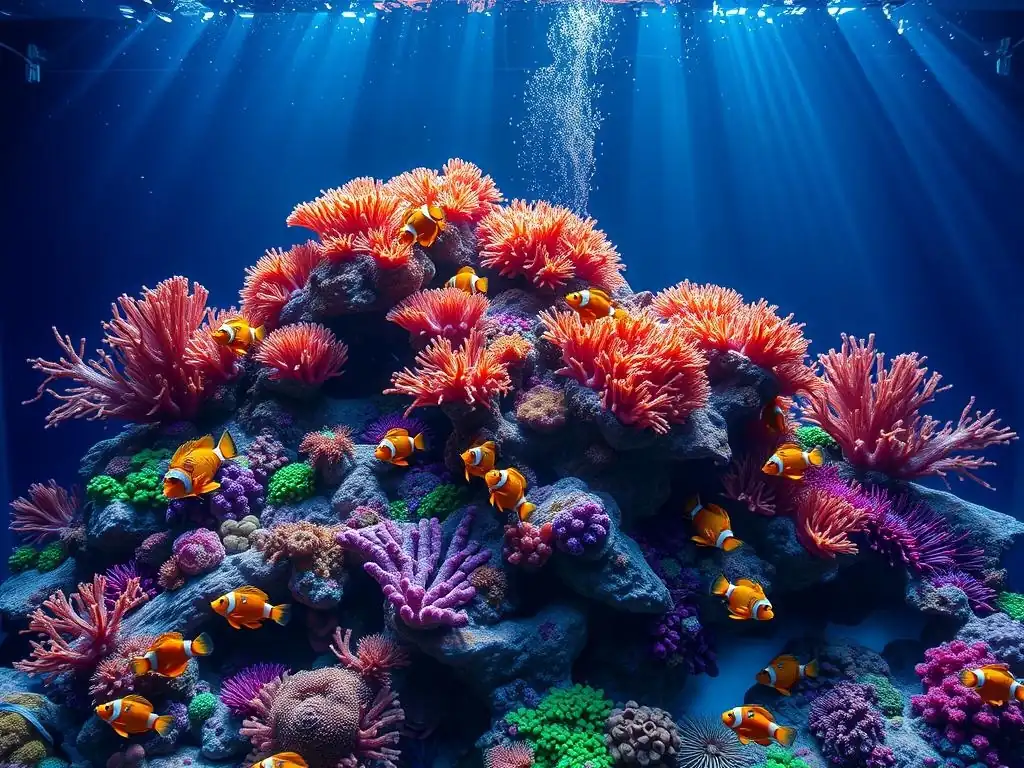
Ever wondered what it really takes to go beyond the basics and successfully breed clownfish? Dive in! Our featured article explores advanced clownfish breeding techniques, unlocking secrets to help you achieve that coveted spawning success. Ready to transform your clownfish aspirations into reality? Let's get started!
- Introduction to Advanced Clownfish Breeding
- Optimizing the Breeding Environment for Clownfish
- Advanced Clownfish Feeding Strategies
- Advanced Larval Rearing Techniques for Clownfish
- Genetic Considerations in Advanced Clownfish Breeding
- Advanced Clownfish Color Morph Development
- Troubleshooting Common Challenges in Advanced Clownfish Breeding
- Conclusion: Mastering Advanced Clownfish Breeding
-
Frequently Asked Questions
- How does Aquarium Mastery's advanced clownfish breeding guidance differ from beginner resources?
- What specific environmental factors are crucial for successful advanced clownfish breeding?
- What specialized foods are recommended for clownfish larvae in advanced breeding programs?
- What are some common challenges encountered in advanced clownfish breeding, and how can Aquarium Mastery help overcome them?
- How does Aquarium Mastery address the genetic aspects of clownfish breeding for advanced aquarists?
- Final Reflection: The Everlasting Dance of Life
- Unlock the Secrets: Start Your Clownfish Breeding Journey Today!
Introduction to Advanced Clownfish Breeding
Moving Beyond Beginner Clownfish Breeding: What's New?
Transitioning from basic clownfish breeding to advanced techniques involves a significant shift in focus and complexity. While beginners might celebrate a successful spawn and the initial hatching of larvae, advanced aquarists aim for consistently high larval survival rates, the cultivation of specific genetic traits, and the meticulous management of every life stage. This leap involves mastering sophisticated feeding protocols, precise water chemistry adjustments, and a deeper understanding of larval physiology and behavior, moving beyond merely "getting eggs" to "raising robust, high-quality fry in significant numbers."
Key advancements in clownfish breeding techniques advanced include detailed environmental controls for larval development, the strategic use of diverse live food cultures, and the application of genetic principles to produce desired color morphs. For instance, where a beginner might struggle to achieve a 5% larval survival rate, an advanced breeder might consistently achieve 50% or even 80% through optimized protocols, addressing challenges like first feeding mortality and disease prevention with proactive measures.
Understanding the Demands of Advanced Techniques
Advanced clownfish breeding techniques advanced necessitates a far greater commitment of time, resources, and knowledge. It's not just about adding more tanks; it demands precise daily monitoring, specialized equipment, and a profound understanding of marine biology and aquaculture principles. Breeders must be prepared to invest in high-quality testing kits, automated systems, and the infrastructure for culturing various live feeds simultaneously, such as rotifers, copepods, and brine shrimp, each requiring specific maintenance.
The learning curve for advanced breeding is continuous, requiring a dedication to problem-solving and meticulous record-keeping. For example, maintaining multiple, staggered copepod cultures to ensure a constant supply of appropriately sized prey for different larval stages is a common advanced practice. This level of detail and proactive management differentiates the advanced breeder from someone simply enjoying occasional spawns.
Why Advanced Clownfish Breeding? Increased Yields and Rare Color Morphs
The primary motivations for engaging in advanced clownfish breeding are manifold, encompassing both economic benefits and contributions to marine conservation. By optimizing environmental conditions and feeding strategies, advanced techniques can dramatically increase larval survival rates from the typical beginner range of under 1% to over 50%, and in some cases, approaching 80-90% for specific species. This increased yield reduces the reliance on wild-caught specimens, promoting sustainable aquaculture practices and alleviating pressure on natural reef populations.
Beyond sheer numbers, advanced clownfish breeding techniques advanced enables the targeted production of rare and highly sought-after color morphs. Through selective breeding, aquarists can intentionally produce designer clownfish such as "Snowflake," "Picasso," "Black Ice," or "Frostbite" varieties, which command significantly higher prices in the hobbyist market. This specialization not only makes the endeavor more financially viable but also adds a fascinating genetic dimension to the breeding process.
Optimizing the Breeding Environment for Clownfish
Advanced Water Chemistry for Clownfish Breeding Success
The Importance of Stable Salinity and pH
Stability in water parameters is paramount for successful clownfish breeding, particularly for the delicate eggs and newly hatched larvae. Clownfish eggs are highly sensitive to even minor fluctuations; a sudden drop of just 0.001 in specific gravity or a 0.1 unit change in pH can significantly reduce hatch rates and compromise larval viability. For breeding pairs, maintaining a stable salinity of 1.025-1.026 and a pH of 8.1-8.3 is crucial, mimicking natural oceanic conditions.
To achieve this stability, advanced breeders often employ automated top-off systems using high-quality RODI (Reverse Osmosis Deionized) water, which ensures consistent salinity. Daily monitoring with calibrated instruments, such as a refractometer checked with a calibration solution and a high-quality pH probe, is essential. Additionally, performing frequent, small water changes (e.g., 10% daily or every other day) with pre-mixed, aged saltwater is often more effective than infrequent, large changes in maintaining stable parameters.
Maintaining Ideal Water Parameters for Clownfish Larvae
Clownfish larvae have even more stringent water quality requirements than adult pairs. Ammonia and nitrite levels must be undetectable (0 ppm), and nitrates should be kept below 5 ppm, as even slight elevations of these nitrogenous compounds can be lethal to the fragile larvae. Temperature stability is equally critical, with most clownfish larvae thriving between 78-80°F (25.5-26.5°C).
In larval rearing tanks, which are often small (e.g., 5-10 gallons), rapid and frequent water changes are a standard practice, sometimes as high as 50-100% daily, using aged, pre-mixed saltwater. Gentle aeration is also vital to ensure optimal oxygen saturation without creating excessive turbulence that could stress or harm the delicate larvae. This meticulous approach to water quality is a cornerstone of advanced clownfish breeding techniques advanced.
Specialized Clownfish Breeding Tanks: Design and Considerations
Tank Size and Shape for Optimal Larval Development
While a 20-30 gallon tank is commonly used for a clownfish breeding pair, the design of larval rearing tanks is significantly different and crucial for optimal development. Smaller volumes, often in the range of 5-10 gallons, are preferred for initial larval rearing to concentrate food and facilitate rapid water changes. Critically, these tanks are frequently round or "kreisel" shaped, which prevents larvae from becoming trapped in corners, a common issue in rectangular tanks.
Kreisel tanks, specifically designed to create a gentle, circular flow, keep live food suspended in the water column and prevent delicate larvae from settling on the bottom or getting caught in dead spots. This maximizes feeding opportunities and reduces stress. Many advanced breeders utilize custom-built acrylic kreisel tanks with fine mesh overflows to ensure larvae are not lost during water changes, showcasing a key aspect of specialized clownfish breeding techniques advanced.
Incorporating Live Rock and Substrates Effectively
For the breeding pair's tank, live rock serves multiple purposes: it provides essential biological filtration, helps maintain stable water chemistry by buffering pH, and offers natural hiding spots that reduce stress for the pair. A general guideline is 1 to 1.5 pounds of live rock per gallon, ensuring ample surface area for beneficial bacteria. While some breeders use a fine aragonite sand substrate, which can offer a surface for spawning, many advanced breeders prefer a bare-bottom tank for the breeding pair to facilitate easier cleaning and egg observation.
In contrast, larval rearing tanks are almost universally bare-bottom and devoid of live rock or substrate. This minimalist approach prevents the trapping of delicate larvae, minimizes potential refuges for pathogens, and allows for strict hygiene protocols. The focus in larval tanks is solely on pristine water quality, maintained through frequent water changes and minimal internal decor, often limited to just a gentle air stone.
Advanced Filtration Techniques for Clownfish Breeding
Utilizing Protein Skimmers and UV Sterilizers
Protein skimmers are indispensable in advanced clownfish breeding systems, especially for the broodstock tank. They effectively remove organic waste before it can break down into harmful nitrogenous compounds, significantly improving water quality and stability. Oversizing the skimmer for the breeding tank (e.g., using a skimmer rated for 75 gallons on a 30-gallon tank) ensures maximum efficiency in waste removal. UV sterilizers, when properly sized and maintained, can drastically reduce bacterial and parasitic loads in the water column, acting as a preventative measure against disease outbreaks.
UV sterilizers are particularly valuable in larval rearing systems, where they can control opportunistic pathogens without the need for medications that might harm delicate larvae. However, their use requires careful plumbing to avoid killing beneficial plankton or live food organisms. Regular bulb replacement (typically every 6-12 months) is crucial for maintaining their efficacy, as UV output diminishes over time.
Implementing Refugiums for Natural Water Quality Enhancement
Refugiums, often plumbed as an extension of the breeding tank's sump, are a sophisticated natural filtration method. They typically house beneficial macroalgae, such as Chaetomorpha or Ulva, which absorb nitrates and phosphates, thereby enhancing water quality and stability naturally. This creates a more stable and less stressful environment for the breeding pair, promoting consistent spawning.
Beyond nutrient export, refugiums can serve as a continuous, natural source of live copepods, which can flow into the main tank. This provides a steady supply of nutritious live food for the breeding pair, potentially stimulating spawning activity and mimicking the natural foraging opportunities found in the wild. This integrated, natural approach to water quality management is a hallmark of advanced clownfish breeding techniques advanced.
Advanced Clownfish Feeding Strategies
Live Food Cultures: Beyond Rotifers
Culturing Copepods for Clownfish Larvae
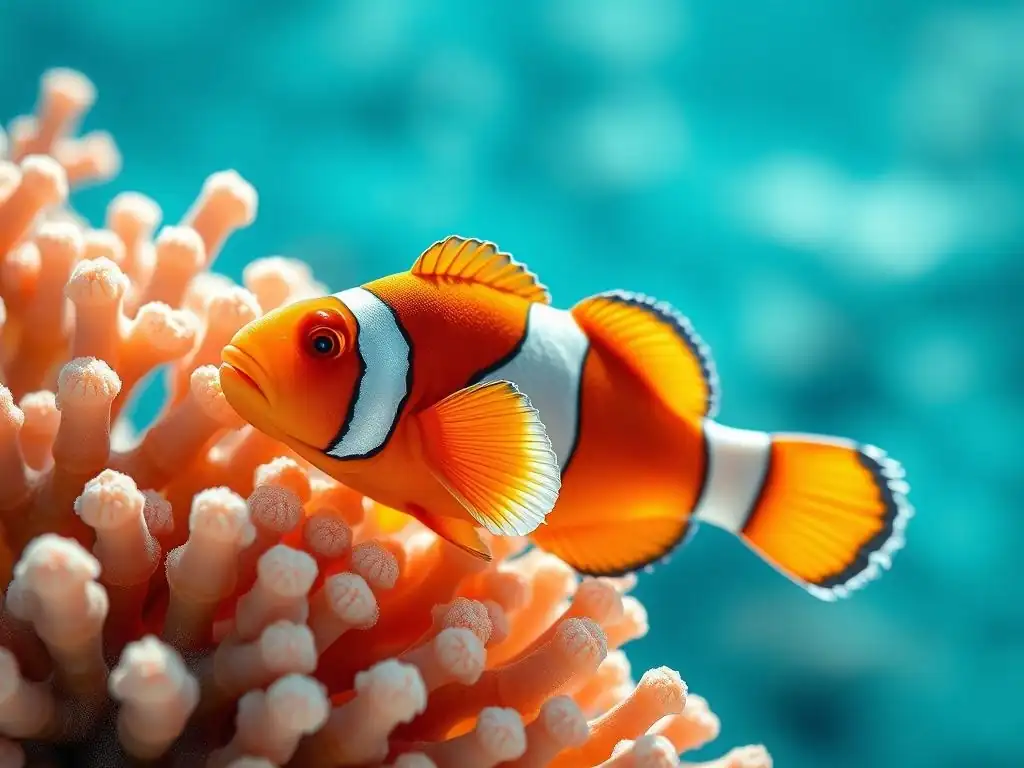
While rotifers (Brachionus plicatilis) are a common and widely used first food for clownfish larvae, advanced breeders increasingly rely on copepods (e.g., Tisbe, Tigriopus, Apocyclops) for superior nutritional value. Copepods typically possess higher lipid content, particularly crucial fatty acids like DHA and EPA, which are essential for robust larval development, neurological function, and overall survival rates. Furthermore, their jerky swimming motion can trigger a stronger feeding response in some clownfish larvae.
Maintaining multiple, large-volume copepod cultures (e.g., 5-gallon buckets or larger) with specific algal feeds (e.g., Nannochloropsis, Tetraselmis) is a necessity to ensure a continuous and reliable supply. Advanced clownfish breeding techniques advanced often involve batch culturing and staggered harvesting to prevent culture crashes and ensure a diverse range of copepod sizes for different larval stages.
Hatching Brine Shrimp with Enhanced Nutritional Value
Newly hatched brine shrimp (Artemia nauplii) are commonly introduced as a second food source for growing clownfish larvae. However, their nutritional value is inherently poor immediately after hatching, as they lack essential fatty acids. To address this, they must be enriched with commercial enrichment products (e.g., Selco, DHA Selco) for 12-24 hours before being fed to the larvae.
This bioencapsulation process significantly boosts their DHA and EPA content, which is vital for larval eye development, neurological processes, and overall growth. The brine shrimp are placed in an enrichment solution within a well-aerated container during this period. Without proper enrichment, feeding unenriched brine shrimp can lead to severe nutritional deficiencies and high larval mortality rates.
Formulated Diets for Clownfish: Supplementing Live Food
Choosing the Right Pellet Size and Composition
As clownfish larvae grow into juveniles, advanced breeders gradually transition them onto formulated dry foods. Initially, micro-pellets, typically ranging from 0.2 mm to 0.5 mm, are introduced. The composition of these dry foods is critical, requiring high protein content (40-50%) and a balanced lipid profile that ideally mimics the natural marine diet, including high-quality marine proteins and essential algae.
The transition process must be slow and deliberate. Breeders typically start by mixing very small amounts of dry food with live food, gradually increasing the proportion of the formulated diet over several days or weeks. Close observation of feeding behavior is essential to ensure the juveniles are accepting and properly digesting the dry food. High-quality commercial diets, when properly introduced, can significantly reduce the long-term reliance on continuous live food cultures.
Creating a Feeding Schedule for Optimal Growth
For clownfish larvae, frequent, small feedings are paramount, often required every 2-4 hours, potentially around the clock, to ensure a constant supply of food in the water column. This strategy minimizes starvation and promotes rapid, consistent growth. However, overfeeding must be meticulously avoided, as excess food can quickly degrade water quality and lead to bacterial blooms.
As the fish mature into juveniles, the feeding frequency can be gradually reduced to 3-4 times daily. The goal remains to provide sufficient nutrition for vigorous growth without leaving uneaten food to decompose. Observing the larvae's belly size and overall activity can help gauge if they are receiving adequate nourishment. Automated feeders are often employed by advanced breeders to ensure consistency, especially for nighttime feedings, a key aspect of optimizing clownfish breeding techniques advanced.
Enriching Live Food for Enhanced Clownfish Larval Health
Adding Essential Fatty Acids and Vitamins
Beyond the crucial DHA and EPA enrichment for brine shrimp, rotifers and copepods can also be nutritionally boosted. This is achieved by feeding them specific, nutrient-rich microalgae strains (e.g., Isochrysis galbana, Nannochloropsis oculata) or commercial enrichment products designed to elevate their fatty acid and vitamin content. This process ensures that the live food consumed by larvae provides a complete and balanced diet, crucial for their delicate developmental stages.
Fat-soluble vitamins (A, D, E, K) and water-soluble B vitamins are vital for proper larval development, immune system function, and stress resistance. While commercial enrichments often include these, some advanced breeders may also cautiously supplement the water with specific vitamin complexes, though precise dosing is critical to avoid imbalances. This comprehensive approach to live food nutrition is a cornerstone of successful clownfish breeding techniques advanced.
Advanced Larval Rearing Techniques for Clownfish
The Importance of First Feeding in Clownfish Larvae
The "first feeding" window is perhaps the most critical period in clownfish larval rearing, typically occurring within 24-48 hours post-hatch. Clownfish larvae are born with a limited yolk sac, which provides initial sustenance. If they do not consume external food within this short timeframe, they will quickly starve, leading to mass mortality. Providing appropriately sized and abundant live food, such as L-type rotifers or small copepods, immediately after hatching is paramount.
Advanced breeders meticulously monitor for signs of successful first feeding, often by observing the larvae under magnification to check for a visible "full gut" (a dark line or blob within their translucent bodies). An empty gut indicates a problem with food availability, size, or quality, requiring immediate adjustment to the clownfish breeding techniques advanced protocol to prevent widespread starvation.
Managing Larval Density for Optimal Growth
Overcrowding is a leading cause of high larval mortality rates in marine fish breeding. High larval densities lead to increased competition for food, elevated stress levels, and rapid degradation of water quality due as metabolic waste accumulates faster. While initial densities of 5-10 larvae per liter are sometimes cited, many advanced breeders aim for even lower densities, such as 2-3 larvae per liter, particularly in the first week, to maximize individual growth and survival.
Strategies for effective density control include regular culling of weaker or deformed larvae and the systematic transfer of growing batches to larger or multiple rearing tanks. This ensures that each larva has sufficient space and resources, reducing aggression, minimizing the spread of disease, and promoting uniform growth among the cohort.
Specialized Lighting for Clownfish Larval Development
Understanding the Role of Light Spectrum and Intensity
Lighting plays a crucial and often underestimated role in clownfish larval development. It influences phototaxis (the larvae's movement towards light), foraging behavior, and even the development of natural pigmentation. A full-spectrum light source that closely mimics natural sunlight is generally preferred. The intensity should be moderate, avoiding overly bright conditions that can stress larvae or promote undesirable algal blooms within the rearing tank.
Some research suggests that specific light spectrums, particularly blue light (450-475 nm), can enhance growth and development in marine fish larvae. Consistent photoperiods, typically 16 hours of light followed by 8 hours of darkness, are also vital for establishing natural circadian rhythms, influencing metabolism and feeding cycles.
Implementing Photoperiods for Enhanced Growth
A stable and consistent photoperiod (e.g., 16 hours light, 8 hours dark) is fundamental for regulating the larvae's metabolism, activity levels, and feeding cycles. This consistency promotes more predictable growth rates and reduces stress. While some breeders experiment with continuous light for the first few days to maximize feeding opportunities, this can also lead to larval fatigue and potential long-term stress.
Advanced clownfish breeding techniques advanced often incorporate dimmable LED lighting systems with "sunrise/sunset" features. This gradual dimming and brightening mimics natural light cycles more closely than abrupt on/off periods, further reducing stress during light transitions and contributing to the overall robustness of the larval cohort.
Preventing and Treating Common Clownfish Larval Diseases
Recognizing Early Signs of Disease
Larval diseases can be swift and devastating, often leading to rapid mass mortality. Advanced breeders must be vigilant in recognizing early signs of disease, which include lethargy, abnormal swimming patterns (e.g., spiraling, erratic movements), loss of buoyancy control, changes in coloration, visible lesions, or a sudden failure to feed. Daily, close inspection of larvae under good illumination is absolutely essential for early detection.
Common pathogens affecting clownfish larvae include bacterial infections (e.g., Vibrio species) and ciliate parasites (e.g., Uronema). Maintaining impeccable water quality, providing optimal nutrition, and managing larval density to prevent overcrowding are the primary preventative measures. A sudden, unexplained increase in mortality within a larval batch is a strong indicator of a disease outbreak requiring immediate investigation and action.
Implementing Quarantine Protocols
Strict quarantine protocols are indispensable in advanced breeding operations. All new live food cultures, broodstock, or equipment must undergo thorough quarantine or sterilization before being introduced to the larval system. For instance, new rotifer cultures might be treated with a mild antibiotic or passed through a UV sterilizer before being fed to larvae to minimize pathogen introduction.
If disease strikes, traditional medications are often toxic to delicate larvae. The initial response should focus on non-medicinal interventions: increasing the frequency and volume of water changes, improving aeration, and ensuring temperature stability. In some severe cases, short-term dips in freshwater or the careful, precise dosing of specific antibiotics (e.g., Oxytetracycline) might be considered as a last resort, but prevention through stringent hygiene and optimal conditions is always the superior approach in clownfish breeding techniques advanced.
Genetic Considerations in Advanced Clownfish Breeding
Understanding Clownfish Genetics and Inheritance Patterns
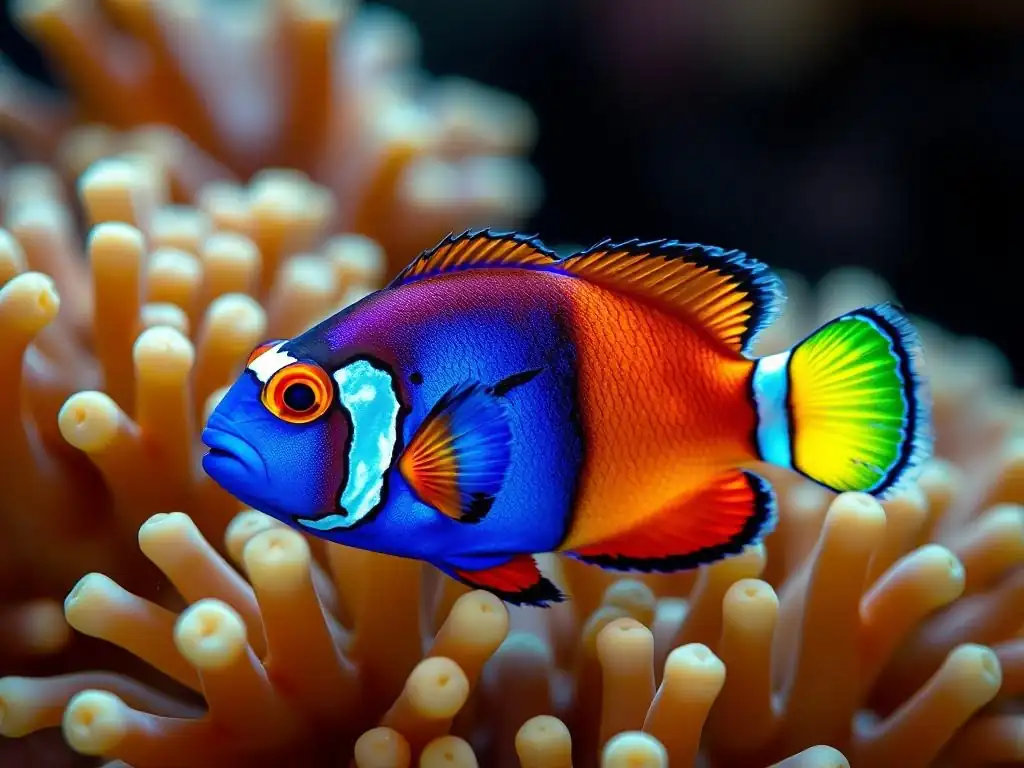
Understanding the genetic basis of clownfish traits is fundamental to advanced breeding. The inheritance patterns for many popular traits, such as unique color patterns and fin variations, are relatively well-understood, often following Mendelian genetics (e.g., incomplete dominant or recessive traits). This knowledge allows advanced breeders to predict the outcomes of specific crosses with a high degree of accuracy.
For example, the "Snowflake" trait in Ocellaris clownfish is an incomplete dominant gene. Breeding two Snowflake clownfish will typically yield a predictable mix of normal, Snowflake, and "Extreme Snowflake" offspring. This predictability, derived from a solid grasp of genetics, allows breeders to intentionally produce desired clownfish breeding techniques advanced outcomes and avoid undesirable ones.
Selective Breeding for Desired Clownfish Traits
Identifying and Selecting Breeding Pairs
Selective breeding in clownfish goes beyond simply pairing a male and female. Advanced breeders meticulously identify and select individuals for breeding based on a comprehensive set of criteria, including overall health, robust size, vibrant coloration, and the presence of specific desired genetic traits. Equally important is the avoidance of undesirable traits such as fin deformities, slow growth rates, or poor pattern expression. Pairing individuals with complementary genetics can significantly enhance the likelihood of achieving desired outcomes in the offspring.
Clownfish are protandrous hermaphrodites, meaning all are born male, and the largest individual in a group typically transitions to female. When forming a pair, introducing a smaller, healthy male to a larger, established female is a common and effective strategy. Careful observation of their interaction for signs of bonding or excessive aggression is crucial for a successful pairing.
Maintaining Detailed Breeding Records
Meticulous record-keeping is an absolute necessity for advanced clownfish breeding techniques advanced. These records should encompass comprehensive data for each breeding pair and every spawn: parentage, exact spawning dates, estimated egg counts, precise hatch rates, larval survival rates at various stages, detailed feeding protocols, daily water parameters, and any observed anomalies or deformities in the offspring. Each batch of fry should be distinctly tracked from hatch to juvenile stage.
This rich dataset is invaluable for future breeding decisions. It allows breeders to identify the most productive and genetically sound pairs, assess the heritability of specific traits, and effectively troubleshoot problems that arise. For instance, if a particular pair consistently yields low hatch rates, their dietary regimen, water parameters, or genetic compatibility can be reviewed against data from more successful pairs, enabling a data-driven refinement of breeding protocols.
Avoiding Inbreeding and Maintaining Genetic Diversity
Introducing New Bloodlines Strategically
Continuous inbreeding within a closed breeding population can lead to "inbreeding depression," a serious genetic issue that manifests as reduced fertility, increased susceptibility to disease, higher rates of deformities, smaller adult size, and a general weakening of the immune system over successive generations. To counteract this, it is crucial for advanced breeders to periodically introduce new, unrelated bloodlines into their breeding stock.
This involves acquiring healthy, genetically diverse clownfish from different breeders or, if ethically sourced, from different geographic locations to ensure minimal genetic relatedness. Extreme care must be taken to implement rigorous quarantine protocols for all new fish to prevent the introduction of pathogens into the established breeding facility. This strategic management of genetic diversity is vital for the long-term health and sustainability of the breeding program.
Advanced Clownfish Color Morph Development
Understanding the Factors Influencing Clownfish Coloration
Clownfish coloration is a complex phenotype influenced by an intricate interplay of genetics, diet, and environmental factors. The vibrant reds, oranges, and yellows are primarily due to carotenoid pigments, while black patterns are produced by melanins. Genetic predisposition determines the potential for specific patterns and color intensities, but environmental conditions and nutritional intake significantly modulate their expression.
Stress, suboptimal water quality, and inadequate lighting can all negatively impact color intensity and vibrancy. Conversely, a healthy, stress-free clownfish maintained in pristine water conditions with an optimal diet will typically display more intense and defined colors, showcasing the direct link between husbandry and aesthetic appeal.
Manipulating Diet and Environment to Enhance Color
Dietary supplementation is a primary method used by advanced breeders to enhance clownfish coloration. Feeds rich in astaxanthin, a potent carotenoid found naturally in krill, shrimp, and certain commercial color-enhancing foods, can significantly intensify red and orange hues. Spirulina and other high-quality algal supplements also contribute to overall vibrancy and health, indirectly boosting color.
Environmental controls also play a role. Providing appropriate lighting, often full-spectrum LEDs with a balanced blue component, can highlight and enhance the fish's natural colors. Maintaining a stable, pristine water environment reduces stress, allowing the fish to allocate more metabolic energy to pigment production rather than stress response. A varied diet, including a mix of high-quality formulated foods and live foods, also contributes to overall health and robust coloration, key aspects of clownfish breeding techniques advanced.
Breeding for Specific Clownfish Color Morphs
Targeting Designer Clownfish Strains
Advanced breeders often specialize in the targeted production of specific, highly sought-after designer clownfish morphs. This involves a deep understanding of the specific genetic crosses required to reliably produce patterns like "Snowflake," "Picasso," "Black Ice," "Frostbite," or "DaVinci" clownfish. For example, breeding a "Snowflake" Ocellaris with a "Picasso" can yield interesting and valuable variations in offspring.
This specialized breeding requires meticulous record-keeping of lineage and outcomes to refine breeding pairs for consistent production of desired traits. While the pursuit of unique morphs is popular, ethical clownfish breeding techniques advanced also emphasize considering the overall health and viability of the offspring, ensuring that aesthetic goals do not compromise the fish's well-being.
The Ethics of Selective Breeding for Color
The pursuit of novel and striking color morphs in clownfish raises important ethical considerations. In some extreme instances, selective breeding can inadvertently lead to physical deformities, reduced vitality, or compromised immune systems if not managed with extreme care. The primary focus for responsible breeders must always be on producing healthy, robust fish first, with desirable aesthetics being a secondary, albeit important, goal.
Reputable breeders prioritize the genetic health and diversity of their stock. They actively avoid perpetuating traits that compromise the fish's long-term well-being and maintain transparency about their breeding practices. The long-term health and sustainability of the species should always take precedence over short-term market trends or the creation of visually unique but potentially compromised individuals.
Troubleshooting Common Challenges in Advanced Clownfish Breeding
Addressing Low Hatch Rates in Clownfish Eggs
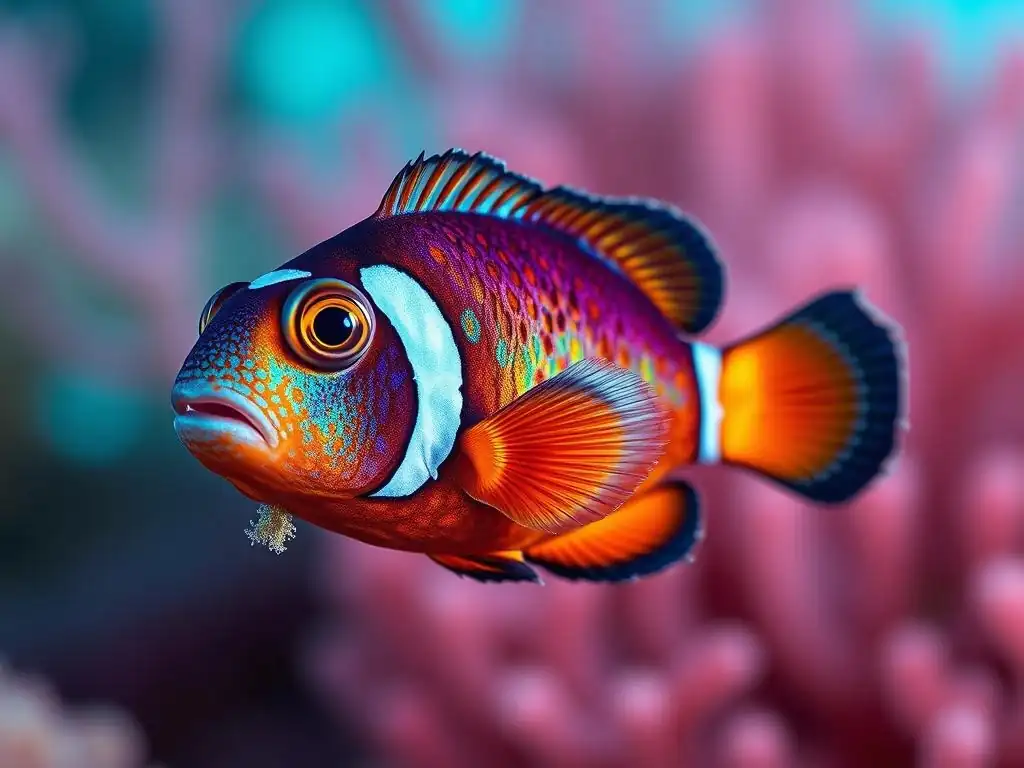
Low hatch rates in clownfish eggs are a common and frustrating challenge, often signaling underlying issues in the breeding setup or parental health. Common causes include infertile eggs (frequently seen with young or incompatible pairs), opportunistic fungal infections that suffocate developing embryos, poor water quality (especially spikes in ammonia or nitrite), or insufficient aeration around the egg clutch. Daily observation of the eggs for signs of fungal growth (white fuzz) or lack of development is crucial for early detection.
Solutions involve ensuring optimal water parameters in the breeding tank, particularly stable salinity and pH. Increasing aeration near the clutch, either through an air stone or by ensuring vigorous fanning from the parents, improves oxygenation. For fungal issues, increasing water flow over the eggs or carefully removing affected eggs can help. If infertility persists, reviewing the pair's diet, age, and overall health, or considering re-pairing the fish, may be necessary.
Overcoming High Larval Mortality Rates
High larval mortality rates, particularly within the first week post-hatch, represent the most significant hurdle in advanced clownfish breeding. This challenge is frequently attributed to starvation due to insufficient or inappropriately sized first food, critically poor water quality (even trace amounts of ammonia or nitrite), bacterial infections, or stress caused by improper handling, lighting, or excessive turbulence.
To overcome this, advanced breeders must meticulously double-check live food availability, ensuring adequate density and nutritional enrichment. Implementing rigorous daily water changes (e.g., 50-100% of the larval tank volume) is non-negotiable. Ensuring stable temperature and gentle aeration is also vital. If bacterial issues are suspected, improving hygiene is the first line of defense; in dire situations, a very gentle, broad-spectrum antibiotic might be considered, but prevention through pristine conditions is always superior in clownfish breeding techniques advanced.
Dealing with Aggression in Breeding Pairs
While some degree of aggression is natural within clownfish breeding pairs, particularly between the larger female and smaller male, excessive bullying can lead to injury, severe stress, and a cessation of spawning. This often occurs if the female is overly dominant, or if the male is too small, timid, or lacks sufficient retreat options. A lack of adequate hiding spots or territory can exacerbate these aggressive behaviors.
Solutions involve providing ample hiding places within the breeding tank, such as PVC pipes, ceramic pots, or intricately structured live rock formations, allowing the male a safe retreat. If aggression persists and poses a threat to the male, temporary separation of the pair might be necessary. In extreme cases, where aggression is chronic and severe, considering re-pairing the fish with a different individual may be the only viable long-term solution. Ensuring both fish are well-fed and healthy can also reduce stress-induced aggression.
Identifying and Resolving Water Quality Issues
Maintaining impeccable water quality is paramount for both breeding pairs and fragile larvae. Fluctuations or spikes in critical parameters such as salinity, pH, ammonia, nitrite, and nitrate can be detrimental or even lethal. Ammonia and nitrite, in particular, are highly toxic to larvae and stressful for adults. Unstable pH or salinity also stresses fish and can reduce spawning success and egg viability. Regular, accurate testing with calibrated equipment is therefore non-negotiable.
To resolve water quality issues, implement a consistent and appropriate water change schedule using high-quality RODI water and a reliable salt mix. Ensure that all filtration components, including protein skimmers and refugiums, are functioning optimally and are adequately sized for the bioload. Overfeeding is a common culprit for rapid water quality degradation, so adjusting feeding amounts is often necessary. For persistent or recurring issues, a comprehensive review of the entire system's bioload, filtration capacity, and husbandry practices is fundamental to successful clownfish breeding techniques advanced.
Conclusion: Mastering Advanced Clownfish Breeding
The Future of Clownfish Breeding: Trends and Innovations
The future of clownfish breeding techniques advanced is characterized by a continued drive towards greater automation, enhanced sustainability, and sophisticated genetic research. Automated feeding systems, advanced water quality monitoring sensors with real-time data feedback, and highly efficient closed-loop aquaculture systems are becoming increasingly accessible and refined, promising to further streamline breeding operations. Research into specific genetic markers for disease resistance, enhanced growth rates, and novel color patterns is also gaining momentum, potentially revolutionizing selective breeding.
Beyond technological advancements, there is a growing emphasis on broadening the scope of captive breeding to include diverse species of clownfish beyond the common Ocellaris and Percula, such as Maroon or Tomato clowns, to further reduce pressure on wild populations. The development of more nutritionally complete and palatable artificial diets for larvae could also significantly reduce the current reliance on labor-intensive live food cultures, making breeding more accessible to a wider range of aquarists.
Resources for Continuing Your Clownfish Breeding Education
For those committed to mastering advanced clownfish breeding, a wealth of resources exists for continued education and skill development. Online forums and vibrant communities, such as Reef2Reef's breeding sections or the Marine Breeders Initiative, offer invaluable peer support, shared experiences, and troubleshooting advice from seasoned hobbyists. Scientific journals and publications, like "Aquaculture" or "Journal of the World Aquaculture Society," provide research-based insights into the latest techniques and biological understandings.
Specialized books on marine fish breeding offer comprehensive, in-depth guides to various aspects of the process. Attending workshops or conferences, often hosted by local aquarium societies, large aquaculture facilities, or national organizations, can provide hands-on experience, networking opportunities, and direct access to leading experts in the field. These diverse resources are essential for staying current with the evolving landscape of clownfish breeding techniques advanced.
Experienced and successful clownfish breeders are highly encouraged to share their knowledge, successes, and even their challenges with the wider hobbyist community. Documenting detailed processes, publishing articles, or mentoring aspiring breeders can significantly contribute to the collective knowledge base and accelerate the learning curve for others. This collaborative spirit is vital for advancing clownfish breeding techniques advanced for everyone.
Participating in local aquarium club meetings, giving presentations, or actively contributing to online forums are excellent ways to disseminate best practices and inspire new generations of aquarists. By openly sharing insights and experiences, breeders can help ensure the continued responsible and successful propagation of clownfish, fostering a more sustainable and knowledgeable future for the marine aquarium hobby.
Frequently Asked Questions
How does Aquarium Mastery's advanced clownfish breeding guidance differ from beginner resources?
Aquarium Mastery delves into more complex aspects of clownfish breeding, such as manipulating environmental conditions and advanced larval rearing techniques, unlike basic introductory guides.
What specific environmental factors are crucial for successful advanced clownfish breeding?
Maintaining precise water parameters like temperature and salinity, along with controlled lighting cycles, is essential for triggering spawning and ensuring larval survival in advanced breeding.
What specialized foods are recommended for clownfish larvae in advanced breeding programs?
Beyond rotifers, advanced techniques often involve supplementing with copepods and enriched artemia to provide the necessary nutrients for optimal growth and survival of the larvae.
What are some common challenges encountered in advanced clownfish breeding, and how can Aquarium Mastery help overcome them?
Challenges include disease outbreaks and maintaining water quality. Aquarium Mastery offers detailed troubleshooting guides and preventative measures to mitigate these issues.
How does Aquarium Mastery address the genetic aspects of clownfish breeding for advanced aquarists?
Aquarium Mastery provides information on selective breeding techniques to improve traits like color and disease resistance, emphasizing the importance of maintaining genetic diversity within the breeding population.
Final Reflection: The Everlasting Dance of Life
The intricacies of advanced clownfish breeding techniques extend far beyond mere scientific curiosity; they represent a profound connection to the delicate balance of marine ecosystems and our responsibility to preserve them. In a world increasingly impacted by environmental challenges, understanding and mastering these techniques becomes not just a hobby, but a vital contribution to the future of coral reefs and the captivating creatures that call them home.
This journey into the world of clownfish breeding has underscored the remarkable adaptability and resilience of life, even within the confines of our aquariums. Witnessing the transformation from tiny eggs to vibrant, swimming individuals is a humbling experience, reinforcing the interconnectedness of all living things. In the end, we will conserve only what we love; we will love only what we understand; and we will understand only what we are taught.
- Baba Dioum. This quote perfectly encapsulates the power of knowledge and the importance of sharing these advanced techniques to foster a deeper appreciation for the marine world.
Now, as you close this article, consider the role you can play in this ongoing narrative. Whether you are a seasoned breeder or simply an admirer of these captivating fish, take a moment to reflect on the knowledge you've gained. Embrace the challenge of mastering these advanced techniques, and share your passion with others. By doing so, you contribute to a future where the vibrant dance of life within our oceans continues to thrive, inspiring generations to come.
Unlock the Secrets: Start Your Clownfish Breeding Journey Today!
Thanks for diving deep into the world of advanced clownfish breeding! We hope you've gained valuable insights and are excited to take your aquarium hobby to the next level. Now it's time to put that knowledge into action and contribute to the future of sustainable aquariums.
Here are some steps you can take right now:
- Begin documenting your current setup. Track parameters like temperature, salinity, and pH daily for at least two weeks to establish a baseline before introducing any changes for breeding.
- Share your top takeaway from this article in the comments below. Let's learn from each other's experiences!
- Explore other species of clownfish. Which variety intrigues you most, and what unique challenges might it present?
What’s one specific, actionable step you’ll take this week to move closer to successfully breeding clownfish?