
Aquarium Mastery: Preparing and Shipping Delicate Saltwater Fry Safely & Securely

Welcome to Aquarium Mastery!
Ever wondered how to ensure the safe arrival of those tiny, precious saltwater fry when shipping them? Unlocking the secrets to successful saltwater fry shipping is more than just packing – it's about understanding their delicate needs. Dive in to discover crucial Saltwater Fry Shipping Survival Tips that will give you the edge in protecting these future reef residents. Are you ready to master the art of safely transporting your saltwater fry? Let's get started!
- Aquarium Mastery: Preparing and Shipping Delicate Clownfish Fry Safely & Securely
- Introduction: Ensuring Clownfish Fry Shipping Survival
- Preparing Clownfish Fry for Shipping: Key Steps
- Choosing the Right Shipping Container for Clownfish Fry
- Optimizing Water Parameters for Clownfish Fry Shipping
- Packaging Clownfish Fry for Safe Transit
- Selecting a Reliable Shipping Method for Clownfish Fry
- Acclimating Clownfish Fry After Shipping: A Gradual Process
- Post-Shipping Care and Observation of Clownfish Fry
- Troubleshooting Common Issues After Shipping Clownfish Fry
- Conclusion: Maximizing Clownfish Fry Shipping Survival Rates
-
Frequently Asked Questions
- How do I prepare saltwater fry for shipping to maximize their survival?
- What kind of container is best for shipping saltwater fry?
- What water parameters are crucial to maintain during shipping?
- How long can saltwater fry survive during shipping?
- What should the recipient do upon receiving the shipped saltwater fry?
- Final Reflection: Nurturing Life's Fragile Beginnings
- Ignite Your Fry-Raising Passion!
Aquarium Mastery: Preparing and Shipping Delicate Clownfish Fry Safely & Securely
Introduction: Ensuring Clownfish Fry Shipping Survival
Sensitivity of Clownfish Fry to Environmental Changes
Clownfish fry, like most delicate saltwater fry, possess an extreme fragility that makes them highly susceptible to environmental shifts. Their osmoregulation systems are still developing, making them less able to cope with rapid changes in salinity or water chemistry compared to adult fish. Even subtle temperature fluctuations, such as a swing of just 2-3°F (1-1.5°C) within a few hours, can induce severe physiological shock, leading to irreversible damage or immediate mortality due to metabolic stress.
Furthermore, their minuscule size means they have a very small body mass to buffer against external stressors. This makes them particularly vulnerable to accumulating toxins like ammonia and nitrite, even at concentrations that would be negligible for larger juvenile fish. Unlike more developed fish, fry also have minimal fat reserves, making them highly dependent on continuous feeding and less resilient to periods of fasting or starvation during transit, which can severely compromise their saltwater fry shipping survival tips.
Importance of Proper Acclimation for Fry
Proper acclimation is not merely a suggestion but a critical life-saving procedure for Clownfish fry after shipping. Rapid changes in water parameters, including salinity, temperature, and pH, can trigger osmotic shock, where cells either burst from taking in too much water or shrivel from losing it, leading to widespread cellular damage and death. For instance, a sudden shift of more than 0.001 specific gravity (SG) or 0.2 pH units can be acutely stressful, and anything more significant can be lethal within minutes for very young fry.
The physiological stress induced by improper acclimation also severely compromises the fry's nascent immune system. This weakening makes them highly susceptible to opportunistic infections and diseases in the days following arrival, even if they initially survive the transfer. Many cases of post-shipping mortality, often attributed to "unknown causes," can be traced back to inadequate acclimation, where the immediate stress effects manifest as delayed mortality from secondary infections or organ failure.
Minimizing Stress During Clownfish Fry Transportation
Transportation is inherently stressful for delicate Clownfish fry, involving confinement, darkness, vibrations, and often unfamiliar environments. These stressors can lead to elevated cortisol levels, a stress hormone that suppresses appetite, weakens the immune system, and disrupts normal metabolic functions. Prolonged exposure to even minor jostling can cause physical exhaustion and disorientation, further reducing their chances of healthy recovery upon arrival.
To minimize these stressors, several factors are crucial for successful saltwater fry shipping survival tips. Maintaining darkness within the shipping container reduces visual stimulation and activity, thereby lowering metabolic rates, oxygen consumption, and waste production. Proper packing density, such as ensuring no more than 50-100 very small Clownfish fry per liter of water, prevents overcrowding and allows for adequate swimming space, reducing physical interaction and stress-induced injuries.
Preparing Clownfish Fry for Shipping: Key Steps
Selecting Healthy and Stable Clownfish Fry for Transport
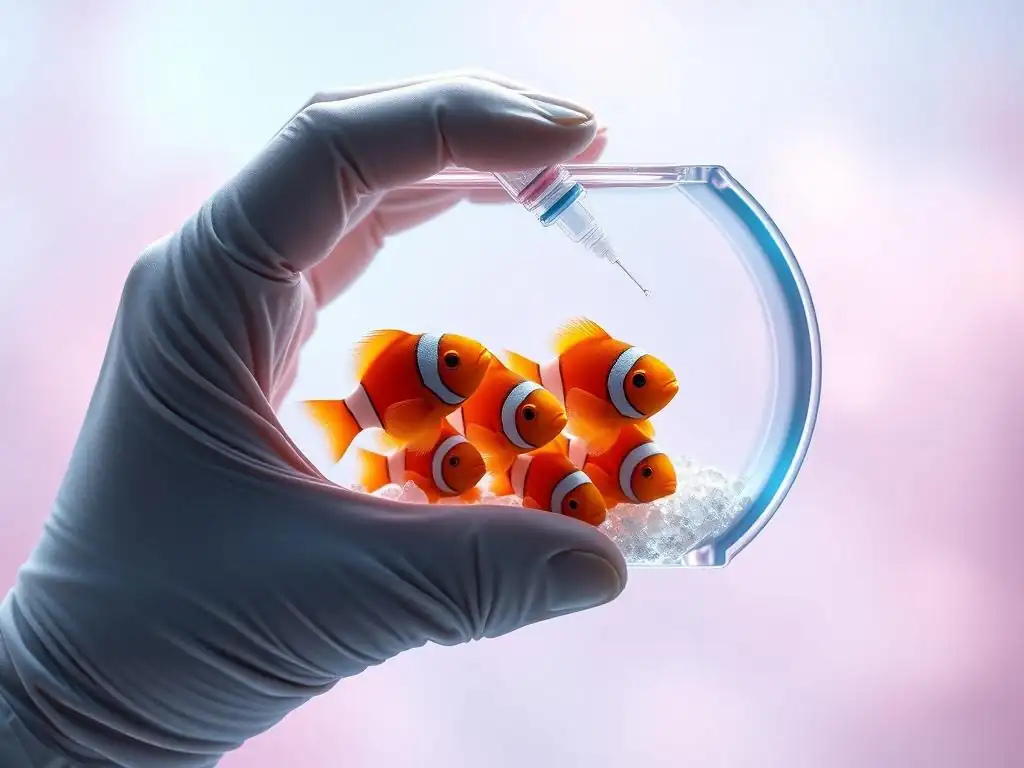
The foundation of successful saltwater fry shipping survival tips begins with selecting only the healthiest and most robust Clownfish fry. Ideal candidates should display active and coordinated swimming, have clear eyes, full bellies, and exhibit no visible deformities, signs of disease, or physical damage. It is generally recommended to ship fry that are at least 10-14 days post-hatch, or ideally 2-3 weeks old, as younger fry are significantly more fragile and have less developed physiological systems.
Furthermore, the fry should have been consistently feeding and growing well in a stable rearing environment for several days leading up to the shipping date. Any fry that have recently experienced a disease outbreak, significant water quality fluctuations, or a major change in their rearing setup should be excluded from shipping. A healthy, stable population in their home tank indicates their resilience and readiness for the journey.
Conditioning Clownfish Fry Before Shipping: Gut Loading with Rotifers and Artemia
"Gut loading" refers to the process of feeding Clownfish fry nutrient-dense live foods for a period before shipping, ensuring they have robust energy reserves. Live foods such as Brachionus plicatilis rotifers and newly hatched Artemia nauplii are ideal for this purpose, as they can be enriched with essential fatty acids (like DHA and EPA) and high-quality proteins through their own diet. These critical nutrients provide the vital energy and building blocks needed to withstand the rigors of transit without access to food.
For effective conditioning, it is recommended to feed a higher density of gut-loaded live foods for 24-48 hours prior to the fasting period. For example, maintaining a density of 5-10 rotifers per milliliter or 1-2 Artemia nauplii per milliliter in the fry tank for several hours each day during this phase ensures the fry consume ample nutrition. This proactive step significantly boosts their internal reserves, directly contributing to higher saltwater fry shipping survival tips.
Fasting Clownfish Fry Before Shipping: Reducing Ammonia Production
Fasting Clownfish fry before shipping is a critical step to minimize the production of toxic ammonia during transit. Any undigested food in their digestive tracts will rapidly decompose into ammonia (NH3) once excreted into the confined shipping water, which is highly toxic to fish, particularly delicate fry. A fasting period of 12-24 hours is typically recommended for Clownfish fry, depending on their size and age, to ensure their digestive systems are clear.
This fasting period significantly reduces the amount of metabolic waste excreted into the shipping water, thereby maintaining better water quality and preventing the rapid buildup of harmful toxins. By reducing ammonia production, the oxygen in the bag is used primarily for respiration rather than for breaking down waste, and the overall water chemistry remains more stable. This directly enhances the effectiveness of saltwater fry shipping survival tips by mitigating one of the primary causes of in-transit mortality.
Choosing the Right Shipping Container for Clownfish Fry
Container Size and Density Considerations for Fry Shipping
The size of the shipping container and the density of fry within it are critical factors for successful transit. A container that is too small will lead to rapid oxygen depletion and a quick buildup of toxic ammonia, while one that is excessively large can result in too much water sloshing, causing physical stress and injury to the delicate fry. For small Clownfish fry, a common practice is to use a 6x12 inch (approx. 15x30 cm) bag for quantities of 50-100 individuals, but this can vary based on their size and anticipated travel time.
Overcrowding is a leading cause of mortality in shipped fry. While specific densities vary, a general guideline for delicate fry suggests allowing approximately 25-50 fry per liter of water for trips under 24 hours. A more conservative approach, especially for longer transits, is to ensure at least 10-15 ml of water volume per individual fry. This balance ensures adequate space for oxygen exchange and minimizes stress from physical contact, directly impacting saltwater fry shipping survival tips.
Selecting Appropriate Shipping Bags for Clownfish Fry
The quality and type of shipping bags are paramount for preventing leaks and maintaining water integrity. It is essential to use thick, high-quality, food-grade polyethylene bags specifically manufactured for live fish transport. These bags typically have a thickness of 4-6 mil (mils are thousandths of an inch), which provides superior puncture and tear resistance compared to standard plastic bags. Thin or flimsy bags are prone to leaks caused by sharp fins, jostling, or even the pressure of oxygen.
Furthermore, bags with rounded corners are highly recommended for shipping delicate fry. Bags with traditional square corners can trap fry, leading to them getting stuck, stressed, or injured in the sharp creases, especially during turbulent transit. Rounded-bottom bags allow the fry to swim more freely and prevent them from becoming lodged, reducing physical stress and contributing to higher saltwater fry shipping survival tips.
Insulating the Shipping Container for Temperature Control
Temperature stability is perhaps the most critical environmental factor for the survival of delicate Clownfish fry during shipping. Insulated styrofoam boxes are indispensable for maintaining a consistent temperature, protecting the fry from external temperature extremes. These boxes should have walls at least 3/4 to 1 inch (approx. 1.9-2.5 cm) thick and fit snugly within a sturdy outer cardboard box to prevent shifting and provide additional structural integrity.
Depending on the ambient temperatures at the origin, destination, and along the transit route, temperature regulation devices are essential. In cold weather, 20-hour heat packs are commonly used, activated several hours before packing to ensure they reach their optimal heat output. For warm conditions, frozen gel packs (never direct ice) wrapped in newspaper or bubble wrap to prevent direct contact with the water bags can help keep temperatures within the ideal range of 76-80°F (24-27°C) for Clownfish fry. Always ensure adequate separation between the heat/cold source and the fish bags.
Optimizing Water Parameters for Clownfish Fry Shipping
Maintaining Stable Salinity Levels During Transit
Maintaining stable salinity levels in the shipping water is crucial for the survival of delicate Clownfish fry. Fry are highly sensitive to osmotic changes, and even minor fluctuations in salinity can cause severe stress or osmotic shock. It is imperative that the specific gravity (SG) of the shipping water precisely matches that of the fry's rearing water, typically within the range of 1.024-1.026 for Clownfish.
To achieve this, use only freshly mixed, aged saltwater that has been properly aerated and allowed to stabilize for at least 24 hours. Tap water or unaged saltwater can contain chlorine, chloramines, or unstable parameters that are detrimental to fry. Always verify the specific gravity with a calibrated refractometer just before packing to ensure absolute precision, as even a small deviation can compromise saltwater fry shipping survival tips.
Ensuring Adequate Oxygen Levels in the Shipping Bag
Adequate oxygen levels are paramount for the survival of Clownfish fry during transit, given their high metabolic rates even when fasted. Filling the shipping bag with ambient air is insufficient as it contains only about 21% oxygen. Pure, concentrated oxygen (typically 99%+) is absolutely essential to ensure the fry have sufficient oxygen reserves for the entire journey.
The proper method involves filling the bag with only 1/4 to 1/3 water, containing the fry, and then inflating the remaining 2/3 to 3/4 space with pure oxygen. A specialized oxygen regulator and an air stone connected to an oxygen tank are used to slowly fill the bag, ensuring maximum oxygen saturation in the water and a significant oxygen reservoir in the air space above. This high concentration of oxygen drastically improves saltwater fry shipping survival tips by preventing hypoxia.
Controlling Ammonia and Nitrite Buildup
Even with proper fasting, Clownfish fry will still excrete some metabolic waste, which rapidly converts to toxic ammonia (NH3) in the confined shipping water. Ammonia is extremely harmful, especially to delicate fry, causing gill damage and internal organ failure. Nitrite (NO2-), the product of ammonia oxidation, is also highly toxic, interfering with oxygen transport in the blood.
While external methods like activated carbon in the outer box might absorb some airborne ammonia, the primary control of these toxins within the bag relies heavily on the pre-shipping fasting and the use of adequate water volume per fry. Limiting the source of waste through fasting, combined with the strategic use of ammonia detoxifiers, becomes the most effective strategy for managing these dangerous compounds and enhancing saltwater fry shipping survival tips.
Using Ammonia Detoxifiers in Clownfish Fry Shipping
Ammonia detoxifiers are a critical safeguard for delicate saltwater fry during transit. Products like AmQuel or Seachem Prime work by converting toxic ammonia (NH3) into less harmful, non-toxic ammonium (NH4+) or by binding it, thereby neutralizing its immediate threat to the fish. This chemical conversion significantly reduces the risk of ammonia poisoning, which is a major cause of mortality in shipped aquatic livestock.
It is recommended to add the precise, manufacturer-recommended dose of a reputable ammonia detoxifier to the shipping water just before sealing the bags. For example, a common dosage might be 1 drop per liter of water, but always consult the product's specific instructions. This pre-emptive measure provides a vital buffer against the inevitable buildup of metabolic waste, making it an indispensable component of successful saltwater fry shipping survival tips.
Packaging Clownfish Fry for Safe Transit
Double Bagging Technique for Leak Prevention
The double-bagging technique is a fundamental practice in shipping live aquatic animals, especially delicate Clownfish fry, to prevent leaks and ensure water containment. Even thick, high-quality shipping bags can be punctured or develop micro-leaks during transit due to sharp fins, jostling, or unexpected impacts. By placing one securely sealed bag inside another, with the openings oriented in opposite directions, a crucial second layer of protection is created.
The process involves first filling the inner bag with the appropriate amount of water, fry, and pure oxygen, then sealing it tightly with multiple strong rubber bands. This sealed inner bag is then carefully placed inside a second, slightly larger bag. Ensure that no sharp objects or corners of the inner bag press against the outer bag. The outer bag is then also sealed securely with multiple rubber bands, providing robust defense against any potential leaks that could compromise the saltwater fry shipping survival tips.
Adding Oxygen to the Shipping Bag: Using Pure Oxygen and Sealing Properly
As previously emphasized, pure oxygen is indispensable for the survival of Clownfish fry during shipping. Filling the bag with ambient air from a standard air pump is insufficient because air contains only about 21% oxygen. For sustained respiration during transit, especially for high-metabolism fry, pure oxygen (99% or higher concentration) is required to maximize the dissolved oxygen in the water and create a large oxygen reservoir in the bag's headspace.
After the water and fry are in the bag, a tube from an oxygen tank with a regulator and an air stone is inserted into the bag to inflate it with pure oxygen. Once inflated to the desired volume (typically 2/3 to 3/4 of the bag's total volume), the neck of the bag is twisted tightly. This twisted neck is then secured with multiple strong rubber bands (e.g., 3-4 bands) applied firmly to prevent any oxygen from escaping, ensuring the integrity of the oxygen supply throughout the journey and bolstering saltwater fry shipping survival tips.
Cushioning the Shipping Bag to Prevent Damage
Cushioning the shipping bags within the insulated container is essential to protect delicate Clownfish fry from physical shock and injury caused by jostling and impacts during transit. Without adequate cushioning, the water bags can shift excessively, leading to the fry being thrown against the bag walls, which can result in stress, internal injuries, or even death.
Various materials can be used for cushioning, including shredded newspaper, packing peanuts, or bubble wrap. The goal is to fill all empty space within the insulated styrofoam box, creating a snug fit for the double-bagged fry. A layer of cushioning should be placed at the bottom, the bags carefully positioned, and then all remaining voids completely filled with more cushioning material. This ensures the bags cannot move freely, providing a vital buffer against external forces.
Labeling the Shipping Container: Live Animals, Temperature Sensitive
Clear, prominent, and accurate labeling of the shipping container is crucial for ensuring proper handling by carriers and prompt delivery. The box must be clearly marked "LIVE FISH" or "LIVE TROPICAL FISH" in large, legible letters on multiple sides (e.g., top and all four sides). This immediately alerts handlers to the delicate nature of the contents, encouraging careful handling and appropriate storage during transit.
In addition to "LIVE FISH," other crucial labels should be applied. These include "THIS SIDE UP" (with arrows indicating orientation), "FRAGILE," and "TEMPERATURE SENSITIVE." If heat packs are used, adding "KEEP WARM" or "DO NOT FREEZE" is also highly advisable. The sender's and receiver's full contact information, including phone numbers, should also be clearly visible, ensuring efficient communication in case of any issues or delays, which is vital for saltwater fry shipping survival tips.
Selecting a Reliable Shipping Method for Clownfish Fry
Choosing Overnight or Express Shipping Options
For delicate Clownfish fry, the speed of transit is paramount, directly correlating with saltwater fry shipping survival tips. The longer the fry are confined in the shipping bag, the higher the cumulative stress, the greater the buildup of metabolic waste, and the lower the available oxygen. Therefore, overnight (Next-Day Air) or express 2-day shipping services are the only viable options for maximizing survival rates.
Opting for slower shipping methods, such as standard ground or 3-5 day services, drastically increases the risk of mortality for Clownfish fry. Even a 48-hour journey significantly elevates mortality rates compared to a 24-hour transit, primarily due to diminishing oxygen levels, accumulating toxins, and prolonged confinement stress. The investment in faster shipping is a direct investment in the health and survival of the fry.
Communicating with the Shipping Carrier: Handling Delicate Livestock
While not always explicitly required, communicating with the chosen shipping carrier about sending live animals can be beneficial. It allows you to confirm their specific policies regarding live animal transport, packaging requirements, and any restrictions. Some carriers may have particular guidelines for livestock shipments that, if followed, can sometimes lead to more careful handling by their personnel.
Regardless of direct communication, always use a shipping method that provides detailed tracking information. This allows both the sender and the receiver to monitor the package's progress in real-time, anticipate its arrival, and be prepared for immediate collection upon delivery. Prompt collection minimizes the time the fry spend in uncontrolled environments, further enhancing saltwater fry shipping survival tips.
Considering Weather Conditions and Potential Delays
Careful consideration of weather conditions at both the origin and destination, as well as along the transit route, is crucial for delicate Clownfish fry. Extreme temperatures, whether excessively cold (e.g., below 40°F/4°C) or hot (e.g., above 90°F/32°C), can be lethal to fry, even with adequate insulation and temperature regulation devices. Shipping during severe weather events like blizzards, heatwaves, or major storms should be avoided.
Furthermore, always factor in the potential for unforeseen delays. While express shipping aims for speed, mechanical issues, logistical errors, or adverse weather can cause disruptions. It is wise to pack with enough oxygen and buffering capacity for an extra day if possible. Shipping early in the week (e.g., Monday through Wednesday) is also a common practice to avoid weekend layovers in warehouses, where environmental controls might be less consistent.
Acclimating Clownfish Fry After Shipping: A Gradual Process
Drip Acclimation Method for Clownfish Fry
The drip acclimation method is the safest and most effective way to introduce Clownfish fry to their new environment after shipping, minimizing the shock from differing water parameters. Begin by floating the sealed shipping bag in the receiving tank for 15-20 minutes to equalize the water temperature. This prevents temperature shock, which can be immediate and fatal.
After temperature equalization, open the bag and carefully pour its contents (fry and shipping water) into a clean, separate container, such as a small bucket or plastic tub. Using airline tubing, create a siphon from the receiving tank into this container. A simple knot in the tubing or an airline valve can regulate the flow to a slow drip, typically 1-2 drops per second.
Allow the volume of water in the container to slowly double over a period of 30-60 minutes, then remove half of the water and continue dripping until the volume doubles again. This gradual process should ideally take 1-2 hours, allowing the fry to slowly adjust to the new pH, salinity, and other parameters.
Matching Water Parameters Before Releasing Fry
The primary goal of the drip acclimation process is to slowly and precisely match the water parameters of the acclimation container to those of the receiving grow-out tank. Differences in temperature, pH, and especially salinity can cause severe osmotic stress and shock to delicate Clownfish fry, leading to immediate or delayed mortality.
Before releasing the fry, it is essential to use accurate test kits and a calibrated refractometer to verify that the water in the acclimation container closely matches the parameters of the grow-out tank. Aim for a difference of no more than 0.001 in specific gravity and no more than 0.2 pH units. This meticulous attention to detail ensures that the transition is as stress-free as possible, significantly improving saltwater fry shipping survival tips.
Monitoring Fry for Signs of Stress
Throughout the acclimation process and immediately after release, close monitoring of the Clownfish fry for signs of stress is crucial. Indicators of stress include rapid or labored gill movement, erratic or disoriented swimming, lethargy, clamped fins, or a noticeable loss of vibrant color. Any of these behaviors suggest that the fry are struggling and may be experiencing physiological distress.
If severe signs of stress are observed, consider slowing down the drip acclimation process further, or, in extreme cases, carefully moving the fry to a dedicated quarantine tank where water parameters can be perfectly matched and stabilized. Continuous observation for the first 24-48 hours post-shipping is critical to identify and address any lingering stress or health issues promptly, further ensuring saltwater fry shipping survival tips.
Post-Shipping Care and Observation of Clownfish Fry
Providing a Suitable Environment in the Grow-Out Tank
After the delicate journey, providing a suitable and stable grow-out tank environment is paramount for the long-term survival and health of Clownfish fry. The grow-out tank should be a dedicated system, ideally mature and fully cycled, with excellent biological filtration such as sponge filters that provide gentle water flow. The tank should be meticulously clean, free of any potential predators or aggressive tank mates, and maintain consistent water parameters: a stable temperature of 78-80°F (25.5-27°C) and a specific gravity of 1.024-1.026.
To further reduce stress, initially provide dim, indirect lighting. Offer small, secure hiding spots or areas of calm water where the fry can retreat and feel safe, such as small pieces of PVC pipe or dense patches of macroalgae. A stable, low-stress environment promotes rapid recovery from shipping and encourages robust growth, vital for saltwater fry shipping survival tips.
Offering Appropriate Food and Nutrition
Clownfish fry have high metabolic rates and require consistent, high-quality nutrition to grow and thrive, especially after the stress of shipping. Continue to offer appropriately sized, nutrient-dense live foods such as gut-loaded Brachionus plicatilis rotifers and newly hatched Artemia nauplii. These foods provide essential fatty acids and proteins crucial for their development.
As the fry grow, gradually transition them to finely crushed dry foods designed for marine fry, or small frozen copepods. Due to their high metabolism, fry need frequent, small feedings throughout the day, typically 4-6 times daily, to ensure a continuous supply of nutrition. Avoid overfeeding, which can rapidly foul the water quality and negatively impact their health.
Observing for Diseases and Parasites
Shipping stress can significantly weaken the immune systems of Clownfish fry, making them highly susceptible to various diseases and parasitic infections. Common ailments to watch for include marine ich ( Cryptocaryon irritans), velvet ( Amyloodinium ocellatum), and various bacterial infections that manifest as fin rot or body lesions.
Daily, close inspection of each fry is crucial. Look for any signs of white spots, dusty appearance, labored breathing (rapid gill movement), unusual swimming patterns, lethargy, or visible lesions. Be prepared to isolate any affected fry promptly and initiate appropriate treatments. For parasitic issues, hyposalinity (gradually reducing specific gravity to 1.008-1.009) or very low, carefully monitored concentrations of copper-based medications (e.g., 0.15-0.2 mg/L) may be considered, though hyposalinity is generally safer for very young fry. For suspected bacterial infections, broad-spectrum antibiotics might be used, often as a bath treatment, always with precise dosing.
Troubleshooting Common Issues After Shipping Clownfish Fry
Addressing Fry Mortality and Identifying Causes
Despite meticulous preparation, some level of fry mortality after shipping is not uncommon, but high mortality rates warrant a thorough investigation. If significant losses occur, systematically review every step of the shipping process: the pre-shipping conditioning, the exact duration of fasting, the water parameters within the shipping bag, the oxygen levels, the total transit time, and the post-arrival acclimation procedure.
Common culprits for post-shipping mortality include elevated ammonia or nitrite levels in the shipping bag due to insufficient fasting or too many fry, extreme temperature fluctuations during transit, or overly rapid acclimation to the new tank parameters. For example, if fry are found dead with flared gills and dark, stressed bodies, it often points to ammonia poisoning. If they appear pale and emaciated, prolonged starvation or chronic stress during transit might be the cause. Pre-existing health issues or genetic weaknesses can also contribute.
Treating Common Diseases and Infections
Treating diseases in delicate Clownfish fry presents unique challenges due to their sensitivity to medications. For parasitic outbreaks like marine Ich or velvet, hyposalinity is often preferred over copper treatments for very young fry. This involves slowly reducing the specific gravity of the water to 1.008-1.009 over 24-48 hours and maintaining it for 2-3 weeks. If copper is used, it must be at extremely low, precisely monitored concentrations (e.g., 0.15-0.2 mg/L) and in a separate quarantine tank.
For suspected bacterial infections, broad-spectrum antibiotics such as Furan-2 or Maracyn 2 can be administered, often as a short-term bath treatment rather than directly in the main grow-out tank to avoid impacting beneficial bacteria. Dosage must be exact, and the fry closely monitored for adverse reactions. The best defense remains a clean, stable environment, as prevention is always superior to treatment for fragile fry.
Continuous improvement is key to maximizing saltwater fry shipping survival tips. Maintain detailed records of each shipment, noting all conditions, methods used (e.g., fasting duration, oxygen volume, specific gravity, insulation), carrier, transit time, and the resulting survival rates. Analyze this data to identify patterns and refine your procedures. For instance, if a batch shipped during colder months experienced higher mortality, you might consider increasing insulation thickness or the number/duration of heat packs for future winter shipments.
Always adhere to best practices: use new, high-quality shipping bags for every shipment, ensure a pure oxygen supply, and prepare fresh, properly conditioned water. Never compromise on the critical steps of pre-shipping fasting or gradual acclimation. For significant changes in methodology or when using a new carrier, consider a small "test" shipment with a less valuable batch of fry to assess the outcome before sending larger or more valuable groups.
Conclusion: Maximizing Clownfish Fry Shipping Survival Rates
Frequently Asked Questions
How do I prepare saltwater fry for shipping to maximize their survival?
Preparing saltwater fry for shipping involves several steps. Start by ensuring they are well-fed with high-quality live food before the move. Gradually reduce the salinity of the water to match the recipient's tank, avoiding sudden changes.
What kind of container is best for shipping saltwater fry?
Use heavy-duty breather bags filled with oxygen. Double-bag the fry in a small amount of their native water. A styrofoam box provides insulation and protects against temperature fluctuations.
What water parameters are crucial to maintain during shipping?
Maintaining stable water parameters is key. Ensure the water is clean, free of ammonia and nitrites, and at the correct temperature. Add a small amount of ammonia detoxifier to the shipping water as a precaution.
How long can saltwater fry survive during shipping?
Survival time depends on the species and conditions. Aim for shipping durations under 24 hours whenever possible. Prioritize overnight or express shipping to minimize stress and maintain optimal water quality.
What should the recipient do upon receiving the shipped saltwater fry?
The recipient should slowly acclimate the fry to their tank water using the drip acclimation method. Monitor the fry closely for signs of stress and provide a suitable environment with appropriate lighting and food.
Final Reflection: Nurturing Life's Fragile Beginnings
The journey of raising and shipping saltwater fry is a testament to our dedication to the delicate balance of marine ecosystems, and understanding the critical role of responsible fry shipping is more vital than ever in supporting sustainable aquaculture and conservation efforts. The survival of these tiny creatures during transit hinges on meticulous preparation and unwavering commitment, reflecting a broader responsibility we share in safeguarding the future of our oceans.
This intricate process has profoundly influenced my perspective on the interconnectedness of life, highlighting the fragility and resilience inherent in the natural world. Witnessing the successful shipment and integration of these fry into new environments underscores the power of knowledge and careful execution. In the end, we will conserve only what we love; we will love only what we understand; and we will understand only what we are taught.
- Baba Dioum's words resonate deeply, reminding us that education and understanding are the cornerstones of conservation.
As you reflect on the insights shared in this article, I invite you to consider how you can contribute to the preservation of marine life, whether through supporting sustainable aquaculture practices, educating others about the importance of responsible pet ownership, or simply appreciating the beauty and complexity of our oceans. Let us all strive to be stewards of these fragile ecosystems, ensuring that future generations can marvel at the wonders of the underwater world.
Ignite Your Fry-Raising Passion!
Thank you for diving deep into the world of saltwater fry shipping with us. We hope you've found the insights you need to confidently take on the challenge. Now, let's put that knowledge into action!
- Start Planning Your First Fry Shipment: Identify a local fish store or fellow hobbyist ready to receive your precious fry, and begin preparing your shipping container. This is where your learning truly takes flight!
- Document Your Journey: Share your fry-raising and shipping experiences (successes and challenges!) on social media using #AquariumMasteryFry.
- Explore Advanced Techniques: Research alternative shipping methods, such as using breather bags with pure oxygen, to prepare for future, more delicate shipments.
What's the first step you'll take to prepare for your next saltwater fry shipment, and what challenges are you anticipating?