
Aquarium Mastery: Proactive Disease Prevention in Advanced Saltwater Larval Rearing

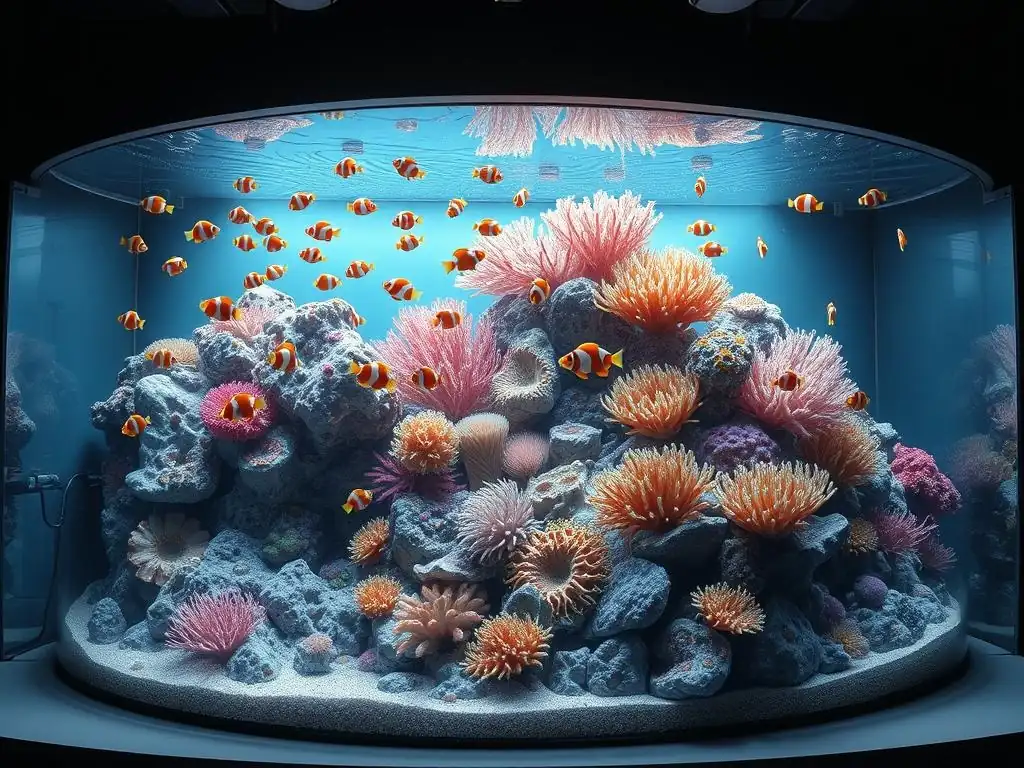
Welcome to Aquarium Mastery!
Dive into the captivating world of saltwater aquariums, where vibrant life and delicate ecosystems thrive. Are you ready to take your larval rearing to the next level? Unravel the secrets to Saltwater Larval Disease Prevention and ensure the healthy development of your precious marine inhabitants. Explore expert advice, proven techniques, and insightful guidance to proactively safeguard your aquarium's future. Curious to learn more? Let's begin!
- Understanding Saltwater Larval Diseases: A Preventative Approach
- Optimizing Water Quality for Saltwater Larval Health
- Nutrition and Feeding Strategies for Disease Prevention
- Implementing Strict Biosecurity Protocols in Larval Rearing
- Proactive Monitoring and Early Disease Detection in Saltwater Larvae
- Promoting a Healthy Microbiome in Saltwater Larval Tanks
- Advanced Techniques for Saltwater Larval Disease Prevention
- Case Studies: Successful Saltwater Larval Disease Prevention Strategies
- The Future of Saltwater Larval Disease Prevention: Research and Innovation
-
Frequently Asked Questions
- How important is water quality in preventing disease in saltwater larvae?
- What are some common diseases that affect saltwater larvae?
- What role does nutrition play in saltwater larval disease prevention?
- How often should water changes be performed in a saltwater larval rearing tank?
- What quarantine protocols are recommended for new saltwater larvae entering a rearing system?
- Final Reflection: Cultivating Resilience in Marine Life
- Dive Deeper: Secure Your Larval Future!
Understanding Saltwater Larval Diseases: A Preventative Approach
The Unique Challenges of Saltwater Larval Rearing
Saltwater larval rearing presents a unique set of challenges that significantly increase susceptibility to disease. Unlike adult fish, larvae possess underdeveloped immune systems, making them incredibly fragile. Their rapid growth and high metabolic rates demand constant, high-quality nutrition, and even slight deficiencies can compromise their health.
Furthermore, the small scale of many larval rearing systems, coupled with high stocking densities, creates an environment where pathogens can proliferate rapidly, turning a minor issue into a catastrophic outbreak within hours. Mortality rates in the larval stages of many marine species, such as some gobies or wrasses, can naturally exceed 90% in the first few weeks if environmental conditions or husbandry practices are not meticulously managed.
The reliance on live feeds, such as rotifers and Artemia nauplii, introduces another layer of complexity. These live organisms can inadvertently carry pathogens into the rearing system if not properly cultured or disinfected. The continuous introduction of live food, along with larval waste, quickly degrades water quality, leading to ammonia and nitrite spikes that stress larvae and further weaken their defenses. This intricate interplay of undeveloped immunity, dense populations, and demanding environmental conditions underscores the absolute necessity of a proactive approach to saltwater larval disease prevention.
Why Disease Prevention is Crucial in Saltwater Larval Tanks
In the delicate environment of saltwater larval tanks, disease prevention is not merely beneficial; it is absolutely crucial for success. Treatment options for marine larvae are extremely limited, as their small size and physiological sensitivity make them highly susceptible to the toxic effects of many medications effective on adult fish. Administering even a diluted therapeutic dose can often prove more lethal than the disease itself. Consequently, once a disease takes hold, mass mortalities are almost inevitable, often wiping out entire cohorts in a matter of days.
Beyond the immediate loss of larvae, disease outbreaks represent significant economic setbacks for commercial aquaculture operations and deeply discouraging experiences for dedicated hobbyists. A single outbreak can nullify weeks or months of effort, resources, and investment. Therefore, implementing robust saltwater larval disease prevention strategies from the outset is the most effective and cost-efficient path. It not only safeguards the current batch of larvae but also protects the integrity of the entire rearing facility, ensuring long-term viability and success in advanced saltwater fish breeding.
Common Saltwater Larval Diseases: Identification and Impact
Saltwater larvae are vulnerable to a range of pathogens, with bacterial and parasitic infections being the most prevalent. Bacterial diseases, often caused by opportunistic genera such as Vibrio, Pseudomonas, and Aeromonas, manifest as fin erosion, cloudy eyes, skin lesions, or general lethargy, rapidly progressing to mass mortality. For instance, Vibriosis, a common bacterial infection, can cause 50-80% mortality in clownfish larvae within 24-48 hours, characterized by rapid onset and a lack of specific external signs until it's too late.
Parasitic infections are equally devastating. Amyloodinium ocellatum, the causative agent of marine velvet disease, is notoriously virulent in larval systems, attaching to gills and skin, leading to respiratory distress and rapid death.
An Amyloodinium outbreak can decimate a tank of larval fish in less than 72 hours due to their undeveloped immune response and high metabolic rate. Other common parasites include Cryptocaryon irritans (marine ich) and various ciliates like Uronema marinum or Brooklynella hostilis, all capable of causing significant stress, secondary bacterial infections, and high mortality rates if not detected and addressed swiftly as part of comprehensive saltwater larval disease prevention.
Optimizing Water Quality for Saltwater Larval Health
Maintaining Pristine Water Parameters: Key to Disease Resistance
Maintaining pristine and stable water parameters is the cornerstone of effective saltwater larval disease prevention. Any deviation from optimal conditions directly stresses larvae, suppressing their nascent immune systems and making them highly susceptible to opportunistic pathogens. Critical parameters include salinity (typically 30-35 ppt), temperature (species-specific, often 25-28°C), pH (8.0-8.4), and dissolved oxygen (ideally >6 mg/L). For example, a sudden temperature drop of just 2°C or a pH fluctuation below 7.8 can significantly impair larval gill function and energy metabolism, leading to increased vulnerability to bacterial infections.
Beyond maintaining target values, consistency and stability are paramount. Rapid fluctuations in any parameter are often more detrimental than stable conditions that are slightly off the ideal. Regular, ideally daily, monitoring of ammonia, nitrite, nitrate, pH, and salinity is essential. Prompt identification and correction of any deviations are crucial to minimize stress and bolster the larvae's natural disease resistance, forming the foundational layer of any robust saltwater larval disease prevention strategy.
Effective Filtration Strategies for Saltwater Larval Tanks
Mechanical Filtration for Larval Rearing
Mechanical filtration is vital for removing particulate matter, uneaten food, and larval waste from the water column, preventing their breakdown into harmful dissolved compounds. For larval rearing tanks, fine mechanical filtration is often employed, using filter socks or sponges with pore sizes ranging from 100 to 200 microns. These effectively capture small debris without trapping delicate larvae.
However, due to the high bioload and rapid waste production, these filters require frequent, often daily, cleaning or replacement. A 100-micron filter sock, for instance, can become clogged within 24 hours in a densely stocked larval tank, leading to reduced flow and potential anoxia in the filter media, which must be avoided for optimal saltwater larval disease prevention.
Biological Filtration: Establishing a Stable Microbiome
Biological filtration is the process by which beneficial nitrifying bacteria convert toxic ammonia, produced by larval waste and uneaten food, into less harmful nitrite, and then into relatively harmless nitrate. Establishing a stable biological filter in larval systems can be challenging due to small water volumes, frequent water changes, and the need for sterile conditions. Bio-media, such as ceramic rings, bio-balls, or specialized sponges, provide surface area for these bacteria to colonize.
A mature biological filter can effectively convert up to 1 mg/L of ammonia in under 24 hours, maintaining safe water parameters. However, care must be taken to ensure gentle water flow through the bio-filter to prevent physical stress to larvae and to avoid trapping them. For effective saltwater larval disease prevention, a balanced biological filtration system is non-negotiable.
Chemical Filtration: Activated Carbon and Beyond
Chemical filtration, primarily through the use of activated carbon, plays a supplementary role in saltwater larval rearing by adsorbing dissolved organic compounds (DOCs), phenols, and other impurities that can accumulate and stress larvae. Activated carbon effectively removes yellowing compounds, odors, and some toxins, contributing to clearer, healthier water. However, it needs regular replacement, typically every 2-4 weeks, as its adsorptive capacity becomes exhausted.
Other chemical media, like granular ferric oxide (GFO), can be used to control phosphate levels, which can contribute to undesirable algal blooms. While not directly preventing disease, maintaining very low levels of DOCs and phosphates through chemical filtration reduces overall water stress, thereby bolstering the larvae's resilience as part of a comprehensive saltwater larval disease prevention strategy.
Water Changes: Frequency and Best Practices for Larval Health
Water changes are arguably the most critical component of water quality management in saltwater larval rearing, serving multiple vital functions. They dilute accumulated waste products (ammonia, nitrite, nitrate), replenish essential trace elements consumed by larvae and beneficial bacteria, and help maintain stable pH and alkalinity.
Due to the high metabolic rate of larvae, the high density of stocking, and the often small water volumes of rearing tanks, very frequent water changes are necessary. Daily water changes of 10-20% are common, with some demanding species or high-density systems requiring 50% or even 100% daily changes in the early larval stages to prevent rapid water degradation and ensure optimal saltwater larval disease prevention.
Best practices for water changes include using only high-quality reverse osmosis/deionized (RO/DI) water mixed with a reputable marine salt mix, ensuring the new water is perfectly matched in temperature and salinity to the tank water. Water should be added slowly and gently to avoid shocking delicate larvae or creating strong currents. Pre-aerating and aging the new saltwater for at least 24 hours can help stabilize pH and ensure gases are properly dissolved. Meticulous execution of water changes is paramount, as even minor errors can induce stress and compromise the efficacy of saltwater larval disease prevention efforts.
Nutrition and Feeding Strategies for Disease Prevention
Selecting Optimal Larval Feeds: Nutritional Considerations
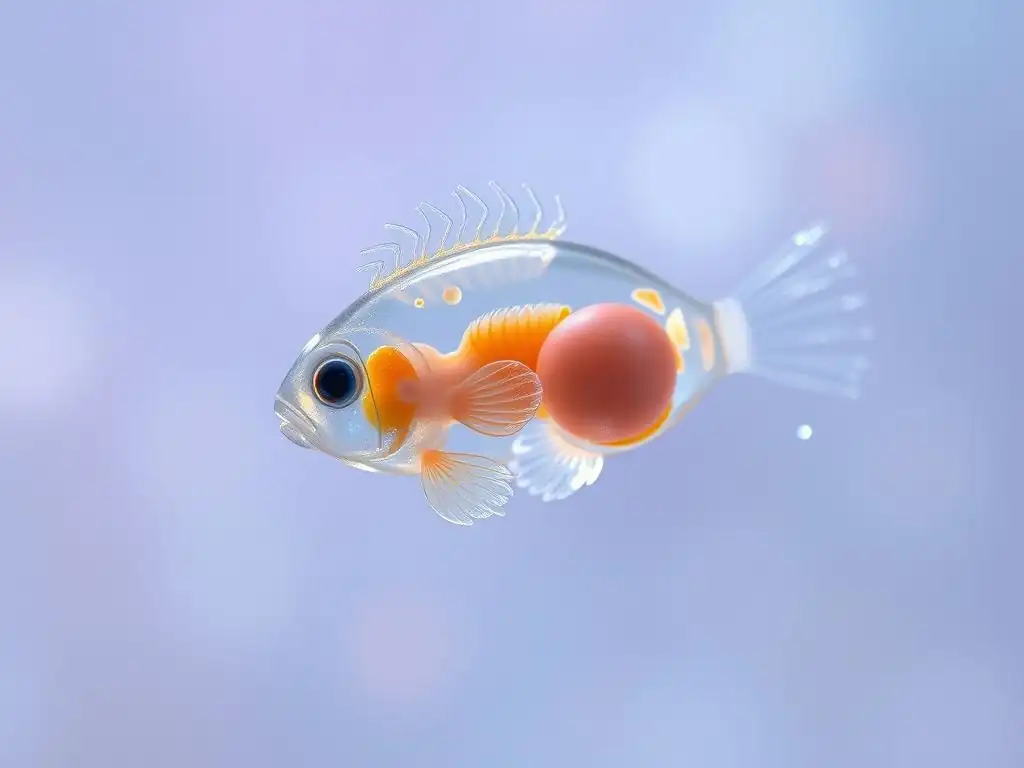
The selection of optimal larval feeds is paramount for the health and development of saltwater larvae, directly impacting their disease resistance. Larvae have specific, often demanding, nutritional requirements that evolve rapidly as they grow. Early larval stages typically rely on live feeds like rotifers ( Brachionus plicatilis) and Artemia nauplii, which must be appropriately sized and highly digestible.
Crucially, these live feeds must be nutritionally complete, particularly rich in Highly Unsaturated Fatty Acids (HUFAs) like Docosahexaenoic Acid (DHA) and Eicosapentaenoic Acid (EPA), and essential vitamins (especially C and E). For example, un-enriched Artemia nauplii are notoriously deficient in HUFAs, and larvae fed solely on them will develop nutritional deficiencies that severely compromise their immune systems.
As larvae mature, their diet transitions to larger live feeds or prepared dry/frozen diets. The key is to provide a diet that supports rapid growth, organ development, and immune function. Researching species-specific nutritional needs is vital, as a diet suitable for clownfish larvae may be entirely inadequate for seahorse fry. Inadequate nutrition is a leading cause of larval mortality, not just from starvation, but from the weakened immune response that leaves them vulnerable to virtually any opportunistic pathogen, making it a critical area for effective saltwater larval disease prevention.
Live Food Enrichment: Boosting Immunity and Disease Resistance
Live food enrichment is a critical strategy to enhance the nutritional value of rotifers and Artemia nauplii, thereby boosting larval immunity and disease resistance. Wild-caught or un-enriched live feeds often lack essential nutrients, particularly HUFAs and fat-soluble vitamins, which are vital for larval development and immune system function. Through enrichment, these live feeds are cultured in a nutrient-rich medium for a period (typically 12-24 hours) before being fed to larvae. For instance, rotifers enriched with commercial products containing DHA and EPA can increase their HUFA content by over 100% within 12 hours.
This process ensures that larvae receive a balanced and complete diet, directly strengthening their physiological resilience. Enriched feeds deliver key nutrients directly to the larvae, leading to improved growth rates, reduced deformities, and a significantly more robust immune system capable of warding off common pathogens. This proactive nutritional intervention is a cornerstone of effective saltwater larval disease prevention, transforming a potentially deficient food source into a powerful immune booster.
Feeding Schedules and Quantities: Preventing Overfeeding and Waste Build-up
Precise control over feeding schedules and quantities is fundamental for both larval health and water quality, playing a direct role in saltwater larval disease prevention. Marine larvae have high metabolic rates and small stomachs, requiring frequent, small feedings to ensure a continuous supply of food without overfeeding. For many species, feeding every 2-4 hours during daylight hours is common in the early stages, gradually reducing frequency as they grow. The goal is to provide just enough food that it is consumed within a short period, leaving no significant excess.
Overfeeding is a common pitfall that rapidly degrades water quality. Uneaten food quickly decomposes, releasing ammonia and nitrite, consuming dissolved oxygen, and fueling bacterial blooms. These conditions stress larvae, making them highly susceptible to disease. For example, a single day of significant overfeeding can lead to an ammonia spike from 0 to 1 mg/L, severely compromising larval health. Therefore, meticulous observation of larval feeding behavior and adjusting quantities accordingly is essential to prevent waste build-up and maintain pristine water parameters, directly supporting saltwater larval disease prevention efforts.
Gut Loading: Delivering Probiotics
Gut loading is an advanced technique within saltwater larval disease prevention that involves delivering beneficial bacteria, or probiotics, directly into the larval gut via their live food. This method ensures the probiotics bypass the water column and are ingested by the larvae, where they can colonize the digestive tract.
The process typically involves feeding rotifers or Artemia nauplii with a concentrated solution of specific probiotic strains (e.g., certain Bacillus species or lactic acid bacteria) for several hours before they are fed to the larvae. Studies have shown that rotifers gut-loaded for 2-4 hours can deliver 10^5 to 10^6 colony-forming units (CFU) of beneficial bacteria per larva.
Once established in the larval gut, these probiotics can exert several beneficial effects: they competitively exclude pathogenic bacteria from attachment sites, produce antimicrobial compounds, and improve nutrient digestion and absorption. This enhanced gut health directly contributes to a stronger immune system and overall vitality, making larvae more resistant to common bacterial infections and parasitic infestations. Gut loading is a targeted and effective method to proactively enhance internal defenses, significantly strengthening saltwater larval disease prevention.
Implementing Strict Biosecurity Protocols in Larval Rearing
Quarantine Procedures for New Arrivals and Equipment
Implementing stringent quarantine procedures is a cornerstone of saltwater larval disease prevention, preventing the introduction of pathogens into a sensitive rearing system. All new broodstock, live feeds, and even new or used equipment must undergo a dedicated quarantine period in a separate, isolated system before being introduced to the main larval tanks.
For new broodstock, a minimum 30-day quarantine is recommended, with 60 days being ideal, allowing time for latent diseases to manifest and for observation or prophylactic treatment. During this period, fish are monitored for any signs of illness, and appropriate treatments can be administered without risking the main population.
Similarly, live feeds should ideally be cultured in a separate facility or disinfected before introduction. All new equipment, such as nets, heaters, or air stones, should be thoroughly disinfected (e.g., with a bleach solution) and rinsed before use. This multi-layered approach to quarantine acts as a critical first line of defense, intercepting potential threats before they can compromise the delicate larval environment, thereby bolstering comprehensive saltwater larval disease prevention.
Disinfection and Sterilization Techniques for Larval Tanks
Thorough disinfection and sterilization of larval tanks and all associated equipment between batches are essential for breaking the cycle of disease transmission. Even after seemingly healthy batches, microscopic pathogens, spores, or cysts can remain on surfaces. A common and effective disinfectant is sodium hypochlorite (bleach) used at concentrations of 100-200 ppm active chlorine for at least 30 minutes, followed by meticulous rinsing with freshwater and complete dechlorination using a strong dechlorinator like sodium thiosulfate. This process effectively kills most bacteria, viruses, fungi, and parasites.
After disinfection, allowing all equipment and tanks to air dry completely is an additional powerful step, as many pathogens cannot survive desiccation. For smaller, heat-tolerant items, heat sterilization (e.g., boiling or autoclaving) can be used. These rigorous cleaning protocols significantly reduce the environmental pathogen load, creating a clean slate for each new batch of larvae and forming a critical component of saltwater larval disease prevention.
Minimizing Cross-Contamination: Best Practices for Larval Care
Minimizing cross-contamination is paramount in advanced saltwater larval rearing to prevent the spread of diseases between tanks or systems. The principle is simple: assume every tank could potentially harbor pathogens and act accordingly. This means dedicating specific equipment (nets, siphons, buckets, and even gloves) to each individual larval tank or, at minimum, to each rearing system. If equipment must be shared, it should be thoroughly disinfected (e.g., a 10% bleach solution dip followed by rinse) between uses.
Operational flow should always proceed from the healthiest tanks to those with any suspected issues or new arrivals. This prevents the accidental transfer of pathogens from a compromised tank to a healthy one. For example, when performing water changes or feeding, always start with the youngest, most sensitive, and seemingly healthiest larvae, then move to older or less critical systems. These meticulous practices, though time-consuming, are vital for effective saltwater larval disease prevention.
Personal Hygiene: Preventing the Introduction of Pathogens
Personal hygiene is an often-overlooked yet critical aspect of biosecurity in saltwater larval rearing, directly impacting saltwater larval disease prevention. Rearing personnel can inadvertently introduce pathogens from outside sources or spread them between tanks. Strict adherence to personal hygiene protocols significantly reduces this risk. This includes thoroughly washing hands with an antimicrobial soap for at least 20 seconds before and after handling larvae or equipment, and between different tanks.
Wearing dedicated clean lab coats or clothing that is only used within the larval rearing area is highly recommended. Foot baths with disinfectant solutions at the entrance of the larval room can also prevent the tracking in of external contaminants. It is also advisable to avoid handling other aquatic animals or visiting other aquaculture facilities on the same day without complete decontamination, including showering and changing clothes. These seemingly small details collectively form a robust barrier against external pathogen introduction, crucial for preventing disease in delicate larval systems.
Proactive Monitoring and Early Disease Detection in Saltwater Larvae
Visual Inspection Techniques for Identifying Early Signs of Disease
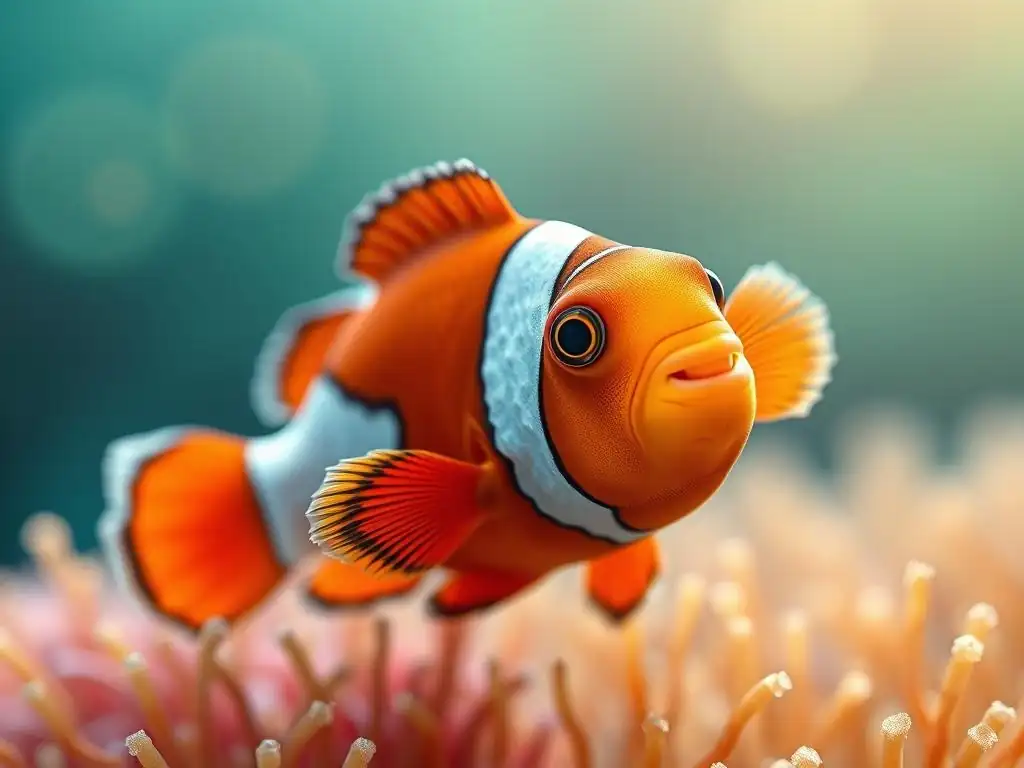
Proactive visual inspection is the first and most accessible line of defense in saltwater larval disease prevention. Daily, and ideally multiple times a day, aquarists must meticulously observe their larvae for any subtle changes in behavior or appearance. Early signs of distress or disease often include altered swimming patterns (e.g., lethargy, erratic movements, spiraling, or difficulty maintaining buoyancy), unusual aggregations, or a lack of feeding response. Healthy larvae are typically active, evenly dispersed, and readily consume food.
Physical signs to watch for include changes in coloration (e.g., darkening or paleness), fin erosion, cloudy eyes, skin lesions, or visible spots (e.g., white specks of Cryptocaryon or yellowish dots of Amyloodinium). Using good lighting and a magnifying glass or even a stereomicroscope can reveal these subtle changes before they become widespread. For instance, a change in larval schooling behavior or a sudden reduction in feeding vigor can often be the first indicator of a problem, preceding mass mortality by 12-24 hours. Early detection allows for prompt, targeted intervention, significantly increasing the chances of mitigating an outbreak.
Microscopic Examination: Identifying Pathogens and Parasites
Microscopic examination is an indispensable tool for accurate and timely identification of pathogens and parasites in saltwater larval rearing, crucial for effective saltwater larval disease prevention. When visual inspection suggests a problem, a compound microscope (with magnifications typically ranging from 100x to 400x) is used to examine wet mounts of affected larvae, fin clips, or gill biopsies. This allows for direct visualization and identification of common external parasites such as Amyloodinium ocellatum trophonts, Cryptocaryon irritans tomonts, or various ciliates like Uronema marinum. Bacterial aggregations or fungal hyphae can also be observed.
For example, identifying Amyloodinium trophonts at 100x magnification allows for targeted treatment before a widespread outbreak, which can be critical given their rapid life cycle. The ability to rapidly and accurately diagnose the specific causative agent is paramount for selecting the appropriate treatment, if any, and avoiding broad-spectrum medications that may be ineffective or harmful to the larvae. This proactive diagnostic step is a powerful component of any advanced saltwater larval disease prevention strategy.
Water Testing: Monitoring Key Parameters for Disease Prevention
Consistent and accurate water testing is a foundational element of proactive saltwater larval disease prevention. Regular monitoring of key parameters provides crucial insights into the overall health of the rearing system and can indicate underlying issues before they manifest as overt disease. Daily or twice-daily testing for ammonia, nitrite, pH, and salinity is non-negotiable. Even transient ammonia levels exceeding 0.1 mg/L can significantly suppress larval immune systems and increase susceptibility to bacterial infections. Similarly, fluctuations in pH or salinity can cause severe physiological stress.
Beyond the nitrogen cycle and basic parameters, monitoring dissolved oxygen levels is important, especially in high-density systems. Using reliable test kits and regularly calibrating probes ensures accuracy. Maintaining perfectly stable and optimal water quality directly reduces stress on larvae, enhancing their natural resilience to pathogens and minimizing the conditions that favor disease outbreaks. This continuous environmental monitoring is a critical, often overlooked, aspect of comprehensive saltwater larval disease prevention.
Early Intervention Strategies: Treatment Options and Protocols
When early signs of disease are detected in saltwater larvae, prompt and carefully considered intervention is critical, though options are often limited by larval sensitivity. The first line of defense should always be environmental manipulation: increasing the frequency and volume of water changes, reducing feeding to minimize waste, and ensuring optimal aeration. These steps can significantly reduce stress and dilute pathogen loads, sometimes resolving minor issues without chemical intervention.
If chemical treatment is deemed absolutely necessary, it must be approached with extreme caution. Larvae are highly sensitive to medications, and dosages effective for adults are often lethal for fry. Short-term baths with very dilute solutions, such as freshwater dips for external parasites (e.g., Amyloodinium) or extremely low concentrations of formalin for specific protozoans, might be considered as a last resort.
However, these carry significant risks of mortality and should only be attempted by experienced aquarists with precise dosing and constant observation. The emphasis remains on prevention, as reactive treatment in larval systems is inherently difficult and often unsuccessful, making proactive saltwater larval disease prevention paramount.
Promoting a Healthy Microbiome in Saltwater Larval Tanks
The Role of Beneficial Bacteria in Larval Health
The presence of a healthy and diverse microbiome, both in the water column and within the larval gut, plays a significant role in saltwater larval disease prevention. Beneficial bacteria can outcompete pathogenic bacteria for resources and attachment sites, a phenomenon known as competitive exclusion. This means that if "good" bacteria are abundant and well-established, there are fewer opportunities for "bad" bacteria to colonize and cause disease.
Furthermore, certain beneficial bacterial strains have been shown to produce antimicrobial compounds that directly inhibit the growth of pathogens. For example, specific Bacillus strains have been observed to reduce Vibrio counts in larval rearing water by up to 90%.
Beyond direct inhibition, a balanced microbial community contributes to overall water quality by facilitating nutrient cycling and breaking down organic waste, thereby reducing stress on larvae. A robust external and internal microbiome helps strengthen the larvae's innate immune system, making them more resilient to environmental fluctuations and opportunistic infections. This symbiotic relationship between larvae and their microbial environment is a powerful, often underestimated, asset in comprehensive saltwater larval disease prevention.
Probiotic Supplementation: Selecting and Applying Beneficial Bacteria
Probiotic supplementation is an increasingly popular and effective strategy for promoting a healthy microbiome and enhancing saltwater larval disease prevention. Commercial probiotic products, often containing specific strains of Bacillus species, are designed to introduce beneficial bacteria directly into the rearing system. When selecting a probiotic, it is crucial to choose strains with proven efficacy in aquaculture and demonstrated safety for larval fish. For instance, regular application of specific Bacillus strains at concentrations of 10^4 - 10^5 CFU/mL in the rearing water can establish a protective biofilm on tank surfaces and within the water column.
These probiotics can be applied in various ways: direct addition to the water column, or more effectively, through gut-loading live feeds (as discussed previously). Consistent and proper dosing according to manufacturer guidelines is essential to maintain a stable population of beneficial bacteria. By actively promoting a dominant population of "good" bacteria, probiotic supplementation helps suppress the growth of opportunistic pathogens, leading to improved larval survival rates and overall health, thereby significantly contributing to saltwater larval disease prevention.
Creating a Stable and Diverse Microbiome for Disease Resistance
Creating a stable and diverse microbiome in saltwater larval tanks goes beyond simple probiotic supplementation; it involves fostering an environment where beneficial microbial communities can thrive naturally, thereby enhancing saltwater larval disease prevention. This can be achieved by providing ample surface area for bacterial colonization, such as inert bio-media, even in small amounts, or by allowing for the establishment of a "biofilm" on tank walls that is not excessively scrubbed away. While rigorous cleaning is vital, complete sterilization between every water change can sometimes hinder the establishment of a stable, beneficial bacterial community.
Moreover, maintaining consistent water parameters and avoiding harsh chemical treatments that indiscriminately kill bacteria are crucial. A stable environment encourages a diverse microbial population, which is inherently more resilient to pathogenic invasions than a monoculture. Some advanced techniques may involve introducing a small amount of water from a well-established, pathogen-free adult system to "seed" the larval tanks with beneficial bacteria, provided strict biosecurity protocols are observed. This holistic approach supports a robust microbial ecosystem that acts as a living barrier against disease.
Managing Ammonia, Nitrite, and Nitrate Levels: Maintaining Microbial Balance
Effective management of ammonia, nitrite, and nitrate levels is not only crucial for direct larval health but also fundamental for maintaining a healthy and balanced microbial community, which in turn supports saltwater larval disease prevention. Elevated levels of ammonia and nitrite are highly toxic to larvae, stressing their systems and making them vulnerable to disease.
Beyond direct toxicity, high concentrations of these nitrogenous wastes can inhibit the growth and activity of beneficial nitrifying bacteria, disrupting the very microbial balance needed for waste conversion. For instance, even transient ammonia spikes above 0.2 mg/L can significantly impair larval immune responses and beneficial bacterial populations.
By maintaining zero ammonia and nitrite through efficient biological filtration, frequent water changes, and careful feeding, aquarists create an optimal environment where beneficial nitrifying bacteria can thrive. This stable nitrogen cycle ensures that the water quality remains pristine, reducing stress on larvae and fostering a robust microbial community that actively contributes to disease resistance. Conversely, poor nitrogen management undermines both direct larval health and the supporting microbial ecosystem, making saltwater larval disease prevention significantly more challenging.
Advanced Techniques for Saltwater Larval Disease Prevention
UV Sterilization: Controlling Pathogen Levels in Larval Tanks
UV (Ultraviolet) sterilization is an advanced technique widely employed in saltwater larval rearing to control waterborne pathogen levels, significantly contributing to saltwater larval disease prevention. UV sterilizers work by exposing water to germicidal UV-C light, which damages the DNA of bacteria, viruses, algae, and some free-floating parasites, rendering them unable to reproduce or cause infection.
For effective pathogen kill, the UV unit must be appropriately sized (wattage) for the water volume and flow rate of the system. A properly sized UV unit, with a flow rate allowing sufficient contact time, can achieve a 99.9% reduction in free-floating bacterial and viral loads in the water.
Proper installation involves placing the UV unit after mechanical filtration to ensure the water is clear of particulate matter, which can shield pathogens from the UV light. Regular maintenance, including cleaning the quartz sleeve to prevent mineral buildup and replacing the UV bulb every 6-12 months (as UV-C output diminishes over time), is crucial for maintaining efficacy. While UV sterilizers are highly effective against waterborne pathogens, they do not eliminate pathogens attached to surfaces, within biofilms, or on the larvae themselves, thus serving as one important layer in a multi-faceted saltwater larval disease prevention strategy.
Ozone Treatment: Considerations and Best Practices
Ozone (O3) treatment is a powerful advanced technique for saltwater larval disease prevention, acting as a strong oxidizer to break down organic waste and effectively kill pathogens. Ozone can significantly improve water clarity, reduce dissolved organic compounds, and sterilize the water column by destroying bacteria, viruses, and parasites. When properly utilized, ozone can reduce bacterial counts by several orders of magnitude in minutes, creating an extremely clean rearing environment. It is typically introduced via a protein skimmer or a dedicated ozone reactor.
However, ozone is highly reactive and toxic, requiring extreme caution and precise control. Overdosing can be lethal to larvae and beneficial bacteria. Therefore, ozone application must be precisely controlled, often with an ORP (Oxidation Reduction Potential) controller to maintain a specific range (e.g., 350-450 mV for larval systems).
Furthermore, any residual ozone must be removed before the water re-enters the larval tank, usually by passing it through activated carbon or allowing for complete off-gassing. Due to its potency and inherent risks, ozone treatment should only be considered by experienced aquarists as part of a highly controlled saltwater larval disease prevention protocol.
Copper Treatment: Use Cases and Precautions in Larval Rearing
Copper treatment, typically using chelated copper sulfate, is an advanced technique primarily used as a therapeutic measure against external parasitic infections like Cryptocaryon irritans (marine ich) and Amyloodinium ocellatum (marine velvet). In larval rearing, it is generally considered a last resort for saltwater larval disease prevention due to its significant toxicity to delicate larvae and its accumulation in the system. The target therapeutic range for copper in marine aquaria is typically 0.15-0.25 ppm.
However, larvae are highly sensitive to copper, and concentrations even within this range can be lethal or cause severe developmental issues. Copper is also absorbed by porous materials like rock and substrate, making it difficult to remove from a system. Therefore, if used, it should be administered in a separate treatment tank, with very precise dosing and continuous monitoring of copper levels using a reliable test kit. The risks often outweigh the benefits in larval systems, and its use is generally discouraged in favor of strict biosecurity and environmental control as primary saltwater larval disease prevention strategies.
Formalin, a solution of formaldehyde, is a broad-spectrum disinfectant that can be used in advanced saltwater larval disease prevention as a bath treatment for specific external parasites (e.g., protozoans, trematodes) and some external bacterial infections. For instance, a 30-minute bath at 25 ppm formalin can be effective against certain external protozoans. It works by denaturing proteins and disrupting cellular processes of pathogens.
However, formalin is highly toxic to fish, particularly sensitive larvae, and significantly depletes dissolved oxygen in the water. Its use requires extreme caution, excellent aeration during treatment, and precise dosing. Any miscalculation or prolonged exposure can result in mass mortality. Furthermore, formalin is a known carcinogen, and proper ventilation and personal protective equipment are essential during handling. Due to these risks, formalin treatment is generally reserved for dire situations where other preventative or less toxic measures have failed, and should only be administered by experienced aquarists fully aware of its dangers and protocols for effective saltwater larval disease prevention.
Case Studies: Successful Saltwater Larval Disease Prevention Strategies
Preventing Vibriosis in Clownfish Larvae: A Case Study
A commercial clownfish breeding facility in Florida faced persistent challenges with Vibrio outbreaks, a common bacterial pathogen causing rapid mortality in marine larvae. Despite rigorous cleaning, their larval survival rates consistently hovered between 10-30%, with Vibrio species isolated from dead larvae in nearly every batch. To combat this, they implemented a multi-pronged saltwater larval disease prevention strategy.
This included daily 50% water changes in all larval tanks, strict adherence to a biosecurity protocol that involved dedicated equipment for each system and a 60-day quarantine for all new broodstock. Crucially, they introduced a commercial probiotic blend containing specific Bacillus strains, continuously dosing the rearing water at 10^5 CFU/mL and gut-loading their rotifer and Artemia cultures.
Within three months of implementing these changes, larval survival rates for their Amphiprion ocellaris batches consistently increased to over 60%, with some reaching 75-80%. Water quality parameters remained stable, and Vibrio counts in the rearing water, as monitored by regular PCR tests, dropped by over 95%. This case highlights the efficacy of a holistic approach combining environmental management, biosecurity, and probiotic intervention for robust saltwater larval disease prevention.
Managing Lymphocystis in Angelfish Larvae: A Case Study
Lymphocystis, a viral disease characterized by cauliflower-like growths, has no direct cure, but its impact on angelfish larvae can be devastating, often leading to secondary bacterial infections and mortality. A private breeder in California breeding Pomacanthus imperator (Emperor Angelfish) experienced high incidence rates, affecting 30-40% of their larvae, leading to poor growth and increased susceptibility to other diseases. Recognizing that stress exacerbates viral infections, their saltwater larval disease prevention strategy focused on creating an optimally stable and low-stress environment.
They meticulously optimized stocking density to avoid overcrowding, ensuring perfectly stable water parameters with pH, salinity, and temperature maintained within 0.1 unit fluctuation. They also significantly enhanced their live food enrichment protocols, specifically boosting Vitamin C and E content in rotifers and Artemia. Over a six-month period, the visible incidence of severe Lymphocystis lesions dropped by 75%, and overall larval survival improved by 20% due to fewer secondary bacterial infections. This case underscores that even for incurable viral diseases, stress reduction and nutritional support are powerful tools in saltwater larval disease prevention.
Combating Protozoan Infections in Seahorse Fry: A Case Study
A dedicated seahorse breeding program for Hippocampus erectus fry in a university research facility struggled with persistent protozoan infections, primarily Uronema marinum and Brooklynella hostilis, causing 80% mortality within the first two weeks post-hatch. Their existing protocols for saltwater larval disease prevention were proving insufficient. To address this, they implemented an ultra-rigorous cleanliness and prophylactic strategy.
Their revised approach included continuous UV sterilization on all incoming water lines to the larval tanks, daily vigorous siphoning of tank bottoms to remove settled detritus and protozoan cysts, and 100% daily water changes in the early larval stages. Furthermore, any fry showing the slightest signs of distress (e.g., rapid gill movements, flashing) were given short, targeted freshwater dips (30-60 seconds) to dislodge external parasites. This intensive and proactive saltwater larval disease prevention strategy reduced protozoan-related mortality to less than 15% within four months, demonstrating that extreme diligence in hygiene and immediate, precise intervention can be highly effective.
The Future of Saltwater Larval Disease Prevention: Research and Innovation
Emerging Technologies for Disease Detection and Treatment
The future of saltwater larval disease prevention is being shaped by groundbreaking research and emerging technologies that promise more rapid detection and precise treatment. Real-time Polymerase Chain Reaction (PCR) assays are becoming increasingly accessible, allowing for the rapid and highly sensitive identification of specific pathogens (bacteria, viruses, and parasites) in water samples or larval tissues, often at very low concentrations. PCR can detect Vibrio species in water samples in under 2 hours, compared to 24-48 hours for traditional culture methods. This early detection capability allows for proactive intervention before an outbreak becomes widespread.
Beyond detection, novel treatment approaches are being explored. Bacteriophages, viruses that specifically target and kill bacteria, offer a highly specific antimicrobial alternative to broad-spectrum antibiotics, minimizing harm to larvae and beneficial bacteria. Nanoparticle delivery systems are also under investigation for targeted drug delivery, allowing medications to reach infected cells or tissues more efficiently while reducing systemic toxicity. These innovations hold immense potential for revolutionizing saltwater larval disease prevention, making it more targeted, efficient, and less impactful on the delicate larval environment.
The Role of Genetics in Disease Resistance
The role of genetics in enhancing disease resistance is a significant frontier in saltwater larval disease prevention. Selective breeding programs are increasingly focused on identifying and propagating fish strains that exhibit natural resistance or tolerance to common diseases. By carefully selecting broodstock that have demonstrated superior survival rates or reduced susceptibility to specific pathogens, breeders can gradually improve the genetic resilience of their larval populations. Research in some aquaculture species, such as salmon, has identified genetic lines with 30-40% higher survival rates against specific bacterial pathogens.
Furthermore, advancements in genomics are enabling the identification of specific genetic markers associated with disease resistance. This allows for marker-assisted selection, significantly accelerating the breeding process compared to traditional methods. While still in early stages for many ornamental marine species, the long-term potential of genetic selection and even gene editing technologies (e.g., CRISPR) to enhance innate immunity in aquaculture species could offer profound, sustainable saltwater larval disease prevention solutions, though ethical considerations remain a key discussion point.
Sustainable Practices for Saltwater Larval Rearing
The future of saltwater larval disease prevention is inextricably linked to the adoption of sustainable practices. As aquaculture expands, there is a growing imperative to reduce environmental impact and resource consumption. This includes the widespread adoption of recirculating aquaculture systems (RAS) for larval rearing, which significantly reduce water usage compared to flow-through systems. However, maintaining pristine water quality in these closed systems for delicate larvae presents unique challenges, necessitating advanced filtration, bio-augmentation, and meticulous waste management to prevent pathogen build-up.
Sustainable practices also involve reducing reliance on harsh chemicals and antibiotics for disease treatment, favoring preventative measures such as probiotics, improved biosecurity, and genetic selection. Developing environmentally friendly feeds, optimizing energy consumption, and minimizing waste discharge are all components of this holistic approach. By integrating ecological principles with cutting-edge science, the industry can move towards a more responsible and effective model of saltwater larval disease prevention, ensuring the long-term viability of marine aquaculture.
Frequently Asked Questions
How important is water quality in preventing disease in saltwater larvae?
Water quality is absolutely critical! Poor water quality leads to stress in the larvae, making them more susceptible to disease. Maintaining optimal parameters is essential for larval survival and health.
What are some common diseases that affect saltwater larvae?
Common diseases include vibriosis, fungal infections, and parasitic infestations. These can rapidly decimate a larval population if not proactively managed. Early detection is key.
What role does nutrition play in saltwater larval disease prevention?
Proper nutrition is crucial for a strong immune system. Well-fed larvae are better equipped to fight off infections and recover from stress. Live feeds are often enriched to boost nutritional value.
How often should water changes be performed in a saltwater larval rearing tank?
Frequent water changes are essential. Aim for daily or every-other-day water changes to remove waste and maintain water quality. The specific percentage will depend on the larval density and feeding regime.
What quarantine protocols are recommended for new saltwater larvae entering a rearing system?
Quarantine is vital to prevent the introduction of pathogens. Isolate new larvae in a separate tank for at least two weeks and closely monitor them for any signs of disease. Treat prophylactically if there is a high risk of contamination.
Final Reflection: Cultivating Resilience in Marine Life
The insights shared throughout this article underscore the critical importance of proactive disease prevention in saltwater larval rearing, a practice that resonates profoundly in our current climate of increasing environmental stress and dwindling marine populations. The delicate balance of the larval ecosystem demands meticulous attention and a forward-thinking approach, highlighting the responsibility we bear in safeguarding these vulnerable creatures and ensuring the future health of our oceans.
This journey into the intricacies of saltwater larval disease prevention has not only illuminated the scientific complexities but also underscored the profound ethical implications. Witnessing the fragility of these nascent ecosystems compels us to reconsider our relationship with the marine world and to embrace a more conscientious stewardship. In the end, we will conserve only what we love; we will love only what we understand; and we will understand only what we are taught.
- Baba Dioum. This quote perfectly encapsulates the spirit of this article, emphasizing the vital role of knowledge and understanding in fostering a deep connection with, and ultimately protecting, our oceans.
Now, armed with a deeper understanding of the principles and practices of saltwater larval disease prevention, I invite you to reflect on your own role in marine conservation. Consider how you can apply these lessons – whether through supporting sustainable aquaculture practices, advocating for responsible environmental policies, or simply fostering a greater appreciation for the delicate balance of marine life – to contribute to a healthier and more resilient ocean for generations to come. Let us all strive to be proactive guardians of the underwater world, ensuring its vibrant future.
Dive Deeper: Secure Your Larval Future!
Thanks for exploring proactive disease prevention in saltwater larval rearing! We hope you've gained valuable insights into safeguarding your delicate aquatic life. Now, let’s turn that knowledge into action.
Here are some steps you can take immediately:
- Implement a strict quarantine protocol for all incoming livestock and equipment to prevent the introduction of pathogens into your rearing system. This is critical to long-term success.
- Delve further into the science: Research specific pathogens common in larval rearing and identify targeted preventative measures, such as specific disinfection routines or probiotic use.
- Share your hard-won rearing wisdom: Connect with fellow aquarists in online forums or local clubs to exchange insights and troubleshoot challenges together.
What specific disease prevention strategy are you most eager to implement in your larval rearing setup, and why?