
Aquarium Mastery: The Profound Impact of pH on Saltwater Larval Health & Development

Welcome to Aquarium Mastery, where we dive deep into the fascinating world of aquatic ecosystems!
Ever wondered how seemingly minor changes in your saltwater aquarium can have a profound impact on the delicate larval stages? Today, we're unlocking the secrets behind Saltwater Larval pH Control, a critical aspect of successful breeding and raising healthy marine fish. Prepare to explore the science and practical techniques that can transform your approach to saltwater aquariums. Intrigued? Let's get started!
- Understanding the Critical Role of pH in Saltwater Larval Rearing
- pH Levels: Defining Optimal Ranges for Saltwater Larvae
- The Detrimental Effects of pH Imbalance on Saltwater Larval Health
- Monitoring pH in Saltwater Larval Tanks: Tools and Techniques
-
Strategies for Effective Saltwater Larval pH Control
- Water Changes: A Fundamental Method for pH Adjustment
- Buffering Agents: Using Chemical Buffers to Stabilize pH
- Kalkwasser (Calcium Hydroxide): Its Role in Maintaining pH and Calcium Levels
- CO2 Scrubbers: Reducing Carbon Dioxide to Elevate pH
- The Use of Marine Aragonite Media in Reactors for pH Buffering
- The Connection Between pH and Other Water Parameters in Larval Tanks
- Case Studies: Successful Saltwater Larval Rearing with Precise pH Control
- Troubleshooting Common pH Problems in Saltwater Larval Tanks
- Best Practices for Long-Term Saltwater Larval pH Stability
-
Frequently Asked Questions
- How critical is pH control during the saltwater larval stage?
- What pH range is generally considered optimal for saltwater larvae?
- What are some common causes of pH fluctuations in saltwater larval tanks?
- What methods can aquarists use to effectively control pH in larval tanks?
- What are the potential consequences of neglecting proper pH control in larval tanks?
- Final Reflection: Nurturing Life's Delicate Balance
- Ignite Growth: Transform Your Larval Rearing Today!
Understanding the Critical Role of pH in Saltwater Larval Rearing
Why Saltwater Larval pH Control is Essential for Successful Breeding
The successful propagation of saltwater fish species hinges critically on precise environmental control, with pH being a paramount factor for larval survival and development. Marine fish larvae are exceptionally delicate, possessing undeveloped osmoregulatory systems and high metabolic rates that make them acutely sensitive to deviations in water chemistry.
Even minor fluctuations outside their optimal pH range can trigger severe physiological stress, leading to compromised immune function, reduced growth rates, and widespread mortality. For instance, studies on various commercially important marine species, such as snapper and grouper larvae, have shown that a pH deviation of just 0.2 to 0.3 units from their preferred range (typically 8.0-8.2) can increase larval mortality rates by 30-50% within a 24-hour period.
Maintaining consistent saltwater larval pH control is also vital because pH directly influences enzymatic activity and nutrient assimilation, processes fundamental to early-stage development. Larval fish rely on specific enzymes for digestion and metabolism, and these enzymes operate optimally within a very narrow pH window. When pH drifts, enzyme efficiency declines, impairing the larvae's ability to digest their microscopic food sources, such as rotifers or copepods.
This maldigestion can lead to nutrient deficiencies, stunted growth, and ultimately, starvation. Furthermore, pH affects the solubility and bioavailability of essential trace elements required for skeletal formation and organ development, making meticulous pH management an indispensable component of successful marine aquaculture and hobbyist breeding efforts.
The Interplay Between pH, Alkalinity, and Carbon Dioxide in Larval Culture
In saltwater larval culture, pH, alkalinity, and carbon dioxide (CO2) are intricately linked, forming a complex buffering system that stabilizes the water's acidity or basicity. Alkalinity, primarily measured as carbonate hardness (KH), represents the water's capacity to neutralize acids and resist changes in pH. It acts as a buffer, absorbing excess hydrogen ions (which lower pH) or hydroxyl ions (which raise pH), thereby maintaining stability.
For optimal saltwater larval pH control, an alkalinity level typically between 7-12 dKH (degrees of carbonate hardness) is often recommended, though specific species may thrive at different points within this range. If alkalinity is too low, the system's buffering capacity diminishes, making the pH highly susceptible to rapid and potentially lethal swings.
Carbon dioxide plays a significant role in this dynamic. As CO2 dissolves in water, it forms carbonic acid, which lowers pH. In a larval rearing system, CO2 is produced by the respiration of larvae, uneaten food decomposition, and bacterial activity within the biological filter.
Elevated CO2 levels, especially in poorly aerated or heavily stocked tanks, can significantly depress pH, even if alkalinity is otherwise adequate. Conversely, vigorous aeration helps to off-gas CO2, which can help raise pH. Therefore, effective saltwater larval pH control involves not only monitoring pH and alkalinity but also ensuring adequate gas exchange to manage CO2 levels, preventing both acute and chronic pH stress on the delicate larval stages.
pH Levels: Defining Optimal Ranges for Saltwater Larvae
Identifying the Ideal pH Range for Different Saltwater Larval Species
Defining the ideal pH range for saltwater larvae is crucial, as this parameter can vary slightly depending on the specific species being reared. While a general range of 8.0 to 8.4 is often cited for marine aquariums, larval stages typically thrive best within a tighter window, often between 8.1 and 8.3.
For instance, common species like clownfish (Amphiprioninae) larvae show optimal development and survival rates when pH is consistently maintained at 8.1-8.2. Deviations below 7.9 or above 8.4 for extended periods can lead to significantly reduced survival, sometimes dropping from a potential 70-80% to below 30% within a few days post-hatch.
More sensitive species, such as certain gobies (e.g., Trimma spp.) or specialized reef fish larvae, may require even more precise saltwater larval pH control, perhaps thriving best at a very stable 8.2 with minimal fluctuations.
Researchers working with species like Yellow Tang (Zebrasoma flavescens) larvae have observed that even a 0.1 pH unit drop below 8.1 can impact swim bladder inflation success, a critical developmental milestone. Therefore, successful breeders often conduct small-scale trials or consult species-specific aquaculture guides to pinpoint the most beneficial pH for their target species, understanding that a "one-size-fits-all" approach to larval pH management is rarely optimal.
Recognizing Suboptimal pH Levels: Warning Signs in Your Larval Culture
Recognizing the warning signs of suboptimal saltwater larval pH levels is critical for timely intervention and preventing catastrophic losses. One of the primary indicators of pH stress is a noticeable decrease in larval activity and feeding response. Larvae may appear lethargic, exhibit erratic swimming patterns, or simply refuse to consume their available food, even if the food source is abundant and appropriate. For example, if pH drops below 7.8 for clownfish larvae, they often become visibly stressed within hours, clustering at the surface or bottom and showing no interest in rotifers, leading to rapid starvation if not corrected.
Beyond behavioral changes, physical manifestations can also signal pH distress. Stunted growth, developmental abnormalities (such as spinal deformities or incomplete fin development), and increased susceptibility to disease are common long-term effects of chronic pH imbalance. In acidic conditions (low pH), larvae may exhibit signs of acidosis, including labored respiration or gill irritation.
Conversely, in highly alkaline conditions (high pH), gill damage can occur, impairing oxygen uptake and waste excretion. A sudden increase in unexplained mortality, particularly when other parameters like temperature and salinity are stable, often points directly to a problem with saltwater larval pH control that requires immediate investigation and correction.
The Detrimental Effects of pH Imbalance on Saltwater Larval Health
Impact of Low pH (Acidic Conditions) on Larval Development
Low pH, or acidic conditions, presents a significant threat to the delicate developmental processes of saltwater larvae. When pH drops below the optimal range (e.g., consistently below 7.9 for most marine species), larvae experience acidosis, where their internal physiological pH also decreases. This internal acidification impairs critical metabolic functions, particularly enzyme activity, which is highly pH-dependent.
Digestion becomes inefficient, leading to nutrient malabsorption and stunted growth. For instance, studies on red drum larvae (Sciaenops ocellatus) have shown that exposure to pH 7.5 for more than 48 hours resulted in a 25% reduction in growth rate and a significant increase in skeletal deformities compared to larvae reared at pH 8.1.
Furthermore, acidic conditions can directly damage sensitive larval tissues, particularly the gills, which are vital for respiration and osmoregulation. The gill lamellae can become inflamed or necrotic, reducing their efficiency in oxygen uptake and waste excretion. This stress weakens the larval immune system, making them highly susceptible to opportunistic bacterial infections. In many marine aquaculture facilities, sudden drops in pH due to factors like excessive CO2 accumulation or insufficient buffering capacity have been directly linked to mass mortality events, sometimes wiping out entire batches of larvae overnight, underscoring the critical need for precise saltwater larval pH control.
Dangers of High pH (Alkaline Conditions) to Delicate Larval Stages
While less common than low pH issues in closed systems, excessively high pH (alkaline conditions) also poses severe dangers to saltwater larvae. A pH persistently above 8.5 can lead to alkaline stress, which similarly disrupts physiological processes. High pH can cause the precipitation of essential minerals, making them unavailable for larval uptake, and can also interfere with cellular membrane function.
One of the most significant dangers of high pH, even if total ammonia levels are low, is the increased toxicity of ammonia. At higher pH, a greater proportion of total ammonia (NH3 + NH4+) converts into the highly toxic unionized ammonia (NH3) form. For example, at pH 8.0, approximately 5% of total ammonia exists as NH3, but at pH 8.5, this percentage can jump to over 15%, dramatically increasing its toxicity to larvae.
The cumulative effects of high pH can manifest as gill damage, similar to acidic conditions, but also as impaired osmoregulation and reduced feeding. Larvae exposed to chronic high pH may exhibit signs of distress such as erratic swimming, rapid breathing, and ultimately, lethargy and death.
For instance, research on various marine fish larvae suggests that prolonged exposure to pH levels above 8.6 can lead to irreversible damage to gill epithelia and internal organs, significantly reducing survival rates. Effective saltwater larval pH control thus requires vigilance against both acidic and excessively alkaline conditions to ensure the health and viability of the delicate larval stages.
pH Fluctuations: The Stress Factor for Saltwater Larvae
Beyond simply staying within an optimal range, the stability of pH is paramount for saltwater larvae. Rapid or significant pH fluctuations, even if they remain within what might be considered "acceptable" boundaries, impose immense physiological stress on delicate larval stages. Larvae expend considerable energy constantly adjusting their internal physiological pH to match the external environment, a process known as acid-base regulation.
When the external pH swings frequently, this energy expenditure becomes exhaustive, diverting resources away from growth, development, and immune function. For instance, daily pH swings of 0.3 units or more (e.g., from 8.0 to 8.3 and back) have been shown to reduce growth rates in clownfish larvae by up to 20% compared to larvae reared under stable pH conditions.
These constant pH shifts can lead to chronic stress, increasing susceptibility to disease and reducing overall survivorship. The immature osmoregulatory systems of larvae are particularly vulnerable to these changes, making it difficult for them to maintain internal ion balance.
This instability can also affect the solubility of nutrients and the toxicity of waste products like ammonia, as discussed previously. Therefore, a key objective of saltwater larval pH control is not just to hit a target number but to maintain that number with minimal daily variation, ideally less than 0.1 pH units, to provide the most stable and conducive environment for robust larval development.
Monitoring pH in Saltwater Larval Tanks: Tools and Techniques
Selecting Accurate pH Meters and Testing Kits for Larval Rearing
Accurate pH measurement is non-negotiable for effective saltwater larval pH control. While basic liquid test kits are suitable for general aquarium maintenance, they often lack the precision and resolution required for sensitive larval rearing, typically offering accuracy only to ±0.1 or ±0.2 pH units. For serious larval culture, a high-quality digital pH meter is highly recommended.
These meters provide readings with a much finer resolution, often to ±0.01 pH units, which is crucial when dealing with the narrow tolerance ranges of larvae. When selecting a meter, look for one designed for saltwater use, with a robust electrode that can be easily calibrated. Brands like Hanna Instruments, Milwaukee Instruments, or Apex (for integrated systems) are popular choices among aquaculturists.
Beyond the meter itself, the choice of electrode is vital. Glass electrodes are generally more accurate and stable than plastic ones but require careful handling. Some advanced meters offer features like automatic temperature compensation (ATC), which adjusts the pH reading based on water temperature, as pH is temperature-dependent.
While digital meters represent a higher initial investment (ranging from $100 to over $500 for professional models), their superior accuracy and ease of use significantly reduce the risk of pH-related larval losses, making them a worthwhile investment for dedicated saltwater larval pH control. Regular calibration with fresh, certified buffer solutions (typically pH 7.0 and 10.0 for saltwater) is paramount to maintain accuracy.
Implementing a Regular pH Testing Schedule for Optimal Control
To ensure optimal saltwater larval pH control, a consistent and regular testing schedule must be implemented. For newly established larval rearing systems or during the initial days post-hatch, daily pH testing, and sometimes even twice-daily testing (e.g., morning and evening), is advisable. This frequency allows aquarists to quickly identify any trends or sudden drops/spikes and intervene before significant harm occurs. As the system matures and stability is achieved, testing frequency might be reduced to every other day or every third day, but never less than twice a week for actively rearing larvae.
Beyond the frequency, the timing of testing also matters. pH naturally fluctuates throughout the day due to photosynthesis by algae/bacteria (raising pH during light hours) and respiration (lowering pH during dark hours). Taking readings at roughly the same time each day, such as an hour before lights out and an hour after lights on, can help identify the extent of diurnal pH swings. Keeping a detailed log of pH readings, alongside other parameters like alkalinity and temperature, allows for pattern recognition and proactive adjustments, forming the backbone of effective pH management for saltwater larvae.
Understanding the Importance of Calibration and Maintenance of pH Monitoring Equipment
The reliability of any pH meter for saltwater larval pH control is entirely dependent on proper calibration and regular maintenance. A pH electrode's readings can drift over time due to aging, contamination, or dehydration, leading to inaccurate measurements that could jeopardize an entire larval batch. Therefore, calibration with fresh, certified buffer solutions is mandatory.
For saltwater applications, two-point calibration using pH 7.0 and pH 10.0 (or 8.0/8.2 and 10.0) buffers is generally recommended, performed at least weekly, or more frequently if high precision is required or if the meter is used daily. Always use fresh buffer solutions, as they can degrade or become contaminated over time.
Maintenance of the pH electrode is equally important. The glass bulb of the electrode should always be kept moist, typically by storing it in a dedicated storage solution (often a 3M KCl solution) or the appropriate buffer solution. Never store it in RO/DI water, as this can deplete the reference electrolyte.
The electrode should be gently cleaned periodically to remove any biofilm or mineral deposits that can impede accurate readings. Following the manufacturer's specific instructions for cleaning and storage will significantly extend the lifespan and maintain the accuracy of your pH monitoring equipment, ensuring precise saltwater larval pH control and minimizing the risk of pH-related larval mortalities.
Strategies for Effective Saltwater Larval pH Control
Water Changes: A Fundamental Method for pH Adjustment
Regular water changes are arguably the most fundamental and effective method for maintaining saltwater larval pH control and overall water quality. By replacing a portion of the old tank water with fresh, properly mixed, and aged saltwater, you effectively dilute accumulated acids (like CO2 and organic acids) and replenish buffering capacity.
For larval rearing systems, small, frequent water changes are often preferred over large, infrequent ones to minimize stress on the delicate larvae and maintain greater stability. For instance, a daily 10-20% water change, using water mixed to the target pH and salinity, can significantly stabilize pH and prevent gradual declines.
The new saltwater should be mixed using a high-quality marine salt mix and RO/DI water, then aerated for at least 24-48 hours to ensure proper gas exchange and allow the pH to stabilize. It's crucial to match the temperature and salinity of the new water as closely as possible to the existing tank water to avoid shocking the larvae. This consistent replenishment of fresh, buffered water not only helps in saltwater larval pH control but also removes metabolic wastes (ammonia, nitrite, nitrate) and replenishes essential trace elements, contributing to a healthier environment for larval development.
Buffering Agents: Using Chemical Buffers to Stabilize pH
When water changes alone are insufficient or when dealing with systems prone to pH drops, chemical buffering agents can be employed for more direct saltwater larval pH control. These agents typically consist of carbonate and bicarbonate salts that increase the water's alkalinity, thereby enhancing its capacity to resist pH changes.
Sodium bicarbonate (baking soda) is a common and accessible buffer, but it primarily raises alkalinity without adding other beneficial marine elements. Commercial alkalinity buffers specifically formulated for marine aquariums are generally preferred as they often contain a balanced blend of carbonates, bicarbonates, and borates, which collectively contribute to a more stable and robust buffering system.
When using buffering agents, it's crucial to add them slowly and in small increments, allowing the system to stabilize between additions, while continuously monitoring pH and alkalinity. Rapid changes in pH can be more detrimental than a slightly suboptimal but stable pH. For instance, if alkalinity drops below 7 dKH, a buffer might be added to raise it gradually by 0.5-1.0 dKH per day until the target range (e.g., 8-12 dKH) is reached.
Always follow product instructions and consider the specific needs of your larval species when dosing. These buffers are key tools in maintaining consistent pH management for saltwater larvae.
Kalkwasser (Calcium Hydroxide): Its Role in Maintaining pH and Calcium Levels
Kalkwasser, a saturated solution of calcium hydroxide (Ca(OH)2), is a highly effective method for saltwater larval pH control, particularly in systems where both pH and calcium levels tend to decline. When Kalkwasser is slowly dripped into the aquarium, the calcium hydroxide reacts with dissolved carbon dioxide, forming calcium carbonate and effectively removing CO2 from the water. This removal of CO2, which is acidic, causes the pH to rise. Simultaneously, Kalkwasser replenishes calcium and alkalinity, both vital for the skeletal development of growing larvae and for maintaining the buffering capacity of the water.
Kalkwasser is typically dosed slowly overnight or via an automatic top-off system, as rapid addition can cause a dangerous pH spike. A typical saturated solution contains approximately 2 teaspoons of calcium hydroxide powder per gallon of RO/DI water, allowed to settle before the clear supernatant is used.
For larval tanks, a very slow drip, perhaps 0.5-1 ml per minute for smaller systems, can provide consistent pH elevation and calcium supplementation. This method is particularly beneficial in systems with high respiration rates or those consuming significant amounts of calcium, offering a dual benefit for maintaining optimal pH stability for marine larvae and supporting healthy growth.
CO2 Scrubbers: Reducing Carbon Dioxide to Elevate pH
CO2 scrubbers are an advanced strategy for saltwater larval pH control, specifically designed to remove excess carbon dioxide from the air intake of protein skimmers or directly from the water, thereby elevating and stabilizing pH. These scrubbers consist of a chamber filled with a CO2 absorbent media, typically soda lime or a specialized granular product (e.g., Media Reactor with CO2 Adsorbent).
As air (or water, in some setups) passes through the media, CO2 is chemically absorbed, preventing it from dissolving into the aquarium water and forming carbonic acid. This method is particularly useful in situations where ambient room CO2 levels are high (e.g., in a closed fish room with many aquariums) or in heavily stocked larval tanks with high respiration.
The effectiveness of a CO2 scrubber is evident in its ability to raise pH by 0.1 to 0.3 units consistently, often bringing a system that struggles with pH 7.8-8.0 up to a healthier 8.1-8.3 range. The media changes color as it becomes exhausted, indicating when replacement is needed (typically every 2-4 weeks depending on CO2 load). While requiring a dedicated setup and regular media replacement, CO2 scrubbers offer a highly effective and proactive solution for addressing persistent low pH issues, ensuring more stable pH management for saltwater larvae.
The Use of Marine Aragonite Media in Reactors for pH Buffering
Marine aragonite media, primarily calcium carbonate (CaCO3), can be utilized in specialized reactors (calcium reactors) to provide continuous saltwater larval pH control by dissolving the media to release calcium and alkalinity. While calcium reactors are more commonly found on mature reef tanks, they can be adapted for larger larval rearing systems or broodstock tanks that feed larval systems.
In a calcium reactor, CO2 gas is injected into a chamber containing aragonite media and tank water. The CO2 lowers the pH within the reactor, causing the aragonite to dissolve, releasing calcium ions (Ca2+) and bicarbonate ions (HCO3-) back into the main system.
This process effectively replenishes both calcium and alkalinity, which are crucial for maintaining the water's buffering capacity and supporting the calcification processes in developing larvae. The controlled dissolution of aragonite provides a stable, long-term source of buffering, minimizing the need for manual dosing of alkalinity supplements. While the initial setup and tuning of a calcium reactor can be complex, involving precise control of CO2 injection rates and effluent drip rates, it offers a highly consistent and automated solution for maintaining optimal pH stability for marine larvae in larger-scale operations.
The Connection Between pH and Other Water Parameters in Larval Tanks
pH and Ammonia Toxicity: Understanding the Interrelationship
The relationship between pH and ammonia toxicity is one of the most critical interdependencies in saltwater larval pH control. Ammonia exists in two forms in water: the relatively harmless ammonium ion (NH4+) and the highly toxic unionized ammonia (NH3). The proportion of NH3 to NH4+ is heavily dependent on pH and temperature. As pH increases, a greater percentage of total ammonia converts to the lethal NH3 form. For example, at a salinity of 35 ppt and 25°C:
- At pH 7.5, approximately 1.7% of total ammonia is NH3.
- At pH 8.0, this jumps to around 5.4% NH3.
- At pH 8.5, it escalates to nearly 16% NH3.
This means that even a seemingly "low" total ammonia reading (e.g., 0.2 ppm) can become extremely toxic to delicate saltwater larvae if the pH is elevated (e.g., 8.4 or higher). Larvae are far more sensitive to NH3 than adult fish, and exposure to even minute concentrations (e.g., 0.05 mg/L NH3) can cause gill damage, reduced growth, and high mortality. Therefore, meticulous pH management for saltwater larvae is not just about maintaining optimal pH for development, but also about mitigating the inherent toxicity of ammonia, emphasizing the need for robust biological filtration and vigilant monitoring of both parameters.
The Influence of pH on Nitrite and Nitrate Levels in Larval Culture
While pH has a more direct and dramatic impact on ammonia toxicity, it also influences the efficiency of the nitrification process, which converts toxic ammonia into less harmful nitrite and then into relatively harmless nitrate. The nitrifying bacteria responsible for these conversions (Nitrosomonas and Nitrobacter species) perform optimally within a specific pH range, generally between 7.5 and 8.5 for marine systems.
If the pH drops too low (below 7.0), the activity of these beneficial bacteria can be severely inhibited, leading to a build-up of ammonia and nitrite – both highly toxic to larvae. This underscores the importance of maintaining stable pH stability for marine larvae to support a robust biological filter.
Conversely, extremely high pH levels (above 8.5-8.6) can also stress nitrifying bacteria, though this is less common than low pH inhibition. Moreover, the presence of nitrate, while less toxic than ammonia or nitrite, can still accumulate to problematic levels in larval tanks if not managed.
While pH doesn't directly influence nitrate toxicity in the same way it does ammonia, maintaining a stable pH through good saltwater larval pH control supports the overall health of the ecosystem, which in turn helps keep all nitrogenous wastes in check. Regular water changes and adequate biological filtration remain crucial to manage these compounds effectively.
Maintaining Stable pH Alongside Salinity, Temperature, and Oxygen Levels
Effective saltwater larval pH control is inextricably linked with maintaining stability in other critical water parameters: salinity, temperature, and dissolved oxygen. All these factors interact to create the overall environment for larval survival.
- Salinity: While typically maintained at 30-35 ppt for most marine larvae, sudden changes in salinity can stress larvae and impact their osmoregulation, indirectly affecting their ability to cope with pH fluctuations. New water used for changes must match the tank's salinity precisely.
- Temperature: Temperature directly influences metabolic rates, dissolved gas solubility (including CO2), and the rate of chemical reactions, including those that affect pH. For instance, warmer water holds less dissolved oxygen and can increase the proportion of toxic unionized ammonia at a given pH. Maintaining a stable temperature (e.g., 25-27°C, depending on species) is crucial to prevent additional stress that could exacerbate pH sensitivities.
- Dissolved Oxygen (DO): Adequate dissolved oxygen (typically >5-6 mg/L) is vital for larval respiration and for supporting the aerobic nitrifying bacteria that keep ammonia and nitrite in check. Low DO can lead to anaerobic conditions, which can produce acidic byproducts and further depress pH. Vigorous aeration and proper water flow are essential to ensure high DO levels and aid in off-gassing CO2, thereby supporting saltwater larval pH control.
Maintaining a harmonious balance across all these parameters is key to successful larval rearing. A disruption in one parameter, such as a temperature drop, can cascade into issues with pH and oxygen, leading to rapid larval decline. Therefore, a holistic approach to water quality management, with pH stability at its core, is essential.
Case Studies: Successful Saltwater Larval Rearing with Precise pH Control
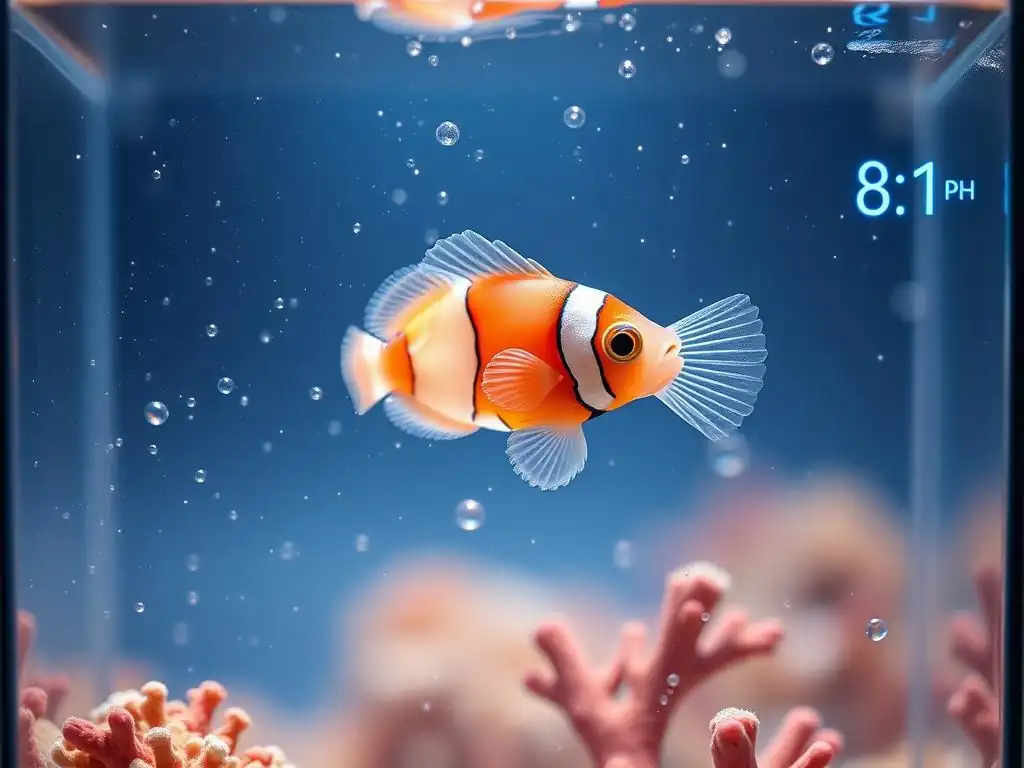
Breeding Banggai Cardinalfish with Optimized pH
The Banggai Cardinalfish (Pterapogon kauderni) is a popular marine aquarium fish, and its successful captive breeding highlights the importance of optimized saltwater larval pH control. While parental mouthbrooding protects the early larval stages, post-release fry are highly sensitive.
Many commercial and hobbyist breeders have observed significantly improved survival rates when pH is consistently maintained within a narrow range of 8.1 to 8.3, with minimal diurnal fluctuations (less than 0.1 pH unit). In setups where pH was allowed to drop below 7.9, survival rates for post-release fry often plummeted to below 20%, largely due to compromised immune systems and increased susceptibility to bacterial infections.
Conversely, facilities that implement strict pH management, often utilizing a combination of daily small water changes (e.g., 15% with freshly mixed, aged saltwater) and continuous Kalkwasser drip systems, report survival rates exceeding 50% from hatch to juvenile stage. One notable aquaculture operation in Florida reported an increase in average Banggai Cardinalfish survivorship from 30% to over 65% after implementing a regime that maintained pH at a stable 8.2 ± 0.05, alongside optimal feeding protocols.
This precise pH management for saltwater larvae directly contributes to healthier, more robust fry with higher resistance to environmental stressors, showcasing its profound impact on commercial viability.
Raising Mandarin Dragonets with Strict pH Management
Raising Mandarin Dragonets (Synchiropus splendidus) from larvae is notoriously challenging, often considered a benchmark for advanced marine aquaculture due to their tiny larval size, specialized feeding requirements, and extreme sensitivity to water quality. Strict saltwater larval pH control is paramount for their success. Mandarin larvae are particularly vulnerable to any pH fluctuations, with even minor swings (e.g., 0.2 pH units) often leading to complete batch crashes within hours. Optimal pH for Mandarin larvae is generally considered to be a very stable 8.0-8.2.
Aquaculturists who have achieved consistent success with Mandarin Dragonet larvae typically employ continuous monitoring systems and multiple buffering strategies. This often includes automated Kalkwasser dosing or calcium reactors to maintain alkalinity and pH, coupled with rigorous daily water changes (up to 30% or more) with perfectly matched, aged saltwater.
One research facility that successfully closed the life cycle of the Mandarin Dragonet reported maintaining pH within a +/- 0.05 unit range around 8.1 throughout the larval period, along with high dissolved oxygen levels. Their findings suggest that this meticulous pH stability for marine larvae, combined with appropriate rotifer and copepod feeding, was a key factor in achieving survival rates of 5-10% to metamorphosis, which is considered exceptional for this species.
Troubleshooting Common pH Problems in Saltwater Larval Tanks
Identifying the Root Cause of Unstable pH Levels
When facing unstable pH levels in saltwater larval tanks, the first critical step is to accurately identify the root cause, rather than blindly attempting to adjust pH. Several common culprits contribute to pH instability.
- Low Alkalinity: This is often the primary reason for pH crashes or swings. Insufficient buffering capacity means the water cannot neutralize acids produced by respiration and organic decay. Test alkalinity first; if it's below 7 dKH, this is likely the issue.
- High CO2 Levels: Elevated carbon dioxide in the water directly lowers pH. This can be due to poor aeration, high stocking density, excessive respiration from the larvae or biological filter, or high ambient CO2 in the room (e.g., from human respiration or CO2 injection for plant growth in nearby freshwater tanks).
- Accumulation of Organic Acids: Overfeeding, insufficient water changes, or inadequate mechanical filtration can lead to the breakdown of organic matter, producing organic acids that depress pH.
- New Tank Syndrome/Immature Biological Filter: In newly set up systems, the nitrifying bacteria bed may not be fully established, leading to ammonia spikes and pH instability.
- Contaminants: Introduction of acidic substances (e.g., from unrinsed equipment, certain glues, or low-quality RO/DI water with residual chlorine) can also cause pH drops.
A systematic approach, testing alkalinity, dissolved oxygen, and observing tank dynamics, is essential for effective saltwater larval pH control troubleshooting.
Addressing pH Crashes and Swings in Larval Rearing Systems
Once the root cause of pH crashes or swings is identified, targeted interventions can be implemented to restore saltwater larval pH control.
- For Low Alkalinity: Slowly and incrementally add a high-quality marine alkalinity buffer. Do not attempt to raise alkalinity by more than 1 dKH per day to avoid shocking the larvae. For example, if alkalinity is 5 dKH and the target is 9 dKH, spread the adjustment over 4 days.
- For High CO2/Low Oxygen: Increase aeration dramatically using air stones and powerful air pumps to off-gas CO2. Ensure adequate surface agitation. Consider adding a CO2 scrubber to the air intake of the protein skimmer or main air pump. Perform a small, immediate water change (e.g., 10-15%) with highly aerated, pH-matched saltwater.
- For Organic Acid Buildup: Reduce feeding amounts, increase frequency of small water changes (e.g., 20% daily), and ensure mechanical filtration (filter socks, sponges) is clean and regularly replaced. If safe for larvae, consider adding a small amount of activated carbon.
- For Acute pH Crash (emergency): In extreme emergencies where pH has dropped rapidly and significantly (e.g., below 7.5), a very slow drip of Kalkwasser or a highly diluted, pH-buffered saltwater solution can be used to gradually raise pH over several hours, but extreme caution is advised to avoid rapid pH swings which can be equally lethal. The primary goal is to stabilize, not necessarily to immediately hit the "perfect" number.
Preventing Future pH Problems Through Proactive Management
Proactive management is the cornerstone of long-term saltwater larval pH stability. Rather than reacting to crises, breeders should implement preventative measures to maintain consistent pH.
- Consistent Water Change Schedule: Adhere to a strict regimen of small, frequent water changes (e.g., 10-20% daily or every other day) using properly mixed and aged saltwater. This continuously replenishes buffers and dilutes acidic byproducts.
- Maintain Optimal Alkalinity: Regularly test alkalinity (e.g., 2-3 times per week) and supplement as needed to keep it within the target range (e.g., 8-12 dKH). This ensures the water has ample buffering capacity.
- Adequate Aeration and Gas Exchange: Ensure strong aeration in the larval tanks to maximize oxygen saturation and facilitate the off-gassing of CO2. Use air stones and consider a protein skimmer even in larval systems if appropriate.
- Avoid Overfeeding: Overfeeding leads to excess organic waste, which breaks down into acids. Feed small amounts frequently, ensuring all food is consumed within minutes.
- Mature Biological Filtration: Ensure the biological filter is fully cycled and robust before introducing larvae. A healthy nitrifying population efficiently converts ammonia and nitrite, reducing their indirect impact on pH.
- Monitor Ambient CO2: If the larval room is enclosed or has high occupant density, monitor ambient CO2 levels and consider ventilation or CO2 scrubbers if they exceed 800-1000 ppm.
By integrating these strategies, aquarists can establish a stable environment that minimizes pH fluctuations and supports robust saltwater larval pH control, leading to higher survival rates and healthier fish.
Best Practices for Long-Term Saltwater Larval pH Stability
Establishing a Stable and Mature Biological Filter
A stable and mature biological filter is foundational for long-term saltwater larval pH stability. The nitrification process, carried out by beneficial bacteria (Nitrosomonas and Nitrobacter), converts highly toxic ammonia into less toxic nitrite, and then into relatively harmless nitrate. This process consumes alkalinity, but a well-established filter efficiently processes nitrogenous wastes, preventing their accumulation which could otherwise lead to pH depression. An immature or unstable filter, conversely, can lead to dangerous ammonia and nitrite spikes, which not only directly harm larvae but also stress the system, making pH more volatile.
To establish a mature biological filter, cycle the larval rearing system thoroughly before introducing any larvae. This involves adding an ammonia source and allowing the bacterial colonies to develop over several weeks until ammonia and nitrite consistently test at zero. Once established, avoid practices that could harm the filter, such as large swings in temperature or salinity, or the use of harsh medications. A robust biofilter contributes significantly to overall water quality, directly supporting pH management for saltwater larvae by minimizing the production of acidic waste products and maintaining a healthy aquatic environment.
Implementing Consistent Water Change Routines
Consistent water change routines are a cornerstone of maintaining long-term saltwater larval pH control. While chemical buffers can temporarily adjust pH, regular water changes are essential for diluting accumulated metabolic byproducts (like CO2 and organic acids) that naturally depress pH over time, and for replenishing the water's natural buffering capacity. For delicate larval systems, frequent, small water changes are generally superior to less frequent, larger ones, as they minimize stress on the larvae and prevent dramatic shifts in water parameters.
For example, a daily 10-20% water change using freshly mixed, aerated, and pH/temperature/salinity-matched saltwater can significantly stabilize pH, keeping it within the desired narrow range (e.g., 8.1-8.3). This consistent replenishment not only supports pH stability for marine larvae but also helps remove nitrates and other dissolved organics that can contribute to overall water quality degradation. Adhering to a strict and well-planned water change schedule is a simple yet profoundly effective best practice for ensuring a consistently healthy environment for developing saltwater fish.
Regularly Monitoring and Adjusting Alkalinity Levels
Regularly monitoring and adjusting alkalinity levels is paramount for long-term saltwater larval pH stability. Alkalinity, primarily composed of bicarbonate and carbonate ions, is the water's buffering capacity—its ability to resist changes in pH. In larval rearing systems, alkalinity is consumed by the nitrification process (as ammonia is converted to nitrate) and by the calcification process (as larvae develop their skeletal structures). If alkalinity drops too low (e.g., below 7 dKH), the system's buffer becomes exhausted, and the pH can crash rapidly due to the accumulation of metabolic acids.
Therefore, testing alkalinity at least 2-3 times per week, or even daily in highly sensitive systems, is a critical best practice. If alkalinity shows a declining trend or falls below the target range (e.g., 8-12 dKH), it should be slowly and incrementally raised using a high-quality alkalinity buffer or Kalkwasser. The goal is to maintain a consistent alkalinity level that provides robust buffering without causing sudden pH spikes. Proactive monitoring and adjustment of alkalinity are essential for effective pH management for saltwater larvae, preventing pH related stress and ensuring a stable environment for their growth and development.
The Role of Proper Aeration in Maintaining pH Stability
Proper aeration plays a crucial and often underestimated role in maintaining saltwater larval pH stability. Aeration achieves two primary objectives that directly impact pH:
- Off-gassing CO2: Water in a closed system naturally accumulates carbon dioxide from the respiration of larvae, bacteria in the biological filter, and decomposition of organic matter. Dissolved CO2 forms carbonic acid, which lowers pH. Vigorous aeration facilitates the exchange of gases at the water surface, allowing excess CO2 to escape into the atmosphere and helping to raise or stabilize pH.
- Maintaining High Dissolved Oxygen (DO): Adequate DO levels (typically >5-6 mg/L) are vital for the health of the larvae and the efficiency of the aerobic nitrifying bacteria. Low DO can lead to anaerobic conditions in certain areas, which can produce acidic byproducts and further depress pH.
Therefore, ensuring strong and consistent aeration through air stones, powerheads positioned to create surface agitation, or even protein skimmers (if appropriate for the larval stage) is a fundamental best practice. This simple yet effective measure actively contributes to saltwater larval pH control by preventing CO2 buildup and supporting a healthy, oxygen-rich environment for optimal larval development.
Frequently Asked Questions
How critical is pH control during the saltwater larval stage?
pH control is absolutely critical for successful saltwater larval development. Even slight fluctuations can significantly impact survival rates and developmental success.
What pH range is generally considered optimal for saltwater larvae?
The optimal pH range typically falls between 8.0 and 8.3. Maintaining a stable pH within this range is crucial for healthy growth and minimizing stress.
What are some common causes of pH fluctuations in saltwater larval tanks?
Common causes include inadequate buffering capacity, excessive CO2 buildup from respiration, and decomposition of organic matter. Regular monitoring and adjustments are essential.
What methods can aquarists use to effectively control pH in larval tanks?
Effective methods include using high-quality saltwater mixes with sufficient buffering, implementing protein skimming to remove organic waste, and ensuring adequate aeration to prevent CO2 buildup.
What are the potential consequences of neglecting proper pH control in larval tanks?
Neglecting pH control can lead to poor larval growth, increased susceptibility to disease, and ultimately, high mortality rates. Consistent monitoring and adjustments are vital for success.
Final Reflection: Nurturing Life's Delicate Balance
The intricate dance of life within a saltwater aquarium, particularly during the fragile larval stage, hinges on a single, seemingly simple factor: pH. Understanding and mastering saltwater larval pH control is not merely a technical skill, but a profound act of stewardship, ensuring the survival and thriving of future generations of marine life. The insights shared in this article underscore the critical role pH plays in shaping the health and development of these delicate creatures, highlighting the responsibility we bear as aquarists and conservationists.
This journey into the microscopic world of saltwater larvae has underscored the interconnectedness of all living things. The meticulous attention to detail required for successful larval rearing mirrors the delicate balance of the ocean itself, reminding us of the profound impact even small changes can have on entire ecosystems. In the end, we will conserve only what we love; we will love only what we understand; and we will understand only what we are taught.
- Baba Dioum. This quote resonates deeply, emphasizing the importance of education and understanding in fostering a genuine appreciation for the marine world and its intricate needs.
Now, armed with a deeper understanding of the profound impact of pH on saltwater larval health, I invite you to reflect on your own role in preserving our planet's precious marine ecosystems. Consider how you can apply these principles, not only in your aquarium, but also in your daily life, making conscious choices that contribute to a healthier ocean for generations to come. Let us all strive to be responsible stewards, nurturing life's delicate balance, one pH point at a time.
Ignite Growth: Transform Your Larval Rearing Today!
Thank you for diving into the crucial world of pH and its impact on saltwater larval development. We hope this article has equipped you with valuable insights to enhance your rearing practices. Now, let's put that knowledge into action!
Here are some actionable steps you can take right now:
- Implement a daily pH monitoring routine in your larval tanks and meticulously record the fluctuations. This is your primary action!
- Explore and experiment with different buffering agents to finetune your pH stability and observe the impact on larval survival rates.
- Share your learnings and challenges with fellow aquarists on forums or social media – contribute to the collective knowledge and foster community growth!
What specific buffering technique will you test first, and how do you anticipate it will impact your larval success rates?