
Fish Species to Absolutely Avoid with Your Saltwater Angelfish

Welcome to Aquarium Mastery!
Ever wondered if that stunning fish you've been eyeing will truly thrive alongside your majestic saltwater angelfish? Before you take the plunge, discover crucial insights into saltwater angelfish tank compatibility. We're diving deep into which species are a definite no-go for your angelfish's well-being – and yours! Ready to unlock the secrets to a harmonious and vibrant saltwater aquarium? Let's explore!
- Understanding Saltwater Angelfish Tank Compatibility
- Aggressive Fish That Don't Mix with Saltwater Angelfish
- Semi-Aggressive Fish That Can Cause Problems for Saltwater Angelfish
- Fish with Similar Diets and Needs That Compete with Saltwater Angelfish
- Fish That Require Different Water Parameters Than Saltwater Angelfish
- Fish That Might Prey on Small or Dwarf Saltwater Angelfish
- How to Assess Saltwater Angelfish Tank Compatibility Before Introducing New Fish
- Creating a Peaceful Saltwater Aquarium Environment for Your Angelfish
- Conclusion: Ensuring a Harmonious Saltwater Aquarium Community with Your Angelfish
-
Frequently Asked Questions
- How crucial is tank compatibility when keeping saltwater angelfish?
- What types of fish are generally not compatible with saltwater angelfish?
- Why is size an important factor when considering tank mates for angelfish?
- Can I keep multiple angelfish together in the same tank?
- What are some signs that my angelfish is stressed or being bullied by other fish?
- Final Reflection: Harmony in the Reef
- Empower Your Angelfish: Become the Ultimate Reef Guardian!
Understanding Saltwater Angelfish Tank Compatibility
Why Saltwater Angelfish Tank Mates Matter
The selection of appropriate tank mates is paramount for the long-term health and well-being of your saltwater angelfish. Incompatible species introduce significant stressors, ranging from constant harassment and fin nipping to outright predation or fierce competition for food and territory. Unrelenting stress can severely compromise an angelfish's immune system, making it highly susceptible to common marine diseases like Ich (Cryptocaryon irritans) or Marine Velvet (Amyloodinium ocellatum), ultimately leading to a shortened lifespan and a diminished quality of life.
Beyond the individual fish, the entire aquarium ecosystem suffers when saltwater angelfish tank compatibility is overlooked. A tank filled with stressed or aggressive inhabitants often results in poor water quality due to uneaten food, increased waste production from stressed fish, and a general imbalance. A harmonious environment, on the other hand, allows your angelfish to display its natural behaviors, vibrant coloration, and thrive for many years, showcasing the true beauty of a well-maintained marine aquarium.
Key Considerations for Angelfish Compatibility in Saltwater Aquariums
Ensuring successful saltwater angelfish tank compatibility requires a comprehensive understanding of various factors beyond just aggression. Critical considerations include the adult size of all potential inhabitants; a juvenile Emperor Angelfish (Pomacanthus imperator), for instance, might appear small, but it can reach an impressive 15 inches, demanding substantial space and specific tank mates that won't be intimidated or outcompeted. Temperament is another key aspect; some angelfish, particularly larger species like the Queen Angelfish (Holacanthus ciliaris), can be quite territorial themselves, and this needs to be factored into the overall stocking plan.
Dietary needs and specific water parameters are equally vital. Fish that compete directly for the same food sources, or those requiring significantly different salinity or temperature ranges, will inevitably lead to stress and potential health issues for your angelfish. For example, a stable specific gravity of 1.023-1.026 and temperatures between 75-82°F (24-28°C) are crucial for most tropical saltwater angelfish. Thorough research into each species' full-grown size, typical aggression levels, and environmental requirements before introduction is the foundation for a thriving saltwater angelfish community.
Aggressive Fish That Don't Mix with Saltwater Angelfish
Triggerfish: A Major Threat to Saltwater Angelfish
Triggerfish are undeniably beautiful, but their aggressive and often predatory nature makes them a significant threat to the peaceful existence of saltwater angelfish. Species such as the Clown Triggerfish (Balistoides conspicillum) or the Undulated Triggerfish (Balistapus undulatus) are notorious for their territoriality and powerful jaws, which are perfectly adapted for crushing shells and can inflict serious damage on other fish. They frequently harass, nip at fins, and can even kill tank mates, especially those that are slower-moving or less assertive like many angelfish.
Their aggression often escalates as they mature, with reports of triggerfish attacking objects within the tank, including heaters and plumbing, let alone other fish. They view any perceived intrusion into their established territory as a challenge, leading to relentless pursuit and bullying. This inherent hostility makes them fundamentally incompatible with the generally more placid nature of most angelfish species, rendering successful saltwater angelfish tank compatibility virtually impossible in a typical home aquarium setting.
Large Groupers: Predatory Risks for Smaller Angelfish
Groupers, while captivating in their own right, pose a severe predatory risk to smaller angelfish due to their rapid growth and voracious appetites. The common adage "if it fits, it eats" perfectly describes a grouper's feeding strategy. Even a seemingly small grouper, like a juvenile Panther Grouper (Cromileptes altivelis), can quickly grow to over 2 feet in length, and species such as the Miniatus Grouper (Cephalopholis miniata) can reach 18 inches, both known for consuming any fish that can be swallowed whole.
This predatory instinct is deeply ingrained, meaning that even well-fed groupers will not hesitate to consume a vulnerable angelfish. Dwarf angelfish, which typically range from 2.5 to 6 inches in size, are particularly susceptible. The constant threat of predation creates immense stress for angelfish, leading to hiding, refusal to eat, and a compromised immune system. Therefore, the significant risk they pose makes groupers unsuitable companions for achieving stable saltwater angelfish tank compatibility.
Lionfish: Venomous Competitors in the Saltwater Tank
Lionfish, with their striking appearance and venomous spines, are fascinating ambush predators that represent a dual threat to saltwater angelfish. While generally slow-moving, they are highly opportunistic feeders, capable of rapidly striking and consuming any fish that fits into their surprisingly large mouths. A common Volitans Lionfish (Pterois volitans), for example, can exceed 15 inches in length and will readily prey upon smaller angelfish, especially dwarf species or juveniles.
Beyond the direct predatory risk, lionfish also compete significantly for food resources. Both lionfish and many angelfish species require substantial meaty diets, including marine-based frozen foods like Mysis shrimp, brine shrimp, and chopped seafood. In a shared environment, this competition can lead to angelfish being outcompeted for food, resulting in malnutrition and stress. The combination of predatory instinct and dietary overlap makes lionfish a poor choice for ensuring peaceful saltwater angelfish tank compatibility.
Semi-Aggressive Fish That Can Cause Problems for Saltwater Angelfish
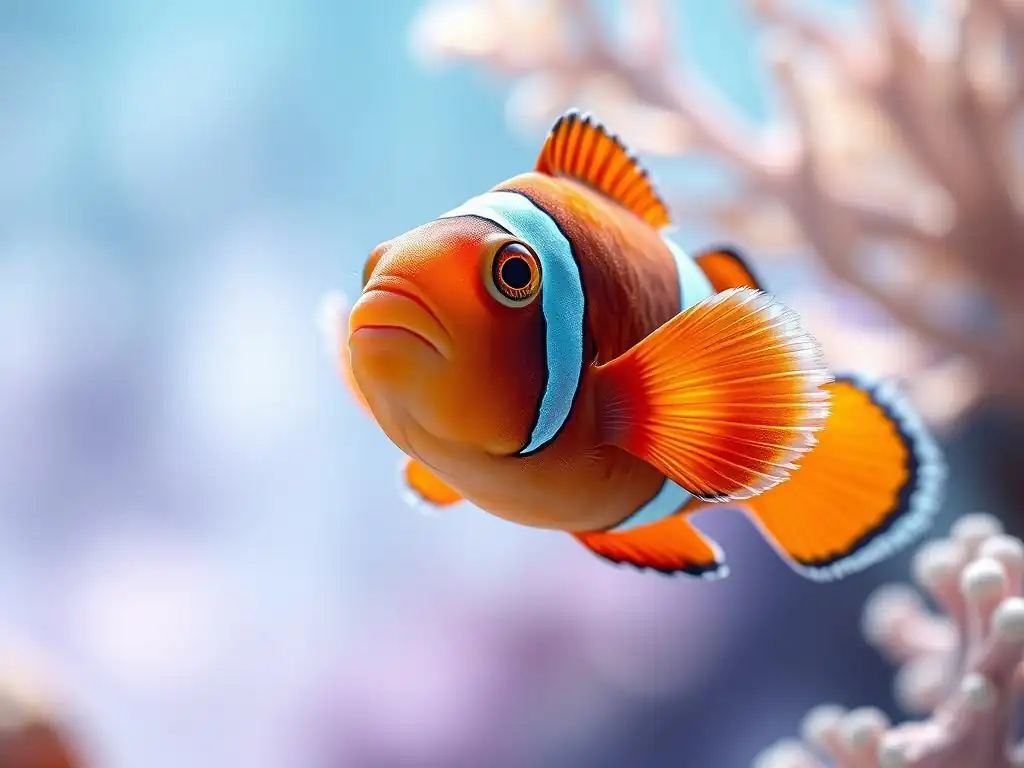
Damsel Fish: Territorial Disputes in Saltwater Aquariums
Damsel fish are often recommended to beginner aquarists due to their hardiness and vibrant colors, but many species are highly territorial and aggressive, posing significant problems for saltwater angelfish tank compatibility. Despite their small size, species like the Domino Damsel (Dascyllus trimaculatus) or the Blue Devil Damsel (Chrysiptera cyanea) can become relentless bullies as they mature. They establish a specific territory, often a rock crevice, and will vigorously defend it against any perceived intruder, including much larger angelfish.
The constant harassment from damsels can manifest as fin nipping, relentless chasing, and blocking angelfish from feeding areas or hiding spots. This persistent bullying creates immense stress for angelfish, leading to clamped fins, faded coloration, reluctance to eat, and increased susceptibility to disease. While some damsels are more docile, the risk associated with their territorial nature generally outweighs any perceived benefits when aiming for a harmonious saltwater angelfish community.
Certain Wrasse Species: Potential Nippers of Angelfish Fins
While many wrasse species are considered peaceful and beneficial additions to a reef tank, certain types can present challenges for saltwater angelfish tank compatibility, particularly those known for their boisterous activity or fin-nipping tendencies. Larger, more active wrasses, such as some members of the Coris or Halichoeres genera, can be overly energetic and may persistently bother slower-moving or long-finned angelfish. They might not inflict serious physical damage, but their constant darting and occasional nips can induce significant stress.
Even some smaller wrasses, like the Six-Line Wrasse (Pseudocheilinus hexataenia), while generally considered reef-safe, have been observed to harass timid tank mates, including dwarf angelfish, especially if introduced into an already established tank. This persistent, low-level aggression can prevent angelfish from fully settling in, limit their access to food, and generally undermine their well-being. Careful research into the specific wrasse species' temperament and a spacious tank are crucial if considering them alongside angelfish.
Hawkfish: Bullying Behavior Towards Saltwater Angelfish
Hawkfish are captivating perching predators, known for their distinctive personalities and ability to observe their surroundings from a stationary position. While not typically as overtly aggressive as triggerfish, many species, including the popular Flame Hawkfish (Neocirrhites armatus) or Longnose Hawkfish (Oxycirrhites typus), can exhibit significant bullying behavior towards smaller, more docile, or similarly shaped angelfish. They are territorial and will often assert their dominance over tank mates.
Their bullying manifests as chasing, nipping, and preventing angelfish from accessing prime feeding spots or hiding places. This constant low-level harassment, even if it doesn't result in severe physical injury, creates a stressful environment for angelfish, leading to reduced feeding, faded colors, and increased susceptibility to illness. This persistent stress makes hawkfish a questionable choice for maintaining optimal saltwater angelfish tank compatibility.
Fish with Similar Diets and Needs That Compete with Saltwater Angelfish
Tangs (Especially Aggressive Species): Resource Competition in Saltwater Tanks
Tangs, or surgeonfish, are highly sought after for their vibrant colors and algae-grazing abilities. However, many tang species, particularly more aggressive ones like the Naso Tang (Naso lituratus) or certain Acanthurus species, can create significant resource competition with saltwater angelfish due to overlapping dietary needs. Both tangs and angelfish, especially those from the Pomacanthus and Holacanthus genera, require substantial amounts of marine algae and various meaty foods in their diet.
In a shared aquarium, aggressive tangs can quickly outcompete angelfish for essential grazing opportunities and supplemental feedings of seaweed or spirulina. This competition can lead to malnutrition and stress for the angelfish, as they may not receive adequate nutrition. Furthermore, the active and often boisterous nature of some tangs can intimidate more peaceful angelfish, disrupting their feeding patterns and overall comfort. Careful consideration of tank size and specific species temperament is vital to ensure successful saltwater angelfish tank compatibility with tangs.
Other Large Angelfish: Intraspecific Aggression in Saltwater Environments
Introducing multiple large angelfish species into the same aquarium is a common mistake that almost invariably leads to severe intraspecific aggression. Most large angelfish, such as Emperor Angelfish, Queen Angelfish, or French Angelfish (Pomacanthus paru), are highly territorial and will fiercely compete for dominance, often resulting in fights that can lead to severe injury or even death for one or both fish. This aggression is deeply ingrained and stems from their natural territorial behaviors in the wild.
Even within the dwarf angelfish category, housing multiple species or even multiple individuals of the same species can be problematic without an exceptionally large tank (e.g., 100+ gallons) and careful planning. For instance, while some dwarf species like the Flame Angelfish (Centropyge loricula) can sometimes be kept in pairs, others like the Lemonpeel Angelfish (Centropyge flavissima) are notoriously aggressive towards conspecifics. This inherent territoriality makes careful consideration of saltwater angelfish tank compatibility crucial when planning to house more than one angelfish.
Butterflyfish: Dietary Competition with Angelfish
Many butterflyfish species share a significant dietary overlap with saltwater angelfish, making them potential competitors for food resources in a shared aquarium. While some butterflyfish are obligate coral eaters, many popular species, especially those considered "reef-safe" like the Copperband Butterflyfish (Chelmon rostratus), consume a varied diet of meaty foods, sponges, and algae, much like angelfish. This shared preference can lead to intense competition, particularly in tanks where food is not abundant or distributed widely.
The impact of this competition is often seen in angelfish becoming underfed, leading to weight loss, faded colors, and increased susceptibility to disease. For example, both angelfish and butterflyfish relish frozen foods such as Mysis shrimp, brine shrimp, and various prepared marine diets. In a competitive feeding environment, the more aggressive or faster-feeding butterflyfish can easily outcompete the angelfish. This dietary rivalry can undermine the health and well-being of your angelfish, thus compromising saltwater angelfish tank compatibility.
Fish That Require Different Water Parameters Than Saltwater Angelfish
Fish Requiring Brackish Water: Incompatible with Saltwater Angelfish Needs
A fundamental incompatibility arises when considering fish that require brackish water alongside saltwater angelfish. Saltwater angelfish are true marine species, thriving in full-strength saltwater with a specific gravity typically ranging from 1.023 to 1.026. Brackish water, by definition, is a mix of fresh and salt water, with a significantly lower salinity (e.g., 1.005-1.015 specific gravity), characteristic of estuaries and river mouths.
Attempting to house saltwater angelfish in brackish conditions, or conversely, brackish fish in full marine conditions, will lead to severe osmotic stress for both species. Osmotic stress occurs when a fish's internal fluid balance is disrupted by external salinity levels, causing cells to either swell or shrivel. This invariably results in organ damage, compromised immune function, and ultimately, death. This fundamental physiological difference makes brackish fish absolutely unsuitable tank mates for ensuring proper saltwater angelfish tank compatibility.
Fish Needing Significantly Cooler Temperatures: Stressing Saltwater Angelfish
Tropical saltwater angelfish thrive within a relatively narrow and warm temperature range, typically between 75-82°F (24-28°C). Introducing fish that naturally inhabit significantly cooler waters into this environment will cause immense stress and physiological distress for both the angelfish and the cold-water species. For example, some temperate marine fish from regions like the Pacific Northwest or parts of the Atlantic require temperatures consistently below 70°F (21°C).
Maintaining a water temperature outside an angelfish's optimal range will compromise its metabolic processes, suppress its immune system, and increase its susceptibility to various diseases. Conversely, keeping cold-water fish in tropical temperatures will rapidly lead to overheating, organ failure, and a drastically shortened lifespan. This critical difference in temperature requirements makes them incompatible for cohabitation, presenting a non-negotiable barrier to successful saltwater angelfish tank compatibility.
Coldwater Marine Fish: Unsuitable Tank Mates for Tropical Angelfish
Similar to fish requiring cooler temperatures, specific coldwater marine fish species are entirely unsuitable tank mates for tropical saltwater angelfish. These are species adapted to survive and thrive in oceans with naturally lower temperatures, often below 65°F (18°C). Examples include certain species of rockfish, cabezon, or some anemonefish found in temperate regions, which are accustomed to the chilly waters of their natural habitats.
The vast thermal disparity between what a tropical angelfish needs and what a coldwater marine fish requires makes cohabitation impossible without severely jeopardizing the health and survival of both. Attempting to compromise by setting the tank temperature in between their ideal ranges would simply stress both types of fish, leading to chronic illness, stunted growth, and premature death. Therefore, coldwater marine fish should be completely avoided when planning for optimal saltwater angelfish tank compatibility.
Fish That Might Prey on Small or Dwarf Saltwater Angelfish
Large Eels: A Predatory Threat to Smaller Angelfish
Large eels, particularly certain moray eel species like the Gymnothorax morays or even the more commonly kept Snowflake Moray Eel (Echidna nebulosa), represent a significant predatory threat to smaller angelfish. While often appearing docile, these eels are opportunistic and highly effective hunters with an impressive ability to consume fish that fit into their mouths. Even if regularly fed, their natural instincts can drive them to prey on vulnerable tank mates, especially at night.
Dwarf angelfish, which typically range from 2.5 to 6 inches in adult size, fall well within the predatory range of many larger eels. Juveniles of larger angelfish species are also at considerable risk. Eels are nocturnal hunters, meaning that an angelfish might disappear overnight without a trace. The inherent danger and the constant stress of potential predation make large eels an extremely poor choice for ensuring saltwater angelfish tank compatibility, especially with smaller specimens.
Mantis shrimp are highly intelligent and incredibly powerful crustaceans, often introduced accidentally into aquariums as hitchhikers on live rock. While some species remain small, others, like the Peacock Mantis Shrimp (Odontodactylus scyllarus), can grow up to 7 inches and possess a formidable "smasher" or "spearer" claw capable of delivering a blow with the force of a .22 caliber bullet. This power allows them to crack open snails, crabs, and even glass, and stunning or killing fish.
The danger of a mantis shrimp lies in its stealth and predatory efficiency. Once established in a tank, they can systematically decimate an aquarium's inhabitants, including angelfish, often leaving no trace. Their secretive nature makes them difficult to detect and remove, making them a lurking, unavoidable threat. Any risk of a mantis shrimp being present should lead to extreme caution, as they are an absolute "no-go" for anyone serious about maintaining saltwater angelfish tank compatibility.
Scorpionfish: Potential Predators of Dwarf Angelfish
Scorpionfish, including their relatives like Stonefish (Synanceia verrucosa) and Leaf Scorpionfish (Taenianotus triacanthus), are masters of camouflage and highly effective ambush predators. They possess venomous spines for defense, but their primary threat to tank mates comes from their ability to remain perfectly still, blending into the rockwork, and then striking with incredible speed to consume any fish that swims too close and fits into their mouth.
Dwarf angelfish are particularly vulnerable to scorpionfish predation. A Flame Angelfish, for example, typically grows to about 4 inches, making it an ideal meal for many scorpionfish species. While their sedentary nature might make them seem harmless, their predatory strikes are swift and deadly. The constant, hidden threat of being ambushed by a scorpionfish creates an untenable environment for angelfish, posing a significant and unacceptable risk to saltwater angelfish tank compatibility.
How to Assess Saltwater Angelfish Tank Compatibility Before Introducing New Fish
Quarantine Procedures for New Saltwater Fish
Implementing rigorous quarantine procedures for all new saltwater fish is the single most crucial step in preventing disease outbreaks and ensuring the long-term health and stability of your saltwater angelfish community. A dedicated quarantine tank, typically 10-20 gallons for a single small fish, allows you to observe new arrivals for signs of illness, parasites (such as marine Ich or Brooklynella), and behavioral issues in isolation. This prevents the introduction of pathogens that could devastate your established angelfish and other inhabitants.
New fish should ideally be quarantined for a minimum of 3-4 weeks, or longer if any signs of disease emerge. During this period, you can treat any ailments that manifest, ensuring the fish is healthy and stress-free before being introduced to the main display. This proactive approach significantly reduces the risk of transferring diseases to your angelfish, which are often sensitive to environmental changes and stress, thereby safeguarding the entire ecosystem and promoting successful saltwater angelfish tank compatibility.
Observing Fish Behavior for Signs of Aggression
Careful observation of fish behavior, both before purchase and after introduction, is paramount for assessing saltwater angelfish tank compatibility. Before buying, spend time watching potential tank mates in the fish store. Look for signs of aggression, such as constant chasing, fin nipping, or bullying of other fish. Conversely, observe if a fish appears overly stressed, hiding constantly, or exhibiting rapid breathing, as these are indicators of poor health or an inability to adapt.
Once a new fish has completed quarantine and is introduced to the main aquarium, continuous monitoring is essential. Pay close attention to interactions between the new arrival and your angelfish. Subtle signs of stress or bullying in your angelfish can include clamped fins, faded colors, refusal to eat, or constant hiding. Early detection of these behaviors allows for intervention, such as rearranging rockwork or, in severe cases, removing the offending fish, preventing chronic stress and ensuring a peaceful environment for your saltwater angelfish.
Researching Specific Fish Species and Their Temperaments
Thorough research into the specific species you plan to introduce is the most effective proactive measure for ensuring successful saltwater angelfish tank compatibility. Do not rely solely on advice from a single source or the general appearance of a fish. Utilize reputable online databases, specialized forums, and comprehensive marine aquarium books to gain a deep understanding of each species' adult size, typical temperament, specific dietary requirements, and territorial behaviors.
Look for information regarding whether a species is generally considered "reef safe," "aggressive," "semi-aggressive," or "peaceful." Understand their natural swimming levels (e.g., top, middle, or bottom dwellers) and whether they are solitary, paired, or schooling in nature. For instance, knowing that a certain tang species grows very large and is highly territorial, or that a particular wrasse is prone to fin nipping, allows you to make informed decisions that prevent future conflicts and contribute significantly to a harmonious saltwater angelfish community.
Creating a Peaceful Saltwater Aquarium Environment for Your Angelfish
Providing Ample Hiding Places and Territory
A well-structured aquarium with ample hiding places and defined territories is fundamental to creating a peaceful environment for your saltwater angelfish and ensuring optimal saltwater angelfish tank compatibility. Live rock formations, strategically placed to create numerous caves, overhangs, and swim-throughs, serve as essential retreats for all inhabitants. This visual complexity breaks up lines of sight, reducing direct confrontations and allowing fish to escape from perceived threats or establish their own personal spaces.
For angelfish, which can be territorial, having their own "safe zones" significantly reduces stress and aggression, both from other tank mates and their own species if multiple are housed. A general guideline is to provide at least 1-2 pounds of live rock per gallon for good biological filtration and structural complexity. This abundance of physical barriers and resting spots minimizes stress, promotes natural behaviors, and is crucial for fostering a harmonious saltwater angelfish community.
Maintaining Optimal Water Quality
Maintaining consistently optimal water quality is paramount for the health and well-being of your saltwater angelfish and directly impacts overall saltwater angelfish tank compatibility. Poor water parameters, such as elevated ammonia, nitrites, or nitrates, fluctuating salinity, or incorrect pH levels, severely stress all fish. Stressed fish are more susceptible to disease, less tolerant of tank mates, and more likely to exhibit undesirable behaviors. Angelfish, in particular, are known for their sensitivity to pristine water conditions.
Ideal parameters include zero ammonia and nitrite, low nitrates (preferably below 20 ppm), stable salinity around 1.025 specific gravity, and a pH between 8.1 and 8.4. Regular partial water changes (e.g., 10-20% bi-weekly), robust filtration (mechanical, biological, and chemical), and consistent monitoring of parameters are non-negotiable. A healthy, stress-free angelfish is more resilient, less prone to illness, and less likely to display aggression due to discomfort, making superior water quality a cornerstone of successful angelfish compatibility.
Introducing Fish in the Right Order (Least Aggressive First)
The order in which you introduce new fish to your saltwater aquarium can significantly influence the success of saltwater angelfish tank compatibility. A general rule of thumb is to introduce the least aggressive and most docile fish first, allowing them ample time to establish themselves and claim territories before adding more assertive or semi-aggressive species. This strategy helps prevent an overly dominant fish from immediately claiming the entire tank and terrorizing new additions.
For instance, if you plan to keep a peaceful Royal Gramma with a larger, potentially semi-aggressive angelfish, introduce the Royal Gramma first. This allows it to settle into its chosen hiding spots and feel secure. The angelfish, when introduced later, will find established residents and may be less inclined to exhibit extreme territoriality. This careful sequencing minimizes initial stress, reduces the likelihood of aggression, and greatly improves the chances of creating a peaceful and harmonious saltwater angelfish community.
Conclusion: Ensuring a Harmonious Saltwater Aquarium Community with Your Angelfish
Achieving a truly harmonious saltwater aquarium community, especially one centered around the majestic saltwater angelfish, requires meticulous planning and diligent research. Successful saltwater angelfish tank compatibility hinges on a comprehensive understanding of species-specific needs, including their adult size, temperament, dietary requirements, and potential for aggression or competition. Avoiding the fish species detailed in this article, which pose significant threats through predation, aggression, or incompatible environmental needs, is a critical first step.
By adhering to best practices such as thorough quarantine procedures, careful observation of fish behavior, and creating an optimally structured environment with pristine water quality, you can significantly enhance the well-being of your angelfish. Thoughtful stocking order, introducing the least aggressive inhabitants first, further minimizes stress and conflict. The reward for this dedication is a vibrant, thriving ecosystem where your saltwater angelfish can flourish, showcasing their natural beauty and providing years of enjoyment in a peaceful and sustainable community.
Frequently Asked Questions
How crucial is tank compatibility when keeping saltwater angelfish?
It's extremely crucial. Angelfish can be territorial and easily stressed, so incompatible tank mates can lead to aggression and health problems.
What types of fish are generally not compatible with saltwater angelfish?
Aggressive fish like triggerfish, certain damsels, and larger predatory fish are typically incompatible. They can bully or even eat smaller, more peaceful angelfish.
Why is size an important factor when considering tank mates for angelfish?
Significantly smaller fish may be viewed as prey by some angelfish, while much larger, aggressive fish can easily dominate and stress the angelfish.
Can I keep multiple angelfish together in the same tank?
It depends on the species and tank size. Some angelfish are solitary and will fight with others. Only keep multiple angelfish in a very large tank with plenty of hiding places.
What are some signs that my angelfish is stressed or being bullied by other fish?
Signs include hiding, loss of appetite, torn fins, and increased respiration rate. Immediate action is needed to separate the fish if these signs are observed.
Okay, here's a final reflection designed to close your article "Fish Species to Absolutely Avoid with Your Saltwater Angelfish," keeping in mind the keyword "Saltwater angelfish tank compatibility" and the structure you outlined.
Final Reflection: Harmony in the Reef
The delicate balance of a saltwater aquarium, especially when housing the vibrant and often temperamental saltwater angelfish, is a microcosm of the larger ecosystems we strive to understand and protect. Understanding and respecting the specific needs of each species is not just a best practice, but a fundamental responsibility for any aquarist. Ignoring the potential for conflict, as we've explored in this article, can lead to devastating consequences for the entire tank community.
This journey through incompatible tankmates highlights the profound impact our choices have on the lives of these creatures. It reminds us that responsible fishkeeping goes beyond aesthetics and delves into the ethical considerations of creating a thriving, harmonious environment. As custodians of these miniature reefs, we must prioritize the well-being of our aquatic companions. The greatness of a nation and its moral progress can be judged by the way its animals are treated.
- Mahatma Gandhi. This quote, though not specifically about fish, resonates deeply with the spirit of mindful aquascaping and the commitment to providing the best possible life for our angelfish and their tankmates.
Now, armed with this knowledge of potential pitfalls and incompatible species, I encourage you to reflect on your own aquascaping journey. Are you truly considering the needs of each individual fish? Are you creating a community built on respect and compatibility, or simply assembling a collection of beautiful specimens? Let this article serve as a catalyst for more informed decisions, fostering a deeper appreciation for the intricate web of life within your saltwater aquarium, and ultimately, contributing to the responsible and sustainable practice of marine aquaristics.
Empower Your Angelfish: Become the Ultimate Reef Guardian!
Thank you for diving into the world of saltwater angelfish! We hope this article has equipped you with the knowledge to create a thriving and harmonious reef environment. Now, let's turn that knowledge into action!
Here are a few things you can do right now:
- Immediately review your current or planned tank stocking list against the species mentioned, ensuring compatibility before introducing any new fish.
- Share this article with fellow reef enthusiasts to spread awareness about angelfish tank mate selection and contribute to a more informed aquarium community.
- Research specific temperaments of the other fish already in the tank, even those that have worked for other people in the past. You might be surprised what you find.
What unexpected tank mate combination have you seen succeed (or spectacularly fail) in a reef aquarium? Share your experiences in the comments below!